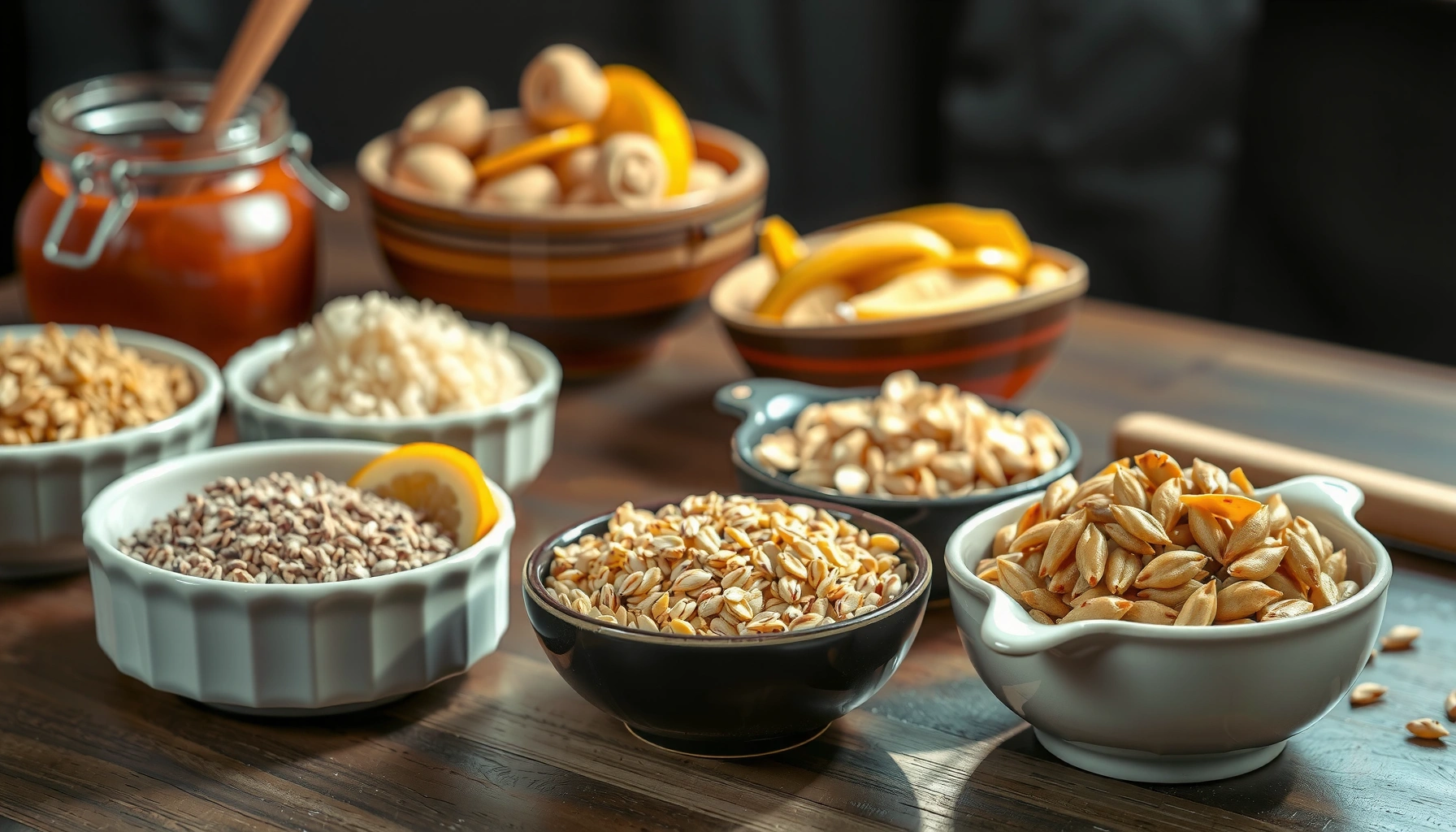
The best diabetes diet isn’t a one-size-fits-all rigid plan, but rather a flexible eating pattern centered on whole, nutrient-dense foods that stabilize blood sugar, promote a healthy weight, and prevent complications. It emphasizes balanced macronutrient intake, plenty of fiber, and mindful eating to support overall well-being. This guide will help you understand the core principles and practical steps for effective diabetes management through diet.




Understanding the “Best” Diabetes Diet Approach
Navigating dietary choices when managing diabetes can seem daunting, but the core principle is empowerment through informed decisions. The “best” approach is not a restrictive set of rules but a strategic framework for sustained health.
* Personalized Not Prescriptive: It is crucial to understand that there is no singular “best” diet universally applicable to every individual with diabetes. Dietary needs vary significantly based on factors such as type of diabetes (Type 1, Type 2, gestational), medication regimen (insulin, oral medications), individual metabolism, cultural preferences, activity levels, co-existing health conditions, and personal taste. What works optimally for one person may not be ideal for another. Therefore, the most effective approach is a personalized one, developed in consultation with healthcare professionals like a registered dietitian or endocrinologist, to align with an individual’s specific blood sugar goals, lifestyle, and preferences, ensuring long-term adherence and effectiveness. This customization allows for flexibility and sustainability, fostering a healthier relationship with food rather than rigid adherence to a generalized plan.
* Goals Beyond Blood Sugar: While blood glucose stabilization is a primary objective, an effective diabetes diet extends its benefits far beyond this immediate goal. A well-planned diet comprehensively addresses overall health, aiming for healthy weight management, which is particularly vital for individuals with Type 2 diabetes as it can significantly improve insulin sensitivity. Furthermore, such a diet is intrinsically designed to improve heart health by managing cholesterol levels and blood pressure, thereby reducing the risk of cardiovascular disease, a common complication of diabetes. It also plays a pivotal role in preventing other long-term complications, including nephropathy (kidney disease), neuropathy (nerve damage), and retinopathy (eye damage), by maintaining consistent glucose levels and providing essential nutrients that support organ function and cellular health.
* Focus on Whole Foods: The cornerstone of any optimal diabetes diet is a profound emphasis on whole, unprocessed foods. This means prioritizing ingredients in their most natural state, such as fresh fruits, vegetables, whole grains, lean proteins, and healthy fats. These foods are rich in fiber, vitamins, minerals, and antioxidants, offering a powerful nutritional punch. In contrast, refined and highly processed options — like white bread, sugary snacks, and pre-packaged meals — are typically stripped of essential nutrients and fiber, often containing excessive amounts of added sugars, unhealthy fats, and sodium. The fiber in whole foods slows down glucose absorption, preventing rapid blood sugar spikes and promoting sustained energy release, while the abundance of micronutrients supports myriad bodily functions and reduces inflammation. This focus not only aids blood sugar control but also contributes to greater satiety and overall vitality.
Balancing Macronutrients for Blood Sugar Control
Achieving stable blood glucose levels is fundamentally about understanding and appropriately balancing your intake of macronutrients: carbohydrates, proteins, and fats. Each plays a distinct role in how your body processes energy and impacts blood sugar.
* Carbohydrates: While carbohydrates are the primary source of energy for the body, their type and quantity are critical for diabetes management. The focus should unequivocally be on complex, high-fiber carbohydrates. These include whole grains (e.g., quinoa, oats, brown rice, whole-wheat bread), legumes (e.g., lentils, chickpeas, black beans), and most non-starchy vegetables (e.g., broccoli, spinach, bell peppers). Unlike simple carbohydrates found in sugary drinks and refined grains, complex carbohydrates are digested slowly, leading to a gradual and more stable rise in blood sugar, rather than sharp spikes. Portion control is paramount, even with healthy carbohydrates, as excessive amounts can still elevate glucose levels. Understanding carbohydrate counting or utilizing tools like the glycemic index (GI) can be beneficial for managing their impact effectively.
* Proteins: Lean protein sources are invaluable for individuals managing diabetes. Incorporating foods like fish (especially fatty fish rich in omega-3s), skinless poultry, eggs, low-fat dairy, beans, lentils, tofu, and tempeh at each meal offers multiple advantages. Protein has minimal direct impact on blood sugar levels and, crucially, helps promote satiety, making you feel fuller for longer. This can reduce overall calorie intake and assist with weight management. Furthermore, protein plays a vital role in supporting muscle mass, which is metabolically active tissue, and it helps moderate the blood sugar response to carbohydrates when consumed together by slowing down gastric emptying. Aim for balanced portions to complement your carbohydrate intake.
* Healthy Fats: The inclusion of healthy fats in moderation is essential for cardiovascular health, satiety, and overall well-being. Monounsaturated fats (MUFAs) found in avocados, olive oil, and nuts (e.g., almonds, cashews) and polyunsaturated fats (PUFAs), including omega-3 fatty acids found in fatty fish (e.g., salmon, mackerel) and seeds (e.g., flaxseeds, chia seeds), are particularly beneficial. These fats can help improve cholesterol profiles, reduce inflammation, and enhance the absorption of fat-soluble vitamins. While healthy, fats are calorie-dense, so portion control remains important to prevent excessive calorie intake, which could contribute to weight gain. Their slow digestion also contributes to prolonged satiety, which can help prevent overeating and stabilize blood sugar between meals.
Foods to Prioritize and Enjoy
Embracing a diabetes-friendly diet means focusing on the abundance of delicious, nutrient-dense foods that support your health rather than dwelling on restrictions. Building meals around these categories will provide sustained energy and vital nutrients.
* Non-Starchy Vegetables: These are the superstars of a diabetes diet. You can enjoy an almost unlimited array of non-starchy vegetables due to their low carbohydrate content and high fiber, vitamin, and mineral density. Load up on leafy greens like spinach, kale, and collard greens; cruciferous vegetables such as broccoli, cauliflower, and Brussels sprouts; and other vibrant options like bell peppers, cucumbers, zucchini, green beans, and asparagus. They contribute essential antioxidants and phytochemicals, support digestive health, and help you feel full without significantly impacting blood sugar levels. Incorporate them into every meal – raw in salads, steamed, roasted, or stir-fried.
* Whole Grains and Legumes: These complex carbohydrate sources are vital for sustained energy and digestive health. Choose unrefined whole grains like quinoa, oats (steel-cut or rolled), brown rice, farro, barley, and 100% whole-wheat bread or pasta. They retain their bran, germ, and endosperm, providing fiber, B vitamins, and minerals that are stripped away in refined versions. Legumes such as lentils, chickpeas, black beans, kidney beans, and split peas are also excellent choices, offering a powerful combination of plant-based protein and fiber, making them highly effective for blood sugar management and satiety. These should be consumed in measured portions appropriate for your individual carb tolerance.
* Lean Protein Sources: Adequate protein intake is crucial for muscle maintenance, satiety, and moderating glucose response. Prioritize lean options such as grilled or baked chicken breast (skinless), fish (especially salmon, tuna, mackerel for omega-3s), eggs, Greek yogurt (plain, unsweetened), cottage cheese, and plant-based proteins like tofu, tempeh, and edamame. These sources provide essential amino acids without excessive saturated fat, supporting overall health and helping to stabilize blood sugar. Varying your protein sources ensures a broad spectrum of nutrients.
* Healthy Fats: While fats need to be consumed in moderation due to their calorie density, incorporating healthy fats is vital for heart health and satiety. Excellent choices include avocados, which are rich in monounsaturated fats and fiber; nuts like almonds, walnuts, pecans, and pistachios; seeds such as chia seeds, flaxseeds, and sunflower seeds; and high-quality olive oil for cooking and salad dressings. These fats help lower bad cholesterol, raise good cholesterol, and provide essential fatty acids that reduce inflammation, contributing to overall cardiovascular wellness and making meals more satisfying.
Foods to Limit or Avoid for Better Management
To effectively manage blood sugar and prevent complications, certain foods should be strictly limited or avoided due to their detrimental impact on glucose levels and overall health.
* Added Sugars & Sugary Drinks: This category is arguably the most critical to restrict. Foods and beverages high in added sugars, such as sodas, fruit juices with added sugar, sweet teas, energy drinks, candies, pastries, cakes, cookies, and many sweetened desserts, cause rapid and significant spikes in blood sugar levels. These items provide empty calories with little to no nutritional value and can contribute to weight gain and insulin resistance. Learning to identify hidden sugars in packaged foods by checking ingredient labels (looking for terms like high-fructose corn syrup, sucrose, dextrose, maltose, etc.) is essential. Opt for water, unsweetened tea, or coffee, and use natural sweeteners like stevia or erythritol sparingly if desired.
* Refined Carbohydrates: These carbohydrates have been processed to remove the bran and germ, stripping them of fiber, vitamins, and minerals. Examples include white bread, white pasta, white rice, most breakfast cereals, bagels, crackers, and many processed snack foods. Without fiber, these foods are quickly digested and absorbed, leading to rapid blood sugar elevation similar to simple sugars. Over time, a diet high in refined carbohydrates can exacerbate insulin resistance and make blood sugar control more challenging. Always choose whole-grain alternatives whenever possible, as they provide fiber and nutrients that slow glucose absorption.
* Unhealthy Fats: Limiting certain types of fats is crucial, particularly for cardiovascular health, which is often compromised in individuals with diabetes. Trans fats, often found in partially hydrogenated oils used in many processed and fried foods (e.g., some margarines, fast food, commercial baked goods), should be strictly avoided as they significantly raise LDL (“bad”) cholesterol and lower HDL (“good”) cholesterol, increasing heart disease risk. Saturated fats, found in high amounts in red meat, processed meats (bacon, sausage), full-fat dairy products, butter, and tropical oils (coconut and palm oil), should also be minimized. While not as harmful as trans fats, excessive intake of saturated fat can contribute to elevated cholesterol levels and insulin resistance. Opt for lean protein sources and healthy plant-based fats.
Practical Meal Planning and Portion Control
Effective diabetes management hinges not just on what you eat, but how you plan and consume your meals. Practical strategies can make healthy eating habitual and simplify daily choices.
* The Plate Method: This is an incredibly simple yet powerful visual tool for creating balanced meals without complex calculations. To use the plate method, imagine a 9-inch dinner plate and fill half of it with non-starchy vegetables (e.g., leafy greens, broccoli, carrots). This ensures a high intake of fiber, vitamins, and minerals with minimal carbohydrate impact. Dedicate one-quarter of the plate to lean protein sources (e.g., grilled chicken, fish, tofu). The final one-quarter of the plate should be allocated to complex carbohydrates (e.g., a small portion of quinoa, brown rice, whole-wheat pasta, or a sweet potato). This method helps in instinctively controlling portions and ensures a balanced intake of macronutrients, preventing overconsumption of carbohydrates and promoting satiety.
* Regular Meal Times: Establishing and adhering to consistent meal and snack times throughout the day is a cornerstone of stable blood sugar management. Skipping meals or having erratic eating patterns can lead to significant fluctuations in blood glucose, making it harder for your body to regulate insulin. When you go too long without eating, blood sugar can drop too low (hypoglycemia), prompting the body to overcompensate and potentially leading to a subsequent high. Regular meals, evenly spaced, help to maintain a more even keel for blood sugar levels, prevent extreme hunger (which often leads to overeating or poor food choices), and optimize the effectiveness of diabetes medications. Planning snacks, if needed, that include a combination of protein and fiber can further support this stability.
* Reading Food Labels: Becoming adept at deciphering food labels is an indispensable skill for anyone managing diabetes. Understanding the nutritional information on packaged foods allows you to make informed choices that align with your dietary goals. Pay close attention to:
* Serving Sizes: Often, a package contains multiple servings, and consuming the entire package means multiplying all nutrient values.
* Total Carbohydrates: This is crucial, as it includes sugars, starches, and fiber. Many people with diabetes count total carbohydrates to manage their intake.
* Added Sugars: Specifically look for “Added Sugars” to identify hidden sugars that contribute to rapid blood sugar spikes. Aim to minimize these.
* Fiber: Higher fiber content is desirable as it slows digestion and glucose absorption.
* Fat Content: Differentiate between healthy fats (monounsaturated, polyunsaturated) and unhealthy fats (saturated, trans fats) and choose products with lower amounts of the latter.
By regularly reviewing labels, you gain control over your intake and can confidently select foods that support your blood sugar targets.
Beyond Food: Hydration and Lifestyle Support
While diet is paramount, effective diabetes management is a holistic endeavor that integrates crucial lifestyle factors. These elements synergistically support metabolic health and overall well-being.
* Stay Hydrated: Drinking an adequate amount of water throughout the day is fundamental to overall health and plays a specific role in diabetes management. Water helps the kidneys flush out excess sugar through urine, especially when blood sugar levels are high. Dehydration can lead to concentrated blood glucose levels, making it harder for the body to function efficiently. Furthermore, proper hydration supports metabolic processes, helps maintain energy levels, and can prevent confusion or fatigue often associated with dehydration. Avoid sugary beverages like soda, juice, and sweetened coffee/tea, which can cause significant blood sugar spikes. Instead, opt for plain water, unsweetened tea, or infused water with lemon or cucumber.
* Regular Physical Activity: Incorporating daily physical activity is one of the most potent non-pharmacological interventions for diabetes. Exercise improves insulin sensitivity, meaning your cells become more responsive to insulin, allowing them to take up glucose from the bloodstream more efficiently. This directly helps in lowering blood sugar levels. Regular physical activity also contributes significantly to weight management, reduces the risk of cardiovascular disease, lowers blood pressure, and improves cholesterol levels. Aim for at least 150 minutes of moderate-intensity aerobic exercise (like brisk walking, swimming, or cycling) per week, along with two or more days of muscle-strengthening activities. Even short, frequent bursts of activity throughout the day are beneficial.
* Stress Management: The connection between stress and blood glucose levels is often underestimated. When you experience stress, your body releases hormones like cortisol and adrenaline, which are designed to increase blood glucose to provide quick energy for a “fight or flight” response. In individuals with diabetes, this can lead to elevated blood sugar levels even without eating. Chronic stress can also negatively impact eating habits, leading to emotional eating or cravings for unhealthy comfort foods. Practicing stress-reducing techniques such such as mindfulness meditation, deep breathing exercises, yoga, spending time in nature, engaging in hobbies, or ensuring adequate sleep can significantly help manage blood glucose fluctuations and improve overall mental and physical well-being. Prioritizing mental health is an integral part of diabetes care.
Adopting the best diabetes diet is about making sustainable, informed choices that support your health and well-being every day. It’s not just about what you cut out, but what nutrient-rich foods you embrace for a balanced lifestyle. The integration of balanced nutrition, consistent hydration, regular physical activity, and effective stress management creates a powerful foundation for thriving with diabetes. Always consult with your doctor or a registered dietitian to create a personalized eating plan tailored to your specific diabetes type, medications, and health goals for the most effective management.
Frequently Asked Questions
What is the best overall “diabetes diet” approach?
The “best diabetes diet” isn’t a single restrictive plan, but rather a balanced eating pattern rich in whole, unprocessed foods. It emphasizes nutrient-dense choices like non-starchy vegetables, lean proteins, healthy fats, and fiber-rich complex carbohydrates, often mirroring a Mediterranean-style diet. The goal is to stabilize blood sugar levels, manage weight, and reduce the risk of diabetes complications. Personalizing your approach with a healthcare provider or registered dietitian is crucial for long-term success.
Which foods are essential to include in a diabetes-friendly meal plan?
For a diabetes-friendly meal plan, prioritize non-starchy vegetables (like leafy greens, broccoli, bell peppers), lean protein sources (fish, chicken breast, tofu, legumes), and healthy fats (avocado, nuts, olive oil). Incorporate complex carbohydrates such as whole grains (quinoa, brown rice, oats) and fruits in moderation, focusing on portion control. These foods provide essential nutrients, fiber, and help stabilize blood glucose.
How can I effectively manage carbohydrates in my diabetes diet?
Effectively managing carbohydrates in a diabetes diet involves focusing on the *type*, *amount*, and *timing* of carbs. Opt for complex carbohydrates high in fiber, which digest slower and cause a more gradual rise in blood sugar, over refined sugars and starches. Utilize portion control by measuring carb-containing foods and consider distributing your carbohydrate intake consistently throughout the day to prevent large blood sugar spikes. Working with a dietitian can help you determine your individual carb goals.
Why is portion control so important for managing blood sugar levels?
Portion control is crucial for managing blood sugar levels because even healthy foods can elevate glucose if consumed in excessive amounts. Larger portions mean more calories and carbohydrates, leading to higher blood sugar spikes and making weight management more challenging. By moderating portion sizes, individuals with diabetes can better control their glucose intake per meal, prevent drastic fluctuations, and maintain a healthy weight, which significantly aids in diabetes management.
Are there specific eating patterns, like keto or Mediterranean, that are recommended for diabetes?
The Mediterranean eating pattern is widely recommended for diabetes management due to its emphasis on whole foods, healthy fats, lean proteins, and complex carbohydrates, proving beneficial for heart health and blood sugar control. While very low-carb diets like the ketogenic diet can significantly lower blood sugar and promote weight loss, they require careful medical supervision to ensure nutritional adequacy and long-term sustainability, as they can be very restrictive. Always discuss specific eating patterns with your healthcare team to find the best fit for your individual health needs.
References
- Eating Well & Managing Diabetes | ADA
- https://www.cdc.gov/diabetes/managing/eat-well.html
- Healthy Living with Diabetes – NIDDK
- Diabetes diet: Create your healthy-eating plan – Mayo Clinic
- https://www.health.harvard.edu/diseases-and-conditions/type-2-diabetes-and-what-you-eat
- Diabetic Diet | MedlinePlus
- https://www.nhs.uk/conditions/type-2-diabetes/food-and-diet/