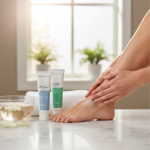
For individuals managing diabetes, selecting the right body lotion is crucial for maintaining skin health and preventing complications. The best body lotions for diabetics are typically fragrance-free, hypoallergenic, and rich in emollients, humectants, and occlusives like ceramides, hyaluronic acid, and shea butter, which work together to intensely hydrate, repair the skin barrier, and lock in moisture. Understanding these key ingredients and application techniques can significantly improve skin comfort and overall well-being by addressing the specific challenges diabetic skin faces, thereby mitigating common issues such as dryness, itching, and increased vulnerability to infections.




Why Diabetic Skin Needs Special Attention
Diabetes impacts various bodily systems, and the skin is no exception, often bearing some of the most noticeable and potentially serious complications. The physiological changes associated with diabetes, particularly sustained high blood glucose levels, create a unique dermatological landscape that necessitates specialized care.
– Increased Dryness and Itchiness: High blood glucose levels, a hallmark of diabetes, can lead to several mechanisms that exacerbate skin dryness. Firstly, hyperglycemia can cause osmotic diuresis, where the kidneys excrete more fluid to eliminate excess sugar, leading to overall body dehydration, which in turn manifests as dry skin. Secondly, nerve damage (diabetic neuropathy), especially autonomic neuropathy, can impair the function of sweat and oil glands (sudomotor and sebaceous glands). These glands are responsible for producing natural moisturizing factors (NMFs) and lipids that keep the skin hydrated and supple. When their function is compromised, the skin loses its natural ability to retain moisture, resulting in severe dryness, flakiness, and persistent itching (pruritus). This dryness is often particularly pronounced on the lower legs and feet, areas already vulnerable due to reduced circulation and nerve sensitivity. The constant itching can lead to scratching, which further damages the skin barrier and increases the risk of infection.
– Compromised Skin Barrier: The skin’s natural protective barrier, comprised of lipids like ceramides, cholesterol, and fatty acids, along with skin cells (corneocytes), acts as a formidable shield against environmental aggressors and helps prevent trans-epidermal water loss (TEWL). In individuals with diabetes, this barrier can be significantly weakened. Chronic inflammation, impaired collagen production, and increased advanced glycation end products (AGEs) – which result from sugar molecules binding to proteins – can all contribute to a disorganized and less effective skin barrier. A compromised barrier means the skin is more permeable, allowing irritants and allergens to penetrate more easily, leading to increased sensitivity, inflammation, and a heightened susceptibility to infections. Furthermore, a weakened barrier is less efficient at retaining moisture, contributing to the persistent dryness mentioned above. The reduced integrity of the barrier also means that minor abrasions or cuts can take longer to heal, making diabetic skin more fragile and slow to repair itself.
– Risk of Complications: The combined effects of increased dryness, a compromised skin barrier, and reduced immune response common in diabetes significantly elevate the risk of serious complications. Unattended dry, cracked, or broken skin provides easy entry points for bacteria, fungi, and other pathogens. This risk is particularly high in the feet, where nerve damage (peripheral neuropathy) can mask pain and prevent individuals from noticing minor injuries or infections until they become severe. Poor circulation, another common diabetic complication, further impedes the body’s ability to fight off infections and heal wounds effectively. Skin infections in diabetics, such as cellulitis, fungal infections (e.g., athlete’s foot), or bacterial infections (e.g., staph), can rapidly escalate, potentially leading to ulcers, abscesses, and in extreme cases, limb amputation. Therefore, proactive and specialized skin care is not just about comfort; it is a critical component of overall diabetes management and complication prevention.
Key Ingredients to Look For
Selecting a body lotion with the right active ingredients is paramount for individuals with diabetes. These ingredients work synergistically to address the specific needs of compromised diabetic skin, focusing on deep hydration, barrier repair, and soothing relief.
– Humectants (e.g., Hyaluronic Acid, Glycerin, Urea): Humectants are hydrophilic substances that attract water from the deeper layers of the skin (dermis) and the environment, drawing it to the outermost layer (epidermis).
* Hyaluronic Acid: A powerful humectant capable of holding up to 1,000 times its weight in water, hyaluronic acid provides intense surface hydration, making the skin appear plumper and smoother.
* Glycerin: A widely used and effective humectant, glycerin helps maintain skin hydration and improves barrier function. It’s gentle and suitable for sensitive skin.
* Urea: Beyond its humectant properties, urea is also a mild keratolytic, meaning it helps to gently exfoliate dead skin cells. In lower concentrations (typically 5-10%), it acts as an excellent moisturizer, particularly effective for very dry, scaly, and thickened skin often seen in diabetic feet. Higher concentrations may be used for specific conditions but should be discussed with a healthcare professional.
– Emollients (e.g., Ceramides, Shea Butter, Fatty Acids): Emollients are lipid-rich ingredients that fill the spaces between skin cells, creating a smooth, soft surface and restoring the skin’s flexibility. They are crucial for repairing a compromised skin barrier.
* Ceramides: These are essential lipids that make up a significant portion of the skin’s natural barrier. Diabetic skin often has depleted ceramide levels, so replenishing them directly helps rebuild and strengthen the barrier, reducing moisture loss and improving protection against irritants.
* Shea Butter: A natural emollient rich in vitamins and fatty acids, shea butter provides deep nourishment and helps to soften and smooth rough skin. It forms a protective, non-comedogenic layer that locks in moisture.
* Fatty Acids (e.g., Linoleic Acid, Oleic Acid): These are vital components of the skin barrier lipids. They help to maintain the integrity and fluidity of the cell membranes and contribute to the skin’s overall health and resilience.
– Occlusives (e.g., Petrolatum, Dimethicone, Mineral Oil): Occlusives form a physical barrier on the skin’s surface, effectively sealing in moisture and preventing trans-epidermal water loss. They are essential for protecting severely dry and compromised skin.
* Petrolatum (Petroleum Jelly): One of the most effective occlusive agents, petrolatum creates a highly protective barrier that dramatically reduces water evaporation from the skin, providing long-lasting hydration for very dry and cracked skin.
* Dimethicone: A silicone-based polymer, dimethicone forms a breathable, protective film on the skin without feeling heavy or greasy. It helps to smooth the skin and reduce moisture loss, and is often found in lotions designed for sensitive skin.
* Mineral Oil: A highly purified, non-comedogenic occlusive that is very effective at locking in moisture and protecting the skin. It is well-tolerated by most skin types and does not cause irritation.
– Soothing Agents (e.g., Aloe Vera, Colloidal Oatmeal, Allantoin): These ingredients are included to calm and alleviate irritation, redness, and itching, which are common complaints for diabetic skin.
* Aloe Vera: Known for its anti-inflammatory and soothing properties, aloe vera can help reduce redness and irritation, providing immediate relief for uncomfortable skin.
* Colloidal Oatmeal: A finely ground oat flour that has powerful anti-inflammatory and antioxidant properties. It can soothe itchy, irritated, and inflamed skin, forming a protective barrier that helps retain moisture.
* Allantoin: A natural compound found in several plants, allantoin is a common ingredient in skincare due to its ability to soothe, protect, and promote skin healing. It helps to soften skin and stimulate cell proliferation.
Ingredients to Avoid
Just as important as knowing what to look for is understanding what ingredients can be detrimental to delicate diabetic skin. Avoiding certain chemicals can prevent irritation, further dryness, and potential complications.
– Fragrances and Dyes: These are among the most common culprits for skin irritation and allergic reactions, especially in individuals with sensitive or compromised skin barriers, like those with diabetes. Fragrances, whether synthetic or natural, contain numerous chemical compounds that can trigger contact dermatitis, leading to redness, itching, and inflammation. Dyes, used to give lotions appealing colors, can also be irritants. Given that diabetic skin is already prone to dryness and inflammation, introducing these potential irritants can exacerbate existing issues, disrupt the healing process, and make the skin even more vulnerable to breakdown and infection. Opting for “fragrance-free” and “dye-free” formulations is a critical step in preventing adverse skin reactions.
– Alcohol (especially ethanol/denatured alcohol): While some “fatty alcohols” (like cetyl alcohol or stearyl alcohol) are beneficial emollients, volatile alcohols such as ethanol, isopropyl alcohol, or denatured alcohol are highly drying and damaging to the skin. These types of alcohol rapidly evaporate, taking with them the skin’s natural oils and moisture. This stripping action compromises the skin’s natural lipid barrier, leading to increased dryness, tightness, and irritation. For diabetic skin, which already struggles with moisture retention and barrier integrity, the regular use of products containing these harsh alcohols can significantly worsen dryness, make the skin more fragile, and increase susceptibility to cracking and infection. Always check ingredient lists carefully for these drying alcohol types.
– Harsh Exfoliants: Abrasive physical scrubs (e.g., those containing large granules, nut shells, or micro-beads) and strong chemical exfoliants (e.g., high concentrations of alpha-hydroxy acids (AHAs) or beta-hydroxy acids (BHAs) like salicylic acid) can be too aggressive for fragile diabetic skin. While exfoliation can be beneficial for removing dead skin cells, harsh methods can damage the already delicate skin barrier, create micro-tears, and increase the risk of infection. Diabetic skin often has impaired healing capabilities, so any damage, even minor, can lead to prolonged recovery times and potential complications. Unless specifically recommended and supervised by a healthcare professional or dermatologist for a particular condition, it is best to avoid these types of products. Gentle chemical exfoliation with very low concentrations of AHAs might be acceptable for some, but always with professional guidance and careful monitoring.
Top Categories of Body Lotions for Diabetic Skin
Understanding the types of lotions best suited for diabetic skin can help narrow down choices and ensure the selected product effectively targets specific concerns. These categories are often not mutually exclusive, with many beneficial lotions incorporating elements from multiple groups.
– Barrier Repair Lotions: These formulations are specifically designed to restore and fortify the skin’s natural protective barrier, which is frequently compromised in individuals with diabetes. They are typically rich in skin-identical lipids, primarily ceramides, cholesterol, and fatty acids, which are the building blocks of a healthy barrier. By replenishing these essential lipids, barrier repair lotions help to “cement” the skin cells together, reducing trans-epidermal water loss and preventing irritants and pathogens from penetrating the skin. Products like these often feature multi-ceramide complexes and may also include niacinamide (Vitamin B3), which further supports barrier function and reduces inflammation. They are ideal for individuals experiencing chronic dryness, sensitivity, and a predisposition to skin breakdown, offering a crucial line of defense against environmental stressors and potential infections. Consistent use can lead to noticeably stronger, more resilient skin that is better equipped to retain moisture and defend itself.
– Intensely Hydrating Lotions: Tailored for severe dryness and persistent flakiness, intensely hydrating lotions are characterized by a high concentration of powerful humectants combined with emollients and occlusives. Ingredients like urea (in concentrations typically between 5-10%), hyaluronic acid, and glycerin are prominent, drawing significant amounts of moisture into the skin. These lotions are often thicker in consistency, ranging from rich creams to ointments, providing a substantial amount of emollient to smooth rough patches and occlusives (like petrolatum or dimethicone) to seal in the hydration for extended periods. They are particularly beneficial for addressing specific areas of extreme dryness, such as the shins, elbows, and feet, where diabetic skin often becomes thick and scaly. The aim is to provide long-lasting relief from discomfort and improve the overall texture and suppleness of the skin, preventing cracks and fissures that could lead to infections.
– Hypoallergenic & Fragrance-Free Formulas: This category is a foundational requirement for almost any lotion suitable for diabetic skin, given its inherent sensitivity and vulnerability to irritants. Hypoallergenic means the product is formulated to minimize the risk of allergic reactions, often by excluding common allergens. Fragrance-free specifically means no perfumes, masking fragrances, or essential oils that can act as irritants or sensitizers. These lotions focus on delivering essential hydration and barrier support without introducing unnecessary chemicals that could provoke itching, redness, or contact dermatitis. They are the safest choice for individuals with highly sensitive skin, a history of allergies, or those simply seeking to avoid any potential irritation. Many effective diabetic lotions combine barrier-repairing and intensely hydrating properties with a strict hypoallergenic and fragrance-free profile, making them multi-functional and highly recommended for daily use.
Effective Lotion Application Techniques
The efficacy of even the best body lotion can be significantly enhanced by proper application techniques. Consistent and correct usage ensures maximum absorption and optimal benefits for diabetic skin.
– Apply to Damp Skin: The optimal time to apply body lotion is immediately after bathing or showering, while the skin is still slightly damp. The warm water from the bath or shower opens up pores and helps the skin absorb moisture more readily. Applying lotion at this critical juncture allows the humectants in the product to draw in and lock in the residual water on the skin’s surface, maximizing hydration. If the skin is completely dry, the lotion has less moisture to bind to, making it less effective. Patting the skin gently with a towel to remove excess water, leaving it slightly moist, creates the perfect canvas for your lotion, helping to seal in moisture and creating a healthier skin barrier. This simple step can make a profound difference in the level and duration of hydration.
– Gentle Massage: When applying the lotion, use gentle, upward strokes to massage it into the skin. Vigorous rubbing or harsh movements can irritate sensitive diabetic skin, potentially causing micro-abrasions or exacerbating existing dryness. A gentle massage not only aids in even distribution and absorption of the product but also stimulates circulation in the superficial layers of the skin. Pay particular attention to areas notoriously prone to dryness and complications in diabetics, such as the shins, elbows, and especially the feet. For feet, ensure thorough coverage, including the soles, heels, and between the toes (though avoid excessive moisture between toes which can encourage fungal growth). A daily foot massage with lotion also provides an opportunity to inspect the feet for any cuts, sores, blisters, or changes in skin color, which is a vital part of diabetic foot care.
– Daily Consistency: Consistency is perhaps the most crucial aspect of an effective moisturizing routine for diabetic skin. Moisturizing should not be an occasional treatment but a daily ritual, ideally performed twice a day – once after the morning shower and again before bed. Regular application ensures a continuous supply of hydrating, emollient, and occlusive ingredients to the skin, helping to maintain consistent hydration levels, continuously repair the skin barrier, and provide ongoing protection. Skipping days can lead to a reversal of benefits, allowing dryness and barrier compromise to return. Incorporating this routine into your daily regimen makes it a habit, offering long-term benefits for skin comfort, resilience, and overall well-being. This consistent protective layer is essential in preventing the cracks and fissures that can lead to more serious complications for individuals managing diabetes.
When to Consult a Healthcare Professional
While a diligent skincare routine with appropriate lotions can significantly improve diabetic skin health, there are instances where professional medical intervention is necessary. Recognizing these warning signs and seeking timely advice is crucial for preventing serious complications.
– Persistent Dryness or Itching: If, despite consistent and correct application of appropriate moisturizing lotions, you continue to experience severe, persistent dryness or intractable itching, it’s a clear indication to consult a healthcare professional. This could signify that the current skincare regimen is insufficient, or it might point to an underlying medical issue not directly addressed by topical moisturizers. Conditions such as uncontrolled blood sugar, kidney disease, or specific dermatological conditions can manifest as severe skin dryness or pruritus, and these require medical diagnosis and treatment. A doctor can assess your overall health, review your diabetes management, and recommend prescription-strength creams, oral medications, or further investigations to identify the root cause of the persistent symptoms.
– Signs of Infection: Any indication of a skin infection in an individual with diabetes warrants immediate medical attention. Signs to watch for include increased redness (erythema), swelling (edema), warmth to the touch, pus or other drainage, or persistent pain in any skin area. Even a seemingly minor cut, blister, or insect bite can escalate rapidly into a serious infection in diabetic skin due to compromised immune function and slower healing. Given the potential for rapid progression to cellulitis, abscesses, or even systemic infections, it is critical not to delay seeking professional medical advice. A healthcare provider can diagnose the type of infection, prescribe appropriate antibiotics or antifungals, and provide guidance on wound care to prevent more severe complications.
– Non-Healing Wounds or Sores: One of the most critical concerns for individuals with diabetes is the development of non-healing wounds or sores, particularly on the feet. Any skin breaks, cuts, scrapes, or ulcers that do not show clear signs of healing within a few days, or that appear to be worsening, must be evaluated by a doctor without delay. Diabetic neuropathy can lead to a lack of sensation, meaning an individual might not feel pain from a developing wound until it becomes advanced. Coupled with poor circulation, this can severely impede the natural healing process. Non-healing wounds are highly susceptible to deep tissue infections, bone infections (osteomyelitis), and in severe cases, can lead to amputation if not properly managed. A healthcare professional can assess the wound, debride (remove dead tissue) if necessary, manage infection, and recommend specialized dressings, offloading techniques, or other interventions to promote healing and prevent limb-threatening complications. Regular self-examination of the feet and skin is therefore paramount, and any suspicious findings should prompt an immediate medical consultation.
Prioritizing your skin care with the right body lotion is an an essential component of managing diabetes effectively. By choosing fragrance-free formulas rich in barrier-repairing and intensely hydrating ingredients, and incorporating them into your daily routine, you can significantly mitigate common skin issues like dryness and itching, while simultaneously building a stronger defense against potential infections and complications. Remember that this proactive approach to skin health is not merely cosmetic; it is a vital part of your overall diabetes management strategy. Always consult your healthcare provider if you experience persistent skin problems, worsening dryness or itching, or any signs of infection or non-healing wounds, ensuring your skin remains healthy, resilient, and well-protected.
Frequently Asked Questions
What is the best type of body lotion for diabetics, and what key ingredients should I look for?
The best body lotion for diabetics is typically fragrance-free, dye-free, and hypoallergenic, designed to provide intensive moisture without irritation. Look for ingredients like humectants (urea, hyaluronic acid, glycerin) that attract water to the skin, and emollients/occlusives (ceramides, dimethicone, petrolatum, shea butter) that help strengthen the skin barrier and prevent moisture loss. These components are crucial for addressing the chronic dryness often associated with diabetic skin.
Why is it important for diabetics to use specialized body lotion instead of regular ones?
Diabetics often have compromised skin due to poor circulation and nerve damage, leading to increased dryness, itching, and a higher risk of cracks or infections. Regular lotions may contain fragrances, dyes, or harsh alcohols that can irritate sensitive diabetic skin and exacerbate dryness. Specialized lotions are formulated to provide deep, long-lasting hydration, protect the delicate skin barrier, and minimize the risk of adverse reactions, which is vital for maintaining skin integrity and preventing complications.
How often should diabetics apply body lotion, and what’s the best application technique?
Diabetics should aim to apply body lotion daily, ideally twice a day, especially after bathing when the skin is still slightly damp to lock in moisture effectively. Gently massage the lotion into all areas of the skin, paying close attention to dry patches on legs, feet, and hands, but avoid applying between the toes where moisture can lead to fungal infections. Consistent application helps maintain skin hydration and suppleness.
Which ingredients should diabetics specifically avoid in body lotions?
Diabetics should specifically avoid body lotions containing strong fragrances, dyes, and drying alcohols (like ethanol or isopropyl alcohol), as these can strip natural oils, cause irritation, or trigger allergic reactions on sensitive skin. Additionally, parabens and phthalates are sometimes a concern for individuals with compromised skin barriers. Opting for products clearly labeled “fragrance-free,” “dye-free,” and “hypoallergenic” is the safest approach for diabetic skin care.
What body lotions are recommended for extremely dry, cracked diabetic skin?
For extremely dry, cracked diabetic skin, look for extra-strength formulations that offer intense repair and moisture. Products from brands like Eucerin Advanced Repair, CeraVe Diabetics’ Dry Skin Relief, and Gold Bond Ultimate Diabetics’ Dry Skin Relief are often recommended. These lotions frequently contain a higher concentration of beneficial ingredients such as urea, lactic acid, ceramides, and petrolatum to deeply hydrate, exfoliate gently, and create a protective barrier, promoting healing and providing lasting comfort for severely dry diabetic skin.
References
- https://www.niddk.nih.gov/health-information/diabetes/overview/preventing-problems/skin-care
- https://www.diabetes.org/diabetes/skin-care
- https://www.mayoclinic.org/diseases-conditions/diabetes/in-depth/diabetes-skin-care/art-20047466
- https://www.aad.org/public/diseases/diabetes/diabetes-skin-care
- https://www.ncbi.nlm.nih.gov/pmc/articles/PMC7323136/
- https://health.ucdavis.edu/medicalcenter/healthtips/2018/06/06/diabetic-foot-care-skin-care-and-nutrition