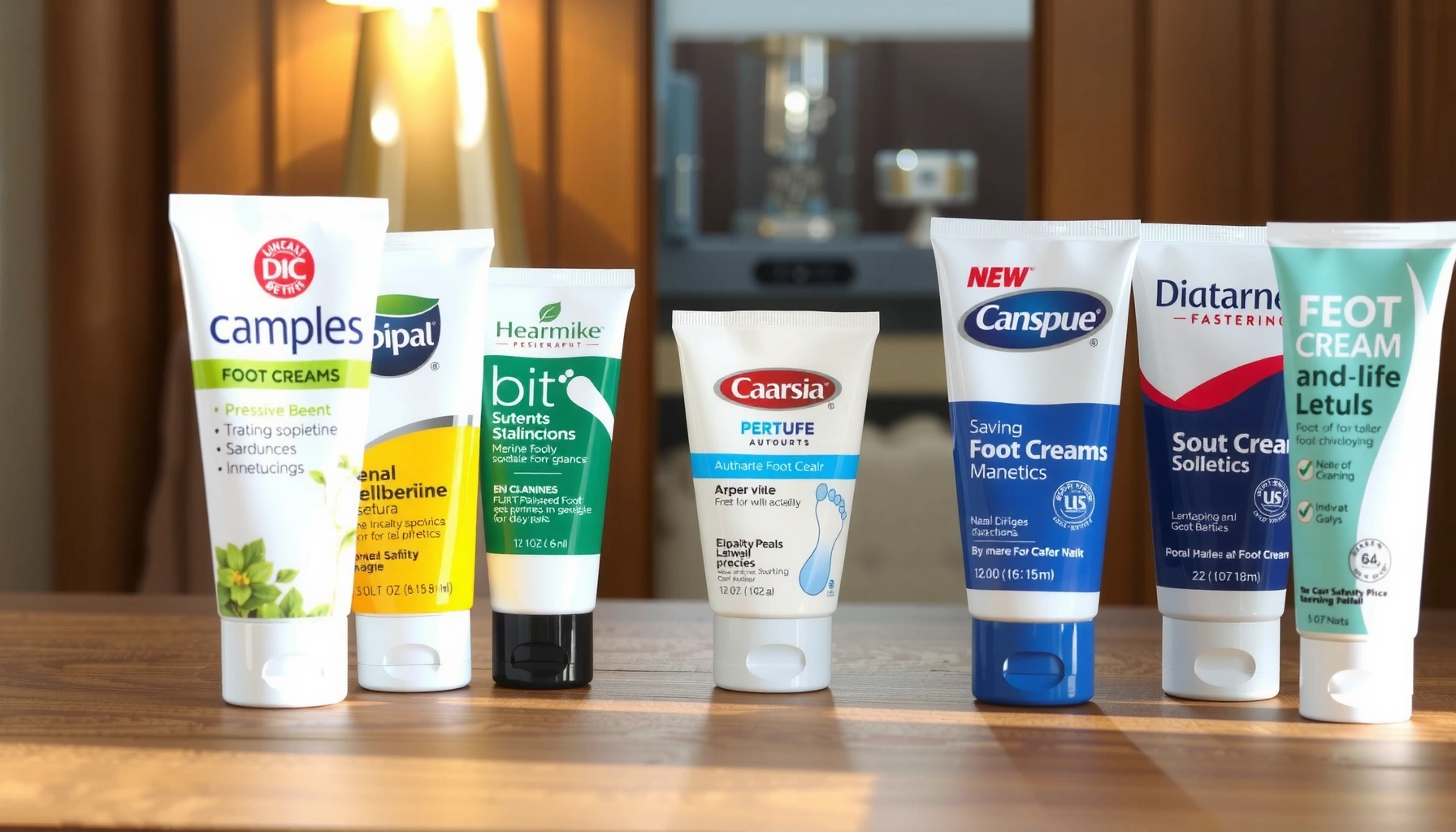

The best foot creams for diabetics are specifically formulated to intensely hydrate, repair the skin barrier, and contain gentle, therapeutic ingredients like urea, ceramides, and hyaluronic acid, while crucially avoiding irritants such as fragrances and alcohol. These specialized creams are essential because individuals with diabetes face unique challenges with skin health, making regular, proactive foot care a non-negotiable part of their daily routine to prevent dryness, cracking, and potential infections. Understanding the right ingredients to embrace and those to strictly avoid, along with proper application techniques, will significantly contribute to maintaining optimal foot health and overall well-being.




Why Specialized Foot Care is Crucial for Diabetics

For anyone living with diabetes, foot health isn’t just about comfort; it’s a critical component of overall health management. The unique physiological changes associated with diabetes can make feet particularly vulnerable, turning seemingly minor issues into serious complications. That’s why specialized foot care, including the right creams, is absolutely essential.
* Neuropathy and Reduced Sensation: Diabetes can lead to nerve damage, a condition known as diabetic neuropathy, which often affects the feet first. This can result in a significant loss of sensation, meaning you might not feel a small cut, blister, or even a pebble in your shoe. Without this vital warning system, minor injuries can go unnoticed and untreated, creating an open door for infections. Specialized foot creams help keep the skin supple and strong, making it less prone to cracking and providing a healthier barrier against potential damage.
* Poor Circulation and Slow Healing: Another common complication of diabetes is impaired blood flow, particularly to the extremities like the feet. Good circulation is vital for delivering oxygen and nutrients necessary for wound healing. When circulation is poor, even a small scratch or crack can take much longer to heal, greatly increasing the risk of infection and more severe complications. Creams that strengthen the skin’s barrier can help prevent these initial breaks, giving your circulatory system less work to do.
* Increased Risk of Skin Problems: Compromised immune responses and a disrupted skin barrier function make diabetic skin more susceptible to a host of problems. Dryness, which can lead to painful cracking, is incredibly common. Calluses can build up quickly and, if not managed, can put pressure on underlying tissues, leading to ulcers. Fungal infections, like athlete’s foot, also find a more welcoming environment. Specialized diabetic foot creams are designed to specifically address these issues, providing deep hydration, supporting barrier repair, and creating an inhospitable environment for harmful microbes.
Key Ingredients to Look For in Diabetic Foot Creams
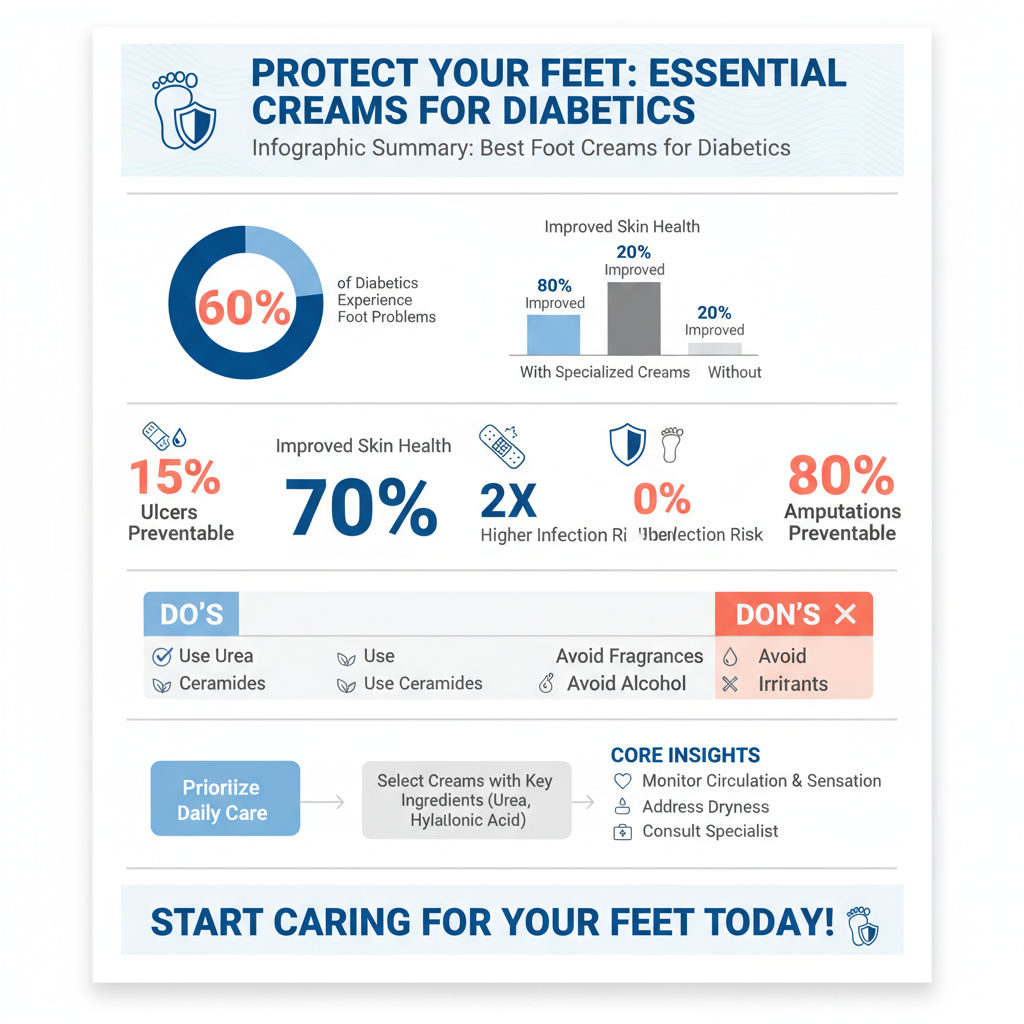

When you’re scanning ingredient labels for the perfect diabetic foot cream, knowing what to look for is half the battle. These superhero ingredients are chosen for their ability to deeply hydrate, strengthen the skin barrier, and gently manage common diabetic foot concerns.
* Urea (10-25% concentration): This is often considered the gold standard for diabetic foot care, and for good reason! Urea is a powerful humectant, meaning it draws moisture from the environment and locks it into your skin, providing intense hydration. But it’s also a keratolytic agent, which helps to gently break down and soften thick, rough skin and calluses, allowing healthier skin to emerge. Look for concentrations between 10-25% for effective yet gentle exfoliation and deep moisturization.
* Hyaluronic Acid & Glycerin: Think of these as super sponges for your skin! Hyaluronic acid can hold up to 1,000 times its weight in water, making it an incredible hydrating agent. Glycerin works similarly, pulling moisture from the air and into the outer layer of your skin. Together, they help to keep the skin plump, supple, and elastic, significantly reducing dryness and the likelihood of cracking, which is a common concern for diabetic feet.
* Ceramides: These are essential lipids (fats) that naturally occur in your skin and form a crucial part of its protective barrier. In diabetic skin, this barrier can often be compromised, leading to moisture loss and increased vulnerability. Ceramides in foot creams work to replenish these vital lipids, helping to repair and strengthen your skin’s natural barrier. This locked-in moisture means your feet stay hydrated longer, and the improved barrier offers better protection against irritants and environmental stressors.
* Alpha Hydroxy Acids (AHAs like Lactic Acid – low concentration): While exfoliation is key for managing thick, dry skin and calluses, it needs to be done gently for diabetic feet. AHAs, particularly lactic acid, can provide mild chemical exfoliation. In low concentrations (typically 2-5%), lactic acid helps to gently loosen and shed dead skin cells, promoting a smoother skin texture without the need for harsh physical scrubbing, which could be too abrasive. Always opt for formulas with low concentrations to avoid irritation.
Ingredients to Strictly Avoid

Just as important as knowing what to include, is knowing what to exclude. Certain ingredients commonly found in skincare products can be detrimental to sensitive diabetic skin, potentially causing irritation, dryness, or even worsening existing conditions. Your feet deserve the gentlest, most effective care possible.
* Fragrances and Dyes: While they might make a cream smell lovely or look appealing, fragrances and dyes are among the most common culprits for skin irritation and allergic reactions. Diabetic skin is often more sensitive and slower to heal, so introducing potential irritants is a big no-no. They can lead to redness, itching, rashes, and even skin breakdown, which, for a diabetic, could escalate into a more serious issue. Always choose products explicitly labeled “fragrance-free” and “dye-free.”
* Alcohol (Ethanol/Isopropyl Alcohol): You might find alcohol in some quick-drying lotions or sanitizers, but it’s a definite ingredient to bypass for diabetic foot care. Alcohol acts as a solvent, stripping away the skin’s natural protective oils and moisture. This can exacerbate existing dryness, leading to further cracking and weakening of the skin barrier – precisely what you’re trying to prevent. Always check the ingredient list to ensure these drying alcohols aren’t present.
* Salicylic Acid (High Concentrations): Salicylic acid is a beta hydroxy acid (BHA) known for its exfoliating properties, often found in products for acne or wart removal. While it can be effective for some skin conditions, high concentrations of salicylic acid can be too aggressive and harsh for delicate or compromised diabetic skin. It can cause irritation, excessive peeling, and even lead to skin breakdown or wounds, especially if there’s reduced sensation. Unless specifically directed and monitored by your doctor or a podiatrist, it’s best to err on the side of caution and avoid products with high concentrations of salicylic acid.
* Harsh Preservatives & Chemicals: The goal is to keep your foot cream as “clean” and gentle as possible. This means being wary of harsh preservatives like parabens (e.g., methylparaben, propylparaben) and other potentially irritating chemicals. While preservatives are necessary to prevent bacterial growth in creams, look for formulas that utilize gentler alternatives or are specifically formulated for sensitive skin. Always opt for paraben-free formulas and research any chemical ingredients you’re unsure about.
Top Picks: Recommended Foot Creams for Diabetics
Navigating the multitude of skincare products can be overwhelming, but when it comes to diabetic foot care, a few trusted names consistently rise to the top. These brands and product characteristics are often recommended by healthcare professionals for their efficacy and gentle formulations.
* Dermatologist-Recommended Brands: When in doubt, lean towards brands that are frequently recommended by dermatologists and podiatrists. Brands like CeraVe, Eucerin, and Gold Bond are excellent starting points. They often have dedicated “diabetic” lines or products specifically formulated for dry, sensitive, or compromised skin.
* CeraVe Diabetics’ Dry Skin Relief Foot Cream: This cream is a standout, often praised for its blend of ceramides to restore the skin barrier, urea for exfoliation and hydration, and hyaluronic acid to attract moisture. It’s fragrance-free and non-greasy.
* Eucerin Diabetics’ Dry Skin Relief Foot Cream: Eucerin’s formulation often features urea and lactic acid, providing both intense moisturization and gentle exfoliation. It’s also designed to be fragrance-free and is known for its effectiveness in soothing very dry, rough skin.
* Gold Bond Ultimate Diabetics’ Dry Skin Relief Foot Cream: Gold Bond offers a unique blend of ingredients, including dimethicone to protect the skin and humectants to hydrate. It’s specifically developed for diabetic skin, focusing on relieving dryness and discomfort without irritation.
* O’Keeffe’s for Healthy Feet Foot Cream: While not exclusively a “diabetic” line, O’Keeffe’s is highly effective for extremely dry, cracked feet due to its high glycerin content. Many diabetics find it very beneficial, though it’s always good to check for specific diabetic formulations if available.
* Fragrance-Free and Hypoallergenic Formulas: This is a non-negotiable criterion. Always prioritize products explicitly labeled as “fragrance-free” and “hypoallergenic.” These labels indicate that the product has been formulated to minimize the risk of allergic reactions and irritation, which is paramount for sensitive diabetic skin. Avoid anything with “parfum” or “fragrance” listed in the ingredients, even if it claims to be “unscented,” as it might still contain masking fragrances.
* Non-Greasy, Fast-Absorbing: Practicality matters! While deep hydration is crucial, you don’t want a foot cream that leaves your feet feeling slick, sticky, or greasy for an extended period. A non-greasy, fast-absorbing formula ensures comfort, allows you to put on socks and shoes quickly without residue, and reduces the risk of slips and falls. Look for phrases like “fast-absorbing,” “non-greasy,” or “lightweight” on the packaging.
Proper Application Techniques for Diabetic Foot Cream
Even the best foot cream won’t work its magic effectively without proper application. For individuals with diabetes, careful technique isn’t just about maximizing benefits; it’s about minimizing risks, particularly concerning moisture retention between toes.
* Wash and Dry Thoroughly: Your foot care routine should always begin with clean feet. Wash your feet daily with a mild soap and lukewarm water. The most crucial step that follows is drying them thoroughly. Pay extra, meticulous attention to drying *between* your toes. Trapped moisture in these areas creates a warm, damp environment – a perfect breeding ground for fungal infections like athlete’s foot, which can quickly lead to skin breakdown and open wounds. Pat your feet dry with a soft towel, rather than rubbing vigorously.
* Apply Generously, But Thoughtfully: Once your feet are perfectly dry, apply a liberal amount of your chosen diabetic foot cream. Focus on the tops and bottoms of your feet, as well as the heels, where dryness and calluses are most common. Gently massage the cream into the skin until it’s absorbed. Don’t be shy about using enough cream to really hydrate these areas.
* Avoid Between Toes: This is a critical instruction to remember. While you want to hydrate the rest of your foot, do not apply foot cream between your toes. As mentioned earlier, moisture trapped here can encourage fungal growth. Your skin between the toes is naturally more prone to moisture buildup, and adding cream can exacerbate this problem, potentially leading to maceration (skin softening and breakdown) and infection.
* Daily Routine: Consistency is key for maintaining optimal foot health. Incorporate foot cream application into your daily routine, preferably after bathing or showering when your skin is clean and slightly damp. Applying cream to slightly damp skin can help to “seal in” that moisture, maximizing hydration. Making it a consistent habit ensures your feet receive continuous protection and care, helping to prevent issues before they start. Many find applying it right before bed also works wonderfully, giving the cream plenty of time to absorb overnight.
When to Seek Professional Medical Advice
While diligent daily foot care is paramount, there are times when self-care isn’t enough, and professional medical advice becomes absolutely necessary. For individuals with diabetes, delaying professional assessment can have serious consequences. Always be vigilant and proactive.
* New Skin Concerns: If you notice *anything* new or unusual on your feet, it’s a signal to consult your doctor or podiatrist immediately. This includes new cuts, sores, blisters, ingrown toenails, changes in skin color (redness, blueness, pallor), swelling, unusual warmth, or any tenderness or pain. Because of neuropathy, you might not feel pain, so visual inspection is crucial. Early detection and intervention can prevent minor issues from escalating into severe complications.
* Persistent Dryness or Cracking: If your current foot care regimen, including a specialized diabetic foot cream, isn’t improving severe dryness, cracking, or calluses after a consistent period (e.g., a few weeks), it’s time to seek professional help. A podiatrist can assess the underlying cause, recommend stronger prescription-strength creams, or perform safe debridement (removal) of severe calluses. They can also provide personalized advice tailored to your specific skin needs and overall health status.
* Signs of Infection: Any sign of infection requires urgent medical attention. These symptoms can include increased redness, warmth, swelling, pus or drainage from a wound, new or increased pain (if sensation is present), or a fever. Infections in diabetic feet can spread rapidly and become very serious, potentially leading to ulcers, gangrene, and even amputation if not treated promptly and aggressively with antibiotics or other medical interventions. Don’t wait; contact your healthcare provider immediately if you suspect an infection.
Prioritizing consistent and appropriate foot care is paramount for individuals with diabetes. By selecting a specialized foot cream that contains beneficial ingredients like urea, ceramides, and hyaluronic acid, and strictly avoids irritants such as fragrances and drying alcohols, you can significantly reduce the risk of dryness, cracking, and potential infections. Always apply your chosen cream diligently, focusing on thorough drying and avoiding application between the toes, as part of your daily routine. Moreover, never hesitate to consult your healthcare provider or a podiatrist for personalized recommendations and to address any new concerns about your foot health. Your feet are vital, and proactive care is your best defense against complications, helping you maintain an active, healthy lifestyle.
Frequently Asked Questions
Why is specialized foot cream essential for diabetics?
Diabetics often experience dry, cracked skin on their feet due to nerve damage (neuropathy) and poor circulation, which significantly increases the risk of infections, ulcers, and serious complications. Specialized foot creams for diabetics are uniquely formulated to intensely hydrate, promote healing, and protect the skin barrier without causing irritation, unlike regular lotions that might contain harmful fragrances or alcohol. Using the *best foot cream for diabetics* is a vital part of preventative care to maintain skin integrity and prevent more severe issues.
What key ingredients should I look for in the best foot cream for diabetics?
When choosing the *best foot cream for diabetics*, prioritize ingredients that provide deep hydration and skin repair. Look for humectants like urea (at concentrations typically between 10-25%) and hyaluronic acid, which draw moisture into the skin, along with emollients such as dimethicone, ceramides, and shea butter to lock it in and strengthen the skin barrier. Also, seek out ingredients like allantoin or alpha-hydroxy acids (like lactic acid) in gentle concentrations, which help exfoliate thickened skin and promote healthier skin cell turnover.
How often should a diabetic apply foot cream, and what’s the best application method?
Diabetics should ideally apply foot cream twice daily, once in the morning and once before bed, to maintain consistent hydration and protection for their sensitive feet. When applying, use a small amount and gently massage it all over your feet, paying special attention to dry areas like heels and soles. It’s crucial to *avoid applying cream between your toes* to prevent moisture buildup, which can create a breeding ground for fungal infections.
Can regular lotions or moisturizers be used by diabetics, or are they harmful?
Regular lotions and moisturizers are generally not recommended for diabetics and can sometimes be harmful due to their formulation. Many standard products contain perfumes, dyes, or alcohol that can irritate sensitive diabetic skin, exacerbating dryness, or causing allergic reactions. The *best foot cream for diabetics* is specifically formulated to be fragrance-free, hypoallergenic, and non-irritating, providing targeted hydration and barrier support essential for delicate diabetic feet without introducing unnecessary risks.
Which common ingredients should diabetics *avoid* in foot creams?
Diabetics should meticulously avoid foot creams containing harsh ingredients that can irritate or dry out delicate skin. Steer clear of products with strong fragrances, dyes, or excessive amounts of alcohol (like ethanol or isopropyl alcohol), as these can cause irritation and further dryness. Additionally, avoid very high concentrations of salicylic acid or harsh exfoliants unless specifically recommended by a podiatrist, as these can be too abrasive for compromised diabetic skin and potentially lead to injury.
References
- Diabetes & Foot Problems – NIDDK
- https://diabetes.org/diabetes/foot-care
- https://www.apma.org/patients/foot-conditions/diabetic-foot/
- Shaken baby syndrome – Symptoms and causes – Mayo Clinic
- https://www.health.harvard.edu/diseases-and-conditions/foot-care-for-people-with-diabetes
- https://my.clevelandclinic.org/health/diseases/17498-diabetic-neuropathy-foot-care






Pingback: Best Lotions for Diabetic Legs - Best For Diabetics
Pingback: Best Cream for Diabetic Feet: Top Picks & What to Look For - Best For Diabetics