

For individuals with borderline diabetes, also known as prediabetes, the best diet is a balanced approach focusing on whole, unprocessed foods that help stabilize blood sugar levels, promote healthy weight management, and improve insulin sensitivity. This dietary strategy prioritizes complex carbohydrates, lean proteins, healthy fats, and an abundance of non-starchy vegetables, effectively slowing the progression towards Type 2 diabetes and improving overall health.




Understanding Borderline Diabetes and Dietary Goals

Borderline diabetes, more commonly known as prediabetes, is a crucial health indicator that your blood sugar levels are higher than normal, but not yet high enough to be diagnosed as Type 2 diabetes. Think of it as a significant yellow light on your health dashboard – a clear warning that without intervention, you are at a much higher risk of developing full-blown Type 2 diabetes. This condition isn’t just about glucose; it also increases your risk for serious long-term complications like heart disease, stroke, kidney disease, and nerve damage. The good news is that prediabetes often presents a unique window of opportunity to reverse or significantly delay the progression to Type 2 diabetes through lifestyle changes, with diet playing the starring role.
The critical role of diet in managing blood glucose levels cannot be overstated. Every bite you take has a direct impact on your blood sugar, and consistent wise food choices can make a profound difference in how your body processes glucose and uses insulin. Instead of relying solely on medication, diet empowers you to take control of your health. It helps prevent your body from becoming more resistant to insulin (the hormone that helps glucose enter cells) and reduces the strain on your pancreas, which works overtime to produce more insulin when resistance is present.
Your key dietary goals when managing borderline diabetes are threefold:
* Stabilizing blood sugar: The primary aim is to avoid sharp spikes and crashes in blood glucose. These fluctuations can damage blood vessels over time and lead to energy dips, cravings, and increased insulin resistance. A stable blood sugar level means sustained energy and less stress on your body’s systems.
* Supporting healthy weight management: For many people with prediabetes, excess weight, particularly around the abdomen, contributes significantly to insulin resistance. Even a modest weight loss of 5-7% of your body weight can dramatically improve insulin sensitivity and reduce your risk. Diet provides the foundation for achieving and maintaining a healthy weight.
* Enhancing insulin sensitivity: This means helping your body’s cells respond more effectively to the insulin your pancreas produces. When cells are more sensitive, less insulin is needed to get glucose into them, reducing the workload on your pancreas and improving overall metabolic health. Certain foods and consistent eating patterns can actively work to improve this sensitivity.
Prioritizing Whole Grains and Complex Carbohydrates
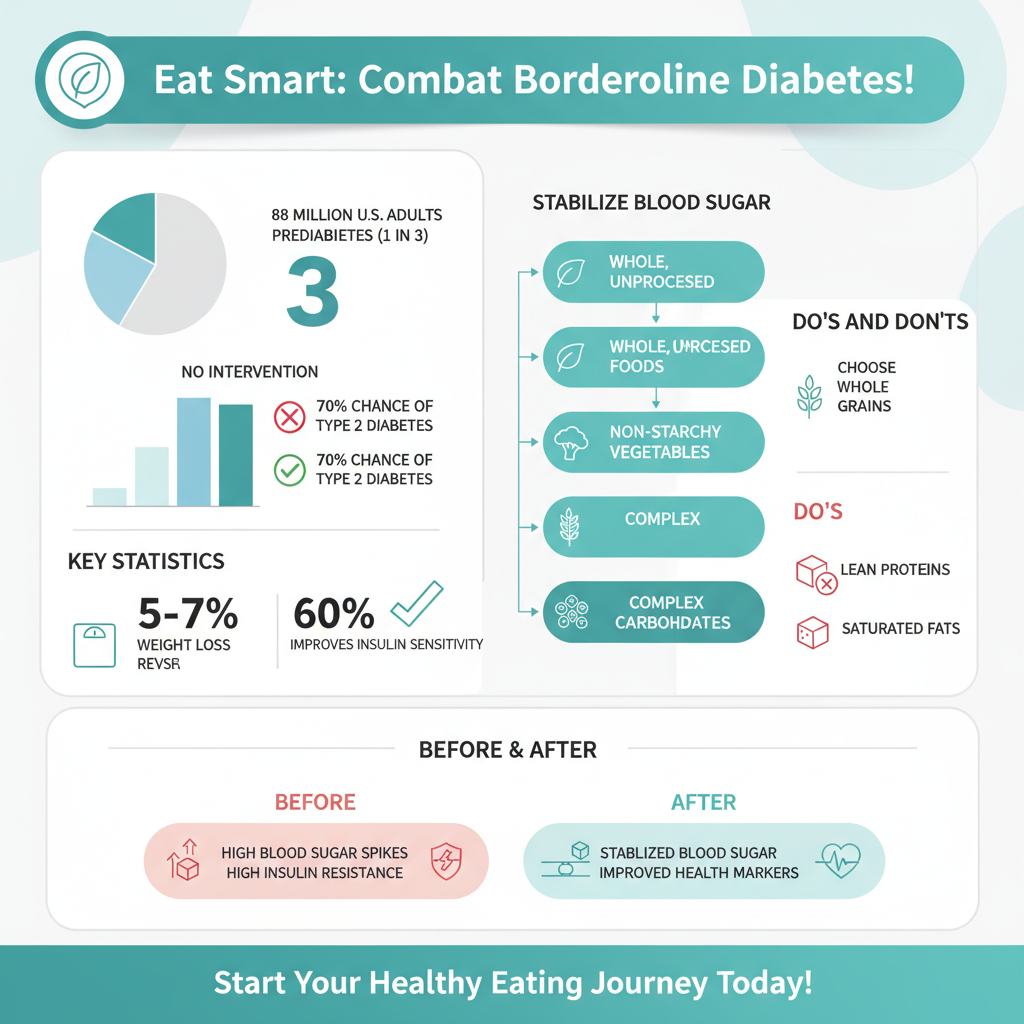
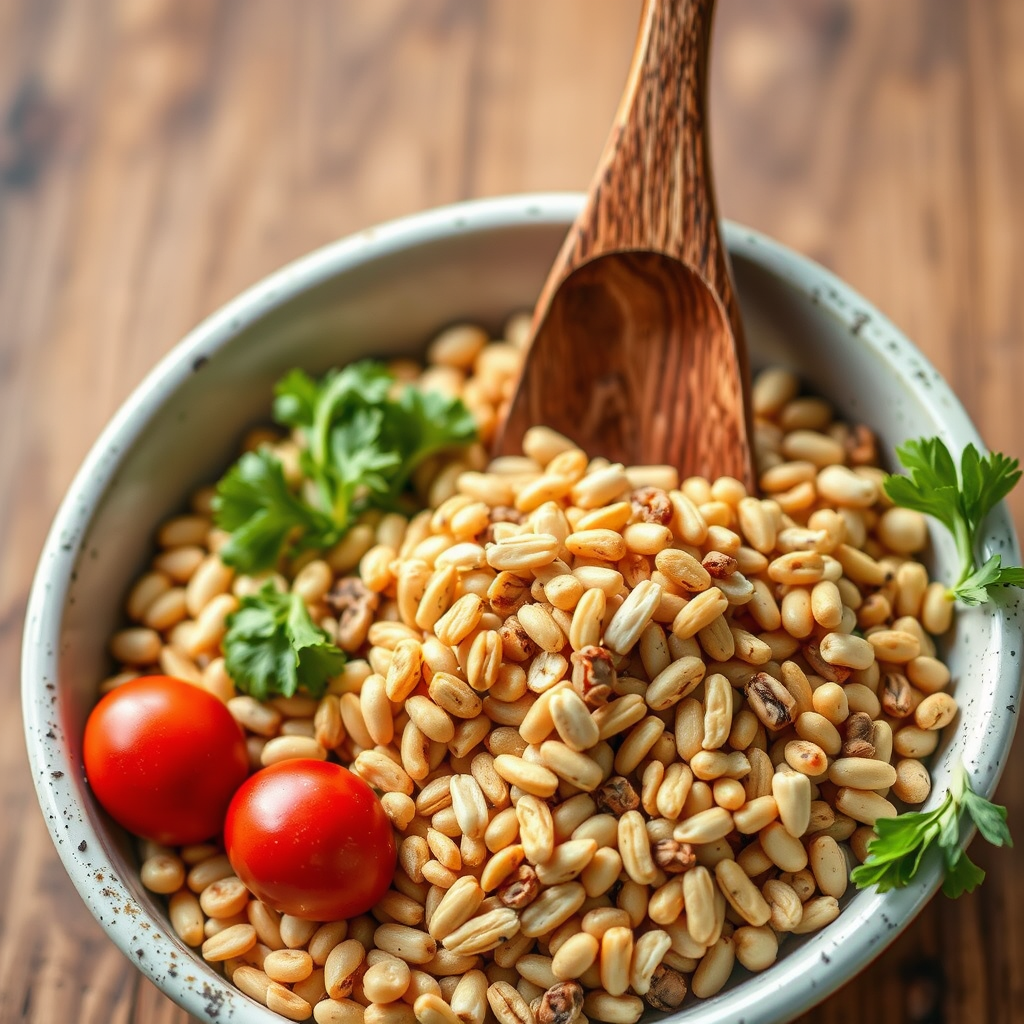
When it comes to carbohydrates, not all carbs are created equal, especially when you have borderline diabetes. The key is to focus on fiber-rich, low-glycemic index (GI) complex carbohydrates. Foods with a low GI are digested more slowly, leading to a gradual and steadier rise in blood sugar rather than a sudden spike. Excellent choices include whole oats (especially steel-cut or rolled, not instant), quinoa, brown rice, barley, farro, whole-wheat bread and pasta, and legumes like lentils and chickpeas. These options retain their natural fiber, which slows down glucose absorption.
Understanding carbohydrate portion control is absolutely critical, even with healthy choices. While these complex carbohydrates are good for you, consuming too much in one sitting can still lead to elevated blood sugar levels. A general guideline is to think of your plate: roughly a quarter of it dedicated to these complex carbs. Learn to read nutrition labels for serving sizes and carbohydrate counts, and consider using visual cues like a cupped hand for a single serving of grains or starchy vegetables. For example, a serving of brown rice is typically about 1/2 cup cooked, not a heaping bowl.
The benefits of high fiber intake extend far beyond just blood sugar control. Fiber acts like a broom in your digestive system, promoting regularity and supporting a healthy gut microbiome, which is increasingly linked to overall metabolic health. It also helps you feel full and satisfied for longer, preventing overeating and unnecessary snacking between meals. This sustained energy release means fewer energy crashes and a more stable mood throughout your day, making it easier to stick to your healthy eating plan.
Lean Proteins and Healthy Fats: Essential for Balance

Incorporating adequate amounts of lean protein is vital for anyone managing blood sugar. Protein helps you feel full, supports muscle mass (which aids in metabolism), and, crucially, has a minimal impact on blood sugar levels directly. Excellent lean protein sources include skinless poultry (chicken breast, turkey), various types of fish (cod, tilapia, tuna), legumes like black beans, kidney beans, and lentils, plant-based options such as tofu, tempeh, and edamame, and dairy products like Greek yogurt and cottage cheese. Eggs are also a fantastic and versatile source of lean protein. Aim to include a source of protein at every meal and snack to help balance your blood sugar response.
Equally important are healthy fats. While fats are higher in calories, the right types of fats are essential for hormone production, nutrient absorption, and heart health. They also contribute significantly to satiety, helping you feel full and satisfied. Prioritize monounsaturated and polyunsaturated fats found in foods like avocados, a variety of nuts (almonds, walnuts, pecans), seeds (chia seeds, flax seeds, pumpkin seeds), olive oil, and canola oil. Fatty fish such as salmon, mackerel, and sardines are rich in omega-3 fatty acids, which are known for their anti-inflammatory properties and benefits for cardiovascular health.
The magic of how proteins and healthy fats contribute to satiety and help regulate blood sugar spikes lies in their digestive properties. Unlike carbohydrates, proteins and fats are digested more slowly. When consumed alongside carbohydrates, they slow down the overall digestion and absorption of glucose into the bloodstream. This means your blood sugar rises more gradually and steadily, avoiding the sharp peaks that can be detrimental. By incorporating these macronutrients into your meals, you not only feel fuller for longer, reducing the urge to overeat, but you also give your body a more manageable, gentle rise in blood sugar, improving your body’s insulin response.
Non-Starchy Vegetables and Smart Fruit Choices
When planning your meals for borderline diabetes, consider non-starchy vegetables your best friends. These nutritional powerhouses are incredibly low in calories and carbohydrates but packed with fiber, vitamins, minerals, and antioxidants. This means you can load your plate with them without significantly impacting your blood sugar. Think big, vibrant servings of leafy greens like spinach, kale, and collard greens; cruciferous vegetables such as broccoli, cauliflower, and Brussels sprouts; and other favorites like bell peppers (all colors!), zucchini, cucumber, asparagus, green beans, mushrooms, and tomatoes. Incorporate them into every meal – stir-fries, salads, omelets, soups, or as a vibrant side dish – to maximize nutrient intake and fiber while keeping carbohydrate counts low.
While fruits are healthy and full of beneficial nutrients, they do contain natural sugars (fructose), so smart choices and moderation are key. Instead of fruit juices, which strip away fiber and concentrate sugar, always opt for whole fruits. The fiber in whole fruits helps slow down sugar absorption. Focus on fruits with a lower glycemic index and higher fiber content. Excellent choices include berries (strawberries, blueberries, raspberries, blackberries), apples, pears, oranges, grapefruits, and peaches. Pay attention to portion sizes; for example, a small apple or a cup of berries is generally considered a sensible serving. Enjoy them as a snack or dessert, but be mindful of quantity.
The abundance of vitamins, minerals, and antioxidants from these non-starchy vegetables and smart fruit choices plays a crucial role in overall health beyond just blood sugar management. Antioxidants help combat oxidative stress, which can damage cells and contribute to chronic diseases, including diabetes complications. Vitamins and minerals are essential for countless bodily functions, from energy production to immune support. By nourishing your body with these micronutrients, you’re not just managing your blood sugar; you’re supporting cellular health, reducing inflammation, and building a stronger foundation for long-term well-being.
Foods to Limit or Avoid for Better Blood Sugar Control
Successfully managing borderline diabetes often involves a significant reduction in, or complete elimination of, certain foods that can sabotage your efforts. First and foremost, you’ll want to significantly reduce or eliminate added sugars. These are sugars not naturally present in food but added during processing. They are rampant in sugary drinks like sodas, sweetened teas, and fruit juice cocktails, as well as candies, desserts (cakes, cookies, pastries, ice cream), many breakfast cereals, and even seemingly healthy items like flavored yogurts and salad dressings. Added sugars lead to rapid and drastic blood sugar spikes, contribute to empty calories, and can worsen insulin resistance over time. Checking food labels for ingredients like high-fructose corn syrup, sucrose, dextrose, and maltose is essential.
Next on the list are refined carbohydrates. These are grains that have been stripped of their bran and germ during processing, removing most of their fiber, vitamins, and minerals. Examples include white bread, white pasta, white rice, crackers, many breakfast pastries, and processed snack foods like chips and pretzels. Because they lack fiber, refined carbs are quickly digested and absorbed, causing a swift and often significant rise in blood glucose levels. Swapping these for their whole-grain counterparts is one of the most impactful dietary changes you can make.
Finally, it’s crucial to limit unhealthy saturated and trans fats. While healthy fats are beneficial, these types of fats can increase your risk of heart disease, inflammation, and may even worsen insulin resistance. They are commonly found in fried foods, fast food, processed meats (like sausages, bacon, hot dogs), full-fat dairy products (in excess), commercially baked goods, and many packaged snacks. Trans fats, in particular, are artificially created and offer no health benefits, often appearing as “partially hydrogenated oil” on ingredient lists. Choosing lean proteins and healthy unsaturated fats instead will protect your heart and support better blood sugar control.
Meal Planning, Portion Control, and Hydration Strategies
Effective management of borderline diabetes hinges not just on what you eat, but also how and when you eat. Developing consistent meal times is a cornerstone of this strategy. Eating at regular intervals throughout the day helps keep your blood sugar levels more stable, preventing excessive hunger that can lead to overeating or making poor food choices. Aim for three balanced main meals and, if needed, one or two small, healthy snacks. This consistent rhythm helps regulate your appetite and gives your body predictable periods to process nutrients, improving insulin response. Meal planning and prepping are invaluable tools here; dedicate some time each week to map out your meals and prepare ingredients in advance to make healthy eating easier during busy days.
Alongside consistent timing, practicing accurate portion control for all food groups is paramount, especially for carbohydrates. Even healthy foods can contribute to weight gain and blood sugar spikes if consumed in overly large portions. Learn to recognize appropriate serving sizes using visual cues (e.g., a deck of cards for protein, a light bulb for fruit, a cupped hand for grains) or by using measuring cups and spoons. Pay close attention to portion sizes on nutrition labels. Mindful eating—paying attention to your hunger and fullness cues, eating slowly, and savoring your food—can also significantly aid in better portion control and prevent overeating.
Last but certainly not least, staying well-hydrated is a simple yet powerful strategy for overall health and blood sugar management. Water is essential for countless bodily functions, including metabolism and nutrient transport. Drinking plenty of water throughout the day can also help you feel full, reducing the likelihood of mistaking thirst for hunger. Make plain water your primary beverage choice. Unsweetened options like herbal tea, black coffee (in moderation), and sparkling water with a slice of lemon or lime are also excellent choices. Steer clear of sugary drinks like sodas, fruit juices, and sweetened coffees or teas, as these can quickly elevate blood sugar and contribute to excess calorie intake.
Adopting a well-structured diet rich in whole foods is the most powerful tool for managing borderline diabetes and preventing its progression. By focusing on smart carbohydrate choices, incorporating lean proteins and healthy fats, and prioritizing vegetables, you can effectively stabilize blood sugar, manage weight, and improve your long-term health. Remember to consult with a healthcare professional or a registered dietitian to create a personalized meal plan tailored to your specific needs and health goals, ensuring your dietary changes are safe, sustainable, and maximally effective.
Frequently Asked Questions
What is the best overall diet approach for managing borderline diabetes?
The most effective diet for borderline diabetes, also known as prediabetes, focuses on whole, unprocessed foods that help stabilize blood sugar levels. A balanced approach emphasizing lean proteins, healthy fats, and complex carbohydrates from fiber-rich sources is generally recommended. Diets like the Mediterranean diet or a whole-foods, plant-based approach are often suggested due to their emphasis on fresh produce, whole grains, and healthy fats, which naturally support improved insulin sensitivity.
Which specific foods should I prioritize and limit to manage borderline diabetes?
To effectively manage borderline diabetes, prioritize non-starchy vegetables (like leafy greens, broccoli, bell peppers), lean protein sources (chicken, fish, beans, lentils), and whole grains (oats, quinoa, brown rice) in controlled portions. Healthy fats from avocados, nuts, seeds, and olive oil are also beneficial for a borderline diabetes diet. Conversely, strictly limit or avoid sugary beverages, refined carbohydrates (white bread, pasta), processed snacks, and excessive amounts of red meat or trans fats, as these can spike blood sugar and worsen insulin resistance.
How does managing carbohydrate intake impact borderline diabetes, and what are smart carb choices?
Managing carbohydrate intake is crucial for borderline diabetes because carbohydrates directly impact blood sugar levels. Smart carb choices involve opting for complex carbohydrates high in fiber, such as whole grains, legumes, and non-starchy vegetables, which are digested slowly and cause a more gradual rise in blood sugar. Practicing portion control for all carbohydrate-rich foods, even healthy ones, is also key to preventing spikes and improving insulin sensitivity over time.
Why is consistent meal timing important for someone with borderline diabetes?
Consistent meal timing is important for individuals with borderline diabetes because it helps regulate blood sugar and insulin levels throughout the day. Eating at regular intervals prevents extreme hunger that can lead to overeating and subsequent blood sugar spikes. Establishing a routine helps your body maintain more stable glucose levels, optimizes insulin function, and can reduce the risk of progressing to type 2 diabetes.
Can lifestyle changes alone, including diet, help reverse borderline diabetes?
Yes, significant lifestyle changes, especially dietary modifications and increased physical activity, can often help reverse borderline diabetes (prediabetes). Adopting a balanced diet focused on whole foods, controlling portion sizes, and losing even a modest amount of weight can dramatically improve insulin sensitivity and bring blood sugar levels back to a healthy range. Consistent adherence to these changes is vital for long-term success and preventing the progression to type 2 diabetes.
References
- https://www.niddk.nih.gov/health-information/diabetes/overview/what-is-diabetes/prediabetes/eating-diet-nutrition
- https://www.cdc.gov/diabetes/prevent-type-2-diabetes/healthy-lifestyle.html
- https://www.diabetes.org/healthy-living/recipes-nutrition/eating-well-prediabetes
- https://www.mayoclinic.org/diseases-conditions/prediabetes/expert-answers/prediabetes-diet/faq-20058279
- https://www.health.harvard.edu/diseases-and-conditions/eating-to-prevent-type-2-diabetes
- Prediabetes | Hyperglycemia | MedlinePlus
- https://health.clevelandclinic.org/what-should-you-eat-if-you-have-prediabetes/