
The best foods for diabetics are nutrient-dense options with a low glycemic index, specifically leafy greens, fatty fish, berries, nuts, and whole grains. These foods help stabilize blood glucose levels, reduce inflammation, and minimize the risk of heart disease associated with diabetes. By focusing on these high-fiber and protein-rich choices, you can naturally manage your condition and improve overall health. Navigating the grocery store aisles when you’re managing diabetes can often feel like walking through a minefield. You want to eat well, but the fear of a sudden blood sugar spike is always lurking. The good news is that a diabetes-friendly diet doesn’t have to be restrictive or bland. In fact, it opens the door to a variety of delicious, whole foods that not only keep your numbers in check but also leave you feeling energized and satisfied. Let’s dive deep into the specific foods that can transform your health.
Leafy Greens and Cruciferous Vegetables

If there were a hierarchy of diabetes superfoods, leafy greens and cruciferous vegetables would sit comfortably at the top. These vegetables are non-starchy, meaning they have a minimal impact on your blood sugar levels, yet they provide an immense nutritional payload.
– Spinach, Kale, and Collard Greens:
These powerhouse greens are packed with essential vitamins and minerals like Vitamin C and magnesium, but they are extremely low in digestible carbs, meaning they won’t spike blood sugar. For many people with diabetes, Vitamin C is particularly important because high blood sugar levels can deplete this potent antioxidant, leading to higher levels of cellular damage. Spinach and kale also contain lutein and zeaxanthin, antioxidants that protect your eyes from macular degeneration and cataracts—common complications of diabetes. Because they are so low in calories and carbohydrates, you can essentially consider these “free foods.” You can fill half your plate with a spinach salad or sautéed kale without worrying about counting the carbs, making them the perfect volume-booster for any meal.
– Broccoli:
Broccoli is much more than just a side dish; it’s a medicinal food for diabetics. It is a non-starchy vegetable containing sulforaphane, a compound that helps protect blood vessels and reduce oxidative stress. Why does this matter? Diabetes often damages blood vessels over time, leading to circulation issues and heart complications. Sulforaphane acts almost like a shield, triggering anti-inflammatory processes in the body. Additionally, studies have suggested that broccoli may help improve insulin sensitivity, making your body more efficient at processing the sugar you do eat. Whether roasted with a little olive oil or steamed, broccoli is a staple that supports long-term vascular health.
Fatty Fish and High-Quality Proteins

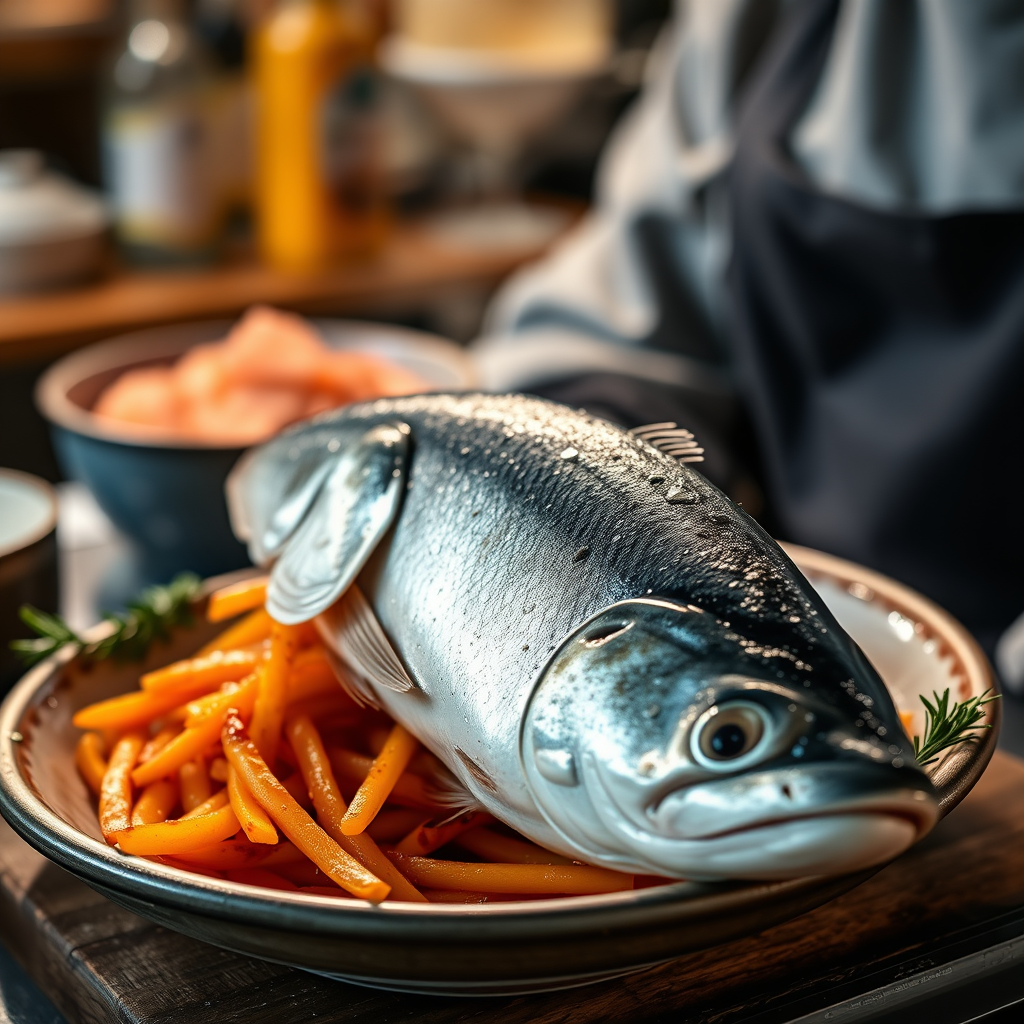
Protein is the anchor of a diabetic diet. Unlike carbohydrates, protein does not raise blood sugar levels, and it is essential for satiety. However, not all proteins are created equal.
– Fatty Fish (Salmon, Sardines, Mackerel):
Fatty fish are arguably the healthiest proteins you can eat. They are rich in omega-3 fatty acids (DHA and EPA), which are crucial for reducing inflammation and protecting heart health, a common concern for diabetics. People with diabetes have a statistically higher risk of heart disease and stroke, so keeping your arteries clear and inflammation low is vital. The omega-3 fats found in salmon and sardines improve the function of your arteries and can help lower triglycerides. Aiming for two servings of fatty fish per week is a standard recommendation that yields massive benefits. Plus, since fish contains zero carbohydrates, it won’t cause a post-meal glucose rise, making it a safe and smart dinner option.
– Eggs:
For years, eggs were feared due to cholesterol concerns, but modern science has vindicated them, especially for blood sugar management. Eggs are a versatile protein source that improves insulin sensitivity and keeps you full for hours, helping to reduce unhealthy snacking. The combination of high-quality protein and healthy fat in the yolk helps blunt the absorption of sugars from other foods eaten at the same meal. For example, eating an egg alongside toast will result in a lower blood sugar spike than eating the toast alone. They are incredibly easy to prepare and provide a steady stream of energy without the crash associated with carb-heavy breakfasts like cereal or bagels.
Antioxidant-Rich Berries and Fruits

Many people assume that a diabetes diagnosis means saying goodbye to fruit forever because of the sugar content. This is a myth! While you do need to be mindful of portions, certain fruits are actually beneficial for blood sugar control due to their fiber and antioxidant profiles.
– Berries (Blueberries and Strawberries):
If you have a sweet tooth, berries are your best friend. Loaded with antioxidants and fiber, these fruits offer a sweet treat that slows glucose absorption compared to other sugary fruits. Blueberries, in particular, are rich in anthocyanins—the pigments that give them their blue color. These compounds have been shown to inhibit certain digestive enzymes, effectively slowing down how quickly your body turns starch into glucose. Strawberries carry a similar benefit and are incredibly low in sugar compared to bananas or melons. A cup of strawberries provides more than 100% of your daily Vitamin C requirement while keeping your glycemic load low.
– Citrus Fruits:
Oranges, grapefruits, and lemons provide fiber and vitamin C; however, the way you consume them matters immensely. Eating the whole fruit is superior to drinking juice to prevent blood sugar spikes. When you drink juice, you are consuming concentrated sugar without the fiber matrix, which leads to rapid absorption and a spike in insulin. When you eat the whole orange, the fiber acts as a net, trapping the sugar and releasing it slowly into your bloodstream. Furthermore, citrus fruits contain polyphenols like naringenin, which may improve insulin sensitivity. Adding a squeeze of lemon to your water or using it on salads can also help lower the glycemic response of your meal.
Beans, Legumes, and Whole Grains
Carbohydrates are not the enemy, but refined carbohydrates are. Complex carbohydrates found in beans and whole grains are digested differently, providing a slow-burning fuel source rather than an explosive spike.
– Beans (Kidney, Pinto, Black Beans):
Beans are often referred to as a “superfood” for diabetics due to their high fiber content and low glycemic index, which helps manage blood sugar levels after meals. The magic of beans lies in their complex makeup of protein and soluble fiber. This combination creates what researchers call the “second meal effect.” Interestingly, eating beans at one meal can actually help lower your blood sugar response at your next meal, even hours later. Whether you add black beans to a taco salad or use kidney beans in a chili, you are actively helping your body regulate glucose more effectively for the rest of the day.
– Whole Grains (Quinoa or Oats):
It is important to swap white rice and pasta for whole grains. Unlike refined white grains, these complex carbohydrates (like Quinoa or Oats) digest slowly and provide sustained energy without drastic glucose fluctuations. Oats, specifically, contain beta-glucan, a type of sticky fiber that forms a gel in the gut. This gel delays stomach emptying and glucose absorption. However, caution is needed—stick to steel-cut or rolled oats rather than “instant” varieties, which are often highly processed and loaded with added sugars. Quinoa is another excellent choice; technically a seed, it is a complete protein, meaning it contains all nine essential amino acids, making it a much more balanced side dish than white rice.
Nuts, Seeds, and Healthy Fats
Fat plays a unique role in diabetes management because it doesn’t stimulate insulin production. Including healthy fats in your diet helps buffer the effects of carbohydrates and keeps you satiated, preventing overeating.
– Nuts (Walnuts and Almonds):
Snacking is often where diet plans fall apart, but nuts offer a perfect solution. Containing healthy fats and fiber, nuts help lower blood sugar and LDL levels when consumed in moderation. Walnuts are particularly high in Alpha-Lipoic Acid (ALA), a plant-based omega-3 fatty acid associated with heart health. Almonds have been shown to specifically limit the rise in blood sugar that happens after eating. Because they are calorie-dense, a small handful is usually enough to curb hunger. Keeping a stash of raw almonds in your bag or car can save you from the temptation of vending machine snacks when hunger strikes.
– Chia Seeds:
Don’t let their tiny size fool you; chia seeds are nutritional giants. They are extremely high in viscous fiber, which actually lowers the amount of calories you absorb from other foods and slows down the passage of food through your gut. When you mix chia seeds with liquid, they expand and form a gel-like consistency. This physical expansion happens in your stomach as well, keeping you feeling full for a very long time. Sprinkling a tablespoon of chia seeds over yogurt, oatmeal, or even a salad is an effortless way to reduce the glycemic index of your entire meal and ensure your digestion remains regular.
Incorporating these 10 best foods into your daily diet is a powerful strategy for managing diabetes and preventing complications. Start by swapping processed carbohydrates for these whole-food alternatives to see improvements in your energy and blood sugar readings. It doesn’t have to be an overnight overhaul; even small changes, like trading your morning bagel for eggs or snacking on walnuts instead of chips, can have a cumulative, positive effect on your A1C levels. By nourishing your body with these nutrient-dense options, you aren’t just controlling a condition—you are actively investing in a longer, healthier life. Always consult with your doctor or a registered dietitian before making drastic changes to ensure your meal plan aligns with your specific health needs.
Frequently Asked Questions
Which fruits have the lowest glycemic index and are safe for diabetics to eat?
Berries, particularly strawberries, blueberries, and blackberries, are among the best fruit choices for diabetics because they are loaded with antioxidants and fiber while having a low glycemic index (GI). Citrus fruits like oranges and grapefruits are also excellent options as they provide essential vitamins without causing sharp spikes in blood sugar. However, portion control remains key, so it is best to consume whole fruits rather than juices to benefit from the fiber content that slows sugar absorption.
Why are fatty fish like salmon considered a top superfood for diabetes management?
Fatty fish such as salmon, sardines, and mackerel are rich in omega-3 fatty acids (DHA and EPA), which are crucial for reducing inflammation and protecting the blood vessels, a vital concern since diabetics have a higher risk of heart disease and stroke. These foods contain zero carbohydrates, meaning they do not raise blood glucose levels, making them a perfect protein source for stabilizing blood sugar. Experts recommend consuming fatty fish at least twice a week to improve heart health and manage insulin resistance.
How does soluble fiber in foods like beans and oats help control blood sugar levels?
Soluble fiber, found abundantly in beans, legumes, and steel-cut oats, dissolves in water to form a gel-like substance in the gut, which slows down digestion and the absorption of carbohydrates. This process prevents rapid spikes in blood glucose after meals and improves overall insulin sensitivity over time. Incorporating fiber-rich foods into your diet is one of the most effective natural ways to maintain steady energy levels and manage hemoglobin A1C.
What makes leafy green vegetables arguably the best food group for type 2 diabetes?
Leafy green vegetables like spinach, kale, and collard greens are extremely low in digestible calories and carbohydrates, meaning you can eat large portions without significantly affecting your blood sugar. They are packed with vitamins, minerals, and antioxidants like Vitamin C, which has been shown to reduce inflammatory markers and fasting blood sugar levels in people with type 2 diabetes. Their high nutrient density supports overall metabolic health without adding to the daily carb load.
Are nuts and seeds a good snack option for preventing blood sugar spikes?
Yes, nuts and seeds—such as walnuts, almonds, chia seeds, and flaxseeds—are excellent snacks for diabetics because they are high in healthy fats, protein, and fiber while being low in digestible carbs. Eating a handful of nuts can help curb hunger and stabilize blood sugar levels by slowing the digestion of other carbohydrates consumed at the same time. Regular consumption of nuts has also been linked to improved heart health, which is essential for comprehensive diabetes care.
References
- Diabetes diet: Create your healthy-eating plan – Mayo Clinic
- Healthy Living with Diabetes – NIDDK
- Diabetes Diet: Best and Worst Foods for Diabetes
- Diabetic diet: Best foods to eat and avoid with diabetes
- https://health.clevelandclinic.org/diabetes-diet-best-foods-to-manage-diabetes
- 10 tips for healthy eating with diabetes | Diabetes UK
- https://www.hopkinsmedicine.org/health/conditions-and-diseases/diabetes/diabetes-diet-create-your-healthy-eating-plan
- Healthy Eating | Diabetes | CDC
