
There isn’t one single “best” fruit for diabetics, but rather a fantastic variety of excellent choices that support healthy blood sugar management. The key lies in selecting fruits with a low glycemic index, high fiber content, and enjoying them in appropriate portion sizes. Fruits like vibrant berries, crisp apples, and zesty citrus are often highly recommended for their exceptional nutritional benefits and minimal impact on blood sugar levels when consumed wisely. This comprehensive guide will empower you to navigate your options confidently and make informed, delicious choices that fit beautifully into your diabetes management plan.
Understanding Fruit and Blood Sugar

Fruits are nature’s candy, offering a delightful sweetness that many of us crave. However, for individuals managing diabetes, the natural sugars (fructose) in fruit can sometimes cause concern. It’s crucial to understand that not all sugars are created equal, and the way your body processes the sugar in whole fruit is very different from how it handles added sugars in processed foods or sugary drinks.
* Fruits contain natural sugars (fructose) but also vital fiber, vitamins, and minerals. While fruits do contain carbohydrates in the form of natural sugars like fructose and glucose, they come packaged with an incredible array of beneficial nutrients. These include essential vitamins (like Vitamin C and folate), minerals (such as potassium and magnesium), and a rich profile of antioxidants that fight inflammation and protect your cells. It’s this complete nutritional package that makes whole fruit a far superior choice to any processed sweet. The key takeaway here is that you’re not just getting sugar; you’re getting a powerful health boost!
* The Glycemic Index (GI) and Glycemic Load (GL) indicate how quickly fruit sugars affect blood glucose. These two terms are helpful tools in understanding how different foods impact your blood sugar.
* Glycemic Index (GI): This scale ranks carbohydrate-containing foods from 0 to 100 based on how much they raise blood sugar levels after eating. Foods with a high GI are digested and absorbed quickly, leading to rapid blood sugar spikes. Lower GI foods are digested more slowly, resulting in a gradual and more manageable rise.
* Glycemic Load (GL): While GI tells you *how fast* a carb raises blood sugar, GL takes into account both the GI and the actual *portion size* of the food. It gives a more realistic picture of the food’s impact on your blood sugar in a typical serving. For instance, watermelon has a relatively high GI, but its GL is low because a typical serving contains very little carbohydrate, meaning its overall impact on blood sugar is less significant than its GI might suggest alone. Choosing fruits with a lower GI and GL is generally a smart move for stable blood sugar.
* Fiber in whole fruit helps slow sugar absorption, preventing rapid spikes. This is perhaps the most important point when discussing fruit and diabetes! The dietary fiber found abundantly in whole fruits (especially in their skins and pulp) is your blood sugar’s best friend. Fiber, both soluble and insoluble, works wonders by:
* Slowing Digestion: It creates a gel-like substance in your digestive tract, which slows down the breakdown of carbohydrates into sugar. This means the sugar enters your bloodstream at a more gradual, controlled pace, preventing sharp spikes.
* Promoting Satiety: Fiber adds bulk to your diet, helping you feel fuller for longer, which can be beneficial for weight management, a key aspect of diabetes care.
* Supporting Gut Health: It acts as a prebiotic, nourishing beneficial gut bacteria, which can positively impact overall metabolic health. This incredible fiber “packaging” is why whole fruit is generally a much better choice than fruit juice or dried fruit, where most of the fiber has been removed or concentrated.
Top Fruit Choices for Diabetics
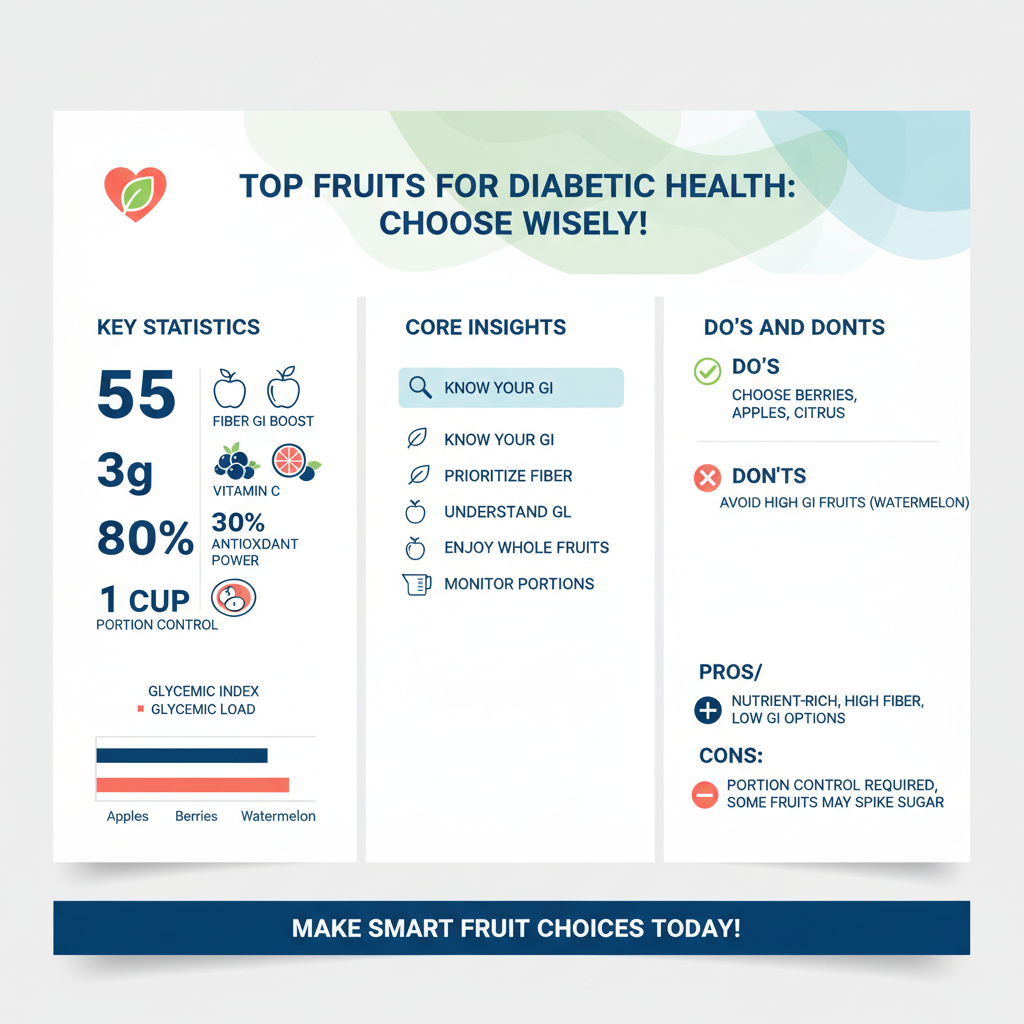
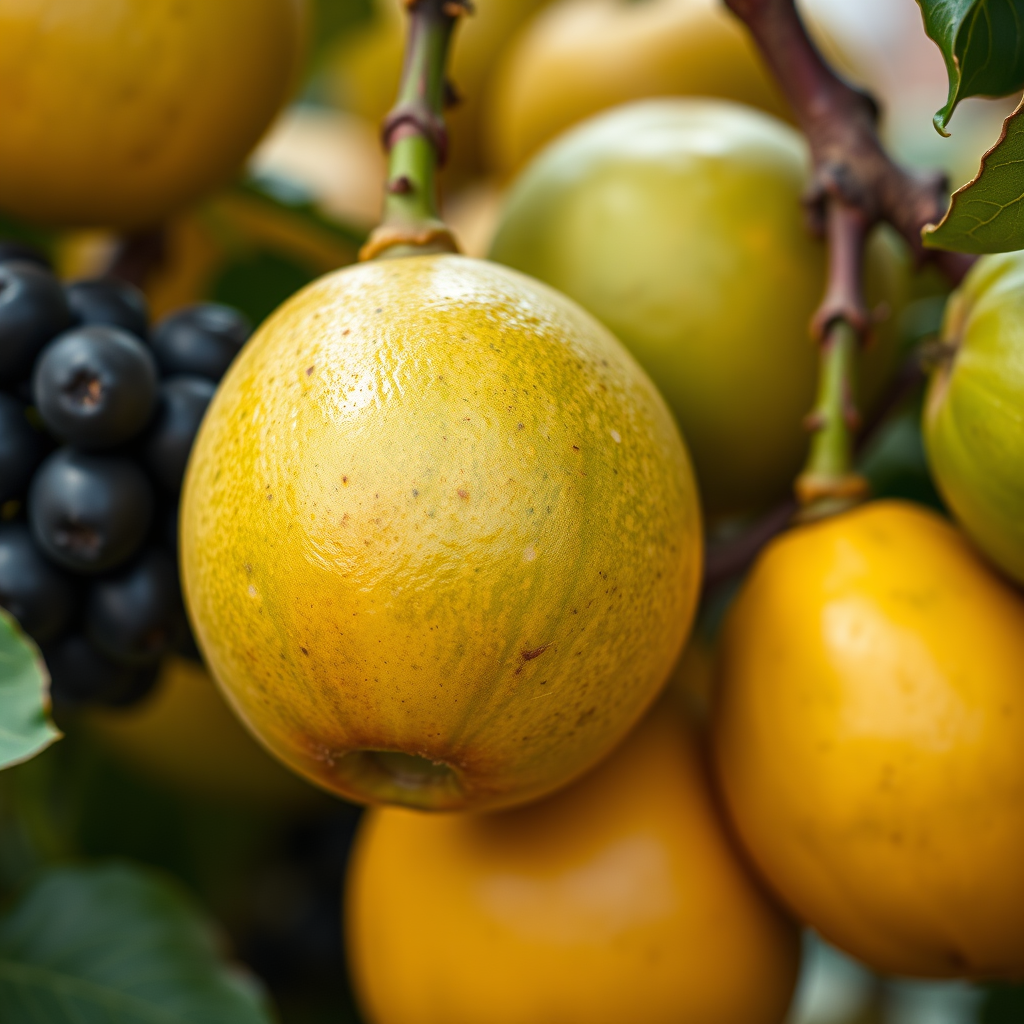
Now that we understand the science, let’s dive into the delicious world of fruits that are particularly friendly for those managing diabetes. These options are powerhouses of nutrition that offer a sweet treat without derailing your blood sugar goals.
* Berries (strawberries, blueberries, raspberries): These vibrant gems are often hailed as superfoods for a reason! They are exceptionally low in natural sugars compared to many other fruits, while being incredibly high in dietary fiber. For example, a cup of raspberries boasts a remarkable 8 grams of fiber. Berries are also bursting with powerful antioxidants, particularly anthocyanins, which give them their rich red, blue, and purple hues. These antioxidants have been linked to improved insulin sensitivity and reduced inflammation, both highly beneficial for diabetes management. Enjoy them fresh, frozen, in smoothies, or sprinkled over Greek yogurt!
* Apples and Pears: These classic fruits are fantastic choices, especially when enjoyed with their skins on. The skin of both apples and pears is where a significant amount of their beneficial fiber, including pectin (a type of soluble fiber), resides. This fiber helps regulate blood sugar by slowing digestion and absorption of sugars. They also offer a satisfying crunch and are wonderfully portable snacks. A medium apple or pear has a moderate GI, making them a safe and healthy option. Just remember, a medium-sized fruit is generally considered one serving.
* Citrus Fruits (oranges, grapefruit): Zesty and refreshing, citrus fruits are a powerhouse of Vitamin C, which is vital for immune function and overall health. They also contain a good amount of fiber and are relatively low on the glycemic index.
* Oranges: A medium orange offers a good dose of fiber and Vitamin C, making it a healthy and hydrating snack.
* Grapefruit: Half a grapefruit is a wonderfully refreshing and low-calorie option. However, it’s very important to exercise caution with grapefruit if you are on certain medications, particularly statins for cholesterol or specific blood pressure medications, as it can interact with them and affect their potency. Always check with your doctor or pharmacist about potential grapefruit interactions.
Fruits to Enjoy in Moderation
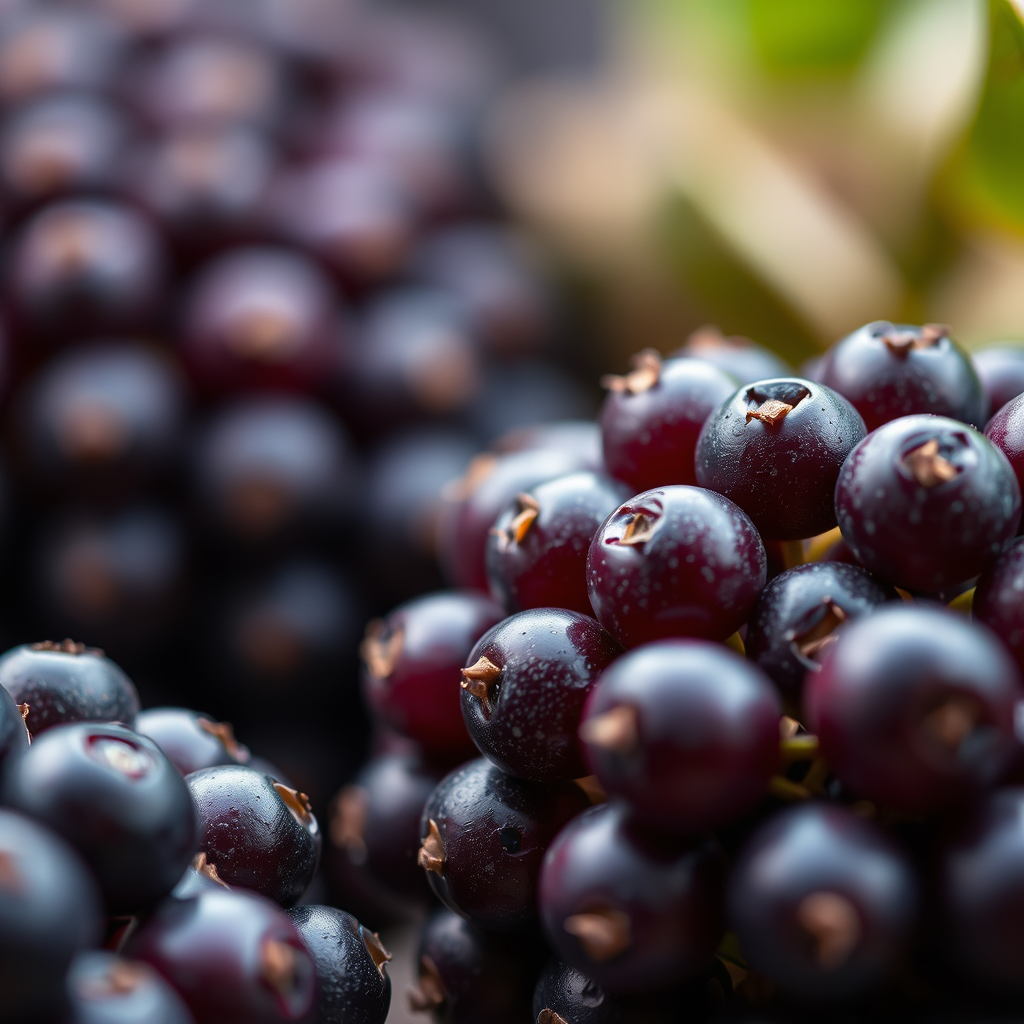
Some fruits, while incredibly nutritious, contain a slightly higher concentration of natural sugars. This doesn’t mean you have to avoid them entirely! The key here is portion control and being mindful of how they fit into your overall meal plan.
* Bananas: Bananas are rich in potassium and Vitamin B6, making them a nutritious snack. However, they are higher in natural sugars compared to berries and citrus. The ripeness of a banana also matters significantly: a slightly green banana contains more resistant starch and less sugar, impacting blood sugar more gradually than a very ripe, soft banana.
* Smart Tip: Opt for smaller, slightly green bananas. Enjoy half a banana at a time, perhaps paired with a tablespoon of peanut butter or a handful of almonds to help slow sugar absorption.
* Mangoes: This tropical delight is packed with Vitamin A and C, but it also has a moderate glycemic index and higher sugar content. A whole mango can contain a significant amount of carbs.
* Smart Tip: Enjoy mangoes in small portions, perhaps a ½ cup serving, rather than consuming an entire fruit. Dice it and add it to a salad, or enjoy a small serving as a dessert.
* Grapes and Cherries: These small, bite-sized fruits are delicious and offer antioxidants, but their small size makes it easy to overeat them, leading to a higher sugar intake than intended.
* Smart Tip: While nutritious, their sugar content means portion control is crucial. Stick to a serving of about 15 small grapes or 10-12 cherries, and try to pair them with a protein source like cheese or nuts to temper the blood sugar response.
Fruits and Forms to Limit or Avoid
When it comes to fruit and diabetes, not all forms are created equal. Some forms of fruit can be detrimental to blood sugar management due to their concentrated sugar content or lack of beneficial fiber.
* Dried Fruits (raisins, dates, dried cranberries): While fresh grapes are enjoyed in moderation, a small handful of raisins packs a much bigger sugar punch. This is because when fruit is dried, the water is removed, leaving behind a highly concentrated form of sugar. A small box of raisins can contain as much sugar as several servings of fresh fruit, leading to rapid blood sugar spikes.
* Why to Limit: They are essentially concentrated candy. If you absolutely crave them, treat them like a candy and consume in extremely tiny portions, sparingly.
* Fruit Juices: This is one of the biggest culprits! While a glass of orange juice might seem healthy, it lacks the crucial fiber found in whole oranges. Without the fiber, the natural sugars are absorbed very quickly into your bloodstream, causing rapid and significant blood sugar spikes, similar to drinking soda. Even 100% fruit juice, without added sugars, can be problematic.
* Why to Avoid: The beneficial fiber is stripped away, making it a high-sugar, low-fiber drink. Always choose whole fruit over juice.
* Canned Fruits in Syrup: Many canned fruits are preserved in heavy syrup, which is essentially sugar water. This significantly increases the overall sugar content of the fruit, far beyond its natural levels. Even canned fruits labeled “light syrup” can still contain considerable added sugars.
* Why to Limit/Avoid: Often packed with added sugars, significantly increasing overall sugar content and negating many of the fruit’s natural benefits. If you must choose canned fruit, opt for varieties packed in water or their own juice with “no added sugar,” and rinse them well before eating.
Smart Strategies for Eating Fruit
Integrating fruit into a diabetes-friendly diet isn’t just about what you eat, but how you eat it. These smart strategies will help you maximize the benefits of fruit while keeping your blood sugar in check.
* Prioritize Whole Fruit: This cannot be stressed enough! Always choose whole, fresh fruit over juices, dried varieties, or fruit-flavored snacks. The fiber, water content, and structural integrity of whole fruit work together to slow sugar absorption and provide a more sustained energy release, making it much friendlier for your blood sugar levels. Plus, the act of chewing whole fruit contributes to feelings of fullness.
* Mind Your Portions: Even healthy fruits can cause blood sugar issues if consumed in excess. Understanding and sticking to recommended serving sizes is crucial.
* Typical serving sizes include: one small piece of fruit (like a small apple, orange, or peach), 1/2 cup of berries or melon, or 1/4 cup of chopped fruit.
* Think in terms of Glycemic Load (GL): By controlling your portion size, you are directly impacting the glycemic load of your meal, ensuring a more stable blood sugar response.
* Combine with Protein or Healthy Fats: This is a fantastic strategy to further temper the blood sugar impact of fruit. Pairing fruit with a source of protein or healthy fats helps slow down digestion even more, leading to a gentler and more gradual rise in blood sugar.
* Examples: Enjoy a handful of berries with a dollop of Greek yogurt (protein), an apple slice with a tablespoon of peanut butter (protein and healthy fats), or some melon with a small handful of almonds (healthy fats and fiber). These combinations also help you feel more satisfied and full.
Personalized Choices and Monitoring
Remember, diabetes management is a deeply personal journey. What works perfectly for one person may have a different effect on another. Your unique metabolism, activity levels, medications, and overall diet all play a role in how your body responds to different foods.
* Individual responses to different fruits can vary; what works for one person may not for another. Don’t be discouraged if a commonly recommended fruit doesn’t sit well with you, or if a “moderation” fruit turns out to be perfectly fine in your specific portion size. Your body is your best guide.
* Regular blood glucose monitoring helps you understand how specific fruits impact your levels. This is where your glucometer becomes your most valuable tool. Test your blood sugar before eating a new fruit or a larger portion of a familiar one, and then again about two hours after. This “test and learn” approach will give you direct, real-time feedback on how *your* body handles specific fruits and portion sizes, allowing you to build a personalized list of your “best” fruits.
* Consulting a dietitian or healthcare professional can provide tailored advice for your specific needs. While this guide offers general recommendations, a registered dietitian (RD) or certified diabetes educator (CDE) can provide invaluable, individualized guidance. They can help you create a personalized meal plan that accounts for your unique health profile, medication regimen, preferences, and goals. Don’t hesitate to reach out to these experts to optimize your diabetes management.
While no single fruit is universally “best,” a diverse intake of low-GI, high-fiber fruits is highly beneficial for managing diabetes. By making informed choices, carefully controlling portions, and diligently observing your body’s unique response through monitoring, you can confidently include these nutritious and delicious foods in your diet. Always prioritize whole fruits, integrate smart eating strategies, and consult with your healthcare provider or a registered dietitian to create a personalized meal plan that powerfully supports your health goals and allows you to enjoy the sweet taste of nature’s bounty.
Frequently Asked Questions
What are the best fruits for diabetics to help manage blood sugar levels?
The best fruits for diabetics are generally those rich in fiber and with a low to moderate glycemic index (GI), as they cause a slower rise in blood sugar. Excellent choices include berries (strawberries, blueberries, raspberries), apples, pears, oranges, grapefruit, kiwi, and cherries. These fruits provide essential vitamins, minerals, and antioxidants while helping to stabilize glucose levels when consumed in appropriate portions.
How does the natural sugar content in fruit affect blood sugar levels for someone with diabetes?
While fruits contain natural sugars (fructose), their impact on blood sugar levels in diabetics is moderated by their fiber content. Fiber slows down the absorption of sugar into the bloodstream, preventing rapid spikes. However, all carbohydrates, including fruit sugars, eventually convert to glucose, so portion control and monitoring the glycemic index of chosen fruits remain crucial for effective blood sugar management.
Why is portion control important when diabetics incorporate fruit into their diet?
Portion control is vital because even healthy fruits contain carbohydrates that impact blood sugar levels. Eating too much fruit, regardless of its health benefits, can lead to an excessive carbohydrate intake, potentially causing blood sugar spikes. Understanding standard serving sizes for various fruits helps diabetics enjoy their benefits without compromising their glucose management plan, often equating to about 15 grams of carbohydrates per serving.
Which forms of fruit, such as juice or dried fruit, should diabetics be cautious about?
Diabetics should exercise caution with fruit juice and dried fruit due to their concentrated sugar content and lack of fiber compared to whole fruit. Fruit juices often strip away beneficial fiber, leading to faster blood sugar spikes, while dried fruits are smaller but pack a significant amount of sugar and calories into a smaller volume. Opting for whole, fresh fruit is always the preferred choice to ensure optimal blood sugar control.
What are practical tips for safely incorporating fruit into a diabetic meal plan?
To safely include fruit in a diabetic meal plan, focus on pairing it with protein or healthy fats, like a handful of nuts or Greek yogurt, to further slow sugar absorption. Always choose whole, fresh fruit over processed options, and be mindful of serving sizes according to your carbohydrate allowance. Regularly monitor your blood sugar to understand how different fruits and portion sizes affect you personally, adjusting your intake as needed.
References
- Best Fruit Choices for Diabetes | ADA
- https://www.cdc.gov/diabetes/managing/healthy-eating/fruits-vegetables.html
- https://www.mayoclinic.org/diseases-conditions/diabetes/expert-answers/diabetes/faq-20058148
- https://www.health.harvard.edu/diseases-and-conditions/best-and-worst-fruits-for-diabetes
- https://my.clevelandclinic.org/health/articles/22467-fruits-for-diabetes
- Healthy Living with Diabetes – NIDDK
- https://www.pennstatehealthnews.org/diseases-conditions/diabetes-and-fruit-what-to-know/
- https://en.wikipedia.org/wiki/Diabetes_diet
