
The top 10 diabetes medications primarily encompass a range of powerful treatments like Metformin, GLP-1 receptor agonists, SGLT2 inhibitors, and various forms of insulin. These essential medications work in diverse ways to effectively manage blood sugar, minimize complications, and significantly enhance the overall health and well-being of individuals living with diabetes. This article dives into these leading treatments, explaining their mechanisms of action and highlighting who might benefit most from each one, helping you understand the tools available in modern diabetes care.
Metformin: The First-Line Treatment for Type 2

Metformin stands out as the initial and most widely prescribed medication for Type 2 diabetes, a true cornerstone of treatment plans worldwide. Its popularity stems from its remarkable effectiveness, well-understood safety profile, and affordability, making it accessible to a broad patient population. When you start your journey to manage Type 2 diabetes, there’s a good chance your doctor will introduce you to Metformin first.
This hardworking medication operates primarily by tackling two key issues in Type 2 diabetes. First, it plays a significant role in decreasing the amount of glucose (sugar) produced by your liver. Think of your liver as a sugar factory; Metformin helps turn down its production line, especially overnight. Second, it enhances your body’s sensitivity to insulin, particularly in your muscle tissue. This means your body can make better use of the insulin it produces, allowing glucose to enter cells more efficiently for energy, rather than lingering in your bloodstream.
Beyond its core function of blood sugar control, Metformin offers a couple of exciting “bonus” benefits. Many individuals experience modest weight loss while on Metformin, which is a welcome side effect, especially since obesity often co-occurs with Type 2 diabetes. Furthermore, there’s growing evidence suggesting potential cardiovascular protection, adding another layer of health advantage. While it’s generally well-tolerated, common side effects often involve the gastrointestinal system, such as nausea, diarrhea, or abdominal discomfort, particularly when first starting the medication. These can often be minimized by taking Metformin with food or by starting with a lower dose and gradually increasing it.
SGLT2 Inhibitors: Beyond Blood Sugar Control
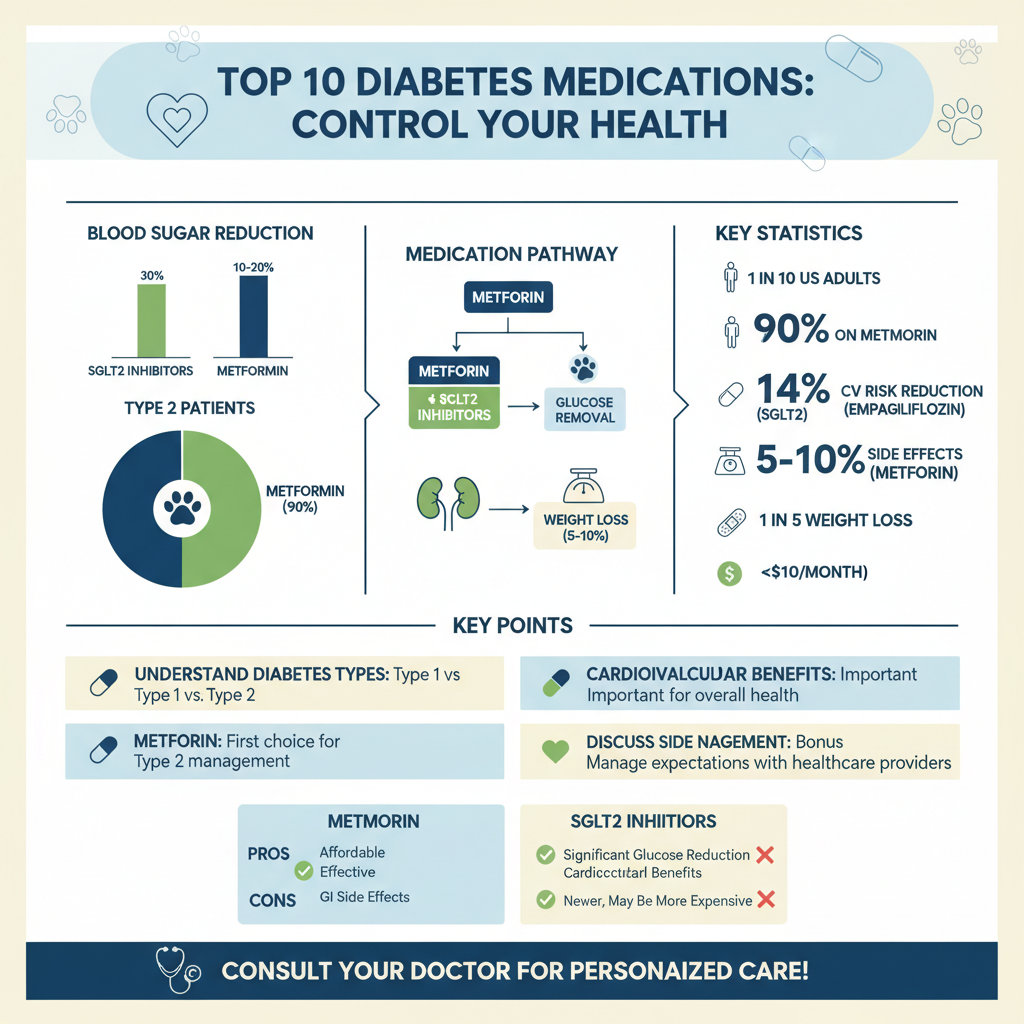

SGLT2 inhibitors represent a class of diabetes medications that have truly revolutionized how we think about managing Type 2 diabetes. Drugs like empagliflozin (known by its brand name Jardiance) and dapagliflozin (Farxiga) fall into this category, and they work in a fascinating and unique way. Instead of focusing on insulin production or sensitivity, SGLT2 inhibitors help your kidneys remove excess glucose from your body. Normally, your kidneys reabsorb most of the sugar that’s filtered, but these medications block a specific protein called SGLT2, which is responsible for that reabsorption. By doing so, they cause more glucose to be flushed out through your urine, thereby lowering blood sugar levels.
What makes SGLT2 inhibitors particularly groundbreaking are their “beyond blood sugar” benefits. Clinical trials have shown significant advantages in reducing the risk of major cardiovascular events, protecting against heart failure, and slowing the progression of kidney disease in patients with Type 2 diabetes, regardless of their A1C levels. This makes them incredibly valuable for patients who have existing cardiovascular conditions or who are at high risk for them, offering comprehensive protection that extends far beyond just glucose management. It’s like getting a two-for-one deal for your heart and kidneys!
However, like all medications, they do come with potential side effects. Due to the increased sugar in the urine, some individuals may experience a higher incidence of genitourinary infections, such as yeast infections or urinary tract infections. Staying well-hydrated and practicing good hygiene can help manage this. Your doctor will weigh these benefits and potential risks carefully to see if an SGLT2 inhibitor is the right choice for your diabetes management plan.
GLP-1 Receptor Agonists: Weight Management and Heart Health

GLP-1 receptor agonists are another exciting class of medications that have made a significant impact on diabetes care, especially for those looking for robust blood sugar control alongside weight management and cardiovascular benefits. These medications, which include popular names like semaglutide (available as Ozempic for diabetes and Wegovy for weight loss) and dulaglutide (Trulicity), mimic the action of a natural hormone called glucagon-like peptide-1 (GLP-1). This hormone plays several vital roles: it stimulates your pancreas to release more insulin only when blood sugar levels are high, slows down how quickly food leaves your stomach (which helps prevent blood sugar spikes after meals), and signals your brain to reduce appetite, helping you feel fuller for longer.
What’s truly remarkable about GLP-1 receptor agonists is their dual power: they are highly effective at lowering blood sugar, and they can lead to significant weight loss, often more than other diabetes medications. This makes them a fantastic option for patients with Type 2 diabetes who are also struggling with obesity or overweight. But the benefits don’t stop there. This class of drugs has also demonstrated proven cardiovascular benefits, including a reduction in the risk of major adverse cardiovascular events in patients with established heart disease, much like SGLT2 inhibitors.
While many GLP-1 receptor agonists are administered via a simple once-weekly injection (don’t worry, the needles are tiny!), there’s also an oral form of semaglutide available. Common side effects can include nausea, vomiting, and diarrhea, particularly when first starting treatment or increasing the dose. However, these often improve over time as your body adjusts. For individuals with obesity or established cardiovascular disease, a GLP-1 receptor agonist can be a powerful tool in their diabetes and overall health management strategy.
Insulin Therapies: Essential for Many Types of Diabetes
For many individuals living with diabetes, insulin therapy isn’t just an option; it’s an absolute necessity. Insulin is a hormone naturally produced by the pancreas that allows glucose to enter cells, where it’s used for energy. In Type 1 diabetes, the body produces no insulin at all, making external insulin replacement essential for survival. For those with advanced Type 2 diabetes, the pancreas may no longer produce enough insulin, or the body’s resistance to insulin becomes too high for other medications to manage, requiring supplemental insulin.
Insulin comes in various forms, each designed to act at different speeds and for different durations, allowing for highly personalized treatment plans.
* Rapid-acting insulins (e.g., Novolog, Humalog, Apidra) work quickly, often taken just before meals to cover the rise in blood sugar from food.
* Long-acting insulins (e.g., Lantus, Levemir, Toujeo, Basaglar) provide a steady, background level of insulin throughout the day and night, mimicking the body’s natural basal insulin production.
* Intermediate-acting insulins (e.g., NPH) have a slower onset and longer duration than rapid-acting but shorter than long-acting.
* Pre-mixed insulins combine rapid or short-acting with intermediate-acting insulins in one injection.
The goal of insulin therapy is to replace or supplement the body’s natural insulin, ensuring glucose can enter cells effectively and keep blood sugar levels within a target range. This careful balancing act requires consistent monitoring of blood glucose levels (either with a finger-prick meter or a continuous glucose monitor) and personalized dosing adjustments. Insulin is typically administered via injection using a syringe or pen device, or through an insulin pump, which delivers small, continuous doses and allows for mealtime boluses. The main risk with insulin therapy is hypoglycemia (low blood sugar), which can occur if too much insulin is taken or if meals are missed, highlighting the critical need for careful management and education.
DPP-4 Inhibitors and Sulfonylureas: Other Key Oral Medications
While newer drug classes have emerged, DPP-4 inhibitors and sulfonylureas continue to be important players in the oral medication landscape for Type 2 diabetes, offering valuable options depending on individual patient needs.
DPP-4 Inhibitors, such as sitagliptin (Januvia) and saxagliptin (Onglyza), work by enhancing the body’s natural ability to lower blood sugar, particularly after meals. They do this by blocking an enzyme called dipeptidyl peptidase-4 (DPP-4), which normally breaks down incretin hormones (like GLP-1 and GIP). By protecting these natural hormones, DPP-4 inhibitors allow them to stay active longer, stimulating the pancreas to release more insulin and reducing glucose production by the liver when blood sugar levels are high. A major advantage of this class is that they are generally very well-tolerated, with a low risk of hypoglycemia (low blood sugar) when used alone, making them a gentle and effective choice for many. They are often used in combination with other diabetes medications.
Sulfonylureas, which include older but still effective drugs like glipizide (Glucotrol) and glimepiride (Amaryl), were among the first oral medications for Type 2 diabetes. Their primary mechanism of action is to stimulate the beta cells in the pancreas to produce and release more insulin. This direct stimulation can lead to a significant reduction in blood sugar levels, making them a powerful option for glycemic control. However, because they directly stimulate insulin release regardless of current blood sugar levels, sulfonylureas carry a higher risk of hypoglycemia compared to DPP-4 inhibitors. They can also lead to modest weight gain. Despite these considerations, their effectiveness and affordability mean they continue to be a valuable part of the diabetes treatment arsenal, often considered when other agents aren’t sufficient or accessible. These two classes provide flexible and additive options, allowing healthcare providers to tailor treatment based on a patient’s specific characteristics, lifestyle, and overall treatment goals.
Thiazolidinediones (TZDs) and Meglitinides: Targeted Approaches
Rounding out our list of top diabetes medications are Thiazolidinediones (TZDs) and Meglitinides, each offering a distinct mechanism of action and filling specific niches in diabetes management. While perhaps not as broadly prescribed as some other classes, they remain crucial tools for personalized care.
Thiazolidinediones (TZDs), with pioglitazone (Actos) being a prominent example, primarily work by improving insulin sensitivity in muscle and fat cells throughout the body. Instead of increasing insulin production, TZDs make your existing insulin more effective, allowing glucose to be more efficiently absorbed and utilized by your cells. This approach can be particularly beneficial for individuals with significant insulin resistance. Beyond blood sugar control, pioglitazone has shown potential benefits for conditions like non-alcoholic fatty liver disease (NAFLD), which often co-occurs with Type 2 diabetes. However, it’s important to be aware of potential considerations, including a risk for fluid retention and a contraindication for patients with heart failure due to this risk. Your doctor will carefully assess your cardiovascular health before considering a TZD.
Meglitinides, such as repaglinide (Prandin) and nateglinide (Starlix), are unique in their fast-acting, short-duration effect on insulin secretion. Unlike sulfonylureas, which provide a more sustained insulin release, meglitinides are specifically designed to be taken just before meals. They stimulate the pancreas to produce a quick burst of insulin in response to food intake, effectively reducing post-meal blood glucose spikes. This “on-demand” insulin release makes them a flexible option for individuals whose meal schedules vary or who experience significant post-meal hyperglycemia. Because their action is short-lived, the risk of hypoglycemia between meals is generally lower than with sulfonylureas, but it’s still a consideration, particularly if a meal is delayed or skipped after taking the medication.
These medications are often used in specific scenarios where their unique mechanisms offer distinct advantages, such as managing insulin resistance more directly with TZDs or precisely targeting post-meal glucose with meglitinides. They represent important, targeted approaches that can be invaluable when other treatments are not suitable or when specific aspects of glucose control need to be addressed.
The landscape of diabetes medications is dynamic and offers a comprehensive range of options for managing this chronic condition. From foundational treatments like Metformin, which improves insulin sensitivity and reduces liver glucose production, to advanced injectable therapies such as GLP-1 receptor agonists that offer robust weight loss and cardiovascular benefits, each medication plays a critical role in personalized diabetes care. SGLT2 inhibitors provide vital protection for the heart and kidneys by promoting glucose excretion, while insulin remains life-sustaining for many. Understanding these top medications can empower patients with knowledge, but it’s crucial to remember that diabetes treatment is highly individualized. The “best” medication for you depends on a multitude of factors, including your specific type of diabetes, other health conditions, lifestyle, and treatment goals. Always consult with your healthcare provider to determine the most appropriate and effective medication regimen for your specific needs and health profile, ensuring a plan that helps you live your healthiest life.
Frequently Asked Questions
What are the main categories of diabetes medications doctors typically prescribe, rather than just a “top 10” list?
Instead of a single “top 10” list of specific drug names, **diabetes medications** are usually categorized by their mechanism of action to treat different aspects of the condition. Key classes of **diabetes drugs** include Metformin (often first-line), GLP-1 receptor agonists (e.g., Ozempic, Trulicity), SGLT2 inhibitors (e.g., Jardiance, Farxiga), DPP-4 inhibitors (e.g., Januvia), sulfonylureas, and insulin. These diverse **types of diabetes medications** target various pathways to effectively lower blood glucose and improve overall diabetes management.
How do doctors determine which diabetes medication is best suited for an individual patient?
Choosing the optimal **diabetes medication** is a highly personalized process, considering various patient-specific factors beyond just blood sugar levels. Healthcare providers evaluate the patient’s type of diabetes, A1C goals, presence of co-existing conditions like cardiovascular disease or kidney disease, potential side effects, and even cost and patient preferences. This comprehensive assessment ensures the selected **diabetes treatment plan** is effective, safe, and sustainable for long-term **diabetes management**.
Are there specific types of diabetes medications that offer benefits beyond just lowering blood sugar?
Absolutely, many newer **diabetes medications** offer significant cardiovascular and renal (kidney) protective benefits in addition to their glucose-lowering effects. Notably, GLP-1 receptor agonists and SGLT2 inhibitors have demonstrated compelling evidence in reducing the risk of heart attack, stroke, heart failure hospitalization, and slowing the progression of kidney disease in patients with **type 2 diabetes**. These added benefits make them preferred options for many individuals, particularly those with existing cardiovascular or kidney issues.
What are common side effects or important considerations when starting new diabetes medications?
When starting new **diabetes medications**, it’s important to be aware of potential side effects, which vary significantly by drug class. Common considerations can include gastrointestinal issues (like nausea, diarrhea, or constipation) with medications such as Metformin or GLP-1 agonists, or a risk of hypoglycemia (low blood sugar) with insulin or sulfonylureas. Your doctor will discuss specific precautions, potential drug interactions, and how to monitor for any adverse reactions to ensure safe and effective **diabetes treatment**.
What are some of the latest advancements or innovative diabetes medications that have emerged recently?
Recent years have brought exciting innovations in **diabetes treatment**, particularly with the expanding roles of SGLT2 inhibitors and GLP-1 receptor agonists. Beyond their established benefits, newer formulations and combination therapies are also emerging, offering more convenient dosing schedules and synergistic effects. These advancements provide healthcare providers with a broader toolkit to tailor **diabetes management** strategies, focusing on improved blood sugar control, enhanced cardiovascular outcomes, and kidney protection for individuals with **type 2 diabetes**.
References
- Diabetes medication
- https://diabetes.org/health-wellness/medication
- https://www.niddk.nih.gov/health-information/diabetes/overview/medication-management
- https://www.mayoclinic.org/diseases-conditions/type-2-diabetes/in-depth/diabetes-medications/art-20047407
- https://my.clevelandclinic.org/health/articles/11202-diabetes-type-2-medications
- https://medlineplus.gov/diabetestype2medicines.html
- https://www.health.harvard.edu/diseases-and-conditions/type-2-diabetes-medications-what-to-know
