
Finding the top diabetes care insulin cooler requires prioritizing consistent temperature stability, reliable power options, and practical portability to ensure your insulin remains effective wherever you go. This guide will help you navigate the features and types available, ensuring you make an informed decision for managing your diabetes with confidence.
Why an Insulin Cooler is Crucial for Diabetes Care
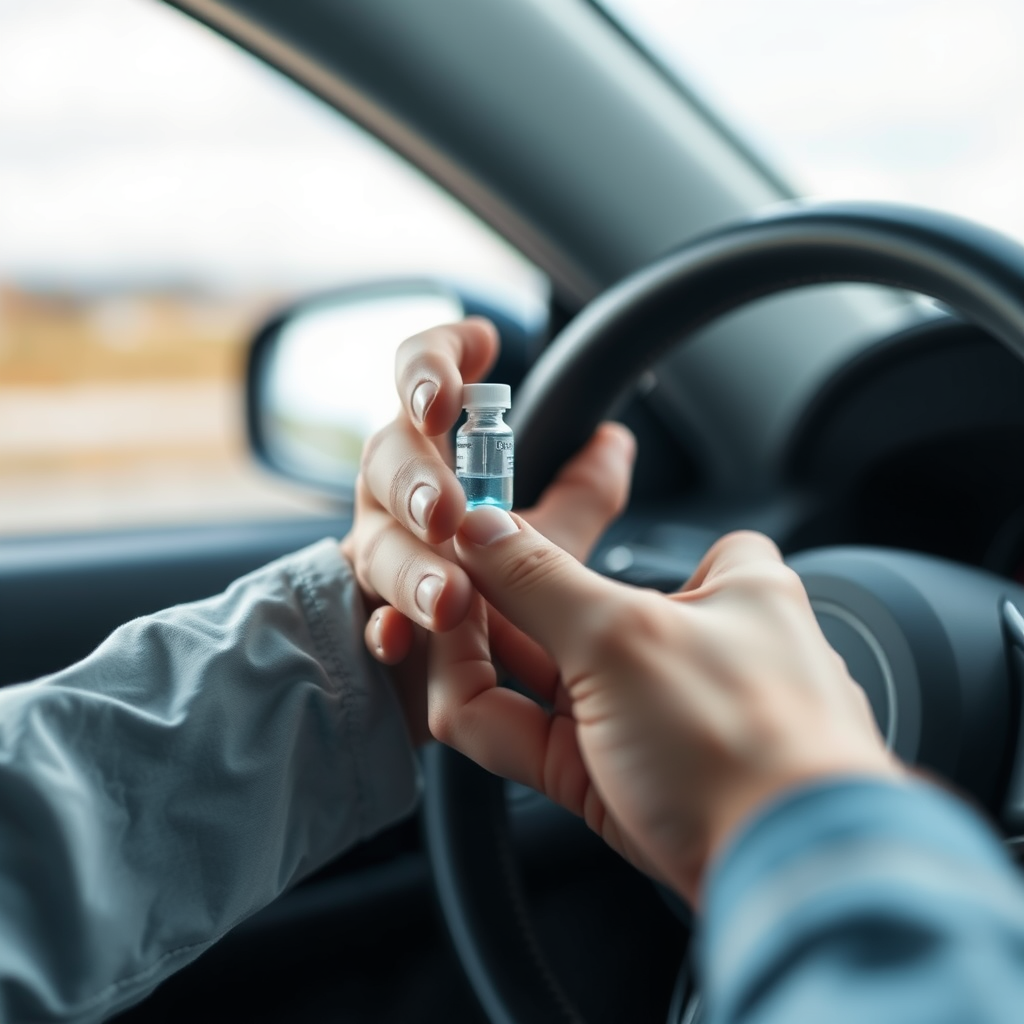
Living with diabetes means constantly managing your insulin, and one of the most critical aspects of this management is proper storage. Insulin is a delicate medication, and its effectiveness hinges on being kept within a very specific temperature range. Investing in a reliable insulin cooler isn’t just a convenience; it’s a vital part of safeguarding your health and maintaining consistent blood glucose control.
* Preserving Insulin Efficacy: Imagine relying on a medication that suddenly loses its power because it got too warm or too cold. That’s the risk with improperly stored insulin. Insulin molecules can degrade rapidly when exposed to extreme temperatures, whether too hot or too cold, becoming less effective or even completely inactive. This degradation can lead to unpredictable blood sugar levels, making it harder to manage your diabetes and potentially causing dangerous highs. A good cooler acts as a guardian, preserving the insulin’s molecular structure so it can do its job properly every single time you need it. It means your prescribed dose delivers the expected therapeutic effect, offering you stability and peace of mind.
* Ensuring Safety and Compliance: Pharmaceutical guidelines, often backed by regulatory bodies like the FDA, specify that most insulin should be stored between 36°F and 46°F (2°C to 8°C) in the refrigerator, and at room temperature (below 86°F or 30°C) once opened, for up to 28 days. These aren’t arbitrary numbers; they are scientifically determined ranges to ensure the medication remains safe and potent. A reliable insulin cooler is designed precisely to maintain these critical temperatures, preventing bacterial growth that can occur with warmer temperatures or structural damage from freezing. By adhering to these storage guidelines, you’re not just protecting your insulin; you’re protecting yourself from potential adverse effects and ensuring your treatment regimen remains safe and effective.
* Enhancing Freedom and Mobility: One of the greatest gifts an insulin cooler offers is liberation. For individuals with diabetes, the worry of insulin spoilage can severely restrict daily activities, travel plans, and even spontaneous outings. A dependable cooler removes this constant anxiety. Want to go hiking for the day? Need to travel internationally for work? Planning a beach vacation? With an appropriate insulin cooler, you can pack your medication knowing it will remain at its optimal temperature, allowing you to focus on enjoying life rather than fretting over your insulin. It empowers you to travel, engage in outdoor adventures, attend long meetings, or simply run errands without the constant mental burden of finding a refrigerator or avoiding heat. It’s about living your life on your terms, with your diabetes management seamlessly integrated.
Key Features Defining a Top Insulin Cooler
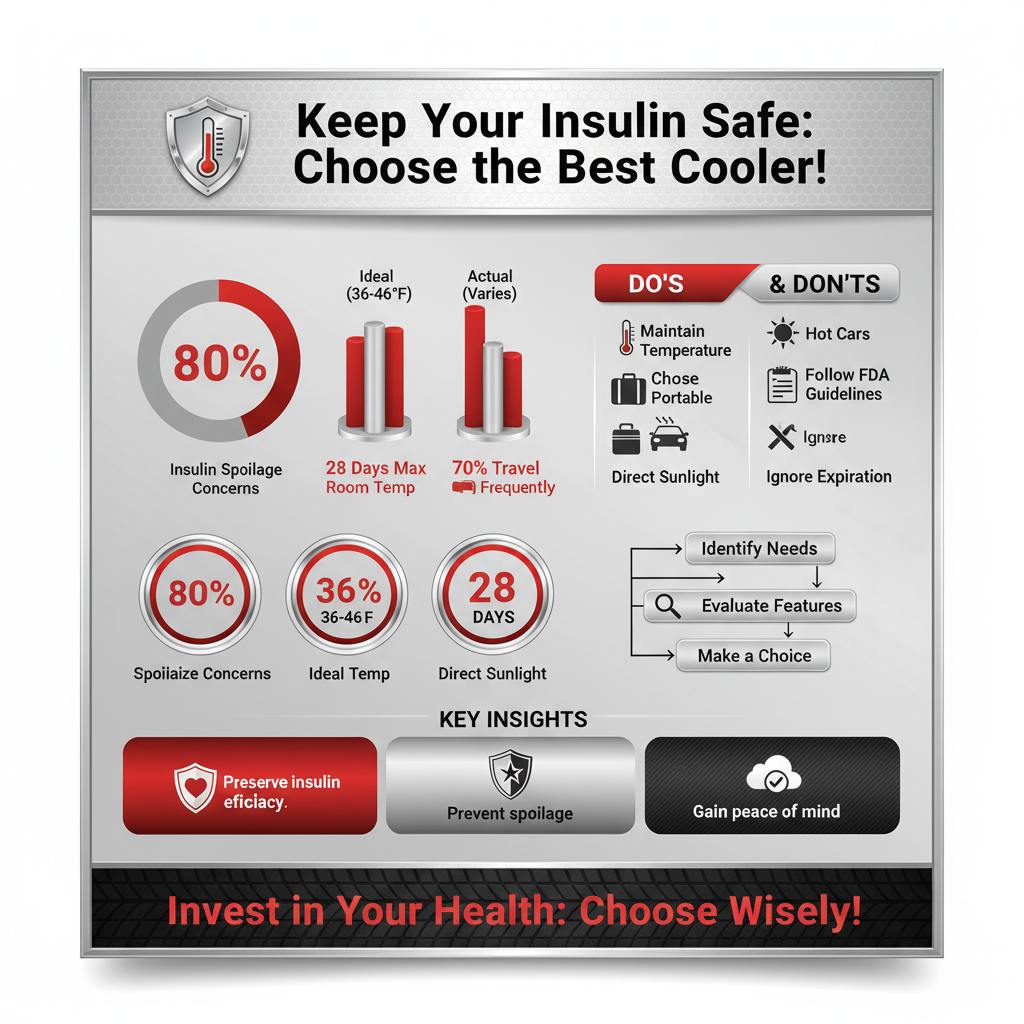

When searching for the perfect insulin cooler, certain features stand out as non-negotiable for superior performance and reliability. These are the aspects you’ll want to scrutinize to ensure your chosen cooler meets the high demands of insulin preservation.
* Consistent Temperature Control: This is, without a doubt, the single most vital feature. A top-tier insulin cooler doesn’t just “keep things cool”; it actively maintains a precise and stable temperature range, typically within the critical 36°F to 46°F (2°C to 8°C) for refrigerated insulin. Look for models that boast advanced cooling technology, such as thermoelectric cooling for electric units, or well-engineered insulation combined with phase-change materials for passive coolers. Digital displays showing the current internal temperature are incredibly helpful, offering immediate reassurance. Even better are units with programmable temperature settings, allowing you to fine-tune the environment, and audible or visual alarms that alert you if the temperature deviates from your set range. Some high-end coolers even offer app connectivity to monitor temperatures remotely, providing an extra layer of peace of mind. Consistent temperature control means your insulin is always safe, regardless of external conditions.
* Portability and Capacity: The best insulin cooler strikes an optimal balance between being compact and lightweight enough for easy transport, while also offering sufficient capacity for your specific insulin needs. Consider your typical usage: Do you need space for a single insulin pen for a day out, or multiple vials and pens for a week-long trip? Capacity is usually measured in pens, vials, or milliliters. A good cooler should fit comfortably in a backpack, handbag, or carry-on luggage without being cumbersome. Look for ergonomic designs like sturdy handles, comfortable shoulder straps, or compact, sleek profiles. Some models are designed to be extremely discreet, resembling a regular pencil case, which can be a plus for daily use. Think about the physical dimensions and weight of the cooler when fully loaded – will it add unnecessary bulk to your travels or daily routine?
* Reliable Power Sources: The versatility of a cooler’s power options directly impacts your freedom to use it anywhere. For electric coolers, reliable power is paramount. Look for models equipped with long-lasting, rechargeable batteries, ideally lithium-ion, which offer many hours (often 8-12+) of cooling on a single charge. Fast-charging capabilities are a huge bonus. Additionally, multi-functional charging options are a game-changer: a standard wall adapter for home or hotel, a car adapter (12V) for road trips, and USB compatibility (USB-C is increasingly common) for charging via power banks or laptops. Some advanced portable coolers can even draw power from solar panels, making them ideal for extended outdoor adventures. The more ways you can power your cooler, the less you’ll have to worry about running out of juice and compromising your insulin. For passive coolers, “power source” translates to the longevity and effectiveness of their cooling elements (gel packs, evaporative crystals).
Types of Insulin Coolers Explained
The world of insulin coolers offers a variety of technologies, each with its own advantages and ideal use cases. Understanding these differences will help you pinpoint the best fit for your unique lifestyle.
* Gel Pack/Ice Pack Coolers: These are perhaps the most common and budget-friendly type of insulin cooler, operating on a simple principle: pre-frozen gel packs or ice packs absorb heat from the insulin, keeping it cool. They typically consist of an insulated pouch or small bag with dedicated compartments for the insulin and the frozen packs.
* Pros: They are inexpensive, readily available, require no electricity, and are lightweight when empty. They’re great for short trips, daily commutes, or situations where you have access to a freezer to refreeze the packs.
* Cons: Their cooling duration is limited, usually a few hours to a day, depending on external temperature and insulation quality. They can also be bulky once the packs are frozen, and there’s a risk of freezing your insulin if it comes into direct contact with an extremely cold gel pack, which can be just as damaging as heat. Always use a protective barrier (like bubble wrap or a cloth) between the insulin and the ice pack.
* Best For: Short outings, daily work commutes, or budget-conscious users who have consistent access to a freezer.
* Evaporative Coolers (e.g., Frio bags): These innovative coolers are a fantastic option for those seeking an electricity-free solution that works through the natural process of evaporation. Brands like Frio are excellent examples of this technology. They typically involve an inner pouch filled with specialized crystals that, when activated by water, swell into a gel and slowly release water through evaporation.
* Pros: They are remarkably lightweight, compact, and completely self-sufficient – no batteries or electricity needed! They are activated simply by soaking them in water for a few minutes. They offer extended cooling, often for several days, and perform well in moderate to hot, dry climates. Since they don’t use ice, there’s no risk of freezing your insulin.
* Cons: Their effectiveness can be reduced in extremely humid conditions, as evaporation is less efficient. They need to be re-activated every few days, requiring access to water. They also require careful handling to avoid punctures to the inner pouch.
* Best For: Travel to regions with unreliable electricity, outdoor adventures in dry climates, or anyone looking for a simple, highly portable, and reliable cooler without power constraints.
* Electric/Thermoelectric Coolers: These advanced coolers offer the most precise temperature control and are ideal for extended travel or situations where consistent power access is available. They utilize a thermoelectric (Peltier) module that actively cools the interior when powered by electricity.
* Pros: They provide superior, consistent temperature control, often with digital displays and adjustable temperature settings. Many can keep insulin at a precise refrigerated temperature indefinitely as long as they have power. They eliminate the need for ice packs and the associated risks. They are highly reliable for long-duration cooling.
* Cons: They are generally more expensive and heavier than passive options. They require a consistent power source (AC outlet, car charger, or a robust rechargeable battery), which can be a limitation in off-grid situations. Some smaller units can also be a bit noisy.
* Best For: Long road trips, international flights, extended stays away from home, or anyone needing absolute precision and long-term cooling without worrying about re-freezing packs or re-activating pouches.
Choosing Your Ideal Insulin Cooler
With various types and features available, selecting the perfect insulin cooler can feel daunting. However, by asking yourself a few key questions about your lifestyle and priorities, you can narrow down the options considerably.
* Assess Your Lifestyle and Needs: Your daily routine and travel habits are perhaps the biggest determinants. Are you a frequent international traveler who needs insulin to stay cool for 24+ hours on a flight? An electric cooler with robust battery life and multiple charging options might be ideal. Do you enjoy multi-day camping trips in remote areas? An evaporative cooler or a highly durable electric cooler with solar charging capabilities would be a strong contender. For someone who simply commutes to work daily or takes short day trips, a compact gel pack cooler or a smaller evaporative bag could be perfectly sufficient. Consider how many insulin pens or vials you typically need to carry. Do you use pre-filled pens, or do you carry vials and syringes? This will dictate the required capacity and internal layout of the cooler. Think about the environments you’ll typically be in – extremely hot climates will demand more robust cooling than temperate ones.
* Evaluate Battery Life and Charging: For electric models, this is a critical evaluation. A cooler might promise “long battery life,” but what does that truly mean in hours, especially when cooling in hot conditions? Look for specifics – an 8-12 hour battery life is a good baseline for day trips, but for longer journeys, you’ll want 18-24+ hours or the ability to easily recharge on the go. Investigate the charging options: Does it come with an AC adapter, a car adapter, and USB charging capabilities? Universal charging via USB-C is increasingly convenient, allowing you to use power banks you already own. Consider the charging time as well; a quick charge feature can be a lifesaver. It’s also wise to consider a backup power source, such as a high-capacity power bank, especially for crucial trips.
* Read User Reviews and Brand Reputation: Don’t underestimate the power of real-world feedback! Once you’ve identified a few potential models, dive into user reviews on reputable retail sites, diabetes forums, and independent review blogs. Look for patterns in what users say: Does the cooler consistently maintain its advertised temperature? How durable is it in daily use and during travel? Is customer service responsive and helpful if issues arise? Pay attention to comments regarding battery longevity, noise levels (for electric models), ease of use, and overall reliability. A brand with a strong reputation for medical devices often indicates better quality control, more rigorous testing, and dedicated customer support, which are invaluable when your health depends on the device.
Maximizing Your Insulin Cooler’s Effectiveness
Once you’ve chosen your ideal insulin cooler, knowing how to use and maintain it properly is key to ensuring it performs at its best and keeps your insulin safe for the long haul.
* Proper Pre-Cooling and Packing: This step is often overlooked but is absolutely crucial. For electric coolers, always pre-cool the device for at least 30 minutes (or as recommended by the manufacturer) before placing your insulin inside, especially if it’s been stored at room temperature. This brings the internal temperature down to the desired range, ensuring your insulin is immediately in a stable environment. For gel pack coolers, ensure your gel packs are thoroughly frozen before use. When packing, avoid direct contact between insulin vials/pens and extremely cold ice packs, as this can lead to freezing damage. Use a thin layer of cloth, bubble wrap, or the cooler’s internal dividers to create a buffer. Always ensure your insulin itself is already at its correct storage temperature before placing it into the cooler; don’t rely on the cooler to rapidly bring down the temperature of warm insulin.
* Regular Maintenance and Cleaning: A clean cooler is a happy, effective cooler. Regularly wipe down the interior and exterior surfaces with a mild disinfectant solution and a soft cloth to prevent bacterial growth and maintain hygiene. For electric coolers, pay attention to vents and fans – ensure they are free from dust or obstructions to allow for proper airflow and efficient cooling. Check seals around lids or openings for any signs of wear and tear, as damaged seals can compromise insulation. For evaporative coolers, ensure the inner pouch is not punctured and follow instructions for re-activating and storing it when not in use. Regularly inspect battery contacts (if applicable) and charging ports for any corrosion or damage. Proper maintenance extends the life of your cooler and ensures its consistent performance.
* Monitor Internal Temperature: Even with a top-tier cooler, it’s wise to double-check. Many electric coolers come with an integrated digital temperature display, which is very convenient. However, if your cooler doesn’t have one, consider investing in a small, reliable, waterproof thermometer that you can place inside with your insulin. This allows you to independently verify that the cooler is maintaining the ideal temperature range. Some advanced thermometers even offer Bluetooth connectivity, allowing you to monitor temperatures from your smartphone without opening the cooler. Regular monitoring, especially during initial use or in extreme conditions, gives you an extra layer of confidence that your insulin is always stored safely.
Insulin Coolers for Travel and Daily Life
The specific demands of different scenarios, from air travel to daily commutes, call for tailored insulin cooler solutions.
* Air Travel Considerations: When flying, your insulin cooler becomes your essential travel companion. Most insulin coolers, whether passive or electric, are allowed in carry-on luggage by the Transportation Security Administration (TSA) as medical devices. This is crucial because insulin should *never* be stored in checked baggage, where extreme temperature fluctuations in the cargo hold can degrade it, and bags can get lost. Inform security personnel that you are carrying medically necessary liquids and devices. It’s often helpful to carry a doctor’s note, especially for international travel, confirming your need for insulin and related supplies. Ensure your insulin is in its original, pharmacy-labeled container. For electric coolers, confirm they meet airline regulations for lithium-ion battery size and capacity. Having a cooler that can handle long layovers and potential delays is key.
* Outdoor Activities & Extended Trips: For adventurers and those embarking on longer journeys into unpredictable conditions, robustness and longevity are paramount. Look for coolers with durable, impact-resistant exteriors that can withstand bumps and knocks. Water-resistant or waterproof features are highly beneficial for camping, hiking, or beach trips. For electric models, prioritize the longest possible battery life or look for models that can be easily charged via portable solar panels or robust power banks. Evaporative coolers are excellent for these scenarios, especially in dry climates, due to their independence from electricity and lightweight nature. Always consider a backup cooling method or extra supplies for extended periods away from reliable power or refrigeration.
* Daily Commute and Work Needs: For everyday use, convenience, compactness, and discretion are often the top priorities. A small, lightweight insulin cooler that easily fits into a briefcase, backpack, or handbag is ideal. You might not need a multi-day cooling solution, but rather something that keeps your insulin stable for a typical 8-10 hour workday. Gel pack coolers or small evaporative bags are excellent choices here, as they are unobtrusive and generally hassle-free. For those who drive frequently, a compact electric cooler with a car adapter can be incredibly convenient, ensuring your insulin stays cool even if your car is parked in the sun for hours. Look for designs that allow quick and easy access to your insulin without having to unpack the entire cooler.
Selecting the best insulin cooler is a crucial step in effective diabetes management, offering peace of mind and greater flexibility in your daily life. By considering factors like consistent temperature control, practical portability, reliable power options, and aligning your choice with your personal needs and lifestyle, you can confidently choose a cooler that keeps your insulin safe and potent. Remember to properly pre-cool, maintain, and monitor your device to maximize its effectiveness. Invest in a top-tier insulin cooler today to safeguard your health and embrace life’s adventures without compromise, knowing your essential medication is always protected.
Frequently Asked Questions
What is an insulin cooler and why is it essential for diabetes care?
An insulin cooler is a specialized portable device designed to maintain insulin within its safe temperature range, typically between 36°F and 46°F (2°C and 8°C), to preserve its efficacy. It’s essential for diabetes care because insulin is a delicate protein that can degrade and become less effective if exposed to extreme heat or freezing temperatures, which can compromise blood sugar control. Using a reliable insulin cooler ensures that your vital medication remains potent, especially during travel, outdoor activities, or in situations where refrigeration isn’t readily available. This safeguards your health by preventing potential dosing issues due to compromised insulin.
How do insulin coolers keep insulin safe without refrigeration or electricity for extended periods?
Many top insulin coolers utilize innovative cooling technologies, often relying on either gel packs, evaporative cooling, or vacuum insulation. Gel pack coolers use pre-frozen packs that slowly release cold, while evaporative coolers activate when immersed in water, using the natural process of evaporation to cool the contents. Vacuum-insulated models create a thermal barrier to prevent heat transfer, effectively keeping insulin at a safe temperature for hours or even days without needing a power source, making them indispensable for travel and daily commutes.
Which features should I look for when choosing the best insulin cooler for travel or daily use?
When selecting a diabetes care insulin cooler, prioritize features like reliable temperature retention duration, capacity to hold all your necessary vials, pens, or syringes, and durable construction for travel. Look for models with clear temperature indicators, TSA-compliant designs for air travel, and a compact, lightweight form factor for portability. For daily use, consider ease of cleaning and quick preparation times, while for travel, robust insulation and impact resistance are key to protect your valuable medication during transit.
How long can a top diabetes care insulin cooler typically maintain proper insulin temperature?
The duration a quality insulin cooler can maintain proper insulin temperature varies significantly based on its design, the cooling technology used, and external ambient conditions. Evaporative coolers often provide 36-48 hours of cooling per activation, while advanced gel pack or vacuum-insulated coolers can sustain safe temperatures for 24 hours up to several days. Always check the manufacturer’s specifications for specific models, as “top diabetes care insulin coolers” are engineered for extended protection, which is crucial for peace of mind during longer journeys or power outages.
Why is maintaining the correct temperature for insulin so crucial, and what happens if it gets too hot or cold?
Maintaining the correct temperature for insulin is paramount because insulin is a heat-sensitive medication vital for managing blood glucose levels. If insulin gets too hot (above 86°F or 30°C), its protein structure can degrade rapidly, significantly reducing its effectiveness and leading to dangerously high blood sugar. Conversely, if insulin freezes, it can lose its potency and even become unsafe to use, as freezing can break down the insulin molecules, making precise dosing impossible. Therefore, a reliable insulin cooler is indispensable for preserving its therapeutic integrity and ensuring effective diabetes management.
References
- https://diabetes.org/tools-resources/living-with-diabetes/travel-tips
- https://www.cdc.gov/diabetes/basics/insulin/insulin-storage.html
- https://www.fda.gov/drugs/emergency-preparedness-drugs/keeping-insulin-and-diabetes-medicines-safe-during-emergencies
- https://www.jdrf.org/t1d-resources/living-with-t1d/daily-life/travel/
- Test anxiety: Can it be treated? – Mayo Clinic
- Insulin
- https://uvahealth.com/blog/traveling-diabetes-vacation-tips
- https://www.theguardian.com/lifeandstyle/2018/jun/18/the-challenges-of-travelling-with-diabetes
- Human Insulin Injection: MedlinePlus Drug Information
- https://www.adces.org/diabetes-care-and-education-news/traveling-with-diabetes-tips-for-a-smooth-trip/
