
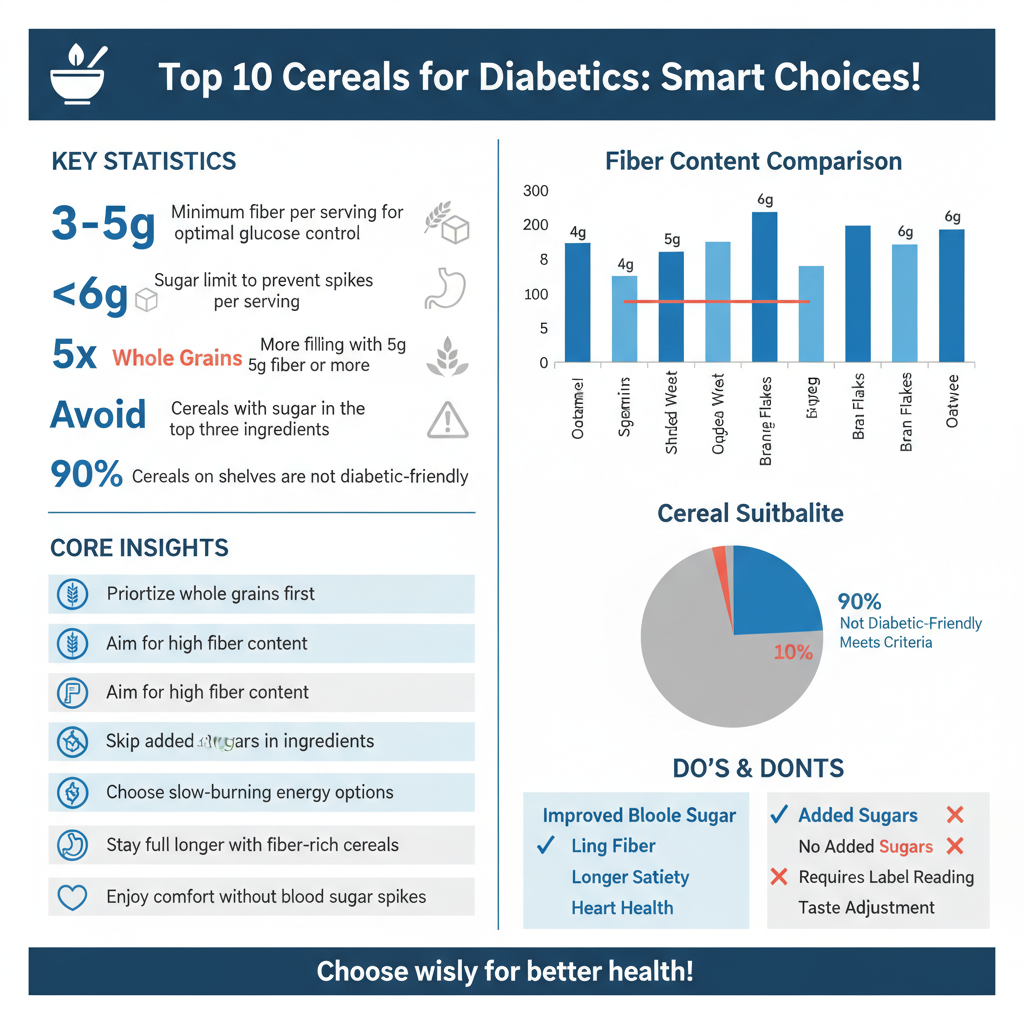
The best cereals for diabetics are whole-grain options rich in fiber and low in added sugar, such as steel-cut oats, bran flakes, and shredded wheat. To prevent blood sugar spikes, look for cereals containing at least 3 grams of fiber and less than 6 grams of sugar per serving while pairing them with a protein source. Below is a detailed guide to the top 10 specific cereal choices that fit these nutritional criteria perfectly.
Living with diabetes doesn’t mean you have to say goodbye to the cereal aisle forever. For many of us, a bowl of cereal is the ultimate comfort food and a convenient way to start the morning. The challenge, of course, is that the vast majority of colorful boxes lining the supermarket shelves are essentially dessert disguised as breakfast. However, by shifting your focus to nutrient density and ingredient quality, you can enjoy a satisfying crunch without sending your blood glucose levels on a roller coaster ride. Let’s dive into how to pick the right box and explore the ten best options available today.
How to Choose a Diabetic-Friendly Cereal
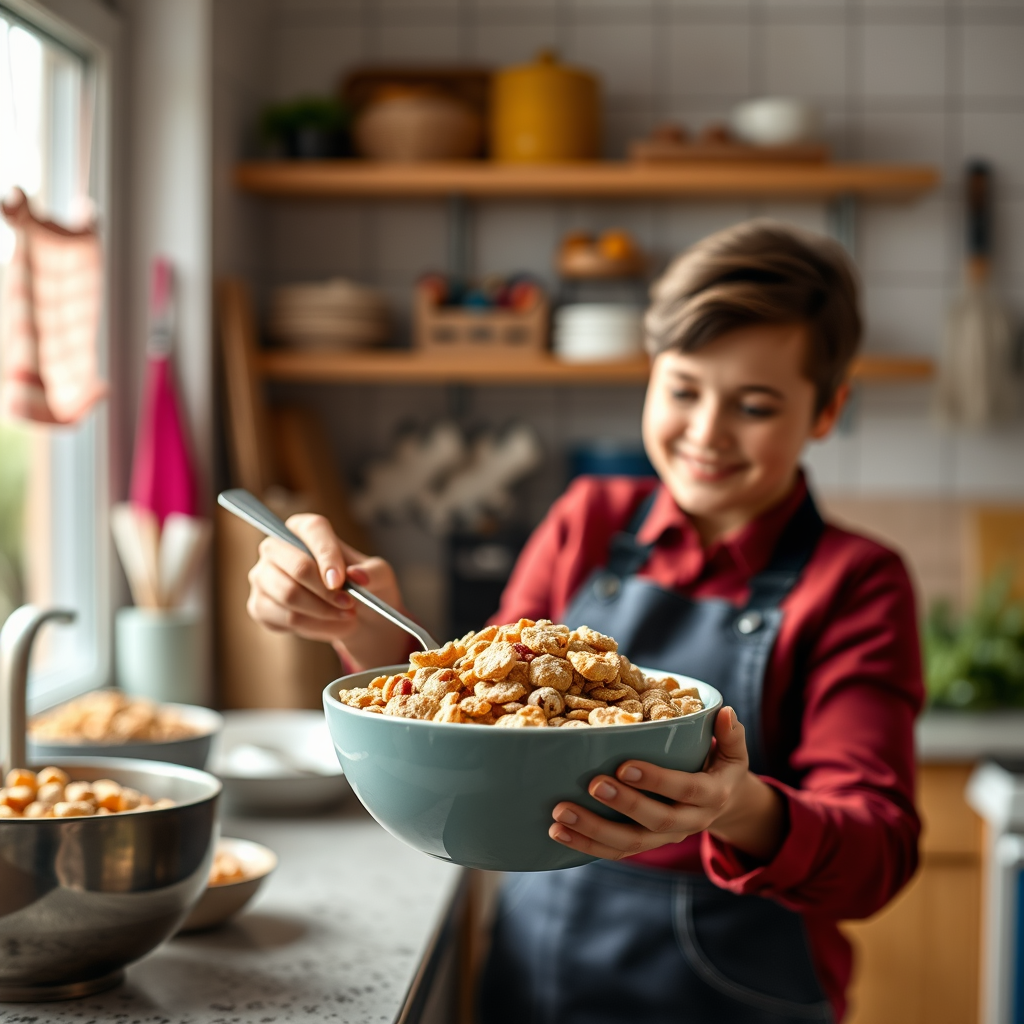
Navigating nutrition labels can feel like decoding a secret language, but once you know what to look for, spotting a diabetic-friendly cereal becomes second nature. The goal is to find a product that provides slow-burning energy rather than a quick sugar rush.
– Prioritize whole grains like whole wheat, oats, or barley as the first ingredient on the nutrition label.
When the very first item listed is a whole grain, it means the product contains the entire grain kernel—the bran, germ, and endosperm. This ensures you are getting the natural nutrients and fiber that are often stripped away in refined grains like white flour or degerminated cornmeal. Whole grains take longer for the body to break down, resulting in a more gradual release of glucose into the bloodstream.
– Look for a high fiber content (at least 3-5 grams per serving) to slow down glucose absorption.
Fiber is your best friend when managing diabetes. It acts as a buffer during digestion. Soluble fiber, in particular, dissolves in water to form a gel-like substance that slows the absorption of sugar. When scanning the label, aim high. If a cereal has 5 grams of fiber or more, it’s an excellent choice. This not only helps with blood sugar control but also keeps you feeling full until lunch, preventing mid-morning snacking.
– Avoid cereals with “sugar,” “cane juice,” or “corn syrup” listed in the first three ingredients.
Food manufacturers are clever; they often hide sugar under various names. Ingredients are listed by weight, so if any form of sweetener appears in the top three spots, that cereal is likely a sugar bomb. Be wary of organic-sounding names like “agave nectar,” “fruit juice concentrate,” or “brown rice syrup.” To your body, sugar is sugar, and these will still cause a rapid spike in blood glucose.
Top Hot Cereals: Oats and Porridge
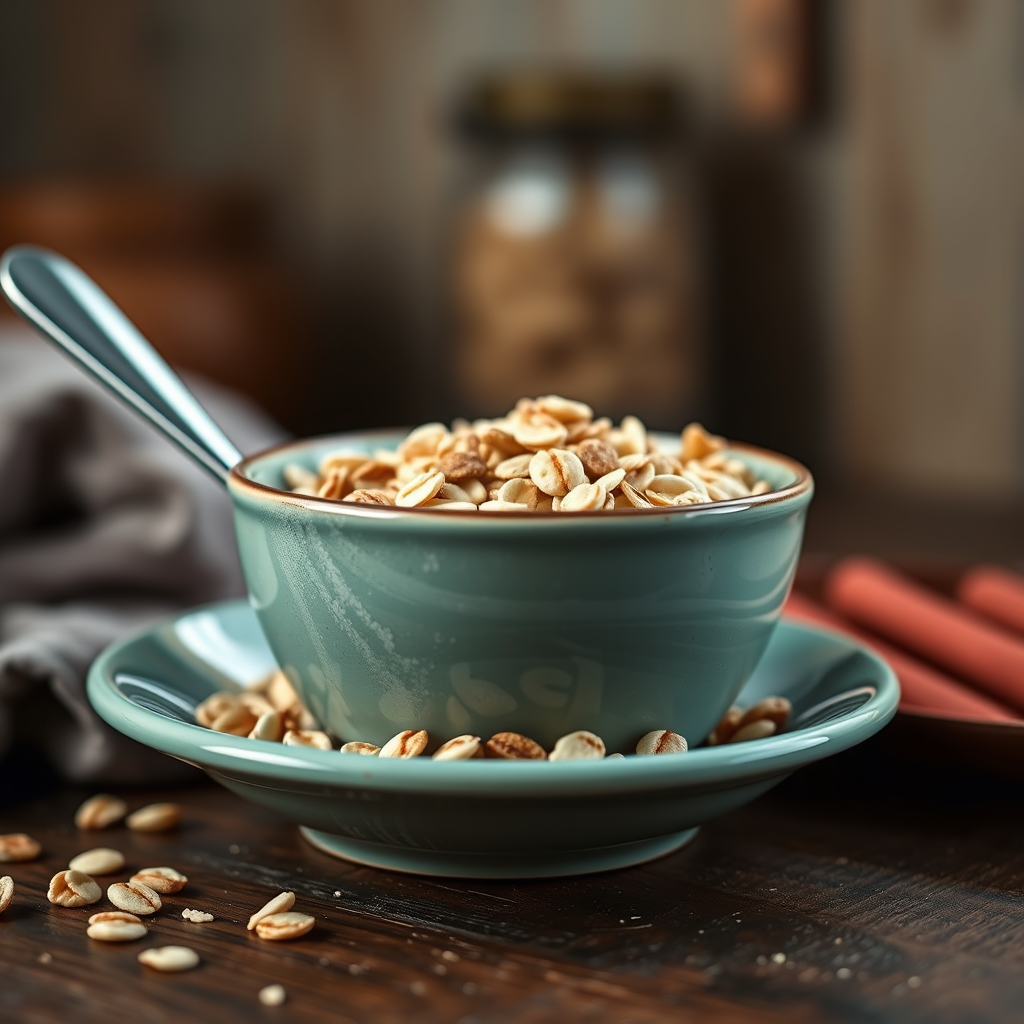
Hot cereals are often the gold standard for diabetic breakfasts because they are typically less processed than their cold counterparts. They offer a comforting, warm start to the day and act as a blank canvas for healthy toppings.
– Steel-Cut Oats: These have a lower glycemic index than rolled oats and keep you full longer.
Unlike instant oatmeal, which is pre-cooked and rolled thin for speed, steel-cut oats are whole oat groats chopped into pieces. Because the body has to work harder to break down these dense nuggets, they have a lower glycemic index (GI). This means the conversion to sugar happens much slower. While they take about 20–30 minutes to cook, the nutty texture and steady energy release make them worth the wait. Pro-tip: Make a big batch on Sunday for the week ahead.
– Quinoa Flakes: A high-protein gluten-free alternative that cooks quickly like oatmeal.
Quinoa is unique because it is a complete protein, meaning it contains all nine essential amino acids. For diabetics, this extra protein is a huge bonus as it helps stabilize blood sugar. Quinoa flakes are simply pressed quinoa seeds. They cook in under two minutes and offer a lighter, fluffier texture than oats. They are naturally gluten-free, making them a safe bet for those with celiac disease or gluten sensitivity alongside diabetes.
– Buckwheat Groats: Despite the name, this is a gluten-free fruit seed that is high in fiber and magnesium.
Don’t let the “wheat” in the name fool you; buckwheat is actually related to rhubarb and sorrel. When cooked as a porridge, buckwheat groats (often called kasha when toasted) have a robust, earthy flavor. They are packed with magnesium, a mineral that plays a crucial role in insulin sensitivity. A bowl of creamy buckwheat porridge is a hearty, heart-healthy option that deviates nicely from the standard oatmeal routine.
Best Cold Whole-Wheat and Bran Options
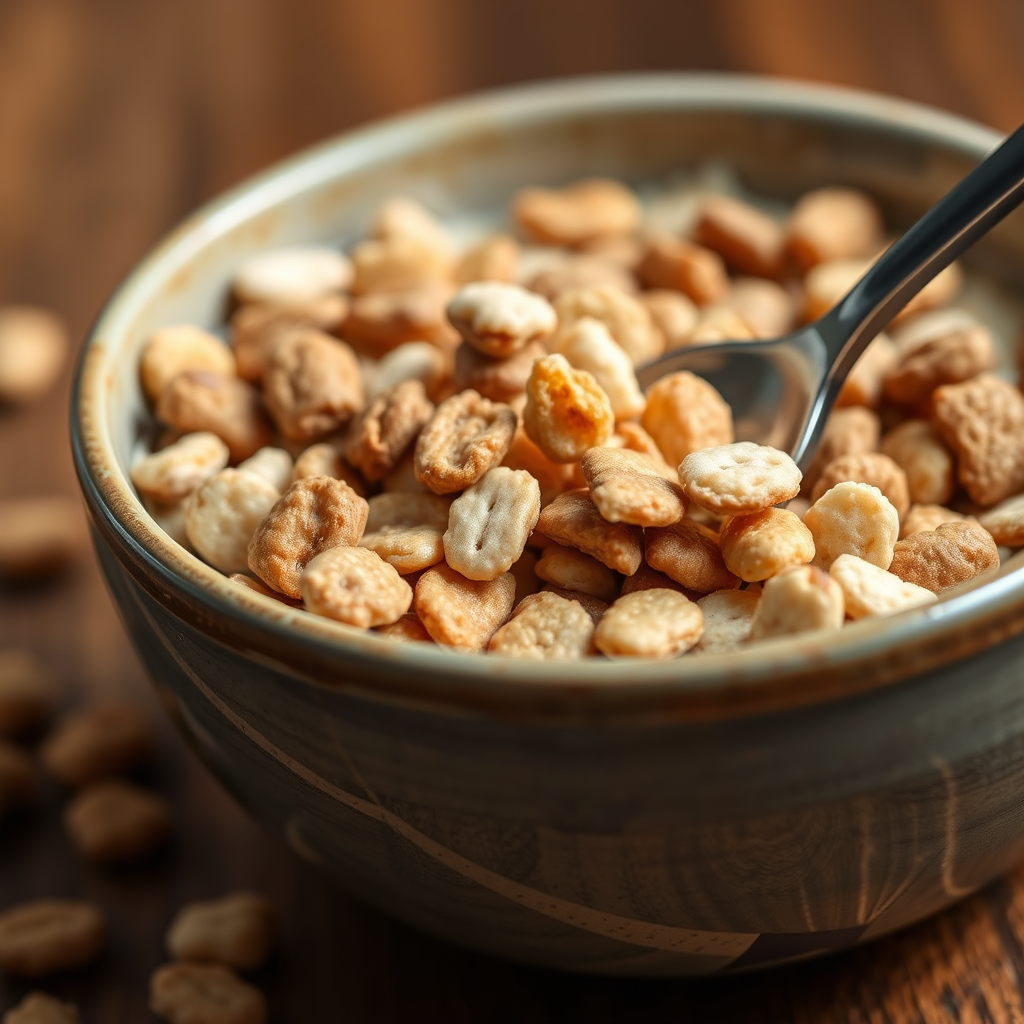
Sometimes you just need the convenience of pouring from a box. Cold cereals can be healthy, provided you stick to the “bran and shreds” section of the aisle rather than the cartoon character section.
– Bran Flakes: High in insoluble fiber which promotes digestive health and blood sugar stability.
Wheat bran is the outer layer of the wheat kernel and is a powerhouse of insoluble fiber. Bran flakes are one of the most accessible and affordable diabetic-friendly cereals. However, a word of caution: read the label. Some generic “bran flakes” are coated in sugar. Look for brands that specifically market “no added sugar” or check that the sugar count is below 5g per serving. The high fiber content helps mitigate the impact of the carbohydrates present.
– Shredded Wheat: Often contains zero added sugar and consists simply of whole grain wheat.
Classic shredded wheat biscuits are one of the cleanest processed foods you can buy. Many brands list exactly one ingredient: whole wheat. Because there is absolutely no added sugar or salt in the traditional large biscuits, you have complete control over the sweetness. You can crumble them up and add fresh berries or cinnamon for flavor without worrying about hidden syrups.
– Sprouted Grain Cereals: Brands like Ezekiel 4:9 offer sprouted grains which are easier to digest and nutrient-dense.
Sprouting involves soaking grains until they begin to grow a sprout, a process that breaks down anti-nutrients and increases the bioavailability of vitamins and minerals. Sprouted grain cereals, like the crunchy nuggets found in Ezekiel 4:9 varieties, are incredibly dense in nutrients and high in protein. They have a distinct, crunchy texture and a rich, malty flavor that pairs perfectly with milk. Because the grain is structurally altered during sprouting, many people find it has a milder impact on their blood sugar levels.
Low-Carb and Keto Cereal Brands
The rise of the ketogenic diet has been a blessing for the diabetic community. It has spurred a wave of innovation in the cereal market, creating products that are specifically engineered to be low-carb.
– Nut-Based Granola: Grain-free options made from almonds, pecans, and seeds offer healthy fats with minimal carbs.
Traditional granola is usually bound together with honey or maple syrup and oats, making it a high-carb food. Nut-based granolas, however, swap the oats for almonds, walnuts, pumpkin seeds, and coconut flakes. These ingredients provide healthy monounsaturated fats which help slow digestion. Since they are grain-free, the carbohydrate count is negligible, often sitting at 2-4 grams of net carbs per serving.
– High-Protein “Keto” Cereals: Modern brands use milk protein isolates and monk fruit to mimic sugary classics without the glucose spike.
If you miss the fruity loops and cocoa puffs of your childhood, this is the category for you. Brands like Magic Spoon or Catalina Crunch use alternative flours (like chickpea or almond flour) and protein isolates to create a crunchy cereal loop. They are sweetened with allulose or monk fruit—natural sweeteners that do not raise blood sugar. These cereals can be pricey, but they offer a high-protein crunch that is almost identical to “regular” cereal.
– Muesli (No Added Sugar): A raw mixture of rolled oats, nuts, and seeds that avoids the sweeteners found in granola.
Muesli is essentially raw granola. Because it isn’t baked to create clusters, it doesn’t require the oil and sugary binders that make granola caloric and carb-heavy. A good diabetic-friendly muesli is a mix of rolled oats, wheat flakes, nuts, and seeds. You can eat it cold with milk, or soak it overnight (“Bircher muesli”) to soften the grains, making it easier to digest.
Ingredients to Avoid for Blood Sugar Control
Knowing what to avoid is just as important as knowing what to buy. Some ingredients can sabotage your blood sugar goals even if the cereal looks healthy on the front of the box.
– Steer clear of dried fruits coated in sugar, which can drastically increase the carbohydrate load.
Raisins, cranberries, and dried dates are often added to “healthy” cereals. The problem is that dried fruit is concentrated sugar—all the water has been removed, leaving a dense carbohydrate nugget. Furthermore, many dried cranberries are actually soaked in sugar syrup to combat their natural tartness. It is always better to buy a plain cereal and add your own fresh blueberries or strawberries, which have a lower glycemic load and more volume.
– Watch out for “yogurt” coatings or clusters, as these are typically made of sugar and unhealthy fats.
That white, creamy coating on “yogurt clusters” is rarely actual yogurt. It is typically a mixture of sugar, palm kernel oil, powdered milk, and a tiny amount of yogurt powder. It acts essentially like a candy shell. These clusters are high in saturated fats and refined sugars, offering zero probiotic benefits and causing rapid glucose spikes.
– Avoid highly processed grains (white flour or corn grits) that strip away the natural fiber.
Corn flakes, puffed rice, and crispy rice cereals are generally made from refined grains. The manufacturing process removes the bran and germ, leaving only the starchy endosperm. These cereals have a very high glycemic index, meaning the body turns them into sugar almost instantly. Even without added sugar frosting, a bowl of plain corn flakes can raise blood sugar faster than table sugar.
Tips for Serving and Portion Control
Even the healthiest cereal can cause issues if portion sizes get out of hand. Here is how to plate your breakfast for the best results.
– Always measure your serving size using a measuring cup rather than pouring directly into the bowl.
Cereal is incredibly easy to overeat. Most recommended serving sizes are between 1/2 cup to 3/4 cup, but a standard soup bowl can easily hold two or three cups. “Eye-balling” it usually leads to consuming double the carbs you intended. Keep a measuring cup inside your cereal box as a scoop to ensure you stick to your carb budget every time.
– Boost the nutritional value by adding a handful of walnuts or chia seeds for omega-3 fatty acids.
Never eat “naked” carbs. Pairing your cereal with healthy fats and proteins changes how your body digests the meal. Adding walnuts, almonds, hemp hearts, or chia seeds introduces fats that physically slow down the emptying of the stomach. This results in a flatter glucose curve after eating. Plus, the crunch of nuts adds a satisfying texture to softer hot cereals.
– Use unsweetened almond milk, soy milk, or ultra-filtered dairy milk to keep the total carb count low.
Standard cow’s milk contains lactose, a natural milk sugar, which adds about 12 grams of carbs per cup. To save those carbs for the cereal itself, consider switching to unsweetened almond or flax milk, which often contain less than 1 gram of carbs per cup. If you prefer dairy, ultra-filtered milk (like Fairlife) has half the sugar and twice the protein of regular milk, making it an excellent liquid base.
Choosing the right cereal allows you to enjoy a quick, convenient breakfast without compromising your blood sugar goals. It is all about looking past the marketing hype and focusing on the ingredient list. By selecting high-fiber, whole-grain options like steel-cut oats, bran flakes, or protein-rich keto blends, and strictly avoiding hidden sugars and refined flours, you can maintain steady energy levels throughout the morning. Remember to measure your portions and add some healthy fats for the best results. Start your morning right by trying one of these top 10 recommended cereals and pairing it with a protein for lasting energy; your body (and your taste buds) will thank you.
Frequently Asked Questions
What nutritional values should I look for when choosing a cereal for diabetes?
When selecting a diabetes-friendly cereal, prioritize options that contain at least 3 to 5 grams of fiber per serving and list a whole grain as the first ingredient. It is crucial to limit added sugars to less than 6 grams per serving to prevent rapid glucose spikes. Additionally, checking the total carbohydrate count rather than just “sugar” is essential, as simple carbs can still impact blood sugar levels significantly.
Which types of cold cereals are considered the best options for managing blood sugar?
The best cereals for managing blood sugar are typically high-fiber, low-sugar options such as bran flakes, shredded wheat, and muesli with no added sugar. Brands often recommended by nutritionists include Fiber One, Kellogg’s All-Bran, and plain Cheerios because they have a lower glycemic index compared to sugary, processed varieties. These cereals digest more slowly, providing a steady release of energy rather than a sudden insulin spike.
How can I eat cereal without spiking my blood sugar levels?
To prevent blood sugar spikes, measure your serving size strictly according to the package guidelines and pair your cereal with a source of protein or healthy fat, such as Greek yogurt, a handful of nuts, or hard-boiled eggs. You should also consider swapping dairy milk, which contains natural lactose sugar, for unsweetened almond or soy milk to lower the overall carbohydrate load of the meal. Eating cereal after a fiber-rich vegetable starter or a protein source can further dampen the glycemic response.
Are popular brands like Cheerios or Bran Flakes actually safe for diabetics to eat?
Yes, plain Cheerios (specifically the yellow box) and traditional Bran Flakes are generally considered safe for diabetics because they are made from whole grain oats and whole wheat, which are rich in soluble fiber. However, consumers must be careful to avoid flavored variations like Honey Nut Cheerios or frosted flakes, as these contain significantly higher amounts of added sugar that can derail glucose management. Always verify the nutrition label, even on brands that market themselves as “healthy.”
Is hot cereal like oatmeal better for diabetics than cold boxed cereals?
Generally, steel-cut or rolled oats are superior to most cold boxed cereals because they are less processed and have a lower glycemic index, meaning they impact blood sugar more gradually. However, diabetics should avoid pre-packaged “instant” oatmeal packets, which are often pre-cooked and loaded with hidden sugars and salt. For the best results, prepare plain oats and sweeten them naturally with cinnamon, berries, or a small amount of stevia.
References
- https://health.clevelandclinic.org/what-to-eat-for-breakfast-if-you-have-diabetes
- https://www.umassmed.edu/dcoe/diabetes-education/nutrition/breakfast-ideas/
- https://www.diabetes.org.uk/guide-to-diabetes/enjoy-food/eating-with-diabetes/healthy-swaps/healthy-breakfasts
- https://www.health.harvard.edu/staying-healthy/the-truth-about-breakfast-cereals
- Not Found | American Heart Association | American Heart Association
- Page Not Found | Utah State University
- Diabetes diet: Create your healthy-eating plan – Mayo Clinic
- Healthy Living with Diabetes – NIDDK
