
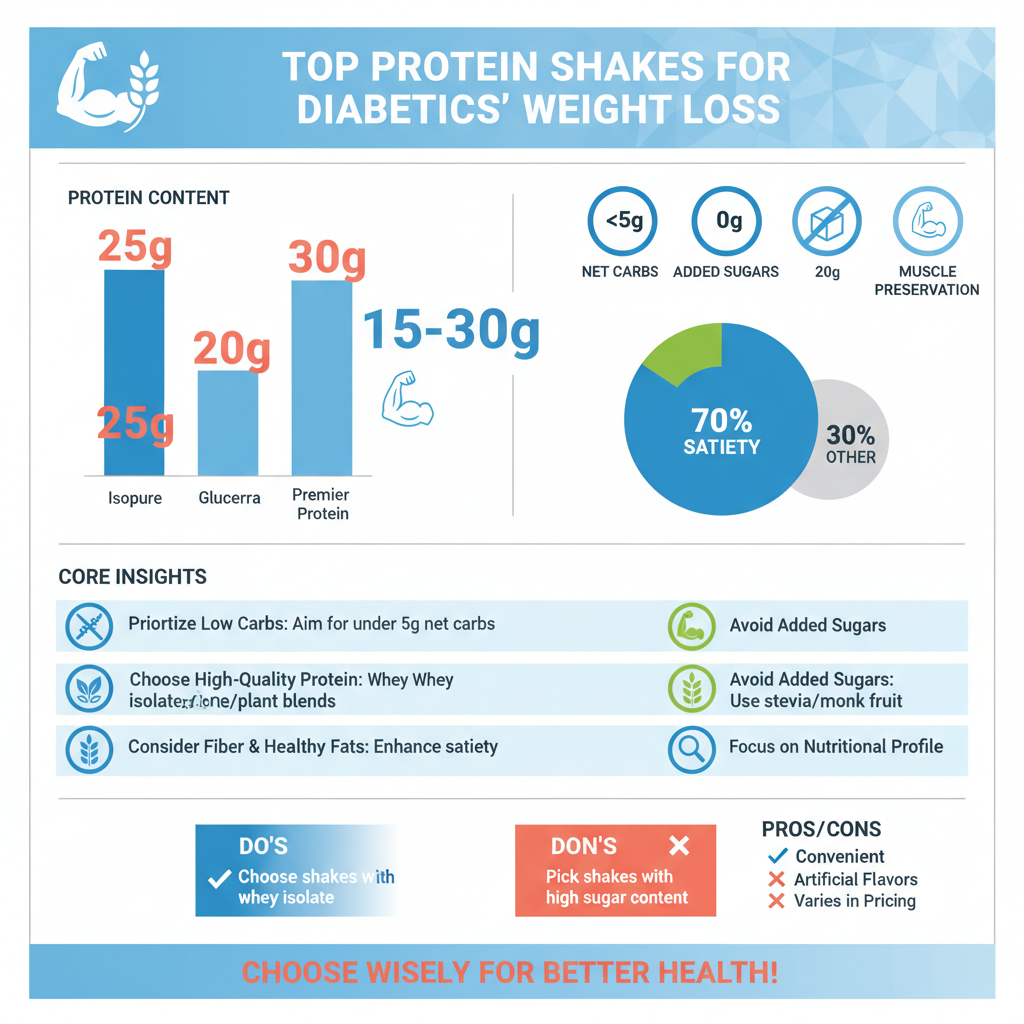
The best protein shakes for diabetics to lose weight are those containing 15-30 grams of protein, less than 5 grams of carbohydrates, and zero added sugars to prevent blood glucose spikes. Top options often include whey isolates like Isopure Zero Carb or specific diabetes-formulated drinks like Glucerna Hunger Smart and Premier Protein. Choosing shakes with added fiber and healthy fats will further aid in satiety and blood sugar management during your weight loss journey. While convenience is a significant factor in selecting a shake, the nutritional profile must take precedence to ensure that weight management efforts do not compromise glycemic control. Integrating these high-protein, low-glycemic options into a balanced diet can act as a catalyst for metabolic health, allowing individuals to manage insulin sensitivity more effectively while achieving a caloric deficit.
What to Look for in a Diabetic-Friendly Shake

Navigating the supplement aisle can be daunting, as marketing claims often obscure the nutritional reality of a product. For individuals managing diabetes, specific criteria must be met to ensure a shake supports weight loss without destabilizing blood glucose.
– Low Carbohydrate Content:
For a diabetic individual, carbohydrate management is the cornerstone of dietary planning. Prioritize shakes with fewer than 5 grams of net carbs per serving to maintain stable blood sugar levels. It is essential to distinguish between total carbohydrates and net carbohydrates; the latter is calculated by subtracting fiber and sugar alcohols from the total count. A shake with a low net carb count ensures that the body utilizes the protein for muscle repair and satiety rather than converting excess carbohydrates into glucose, which would require an insulin response.
Not all protein sources are created equal. Look for whey isolate or plant-based proteins that provide at least 20 grams of protein to preserve muscle mass while dieting. Whey protein isolate is particularly beneficial because it undergoes processing to remove the vast majority of lactose and fats, leaving a pure protein source that is rapidly absorbed. Conversely, high-quality plant blends (pea, brown rice, or chia) offer an excellent alternative, often accompanied by naturally occurring enzymes and fiber. Maintaining lean muscle mass is critical during weight loss, as muscle tissue is metabolically active and aids in long-term glucose disposal.
– Zero Added Sugars:
The most detrimental ingredient in many commercial protein shakes is hidden sugar. Avoid products sweetened with cane sugar, high fructose corn syrup, or agave; opt for stevia, monk fruit, or erythritol instead. These natural, non-nutritive sweeteners provide the necessary palatability without influencing blood glucose levels. It is also advisable to be cautious with artificial sweeteners like sucralose or aspartame; while they are technically sugar-free, some studies suggest they may impact gut health or insulin sensitivity in certain individuals, making natural options like stevia the gold standard.
Top Ready-to-Drink Shakes for Diabetics

Ready-to-drink (RTD) shakes offer unparalleled convenience for busy professionals and those on the go. However, convenience should not come at the cost of nutritional integrity. The following options strike the ideal balance between portability and glycemic safety.
– Premier Protein Shakes:
Premier Protein has established itself as a market leader, offering a robust nutritional profile that aligns perfectly with diabetic needs. A popular choice offering 30 grams of protein and only 1 gram of sugar, making it excellent for glucose control. This high protein-to-sugar ratio is rare in RTD beverages, which often utilize sugar to mask the taste of preservatives. Premier Protein is fortified with essential vitamins and minerals, including calcium and Vitamin D, turning a simple snack into a nutrient-dense mini-meal that supports bone health alongside weight management.
– Glucerna Hunger Smart:
Unlike general fitness brands, Glucerna is scientifically engineered for the specific metabolic environment of a diabetic. Specifically formulated for people with diabetes, containing slowly digestible carbohydrates to minimize blood sugar spikes. This product utilizes “Carbsteady” technology—a unique blend of slow-release carbohydrates that prevents the rapid rise in blood sugar often associated with liquid nutrition. While the protein count (typically around 15 grams) is slightly lower than performance brands, the specific focus on glycemic index makes it one of the safest options for those prone to severe blood sugar fluctuations.
– Iconic Protein Drinks:
For those seeking a “clean label” product, Iconic offers a distinct advantage. A grass-fed milk option that is lactose-free and contains minimal ingredients with zero sugar. The base of this shake is milk protein isolate derived from grass-fed cows, which naturally contains higher levels of omega-3 fatty acids and conjugated linoleic acid (CLA), both of which support metabolic health. Being lactose-free, it prevents the bloating and digestive distress that can accompany standard dairy shakes, ensuring that your weight loss regimen remains comfortable and sustainable.
Best Protein Powders for Weight Loss
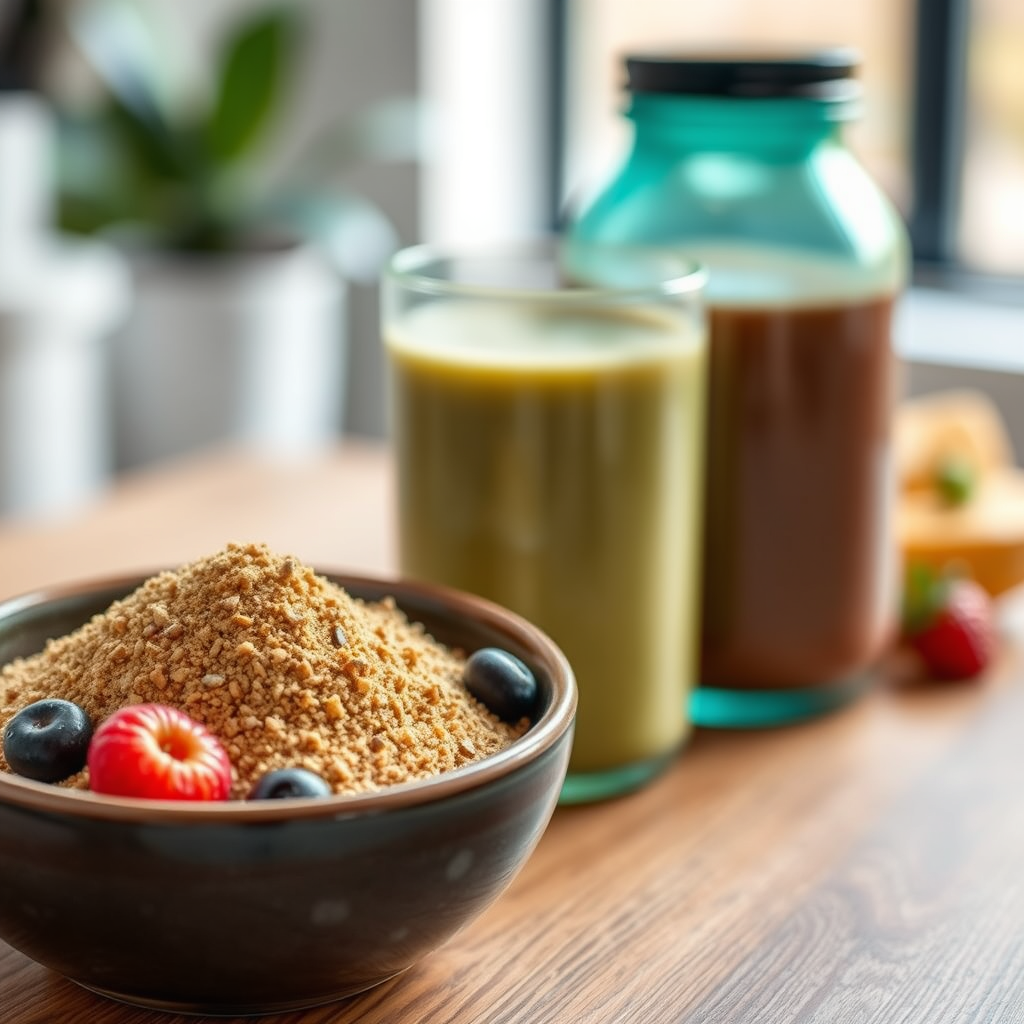
For those who prefer to control their ingredients and customize their nutrition, protein powders are superior to pre-made drinks. They allow for the adjustment of serving sizes and the addition of other beneficial ingredients like spinach or chia seeds.
– Isopure Zero Carb Whey Protein Isolate:
When the goal is strictly protein intake without any caloric “fluff,” Isopure stands out. An extremely clean option with 25 grams of protein and absolutely no carbohydrates or fillers. Because it is 100% whey protein isolate, it is free from lactose and gluten. The absence of carbohydrates makes it the perfect canvas for a smoothie; diabetics can blend this with healthy fats like avocado or almond butter without worrying about the carb count of the powder stacking with the additives. Its high bioavailability means the amino acids are rapidly deployed to muscle tissue.
– Orgain Organic Plant-Based Protein:
Plant-based diets have been shown to improve insulin sensitivity, making this powder a strategic choice. A great vegan alternative that uses pea protein and has a low glycemic index suitable for diabetics. Orgain combines pea, brown rice, and chia seeds to create a complete amino acid profile. Furthermore, the inclusion of organic fiber helps buffer digestion, ensuring a slow and steady release of nutrients. This lack of a glycemic spike, combined with the satiating power of plant fiber, makes it highly effective for curbing appetite.
– Ancient Nutrition Bone Broth Protein:
Moving beyond traditional whey and plant sources, bone broth protein offers unique therapeutic benefits. Provides gut-supporting benefits with negligible carbohydrates and high protein density. This powder is rich in collagen and amino acids like glycine and proline, which are essential for repairing the gut lining and supporting joint health. Since systemic inflammation can exacerbate insulin resistance, a protein source that supports gut health and reduces inflammation can be an overlooked but vital component of a diabetic weight loss plan.
Ingredients to Avoid When Choosing a Shake
Reading the nutrition label is only half the battle; the ingredient list reveals the true quality of the product. Many manufacturers use fillers to reduce costs, which can be detrimental to a diabetic’s health goals.
– Hidden Sugars:
Manufacturers often use scientific names to disguise sugar content. Watch out for terms like maltodextrin, dextrose, or cane juice, which can rapidly increase blood glucose. Maltodextrin, in particular, is a common thickener in “sugar-free” products but has a glycemic index higher than table sugar. Consuming a shake high in maltodextrin can cause a blood sugar spike equivalent to eating white bread, completely negating the benefits of the protein.
– Artificial Fillers:
To improve texture, many shakes are laden with non-nutritive additives. Avoid shakes with excessive thickeners or artificial preservatives that may cause digestive distress. Ingredients such as carrageenan, xanthan gum, or artificial colorings can cause bloating, gas, and inflammation in sensitive individuals. Chronic inflammation is a barrier to weight loss and can worsen insulin resistance, so a shorter ingredient list is generally superior.
– High Calorie Counts:
It is vital to distinguish between a “protein shake” and a “mass gainer.” Ensure the shake fits your daily caloric deficit goals, as some “mass gainer” shakes contain excessive calories. These products are designed for bodybuilders looking to bulk up and often contain upwards of 600 calories and 50+ grams of carbohydrates per serving. A diabetic looking to lose weight should strictly avoid these, aiming instead for shakes that range between 100 and 180 calories per serving.
How Protein Shakes Aid Diabetic Weight Loss
Integrating protein shakes is not merely about convenience; there are physiological mechanisms at play that assist in weight reduction and glucose management.
– Increases Satiety:
One of the hardest parts of dieting is managing hunger. High protein intake reduces the hunger hormone ghrelin, helping you feel full longer and reduce overall calorie intake. Peptide YY (PYY) and GLP-1 are satiety hormones that are elevated by protein consumption. By suppressing the appetite-stimulating hormone ghrelin and boosting satiety hormones, a protein shake can prevent the mid-day snacking urges that often derail calorie deficits.
– Stabilizes Blood Sugar:
Protein serves as a nutritional anchor. Protein has a minimal impact on blood glucose compared to carbohydrates, preventing the crash that leads to sugar cravings. When you consume carbohydrates alone, blood sugar rises and falls rapidly, leading to “reactive hypoglycemia” which triggers intense cravings for more sugar. Pairing carbohydrates with protein, or consuming protein alone, results in a significantly flatter glucose curve, making energy levels more consistent throughout the day.
– Boosts Metabolism:
Calories are required to process food, a concept known as the Thermic Effect of Food (TEF). The thermic effect of protein requires more energy for the body to digest, slightly increasing calorie burn. While fats and carbohydrates have a low TEF, the body uses approximately 20-30% of the calories provided by protein just to digest and metabolize it. This means that simply by prioritizing protein, you are naturally increasing your daily energy expenditure.
Best Times to Consume Your Protein Shake
Strategic timing of protein intake can maximize its benefits for blood sugar control and weight loss efficacy.
– As a Meal Replacement:
For many, breakfast is a carb-heavy meal that sets a poor tone for the day’s blood sugar. Use a nutrient-dense shake for breakfast or lunch to control portion sizes and calorie intake. By replacing a bagel or cereal with a high-protein shake, you start the day with stable insulin levels. This method also removes decision fatigue, ensuring you stick to your calorie limits without having to weigh and measure food during busy mornings.
– Post-Workout Recovery:
Exercise sensitizes the body to insulin, making it a prime time for nutrition. Drinking a shake after exercise helps repair muscles and replenishes energy without spiking insulin. For diabetics, muscle recovery is essential because increased muscle mass improves basal metabolic rate and glucose uptake. A rapid-digesting whey isolate consumed within 30 minutes of training ensures that the body enters an anabolic (building) state rather than a catabolic (breaking down) state.
– Mid-Afternoon Snack:
The period between lunch and dinner is often when blood sugar dips and willpower fades. Curb cravings between lunch and dinner to prevent overeating during your evening meal. A small protein shake around 3:00 PM can bridge the gap, maintaining satiety and ensuring that when you sit down for dinner, you are not ravenous. This strategy helps in making better food choices and controlling portion sizes during the last meal of the day.
Finding the right protein shake is a powerful tool for managing diabetes while shedding pounds, provided you stick to low-carb, high-protein options without added sugars. It requires a discerning eye to bypass marketing hype and focus strictly on the macronutrient profile and ingredient quality. Focus on reading labels carefully to ensure the ingredients align with your glucose management goals, specifically avoiding hidden spikers like maltodextrin. Select one of the recommended brands above to integrate into your diet plan this week and consult your healthcare provider to ensure it fits your specific nutritional needs.
Frequently Asked Questions
What should I look for when choosing the best protein shake for diabetics?
When selecting a diabetic-friendly protein shake, prioritize products with fewer than 5 grams of total sugar and at least 3 to 5 grams of dietary fiber to help minimize blood glucose spikes. Look for shakes sweetened with natural, low-glycemic alternatives like stevia, monk fruit, or erythritol rather than high-fructose corn syrup or added cane sugar. Additionally, aim for a protein content of 15 to 25 grams per serving to promote satiety and support muscle maintenance during weight loss.
Can replacing meals with protein shakes help diabetics lose weight safely?
Yes, using low-carb meal replacement shakes can be an effective strategy for weight loss in diabetics by creating a calorie deficit while stabilizing blood sugar levels. However, it is crucial to choose shakes specifically formulated with a balance of healthy fats, fiber, and essential vitamins to ensure you are not missing out on vital nutrients. Always consult with a healthcare provider or dietitian before starting a meal replacement regimen to ensure it aligns with your specific insulin or medication needs.
Will drinking whey protein powder cause blood sugar spikes?
Pure whey protein isolate generally does not cause significant blood sugar spikes and can actually stimulate insulin release, which may help lower post-meal blood glucose levels. However, many commercial whey powders contain added sugars or maltodextrin, which can negatively impact glycemic control. To stay safe, diabetics should opt for unflavored or low-carb whey protein isolates and mix them with water or unsweetened almond milk rather than juice.
Is plant-based or whey protein better for diabetic weight management?
Both plant-based and whey proteins are effective for weight loss, but plant-based proteins (like pea or hemp) often contain higher natural fiber content, which aids in slowing digestion and regulating blood sugar. Whey protein, particularly whey isolate, is highly bioavailable and excellent for muscle retention, which keeps your metabolism active. Ultimately, the “best” option depends on your digestion and preference, provided the product is low in net carbohydrates and free from added sugars.
How does protein intake help lower A1C levels while losing weight?
Increasing protein intake helps stabilize blood sugar by slowing down the absorption of carbohydrates into the bloodstream, preventing the sharp peaks and valleys that contribute to a high A1C. Furthermore, protein increases the feeling of fullness (satiety), which reduces cravings for sugary snacks and helps maintain the caloric deficit necessary for weight loss. By managing glucose variability and reducing body fat, a high-protein diet can lead to improved insulin sensitivity over time.
References
- https://health.clevelandclinic.org/what-to-look-for-in-a-protein-bar-or-shake-if-you-have-diabetes
- https://www.diabetes.org.uk/guide-to-diabetes/enjoy-food/eating-with-diabetes/meal-replacements-for-weight-loss
- https://www.mayoclinic.org/drugs-supplements-whey-protein/art-20363344
- https://www.ncbi.nlm.nih.gov/pmc/articles/PMC5644969/
- Diabetes Teaching Center
- The hidden dangers of protein powders – Harvard Health
- https://nutrition.org/protein-powders-are-they-healthy-for-you/
