
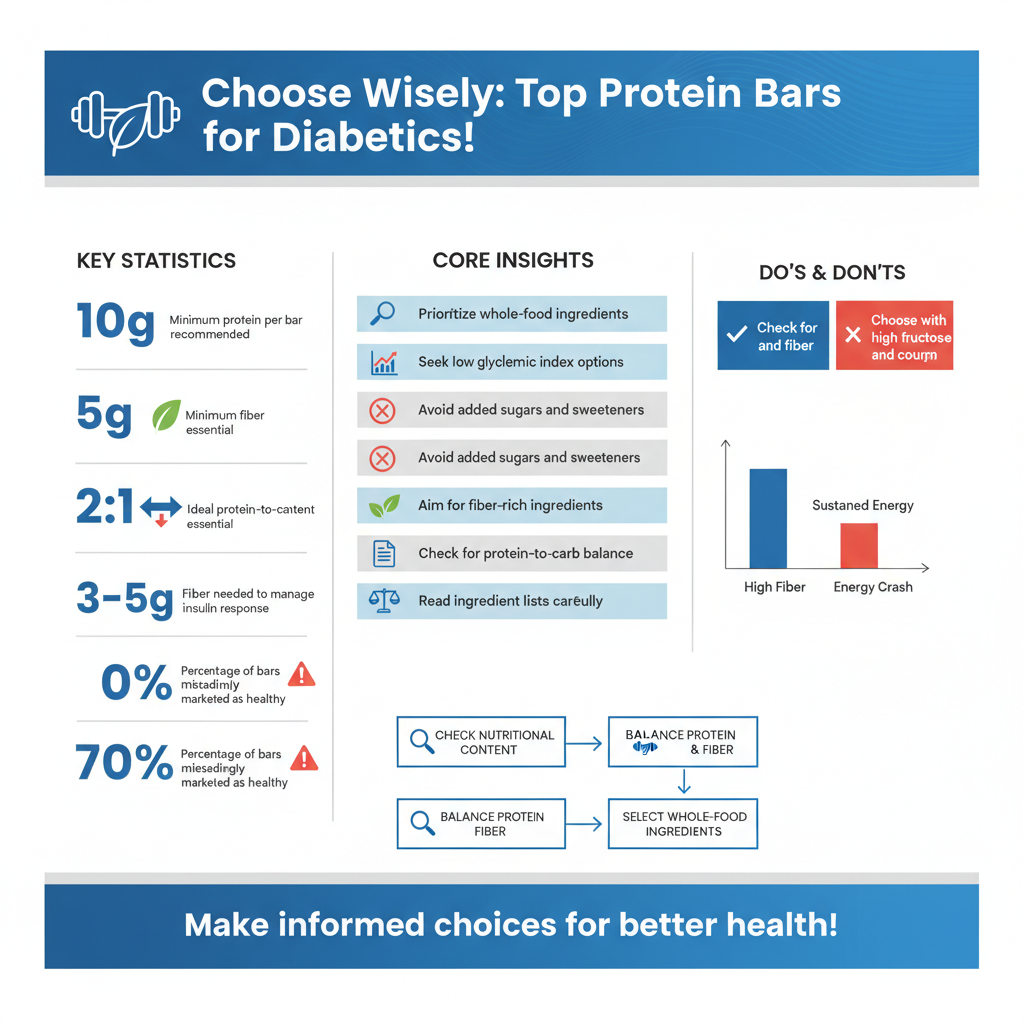
The best protein bars for diabetics typically feature at least 10 grams of protein, high fiber content (over 5 grams), and low net carbs to ensure stable blood glucose levels. When selecting a bar, prioritize whole-food ingredients like nuts and seeds while avoiding high amounts of added sugars, artificial sweeteners, or sugar alcohols that can cause digestive distress. Navigating the protein bar aisle can feel overwhelming, especially when you are trying to manage diabetes. With hundreds of colorful wrappers promising energy and health, it is easy to get lost in the marketing hype. However, finding a convenient snack that won’t send your blood sugar on a roller coaster ride is entirely possible. It just requires a little bit of label literacy and knowing exactly what to look for—and what to leave on the shelf.
Nutritional Criteria for Diabetic-Friendly Bars

When you flip over a protein bar to check the nutrition facts, you shouldn’t just look at the calorie count. For diabetics, the interaction between macronutrients is the key to maintaining energy without a glucose spike.
– Look for a low glycemic index and a balance of macronutrients, aiming for a protein-to-carb ratio that prevents rapid sugar absorption.
The magic of a good diabetic-friendly bar lies in its ability to blunt the insulin response. Pure carbohydrates digest quickly, flooding the bloodstream with glucose. However, when you pair those carbohydrates with a substantial amount of protein and healthy fats, digestion slows down significantly. Aim for a 1:1 or, even better, a 2:1 ratio of protein to net carbohydrates. For example, if a bar has 15 grams of carbs, you ideally want it to have enough protein and fat to ensure those carbs are absorbed gradually. This balance mimics a complete meal rather than a sugary snack, keeping your energy steady for hours.
– Ensure the bar contains at least 3-5 grams of fiber, which is crucial for slowing digestion and managing insulin response.
Fiber is your best friend when it comes to blood sugar management. It acts as an internal traffic controller, slowing down the speed at which sugar enters your bloodstream. A bar with less than 3 grams of fiber is likely to act more like a candy bar in your system. Aiming for 5 grams or more is the “sweet spot.” Soluble fiber, often found in ingredients like chicory root or acacia fiber used in these bars, also aids in satiety, keeping you fuller longer and preventing the urge to overeat later in the day.
Ingredients to Avoid on the Label

Not all “health” bars are created equal. Many are essentially disguised candy bars, loaded with cheap fillers and sweeteners that can wreak havoc on your glycemic control. Being a detective with the ingredient list is one of the most important skills you can develop.
– Steer clear of high-fructose corn syrup, dried fruits with added sugar, and vague ingredients listed simply as “syrup” or “nectar.”
Marketing terms can be deceptive. You might see “Organic Brown Rice Syrup” or “Agave Nectar” and think they are healthy choices, but to your body, they are just rapid-acting sugars. High-fructose corn syrup is an obvious villain, but be wary of bars that rely heavily on dried fruit pastes, like dates or raisins, as the primary binder. While natural, dried fruits are highly concentrated sources of sugar. If they are the first or second ingredient, the bar likely has a high glycemic load. Furthermore, watch out for “sucrose,” “dextrose,” and “maltodextrin,” which are just fancy words for sugar that spike glucose rapidly.
– Be cautious with sugar alcohols like maltitol, which can still impact blood sugar and cause stomach upset in some individuals.
This is a major trap in the “Sugar-Free” or “Diet” section. Maltitol is a sugar alcohol commonly used because it is cheap and tastes very similar to sugar. However, unlike other sugar alcohols, Maltitol does raise blood sugar—about half as much as regular sugar. If a bar claims to be “Keto” but is sweetened primarily with Maltitol, it may still kick you out of ketosis or spike your glucose. Additionally, Maltitol is notorious for causing significant bloating, gas, and laxative effects. If you see this ingredient, it is usually best to put the bar back.
Top Low-Carb and Keto Protein Bars

The rise of the Keto diet has been a blessing for the diabetic community, as it has flooded the market with low-carb, high-fat options that are naturally diabetes-friendly. These bars are engineered to keep insulin levels low.
– Explore bars formulated specifically for keto diets, as they generally contain less than 2-3 grams of sugar and high healthy fat content.
Keto bars are designed to fuel the body with fat rather than sugar. This is excellent for diabetics because fats have virtually no impact on blood sugar. These bars often use coconut oil, MCT oil, or nut butters as a base. Because they are strictly formulated to keep consumers in a fat-burning state, manufacturers are very careful to keep total sugars incredibly low, often under 2 grams. This gives you a high margin of safety when snacking.
– Identify brands that utilize alternative sweeteners like stevia, erythritol, or monk fruit that have minimal impact on glucose levels.
Unlike Maltitol, sweeteners like Erythritol, Stevia, and Monk Fruit are the gold standard for diabetic-friendly sweetness. Erythritol is a sugar alcohol that passes through the body mostly undigested, meaning it has zero impact on blood sugar and rarely causes stomach upset. Stevia and Monk Fruit are natural, plant-based extracts that are hundreds of times sweeter than sugar but contain no carbohydrates. A bar sweetened with a blend of these is usually a safe and delicious bet, allowing you to satisfy a sweet tooth without the health consequences.
Best Plant-Based Bars for Blood Sugar Control
If you are looking to support heart health alongside blood sugar management, plant-based bars are a fantastic avenue. These bars often come with the added benefit of being free from dairy and inflammatory ingredients.
– Focus on bars made from pea protein, brown rice protein, or hemp, which are often easier to digest and naturally lower in cholesterol.
Animal-based proteins are great, but plant proteins like pea and hemp offer a different nutritional profile that benefits heart health—a major consideration for diabetics. Pea protein is highly satiating and rich in iron. Hemp protein brings a complete amino acid profile along with healthy Omega-3 fatty acids. Because these bars lack whey or casein, they are often easier on the stomach for those with lactose sensitivity, reducing the bloating that can sometimes accompany high-protein snacks.
– Check for “whole food” plant bars that rely on nuts and seeds as the primary binder rather than sticky syrups.
Many plant-based bars on the market are essentially oats held together by syrup. However, the best plant-based options for diabetics use a “fat-first” approach. Look for bars where the first ingredients are almonds, peanuts, pumpkin seeds, or chia seeds. These nuts and seeds act as a natural binder while providing a robust dose of healthy monounsaturated fats and fiber. This structural difference means the bar digests slowly, providing a steady stream of energy rather than a quick burst.
Whole Food Bars with Minimal Ingredients
Sometimes, simpler is better. The “clean label” movement has produced bars that strip away the chemicals and preservatives, leaving you with real food that your body knows how to process efficiently.
– Select bars with short ingredient lists (under 10 items) where you can pronounce and recognize every component.
There is a peace of mind that comes with picking up a wrapper and seeing: “Egg whites, almonds, cashews, dates.” When you eat whole foods, your body has to work harder to break them down compared to highly processed powders and syrups. This mechanical digestion helps blunt the blood sugar response. If a bar requires a chemistry degree to understand the ingredient list, it’s likely highly processed. Aim for transparency; you should be able to visualize every ingredient in the bar sitting in your pantry.
– Prioritize bars that use egg whites or almonds as the main protein source for a cleaner nutritional profile.
Egg white protein is one of the most bioavailable forms of protein, meaning your body absorbs and utilizes it efficiently for muscle repair. Unlike some processed protein isolates which can be hard on the gut, egg whites and nuts are gentle and nutrient-dense. Almonds, specifically, are a powerhouse for diabetics; studies have shown that almonds can help improve insulin sensitivity. A bar built on a foundation of almonds and egg whites is essentially a miniature meal of healthy fats and complete proteins.
Tips for Fitting Protein Bars into a Diabetic Diet
Even the healthiest protein bar is still a processed food. Integrating them into your lifestyle requires a bit of strategy to ensure they are helping, not hindering, your health goals.
– Treat protein bars as an occasional snack or emergency meal replacement rather than a daily staple to ensure you get nutrients from fresh food.
It is easy to fall into the habit of grabbing a bar for breakfast every day, but whole foods like eggs, avocados, and leafy greens should always take precedence. Think of protein bars as your “safety net.” Keep one in your gym bag, your car glove compartment, or your desk drawer. They are perfect for those moments when you are stuck in traffic or a meeting runs late, preventing you from reaching a state of hypoglycemia (low blood sugar) or making poor choices at a drive-thru.
– Monitor your blood sugar levels 1-2 hours after trying a new brand to see exactly how your body responds to the specific ingredients.
This is the most actionable tip for any diabetic. We are all biologically unique. A bar that keeps one person’s blood sugar perfectly flat might cause a spike in another due to individual gut microbiome differences or insulin sensitivity. When you try a new bar, test your glucose before eating it and again two hours later. This data is invaluable. If a bar spikes you by more than 30-40 mg/dL, it might not be the right choice for you, regardless of what the “net carb” count on the box says. “Eat to your meter” is the ultimate rule.
Finding the right protein bar requires reading labels carefully to ensure low added sugar and high fiber content that aligns with your blood glucose management goals. By choosing bars with whole ingredients and avoiding hidden sugars, you can enjoy a convenient, protein-packed snack without compromising your health; always consult with your dietitian or doctor before making significant changes to your diet.
Frequently Asked Questions
What nutritional criteria should I look for when choosing the best protein bars for diabetics?
When selecting a diabetes-friendly protein bar, prioritize options that contain at least 10-15 grams of protein and 3-5 grams of fiber, as these nutrients help slow down sugar absorption. Ideally, the bar should have less than 5 grams of added sugar and utilize low-glycemic ingredients to prevent blood glucose spikes. Always examine the nutrition label for the total carbohydrate count rather than just “net carbs” to ensure it fits your specific dietary management plan.
Do protein bars cause blood sugar spikes in people with type 2 diabetes?
Protein bars can cause blood sugar spikes if they are high in added sugars, syrups, or simple carbohydrates, which is why reading labels is essential. However, bars formulated specifically for diabetics often use healthy fats, fiber, and protein to buffer digestion, resulting in a much slower, more stable release of glucose into the bloodstream. To be safe, test your blood sugar one to two hours after trying a new brand to see exactly how your body responds.
Which sweeteners are safe and recommended in low-carb protein bars?
The best sweeteners for diabetic protein bars are natural, non-nutritive options like stevia, monk fruit, and erythritol, as these have a negligible impact on blood sugar levels. Be cautious with certain sugar alcohols like maltitol or sorbitol, as they can still raise blood glucose partially and may cause digestive discomfort in some individuals. Avoid bars containing high-fructose corn syrup, cane sugar, or honey as primary ingredients.
How many grams of carbohydrates should a diabetic-friendly protein bar contain?
Generally, a snack-sized protein bar for a diabetic should contain between 15 to 20 grams of total carbohydrates or less, depending on your personal insulin regimen and daily carb allowance. Many experts recommend looking for a “net carb” count (total carbs minus fiber and sugar alcohols) of under 10 grams per bar. Sticking to these limits helps maintain stable energy levels without interfering with glycemic control.
Are protein bars a good meal replacement for diabetics trying to lose weight?
While protein bars are convenient for portion control and managing hunger, they should generally be used as a bridge between meals rather than a permanent meal replacement. Real, whole foods provide a broader spectrum of micronutrients that processed bars often lack, though a high-fiber, high-protein bar can serve as an effective occasional substitute when you are on the go. If weight loss is the goal, ensure the bar is calorie-appropriate (usually 150-250 calories) and keeps you satiated to prevent overeating later.
References
- https://health.clevelandclinic.org/how-to-choose-the-best-protein-bar
- https://www.mdanderson.org/cancerwise/are-protein-bars-healthy.h00-159460056.html
- https://www.houstonmethodist.org/blog/articles/2022/jan/are-protein-bars-healthy/
- https://www.consumerreports.org/health/nutrition-healthy-eating/are-protein-bars-good-for-you-a3070624003/
- https://www.umassmed.edu/nutrition/blog/blog-posts/2020/6/snacking-with-diabetes/
- Reading Nutrition Labels for Diabetes | ADA
- https://www.diabetes.org.uk/guide-to-diabetes/enjoy-food/eating-with-diabetes/healthy-swaps/healthy-snacks
