
The best foods for type 2 diabetes are nutrient-dense whole foods that help regulate blood sugar, specifically non-starchy vegetables, fatty fish, whole grains, and healthy fats like nuts and avocados. A diet rich in fiber and lean protein, while low in refined carbohydrates and added sugars, is crucial for managing insulin sensitivity and preventing spikes in glucose levels. By focusing on low-glycemic index options, you can maintain steady energy throughout the day. Navigating the grocery store aisles after a diagnosis can feel overwhelming, but thinking of food as fuel that empowers your body changes the game. It isn’t just about restriction; it is about abundance—filling your plate with colorful, vibrant ingredients that fight inflammation and keep your numbers in check.
Leafy Greens and Non-Starchy Vegetables

If there were a “superfood” category for diabetes management, leafy greens and non-starchy vegetables would be the undisputed champions. Spinach, kale, and broccoli are packed with vitamins and minerals while containing very few digestible carbohydrates. Because they have such a minimal impact on blood glucose, these are the foods you can generally eat in abundance. They are rich in magnesium, a mineral that has been linked to better insulin function, and Vitamin C, which supports immune health.
These foods provide essential fiber that adds bulk to meals and helps slow down sugar absorption in the bloodstream. Fiber is your best friend when managing type 2 diabetes because it acts like a buffer. When you eat fiber alongside carbohydrates, it prevents that rapid rush of sugar into your system, smoothing out the post-meal curve. Beyond spinach and kale, consider vegetables like cauliflower, zucchini, asparagus, and Brussels sprouts.
A great strategy is to follow the “plate method”: fill half of your dinner plate with these non-starchy veggies. Whether you roast them with olive oil to bring out a nutty flavor, steam them for a fresh crunch, or blend spinach into a morning smoothie, increasing your intake here is the single most effective step you can take for better blood sugar management.
Fatty Fish and Lean Proteins
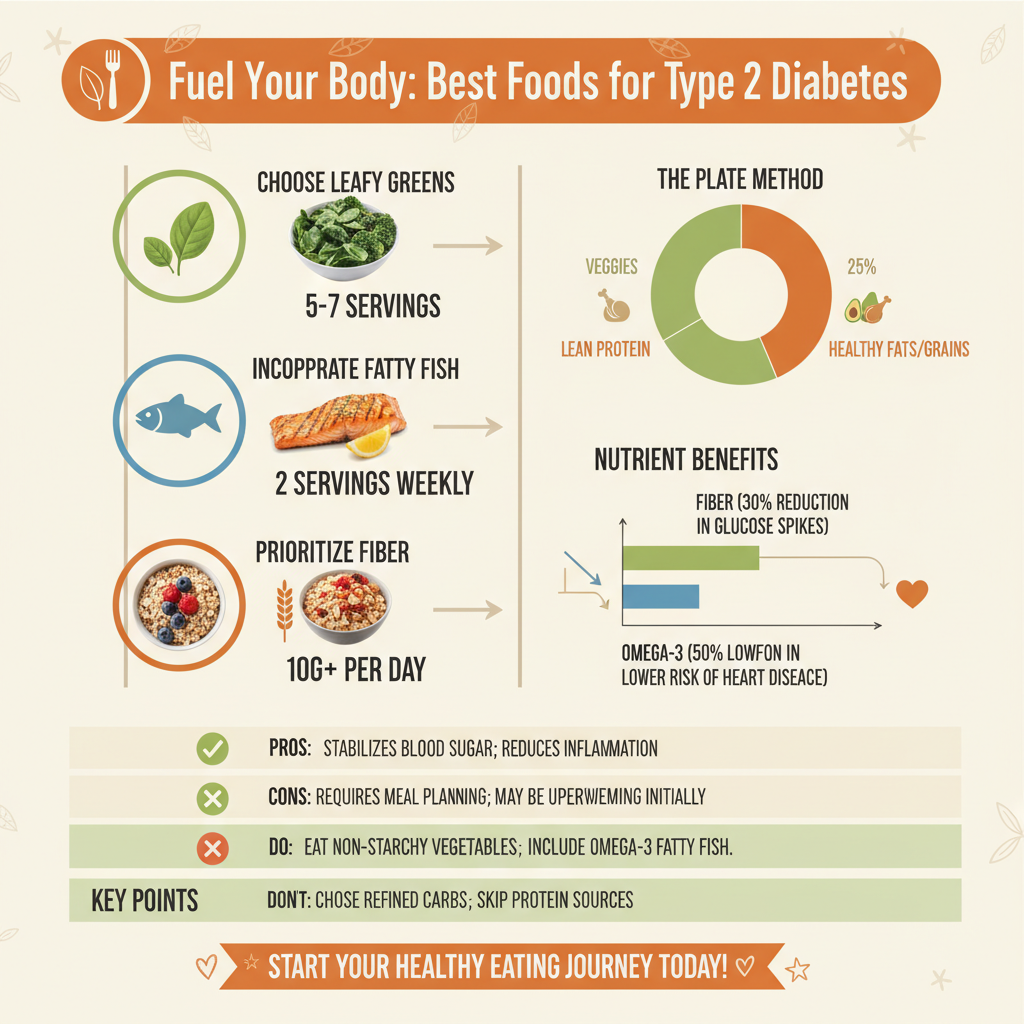

Protein is an essential building block for the body, and it plays a vital role in stabilizing blood sugar because it doesn’t cause glucose spikes the way carbohydrates do. Salmon, sardines, and mackerel contain omega-3 fatty acids that support heart health and reduce inflammation often associated with diabetes. People with type 2 diabetes have a statistically higher risk of heart disease and stroke, making heart-healthy foods non-negotiable. The omega-3s found in fatty fish (specifically DHA and EPA) help protect your arteries, lower triglycerides, and reduce blood pressure. Aiming for two servings of fatty fish per week is a standard recommendation from health organizations.
Lean proteins like chicken and turkey help promote satiety and keep you full without raising blood sugar levels. One of the hardest parts of dietary changes is dealing with hunger pangs, but protein is incredibly filling. By centering your meal around a solid portion of lean protein, you are less likely to overeat carbohydrates or snack on processed foods later in the day.
For those following a plant-based diet, tofu and tempeh are excellent alternatives. When preparing these proteins, opt for grilling, baking, poaching, or air-frying rather than deep-frying. Breaded and fried meats often contain hidden carbs and unhealthy fats that counteract the benefits of the protein.
Beans, Legumes, and Whole Grains

There is a common misconception that all carbohydrates are “off-limits” for diabetics, but that simply isn’t true. It is about quality over quantity. Beans and lentils are high in fiber and plant-based protein, offering a low-glycemic carbohydrate option that digests slowly. In fact, legumes are often referred to as “slow-burn” carbs. Because they take a long time to break down in the digestive tract, they provide a steady stream of energy rather than a quick spike. This phenomenon is sometimes called the “second meal effect,” where eating beans at one meal can actually help lower blood sugar responses at your next meal.
Whole grains like quinoa, steel-cut oats, and brown rice are superior to refined white grains because they prevent rapid glucose spikes. The difference lies in the processing. Refined grains (like white bread and white rice) have been stripped of the bran and germ, leaving just the starchy endosperm. Whole grains keep the entire kernel intact, preserving the fiber and nutrients.
However, portion control is still important here. While quinoa is healthier than white pasta, it still impacts blood sugar. A good rule of thumb is to limit your portion to about a quarter of your plate (roughly the size of your fist). Experiment with ancient grains like barley, farro, or buckwheat to keep your meals interesting and textured while still supporting your health goals.
Healthy Fats: Nuts and Avocados
For years, dietary fat was demonized, but we now know that healthy fats are essential, especially for those with metabolic conditions. Walnuts, almonds, and flaxseeds provide healthy fats that help improve blood sugar control and support heart health. Nuts are a perfect snack because they contain the “trifecta” of diabetes nutrition: fiber, protein, and fat. This combination makes them incredibly satisfying. Just a small handful of almonds can curb cravings and prevent the mid-afternoon energy crash that often leads to poor food choices. Walnuts, specifically, are high in alpha-linolenic acid (ALA), a type of plant-based omega-3 that is great for heart health.
Avocados are low in carbohydrates and high in fiber, making them an excellent addition to meals to prevent insulin spikes. In fact, an entire avocado contains very few net carbs, meaning it has a negligible effect on blood sugar. The monounsaturated fats in avocados improve insulin sensitivity, meaning your body becomes more efficient at using the insulin it produces.
Try adding sliced avocado to your morning eggs, using mashed avocado as a spread on whole-grain toast instead of butter, or blending it into salads for creaminess. These fats also help your body absorb fat-soluble vitamins (A, D, E, and K) from your leafy greens, making your salad even more nutritious.
Berries and Low-Sugar Fruits
You don’t have to say goodbye to sweetness just because you are watching your glucose levels. Blueberries, strawberries, and blackberries are loaded with antioxidants and fiber compared to higher-sugar fruits like melons or pineapples. The deep red and blue pigments in berries come from compounds called anthocyanins, which are powerful antioxidants shown to reduce oxidative stress and inflammation. Because berries are packed with water and fiber, they have a much lower glycemic load than dried fruits or tropical fruits like mangoes and bananas.
Citrus fruits like lemons and oranges offer vitamin C and fiber while maintaining a moderate glycemic impact. Grapefruit is another excellent choice (though always check with your doctor if you are on statins or blood pressure medication, as grapefruit can interact with them). The key to enjoying fruit with diabetes is to eat the whole fruit rather than drinking the juice. Juice lacks the fiber necessary to slow down sugar absorption, leading to almost instant spikes in glucose.
Pairing your fruit with a protein or fat source is a pro tip for better management. For example, have your apple slices with peanut butter, or mix your blueberries into Greek yogurt. This combination further blunts the blood sugar response, allowing you to enjoy a sweet treat safely.
Apple Cider Vinegar and Spices
Sometimes, the smallest additions to your diet can yield surprising results. Spices such as cinnamon and turmeric may help lower blood sugar levels and improve insulin sensitivity when added to daily meals. Cinnamon has been studied for its ability to mimic insulin and help transport glucose into cells. While it’s not a replacement for medication, sprinkling Ceylon cinnamon on your oatmeal or in your coffee is a tasty, low-risk way to support your body. Turmeric contains curcumin, a compound with potent anti-inflammatory properties that can help mitigate the chronic inflammation associated with insulin resistance.
Consuming apple cider vinegar before meals has been shown in some studies to improve how the body responds to sugar. The acetic acid in vinegar appears to slow down the rate at which the stomach empties into the small intestine, leading to a more gradual absorption of sugar into the bloodstream.
To incorporate this, you might try mixing one tablespoon of apple cider vinegar into a tall glass of water and drinking it before a high-carb meal, or simply using it as the base for a homemade salad dressing with olive oil. It is a simple, natural habit that complements a healthy diet.
Managing type 2 diabetes is largely about choosing whole, unprocessed foods that stabilize blood sugar while providing essential nutrients. Focus on filling your plate with vegetables, lean proteins, and healthy fats while minimizing processed sugars and refined carbs. It isn’t about perfection; it is about making consistent, better choices that add up over time. By diversifying your diet with these nutrient-rich foods, you aren’t just managing a condition—you are actively improving your overall well-being and energy levels. Consult with a healthcare provider or dietitian to create a personalized meal plan that fits your specific health needs and lifestyle, and remember that every healthy meal is a victory for your long-term health.
Frequently Asked Questions
What are the top superfoods to include in a type 2 diabetes diet plan?
The most effective superfoods for managing type 2 diabetes are those with a low glycemic index that are rich in fiber, healthy fats, and antioxidants. Key staples include fatty fish like salmon for heart-healthy omega-3s, leafy greens like spinach and kale for essential vitamins, and beans or legumes which help regulate blood sugar levels. Incorporating these nutrient-dense foods helps minimize glucose spikes while keeping you feeling full and satisfied.
Which fruits are safe to eat if I have type 2 diabetes?
While many people fear fruit due to natural sugars, low-glycemic fruits like berries (strawberries, blueberries, raspberries) are excellent choices because they are packed with fiber and antioxidants that slow sugar absorption. Other safe options include citrus fruits, apples, and pears, provided you eat the skin to maximize fiber intake. It is best to consume fruit in moderation and pair it with a protein or healthy fat, such as nuts or yogurt, to further stabilize blood sugar response.
How do complex carbohydrates differ from simple carbs for blood sugar management?
Complex carbohydrates, found in whole grains like quinoa, oats, and brown rice, contain the bran and fiber that take the body longer to break down, resulting in a slower, more manageable release of glucose into the bloodstream. In contrast, simple carbs like white bread and sugary snacks cause rapid blood sugar spikes and crashes. choosing complex carbs over refined options is crucial for long-term glucose control and sustained energy levels.
What are the best protein sources to help stabilize glucose levels?
High-quality protein sources are vital for a diabetic diet because they do not raise blood sugar levels and can help slow the absorption of carbohydrates eaten during the same meal. The best options include lean meats like chicken and turkey, fatty fish, eggs, and plant-based proteins such as tofu, lentils, and chickpeas. Including a solid protein source at every meal improves satiety and prevents the overeating that often leads to insulin resistance issues.
Why should non-starchy vegetables be the main part of my meals?
Non-starchy vegetables—such as broccoli, cauliflower, peppers, and zucchini—are low in calories and carbohydrates but high in fiber, making them ideal for filling your plate without impacting blood sugar. The American Diabetes Association recommends filling half your plate with these vegetables because they provide essential phytochemicals and minerals while helping manage weight. Their high fiber content also aids digestion and helps moderate the impact of other carbohydrates in your meal.
References
- Healthy Living with Diabetes – NIDDK
- https://www.cdc.gov/diabetes/managing/eat-well/index.html
- Diabetes diet: Create your healthy-eating plan – Mayo Clinic
- Nutrition and Diabetes | ADA
- https://www.hopkinsmedicine.org/health/conditions-and-diseases/diabetes/diabetes-diet
- https://www.health.harvard.edu/staying-healthy/the-best-diet-for-diabetics
- Eating with diabetes | Guide to diabetes | Diabetes UK
- https://my.clevelandclinic.org/health/articles/12151-diabetes-diet-what-foods-to-eat-and-avoid
