
The best breakfast cereal for diabetics is one that is high in fiber and low in added sugar, with top choices including steel-cut oats, bran flakes, and plain shredded wheat. Ideally, you should select cereals that contain at least 3 grams of fiber and less than 6 grams of sugar per serving to help maintain stable blood glucose levels. Starting the day with the right nutritional profile is critical for managing diabetes, as the body often experiences higher insulin resistance in the morning due to the dawn phenomenon. By prioritizing complex carbohydrates that digest slowly, individuals can avoid the dangerous spikes and crashes associated with traditional, sugary breakfast options.
Important Nutritional Criteria
Navigating the cereal aisle can be daunting given the deceptive marketing claims on many boxes. To make a safe and healthy selection, you must look past the front-of-package advertising and scrutinize the Nutrition Facts label and ingredient list.
Aim for high fiber content (at least 3-5 grams per serving) to slow digestion and prevent sugar spikes.
Fiber is the most critical component for blood sugar management. Soluble fiber, specifically, absorbs water to form a gel-like substance in the digestive tract. This process physically slows down the rate at which food leaves the stomach and enters the small intestine, thereby delaying the absorption of glucose into the bloodstream. A cereal with high fiber content ensures that the carbohydrates consumed are released as a slow, steady stream of energy rather than a sudden deluge.
Check the label for “whole grain” as the first ingredient rather than refined flour.
The first item on an ingredient list represents the largest component of the product by weight. If a cereal lists “wheat flour,” “corn meal,” or “rice flour” without the word “whole,” it typically implies the grain has been refined. Refined grains have had the bran and germ removed—the parts containing the fiber, vitamins, and minerals—leaving only the starchy endosperm. This results in a high glycemic index food that digests rapidly. Ensure the word “whole” precedes the grain, such as whole wheat, whole oats, or whole sorghum.
Limit added sugars strictly, keeping them under 6 grams per serving whenever possible.
Many cereals marketed as “healthy” or “natural” can still contain 10 to 15 grams of added sugar per serving, which equates to eating a dessert for breakfast. It is vital to distinguish between total carbohydrates and added sugars. While some sugar occurs naturally in grains and dairy, added sugars provide zero nutritional value and spike blood glucose. Keeping this number below 6 grams ensures the cereal remains a savory or neutral base rather than a sugary confection.
Best Hot Cereals for Blood Sugar Control
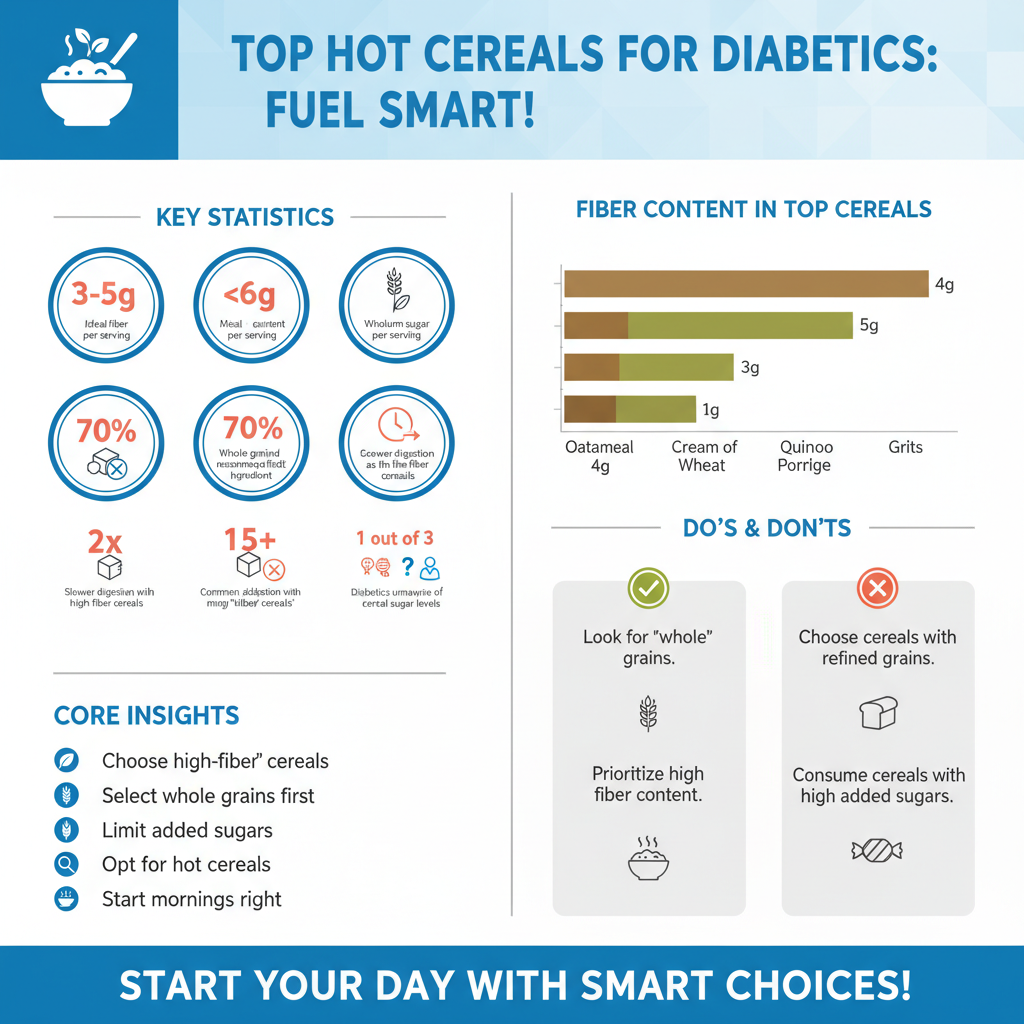
Hot cereals are a staple of a heart-healthy diet, but the processing level of the grain makes a significant difference in how it affects blood sugar.
Choose steel-cut or rolled oats over instant oatmeal packets, which often contain hidden sugars and digest too quickly.
Oats are beneficial due to their beta-glucan content, a fiber shown to improve insulin sensitivity. However, instant oatmeal has been pre-cooked, dried, and pressed thin, meaning the mechanical digestion is partially done before you even eat it. This leads to a faster rise in blood sugar. Steel-cut oats (Irish oats) are the least processed, retaining the dense kernel structure that the body must work harder to break down, resulting in a lower glycemic response. If time is a constraint, traditional rolled oats are a moderate middle ground, but instant packets should be avoided.
Try ancient grains like quinoa or buckwheat for a high-protein, fiber-rich hot porridge.
While oats are the standard, ancient grains offer diverse nutritional profiles. Quinoa is a complete protein, meaning it contains all nine essential amino acids, which aids in satiety. Buckwheat, despite its name, is a gluten-free seed related to rhubarb and contains high levels of resistant starch. When cooked into a porridge, these grains offer a heartier texture and a distinct, nutty flavor profile that breaks the monotony of oatmeal while providing superior glucose control.
Avoid pre-flavored mixes; instead, flavor plain hot cereal yourself with cinnamon or vanilla extract.
Pre-packaged “maple brown sugar” or “apple cinnamon” oatmeal packets are essentially candy disguised as breakfast, often containing more sugar than a scoop of ice cream. Always purchase the “original” or “plain” variety. You can recreate the desired flavor profile using blood-sugar-friendly additions. Ceylon cinnamon is not only flavorful but has been studied for its potential to lower blood sugar. Pure vanilla extract, nutmeg, or even cardamom can add the perception of sweetness and depth without adding a single gram of glucose.
Top Cold Cereal Recommendations
For those who prefer a quick, cold bowl of cereal, the key is to find products that are structurally dense and minimally processed.
Look for bran-based cereals (like bran flakes or buds) which offer superior fiber content.
Bran is the outer hard layer of the grain and is packed with insoluble fiber. Cereals explicitly focused on bran (often labeled as “All-Bran,” “Bran Buds,” or generic bran flakes) are among the best options for diabetics. Some of these products contain up to 13 grams of fiber in a small serving, which drastically reduces the net carb impact of the meal. Because bran can have a distinct, earthy taste, some people choose to mix a quarter-cup of bran buds into a lighter cereal to boost the fiber content without altering the texture entirely.
Opt for plain shredded wheat consisting of 100% whole wheat without sugary frosting.
Classic shredded wheat biscuits are one of the cleanest processed foods available, often containing only two ingredients: whole wheat and a preservative like BHT. The large biscuits or bite-sized spooners provide excellent volume and crunch. However, consumers must be vigilant to avoid the “frosted” varieties, which are coated in a hard sugar shell. The plain variety acts as a blank canvas for fresh berries and nuts, providing the necessary crunch without the glycemic load.
Consider unsweetened muesli mixes that rely on nuts and seeds rather than dried fruit for flavor.
Muesli is an uncooked mixture of rolled oats, nuts, seeds, and dried fruits. Unlike granola, which is baked with oils and sweeteners to form clumps, muesli is loose and generally lower in sugar. When selecting a muesli, look for “Swiss style” or “No Added Sugar” versions. Be cautious of mixes heavy on raisins or dates; instead, look for mixes where the primary texture comes from almonds, walnuts, pumpkin seeds, and sunflower seeds, which add healthy fats to buffer carbohydrate absorption.
Low-Carb and Keto Cereal Alternatives
The rise of the ketogenic diet has revolutionized the cereal aisle, introducing grain-free options that are exceptionally safe for diabetics.
Explore modern grain-free cereal brands specifically designed to be high-protein and low-carb.
Brands such as Magic Spoon, Catalina Crunch, and Three Wishes have engineered cereals using milk protein isolate, pea protein, or chickpea flour rather than wheat or corn. These products often mimic the nostalgic flavors of childhood sugary cereals (like fruity loops or chocolate puffs) but contain negligible amounts of sugar and very low net carbs. While they are significantly more expensive than traditional cereal, their impact on blood sugar is minimal, making them a viable luxury for those strictly managing their glucose.
Review nut-based granolas that offer healthy fats to keep you satiated longer.
Traditional granola is usually bound together with honey or maple syrup. However, “keto” or low-carb granolas use binding agents like egg whites, coconut oil, or prebiotic fibers to hold clusters of pecans, walnuts, and coconut flakes together. These are caloric powerhouses due to the fat content, but they have very little impact on insulin. Because they are calorie-dense, portion control is essential; a quarter-cup serving is usually sufficient.
Be aware of sugar alcohols or artificial sweeteners used in these products and how your body reacts to them.
To achieve sweetness without sugar, low-carb cereals rely on alternative sweeteners like Erythritol, Allulose, Stevia, or Monk Fruit. While these do not spike blood sugar, they can cause digestive distress (bloating or gas) in some individuals, particularly sugar alcohols. Furthermore, some research suggests that the sensation of intense sweetness can still trigger an insulin response in sensitive individuals. It is important to test your blood sugar after consuming these products to see how your unique physiology responds.
Ingredients to Avoid
Even in the “healthy” section of the grocery store, certain ingredients serve as red flags for diabetes management.
Steer clear of cereals featuring dried fruits like raisins or cranberries, which are concentrated sources of sugar.
While fruit is generally healthy, drying it removes the water content, concentrating the fructose into a dense, sticky package that sticks to teeth and spikes blood sugar rapidly. A small handful of raisins contains the same amount of carbohydrate as a much larger portion of fresh grapes. Furthermore, dried cranberries and cherries are almost always infused with added cane sugar to counteract their natural tartness. It is always better to buy plain cereal and add fresh, whole fruit yourself.
Watch out for “honey,” “agave,” or “cane syrup” listed high in the ingredient list.
Marketing campaigns have created a “health halo” around natural sweeteners like honey and agave nectar. However, from a metabolic standpoint, these are still sugars that require insulin for processing. Agave, in particular, is extremely high in fructose, which can contribute to insulin resistance in the liver. If any form of syrup or nectar appears in the top three ingredients, the cereal should be returned to the shelf.
Avoid refined grains and puffed rice or corn cereals that have a high glycemic index.
The physical structure of the cereal flake matters. Puffed rice and corn cereals (think crisped rice or corn pops) have been subjected to high heat and pressure, expanding their surface area. This allows digestive enzymes to break them down into glucose almost instantly upon consumption. These cereals have some of the highest glycemic index scores of any food, often exceeding the GI of pure table sugar. They provide a rapid energy spike followed by a severe crash, leading to hunger and hypoglycemia shortly after breakfast.
Smart Toppings to Balance Your Meal
A bowl of cereal is rarely eaten in isolation. The “clothing” you put on your carbs—the proteins and fats served alongside them—can dramatically alter the glycemic response of the meal.
Add a source of protein such as Greek yogurt, walnuts, or chia seeds to further slow glucose absorption.
Protein requires more energy and time to digest than carbohydrates. By adding a dollop of plain Greek yogurt or a handful of walnuts to your bowl, you lower the overall glycemic load of the meal. Chia seeds are particularly effective; when mixed with milk, they expand and add significant fiber and omega-3 fatty acids. This combination ensures that the meal provides sustained energy rather than a fleeting sugar rush.
Use low-glycemic fruits like blueberries, strawberries, or raspberries for natural sweetness.
Berries are the gold standard for diabetic-friendly fruits. They are packed with antioxidants (anthocyanins) and fiber while being relatively low in sugar compared to tropical fruits like bananas, mangoes, or pineapples. A half-cup of raspberries provides sweetness and volume for very few net carbs, enhancing the sensory experience of the cereal without compromising health goals.
Swap cow’s milk for unsweetened almond or soy milk to reduce the total carbohydrate count of the bowl.
Cow’s milk contains lactose, a naturally occurring milk sugar. A cup of skim milk contains roughly 12 grams of carbohydrates. By switching to unsweetened almond, macadamia, or soy milk, you can reduce the liquid’s carb count to less than 1 gram. This allows you to “spend” your carbohydrate allowance on the high-fiber cereal itself rather than the milk it floats in. Always ensure the alternative milk is labeled “Unsweetened,” as the original varieties often contain added cane sugar.
Finding the right breakfast cereal involves reading labels carefully to prioritize fiber and whole grains while minimizing sugar. By choosing options like oatmeal, bran flakes, or protein-rich alternatives and pairing them with healthy fats, you can enjoy a convenient breakfast that supports your health goals. Rather than viewing diabetes as a restriction on breakfast, view it as an opportunity to upgrade to higher-quality fuel sources that provide lasting energy. Consult with your dietitian to determine the best portion sizes for your specific dietary needs.
Frequently Asked Questions
What specific nutritional values should I look for on a cereal label if I have diabetes?
When reading nutrition labels, prioritize cereals that contain at least 3 to 5 grams of fiber and at least 3 grams of protein per serving, as these nutrients help slow the absorption of sugar into the bloodstream. You should also look for options with less than 6 grams of total sugar and ensure that “whole grain” or “whole wheat” is listed as the very first ingredient. Avoid cereals where high fructose corn syrup or refined flour appears near the top of the ingredient list.
Is instant oatmeal a good breakfast choice for diabetics?
While oats are generally healthy, diabetics should be cautious with pre-packaged instant oatmeal because it is often highly processed and loaded with added sugars that cause rapid glucose spikes. Instead, opt for steel-cut oats or rolled oats, which have a lower glycemic index and take longer to digest. To add flavor without spiking blood sugar, season plain oats with cinnamon, fresh berries, or a handful of nuts rather than brown sugar or maple syrup.
Which popular store-bought cereal brands are considered safe for diabetics?
Several common grocery store brands are excellent for blood sugar management, including General Mills Cheerios (the plain yellow box), Fiber One Original, and Kellogg’s All-Bran. Kashi Go (formerly GoLean) is another strong contender because it is high in protein and fiber, though it is important to check specific flavors for sugar content. Always measure your portion sizes, as even healthy cereals can impact blood sugar if eaten in excess.
How can I lower the glycemic impact of my morning cereal bowl?
You can lower the glycemic load of your breakfast by pairing your cereal with a source of protein and healthy fat, which slows down digestion. Try adding toppings like chia seeds, flaxseeds, chopped walnuts, or sliced almonds to add texture and nutritional value. Additionally, using unsweetened almond milk, soy milk, or ultra-filtered dairy milk (which has more protein and less sugar than regular milk) can further help stabilize your blood sugar levels.
Why are whole grain cereals better than refined cereals for blood sugar control?
Whole grain cereals retain the bran and germ of the grain, providing essential fiber that acts as a physical barrier to digestion, preventing rapid sugar absorption. Refined cereals have been stripped of these nutrients, turning them into simple carbohydrates that the body converts to glucose almost immediately. By choosing whole grains, you improve insulin sensitivity and feel fuller for longer, reducing the likelihood of mid-morning energy crashes.
References
- https://www.umassmed.edu/nutrition/blog/blog-posts/2019/1/best-cereal-choices-for-diabetes/
- Breakfasts for diabetes | Diabetes UK
- https://health.clevelandclinic.org/what-to-look-for-in-a-healthy-breakfast-cereal
- What is oxidative stress? Effects on the body and how to reduce
- https://www.health.harvard.edu/staying-healthy/the-truth-about-breakfast-cereal
- Breakfast cereals ranked best to worst – BHF
- Page Not Found | Utah State University
- https://www.mayoclinichealthsystem.org/hometown-health/speaking-of-health/is-cereal-part-of-a-healthy-diet
