
For individuals managing diabetes, selecting the right flour can significantly impact blood sugar control and overall health. While there isn’t one single “best” flour for everyone, options like almond flour, coconut flour, and chickpea flour consistently stand out due to their low glycemic index, high fiber content, and beneficial nutrients. These alternatives help slow down glucose absorption, provide sustained energy, and make healthier baking possible without drastic blood sugar spikes.
Why Your Flour Choice Matters for Diabetes Management

When you’re managing diabetes, every food choice you make plays a role in keeping your blood sugar levels stable and your body feeling its best. Flour, being a staple in so many delicious foods, is no exception. Understanding why your flour choice matters is the first step toward making smarter decisions that support your health goals.
* Glycemic Index (GI) and Blood Sugar: Think of the Glycemic Index (GI) as a speedometer for how quickly a food turns into sugar in your bloodstream. Foods with a high GI (like white flour) cause a rapid spike, similar to hitting the gas pedal hard. This sudden surge in blood sugar can be challenging for your body to manage, potentially leading to energy crashes and long-term complications. Low GI flours, on the other hand, are like a gentle acceleration, releasing glucose slowly and steadily. This helps your body maintain more consistent blood sugar levels, which is crucial for diabetes management and overall well-being.
* Role of Fiber, Protein, and Fats: These three macronutrients are your allies in the fight for stable blood sugar. When they’re present in your flour, they act as natural buffers. Fiber, particularly soluble fiber, slows down the digestion and absorption of carbohydrates, preventing those sharp blood sugar spikes. It also helps you feel fuller for longer, reducing the urge to snack. Protein and healthy fats have a similar effect, extending satiety and further moderating glucose release. Flours rich in these components not only taste great but also provide sustained energy and help keep cravings at bay.
* Refined vs. Whole Grain Impact: This is a classic showdown in the world of flours! Refined flours (like white flour) have been stripped of their bran and germ – the parts that contain most of the fiber, vitamins, and minerals. What’s left is primarily starch, which quickly converts to sugar, causing rapid blood sugar spikes. Whole grain flours, however, retain all three parts of the grain (bran, germ, and endosperm). This means they pack a nutritional punch with plenty of fiber, protein, and beneficial nutrients. Choosing whole grain or naturally low-carb alternatives provides your body with sustained energy, helping you avoid the rollercoaster of high and low blood sugar.
Top Low-Carb & Diabetic-Friendly Flour Alternatives

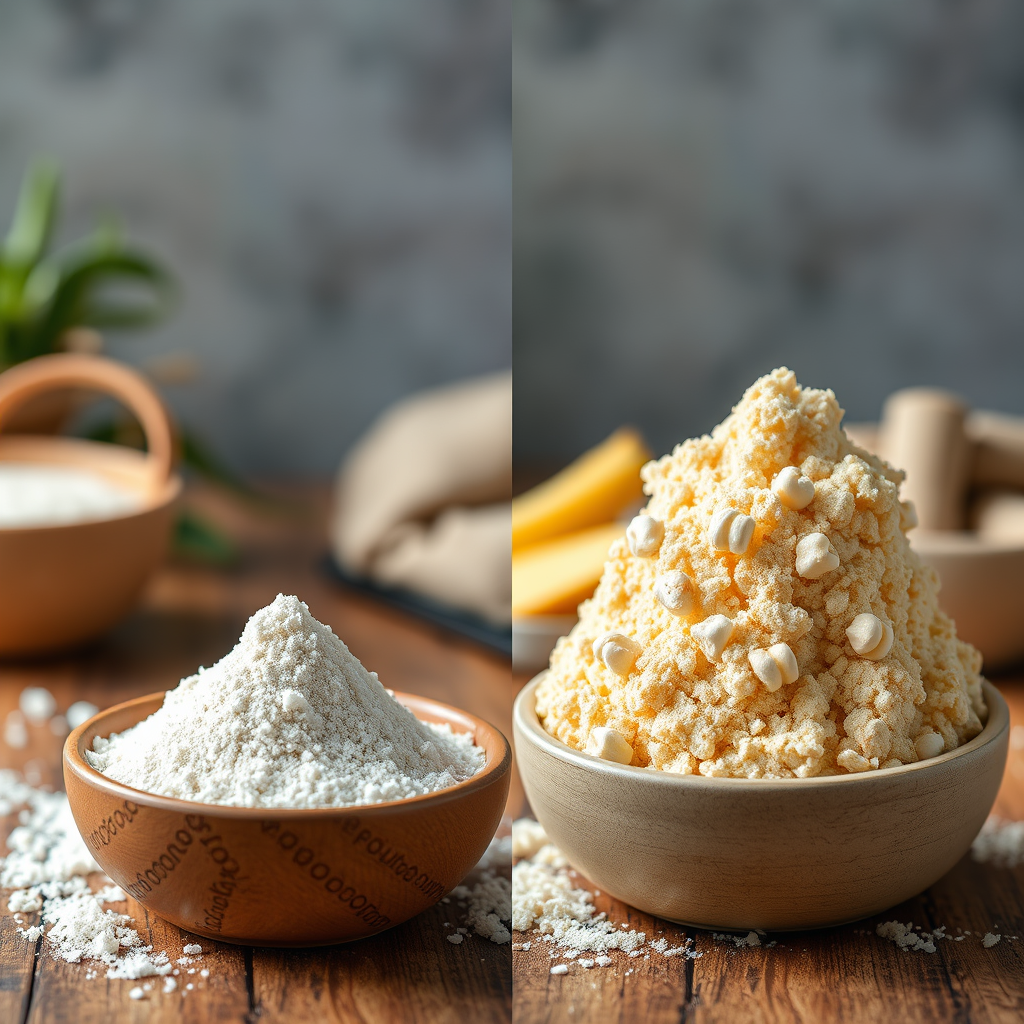
Ready to explore some fantastic flours that are kind to your blood sugar? These alternatives are heroes in the diabetic-friendly kitchen, offering great taste and impressive nutritional profiles.
* Almond Flour: This finely ground flour, made from blanched almonds, is a superstar for a reason! It’s incredibly low in carbohydrates, high in protein, and packed with healthy monounsaturated fats. Almond flour is also a fantastic source of vitamin E, an antioxidant known for its beneficial effects. Thanks to its high protein and fat content, it helps keep blood sugar levels remarkably stable, making it a favorite for baking cakes, cookies, muffins, and even savory coatings. It lends a delicate, slightly sweet flavor and a tender crumb to baked goods.
* Coconut Flour: Derived from dried coconut meat, coconut flour is an absolute fiber powerhouse. It boasts a very low amount of digestible carbohydrates, making it another excellent choice for blood sugar management. Its high fiber content contributes significantly to satiety, meaning a little goes a long way in keeping you full and satisfied. Coconut flour is highly absorbent, so recipes using it often require more liquid. It adds a subtle, naturally sweet flavor that works wonderfully in both sweet and savory dishes, from dense breads to crispy chicken coatings.
* Chickpea (Garbanzo Bean) Flour: Also known as besan or gram flour, chickpea flour is a staple in many cuisines and a fantastic option for those managing diabetes. It’s rich in both protein and dietary fiber, which are key for slowing down glucose absorption and maintaining stable blood sugar. Chickpea flour has a significantly lower glycemic index compared to traditional wheat flours and offers a unique, slightly earthy flavor. It’s incredibly versatile, perfect for making savory pancakes, flatbreads, fritters, or as a binder in veggie burgers.
Other Beneficial Flours to Consider
While almond, coconut, and chickpea flours often steal the spotlight, a few other flours deserve a nod for their beneficial properties, especially when used thoughtfully.
* Oat Flour (Whole Grain): When we talk about oat flour, we’re specifically referring to whole grain oat flour, which is simply ground whole oats. Oats are renowned for their beta-glucan content, a type of soluble fiber that’s incredibly beneficial for heart health and, crucially, blood sugar regulation. Beta-glucan forms a gel-like substance in your digestive tract, slowing down the absorption of glucose and helping to prevent sharp spikes. Oat flour can be a great addition to pancakes, muffins, and cookies, adding a wholesome, chewy texture. Just remember to use it in moderation and keep an eye on total carbohydrate counts, as oats do contain carbs.
* Whole Wheat Flour (in Moderation): It’s true that whole wheat flour is a step up from white flour because it retains the bran, germ, and endosperm, meaning it contains more fiber and nutrients. However, it’s still higher in carbohydrates than the alternatives listed above. If you enjoy the familiar taste and texture of wheat, whole wheat flour can be used, but moderation is key. Consider using it in smaller portions or blending it with lower-carb flours like almond or chickpea flour to reduce the overall glycemic impact. For example, try a half whole wheat, half almond flour blend in your next muffin recipe to get the best of both worlds.
Key Nutritional Factors When Selecting Flours
Navigating the flour aisle can be overwhelming with so many options! To make the best choices for diabetes management, focus on these essential nutritional factors. They’ll empower you to read labels and select flours that truly support your health.
* Glycemic Index (GI) & Glycemic Load (GL): These are perhaps the most critical factors for someone with diabetes. As we discussed, GI tells you how quickly a food raises blood sugar. Glycemic Load (GL) takes it a step further by considering both the GI *and* the serving size. A food might have a high GI, but if you eat a tiny amount, its GL might be low. Conversely, a large serving of a moderate GI food could still have a high GL. Your goal is to prioritize flours with lower GI and GL values, as they prevent those rapid blood sugar spikes and help maintain stability throughout the day. Always check nutrition labels and consider the portion you’ll be consuming.
* Fiber Content: Fiber is your digestive system’s best friend and a powerful tool for blood sugar control. It adds bulk to your diet, aids in digestion, and significantly slows down the absorption of sugars into the bloodstream. This means fewer sharp spikes and a more gradual release of energy. Look for flours that boast a high fiber content per serving. Both soluble and insoluble fibers are beneficial: soluble fiber helps lower cholesterol and blood sugar, while insoluble fiber promotes regularity. High-fiber flours also contribute to greater feelings of fullness, which can be helpful for weight management.
* Protein and Healthy Fats: Don’t underestimate the power of protein and healthy fats in your flour! These macronutrients play a vital role in balancing meals, reducing cravings, and providing sustained energy. Protein helps slow down digestion and has a minimal impact on blood glucose. Healthy fats, especially monounsaturated and polyunsaturated fats, contribute to satiety and can improve insulin sensitivity over time. When your flour contains a good balance of fiber, protein, and healthy fats, your body processes carbohydrates more efficiently, leading to more stable blood sugar levels and consistent energy.
Tips for Baking with Alternative Flours
Baking with alternative flours can be a bit different from using traditional wheat flour, but it’s a fun and rewarding journey! With a few adjustments and an open mind, you’ll be creating delicious, diabetic-friendly treats in no time.
* Adjusting Liquids and Binders: This is one of the most common differences you’ll encounter. Flours like coconut flour are incredibly absorbent, often requiring significantly more liquid than wheat flour to achieve the right consistency. Almond flour can sometimes make baked goods a bit crumbly, so you might need extra binders like eggs, flax eggs, or psyllium husk to help everything hold together. Don’t be afraid to experiment, but starting with tested recipes is always a great idea!
* Texture and Flavor Expectations: Embrace the unique characteristics of these flours! Almond flour tends to produce tender, somewhat dense baked goods with a mild, nutty flavor. Coconut flour can result in a slightly drier, denser texture and imparts a subtle coconut taste. Chickpea flour often gives a savory, slightly earthy note and can create a chewier texture. Rather than expecting them to behave exactly like wheat flour, appreciate the distinct textures and subtle flavors they bring to your creations.
* Start with Tested Recipes: Our best advice for success is to begin with recipes specifically developed for almond, coconut, or chickpea flour. These recipes have already factored in the unique properties of these flours, taking the guesswork out of liquid ratios, binders, and baking times. Once you get a feel for how each flour behaves, you can start experimenting with adapting your own favorite recipes. There are countless fantastic resources online and in cookbooks dedicated to low-carb and gluten-free baking.
Flours to Limit or Avoid for Better Blood Sugar Control
Just as there are flours that actively support blood sugar management, there are others that can make the task much harder. Being aware of these can help you make informed choices that benefit your health.
* White & All-Purpose Flour: These are the most common flours you’ll find, but they are generally the least friendly for blood sugar control. White flour is made from wheat grains that have had their bran and germ removed, along with most of their beneficial fiber, vitamins, and minerals. What remains is primarily starch, which the body quickly converts to glucose. This rapid conversion leads to quick blood sugar surges, making it challenging for individuals with diabetes to maintain stable levels.
* Enriched & Refined Flours: Similar to white flour, enriched and refined flours have undergone processing that strips away their natural nutrients. While some vitamins and minerals might be added back (“enriched”), the crucial fiber content is rarely restored to its original levels. This means they behave much like white flour in the body, offering minimal nutritional value and contributing to poor glucose management. Products made with these flours often lead to energy crashes and increased cravings, hindering effective diabetes management.
Making informed choices about the flour you use can be a powerful step in managing diabetes effectively and enjoying a variety of foods. By opting for nutrient-dense, low-GI alternatives like almond, coconut, and chickpea flours, you can enjoy delicious baked goods while actively supporting stable blood sugar levels. Experiment with these flours in your recipes, always prioritizing balanced nutrition, and consulting with a healthcare professional or registered dietitian for personalized dietary advice tailored to your specific needs.
Frequently Asked Questions
What is the best flour for diabetics to help manage blood sugar levels?
The best flours for diabetics are generally those with a low glycemic index, high fiber, and higher protein content, as these attributes help stabilize blood sugar. Excellent choices include almond flour, coconut flour, and lupin flour, which offer fewer net carbs compared to traditional wheat flour. These options support better glucose control and can be incorporated into various recipes.
Why should diabetics be cautious about using traditional all-purpose wheat flour?
Diabetics should be cautious with traditional all-purpose wheat flour because it is high in refined carbohydrates and has a high glycemic index. This means it can cause a rapid and significant spike in blood sugar levels after consumption, making it harder to manage diabetes effectively. Regular consumption of such flours can negatively impact long-term glucose control.
Which low-carb flour alternatives are suitable for baking delicious treats for diabetics?
Several low-carb flour alternatives are perfect for baking diabetic-friendly treats, including almond flour and coconut flour. Almond flour provides a rich, nutty flavor and a tender crumb, while coconut flour is highly absorbent and adds a subtle sweetness and fiber. For lower carbohydrate options, lupin flour and even finely ground flaxseed meal can also be used, often blended to achieve desired textures and flavors in recipes.
How does the fiber content in alternative flours benefit individuals with diabetes?
The high fiber content in alternative flours significantly benefits individuals with diabetes by slowing down the digestion and absorption of carbohydrates. This helps prevent rapid blood sugar spikes and contributes to more stable glucose levels throughout the day. Additionally, fiber promotes satiety, aiding in weight management, and supports healthy gut function, both crucial aspects of diabetes care.
Are there any special baking tips or adjustments needed when using diabetic-friendly flours?
Yes, baking with diabetic-friendly flours often requires some adjustments due to their unique properties compared to wheat flour. Coconut flour, for example, is extremely absorbent and typically requires more liquid, while almond flour might need extra binders like eggs to prevent crumbling. It’s often beneficial to combine different low-carb flours to achieve the desired texture, and always refer to specific recipes designed for these alternative flours for best results.
References
- https://diabetes.org/healthy-living/recipes/healthy-cooking-tips/whole-grains-and-fiber
- Whole grains: Hearty options for a healthy diet – Mayo Clinic
- Carbohydrates • The Nutrition Source
- Healthy Living with Diabetes – NIDDK
- Glycemic index
- Whole grain
- https://www.ucsfhealth.org/education/healthy-eating-for-diabetes
- https://www.cdc.gov/diabetes/managing/eat-well/index.html
