
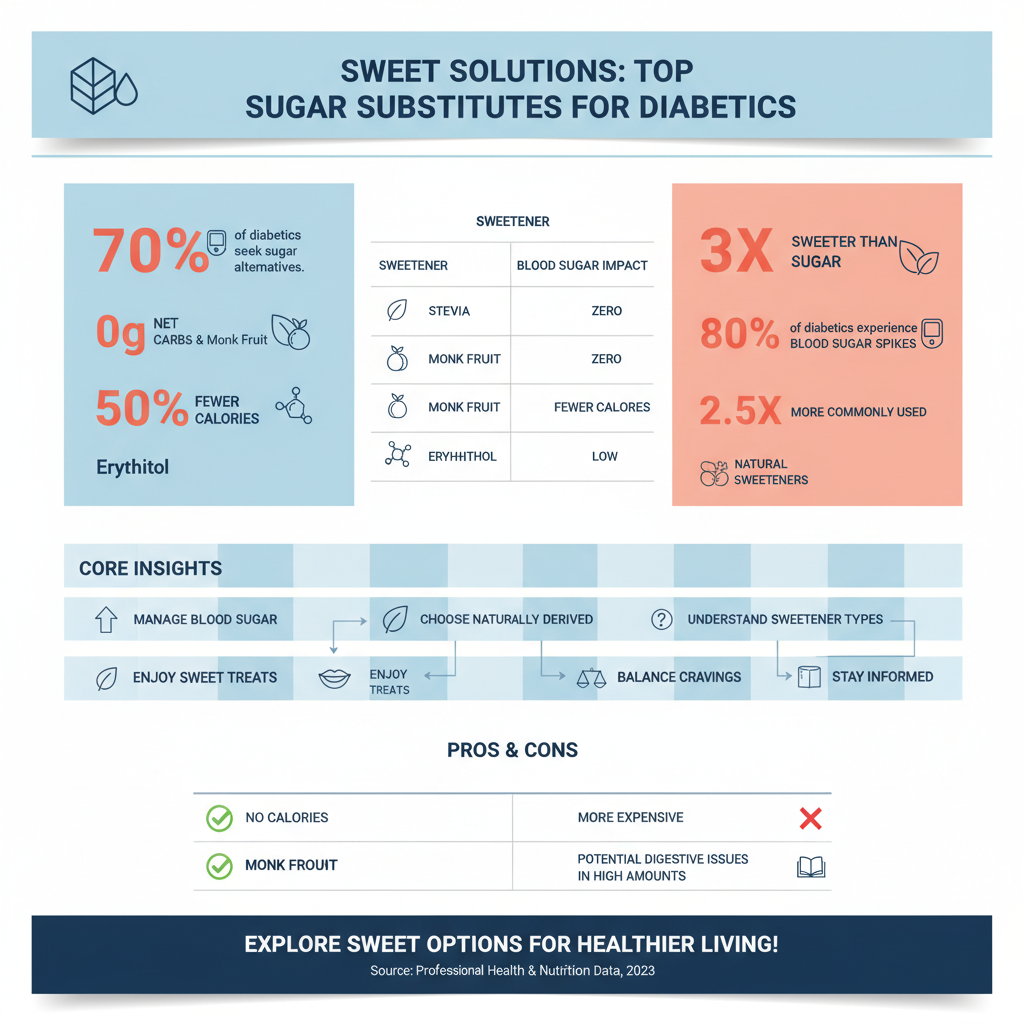
For diabetics seeking the best sugar replacement, options like Stevia, Monk Fruit, and Erythritol often stand out as top choices due to their minimal impact on blood sugar levels and generally favorable health profiles. While no single “best” fits everyone, these alternatives provide effective ways to enjoy sweetness without the carbohydrate load of regular sugar, crucial for managing blood glucose. This guide explores the most recommended sugar substitutes, helping you make an informed decision tailored to your dietary needs and preferences.
Understanding Sugar Substitutes for Diabetic Management

Living with diabetes means carefully managing your diet, and one of the biggest challenges often comes from sugar. Finding ways to enjoy sweet treats without compromising your health is a key part of maintaining a balanced and happy lifestyle. This is where sugar substitutes become invaluable tools in your diabetic management toolkit.
* Why Substitutes Matter: Traditional sugar, especially in its refined forms, is a simple carbohydrate that quickly breaks down into glucose in the bloodstream, leading to rapid and significant spikes in blood sugar levels. For someone with diabetes, these spikes can be dangerous, contributing to complications over time. Sugar replacements, on the other hand, are designed to offer the sweetness you crave without this detrimental effect. They allow you to satisfy sweet cravings, bake your favorite desserts, or sweeten your coffee, all while keeping your blood glucose levels stable and within target ranges. This helps prevent hyperglycemia, supports long-term health, and makes sticking to a diabetic-friendly diet much more enjoyable and sustainable.
* Categories of Sweeteners: To navigate the world of sugar substitutes effectively, it’s helpful to understand the different categories they fall into. Each category differs in its chemical composition, how it’s metabolized by the body, and its overall impact on your health.
* Naturally Derived Sweeteners: These are extracted from plants, like Stevia and Monk Fruit. They are often calorie-free or very low in calories, and generally have no significant impact on blood sugar. Their natural origin makes them appealing to many.
* Sugar Alcohols: These are a type of carbohydrate that are chemically similar to sugar but have a different molecular structure. Common examples include Erythritol and Xylitol. They contain fewer calories than regular sugar and are only partially absorbed by the body, leading to a smaller impact on blood sugar. However, consuming them in large amounts can sometimes cause digestive upset.
* Artificial Sweeteners: These are synthetic compounds that are many times sweeter than sugar. Examples include Sucralose and Aspartame. They are typically calorie-free and have no impact on blood glucose, making them popular in “diet” products. While approved by regulatory bodies, they are often subjects of ongoing scientific and public discussion regarding long-term health effects.
* The Goal: The primary goal of incorporating sugar substitutes into a diabetic diet is multifaceted: to safely satisfy sweet cravings, maintain stable blood sugar levels, and ultimately support overall diabetic health and well-being. By choosing the right substitutes, you can enhance your dietary flexibility, reduce your reliance on traditional sugars, and empower yourself to enjoy food without constant worry about glucose spikes. It’s about finding delicious, safe alternatives that fit seamlessly into your lifestyle and help you thrive.
Naturally Derived Sweeteners: Stevia and Monk Fruit
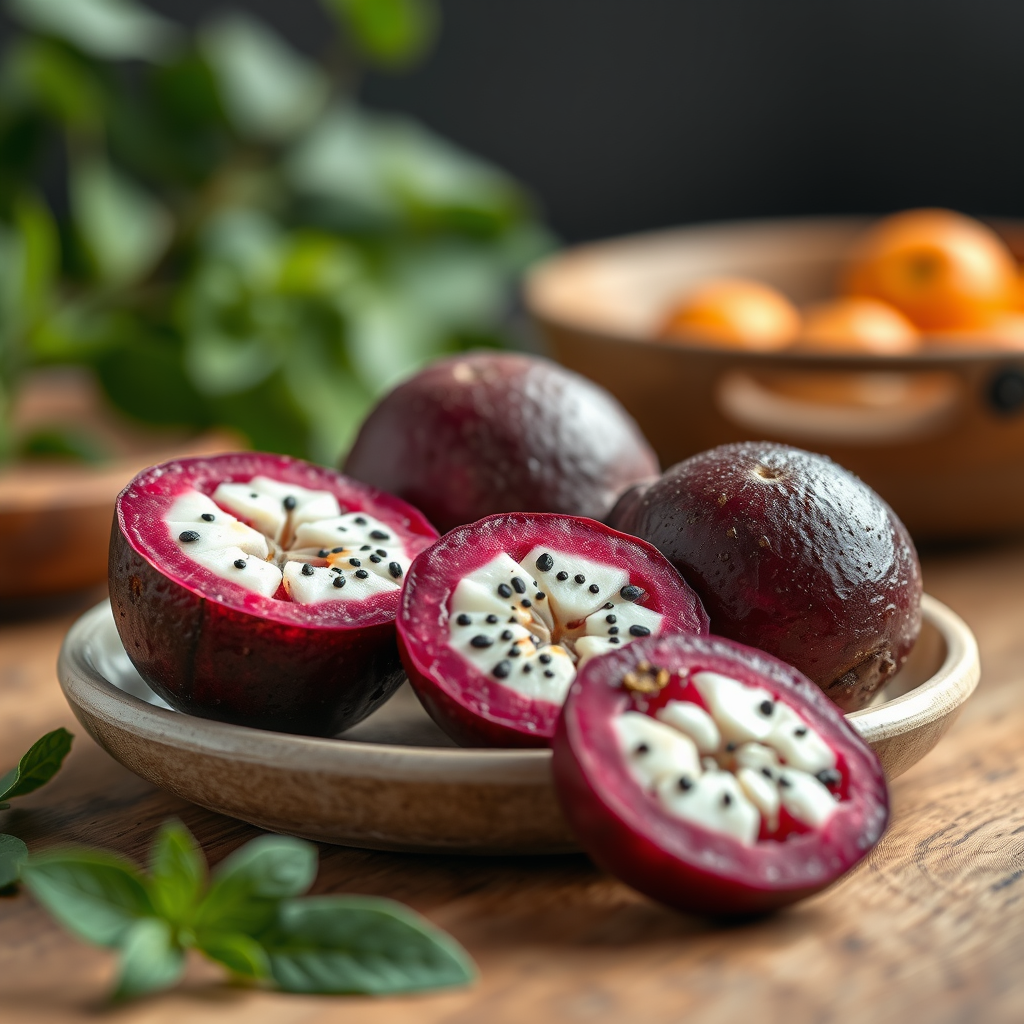
For many people managing diabetes, naturally derived sweeteners are a top choice, offering a clean label and minimal health concerns. Stevia and Monk Fruit are two shining stars in this category, widely praised for their excellent safety profiles and negligible impact on blood sugar.
* Stevia: This popular natural sweetener is extracted from the leaves of the *Stevia rebaudiana* plant, native to South America. The sweet compounds, known as steviol glycosides (with Rebaudioside A, or Reb A, being the most common and sweetest), are calorie-free and do not raise blood glucose levels. This makes Stevia an ideal alternative for diabetics looking to reduce their sugar intake without sacrificing sweetness. You’ll find Stevia in various forms: highly concentrated liquid drops, convenient powder packets, or blended with other sweeteners or fillers to reduce its intensity and improve taste and texture. It’s incredibly versatile, suitable for sweetening beverages like coffee and tea, mixing into yogurt, or even incorporating into baking recipes (though it often requires adjustments due to its potency and lack of bulk compared to sugar). While generally well-tolerated, some individuals report a slight licorice-like or bitter aftertaste, especially with higher concentrations or less pure forms. Experimenting with different brands or blends can help you find a Stevia product that best suits your palate.
* Monk Fruit: Hailing from Southeast Asia, Monk Fruit (also known as *Siraitia grosvenorii*) has been used for centuries for its sweet properties. The sweetness comes from compounds called mogrosides, which, like steviol glycosides, are calorie-free and do not affect blood glucose. Monk fruit extract is incredibly potent, often 150-250 times sweeter than sugar, meaning only a tiny amount is needed to achieve desired sweetness. Many users appreciate monk fruit for its remarkably clean taste profile, often described as having less of an aftertaste compared to some other sweeteners. This makes it a favored choice for those who are sensitive to the unique flavors of other natural options. Available in liquid, granular, and powdered forms, it’s excellent for sweetening drinks, smoothies, and is increasingly popular in diabetic-friendly baking and cooking due to its stable nature.
* Considerations: Both Stevia and Monk Fruit are generally recognized as safe (GRAS) by the U.S. Food and Drug Administration (FDA) for the general population, including those with diabetes. However, as mentioned, individual taste perception can vary significantly. What one person finds perfectly sweet, another might find to have a subtle aftertaste. It’s a bit like finding your favorite coffee bean – a matter of personal preference! When purchasing, look for products with minimal additional ingredients or fillers if you’re aiming for the purest form. Blends, while sometimes offering a better taste profile or bulk for baking, might introduce other sweeteners or carbohydrates, so always check the ingredient label carefully.
Sugar Alcohols: Erythritol and Xylitol
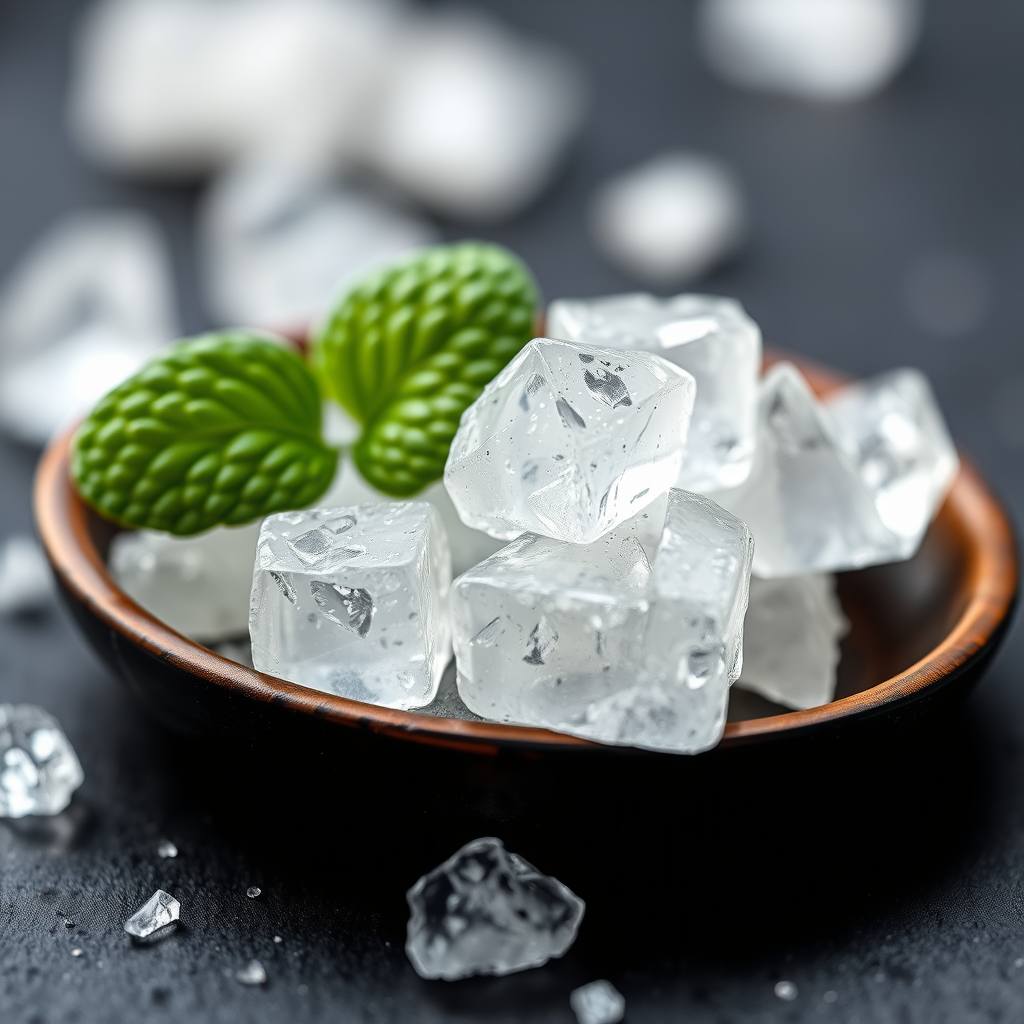
Sugar alcohols represent another category of sweeteners that can be beneficial for diabetics. While they are carbohydrates, their unique chemical structure means they are only partially digested and absorbed by the body, resulting in fewer calories and a lower impact on blood sugar compared to traditional sugar. Erythritol and Xylitol are two of the most popular and well-tolerated options in this group.
* Erythritol: Erythritol is a naturally occurring sugar alcohol found in some fruits (like grapes, pears, and watermelons) and fermented foods. It’s produced commercially through the fermentation of glucose. What makes Erythritol particularly stand out is its excellent digestive tolerance. Unlike some other sugar alcohols, it’s absorbed into the bloodstream before entering the large intestine, where fermentation typically occurs. This means it’s much less likely to cause the bloating, gas, or diarrhea often associated with excessive consumption of other sugar alcohols. Erythritol is nearly calorie-free (about 0.2 calories per gram, compared to sugar’s 4 calories per gram) and has virtually no impact on blood sugar or insulin levels, making it highly suitable for diabetics. It’s about 70% as sweet as sugar and provides a clean, mild taste without the cooling sensation sometimes found in other sugar alcohols. It’s also non-cariogenic, meaning it doesn’t contribute to tooth decay. Its heat stability makes it a fantastic option for baking, although it can sometimes recrystallize, leading to a slightly gritty texture in certain applications.
* Xylitol: Xylitol is a sugar alcohol found naturally in the fibers of many fruits, vegetables, and even some hard woods like birch. It’s similar in sweetness to sugar, but contains about 40% fewer calories (around 2.4 calories per gram). Like Erythritol, Xylitol has a lower glycemic index than sugar, meaning it causes a slower and less significant rise in blood glucose and insulin levels, making it a viable option for diabetics. Beyond its sweetening properties, Xylitol is well-known for its significant dental health benefits. It helps prevent tooth decay by inhibiting the growth of *Streptococcus mutans*, the primary bacteria responsible for cavities. It’s commonly found in sugar-free chewing gum, mints, and toothpaste. While generally safe for human consumption, some individuals may experience digestive discomfort like gas, bloating, or diarrhea if consumed in large quantities, as it draws water into the intestine.
* Important Notes: While both Erythritol and Xylitol are generally safe for human consumption in moderate amounts, it’s crucial to be aware of potential side effects, particularly with higher doses. The digestive system of some individuals can be more sensitive to sugar alcohols than others, so it’s always wise to start with small amounts and gradually increase to assess your personal tolerance.
A CRITICAL WARNING REGARDING XYLITOL: Xylitol is highly toxic to dogs. Even small amounts can cause a rapid and severe drop in blood sugar (hypoglycemia), liver failure, seizures, and even death. If you have Xylitol in your home, ensure it is stored securely and kept completely out of reach of all pets. Always check ingredient labels on “sugar-free” products, as Xylitol is a common ingredient in many human foods, including certain peanut butters, that could be accidentally given to pets.
Artificial Sweeteners: Sucralose and Aspartame
Artificial sweeteners are synthetic compounds designed to provide intense sweetness without the calories or blood sugar impact of sugar. They are among the most widely used sugar substitutes in the world, found in countless “diet” and “sugar-free” products. While highly effective at delivering sweetness, they often come with more discussions and divided opinions regarding their long-term health implications.
* Sucralose (Splenda): Sucralose is a zero-calorie artificial sweetener that is derived from sugar through a multi-step chemical process where three hydrogen-oxygen groups on the sugar molecule are replaced with chlorine atoms. This modification makes it indigestible by the human body, so it passes through without being metabolized, thus providing no calories and having no impact on blood sugar levels. Sucralose is remarkably potent, approximately 600 times sweeter than sugar. Its high heat stability makes it a versatile choice for a wide range of applications, from sweetening beverages and dairy products to being a popular ingredient in baking and cooking. You’ll often find it in yellow packets (Splenda brand), diet sodas, sugar-free desserts, and countless processed foods. Its taste is often described as very similar to sugar, which contributes to its broad appeal.
* Aspartame (NutraSweet, Equal): Aspartame is another widely used low-calorie artificial sweetener. It’s a methyl ester of two amino acids: aspartic acid and phenylalanine. It’s about 200 times sweeter than sugar, so only a tiny amount is needed to achieve the desired sweetness. Aspartame does contain a very small amount of calories (4 calories per gram, similar to protein), but because so little is used, its caloric contribution to foods is negligible, effectively making it a zero-calorie sweetener for practical purposes. It’s commonly found in blue packets (Equal brand), diet soft drinks, sugar-free chewing gum, yogurt, and other low-calorie foods. Unlike sucralose, aspartame is not heat-stable and tends to break down at high temperatures, which is why it’s generally not recommended for baking. Individuals with phenylketonuria (PKU), a rare genetic disorder, must avoid aspartame due to their inability to metabolize phenylalanine.
* Usage and Concerns: Both sucralose and aspartame have been extensively studied and are approved by major regulatory bodies worldwide, including the U.S. FDA, the European Food Safety Authority (EFSA), and the World Health Organization (WHO), who affirm their safety at typical consumption levels. However, despite these approvals, artificial sweeteners remain a topic of ongoing discussion and scientific inquiry. Some individuals express concerns about potential long-term health effects, with research continuing to explore areas such as:
* Impact on Gut Microbiome: Emerging research is investigating how artificial sweeteners might interact with gut bacteria, potentially altering their composition and function, which could in turn influence metabolism and other health markers.
* Metabolic Response: Some studies have suggested that artificial sweeteners might, paradoxically, influence glucose metabolism or appetite regulation in ways that are not fully understood, though findings are often conflicting.
* Perceived Sweetness: Regular consumption of intensely sweet artificial sweeteners might alter taste preferences, potentially leading to a higher tolerance for sweetness and a decreased appreciation for naturally sweet foods.
Given these ongoing discussions, some individuals prefer to limit or avoid artificial sweeteners entirely, opting for naturally derived alternatives. Ultimately, the choice is personal, but staying informed and discussing your sweetener preferences with your healthcare provider is always recommended.
Key Factors When Choosing Your Sugar Replacement
Selecting the ideal sugar replacement isn’t a one-size-fits-all decision. It’s a personal journey that depends on your unique health needs, dietary preferences, and even your taste buds. By considering a few key factors, you can make an informed choice that best supports your diabetes management and overall well-being.
* Glycemic Impact: This is arguably the most critical factor for diabetics. Your primary goal is to choose sweeteners that have a negligible or very low effect on blood glucose levels. The glycemic index (GI) and glycemic load (GL) are measures that indicate how quickly and how much a food raises blood sugar. Opt for sweeteners that register a GI of zero or close to zero. Stevia, Monk Fruit, and Erythritol typically fall into this category, making them excellent choices for maintaining stable blood sugar. While sugar alcohols like Xylitol have a lower GI than sugar, they still have *some* impact, so it’s essential to monitor your blood sugar response if you’re experimenting with them. Always check product labels for carbohydrate content, even on “sugar-free” products, as some blends or fillers (like maltodextrin) can contribute to glucose spikes. Prioritizing minimal glycemic impact ensures your chosen sweetener actively supports your diabetes management plan.
* Digestive Tolerance: While many sugar replacements offer excellent health benefits, some can cause digestive discomfort in certain individuals, especially when consumed in larger quantities. This is particularly true for sugar alcohols like Xylitol and Malitol, which can ferment in the large intestine, leading to symptoms like gas, bloating, and diarrhea. Erythritol is generally the most well-tolerated sugar alcohol due to its unique absorption and excretion pathway. Naturally derived sweeteners like Stevia and Monk Fruit are typically very well-tolerated digestively. Pay close attention to how your body reacts after consuming a new sweetener. If you experience any gastrointestinal upset, try reducing the amount or switching to a different type. Starting with small amounts and gradually increasing your intake can help you assess your personal tolerance without undue discomfort.
* Taste Profile and Application: The taste of a sweetener is incredibly subjective and varies greatly from person to person. What one person finds delightful, another might find to have an unpleasant aftertaste.
* Taste: Stevia can sometimes have a licorice-like or slightly bitter aftertaste, while Monk Fruit is often praised for its clean, sugar-like flavor. Erythritol offers a mild, clean sweetness, sometimes with a subtle cooling sensation. Artificial sweeteners like Sucralose and Aspartame are designed to mimic sugar closely. Don’t be afraid to experiment with different brands and forms (liquid drops, powders, granular) to find what appeals most to your palate.
* Application: Consider how you plan to use the sweetener.
* Baking: Some sweeteners, like Erythritol and Sucralose, are heat-stable and suitable for baking. Others, like Aspartame, break down under high heat. Also, remember that most zero-calorie sweeteners don’t provide the bulk, browning, or moisture that sugar does, so you might need to adjust recipes or use blends.
* Beverages: Liquid drops or dissolvable powders work well for coffee, tea, and smoothies.
* Tabletop: Granular forms are convenient for sprinkling on cereals or fruit.
Finding a sweetener (or a combination of sweeteners) that tastes good to you and performs well in your intended applications will significantly increase your enjoyment and adherence to a diabetic-friendly diet.
Safely Integrating Sugar Replacements into Your Diet
Embracing sugar replacements is a fantastic step towards better diabetes management, but it’s essential to do so mindfully and safely. Thoughtful integration will ensure you reap the benefits without encountering unexpected challenges.
* Read Labels Carefully: This cannot be stressed enough! The world of packaged foods and sweeteners can be a maze of hidden ingredients. Many products marketed as “sugar-free” or “low-carb” might contain blends of sweeteners, some of which could have a higher glycemic impact than you expect. For example, some Stevia or Monk Fruit products are blended with dextrose or maltodextrin, which are carbohydrates that can raise blood sugar. Always scrutinize the ingredient list for hidden sugars or fillers. Look for pure forms of your preferred sweetener, or blends where the additional ingredients are also low-glycemic, such as Erythritol. Understanding what you’re consuming is the first line of defense in maintaining stable blood glucose levels.
* Moderation is Key: While most sugar replacements are calorie-free or very low in calories and don’t spike blood sugar, moderation is still important. Just because something is “sugar-free” doesn’t mean it’s a license to consume unlimited quantities. Over-reliance on intensely sweet flavors, even from sugar substitutes, can sometimes perpetuate a strong craving for sweetness, potentially making it harder to appreciate naturally less sweet, whole foods. Furthermore, as discussed, excessive intake of some sugar alcohols can lead to digestive discomfort. View sugar replacements as tools to enhance enjoyment within a balanced, whole-food-focused diet, rather than a free pass to indulge constantly. A balanced diet rich in vegetables, lean proteins, healthy fats, and fiber is still the cornerstone of effective diabetes management.
* Consult Healthcare Professionals: Your doctor, endocrinologist, or a registered dietitian specializing in diabetes care is your best resource for personalized advice. While this guide provides general information, your specific health needs, existing medications, and any co-existing conditions might influence which sweeteners are most suitable for you. They can offer guidance on appropriate serving sizes, potential interactions, and help you monitor your blood glucose response to new additions to your diet. They can also help you understand the latest research and address any specific concerns you might have about different types of sweeteners. Always discuss your dietary changes and choices with your healthcare team to ensure they align with your comprehensive diabetes management plan and individual health goals.
Choosing the right sugar replacement is a personalized journey, but options like Stevia, Monk Fruit, and Erythritol offer excellent, blood-sugar-friendly alternatives for diabetics. By understanding their unique properties and considering factors like taste and digestive tolerance, you can confidently select sweeteners that support your health goals. Remember to integrate them mindfully into your diet and always consult with your healthcare provider for personalized advice on managing your diabetes.
Frequently Asked Questions
What are the best sugar replacements for diabetics that help manage blood sugar levels?
The best sugar replacements for diabetics are those that provide sweetness without impacting blood glucose levels. Top recommendations include natural options like Stevia and Monk Fruit extract, which are calorie-free and have a glycemic index of zero. Sugar alcohols such as Erythritol and Xylitol are also popular, offering sweetness with minimal impact on blood sugar, though excessive consumption can cause digestive upset.
Are all sugar substitutes suitable for diabetics, or are there any to be cautious about?
While many sugar substitutes are safe for diabetics, some require caution. Certain sugar alcohols like Maltitol can have a higher glycemic impact than others and may cause significant digestive discomfort in larger quantities. Additionally, always check product labels for hidden sugars or fillers that might affect blood glucose, as some “sugar-free” products can still contain carbohydrates.
How do sugar replacements specifically benefit diabetics compared to regular sugar?
Sugar replacements offer significant benefits for diabetics by allowing them to enjoy sweet flavors without the detrimental effects of added sugars. Unlike regular sugar, most approved sugar substitutes do not cause rapid spikes in blood sugar, making blood glucose management easier. This helps diabetics maintain stable energy levels, reduce the risk of diabetes complications, and support overall dietary adherence without sacrificing taste.
What’s the difference between “natural” and “artificial” sugar replacements, and which type is generally preferred for diabetics?
“Natural” sugar replacements like Stevia and Monk Fruit are derived from plants, while “artificial” sweeteners such as Sucralose, Aspartame, and Saccharin are synthetically produced. Both types are generally safe and effective for diabetics as they don’t significantly raise blood sugar. Many diabetics prefer natural options due to a perception of being healthier, but both categories are FDA-approved sugar substitutes that can be valuable tools for managing blood sugar.
Can diabetics use sugar replacements freely, or should consumption still be moderated?
While sugar replacements do not spike blood sugar, moderation is still advised. Excessive consumption of some sugar alcohols can lead to gastrointestinal issues, and ongoing research explores potential long-term effects on gut microbiome or cravings. It’s best for diabetics to incorporate sugar substitutes as part of a balanced diet and consult with their healthcare provider or a registered dietitian for personalized advice on appropriate intake.
References
- https://diabetes.org/healthy-living/foods-nutrition/sugar-substitutes
- Artificial sweeteners and other sugar substitutes – Mayo Clinic
- https://www.health.harvard.edu/diseases-and-conditions/sugar-substitutes-and-your-health
- https://www.niddk.nih.gov/health-information/weight-management/healthy-eating-physical-activity-for-a-healthy-weight/artificial-sweeteners-other-sugar-substitutes
- https://health.clevelandclinic.org/which-sugar-substitutes-are-best-for-people-with-diabetes
- Sugar substitute
- https://www.uofmhealth.org/health-library/aa156798
