
The best protein shakes for diabetics aiming to lose weight are those carefully formulated to be low in sugar, high in quality protein, and often enriched with fiber. These options are invaluable tools for managing blood sugar, promoting satiety, and preserving crucial muscle mass during a weight loss journey, helping you reach your health goals effectively. This guide will help you understand what to look for and how to effectively incorporate these shakes into your diet.
Why Protein Shakes for Diabetics & Weight Loss?

Embarking on a weight loss journey when you have diabetes can feel like navigating a complex maze. However, incorporating protein shakes can simplify parts of this journey, offering distinct advantages that support both blood sugar control and weight management. It’s not just about cutting calories; it’s about smart nutrition.
* Blood Sugar Management: Protein is a superhero when it comes to regulating blood sugar. Unlike carbohydrates, which can cause rapid spikes, protein helps to slow down the absorption of glucose into your bloodstream. When you consume protein alongside carbs, it can significantly flatten the blood sugar curve, preventing those unwelcome highs and lows. This steadier release of energy is vital for anyone managing diabetes, helping to avoid insulin resistance and better control overall glycemic levels. A well-timed protein shake can make a real difference in how your body processes your meals and snacks.
* Satiety and Appetite Control: One of the biggest challenges in weight loss is battling hunger and cravings. This is where protein truly shines! High-protein foods and shakes are incredibly satiating, meaning they keep you feeling fuller for longer. This isn’t just a feeling; it’s backed by science. Protein influences hormones that signal fullness to your brain, like GLP-1 and CCK. By promoting this sustained feeling of satisfaction, protein shakes can naturally lead to reduced snacking, fewer unhealthy cravings, and a lower overall calorie intake throughout the day. This makes sticking to your dietary plan much easier and more sustainable.
* Muscle Preservation: When you’re losing weight, your body doesn’t just shed fat; it can sometimes lose valuable muscle mass too. This is particularly undesirable because muscle tissue is more metabolically active than fat, meaning it burns more calories even at rest. Furthermore, maintaining or even building muscle mass significantly improves insulin sensitivity, which is a massive win for diabetics. Protein provides the essential amino acids your body needs to repair and build muscle, ensuring that the weight you lose is primarily fat, not muscle. This helps protect your metabolism and contributes to better long-term blood sugar control and overall health.
Key Ingredients to Look For (and Avoid)
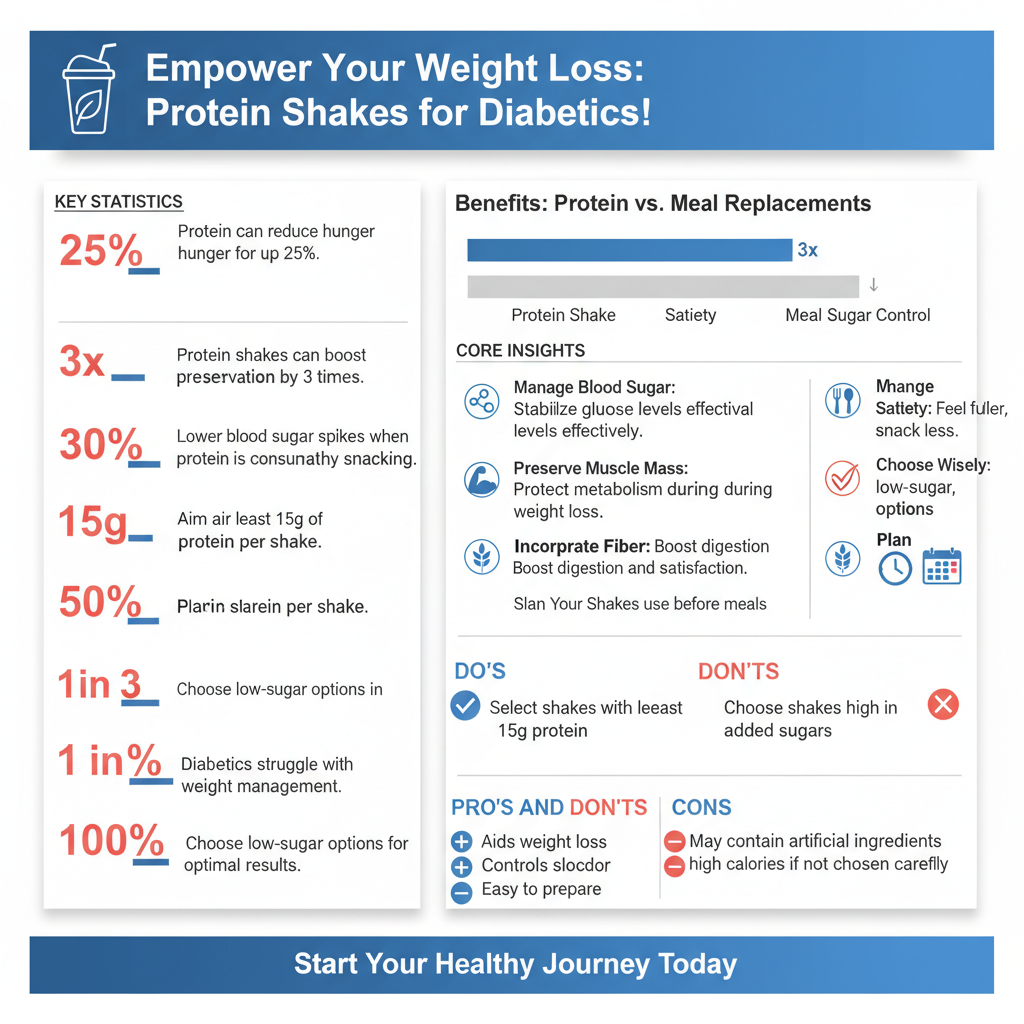

Making the right choice in a protein shake starts with a quick glance at the ingredients list. Knowing what to welcome and what to avoid can make all the difference for managing diabetes and losing weight effectively. Think of it as being a detective for your health!
* Look For: When you’re scanning those labels, prioritize shakes that feature high-quality protein sources. Options like whey isolate are fantastic because they’re quickly absorbed and typically have very little lactose, carbs, or fat, making them a lean protein punch. Casein protein is another excellent choice, renowned for its slow-digesting properties, which can help keep you feeling full for hours. For those avoiding dairy or following a plant-based diet, pea protein is a stellar contender – it’s often highly digestible and rich in essential amino acids. You’ll also want to scout for dietary fiber, which is a huge plus for blood sugar control and digestive health. Ingredients like inulin, chicory root fiber, or psyllium husk can provide this boost. Don’t forget healthy fats, sometimes found in ingredients like MCT oil or flaxseed, which can further enhance satiety. Lastly, look for natural, low-calorie sweeteners such as stevia or monk fruit extract to keep the flavor enjoyable without adding sugar. These options provide sweetness without impacting blood glucose levels significantly.
* Avoid: Now for the red flags. Steer clear of shakes that list added sugars as a primary ingredient. Watch out for names like sucrose, corn syrup, high-fructose corn syrup, dextrose, maltodextrin, or even honey and agave nectar (which are still sugars, despite their ‘natural’ label). These can cause unwanted blood sugar spikes and contribute to excess calorie intake. While some artificial sweeteners can be used in moderation, be wary of excessive amounts of artificial sweeteners like sucralose or aspartame, especially if you find yourself sensitive to them or if they trigger cravings for more sweet foods. Also, try to avoid shakes with high amounts of unhealthy fats (like hydrogenated oils) or a lengthy list of artificial ingredients, colors, or preservatives. Simpler is often better when it comes to protein shakes, focusing on clean, effective nutrition.
Understanding Different Protein Types

The world of protein powders can seem vast, but for diabetics focused on weight loss, understanding the nuances between different types can help you pick the perfect shake to support your goals. Each type has a unique absorption rate and amino acid profile, impacting how it benefits your body.
* Whey Protein (Isolate Preferred): Whey protein is derived from milk and is widely considered a complete protein, meaning it contains all nine essential amino acids necessary for muscle repair and growth. It’s particularly popular because it’s quickly absorbed by the body, making it an excellent choice for post-workout recovery when muscles need immediate nourishment. For diabetics, whey isolate is highly preferred over whey concentrate. Whey isolate undergoes further processing to remove most of the lactose, carbohydrates, and fat, resulting in a product that is typically 90% or more protein by weight. This lower carb and sugar content makes it much gentler on blood sugar levels, helping to prevent spikes. Its efficiency in muscle protein synthesis also contributes to maintaining metabolic rate during weight loss, making it a powerful ally.
* Casein Protein: Also derived from milk, casein is the “slow and steady” counterpart to whey. It forms a gel-like substance in the stomach, leading to a much slower and more sustained release of amino acids into the bloodstream. This gradual digestion provides a steady supply of protein to your muscles over several hours, which is fantastic for promoting prolonged fullness and preventing muscle breakdown, especially during long stretches without food (like overnight). For diabetics looking to manage hunger between meals or reduce nighttime cravings, a casein protein shake can be incredibly effective, keeping satiety high and preventing unwanted snacking.
* Plant-Based Proteins (Pea, Soy, Hemp): For those with dairy allergies, lactose intolerance, or who simply prefer a plant-based diet, there’s a growing array of excellent plant protein options.
* Pea Protein: Often hailed as a complete protein, pea protein is made from yellow split peas. It’s rich in branched-chain amino acids (BCAAs), particularly arginine, which is beneficial for muscle growth. It’s generally easily digestible and a great alternative for those sensitive to soy or dairy.
* Soy Protein: One of the few complete plant proteins, soy protein has been extensively studied. It can be beneficial for heart health and has a good amino acid profile. However, some individuals prefer to limit soy intake, so personal preference plays a role here.
* Hemp Protein: Derived from the hemp plant, this protein offers a good amount of fiber and healthy omega-3 and omega-6 fatty acids, in addition to protein. While not a complete protein on its own, it contributes a broad spectrum of nutrients.
Mixing different plant proteins (e.g., pea and rice protein) can create a more comprehensive amino acid profile, ensuring you get all the building blocks your body needs. These options often come with the added benefit of naturally occurring fiber, further supporting blood sugar management and digestive health.
Reading Labels: What Diabetics Need to Know
Becoming a savvy label reader is one of the most powerful tools in your diabetic weight loss arsenal. The nutrition facts panel holds a wealth of information that can make or break the suitability of a protein shake for your specific needs. Let’s break down the key numbers you need to focus on.
* Check Sugar Content: This is arguably the most critical factor for diabetics. Your primary mission is to minimize added sugars. Look at the “Added Sugars” line item on the nutrition label. Prioritize shakes with 5 grams or less of added sugar per serving. Even better if it’s 0 grams! Remember that “Total Sugars” includes naturally occurring sugars (like lactose in milk-based proteins or sugars in fruit if blended), which are less of a concern than sugars specifically added during processing. However, if you are strictly carb counting, you’ll want to focus on the “Total Carbohydrates” line and subtract any fiber to get your net carbs, factoring this into your daily carbohydrate allowance. Understanding this distinction helps you make informed choices without being overly restrictive on healthy, whole-food components.
* Protein Per Serving: This number is why you’re buying the shake, right? To maximize satiety, support muscle preservation, and aid in your weight loss efforts, aim for at least 15-20 grams of protein per serving. Some individuals, especially those with higher activity levels or specific weight loss goals, might even benefit from 25-30 grams. Adequate protein ensures you’re getting enough amino acids to keep hunger at bay and fuel your muscles, making your shake a truly effective tool. Always compare this number to the serving size to ensure you’re getting a substantial amount of protein without excess calories from other macros.
* Fiber Content: Fiber is your friend! It’s a non-digestible carbohydrate that plays a crucial role in blood sugar control by slowing down glucose absorption, which means steadier energy and fewer spikes. It also contributes to feelings of fullness and supports healthy digestion. Look for shakes with added fiber, ideally 3-5 grams or more per serving. Ingredients like inulin, chicory root fiber, or oat fiber are good indicators that the shake is designed to offer this added benefit. A good fiber content alongside protein creates a powerful duo for managing appetite and blood sugar, making your shake even more effective for weight loss.
Incorporating Shakes into Your Diet Plan
Protein shakes aren’t magic potions, but they can be incredibly effective tools when integrated strategically into a well-rounded diet plan. The goal is to use them to enhance your nutrition and help you reach your weight loss goals, not to rely on them entirely.
* Strategic Timing: The beauty of protein shakes lies in their convenience and versatility. You can use them as a convenient meal replacement when you’re short on time, especially for breakfast or lunch, ensuring you’re still getting essential nutrients without unhealthy options. Just be sure the shake is nutritionally balanced with enough protein, fiber, and perhaps some healthy fats. Alternatively, protein shakes make an excellent healthy snack between meals to manage hunger and prevent overeating at your next meal. For example, a shake mid-morning or mid-afternoon can curb cravings and stabilize blood sugar until dinner, helping with portion control when it comes to your main meals. They can also be a great post-workout option to aid muscle recovery.
* Balance with Whole Foods: It’s vital to remember that protein shakes should complement, not replace, a diet rich in whole, unprocessed foods. While shakes are fantastic for protein, they typically lack the diverse range of micronutrients, antioxidants, and complex fibers found in whole foods. Strive to build your diet around plenty of vegetables, fruits, whole grains (in moderation, depending on your carb allowance), and lean proteins from sources like chicken, fish, and legumes. Think of your shake as a nutritional boost or a convenient substitute, not the foundation of every meal. For example, if you have a shake for breakfast, ensure your lunch and dinner are packed with vibrant, nutrient-dense whole foods.
* Portion Control: Even “healthy” shakes contain calories, and consuming too many calories, regardless of the source, will hinder weight loss. Be mindful of serving sizes as indicated on the label. Sometimes, it’s tempting to add extra scoops or blend in high-calorie ingredients without considering their impact. If your goal is weight loss, track the calories and macronutrients in your shake just as you would with any other food. If you’re blending your own, be judicious with additions like nut butters, seeds, or fruit, as these can quickly increase the calorie count. The idea is to create a shake that is satisfying and nutrient-dense, yet still fits comfortably within your daily calorie goals for effective and sustainable weight loss.
Important Considerations & Medical Advice
While protein shakes can be a fantastic asset for diabetics aiming for weight loss, it’s crucial to approach their use with a balanced perspective and prioritize your overall health. These shakes are a tool, not a standalone solution, and a responsible approach is always best.
* Not a Magic Bullet: Let’s be clear: protein shakes are an aid, not a miracle cure. Successful weight loss and consistent blood sugar management are holistic endeavors that rely fundamentally on a balanced diet rich in whole foods, portion control, and regular physical activity. A high-quality protein shake can certainly help by providing convenience, satiety, and muscle support, but it won’t undo the effects of unhealthy eating habits, lack of exercise, or poor lifestyle choices. Think of it as a helpful player on your team, but you’re still the coach and the star athlete! Consistency in all areas of your health journey is what truly drives results.
* Potential Digestive Issues: Everyone’s body is unique, and what works wonderfully for one person might cause discomfort for another. Some individuals may experience digestive discomfort with certain protein types. For example, if you’re lactose intolerant, a whey concentrate might cause bloating or gas, while a whey isolate (with much less lactose) or a plant-based protein might be better tolerated. Similarly, some artificial ingredients or even high amounts of certain fibers can cause issues in sensitive individuals. Pay attention to how your body reacts to different brands and types of shakes. If you notice any persistent discomfort, try switching to a different protein source or a brand with a simpler ingredient list. Listening to your body is key to finding the best fit.
* Consult Your Doctor: This point cannot be stressed enough. Always discuss significant dietary changes, including the regular use of protein shakes, with your healthcare provider or a registered dietitian, especially when managing diabetes. Your doctor or dietitian can provide personalized advice based on your specific health status, medications, existing conditions, and individual dietary needs. They can help you determine the appropriate protein intake for your goals, recommend suitable shake types, and ensure that your protein shake consumption aligns perfectly with your overall diabetes management plan. This professional guidance ensures that you’re using protein shakes safely and effectively, maximizing their benefits while minimizing any potential risks.
Choosing the right protein shake can be a beneficial step for diabetics looking to lose weight, provided you focus on products low in sugar, high in quality protein, and ideally fortified with fiber. Remember to carefully read labels, understand the different protein types, and integrate shakes thoughtfully into a balanced diet plan that prioritizes whole foods and active living. Always consult with your healthcare provider or a dietitian to ensure your choices align with your specific health needs and goals, setting you up for sustainable success on your wellness journey.
Frequently Asked Questions
Which type of protein is ideal for diabetics aiming to lose weight?
For diabetics seeking weight loss, whey protein isolate or casein protein are often recommended due to their low carb content and high bioavailability, which helps promote satiety and muscle preservation. Plant-based proteins like pea or soy protein isolate are excellent alternatives for those with dairy sensitivities, offering similar benefits without significantly impacting blood sugar levels. These protein types support stable blood sugar while aiding in fat loss and muscle maintenance, crucial for effective diabetic weight management.
What key ingredients should diabetics look for in a protein shake for effective weight loss?
Diabetics should prioritize protein shakes that are low in sugar and carbohydrates, ideally with less than 5 grams of net carbs per serving, to prevent blood sugar spikes. Look for products sweetened with natural, low-glycemic options like stevia or monk fruit, and consider those fortified with dietary fiber, which aids satiety and digestive health. High-quality protein content (20-30g per serving) is crucial for appetite control and muscle support during weight loss.
How can protein shakes specifically help diabetics achieve weight loss without negatively impacting blood sugar?
Protein shakes aid diabetic weight loss by promoting satiety and reducing overall calorie intake, while the high protein content helps preserve lean muscle mass during a calorie deficit. When chosen carefully (low-carb, low-sugar), they can stabilize blood sugar levels by slowing glucose absorption and minimizing insulin response compared to carb-heavy meals or snacks. This dual benefit of appetite control and blood sugar management makes them a valuable tool in a diabetic’s weight loss strategy.
When is the best time for a diabetic to consume a protein shake to support weight loss?
Diabetics can strategically consume protein shakes as a meal replacement for breakfast or lunch, or as a healthy snack between meals, to manage hunger and reduce overall calorie intake for weight loss. Drinking a shake post-workout can also aid muscle recovery and growth without causing blood sugar fluctuations, especially if it’s low in simple carbohydrates. Always consult with a healthcare professional or registered dietitian to tailor timing to individual needs and medication schedules.
What ingredients should diabetics avoid in protein shakes to prevent blood sugar spikes and support weight loss goals?
Diabetics should strictly avoid protein shakes high in added sugars, such as corn syrup, sucrose, dextrose, or maltodextrin, as these can cause rapid blood sugar spikes and hinder weight loss efforts. Also be wary of excessive artificial sweeteners that some individuals may react negatively to, and avoid shakes with high amounts of saturated or trans fats. Opt for clean formulations with minimal fillers and artificial additives to maintain blood sugar control and support metabolic health.
References
- https://www.diabetes.org/healthy-living/food-nutrition/what-can-i-eat/meal-planning/meal-replacement-shakes-and-diabetes
- Diabetes diet: Create your healthy-eating plan – Mayo Clinic
- https://www.mayoclinic.org/diseases-conditions/diabetes/in-depth/diabetes-management/art-20047805
- https://www.health.harvard.edu/blog/what-to-eat-when-you-have-diabetes-202209122822
- https://www.health.harvard.edu/blog/protein-powder-for-weight-loss-202302242893
- https://my.clevelandclinic.org/health/articles/11035-diabetes-and-diet
- https://health.clevelandclinic.org/meal-replacement-shakes-for-weight-loss/
- Healthy Living with Diabetes – NIDDK
