
For individuals managing diabetes, choosing the right milk can significantly impact blood sugar levels and overall health. The best milk for a diabetic typically includes unsweetened plant-based options like almond or soy milk, along with skim or low-fat dairy milk consumed in moderation. These choices offer lower carbohydrate and sugar content, helping maintain stable glucose levels while still providing essential nutrients. This guide will help you understand which milk varieties are most suitable and why, ensuring you make informed decisions for your dietary needs.
Why Your Milk Choice Matters with Diabetes

When you’re managing diabetes, every food and drink choice you make has the potential to influence your blood sugar levels, and milk is no exception. It’s not just about what tastes good; it’s about what fuels your body effectively without causing unwanted spikes. Understanding the nutritional components of milk is key to making smart decisions.
First and foremost, let’s talk about milk’s impact on blood sugar due to its carbohydrate and natural sugar (lactose) content. All forms of milk, whether from animals or plants, contain carbohydrates. When you consume carbohydrates, your body breaks them down into glucose, which then enters your bloodstream and raises your blood sugar. Dairy milk, for instance, contains a natural sugar called lactose. While lactose is a naturally occurring sugar, it still contributes to your overall carbohydrate intake and can elevate glucose levels. For someone with diabetes, consistently choosing milk options that are lower in carbohydrates and sugars is a proactive step toward maintaining stable blood sugar and avoiding those sudden, challenging spikes. This consistency in carb management is crucial for long-term diabetes control and reducing the risk of complications.
Secondly, the role of fat content in cardiovascular health is a key consideration for diabetics. Individuals with diabetes have a significantly higher risk of developing heart disease. This makes paying attention to saturated fat intake particularly important. Full-fat dairy milk contains a higher amount of saturated fat, which can contribute to elevated “bad” LDL cholesterol levels. By opting for skim or low-fat milk varieties, you can help reduce your saturated fat intake and support your cardiovascular health, aligning with the broader goal of protecting your heart when living with diabetes. It’s about looking at the bigger picture of your health, not just blood sugar.
Finally, milk is well-known for contributing essential nutrients like calcium and vitamin D to a balanced diet. These nutrients are vital for strong bones and overall well-being. Calcium is fundamental for bone density, nerve function, and muscle contraction, while vitamin D helps your body absorb calcium and supports immune function. Many people with diabetes might be at risk for bone density issues, sometimes due to certain medications or complications, making these nutrients even more critical. Thankfully, many plant-based milks are fortified with calcium and vitamin D, offering a great alternative if you choose to limit or avoid dairy, ensuring you don’t miss out on these valuable bone-building powerhouses.
Top Plant-Based Milk Options
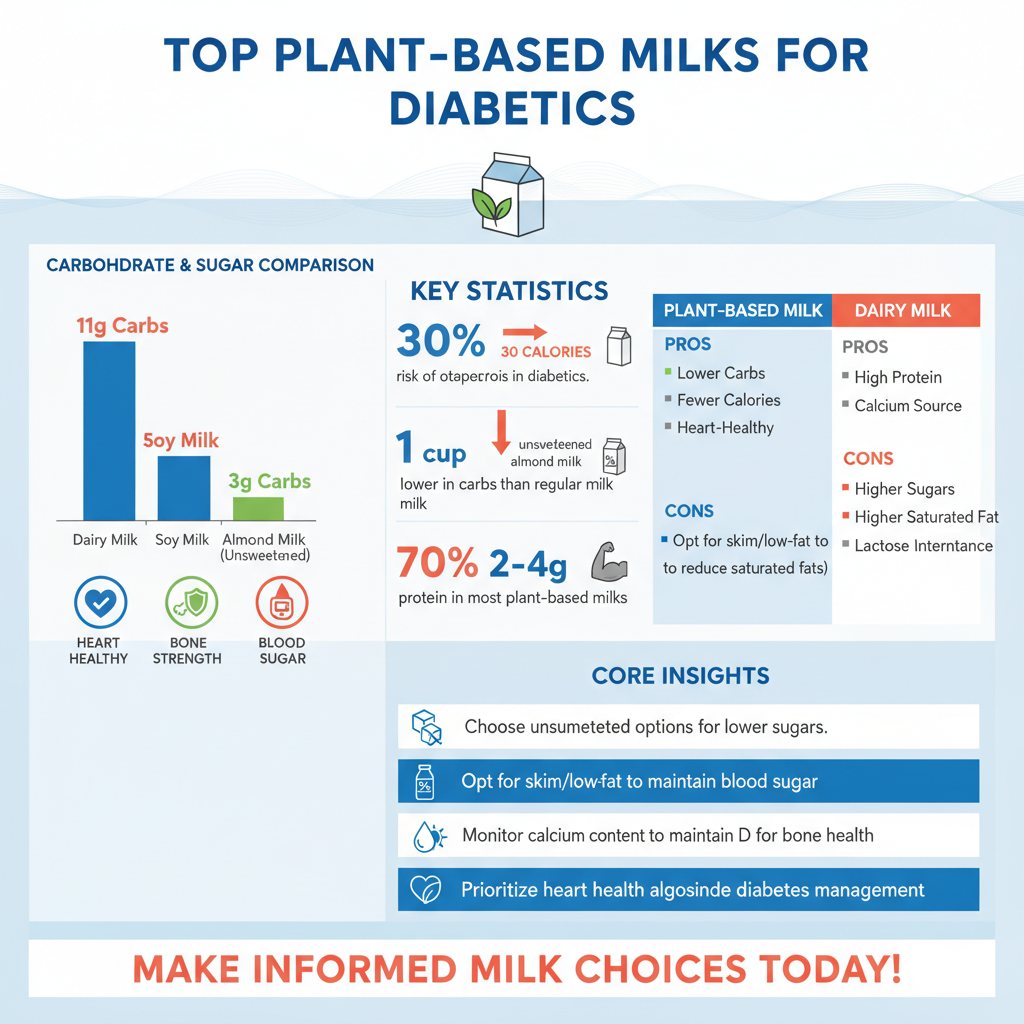

Plant-based milks have soared in popularity, and for good reason! Many varieties offer excellent nutritional profiles for individuals managing diabetes, especially when you choose the unsweetened versions. They provide a delicious and versatile alternative to traditional dairy.
One of the stars in the plant-based lineup is Unsweetened Almond Milk. This choice is a consistent favorite due to its remarkably low carbohydrate and calorie count. A typical cup of unsweetened almond milk contains only 30-40 calories and often just 0-1 gram of carbohydrates, making it an incredibly diabetes-friendly option. It’s also very low in fat. Its mild flavor makes it incredibly versatile – perfect for splashing into your morning coffee or tea, blending into smoothies, pouring over your favorite low-carb cereal, or even using in cooking and baking recipes. Most unsweetened almond milks are also fortified with calcium and vitamin D to match the nutritional benefits of cow’s milk, ensuring you still get those essential bone-supporting nutrients. Just remember, the key word here is “unsweetened”—always double-check the label!
Next up, we have Unsweetened Soy Milk. This option stands out because it offers a good source of protein, often comparable to that found in cow’s milk. A single cup can provide around 7-8 grams of protein, which helps with satiety and blood sugar stability. Protein helps slow down digestion and can prevent rapid blood sugar spikes, making unsweetened soy milk a smart choice. Nutritionally, it’s often fortified with calcium, vitamin D, and sometimes B vitamins, making it a robust alternative. Its creamier texture can be very satisfying for those who prefer a richer mouthfeel. When choosing soy milk, look for unsweetened varieties, and if you have concerns about genetically modified organisms (GMOs), opt for organic brands.
While almond and soy milk are often at the top of the list, don’t overlook unsweetened cashew milk as another low-carb, low-calorie alternative. Similar to almond milk, unsweetened cashew milk typically has a very low carbohydrate count and minimal calories. It’s often praised for its creamy texture, which can be delightful in coffee or smoothies, offering a different flavor profile for variety. Like other plant-based options, ensure it’s explicitly labeled “unsweetened” to avoid hidden sugars. Many brands also fortify cashew milk with calcium and vitamin D. Exploring options like unsweetened macadamia milk can also add variety to your diet, just always be diligent about checking those nutrition labels for carbohydrate and sugar content.
Dairy Milk Choices for Diabetics

For those who prefer dairy or wish to include it in their diet, there are still excellent choices that can fit into a diabetes management plan. The key here is focusing on specific types and practicing careful portion control.
Skim or Low-Fat Cow’s Milk is the recommended dairy option for individuals with diabetes. The primary benefit of these choices is their significantly lower saturated fat content compared to whole milk. As we discussed, managing saturated fat intake is crucial for cardiovascular health, which is a major concern for diabetics. Skim milk contains virtually no fat, while low-fat (1%) milk contains a minimal amount. Both still provide the robust nutritional benefits of dairy, including high-quality protein, calcium, and vitamin D (often fortified).
However, it’s important to remember that cow’s milk, regardless of its fat content, still contains natural sugars in the form of lactose. A single cup (8 ounces) of skim or low-fat milk typically has around 12 grams of carbohydrates, all from lactose. While this is natural sugar, it still contributes to your overall carbohydrate intake for the day and will impact your blood sugar. This is why portion control is crucial. If you choose to enjoy skim or low-fat dairy milk, be sure to account for those 12 grams of carbs in your meal plan and monitor your blood sugar to see how your body responds. It can certainly fit into a balanced diet, but mindful consumption is key.
Another option is Lactose-Free Dairy Milk. This milk offers similar nutritional benefits to regular dairy milk, including protein, calcium, and vitamin D, but with one key difference: the lactose has been pre-digested. Enzymes are added to break down the lactose into simpler sugars (glucose and galactose), making it easier for individuals with lactose intolerance to digest. It’s a fantastic option if you experience digestive discomfort from regular milk. However, it’s crucial to understand that while the lactose is broken down, the *amount of natural sugars (carbohydrates) remains the same* as in regular dairy milk – still around 12 grams per cup. This means it will have a similar impact on your blood sugar levels. So, just like with regular skim or low-fat milk, continue to practice portion control and monitor your glucose levels when incorporating lactose-free dairy milk into your diet.
Milks to Limit or Avoid
Just as there are beneficial milk choices for diabetics, there are also varieties that are best limited or avoided due to their potential negative impact on blood sugar and overall health. Being aware of these can save you from unexpected blood sugar spikes and support better long-term health.
The first category to be very wary of is Sweetened Plant-Based Milks. This is perhaps one of the most common pitfalls! Many plant-based milks, such as almond, soy, oat, or cashew milk, come in “original,” “vanilla,” or “chocolate” flavors that are loaded with added sugars. These added sugars can dramatically increase the carbohydrate content of the milk, often turning a healthy choice into one that can cause significant and rapid blood sugar spikes. For example, a “sweetened original” almond milk might have 15-20 grams of sugar per cup, compared to 0-1 gram in its unsweetened counterpart. Always, always check the nutrition label for the “added sugars” line and steer clear of products with high amounts. Opting for “unsweetened” is non-negotiable when choosing plant-based milks for diabetes management.
Next, Full-Fat Dairy Milk is generally best avoided for those managing diabetes. While it’s a good source of protein and calcium, its high saturated fat content poses a significant risk. As previously mentioned, individuals with diabetes are already at an increased risk for heart disease, and consuming high amounts of saturated fat can contribute to elevated “bad” LDL cholesterol levels, further exacerbating this risk. Making the switch to skim or low-fat dairy options is a simple yet impactful way to protect your cardiovascular health without sacrificing essential nutrients if you choose to consume dairy.
Lastly, Rice Milk and Oat Milk generally tend to be higher in carbohydrates than other plant milks and are often best limited or approached with extreme caution. Both rice and oats are grains, and when processed into milk, they retain a higher starch content, which translates to more carbohydrates per serving. Even unsweetened varieties of oat milk can contain around 15-20 grams of carbohydrates per cup, which is more than regular dairy milk and significantly more than unsweetened almond or soy milk. This higher carbohydrate load means they can elevate blood sugar more quickly and to a greater extent. If you do choose to consume these, it’s critical to select unsweetened versions and to monitor your blood sugar closely to see how your body reacts. For most diabetics, other plant-based milks offer a more stable blood sugar profile. While coconut milk (the beverage type, not the canned culinary kind) can be low in carbs, it’s often also low in protein and other nutrients, so it’s essential to read labels carefully and ensure it’s fortified if you’re relying on it for nutrients.
Key Considerations for Choosing Milk
Making the best milk choice for your diabetes management goes beyond just knowing which types are generally recommended. It involves developing smart habits and understanding your own body. Here are some essential considerations to guide your choices:
First and foremost, always read nutrition labels. This cannot be stressed enough! The nutrition label is your most powerful tool in the grocery store. Prioritize checking the following:
* Total Carbohydrates: This tells you the overall carb count per serving. For individuals with diabetes, lower is generally better.
* Added Sugars: This is crucial. Even if the total carbs seem okay, a high amount of added sugars will impact your blood sugar rapidly. Look for 0g added sugars, especially in plant-based milks.
* Protein Content: Higher protein can help with satiety and blood sugar stability.
* Fat Content (especially saturated fat): Opt for lower saturated fat options to support heart health.
* Fortification: Check for added calcium and vitamin D, especially in plant-based milks.
Different brands of the “same” type of milk (e.g., unsweetened almond milk) can still vary slightly in their nutritional profiles, so making label reading a habit ensures you’re always picking the best option for you.
Secondly, practice portion control. Even the “best” milk options can impact blood sugar if consumed in excessive amounts. A typical serving size for milk is one cup (8 ounces). While unsweetened almond milk might have only 1 gram of carbs per cup, drinking three cups means you’ve consumed 3 grams of carbs from milk alone. If you’re opting for skim dairy milk, one cup contains around 12 grams of carbs. If you pour a large glass that’s closer to 16 ounces, you’ve doubled that carbohydrate intake to 24 grams. Being mindful of your serving sizes and measuring them, especially when you’re first figuring out what works, will help you accurately track your carbohydrate intake and prevent unexpected blood sugar fluctuations. Integrate your milk portion into your overall meal plan to ensure it fits within your daily carbohydrate targets.
Finally, and perhaps most importantly, monitor individual blood sugar response. Diabetes management is highly personal. What works perfectly for one person might have a different effect on another. Your body’s response to different types of milk can vary based on factors like your medication, activity level, other foods eaten with the milk, and your individual metabolism. The best way to truly understand how a particular milk affects *you* is to test your blood sugar. Try checking your glucose levels before consuming a new type of milk, and then again 1-2 hours afterward. Keep a food diary to note down the type and amount of milk consumed, along with your blood sugar readings. This practice empowers you to make personalized choices that are truly effective for your unique diabetes management plan.
Selecting the right milk is a simple yet effective step in managing diabetes effectively. By prioritizing unsweetened plant-based options like almond or soy milk, and opting for skim or low-fat dairy in controlled portions, you can support stable blood sugar levels and overall well-being. Remember to always check nutrition labels for added sugars and carbohydrates, and consult with your healthcare provider or a registered dietitian for personalized dietary advice to integrate these choices into your diabetes management plan. Making informed, mindful choices about your milk can be a deliciously supportive part of your journey towards better health.
Frequently Asked Questions
What is generally considered the best milk for diabetics to help manage blood sugar levels?
The best milk for diabetics typically includes unsweetened, low-carbohydrate options like unsweetened almond milk, unsweetened soy milk, or unsweetened flax milk. These choices have minimal impact on blood glucose because they are very low in sugars and digestible carbs, making them excellent alternatives to traditional dairy or sweetened milks. Always check the nutrition label to ensure there are no added sugars and a low carbohydrate count per serving.
How do carbohydrates and natural sugars in different types of milk affect a diabetic’s blood sugar?
Milk naturally contains carbohydrates, primarily in the form of lactose (milk sugar) in dairy milk, which can raise blood sugar levels. For diabetics, consuming milks high in lactose or added sugars can lead to blood glucose spikes. Unsweetened plant-based milks, however, contain significantly fewer carbohydrates and sugars, thus having a much smaller impact on blood sugar stability compared to regular cow’s milk or sweetened varieties.
Are plant-based milks always a better choice for diabetics, and what should I look for on the label?
Plant-based milks are often a better choice for diabetics, but it’s crucial to select the “unsweetened” versions. Varieties like unsweetened almond milk, unsweetened soy milk, and even specific unsweetened oat or cashew milks can be good options due to their low carb and sugar content. Always check the nutrition label to confirm that the milk has 0-1g of sugar and 1-3g of carbohydrates per serving to ensure it won’t significantly impact your blood glucose.
Can diabetics still drink regular cow’s milk, and what considerations should be made?
Diabetics can still drink regular cow’s milk in moderation, but it’s essential to be aware of its carbohydrate content. Cow’s milk contains lactose, a natural sugar, with about 12 grams of carbohydrates per cup, which can affect blood sugar. Opting for skim or low-fat cow’s milk is preferable to reduce saturated fat intake, but portion control and monitoring its impact on your blood glucose are key to incorporating it into a diabetes-friendly diet.
What types of milk should diabetics be cautious of or entirely avoid due to their high sugar content?
Diabetics should be cautious of or avoid milks with high added sugar content, such as sweetened plant-based milks (e.g., sweetened almond, oat, or soy milk), flavored milks (like chocolate or vanilla milk), and condensed milk. These varieties can contain significant amounts of added sugars, leading to rapid increases in blood glucose levels. Always prioritize unsweetened options and read labels carefully to steer clear of hidden sugars.
References
- https://www.diabetes.org/food-nutrition-lifestyle/understanding-carbs/dairy-and-diabetes
- https://www.hsph.harvard.edu/nutritionsource/healthy-drinks/
- https://health.clevelandclinic.org/diabetes-friendly-drinks/
- https://www.joslin.org/patient-care/health-education/diabetes-learning-center/plant-based-diets-diabetes
- Diet in diabetes
- Milk substitute
- Healthy Living with Diabetes – NIDDK
- https://extension.psu.edu/diabetes-and-healthy-eating
- https://www.eatright.org/health/diseases-and-conditions/diabetes/diabetes-meal-planning-how-to-eat-well-with-diabetes
