
The best men’s shoes for diabetics are those that prioritize comfort, protection, proper fit, and supportive features to prevent common foot complications like ulcers, nerve damage, and poor circulation. Investing in specialized or well-designed footwear is a critical part of managing diabetic foot health, as these shoes are engineered to reduce pressure points, accommodate swelling, and provide stability. This guide will help you understand the essential characteristics to look for and recommend suitable options, empowering you to make informed choices for your foot health.
Why Footwear is Crucial for Diabetic Foot Health

For men living with diabetes, choosing the right footwear isn’t just about comfort or style – it’s a vital component of proactive health management. The unique challenges diabetes poses to foot health make specialized shoes an absolute necessity, serving as your first line of defense against potentially severe complications.
* Addressing Neuropathy: Many individuals with diabetes experience peripheral neuropathy, a type of nerve damage that often affects the feet. This condition can significantly reduce or even eliminate sensation, meaning you might not feel cuts, blisters, or pressure points that could lead to injury. Without proper footwear, a small rub from an ill-fitting shoe could go unnoticed, quickly developing into a serious wound. Diabetic-friendly shoes are designed to minimize friction and evenly distribute pressure, acting as a protective barrier against injuries you might not even feel. They essentially provide constant, gentle protection where your body’s natural warning system might be compromised.
* Preventing Ulcers and Infections: Poorly fitting shoes are a leading cause of foot problems for people with diabetes. They can create hot spots, excessive friction, and pressure that lead to common issues like blisters, calluses, corns, and bunions. For someone with diabetes, these seemingly minor irritations can quickly escalate into open sores known as ulcers. Due to impaired circulation and a weakened immune response often associated with diabetes, these ulcers heal slowly and are highly susceptible to infection. An untreated infection can spread rapidly, potentially leading to osteomyelitis (bone infection) or, in severe cases, requiring amputation. Specialized footwear helps prevent these initial points of irritation, offering smooth, seamless interiors and ample space to protect the integrity of your skin.
* Maintaining Circulation: Diabetes can compromise blood flow, especially to the extremities like the feet. This reduced circulation not only hinders the body’s ability to heal wounds but also makes tissues more vulnerable to damage. Tight or restrictive shoes can further impede this already compromised circulation, creating additional stress on your feet. Diabetic footwear is thoughtfully designed to avoid any constriction, promoting healthy blood flow. By providing a non-binding fit and soft, flexible materials, these shoes ensure that blood can circulate freely, which is crucial for nutrient delivery, waste removal, and maintaining overall foot vitality. This support for circulation is fundamental in preventing cold feet, discomfort, and more severe circulatory issues.
Essential Features of Diabetic-Friendly Shoes

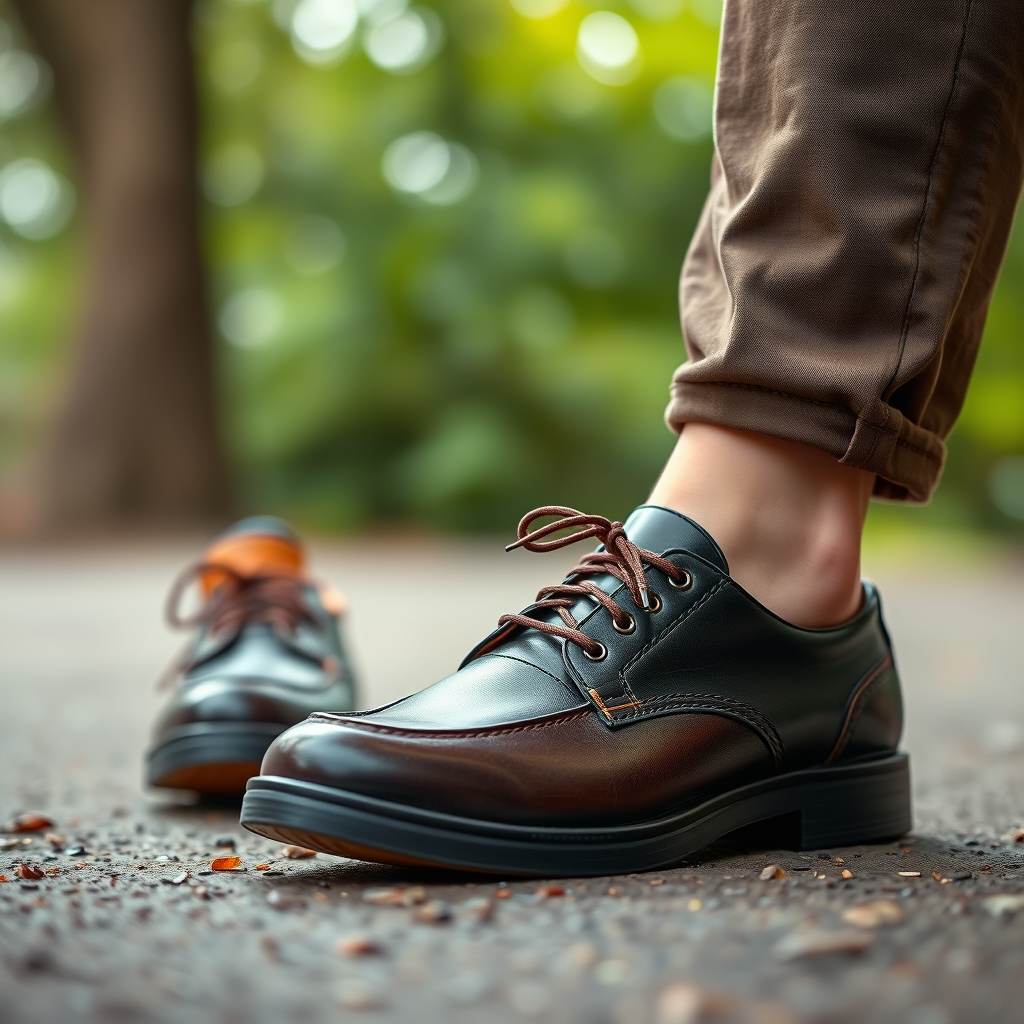
When you’re searching for the ideal pair of shoes, it’s not just about looking good; it’s about prioritizing specific features that are crucial for diabetic foot health. These elements work together to provide protection, comfort, and support, drastically reducing the risk of complications.
* Wide and Deep Toe Box: This is perhaps one of the most critical features. A wide toe box ensures your toes have ample room to wiggle and spread naturally, preventing compression that can lead to bunions, hammertoes, corns, and ingrown toenails. The “deep” aspect is equally important, providing extra vertical space. This depth is essential for accommodating any swelling your feet might experience throughout the day, as well as allowing for the use of custom orthotics or thicker diabetic socks without your foot feeling cramped or constricted. Without this space, toes can be rubbed, creating pressure points and potential injury.
* Seamless Interior & Soft Linings: Even a small seam on the inside of a shoe can become a major irritant for a diabetic foot, especially if neuropathy has reduced sensation. Seamless interiors are designed to eliminate any potential rubbing points, drastically reducing the risk of blisters, sores, and skin breakdown. Coupled with soft, non-abrasive linings (often made of moisture-wicking materials like leather, microfiber, or specialized synthetics), these shoes create a smooth, gentle environment for your feet, minimizing friction and maximizing comfort.
* Supportive & Cushioned Soles: The soles of diabetic shoes are engineered for two primary purposes: shock absorption and pressure distribution. Well-cushioned soles, often made from advanced EVA, gel, or air-pocket technologies, absorb the impact of walking, reducing stress on your joints and the sensitive soles of your feet. This cushioning helps prevent the formation of calluses and ulcers by distributing pressure evenly across the foot. Additionally, a supportive sole, often incorporating robust arch support, helps maintain proper foot alignment, enhances stability, and further prevents localized pressure points. Many quality diabetic shoes feature removable insoles, allowing you to insert custom orthotics prescribed by your podiatrist for personalized support.
* Adjustable Closures: Feet naturally swell throughout the day, and for individuals with diabetes, this swelling can be more pronounced or unpredictable. Shoes with adjustable closures, such as Velcro straps or laces, offer a customizable and secure fit that can adapt to these changes. This adjustability allows you to loosen or tighten your shoes as needed, ensuring they remain comfortable and supportive without ever becoming too restrictive or too loose. It prevents both pinching and chafing, and also helps to keep your foot securely in place, reducing internal slippage that could cause friction.
* Non-Skid Outsoles: Stability and fall prevention are key concerns for anyone, but especially for individuals with diabetes who might experience balance issues due to neuropathy or vision impairment. Non-skid outsoles are designed with specialized rubber compounds and tread patterns to provide excellent traction on a variety of surfaces, from wet sidewalks to polished floors. This enhanced grip significantly reduces the risk of slips and falls, which could lead to foot injuries, fractures, or other complications that are particularly difficult for diabetic feet to heal from.
Recommended Shoe Styles for Men with Diabetes

Navigating the world of footwear can feel overwhelming, but thankfully, there are several categories of shoes that are generally well-suited for men with diabetes. Each offers specific benefits, ensuring you can find appropriate options for various occasions.
* Athletic/Walking Shoes: These are often the go-to choice for everyday wear and are highly recommended. Modern athletic and walking shoes are designed with comfort and performance in mind, making them an excellent starting point for diabetic foot care. Look for models that boast superior cushioning in the midsole (often using technologies like gel, air, or specialized foam), ample arch support, and breathable uppers (like mesh or flexible synthetics). Many reputable athletic brands offer a wide range of widths, which is crucial for accommodating different foot shapes and preventing compression. They are flexible, lightweight, and provide excellent shock absorption, which is vital for reducing stress on your feet during daily activities.
* Casual & Everyday Shoes: For times when athletic shoes aren’t quite right, casual options can still offer excellent diabetic-friendly features. When choosing casual shoes like loafers, chukkas, or slip-ons, prioritize those made from soft, pliable materials such as genuine leather or breathable synthetic fabrics. The key is to ensure they have good internal padding, flexible soles that allow for natural foot movement, and most importantly, a seamless or minimally seamed interior. Avoid rigid styles, hard materials, or shoes with pointed toes. Look for designs that offer a relaxed, generous fit and allow for easy on and off without being too loose or requiring excessive bending. Brands like Rockport and certain orthopedic lines offer stylish yet comfortable casual options.
* Therapeutic/Orthopedic Shoes: When standard athletic or casual shoes aren’t enough, therapeutic or orthopedic shoes step in. These are specifically engineered for advanced diabetic foot care and are often recommended for individuals with existing foot complications like ulcers, significant deformities (e.g., severe bunions, hammertoes), or those who require custom-made orthotics. Therapeutic shoes typically feature extra depth, an exceptionally wide toe box, rocker-bottom soles (which aid in propulsion and reduce pressure on the ball of the foot), and often come with multiple layers of removable insoles for custom adjustments. They provide maximum protection and pressure relief, often resembling sturdy walking shoes but with enhanced protective features. Specialized brands like Dr. Comfort, Orthofeet, and Apex are leaders in this category.
* Dress Shoes (with caution): Finding suitable dress shoes can be the trickiest challenge for men with diabetes, as traditional styles often prioritize aesthetics over crucial comfort and protection. If dress shoes are a must, approach your selection with extreme caution. Opt for styles with wider widths (round or square toes are preferable to pointed ones), made from very soft, pliable leather that can mold to your foot without stiffness. Look for minimal internal seams and ensure they have adequate cushioning in the sole. Avoid patent leather, very stiff materials, or anything that feels restrictive. Some specialized diabetic footwear brands now offer dressier options, or you might find suitable choices from comfort-oriented mainstream brands that prioritize a generous fit and soft materials. Remember, comfort and protection should always take precedence over strict fashion rules.
Finding the Perfect Fit: Tips for Buying
The most protective and well-designed diabetic shoe is only effective if it fits properly. A poor fit can negate all the benefits and even introduce new risks. Here are essential tips for ensuring you find the perfect pair.
* Professional Measurement: Your shoe size can change over time due to age, weight fluctuations, or specific health conditions like diabetes-related swelling. Never assume your size. Always have your feet measured by a trained professional (a podiatrist’s office, specialty shoe store, or medical supply store) to determine both your accurate length and width for *both* feet, as they can differ. A professional fitter can also assess your gait and suggest styles best suited for your foot mechanics. This crucial first step ensures you start your shoe search with the correct foundational information.
* Shop Later in the Day: Feet naturally swell throughout the day due to gravity, activity, and fluid retention. To ensure your shoes will be comfortable at their largest, always shop for and try on shoes in the afternoon or evening. If a pair feels comfortable at the end of the day, you can be confident they won’t feel too tight or restrictive earlier when your feet are smaller. This simple tip can save you from buying shoes that feel great in the morning but become painfully tight by evening.
* Wear Appropriate Socks: When trying on shoes, always wear the type of socks you typically wear with your footwear. For men with diabetes, this usually means non-binding, moisture-wicking diabetic socks. The thickness and material of your socks can significantly affect a shoe’s fit. Trying shoes on with your specific socks ensures a realistic assessment of how the shoe will feel and fit in everyday wear, preventing any surprises or discomfort down the line.
* Inspect Immediately: Once you’ve slipped on a potential pair of shoes, don’t just stand there. Walk around the store for several minutes, paying close attention to how your feet feel. Check for any pressure points, rubbing, pinching, or discomfort. There should be about a thumb’s width (approximately half an inch) of space between your longest toe (which might not be your big toe) and the very end of the shoe. This space allows for natural foot movement and prevents your toes from bumping the front, which can cause injury. Your heel should feel secure but not tightly gripped, preventing slippage that could lead to blisters. If there’s any immediate discomfort, walk away – shoes should never need “breaking in” to be comfortable for a diabetic foot.
Trusted Brands and Where to Purchase
When investing in footwear for diabetic foot health, knowing which brands prioritize these specialized needs and where to find them can make a significant difference. You want brands that understand the nuances of diabetic foot care, not just generic comfort.
* Specialized Diabetic Footwear Brands: These brands are built from the ground up with diabetic foot health as their primary focus. They integrate all the essential features—wide and deep toe boxes, seamless interiors, advanced cushioning, and adjustable closures—into every design.
* Dr. Comfort: A highly recognized brand offering a wide range of styles, from athletic to casual and even some dressier options, all designed for maximum comfort and protection. They are known for their high-quality materials and deep, roomy designs.
* Orthofeet: Known for their innovative orthotic insoles that provide anatomical arch support and cushioning, Orthofeet shoes are engineered to reduce foot pain, improve gait, and offer a truly comfortable fit. They have excellent options for neuropathy and various foot conditions.
* Apex: Offers a diverse collection of therapeutic shoes, including athletic, casual, and medical-grade options. Apex focuses on providing superior support, stability, and protection for challenging foot conditions.
* Darco: While Darco is well-known for post-operative and wound care footwear, they also produce high-quality therapeutic shoes designed for daily wear, often featuring extra depth and advanced protection.
* Mainstream Brands with Diabetic-Friendly Lines: While not all models from mainstream brands are suitable, some offer specific lines or models that incorporate features beneficial for men with diabetes, especially those without severe complications. Look for models explicitly advertised with wider widths, extra cushioning, and flexible materials.
* New Balance: A standout in athletic footwear, New Balance is renowned for offering many of its popular models in a wide array of widths (up to 6E), making them a great choice for active men needing extra room. Look for their comfort-focused walking or running shoes.
* Brooks: Another excellent option for athletic shoes, Brooks often features generous cushioning, supportive designs, and comfortable uppers in their running and walking lines that can be suitable for some diabetics.
* Rockport: Known for combining style with comfort, Rockport offers casual and even some dress shoes with integrated comfort technologies, flexible soles, and often wider widths that might work for those seeking a more conventional look without compromising too much on foot health.
* Where to Buy: Finding the right place to purchase these specialized shoes is almost as important as choosing the right brand.
* Medical Supply Stores: These stores often have staff trained in fitting therapeutic footwear and can provide personalized advice and measurements. They may also carry specific brands recommended by podiatrists.
* Podiatrist Offices: Many podiatrists stock or can directly recommend specific brands and models, often having a selection for fitting directly in their office. This is an excellent option for expert guidance.
* Specialty Shoe Stores: Higher-end or comfort-focused shoe stores often have a wider selection of widths and trained fitters who understand the nuances of foot health, making them a good resource.
* Online Retailers: Websites like Zappos Adaptive or Amazon (by filtering for “diabetic shoes” or “wide width”) offer a vast selection and convenience. However, if buying online, ensure you know your precise size and understand the return policy, as professional fitting is always preferred first.
Choosing the right footwear is an essential, proactive step in safeguarding your foot health as a man with diabetes. By prioritizing shoes with proper cushioning, support, seamless interiors, and a generous fit, you significantly reduce the risk of complications. Remember, your feet work hard for you every day, and with diabetes, they need extra care and protection. Always consult with your podiatrist or healthcare provider for personalized recommendations and guidance, and ensure you get professionally fitted to guarantee your shoes offer the best possible protection and comfort for your unique needs. Making the right shoe choice today can lead to healthier, happier feet for years to come.
Frequently Asked Questions
Why are specialized shoes crucial for men living with diabetes?
Specialized diabetic shoes are essential because diabetes can lead to nerve damage (neuropathy) and poor circulation, reducing a man’s ability to feel foot injuries or pain. These shoes are meticulously designed to protect sensitive feet, reduce pressure points, and prevent friction that can lead to serious complications like ulcers and infections. They provide the necessary support and cushioning to maintain optimal foot health and minimize the risk of foot-related amputations.
What key features should men prioritize when choosing diabetic shoes?
Men should prioritize several key features when selecting diabetic shoes for optimal foot health. Look for a wide, deep toe box to prevent toe compression, a seamless interior to eliminate irritation, and adjustable closures like Velcro for a secure, customizable fit. Additionally, a supportive, rigid sole, a deep heel cup, and removable insoles for custom orthotics are vital for proper cushioning and pressure distribution.
Which types of men’s shoes are best recommended for diabetics experiencing neuropathy?
For men with diabetic neuropathy, the best shoes are those offering maximum protection, cushioning, and stability. Extra-depth shoes with soft, non-binding materials are ideal to accommodate swollen feet and prevent irritation. Styles with a rocker bottom sole can help reduce pressure on the balls of the feet, while athletic-style diabetic shoes often provide superior shock absorption and support crucial for preventing injury when sensation is impaired.
Can men with diabetes wear regular dress or athletic shoes, or do they always need specialized diabetic footwear?
While specialized diabetic footwear is generally recommended, men with well-controlled diabetes and no existing foot complications (like neuropathy or deformities) might occasionally wear regular, well-fitting dress or athletic shoes. However, it’s crucial these regular shoes offer ample room, good support, proper cushioning, and have no irritating seams or tight spots. For individuals with any risk factors or existing issues, consistently wearing certified diabetic shoes is vital for protecting their foot health.
How do properly fitted diabetic shoes help prevent serious foot complications like ulcers and infections?
Properly fitted diabetic shoes play a critical role in preventing serious foot complications by strategically distributing pressure across the entire foot, thereby eliminating concentrated pressure points that often lead to ulcers. Their seamless interiors minimize friction and rubbing, which are common causes of blisters and sores, while ample cushioning and protective materials shield the feet from external impacts and minor injuries. This comprehensive protection is crucial in managing diabetic foot health and reducing the risk of infections or amputation.
References
- https://diabetes.org/tools-resources/feet/foot-care-tips
- Diabetes & Foot Problems – NIDDK
- https://www.cdc.gov/diabetes/managing/problems.html
- Retrograde ejaculation – Doctors and departments – Mayo Clinic
- https://www.va.gov/health/docs/M-2_Part_VIII_Footwear.pdf
- Page Not Found | Perelman School of Medicine | Perelman School of Medicine at the University of P…
- Diabetic foot
- https://www.ncbi.nlm.nih.gov/pmc/articles/PMC7063428/
