
For individuals managing diabetes, selecting the right lotion is crucial for maintaining healthy skin and preventing complications. The best lotions for diabetics are typically fragrance-free, deeply hydrating, and contain ingredients like urea, lactic acid, ceramides, or hyaluronic acid, which help repair the skin barrier and retain moisture without causing irritation. Prioritizing products specifically formulated for sensitive or diabetic skin can make a significant difference in daily comfort and long-term skin health, providing essential protection against dryness, cracking, and potential infections that can arise from compromised skin.
Why Diabetic Skin Needs Special Care

Living with diabetes means paying extra attention to your skin, as it faces unique challenges that most people don’t experience. High blood sugar levels, a hallmark of diabetes, can lead to a host of skin issues, primarily by affecting blood flow and nerve function. One of the most common complaints is persistent dry, itchy skin, which can become so severe that it cracks. These tiny cracks, seemingly innocent, create easy entry points for bacteria and fungi, making individuals with diabetes more prone to developing infections. Since the immune system might also be less efficient, these infections can be harder to fight off and can escalate quickly, turning a minor irritation into a serious concern.
Furthermore, reduced blood circulation, a common complication of diabetes, means that oxygen and nutrients don’t reach the skin as effectively. This impairment slows down the skin’s natural healing process, turning minor cuts or scrapes into lingering wounds. Alongside this, nerve damage, or neuropathy, can reduce sensation in the extremities, especially the feet. This reduced sensitivity means that minor injuries, blisters, or pressure points might go unnoticed, allowing them to worsen before any discomfort is felt. Imagine stepping on something sharp or developing a blister from ill-fitting shoes and not feeling it – this is a real risk for those with diabetic neuropathy.
Finally, diabetes often compromises the skin’s natural barrier function. This barrier, composed of lipids and skin cells, acts like a protective shield, keeping moisture in and irritants out. When this barrier is weakened, moisture is lost more easily, exacerbating dryness and leaving the skin vulnerable to external aggressors like bacteria, fungi, and environmental irritants. This makes your skin not just dry and uncomfortable, but also less resilient and more susceptible to damage, highlighting why specialized care and the right products are not just a luxury, but a necessity.
Essential Ingredients in Diabetic Lotions
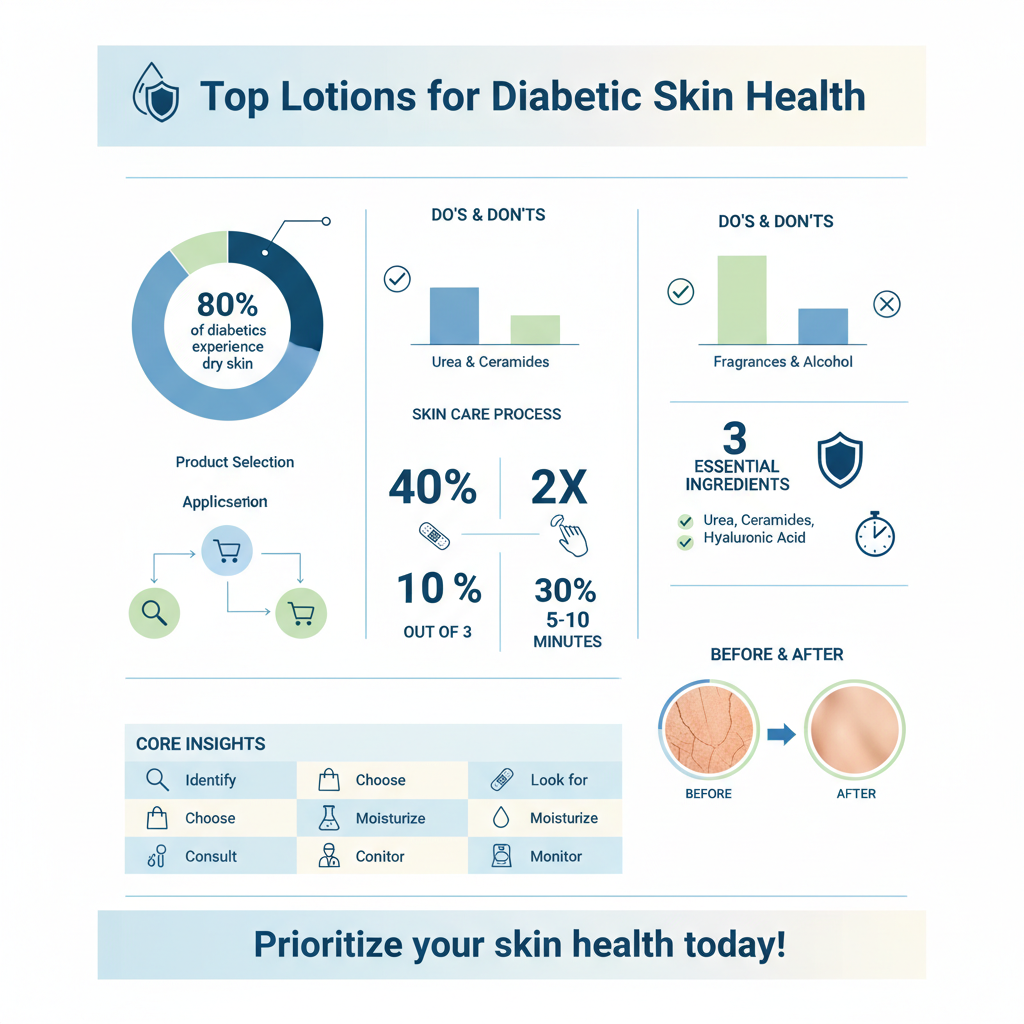
When you’re choosing a lotion for diabetic skin, the ingredient list is your best friend. Certain components are superstars at providing the deep hydration and barrier support that compromised skin truly needs. Knowing what to look for can make all the difference in soothing discomfort and promoting healthier skin.
* Humectants: These are ingredients that act like magnets for moisture, drawing water from the air and from deeper layers of the skin into the epidermis (the outermost layer). Top humectants to seek out include urea, lactic acid, hyaluronic acid, and glycerin. Urea, for example, is not only a powerful humectant but also helps to gently exfoliate dry, flaky skin, improving its texture and allowing other ingredients to penetrate more effectively. Lactic acid is another fantastic choice, offering both moisturizing and mild exfoliating benefits. Hyaluronic acid is renowned for its ability to hold up to 1,000 times its weight in water, providing intense, sustained hydration. Glycerin is a classic, gentle, and highly effective humectant that works wonders for all skin types, including sensitive diabetic skin. These ingredients ensure your skin stays supple, flexible, and less prone to cracking.
* Emollients: While humectants attract moisture, emollients are all about smoothing and softening the skin. They fill in the gaps between skin cells, making the skin’s surface feel soft, smooth, and more resilient. Key emollients you’ll want in your lotion include ceramides, dimethicone, and petrolatum. Ceramides are naturally occurring lipids that are crucial components of the skin barrier. Lotions enriched with ceramides help to replenish these vital building blocks, effectively repairing and strengthening your skin’s protective shield. Dimethicone is a silicone-based emollient that creates a silky, non-greasy feel while forming a protective layer on the skin. Petrolatum, often found in thicker creams, is an incredibly effective emollient and occlusive that helps to heal and protect extremely dry or cracked skin by creating a powerful protective barrier.
* Occlusives: These ingredients form a physical barrier on the skin’s surface to prevent water from evaporating, essentially “sealing in” all the moisture provided by humectants and emollients. They are vital for preventing transepidermal water loss (TEWL) and are particularly beneficial for very dry or compromised skin. Look for ingredients like shea butter or mineral oil. Shea butter is a natural plant-based fat that is rich in vitamins and fatty acids, offering both occlusive and emollient properties. Mineral oil is a time-tested occlusive that is non-comedogenic (won’t clog pores) and highly effective at locking in moisture. When used together, a combination of humectants, emollients, and occlusives provides a comprehensive approach to hydrating and protecting diabetic skin, ensuring it remains soft, smooth, and strong against external threats.
Ingredients to Avoid for Sensitive Diabetic Skin

Just as important as knowing what ingredients to embrace is understanding which ones to steer clear of. Diabetic skin is particularly sensitive and can react poorly to common additives that might not bother other skin types. Avoiding these can prevent irritation, dryness, and allergic reactions, keeping your skin calm and comfortable.
* Fragrances and Dyes: This is perhaps the most crucial category to avoid. While a beautifully scented lotion might seem appealing, synthetic fragrances and dyes are notorious for triggering irritation, redness, and allergic reactions, also known as contact dermatitis, especially on sensitive or compromised skin. Even “natural” fragrances can be problematic. The term “fragrance” on an ingredient list can hide a cocktail of chemicals, many of which can disrupt the skin’s delicate barrier. Always opt for products explicitly labeled “fragrance-free” rather than just “unscented,” as “unscented” can sometimes mean that masking fragrances have been added. Similarly, artificial dyes offer no skin benefit and serve only aesthetic purposes, carrying the potential for irritation.
* Alcohol and Harsh Chemicals: Products containing high concentrations of alcohol, such as ethanol or isopropyl alcohol, can be incredibly drying and damaging to the skin. These types of alcohol strip away the skin’s natural oils, which are essential for maintaining the skin barrier and retaining moisture. For diabetic skin already prone to dryness, this can exacerbate the problem, leading to increased cracking and vulnerability. Always check the ingredient list for alcohols, especially high up in the list, indicating a higher concentration. Beyond alcohol, be wary of other harsh chemicals, including certain sulfates (like sodium lauryl sulfate), which can be too aggressive and stripping, especially in cleansers. Phthalates and parabens, while controversial and not directly harmful to *diabetic* skin, are sometimes avoided by those with very sensitive skin as a general precaution.
* Certain Exfoliants: While some gentle acids, like the lactic acid found in many beneficial diabetic lotions, can aid in mild exfoliation and hydration, stronger exfoliants can be detrimental. Aggressive alpha-hydroxy acids (AHAs) or beta-hydroxy acids (BHAs) like strong salicylic acid, particularly in high concentrations, can be too harsh for fragile diabetic skin. Similarly, abrasive physical scrubs (those with microbeads, nut shells, or coarse salt/sugar) can cause micro-tears in the skin. Given the impaired healing capacity and increased infection risk associated with diabetes, any form of skin damage, no matter how minor, should be avoided. If you feel the need for exfoliation to address calluses or rough patches, especially on the feet, always consult with your healthcare provider or a dermatologist first to ensure you’re using a safe and appropriate method. Their guidance is key to preventing unintended harm.
Types of Lotions Recommended for Diabetics
Understanding that not all lotions are created equal is the first step. For diabetic skin, different areas of the body and varying degrees of dryness call for specific formulations. Tailoring your product choice to your needs can significantly improve efficacy and comfort.
* Daily Moisturizing Creams: These are your go-to products for widespread dryness across the body. Thicker in consistency than traditional lotions but not as heavy as ointments, daily moisturizing creams provide intensive and sustained hydration. They typically boast a rich blend of humectants, emollients, and occlusives, making them ideal for areas like arms, legs, and torso that experience general dryness. Look for creams that come in a tub or pump bottle, indicating a thicker texture and generally higher concentration of beneficial ingredients. Many popular brands formulate specific “diabetic skin” lines that fall into this category, focusing on gentle, fragrance-free hydration that helps to restore the skin barrier. Applying these daily helps to maintain skin elasticity, prevent flaking, and create a protective layer against environmental stressors, keeping your skin comfortable and healthy.
* Diabetic Foot Creams: The feet require special attention for individuals with diabetes, as they are particularly vulnerable to complications due to neuropathy, poor circulation, and constant pressure. Diabetic foot creams are specifically formulated to address these unique challenges. They often contain higher concentrations of humectants like urea (typically 10-25%) to penetrate thicker skin and help break down calluses, along with a robust blend of emollients and occlusives. These creams are designed to provide deep, targeted hydration, improve skin elasticity, and prevent cracks and fissures that can lead to serious infections. Beyond intense moisturization, some foot creams may include ingredients that help protect against fungal infections, which are more common between the toes and on the soles of diabetic feet. The texture is usually richer and more penetrating, designed to absorb into the tougher skin of the feet without leaving a greasy residue that could lead to slipping. Regular use of a dedicated diabetic foot cream is a critical component of preventative foot care.
* Barrier Repair Lotions: For very dry, cracked, or compromised areas of skin, especially those showing signs of eczema or extreme irritation, barrier repair lotions are indispensable. These products are specifically designed to strengthen and rebuild the skin’s natural protective barrier. They are typically rich in ceramides, fatty acids, and cholesterol – the key lipid components that make up a healthy skin barrier. By replenishing these essential lipids, barrier repair lotions help the skin regain its ability to retain moisture effectively and fend off external irritants and pathogens. They often have a slightly heavier feel than standard daily creams and are intended for more targeted use on specific problem areas rather than generalized application. If you’re experiencing persistent patches of rough, scaly, or irritated skin, especially on areas prone to friction or severe dryness, incorporating a barrier repair lotion can provide intense healing and protective benefits, helping your skin recover its natural resilience and comfort.
Proper Application and Daily Skin Care Routine
Using the right lotion is only half the battle; knowing how and when to apply it is equally important for maximizing its benefits and ensuring your skin stays healthy. A consistent, mindful routine is your best defense against dryness and complications.
* Apply After Bathing: The optimal time to apply lotion is within a few minutes of showering or bathing. Why? Because your skin is still slightly damp, and its pores are open, making it more receptive to absorbing moisture and beneficial ingredients. After gently patting your skin almost dry with a soft towel (avoid harsh rubbing, which can irritate), generously apply your chosen lotion. This “locks in” the water that your skin has absorbed during the bath, creating a more effective hydrating barrier. This step is a cornerstone of maintaining skin hydration and elasticity, preventing that tight, dry feeling that often occurs as skin air-dries.
* Focus on Dry Areas: While it’s great to moisturize your entire body, pay extra special attention to areas that are notoriously dry or prone to complications. Your feet, shins, elbows, and hands are often the first to show signs of dryness and cracking. Be thorough, ensuring these vulnerable spots receive ample hydration. However, there’s a crucial caveat for foot care: avoid applying lotion between your toes. This area tends to stay moist naturally, and adding more moisture can create a warm, damp environment that is perfect for fungal infections to thrive. Instead, focus on the tops and bottoms of your feet and around your ankles, ensuring the skin feels soft and supple.
* Consistency is Key: A single application won’t magically solve all your skin concerns. For diabetic skin, consistency is truly paramount. Make applying lotion a non-negotiable part of your daily routine. Aim to use your lotion at least once a day, preferably twice – once in the morning and once before bed. Regular application ensures that your skin’s barrier is continuously supported, moisture levels are maintained, and the skin remains pliable and less prone to cracking. Over time, this consistent care will significantly improve your skin’s overall health, comfort, and resilience, forming a crucial protective layer against the unique challenges faced by diabetic skin. It’s an easy yet incredibly effective habit that yields long-term benefits for your well-being.
Beyond Lotion: Holistic Skin Health Tips
While choosing and consistently applying the right lotion is a vital step in managing diabetic skin health, it’s just one piece of a larger puzzle. A holistic approach that addresses internal health and daily habits will amplify your skincare efforts and provide comprehensive protection.
* Maintain Blood Sugar Control: This is, arguably, the most fundamental aspect of managing overall health, including skin health, for individuals with diabetes. High blood glucose levels directly contribute to many skin complications. Persistently elevated blood sugar can damage blood vessels, leading to reduced circulation and impaired nerve function, both of which severely impact the skin’s ability to heal and protect itself. It also contributes to dry skin and can increase susceptibility to infections. By keeping your blood glucose levels within your target range through diet, exercise, and medication as prescribed by your doctor, you are actively working to prevent nerve damage, improve blood flow, and bolster your skin’s natural healing processes from within. This proactive management lays the groundwork for all other skin care efforts.
* Stay Hydrated: Just as you moisturize your skin externally, it’s equally important to hydrate it from the inside out. Drinking plenty of water throughout the day helps your body function optimally and ensures that your skin cells receive the moisture they need to stay plump and healthy. When you’re dehydrated, your skin often appears dull, dry, and less elastic. Aim for a consistent intake of water, and consider incorporating hydrating foods like fruits and vegetables into your diet. This simple habit supports your skin’s natural moisture balance, making your topical lotions even more effective and contributing to a healthier, more radiant complexion overall.
* Regular Skin Checks: Due to the risk of neuropathy (reduced sensation), especially in the feet, daily skin checks are absolutely critical. Make it a routine to inspect your entire body, but pay extra close attention to your feet, including the soles, between the toes, and around the heels – areas where issues can often go unnoticed. Look for any changes in color (redness, dark spots), new cuts, scrapes, blisters, sores, swelling, or changes in temperature (hot spots might indicate inflammation or infection). If you have difficulty seeing your feet, use a mirror or ask a family member for assistance. Early detection of any skin problems allows for prompt treatment, which can prevent minor issues from escalating into serious complications. Don’t hesitate to contact your healthcare provider immediately if you notice anything unusual or concerning, as early intervention is key to preserving skin health and preventing more severe conditions.
Choosing the right lotion and adopting a consistent skincare routine are vital components of diabetes management, helping to protect delicate skin and prevent complications. By prioritizing fragrance-free formulas rich in barrier-repairing and hydrating ingredients, you can significantly improve your skin’s health and comfort. Remember that your skin is a window into your overall health, so combining excellent topical care with diligent blood sugar control, adequate hydration, and regular self-checks creates a robust strategy for maintaining well-being. Always consult with your healthcare provider or a dermatologist if you experience persistent skin issues, unusual changes, or have concerns about specific products – they are your best resource for personalized advice.
Frequently Asked Questions
What key ingredients should I look for in a lotion specifically formulated for diabetic skin?
When choosing a lotion for diabetic skin, prioritize ingredients like urea, lactic acid, hyaluronic acid, and ceramides, which are excellent humectants and emollients that attract and seal in moisture. Also, look for soothing agents like aloe vera, colloidal oatmeal, or dimethicone. Avoid products with fragrances, dyes, alcohol, and parabens, as these can irritate sensitive diabetic skin and exacerbate dryness.
Why is it crucial for individuals with diabetes to use a specialized lotion, rather than a standard one?
Diabetic skin is highly susceptible to dryness, cracking, and slow wound healing due to impaired circulation and nerve damage (neuropathy) often associated with high blood sugar levels. Specialized lotions for diabetics are formulated to intensely hydrate, strengthen the skin’s barrier, and prevent minor abrasions from developing into serious infections or ulcers, which is a significant concern for foot health in diabetics.
How often should a diabetic apply lotion for optimal skin hydration and protection?
For optimal skin health, diabetics should aim to apply a specialized lotion at least once or twice daily, ideally right after bathing or showering when the skin is still slightly damp. This routine helps to lock in moisture more effectively, maintaining skin elasticity and preventing the dryness and cracking that can lead to discomfort and potential complications, especially on feet, legs, and hands.
Can using a regular, non-diabetic lotion harm sensitive diabetic skin?
While not all regular lotions are harmful, many contain fragrances, dyes, alcohol, or harsh chemicals that can easily irritate or dry out the already sensitive skin of a diabetic. Such irritation can lead to itching, rashes, or micro-tears, increasing the risk of infection. Therefore, it’s generally safer and more beneficial to use lotions specifically designed for diabetic skin, which are typically hypoallergenic and deeply hydrating.
Which types of lotions are best for addressing severe dryness, itching, or diabetic neuropathy symptoms?
For severe dryness, persistent itching, or symptoms related to diabetic neuropathy, look for therapeutic lotions containing a higher percentage of urea (e.g., 10-20%) or lactic acid for their powerful hydrating and gentle exfoliating properties. Products rich in ceramides are excellent for repairing the skin’s natural barrier, while those with menthol or capsaicin can sometimes offer relief for neuropathic discomfort, under a doctor’s guidance.
References
- Diabetes and Skin Complications | ADA
- https://www.mayoclinic.org/diseases-conditions/diabetes/in-depth/diabetes-skin-care/art-20044391
- https://www.niddk.nih.gov/health-information/diabetes/overview/preventing-problems/skin-complications
- https://www.aad.org/public/diseases/a-z/diabetes-skin-problems
- https://www.hopkinsmedicine.org/health/conditions-and-diseases/diabetes/skin-problems-and-diabetes
- https://my.clevelandclinic.org/health/diseases/17431-diabetes-skin-complications
- Healthcare & Patient Services | Mount Sinai – New York
