
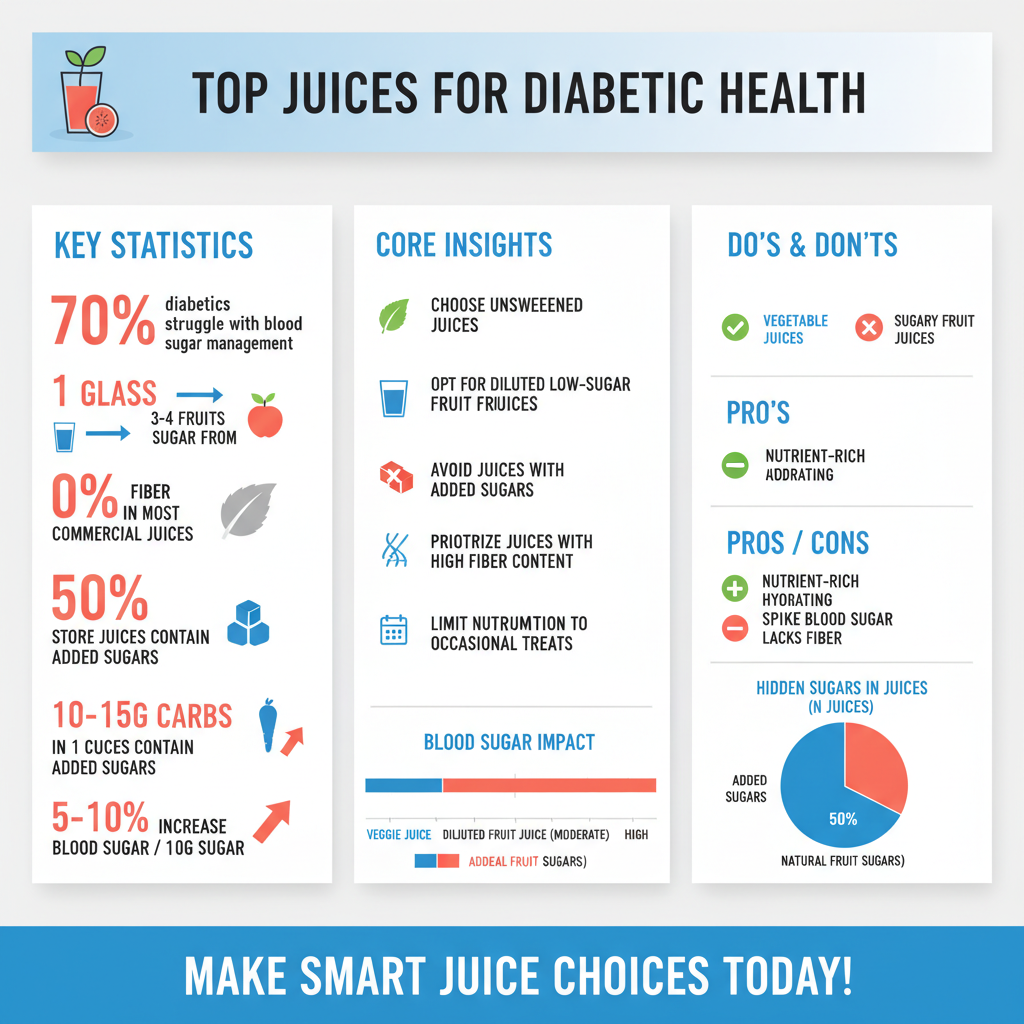
For individuals managing diabetes, choosing the right beverages, particularly juices, is crucial for maintaining stable blood sugar levels. While there isn’t a single “best” juice that’s universally recommended for all diabetics due to individual responses and dietary needs, the healthiest options generally involve unsweetened vegetable-based juices or highly diluted low-sugar fruit juices. This guide will help you understand what to look for and which choices can fit safely into a diabetic meal plan, focusing on managing carbohydrate intake and avoiding blood sugar spikes. Making informed decisions about your drinks can significantly contribute to better glucose control and overall well-being, transforming a potentially tricky beverage into a healthy occasional treat.
Why Juice Can Be Tricky for Diabetics
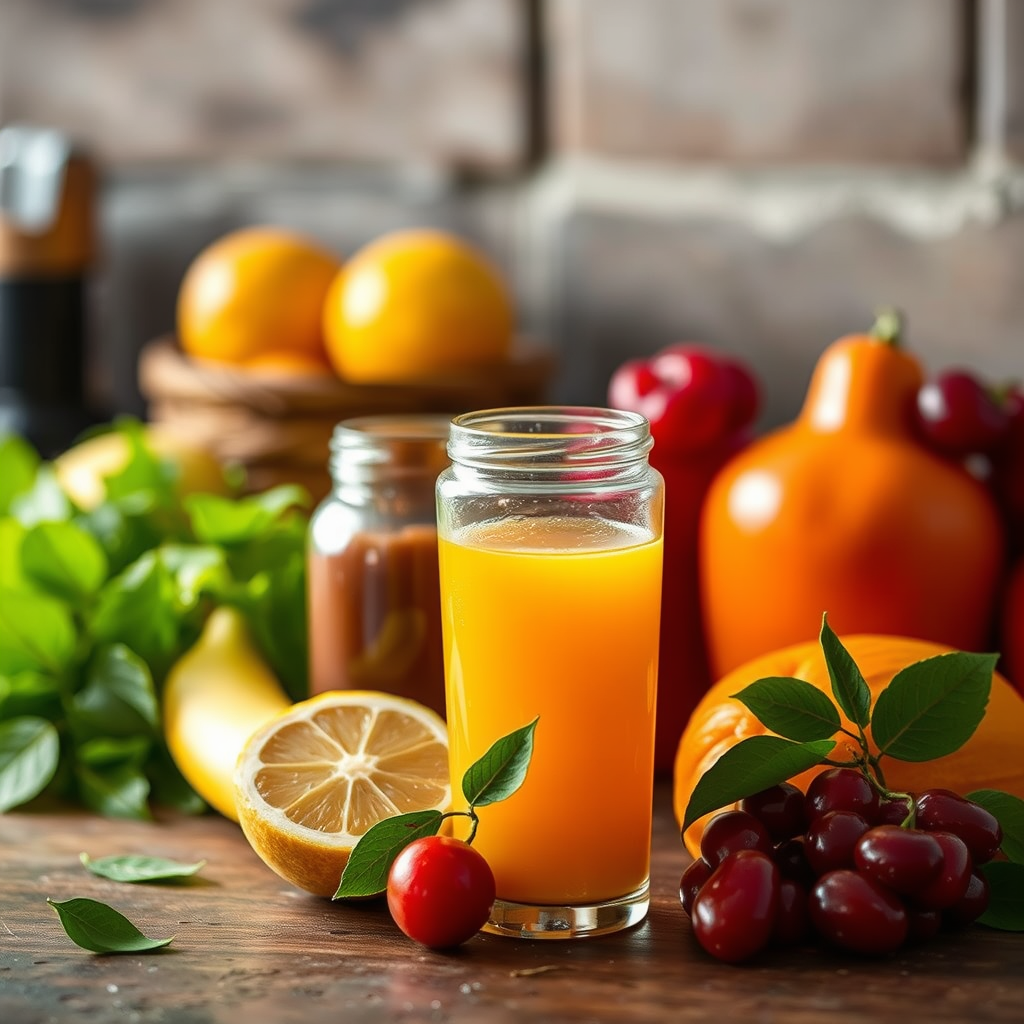
Juice often carries a health halo, but for someone managing diabetes, it can be a stealthy source of blood sugar spikes. Understanding why juice poses a challenge is the first step toward making smarter choices.
* Concentrated Sugars: Even 100% fruit juice, without any added sugar, is packed with natural sugars like fructose. When you eat a whole apple, your body processes the sugar along with its fiber. But in juice form, the fiber is largely removed, meaning the concentrated sugars are absorbed into your bloodstream much more rapidly. This can lead to a quick and significant rise in blood glucose levels, much like drinking a sugary soda. Think of it this way: it takes several oranges to make one glass of orange juice, meaning you’re consuming the sugar content of multiple fruits in one go, without the mitigating effects of fiber.
* Lack of Fiber: Fiber is a superstar nutrient for everyone, but especially for diabetics. It slows down the digestion and absorption of sugars, which helps prevent sharp blood sugar spikes. Fiber also contributes to feelings of fullness, helping you manage your appetite and weight. Most commercial juices, by their very nature, strip away this invaluable fiber, leaving behind mostly just the sugar water. This absence of fiber is a major reason why juice can be so problematic for blood sugar management.
* Hidden Carbs: Navigating the juice aisle can be deceptive. Many store-bought juices, even those marketed with terms like “natural” or “healthy,” can be loaded with added sugars (often disguised under names like corn syrup, fruit juice concentrate, dextrose, or maltose) and surprisingly high carbohydrate counts. These additions drastically increase the glycemic load of the drink, turning what might seem like an innocent refreshment into a sugary trap that can wreak havoc on your blood glucose control. Always remember to scrutinize nutrition labels, even for products that seem wholesome.
Top Diabetic-Friendly Juice Options
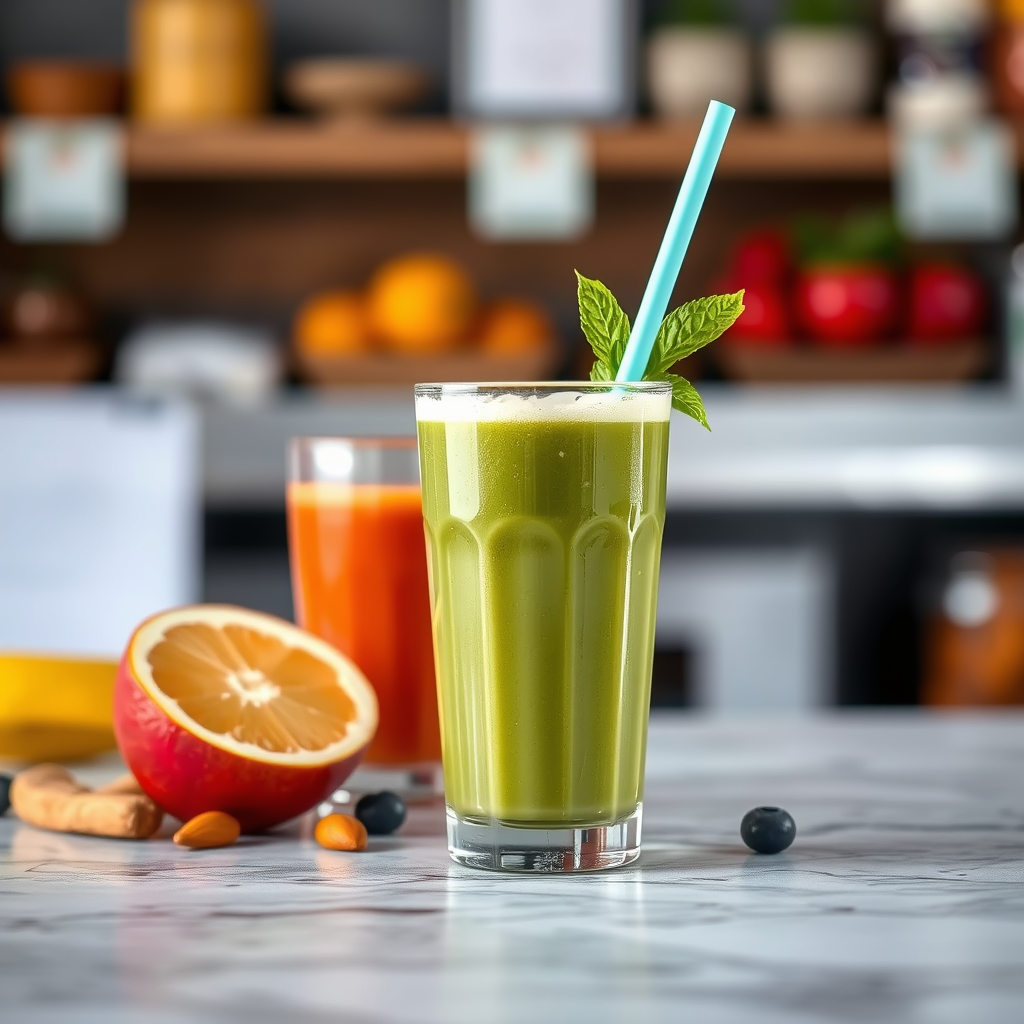
While many juices are off-limits, there are still delicious and nutritious options that can safely be incorporated into a diabetic meal plan. The key is focusing on low-sugar content and high nutrient density.
* Unsweetened Vegetable Juices: These are truly your best friends in the world of juices. Options like celery, cucumber, spinach, kale, or low-sodium tomato juice are fantastic because they are incredibly low in carbohydrates and rich in vitamins, minerals, and antioxidants. They provide hydration and a nutrient boost without sending your blood sugar soaring. You can create vibrant, refreshing blends with these alone or add a touch of fresh herbs like mint or cilantro for extra flavor. When buying pre-made vegetable juice, always choose unsweetened and check the sodium content, opting for low-sodium versions to support heart health.
* Diluted Lemon or Lime Juice: A simple squeeze of fresh lemon or lime into a glass of water transforms plain hydration into a zesty, refreshing beverage. These citrus juices contribute virtually no sugar or carbohydrates in the small amounts typically used, making them an excellent, safe choice for diabetics looking for flavor without the glycemic impact. They can also add a bright note to unsweetened iced tea or sparkling water.
* Small Portions of Berry Juices (Unsweetened & Diluted): Berries are generally lower in sugar compared to many other fruits and are packed with beneficial antioxidants. If you’re craving a fruitier taste, unsweetened cranberry or blueberry juice, heavily diluted with water or sparkling water, can be consumed in very small amounts (e.g., a 1/4 cup juice to 3/4 cup water). The emphasis here is on “unsweetened,” “diluted,” and “small portions” to minimize sugar intake and manage any potential blood sugar response. These should be considered an occasional treat rather than a daily staple.
Juices to Limit or Strictly Avoid
Understanding which juices to steer clear of is just as important as knowing the good options. These choices can significantly impair blood sugar control and offer little nutritional benefit.
* High-Sugar Fruit Juices: These are the most common culprits for blood sugar spikes. Juices like orange, apple, grape, pineapple, and mango are inherently high in natural sugars, even in their “100% juice” forms. A single glass can contain as much sugar as several servings of whole fruit, without the fiber to buffer its absorption. Regularly consuming these can make blood sugar management incredibly challenging and contribute to insulin resistance over time. It’s best to enjoy the whole fruit in moderation, which provides fiber and a more gradual sugar release, rather than drinking its concentrated juice.
* Juice Cocktails and Drinks: These beverages are perhaps the most dangerous category. They are often far removed from actual fruit juice, typically containing a small percentage of juice mixed with added sugars, high-fructose corn syrup, artificial colors, and flavors. They offer little to no nutritional value and are designed for taste appeal rather than health. Consuming juice cocktails is a direct route to blood sugar spikes and can contribute to weight gain, making them a definite “strictly avoid” item for anyone managing diabetes.
* Smoothies (Unless Ingredient-Controlled): This category requires a nuanced approach. While homemade smoothies can be a good way to pack in nutrients if made carefully, commercial versions or those heavy on high-sugar fruits (like bananas, mangoes, and pineapple, especially in large quantities) can still lead to significant blood sugar spikes. Even healthy-sounding ingredients like honey, agave nectar, or excessive dried fruit can turn a smoothie into a sugar bomb. If you do enjoy smoothies, focus on a base of leafy greens and unsweetened plant-based milk, with very small amounts of low-sugar fruits and healthy fats (like avocado or chia seeds).
Essential Tips for Juicing with Diabetes
Incorporating even diabetic-friendly juices requires a mindful approach. These tips will help you enjoy your beverages safely while keeping your blood sugar levels in check.
* Prioritize Portion Control: This cannot be stressed enough. Even the “best” choices can become problematic if consumed in large quantities. For diabetic-friendly juices, a typical portion should be limited to 4-6 ounces (about half a standard glass) at a time. This helps to manage the total carbohydrate intake from the juice and minimizes its impact on your blood sugar. Always remember that liquid carbohydrates tend to affect blood sugar more quickly than solid food carbohydrates.
* Always Read Nutrition Labels: Become a detective in the grocery store! Before purchasing any juice, meticulously check the nutrition facts panel. Look for:
* Total Carbohydrates: Aim for the lowest possible amount per serving.
* Added Sugars: This should ideally be 0 grams. Be wary of various names for sugar (e.g., cane sugar, corn syrup, dextrose, fructose, maltose, sucrose, honey, agave nectar).
* Fiber Content: While juice generally lacks fiber, if you’re comparing options, a higher fiber content is always better.
* Serving Size: Pay close attention to how much constitutes a single serving, as packages often list nutrition for smaller portions than people typically drink.
* Dilute Your Juice: This is a simple yet effective strategy to reduce the sugar concentration per serving. Mixing your chosen juice with an equal amount (or even more) of water or sparkling water effectively halves the sugar and carb content in each sip. It also increases your overall hydration and can make a small portion of juice feel more satisfying and last longer. This trick is especially useful for those transitioning away from high-sugar juices, as it allows you to gradually reduce sweetness while still enjoying some flavor.
Healthy Hydration Beyond Traditional Juice
While we’re discussing juices, it’s vital to remember that excellent hydration extends far beyond them. For diabetics, consistent and smart fluid intake is a cornerstone of health.
* Plain Water: There’s simply no substitute for water. It is the best and safest beverage for diabetics, essential for every metabolic function, helping to regulate body temperature, transport nutrients, and flush out waste products. Staying well-hydrated with plain water can also help manage blood sugar by preventing dehydration, which can sometimes lead to higher blood glucose concentrations. Make it your primary drink throughout the day.
* Infused Water: If plain water feels a bit boring, infused water is a fantastic, sugar-free alternative. You can add slices of cucumber, lemon, lime, orange (use sparingly for flavor, don’t squeeze), fresh mint leaves, ginger, or a few berries to your pitcher of water. This imparts a subtle, natural flavor without adding any significant sugar or calories. It’s a wonderful way to encourage increased fluid intake and can be very refreshing.
* Unsweetened Tea or Coffee: These popular beverages can be enjoyed in moderation by diabetics. Both black and green teas, as well as coffee, contain antioxidants that may offer health benefits. However, it’s crucial to consume them unsweetened and to be mindful of any creamers, milks, or artificial sweeteners that might add unwanted carbohydrates or other compounds. Some individuals might find that caffeine affects their blood sugar, so monitoring your personal response is always a good idea. Herbal teas, which are naturally caffeine-free, also offer a wide array of flavors without the sugar.
DIY Juicing: Controlling Ingredients for Better Blood Sugar
Taking control of your ingredients by making your own juice at home is arguably the best way to ensure it aligns with your diabetes management goals. You have complete power over what goes into your glass.
* Focus on a Vegetable Base: When making homemade juice, always start with a robust base of non-starchy vegetables. Think about ingredients like celery, spinach, kale, bell peppers, or cucumber. These vegetables are low in carbohydrates, high in water content, and packed with essential vitamins and minerals. They provide the bulk and nutrient density of your juice without contributing excess sugars, making them ideal for blood sugar management. Experiment with different combinations to find your favorite savory and refreshing blends.
* Add Low-Glycemic Fruits Sparingly: If you desire a touch of sweetness or a more complex flavor profile, incorporate small amounts of low-glycemic fruits. A handful of berries, a small slice of green apple, or a few drops of lemon or lime juice can add a pleasant taste without overloading your system with sugar. The key word here is “sparingly” – these fruits should be flavor accents, not the main components of your juice, to keep the carbohydrate count low.
* Consider Blending for Fiber: While traditional juicing extracts liquid and discards pulp (where much of the fiber resides), blending whole vegetables and fruits (to make a smoothie, not juice) can be an even more beneficial approach for diabetics. By blending, you retain all the beneficial fiber, which helps to slow down sugar absorption, promote satiety, and support digestive health. If you choose to blend, ensure your ingredient selection still prioritizes non-starchy vegetables and limits high-sugar fruits, using healthy fats like avocado or chia seeds to further enhance satiety and nutrient absorption.
Choosing the right juice involves careful consideration of sugar content, portion size, and overall dietary impact. While certain unsweetened vegetable juices can be a part of a diabetic diet, they are never a substitute for whole vegetables and fruits. Always prioritize plain water for hydration, read nutrition labels diligently, and remember that even “healthy” juices should be consumed in moderation. It’s always best to consult with your healthcare provider or a registered dietitian to tailor beverage choices to your individual needs and ensure they align perfectly with your blood sugar management goals. By making informed and conscious decisions about what you drink, you can better manage your diabetes and enjoy a healthier, more vibrant life.
Frequently Asked Questions
Which types of juice are generally considered safest for people with diabetes?
For people managing diabetes, unsweetened vegetable juices are typically the safest choice, as they provide essential nutrients with minimal impact on blood sugar levels. Options like celery, cucumber, spinach, and kale juice are excellent, offering vitamins and minerals without the high carbohydrate load of fruit juices. When choosing fruit, opt for those with a lower glycemic index, like berries or green apples, in very small, controlled portions.
Why should diabetics be cautious about drinking even 100% fruit juice?
Even 100% fruit juice, despite being natural, should be consumed with extreme caution by diabetics because it lacks the fiber found in whole fruits. This absence of fiber causes the concentrated natural sugars to be absorbed rapidly into the bloodstream, leading to quick and significant spikes in blood glucose. While whole fruit provides fiber to slow sugar absorption, juice essentially delivers a quick sugar shot, which is detrimental for blood sugar management.
How can diabetics make their own blood sugar-friendly juices at home?
To create blood sugar-friendly juices at home, prioritize vegetables as your base, such as leafy greens, celery, and cucumber, which are low in carbohydrates. You can add a small amount of low-glycemic fruits like a few berries or a slice of green apple for flavor, but always in moderation to keep sugar content down. Avoid any added sweeteners, and consider diluting your homemade juice with water to reduce concentration and manage calorie intake.
What specific low-glycemic fruits and vegetables are best to include in diabetic-friendly juice recipes?
Excellent low-glycemic vegetables for diabetic-friendly juices include spinach, kale, cucumber, celery, bell peppers, and carrots (in moderation due to slightly higher natural sugars). For fruits, focus on very small amounts of berries (strawberries, blueberries, raspberries) or a squeeze of lemon or lime, which add flavor and antioxidants without significantly raising blood sugar. These ingredients help create nutritious and delicious juices that support stable glucose levels.
What should diabetics look for on the label when buying store-bought juices?
When purchasing store-bought juices, diabetics should meticulously check labels for “no added sugar” and prioritize 100% vegetable juice, avoiding “fruit cocktail” or “juice drink” blends. Critically examine the carbohydrate count and serving size, ensuring total sugars and carbs fit within your dietary plan, and ideally look for options with some fiber. Always opt for unsweetened varieties and be wary of artificial sweeteners, preferring pure, natural ingredients.
References
- https://diabetes.org/healthy-living/recipes-nutrition/eating-well/drinks-you-can-enjoy
- Hypothyroidism: Should I take iodine supplements? – Mayo Clinic
- https://health.clevelandclinic.org/best-and-worst-drinks-for-people-with-diabetes/
- https://www.cdc.gov/diabetes/managing/eat-well/drinks.html
- Diabetic Diet | MedlinePlus
- https://www.ucsfhealth.org/education/nutrition-tips-for-diabetes
- https://en.wikipedia.org/wiki/Diabetic_diet
