
For diabetics, the best homemade cookies are those thoughtfully prepared with low-glycemic ingredients, natural sugar substitutes, and a focus on fiber and healthy fats. These aren’t just sweet treats; they are delightful options designed to satisfy cravings without causing significant blood sugar spikes, transforming indulgence into a worry-free experience. This guide will help you discover and create homemade cookies that are both delicious and safe for managing diabetes, allowing you to enjoy the simple pleasure of a warm, freshly baked cookie without compromising your health goals.
The Essentials of Diabetic-Friendly Baking

Baking for diabetes doesn’t mean sacrificing flavor or texture; it means making smart, informed choices that prioritize your well-being. When you understand the fundamental principles, you unlock a world of delicious possibilities for homemade cookies that are genuinely good for you.
* Prioritize Low-Glycemic Ingredients: The cornerstone of diabetic-friendly baking is understanding the glycemic index (GI). This system ranks carbohydrate-containing foods by how much they raise blood glucose levels. For cookies, this means choosing flours, sweeteners, and add-ins that have a minimal impact on blood sugar. Think of opting for ingredients that release glucose slowly, helping to maintain stable energy levels and prevent those unwanted spikes. This isn’t just about avoiding sugar; it’s about making every ingredient count towards better blood sugar management. By focusing on whole, unprocessed options, you’re building a foundation for truly healthy and delicious treats.
* Balance Macronutrients: A well-balanced cookie for diabetics isn’t just low in sugar; it’s also thoughtfully composed with a good balance of macronutrients: carbohydrates, fats, and proteins. Incorporating healthy fats (like those found in nuts, seeds, and certain oils) and proteins (from eggs, nut flours, or even protein powder) is crucial. Fats and proteins help slow down the absorption of carbohydrates, which means a steadier rise in blood sugar rather than a rapid spike. This also contributes significantly to satiety, helping you feel fuller and more satisfied with a smaller portion, which is key for weight management and overall health. It transforms a simple cookie into a more nourishing snack.
* Understand Your Ingredients: Knowledge is power, especially when it comes to managing diabetes through diet. It’s vital to be aware of how different components affect blood sugar and overall nutritional value. Reading labels carefully, understanding serving sizes, and knowing the carbohydrate, fiber, and sugar content of your chosen ingredients will empower you to make the best decisions. For instance, some “sugar-free” products might still contain carbohydrates that impact blood sugar, or artificial ingredients that aren’t ideal. Being a smart label-reader and ingredient-chooser ensures that every cookie you bake is truly aligned with your health objectives. This deeper understanding builds confidence and creativity in your kitchen adventures.
Smart Ingredient Swaps for Healthier Cookies
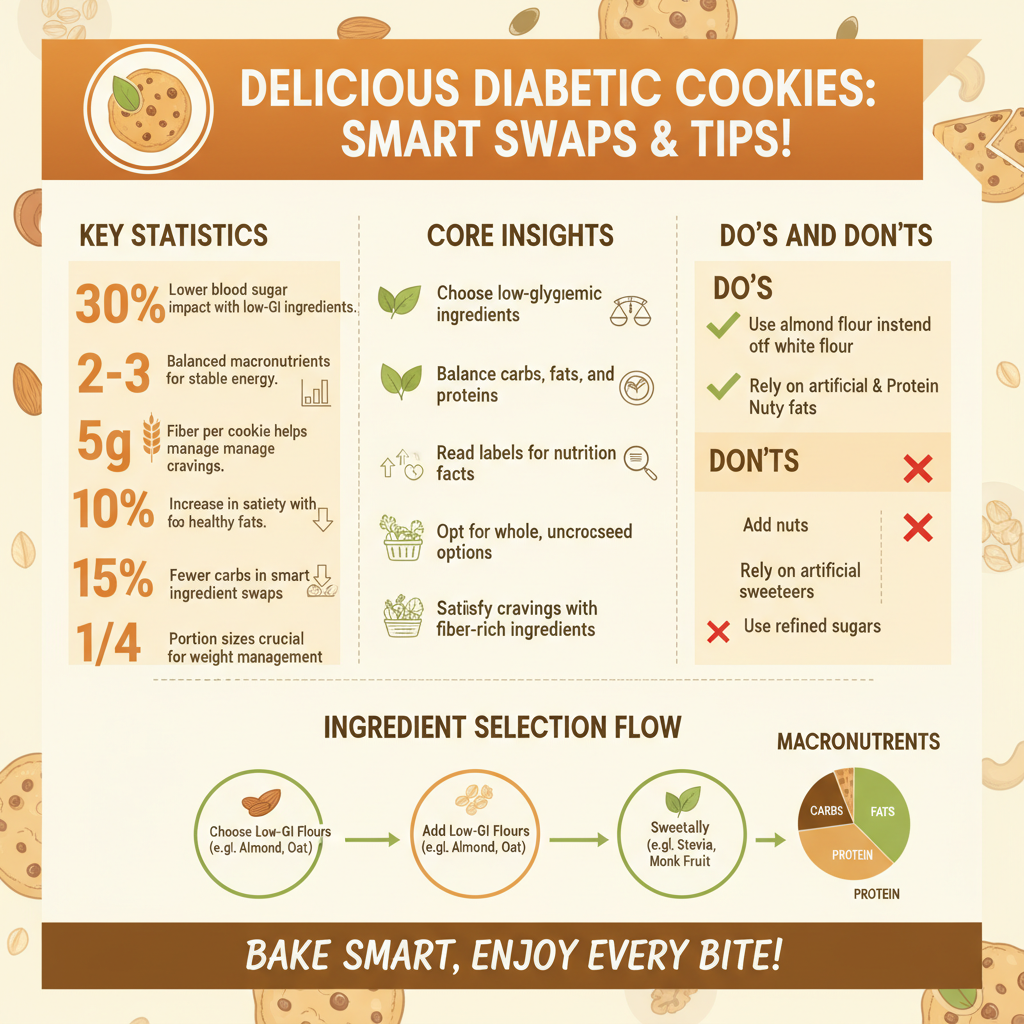
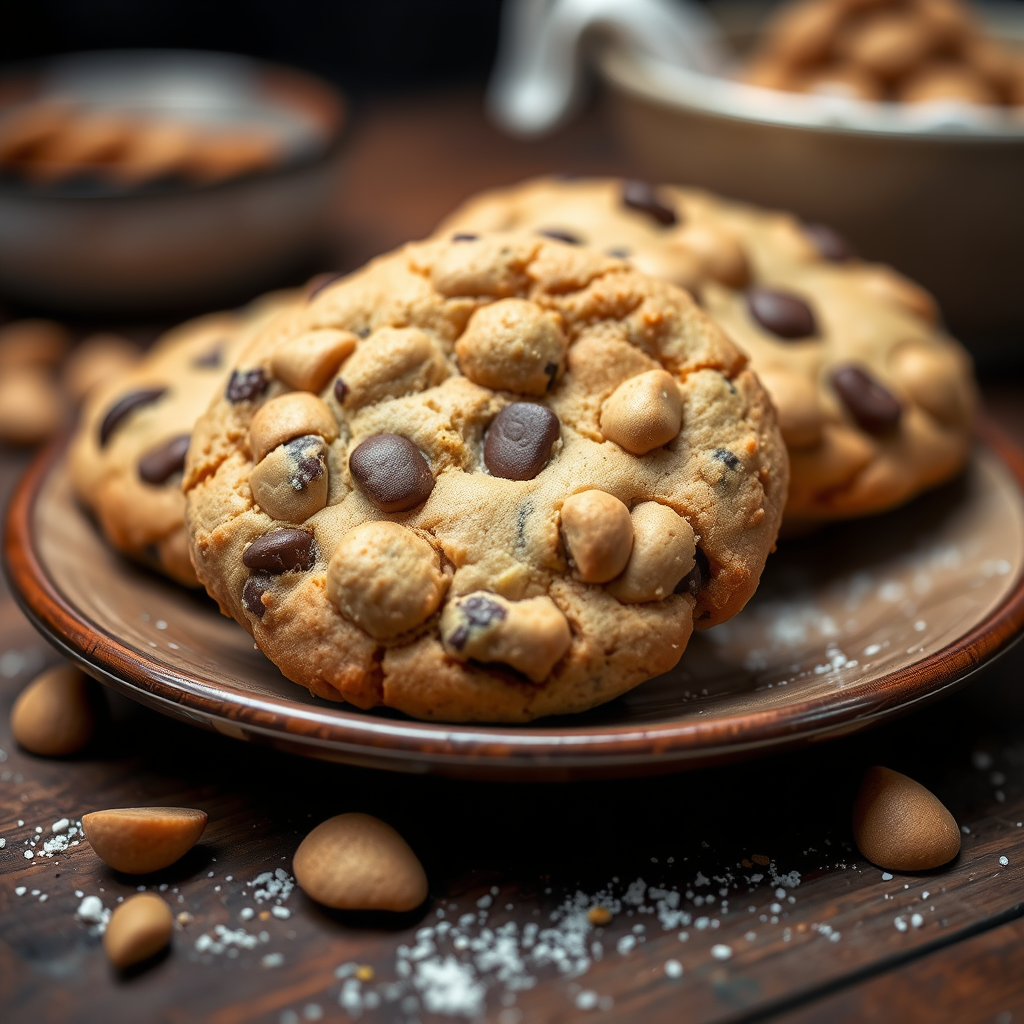
Transforming traditional cookie recipes into diabetic-friendly delights often comes down to making clever substitutions. These swaps are designed to reduce sugar and refined carbs while boosting fiber, healthy fats, and protein.
* Flour Alternatives: This is one of the most impactful changes you can make. Traditional white flour is high in refined carbohydrates and can cause quick blood sugar spikes. Instead, reach for flours that offer more fiber and fewer net carbs:
* Almond Flour: A fantastic low-carb, gluten-free option, almond flour is rich in healthy fats and protein, making your cookies tender and satisfying. It’s a game-changer for blood sugar control.
* Coconut Flour: Also low-carb and gluten-free, coconut flour is incredibly high in fiber, which can help slow sugar absorption. It absorbs a lot of liquid, so you’ll typically use less of it than other flours.
* Oat Flour: Made from ground oats, oat flour provides whole-grain goodness and a good dose of soluble fiber. While it contains more carbs than almond or coconut flour, its fiber content helps mitigate the glycemic impact. Just be sure to choose gluten-free certified if needed.
* Whole Wheat Flour: If you’re not going fully low-carb, whole wheat flour is a significant upgrade from white flour, offering more fiber and nutrients. It still impacts blood sugar, but less dramatically than its refined counterpart.
* Healthy Fats: Many traditional cookie recipes rely heavily on butter or shortening, which are high in saturated fats. While moderation is key with any fat, you can make healthier choices:
* Unsweetened Applesauce or Mashed Avocado: These can replace some or all of the butter or oil, adding moisture and nutrients while significantly reducing fat and calories. They work wonderfully in cakey cookies.
* Nut Butters: Natural peanut butter, almond butter, or cashew butter (without added sugar) provide healthy fats, protein, and fiber, adding a wonderful richness and texture to your cookies. They’re excellent for binding and flavor.
* Healthy Oils: In moderation, oils like coconut oil (which has a lovely flavor) or light olive oil can be good alternatives. They provide beneficial fats without the saturated fat content of butter. Just be mindful of the quantity.
* Binders and Boosters: These ingredients not only help hold your cookies together but also sneak in extra nutrition.
* Flax or Chia Eggs: A fantastic vegan and fiber-rich alternative to chicken eggs. Simply mix 1 tablespoon of ground flaxseed or chia seeds with 3 tablespoons of water and let it sit for 5 minutes until it thickens. They add omega-3s and fiber.
* Psyllium Husk: A powerful source of soluble fiber, psyllium husk can act as a binder and improve the texture of gluten-free cookies, adding chewiness and structure while promoting digestive health.
* Mashed Banana: While it adds natural sweetness and some carbohydrates, mashed banana can replace some fat or eggs and boost moisture and flavor. Use it sparingly, especially if you’re tightly managing carb intake.
Sweetening Solutions Without the Sugar Spike
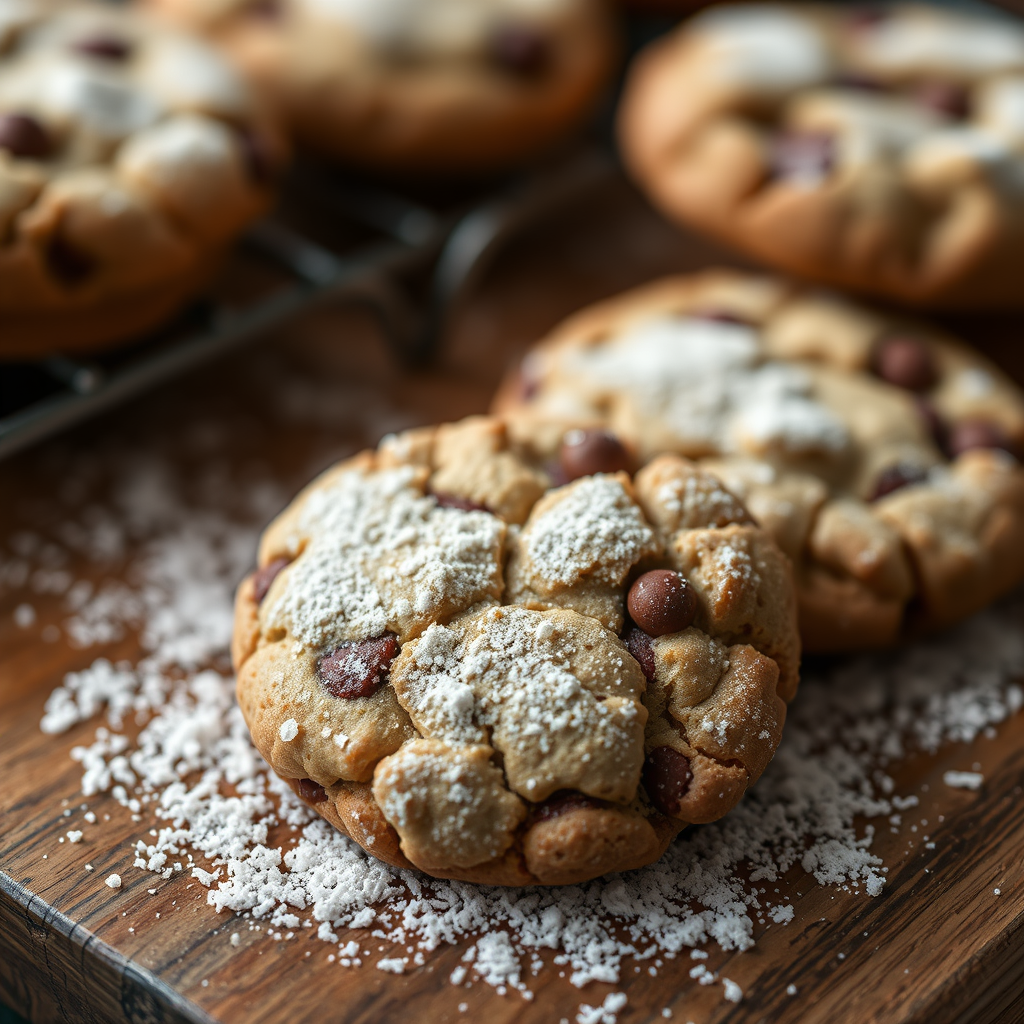
The challenge with diabetic-friendly cookies often lies in finding suitable sweeteners that don’t wreak havoc on blood sugar levels. Luckily, there’s a growing array of fantastic options available today!
* Natural Sugar Substitutes: These are your best friends in the diabetic-friendly kitchen. They provide the sweet taste you crave without the calories or the glycemic response of traditional sugar.
* Stevia: Derived from the stevia plant, this natural sweetener is calorie-free and significantly sweeter than sugar, so you only need a tiny amount. It’s available in liquid, powder, or granulated forms. Be sure to choose pure stevia without added fillers like dextrose, which can affect blood sugar.
* Erythritol: A sugar alcohol that is naturally occurring in some fruits. It has about 70% of the sweetness of sugar but with virtually no calories and doesn’t raise blood sugar. It bakes well and can be used cup-for-cup with sugar in many recipes, though it can have a slight cooling sensation.
* Monk Fruit: Another natural, calorie-free sweetener derived from monk fruit. It’s intensely sweet and, like stevia, often needs to be used in very small quantities or blended with other sweeteners like erythritol to provide bulk for baking. It has a clean taste with no aftertaste for most people.
* Xylitol: Also a sugar alcohol, xylitol is as sweet as sugar but has about 40% fewer calories and a low glycemic index. However, it’s crucial to note that xylitol is highly toxic to dogs, so extreme caution is needed in homes with pets. For human consumption, it’s generally well-tolerated in moderation but can cause digestive upset in large quantities.
* Minimize Natural Sugars: While options like pureed fruit (dates, bananas, unsweetened applesauce) can add a lovely natural sweetness and moisture, it’s important to use them sparingly and always account for their carbohydrate content. These natural sugars still contain fructose and glucose, which will impact blood sugar. For instance, a small amount of date paste might be acceptable, but don’t assume it’s “free” just because it’s natural. The goal is to reduce the *overall* sugar load, whether it’s refined or natural.
* Taste and Adjust: Your palate is unique, and over time, your taste buds can adapt to less intense sweetness. When experimenting with new recipes or sugar substitutes, start with less sweetener than you think you might need. Taste the dough (if safe) or a small baked portion and adjust. You might find you enjoy a less sweet cookie, allowing the natural flavors of other ingredients to shine through. This mindful approach helps reduce your reliance on intensely sweet flavors over time.
Top Homemade Cookie Recipes for Diabetics
Now that we’ve covered the foundational ingredients, let’s explore some fantastic recipe types that consistently deliver delicious results while being diabetic-friendly. These are popular choices for a reason!
* Almond Flour Chocolate Chip Cookies: This is arguably one of the most beloved options in diabetic baking, and for good reason! Almond flour provides a wonderful nutty flavor and a tender, slightly chewy texture that mimics traditional cookies incredibly well. Being low in carbs and high in healthy monounsaturated fats and protein, these cookies help stabilize blood sugar. Use sugar-free chocolate chips (sweetened with erythritol or stevia) to keep the sugar content minimal. You can also add a pinch of sea salt to enhance the chocolate flavor. They are naturally gluten-free and incredibly satisfying, making them a perfect guilt-free treat.
* Sugar-Free Peanut Butter Cookies: Simple, classic, and incredibly easy to make, sugar-free peanut butter cookies are a dream for anyone managing their blood sugar. The main ingredients are typically natural peanut butter (check the label for no added sugar!), an egg (or flax egg), and a sugar substitute like erythritol. The high protein and healthy fat content of peanut butter makes these cookies very satisfying and helps to slow down carbohydrate absorption. You can press them with a fork for that classic crisscross pattern. For an extra touch, you might swirl in a tiny bit of sugar-free jam or add a few sugar-free chocolate chips. These are a fantastic quick-fix when a craving hits!
* Oatmeal Raisin Cookies (Diabetic-Friendly Version): While traditional oatmeal raisin cookies can be sugar bombs, a diabetic-friendly version is absolutely possible and truly delicious. The key is to utilize whole, rolled oats (not instant) for their significant fiber content, which is excellent for digestive health and blood sugar control. Replace white or brown sugar with a suitable sugar substitute. When it comes to raisins, use them sparingly. Raisins are dried fruit and naturally high in concentrated sugars. Instead of a handful, maybe just a few per cookie, or consider swapping some of the raisins for sugar-free dried cranberries or chopped nuts like walnuts or pecans, which add healthy fats and fiber without the sugar load. A dash of cinnamon and nutmeg will enhance the flavor beautifully.
Boosting Nutrition: Fiber and Protein Power-Ups
Beyond simply reducing sugar and refined carbs, you can actively enhance the nutritional profile of your diabetic-friendly cookies by strategically adding fiber and protein. These power-ups not only make your cookies healthier but also more satisfying and beneficial for blood sugar management.
* Fiber-Rich Additions: Fiber is a superstar for diabetics because it helps slow down the absorption of sugar, prevents rapid blood sugar spikes, and promotes digestive health.
* Nuts: Almonds, walnuts, pecans, and hazelnuts are not only delicious but also packed with fiber, healthy fats, and protein. Chop them finely or coarsely and mix them into your cookie dough for added crunch and nutrition.
* Seeds: Chia seeds, flax seeds (ground is best for nutrient absorption), and pumpkin seeds are incredible sources of fiber, omega-3 fatty acids, and essential minerals. A tablespoon or two can be easily incorporated into most cookie doughs, often acting as a binder too.
* Unsweetened Shredded Coconut: Adds a wonderful texture and tropical flavor, along with a good amount of dietary fiber and healthy fats. Just ensure it’s unsweetened to avoid hidden sugars.
* Psyllium Husk: As mentioned earlier, a small amount of psyllium husk powder can significantly boost the fiber content and improve the texture of gluten-free recipes.
* Protein Boosters: Adding protein to your cookies helps increase satiety, which means you’ll feel fuller for longer and be less likely to overindulge. Protein also aids in muscle repair and growth, and contributes to a more stable blood sugar response.
* Unflavored or Vanilla Protein Powder: A scoop of your favorite whey, casein, or plant-based protein powder can be incorporated into many cookie recipes. Start with a small amount and adjust liquid content if needed, as protein powders can absorb moisture. Vanilla-flavored powder works great with most cookie profiles. This is an excellent way to turn a simple treat into a more functional snack.
* Nut Butters: As discussed, natural nut butters are fantastic sources of protein and healthy fats.
* Spices for Health: Don’t underestimate the power of spices! They add incredible depth of flavor without extra calories or sugar, and some even come with notable health benefits.
* Cinnamon: Beyond its warm, comforting taste, cinnamon has been studied for its potential to improve insulin sensitivity and lower blood glucose levels. It’s a must-have in many diabetic-friendly cookie recipes.
* Nutmeg and Ginger: These spices offer wonderful aromatic qualities that enhance the overall experience of your cookies. Ginger, in particular, has anti-inflammatory properties and can add a delightful zing.
* Cardamom: Offers a unique, exotic flavor and is a fantastic addition to spice-based cookies, bringing a sophisticated touch.
Mindful Indulgence: Portion Control and Enjoyment
Even the healthiest, most thoughtfully prepared diabetic-friendly cookies require a mindful approach to truly benefit your health. It’s not just about what’s in the cookie, but also how you enjoy it.
* Strict Portion Control: This is paramount, even for cookies made with low-glycemic ingredients. While these cookies are designed to have less impact on blood sugar, they still contain carbohydrates and calories. Adhering to recommended serving sizes (which you’ll often find in recipes or can calculate based on your personal dietary needs) is crucial for managing your overall carbohydrate intake and weight. Think of them as a treat to be savored, not an all-you-can-eat snack. Baking smaller cookies or pre-portioning servings can be incredibly helpful.
* Pair with Protein: A clever strategy to further stabilize blood sugar and enhance satiety is to enjoy your cookie alongside a source of protein. This could be a small handful of nuts (like almonds or walnuts), a dollop of unsweetened Greek yogurt, a small glass of unsweetened almond milk, or even a small piece of cheese. The protein will help slow down the digestion and absorption of the cookie’s carbohydrates, leading to a gentler rise in blood sugar and keeping you feeling full for longer.
* Savor the Experience: In our fast-paced world, it’s easy to mindlessly eat. However, mindful indulgence is a powerful tool for satisfaction and portion control. When you do enjoy a diabetic-friendly cookie, take the time to truly savor it. Eat slowly, without distractions like your phone or TV. Pay attention to the aroma, the texture, the flavors, and how it feels in your mouth. This practice not only enhances your enjoyment but also signals to your brain that you’re eating, promoting satisfaction with smaller portions. It turns a simple act of eating into a delightful, sensory experience, fostering a healthier relationship with food.
Crafting delicious homemade cookies that are safe for diabetics is entirely achievable with the right knowledge and ingredients. By focusing on whole grains, natural sweeteners, fiber-rich additions, and mindful portions, you can enjoy these beloved treats without compromising your health goals. Don’t let diabetes stop you from savoring sweet moments; start experimenting with these healthier options today and find your new favorite guilt-free indulgence. Remember, baking is a journey of discovery, and with these tips, you’re well on your way to enjoying healthier, happier homemade cookies that perfectly fit into your diabetic-friendly lifestyle.
Frequently Asked Questions
What key ingredients make a homemade cookie suitable for diabetics?
To create diabetic-friendly homemade cookies, focus on ingredients that minimize blood sugar spikes. This includes using natural, low-glycemic sweeteners like stevia, erythritol, or monk fruit instead of refined sugar, and opting for whole-grain flours such as almond flour, oat flour, or whole wheat flour to increase fiber content. Additionally, incorporating healthy fats from nuts, seeds, or avocado and adding protein can further help regulate glucose levels, making your homemade cookies a safer treat.
How can I modify a traditional cookie recipe to be healthier for diabetics?
Modifying traditional cookie recipes for diabetics involves strategic substitutions. Replace refined white sugar with a measured amount of a diabetic-friendly sweetener, and swap all-purpose flour for whole wheat or nut flours like almond or coconut flour to boost fiber and reduce carbohydrate impact. You can also reduce butter or oil by incorporating applesauce or mashed banana, and enrich the cookies with ingredients like oats, nuts, or seeds for added nutrients and satiety, creating delicious homemade cookies for diabetics.
Why are store-bought “sugar-free” cookies often not the best choice for diabetics compared to homemade options?
Store-bought “sugar-free” cookies can often contain hidden ingredients or sugar alcohols that might still impact blood sugar or cause digestive upset, despite their label. Many commercially available options are also high in processed fats, refined flours, and artificial additives. Homemade cookies for diabetics, conversely, allow for complete control over ingredient quality, sugar substitutes, fiber content, and portion sizes, ensuring a genuinely healthier and more suitable treat for blood sugar management.
What are some of the best types of homemade cookies diabetics can enjoy without spiking blood sugar?
Excellent choices for diabetic-friendly homemade cookies include oatmeal cookies made with sugar substitutes and whole oats for fiber, or almond flour cookies which are naturally low in carbs and high in protein and healthy fats. Peanut butter cookies, using natural peanut butter and a low-glycemic sweetener, are also a fantastic option, as are spice cookies (like ginger or cinnamon) that utilize a mix of whole-grain flours and natural sweeteners. These types generally offer better nutritional profiles and lower glycemic impact than traditional versions.
Are there any tips for diabetics to enjoy homemade cookies safely and in moderation?
Even with diabetic-friendly homemade cookies, moderation and mindful consumption are key. Always practice portion control, eating just one or two cookies at a time, and consider pairing your cookie with a source of protein or healthy fat, like nuts or cheese, to further slow sugar absorption. Regularly monitoring your blood sugar levels after eating new recipes can also help you understand how different ingredients affect you personally, ensuring safe enjoyment of your delicious treats.
References
- https://diabetes.org/food-nutrition/diabetes-friendly-recipes/cookies
- https://www.mayoclinic.org/healthy-lifestyle/recipes/dessert-recipes/rc1-20076935
- https://health.clevelandclinic.org/diabetes-friendly-desserts-that-dont-taste-diabetes-friendly/
- https://www.uky.edu/chs/sites/chs.uky.edu/files/documents/diabetic_recipes_cookbook.pdf
- Not Found | American Heart Association | American Heart Association
- Page Not Found | Utah State University
