
For individuals managing type 2 diabetes, the best food choices prioritize a balanced intake of whole, unprocessed foods that help stabilize blood sugar levels. This means focusing on nutrient-dense vegetables, lean proteins, healthy fats, and complex carbohydrates in controlled portions. This guide will break down the ideal foods and eating strategies to support your health and well-being.
Foundational Principles for Eating with Type 2 Diabetes

Successfully managing type 2 diabetes through diet isn’t about deprivation; it’s about making smart, informed choices that empower your body. Adopting a few core principles can transform your approach to food and make healthy eating feel natural and sustainable.
* Focus on Whole Foods: This is perhaps the most crucial principle. Whole foods are those that are minimally processed, retaining their natural fiber, vitamins, and minerals. Think about an apple versus apple juice, or brown rice versus white rice. Whole foods provide sustained energy, help you feel fuller for longer, and, crucially, have a much gentler impact on your blood sugar levels compared to their refined counterparts. Highly processed foods often contain added sugars, unhealthy fats, and excessive sodium, all of which can exacerbate insulin resistance and contribute to complications of type 2 diabetes. Embrace fresh vegetables, fruits, whole grains, legumes, lean meats, and fish as the cornerstones of your diet.
* Balance Macronutrients: Every meal you eat should ideally be a balanced combination of carbohydrates, proteins, and fats. This isn’t just about getting enough of each; it’s about how they work together. When you pair fiber-rich carbohydrates with lean protein and healthy fats, the digestion of the carbohydrates slows down significantly. This slow and steady release of glucose into your bloodstream prevents rapid spikes in blood sugar, promoting greater stability. For example, instead of just a piece of fruit, try it with a handful of almonds or a dollop of Greek yogurt. This balance helps you manage blood sugar, provides lasting energy, and keeps hunger at bay.
* Prioritize Blood Sugar Stability: The overarching goal of your dietary choices is to minimize drastic fluctuations in blood glucose throughout the day. Consistently high blood sugar levels can damage nerves, blood vessels, and organs over time, leading to serious complications like heart disease, kidney disease, and nerve damage. By making food choices that lead to a gradual and steady rise in blood sugar, you’re actively protecting your long-term health. This means opting for foods with a lower glycemic index, pairing carbohydrates wisely, and paying attention to portion sizes.
Smart Carbohydrate Choices
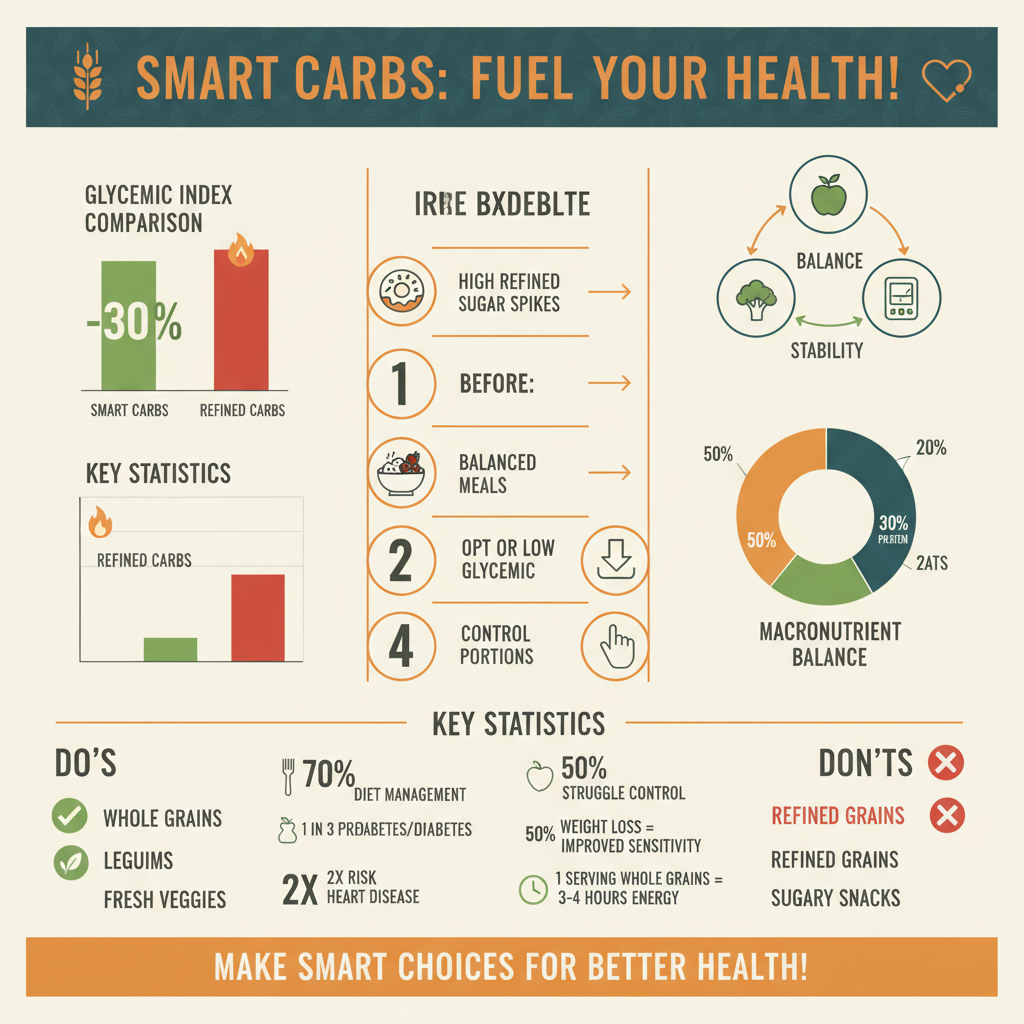

Carbohydrates often get a bad rap when it comes to diabetes, but they are an essential energy source. The key is distinguishing between “smart” and “not-so-smart” carbohydrates.
* Complex Carbohydrates: These are your best friends in the carbohydrate world. Found in whole grains, legumes, and certain starchy vegetables, complex carbohydrates are rich in fiber. This fiber is indigestible, meaning it doesn’t raise blood sugar, but it does slow down the absorption of the digestible carbs. This results in a more gradual and controlled rise in blood glucose, providing sustained energy without the crash. Excellent choices include oats, quinoa, brown rice, bulgur, farro, whole-wheat pasta (in moderation), lentils, black beans, chickpeas, and sweet potatoes. When choosing whole grains, look for “100% whole grain” on the label.
* Limit Refined Carbs and Sugars: These are the carbohydrates to be wary of. Refined carbohydrates have been stripped of their fiber and nutrients during processing, making them quickly digested and absorbed. This leads to rapid and significant spikes in blood sugar. Foods like white bread, white rice, sugary cereals, pastries, cakes, cookies, candies, and sodas are prime examples. Added sugars are also hidden in many processed foods, from salad dressings to yogurts, so reading labels is crucial. These foods not only destabilize blood sugar but also often contribute to weight gain and lack essential nutrients.
* Portion Control is Key: Even healthy carbohydrates need to be consumed in appropriate portions. While whole grains and legumes are beneficial, overeating them can still lead to elevated blood sugar. Learning to manage portion sizes for carbohydrates is a critical skill. A good starting point for a meal is often about one-quarter of your plate for complex carbohydrates, roughly equivalent to the size of your cupped hand or half a cup cooked. Consulting with a dietitian can help you determine your individual carbohydrate needs based on your activity level and specific health goals.
Lean Proteins and Healthy Fats

Beyond carbohydrates, lean proteins and healthy fats play pivotal roles in managing type 2 diabetes by promoting satiety, supporting blood sugar control, and contributing to overall health.
* Lean Protein Sources: Protein is fantastic because it helps you feel full and satisfied, reducing the likelihood of overeating. It also has minimal direct impact on blood sugar levels and can help slow down the absorption of carbohydrates when eaten together. Prioritize lean protein sources like skinless chicken and turkey, fish (salmon, tuna, cod, tilapia – aim for fatty fish like salmon and mackerel a couple of times a week for omega-3s), eggs, tofu, tempeh, edamame, and legumes (which also provide complex carbs and fiber). Low-fat dairy products like Greek yogurt and cottage cheese are also great options. Include a source of lean protein with every meal and snack to help stabilize blood sugar and maintain muscle mass.
* Beneficial Fats: Not all fats are created equal. Monounsaturated fats (MUFAs) and polyunsaturated fats (PUFAs) are considered “heart-healthy” fats. They are crucial for cell function, vitamin absorption, and hormone production, and they can improve cholesterol levels and reduce inflammation. Sources include avocados, nuts (almonds, walnuts, pecans), seeds (chia, flax, sunflower), olive oil, and fatty fish mentioned above. Incorporating these fats into your diet can enhance satiety and further slow the absorption of carbohydrates, contributing to better blood sugar control. Just remember that all fats are calorie-dense, so moderation is still important.
* Avoid Trans and Saturated Fats: On the flip side, some fats are detrimental to your health, especially when managing type 2 diabetes. Trans fats, often found in fried foods, processed baked goods, and some margarines, are particularly harmful to heart health and can increase bad cholesterol while lowering good cholesterol. Unhealthy saturated fats, commonly found in fatty red meats, poultry skin, full-fat dairy products, butter, and many processed snacks, can also raise bad cholesterol and contribute to insulin resistance. Limiting these fats is essential for protecting your cardiovascular system, which is already at higher risk with type 2 diabetes.
Powerhouse Produce: Non-Starchy Vegetables and Low-Glycemic Fruits
Filling your plate with vibrant fruits and vegetables is one of the easiest and most effective ways to boost your health and manage type 2 diabetes.
* Abundance of Non-Starchy Vegetables: These are your go-to foods! Non-starchy vegetables are incredibly low in calories and carbohydrates but packed with fiber, vitamins, minerals, and antioxidants. They add volume to your meals, helping you feel full without impacting your blood sugar significantly. Make it a habit to fill half your plate with these nutritional powerhouses at every meal. Excellent examples include leafy greens (spinach, kale, lettuce), broccoli, cauliflower, bell peppers, zucchini, green beans, asparagus, mushrooms, onions, and tomatoes. Enjoy them raw, steamed, roasted, or stir-fried with a little olive oil.
* Mindful Fruit Consumption: While fruits contain natural sugars, they also come with a wealth of fiber, vitamins, and antioxidants. The fiber helps to slow down sugar absorption, making them a much better choice than fruit juice. The key is moderation and choosing low-glycemic fruits. Berries (strawberries, blueberries, raspberries), apples, pears, peaches, plums, and citrus fruits (oranges, grapefruits) are generally good choices. It’s best to eat whole fruits rather than dried fruits or juices, as whole fruits retain their full fiber content. Stick to a serving or two a day, spread throughout your meals or as a snack.
* Eat the Rainbow: Don’t just stick to a few favorites! Aim for a diverse array of colorful vegetables and fruits. Different colors often indicate different beneficial plant compounds (phytochemicals and antioxidants). For example, red vegetables like bell peppers and tomatoes are rich in lycopene, while dark leafy greens offer lutein. By eating a variety, you ensure you’re getting a broad spectrum of nutrients that protect your cells, reduce inflammation, and support overall health. This approach makes healthy eating fun and visually appealing too!
Beverages and Smart Snacking
What you drink and how you snack can have a significant impact on your blood sugar and overall health. Making smart choices here is just as important as your main meals.
* Hydration with Water: Water is the best beverage choice, hands down. It’s calorie-free, carbohydrate-free, and essential for countless bodily functions, including nutrient transport and waste removal. Staying well-hydrated is particularly important for people with diabetes, as it helps your kidneys flush out excess glucose. Make water your primary drink throughout the day. If plain water feels a bit boring, try infusing it with slices of lemon, lime, cucumber, or a few berries for a natural, refreshing flavor without added sugar. Unsweetened tea and black coffee (in moderation) are also good, low-calorie options.
* Avoid Sugary Drinks: This is a critical area for blood sugar control. Sodas, fruit juices (even 100% juice, which is concentrated natural sugar without the beneficial fiber of whole fruit), sweetened teas, sports drinks, and energy drinks are loaded with rapidly absorbed sugars. These can cause dramatic and unhealthy spikes in blood glucose, making them one of the fastest ways to derail your diabetes management efforts. Even “diet” sodas and artificially sweetened beverages should be consumed with caution, as some research suggests they might still influence appetite or gut bacteria in ways that aren’t beneficial.
* Healthy Snack Options: If you find yourself needing a snack between meals, choose wisely to keep hunger at bay and blood sugar stable. The best snacks combine protein and fiber to provide sustained energy and satiety. Instead of reaching for processed chips or cookies, opt for nutrient-dense choices like a small handful of unsalted nuts (almonds, walnuts), a hard-boiled egg, Greek yogurt (plain, unsweetened) with a few berries, vegetable sticks (celery, carrots, bell peppers) with hummus or guacamole, a piece of string cheese, or an apple with a tablespoon of peanut butter. These snacks prevent extreme hunger, which can lead to overeating at your next meal.
Practical Meal Planning and Portion Control
Translating dietary principles into daily eating habits requires practical strategies. Meal planning and portion control are your secret weapons for consistent diabetes management.
* Regular Meal Times: Establishing consistent meal times is incredibly helpful for regulating blood sugar. When you eat at roughly the same times each day, your body’s metabolic processes can become more predictable, allowing for better blood sugar control. Skipping meals or going too long between eating can lead to significant drops in blood sugar, which might then cause you to overeat at the next meal, leading to a spike. Aim for three balanced meals a day, with healthy snacks in between if needed, to maintain steady glucose levels.
* The Plate Method: This is a simple, visual tool that makes portion control and balanced eating incredibly easy without needing to meticulously count calories or carbs. Simply imagine your plate divided:
* Half of your plate: Fill it with non-starchy vegetables (like leafy greens, broccoli, bell peppers, zucchini).
* One-quarter of your plate: Fill it with lean protein (chicken, fish, tofu, beans).
* One-quarter of your plate: Fill it with complex carbohydrates (brown rice, quinoa, whole-wheat pasta, sweet potato).
Add a small serving of healthy fats, such as a drizzle of olive oil or a few slices of avocado. This method ensures you’re getting a good balance of macronutrients and plenty of fiber-rich vegetables at every meal.
* Read Food Labels: Becoming a savvy label reader is a powerful skill. When choosing packaged foods, always check the “Nutrition Facts” panel. Pay close attention to:
* Serving Size: All the information on the label refers to this specific serving size. It’s easy to accidentally consume multiple servings.
* Total Carbohydrates: This number is crucial. Look for foods with higher fiber content. Some people focus on “net carbs” (total carbs minus fiber), but consulting a dietitian is best for personalized advice.
* Added Sugars: This specific line item tells you how much sugar has been *added* to the product, beyond naturally occurring sugars. Aim for as little added sugar as possible.
* Fiber: Aim for foods with high fiber content, as it slows sugar absorption and improves digestive health.
Being aware of these details helps you make informed choices that align with your diabetes management plan and avoid hidden pitfalls.
Adopting a well-planned, balanced diet is a cornerstone of managing type 2 diabetes effectively. By prioritizing whole foods, making smart carbohydrate choices, and incorporating lean proteins and healthy fats, you can significantly improve blood sugar control and overall health. Remember, consistency is key, and small, sustainable changes add up over time. It’s always beneficial to consult with a healthcare professional or a registered dietitian to create a personalized meal plan tailored to your specific needs, preferences, and health goals, ensuring you get the right balance of nutrients to thrive.
Frequently Asked Questions
What are the best foods to prioritize for managing type 2 diabetes and improving blood sugar control?
For optimal management of type 2 diabetes, prioritize whole, unprocessed foods like non-starchy vegetables (leafy greens, broccoli, peppers), lean proteins (fish, chicken breast, tofu), and healthy fats (avocado, nuts, olive oil). These foods are rich in fiber and nutrients, which help stabilize blood sugar levels, promote satiety, and support overall health. Including a variety of these nutrient-dense options forms the cornerstone of a beneficial diet for type 2 diabetes.
How can individuals with type 2 diabetes effectively plan meals to maintain stable blood sugar levels throughout the day?
Effective meal planning for type 2 diabetes involves balancing macronutrients, controlling portion sizes, and eating at regular intervals. Focus on combining lean protein, healthy fats, and complex carbohydrates (like whole grains or legumes) at each meal to slow glucose absorption and prevent blood sugar spikes. Consulting a registered dietitian can provide personalized guidance for creating a sustainable and effective meal plan tailored to your specific needs and preferences.
Which types of carbohydrates are considered beneficial for people with type 2 diabetes, and which should be limited?
Beneficial carbohydrates for people with type 2 diabetes are complex carbohydrates rich in fiber, such as whole grains (oats, quinoa, brown rice), legumes (lentils, beans), and most fruits and non-starchy vegetables. These “good” carbs have a lower glycemic index, leading to a slower, more controlled rise in blood sugar. Conversely, refined carbohydrates found in sugary drinks, white bread, pastries, and highly processed foods should be significantly limited due to their rapid impact on blood sugar levels and lack of nutritional value.
Why is incorporating lean protein sources essential in a diet for type 2 diabetes management?
Lean protein sources are essential for managing type 2 diabetes because they help regulate blood sugar levels, increase satiety, and preserve muscle mass. Protein has a minimal impact on blood glucose compared to carbohydrates and can slow down the absorption of sugars when consumed together, preventing rapid spikes. Furthermore, including protein in your diet helps you feel fuller for longer, reducing overall calorie intake and supporting weight management, which is crucial for diabetes control.
What are some practical and healthy snack ideas for someone with type 2 diabetes to prevent blood sugar spikes between meals?
To prevent blood sugar spikes between meals, focus on snacks that combine protein and fiber, as they help with satiety and glucose stability. Excellent practical options include a handful of unsalted almonds or walnuts, a hard-boiled egg, Greek yogurt with a few berries, or vegetable sticks (like carrots or celery) with hummus. These choices provide sustained energy without drastically impacting blood sugar, making them ideal for managing type 2 diabetes effectively.
References
- https://diabetes.org/healthy-recipes/meal-planning/type-2-diabetes-diet-plan
- https://www.cdc.gov/diabetes/managing/eat-well.html
- Healthy Living with Diabetes – NIDDK
- Diabetes diet: Create your healthy-eating plan – Mayo Clinic
- https://health.clevelandclinic.org/what-to-eat-if-you-have-diabetes/
- https://www.hsph.harvard.edu/nutritionsource/disease-prevention/type-2-diabetes/
- https://en.wikipedia.org/wiki/Diabetes_diet
