

When it comes to the best food for diabetic cats, the immediate answer is typically a high-protein, low-carbohydrate wet food, often a prescription veterinary diet. This type of diet is crucial for helping manage blood glucose levels, promoting satiety, and maintaining a healthy weight in diabetic felines. Understanding the specific nutritional needs and available options is key to supporting your cat’s health and longevity. It’s truly amazing how much difference the right nutrition can make in helping our beloved feline friends thrive even with a diagnosis like diabetes!
Understanding the Diabetic Cat’s Dietary Needs
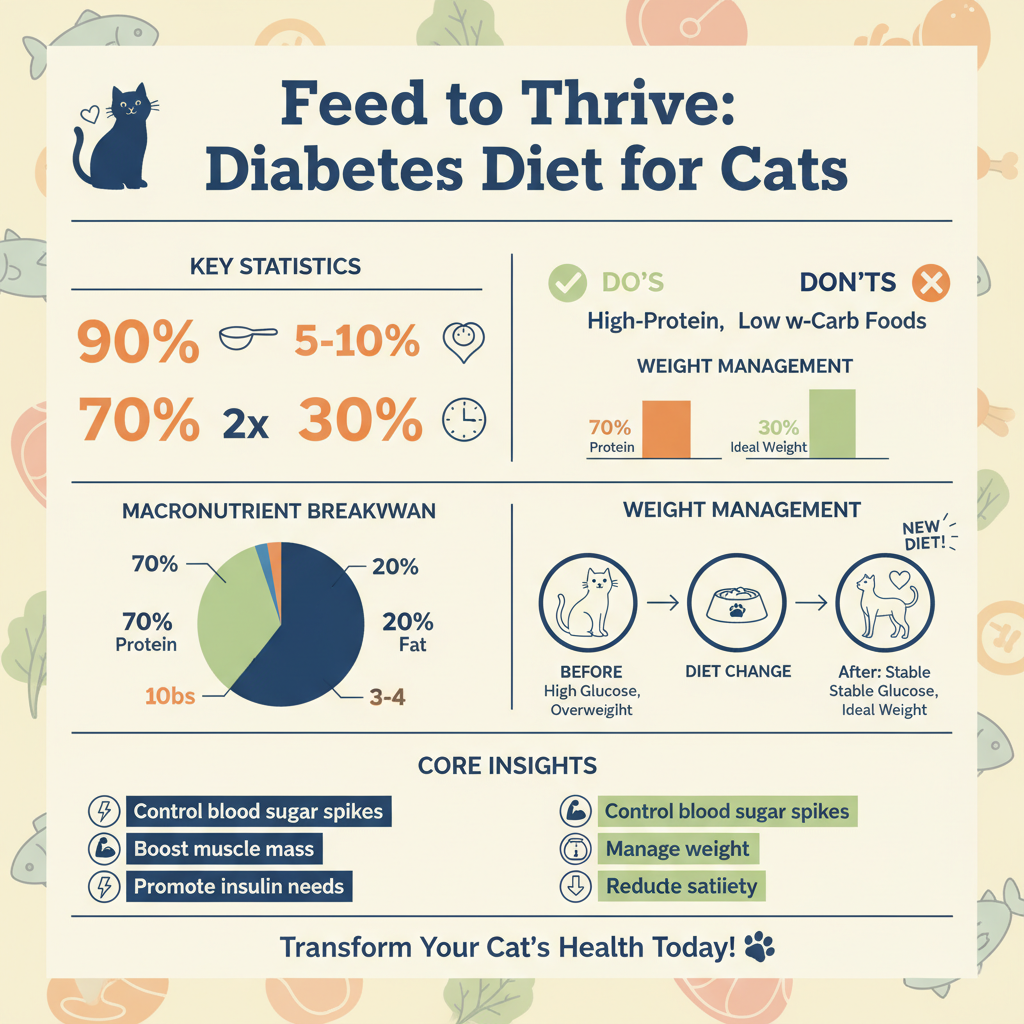

Managing diabetes in cats starts with understanding their unique metabolism and how food impacts their blood sugar. Cats are obligate carnivores, meaning their bodies are designed to process and thrive on a diet primarily composed of animal protein and fat, with very little need for carbohydrates.
* Blood Glucose Control: The primary goal of a diabetic diet is to minimize those pesky post-meal blood sugar spikes. When a cat eats food high in carbohydrates, their body quickly converts these carbs into glucose, leading to a rapid increase in blood sugar. For a diabetic cat whose body either doesn’t produce enough insulin or can’t properly use the insulin it produces, this spike can be dangerous and difficult to manage. By significantly reducing carbohydrate intake, we help their system maintain more stable blood glucose levels, reducing the workload on their pancreas and potentially lowering their insulin requirements. Think of it as giving their body a much-needed break from sugar overload!
* High Protein for Muscle Mass: Because cats are true carnivores, their bodies are incredibly efficient at using protein for energy, tissue repair, and maintaining strong, lean muscle mass. This is particularly important for diabetic cats. Lean muscle tissue is more metabolically active and can improve insulin sensitivity, meaning their bodies can utilize insulin more effectively to get glucose into cells. A diet rich in high-quality animal protein helps prevent muscle wasting, which can sometimes occur in uncontrolled diabetes, and keeps them strong and active. Plus, protein helps them feel fuller for longer, which can be a huge help in weight management.
* Weight Management: Many cats diagnosed with Type 2 diabetes are overweight or obese. Excess body fat can contribute to insulin resistance, making it harder for their cells to respond to insulin and control blood sugar. A suitable diet is instrumental in helping these cats achieve and maintain an ideal body condition. By providing nutrient-dense, low-carb food, you’re giving them the building blocks they need without the empty calories that lead to weight gain. A healthy weight can significantly improve their diabetes management, sometimes even leading to diabetic remission in some cases, which is the ultimate goal!
Key Nutritional Guidelines for Diabetic Cats

When you’re peering at pet food labels, it can feel like deciphering a secret code! But for diabetic cats, there are a few key nutritional targets you’ll want to aim for. These guidelines focus on mirroring a cat’s natural, carnivorous diet as closely as possible.
* High Protein Content: For diabetic cats, you should aim for diets with over 40-50% protein on a dry matter basis (DMB). What does “dry matter basis” mean? It’s the percentage of nutrients left after all the moisture is removed. Since wet foods have a lot of water, their “as fed” percentages will look lower, so calculating DMB is essential for accurate comparison. A high protein content ensures your cat gets the necessary amino acids for muscle maintenance, energy, and overall health without relying on carbohydrates. Look for named meat ingredients like “chicken,” “turkey,” or “beef” as the first ingredients, indicating a quality protein source.
* Very Low Carbohydrate Content: This is arguably the most critical guideline for managing feline diabetes. Carbohydrates should ideally be below 10% on a dry matter basis to prevent those troublesome insulin spikes. Many veterinarians even recommend aiming for less than 5% DMB for optimal control. Processed carbohydrates like corn, wheat, rice, potatoes, peas, and added sugars are metabolized quickly into glucose, forcing the pancreas to work overtime. By dramatically reducing these, you’re creating a much more stable glucose environment for your cat, which can lead to better regulation and potentially lower insulin requirements.
* Moderate Fat Levels: While fat is more energy-dense than protein or carbs, a moderate amount is important. Healthy fats provide a concentrated source of energy, support essential bodily functions, and contribute to satiety, helping your cat feel full and satisfied after meals. Aim for fats that come from animal sources, and some diets will include beneficial omega-3 fatty acids, which have anti-inflammatory properties. The key is balance: enough fat for energy and health, but not so much that it leads to excessive calorie intake or contributes to conditions like pancreatitis, which can sometimes complicate diabetes management. Your vet can help you determine the ideal fat percentage for your individual cat’s needs.
Wet Food vs. Dry Food: The Clear Choice
When managing a diabetic cat, the debate between wet and dry food isn’t really a debate at all – wet food is almost always the superior choice. This isn’t just about personal preference; it’s backed by science and feline physiology.
* Increased Moisture Intake: Cats evolved as desert dwellers with a low thirst drive, getting most of their hydration from their prey. Dry kibble has a very low moisture content (typically 5-10%), meaning cats eating only dry food often live in a state of chronic mild dehydration. Wet food, on the other hand, contains around 70-85% moisture. This significantly increased water intake is vital for several reasons: it supports healthy kidney function (a common concern in older cats, especially those with diabetes), helps maintain a healthy urinary tract, and prevents the dehydration that can sometimes accompany the increased urination seen in diabetic cats. Good hydration is foundational to their overall health.
* Lower Carbohydrate Formulation: Producing dry kibble requires starches to bind the ingredients together into those crunchy pieces. This inherent need for carbohydrates makes it incredibly challenging, if not impossible, to create truly low-carb dry foods. Even “grain-free” dry foods often use high-starch alternatives like peas, potatoes, or lentils, which can still cause blood sugar spikes. Wet foods, however, don’t require these binders. Manufacturers can formulate wet diets with very high protein content and extremely low carbohydrate percentages, making them the natural choice for diabetic management. It’s simply much easier to meet the strict low-carb requirements with canned food.
* Supports Weight Loss: The higher water content in wet food means it’s less calorically dense than dry kibble. In simpler terms, your cat can eat a larger volume of wet food for the same number of calories compared to dry food. This helps them feel fuller and more satisfied after meals, which is a huge advantage for diabetic cats who often need to lose weight or maintain a healthy body condition. The feeling of satiety helps prevent begging and overeating, making portion control much easier for you and more comfortable for your cat. This leads to more effective weight management and, consequently, better blood glucose control.
Prescription Diabetic Diets: Vet-Recommended Solutions
For many diabetic cats, prescription veterinary diets are the gold standard. These foods are not just “special” – they are scientifically formulated and rigorously tested to provide the most effective nutritional support for diabetes management.
* Specifically Formulated: Prescription diabetic diets are true powerhouses in nutritional science. Brands like Purina Pro Plan Veterinary Diets DM Dietetic Management, Hill’s Prescription Diet m/d Feline, and Royal Canin Veterinary Diet GlycoBalance are prime examples. These diets are meticulously crafted with precise nutrient ratios: very high protein, ultra-low carbohydrates, and appropriate fat levels. They are designed to address the specific metabolic challenges of feline diabetes, focusing on stabilizing blood glucose, maintaining lean muscle mass, and supporting a healthy weight. They often also include beneficial supplements and antioxidants to support overall health.
* Clinical Efficacy: What sets these diets apart is that they aren’t just theoretically good; they are clinically proven. Extensive research and clinical trials have demonstrated their effectiveness in assisting with glucose regulation in diabetic cats. Many veterinarians have seen firsthand how these specialized diets can significantly improve blood glucose control, reduce insulin requirements, and in some fortunate cases, even help achieve diabetic remission. They provide a reliable, consistent nutritional approach that takes much of the guesswork out of managing your cat’s condition.
* Veterinary Guidance Required: It’s absolutely crucial to remember that prescription diets are not over-the-counter options. They require a veterinary prescription for a reason. Your veterinarian needs to assess your cat’s specific medical history, current health status, severity of diabetes, and any co-existing conditions (like kidney disease or pancreatitis) before recommending and prescribing the most appropriate diet. They will guide you on portion sizes, feeding schedules, and how to transition your cat onto the new food safely. Always consult your veterinarian before starting or making any changes to a prescription diet, as improper use can negatively impact your cat’s health and insulin regulation.
Selecting Appropriate Over-the-Counter Options
While prescription diets are often the first choice, they aren’t always feasible or necessary for every cat. If a prescription diet isn’t an option, or if your vet suggests exploring alternatives, there are some excellent over-the-counter (OTC) wet food choices that can still be very helpful. However, this path requires a keen eye and careful decision-making.
* Careful Label Reading: This is where your detective skills come in handy! When choosing OTC wet food, you need to become an expert at reading pet food labels. Look for commercially available wet foods that explicitly state “high protein” and “low carbohydrate.” The first few ingredients should always be named meat sources (e.g., “chicken,” “turkey,” “beef,” “salmon”). To get a sense of the carb content, you can often use a rough estimate: for wet foods, if the “as fed” crude protein is over 10-12% and the crude fiber is low, it’s a good sign. You can also look for brands that publicly list their “as fed” carbohydrate percentages or provide detailed nutritional analysis on their websites. A rule of thumb for OTC wet foods is to aim for <10% carbohydrate on an "as fed" basis, or ideally <5%. Many pate-style wet foods tend to be lower in carbohydrates than shredded or gravy-based varieties.
* Avoidance of Fillers: This is paramount. Steer clear of any foods listing grains (corn, wheat, rice, barley), potatoes, sweet potatoes, peas, lentils, carrots, fruit, or added sugars (like dextrose, corn syrup, or molasses) as primary ingredients. These are all carbohydrate sources that will elevate your cat’s blood sugar. Even “grain-free” foods can be high in carbs if they replace grains with other starchy vegetables or legumes. The ideal ingredient list for a diabetic cat’s OTC food should be short and focused on meat, meat by-products (which can be nutritious!), and perhaps a few vitamins and minerals. Think simple, meat-first formulas.
* Crucial Vet Consultation: Even when selecting an OTC option, veterinary approval is non-negotiable. It is absolutely vital that any non-prescription diet choice is reviewed and approved by your veterinarian. They can help you analyze nutritional profiles, confirm that the protein, fat, and carbohydrate percentages meet your cat’s specific needs, and ensure that the chosen food won’t negatively interact with any medications or existing health conditions. Your vet can also guide you on portion sizes for these foods and help monitor your cat’s blood glucose levels to ensure the diet is effective. Don’t go it alone – your vet is your best partner in managing your cat’s diabetes!
Feeding Strategies and Monitoring
Beyond just choosing the right food, how you feed your diabetic cat and how you monitor their response are equally important for successful diabetes management. Consistency and careful observation are your best friends here.
* Consistent Feeding Schedule: Establishing a consistent feeding schedule is absolutely critical, especially if your cat is on insulin. Meals should be fed at regular times each day, typically in conjunction with insulin injections (if applicable). This helps to stabilize blood glucose levels throughout the day and prevents dangerous drops (hypoglycemia) or spikes (hyperglycemia). For many cats, two to three meals per day are ideal. Your veterinarian will provide specific guidance tailored to your cat’s insulin regimen. Sticking to a routine provides a predictable rhythm for your cat’s metabolism and makes managing their condition much smoother.
* Portion Control: Even with the best diabetic food, overfeeding can counteract all your hard work. Adhere strictly to your veterinarian’s recommended feeding portions. A kitchen scale is an invaluable tool for accurately measuring wet food, as measuring cups can be imprecise. Your vet will calculate the appropriate caloric intake based on your cat’s ideal body weight and activity level, not their current weight if they are overweight. Precise portion control helps manage their weight, prevents excessive caloric intake, and ensures that the diet is supporting stable blood glucose levels without contributing to further weight gain or poor control.
* Regular Glucose Monitoring: Working closely with your vet to establish a monitoring plan is essential for tracking the diet’s effectiveness and ensuring your cat’s well-being. This might include regular blood glucose curves performed at the veterinary clinic, or increasingly, home blood glucose testing (using a pet-specific glucometer) which many owners learn to do with guidance. Fructosamine tests, which give an average blood glucose level over 2-3 weeks, are also common. Monitoring helps your vet understand how your cat is responding to the diet and insulin, allowing for timely adjustments to both the food type and insulin dosage. Active participation in monitoring empowers you to be an informed partner in your cat’s care, giving you peace of mind and helping your furry friend live their best life.
Choosing the right food is one of the most critical steps in managing your cat’s diabetes, directly impacting their quality of life and treatment success. Prioritize high-protein, low-carbohydrate wet food, ideally a prescription diet, always in close consultation with your veterinarian. Remember that patience, consistency, and a strong partnership with your vet are key. Regularly monitor your cat’s response and adjust their feeding plan as advised to ensure optimal health and well-being, helping your sweet feline companion enjoy many happy, healthy years ahead.
Frequently Asked Questions
What is the best type of diet for a diabetic cat?
The optimal diet for a diabetic cat is typically high in protein and very low in carbohydrates, closely mimicking their natural carnivorous diet. This nutritional profile helps stabilize blood sugar levels by minimizing the glucose spikes that starches and complex carbohydrates can cause. Prioritizing foods specifically formulated for diabetic felines, often found in prescription diets or high-quality commercial options, is essential for managing their condition effectively.
Why is a low-carbohydrate diet crucial for cats with diabetes?
A low-carbohydrate diet is crucial for diabetic cats because their bodies struggle to process sugars and starches efficiently, leading to high blood glucose. Carbohydrates are rapidly converted into glucose, causing significant spikes in blood sugar that make insulin regulation challenging. By drastically reducing carbs, this specialized diet helps stabilize blood glucose, reduces the need for insulin, and can even contribute to diabetic remission in some cases.
How do I choose the best commercial food for my diabetic cat?
When selecting commercial food for your diabetic cat, carefully read nutritional labels to ensure it’s high in animal protein and very low in carbohydrates, ideally below 10% of metabolizable energy. Look for recognized brands that offer veterinary-prescribed diabetic formulas or high-quality, grain-free wet foods with meat as the primary ingredient. Consulting your veterinarian is vital to determine the most suitable food option tailored to your cat’s specific needs and health status.
Should I feed my diabetic cat wet food or dry kibble?
Generally, wet food is strongly recommended over dry kibble for diabetic cats due to its significantly lower carbohydrate content and higher moisture. Dry kibble often contains more plant-based ingredients and starches, contributing to higher carbohydrate levels that can negatively impact blood sugar control. The increased moisture in wet food also promotes better hydration and can help with kidney health, which is beneficial for overall feline well-being.
What ingredients should I avoid when selecting food for my diabetic feline?
When choosing food for your diabetic feline, strictly avoid ingredients high in carbohydrates such as corn, wheat, rice, potatoes, peas, and other grains or starchy vegetables. Also, steer clear of foods containing added sugars (like corn syrup, sucrose), fruits, or excessive fillers that offer little nutritional value and can spike blood glucose. Focus instead on foods where meat-based protein sources like chicken, turkey, or fish are listed as the primary ingredients.
References
- https://www.vet.cornell.edu/departments-centers-and-institutes/cornell-feline-health-center/health-information/feline-health-topics/managing-feline-diabetes-mellitus
- https://vetmed.tufts.edu/wp-content/uploads/DM-in-Cats-Client-Handout.pdf
- https://www.avma.org/resources-tools/pet-owners/petcare/feline-diabetes
- https://www.acvim.org/disease-info/feline-diabetes-mellitus
- https://vet.osu.edu/vmc/companion/our-services/internal-medicine/feline-diabetes-management
- Diabetes in cats
