
Navigating the best diet for Type 2 Diabetes involves focusing on a sustainable eating pattern rich in whole, unprocessed foods, controlled carbohydrate intake, and healthy fats, rather than adhering to a single, rigid plan. The most effective approach emphasizes principles found in diets like the Mediterranean diet, low-carbohydrate diets, or well-planned plant-based diets, all tailored to individual needs and medical guidance. This article will break down these approaches and provide practical advice to help manage blood sugar and improve overall health.
Understanding the Core Principles for Diabetes Management

When it comes to managing Type 2 Diabetes through diet, thinking about foundational principles rather than restrictive rules can be incredibly empowering. These core tenets lay the groundwork for any successful eating plan, helping you make informed choices that keep your blood sugar steady and your body healthy.
– Focus on Whole, Unprocessed Foods: This is perhaps the most crucial principle. Whole foods are those that are close to their natural state, like fresh fruits, vegetables, lean meats, fish, eggs, nuts, seeds, and whole grains. They are packed with fiber, vitamins, and minerals, which are essential for overall health and particularly beneficial for diabetes management. Fiber, for instance, slows down sugar absorption, preventing rapid blood sugar spikes. Minimizing processed items, added sugars, refined carbohydrates (like white bread and pastries), and unhealthy fats reduces inflammation, improves insulin sensitivity, and helps with weight management—all vital for Type 2 Diabetes. Think about nourishing your body with what nature provides!
– Glycemic Index and Load Awareness: Carbohydrates are the primary nutrient that impacts your blood sugar levels, and understanding the Glycemic Index (GI) and Glycemic Load (GL) can be a game-changer. The GI ranks carbohydrate-containing foods based on how quickly they raise blood sugar. Foods with a lower GI (like most non-starchy vegetables, legumes, and some fruits) cause a slower, more gradual rise in blood sugar, while high-GI foods (like white bread, sugary cereals, and potatoes) can cause rapid spikes. Glycemic Load takes into account both the GI and the actual amount of carbohydrates in a serving. Opting for foods with a lower glycemic load can help prevent those undesirable blood sugar surges, leading to more stable energy levels throughout the day. It’s not about avoiding all carbs, but choosing the right ones!
– Portion Control and Meal Timing: Even healthy foods can impact blood sugar if eaten in excessive amounts. Portion control is key to managing your total calorie and carbohydrate intake, which directly influences blood sugar levels and weight management. Learning to recognize appropriate serving sizes can prevent overeating and make it easier to stay within your dietary goals. Furthermore, consistent meal timing can play a significant role. Eating regular meals and snacks, rather than skipping meals or eating erratically, helps maintain stable blood sugar levels, preventing both highs and lows. Your body appreciates a predictable routine, and this consistency can help your insulin (whether natural or injected) work more efficiently.
The Mediterranean Diet Approach
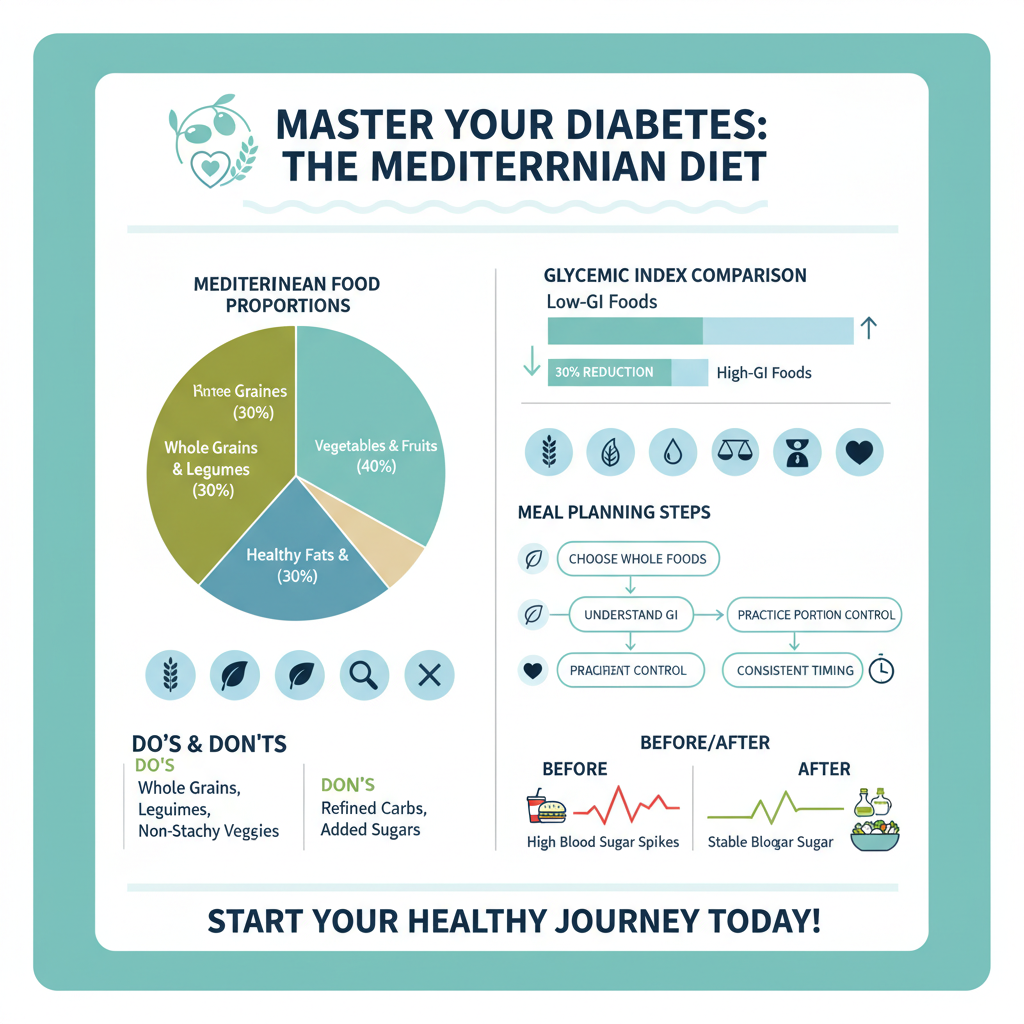

The Mediterranean diet isn’t just a diet; it’s a lifestyle rooted in the traditional eating patterns of countries bordering the Mediterranean Sea. It’s celebrated for its holistic health benefits, making it an excellent framework for managing Type 2 Diabetes.
– Emphasis on Plant-Based Foods and Healthy Fats: The cornerstone of the Mediterranean diet is its abundant inclusion of vegetables, fruits, nuts, seeds, legumes, and whole grains. These foods are rich in fiber, antioxidants, and various micronutrients that support overall health and help regulate blood sugar. A key player in this diet is extra virgin olive oil, which is not only used for cooking but also as a dressing. It’s a primary source of monounsaturated fats, known for their heart-healthy benefits, including improving cholesterol levels and reducing inflammation. By prioritizing these nutrient-dense plant foods and healthy fats, you’re not just managing diabetes; you’re also boosting your cardiovascular health, which is incredibly important for individuals with Type 2 Diabetes.
– Moderate Lean Protein and Dairy: While plant foods take center stage, the Mediterranean diet also includes moderate amounts of lean protein and dairy. Fish, especially fatty fish like salmon and mackerel, are consumed regularly—often several times a week—providing beneficial omega-3 fatty acids. Poultry is also a common protein source, while red meat is enjoyed sparingly, perhaps a few times a month. Fermented dairy products like Greek yogurt and some cheeses are included in moderation, offering probiotics that support gut health. This balanced approach ensures adequate protein intake for satiety and muscle maintenance without over-relying on sources high in saturated fat.
– Benefits Beyond Blood Sugar: The allure of the Mediterranean diet extends far beyond blood sugar management. It’s renowned for its powerful impact on reducing cardiovascular risk, a common complication for individuals with diabetes. Its anti-inflammatory properties, thanks to a wealth of antioxidants from fruits, vegetables, and olive oil, can help combat chronic inflammation. Research consistently shows that adherence to this diet is associated with improved cognitive function, reduced risk of certain cancers, and increased overall longevity. It’s a truly delicious and sustainable way to eat that supports your body from head to toe, making it a highly recommended and enjoyable lifestyle.
Low-Carbohydrate Eating Plans
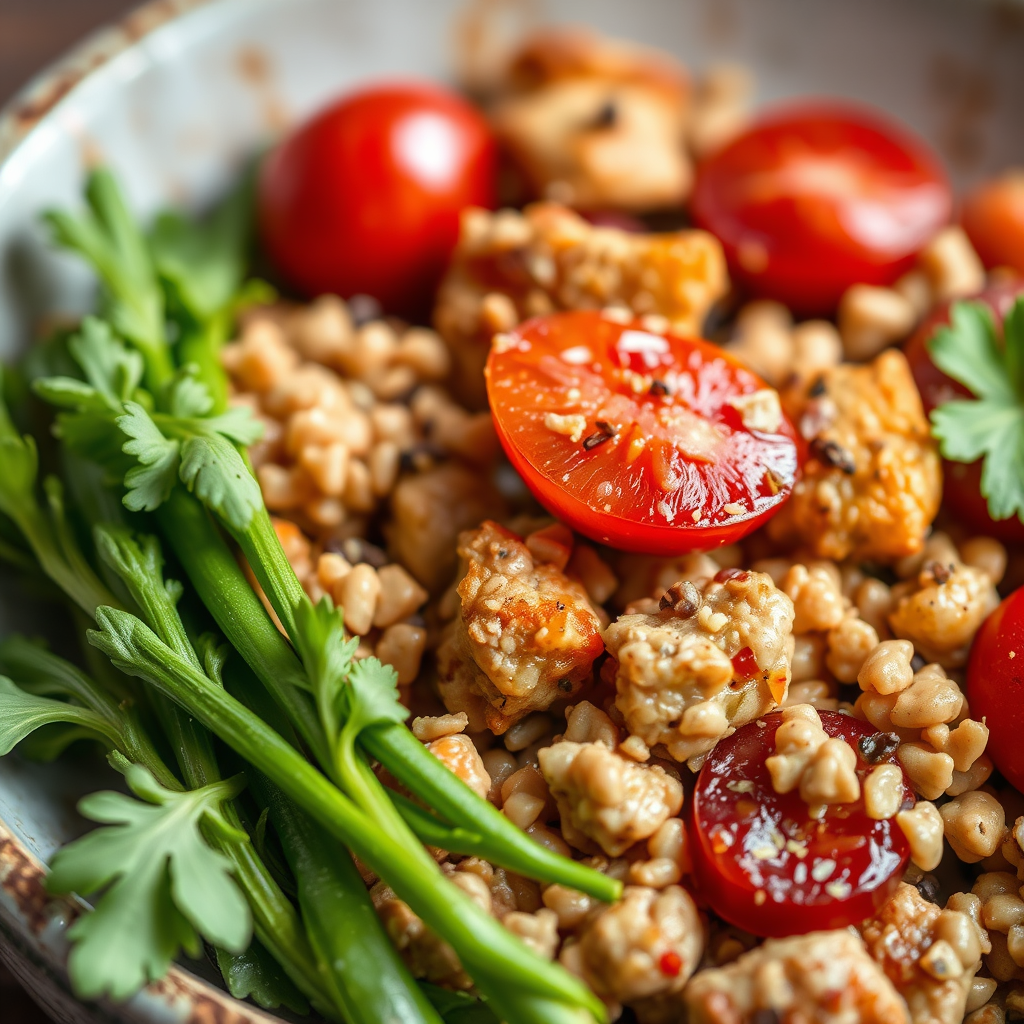
Low-carbohydrate eating plans have gained significant popularity for their effectiveness in managing blood sugar levels for individuals with Type 2 Diabetes. The core idea is to reduce the amount of carbohydrates you consume, which directly impacts glucose production in your body.
– Reducing Carbohydrate Intake: The fundamental principle here is to significantly lower the intake of carbohydrates, which are broken down into glucose and raise blood sugar. By doing so, your body needs less insulin to process the glucose, leading to more stable blood sugar levels and potentially less demand on your pancreas. This approach can be particularly effective for individuals aiming for improved glycemic control and weight management, as reduced carbohydrate intake often leads to less hunger and easier calorie reduction. It encourages your body to use fat for fuel, which can also contribute to weight loss and improved metabolic health.
– Types of Low-Carb Diets: Low-carbohydrate eating isn’t a single, rigid plan but rather a spectrum. It ranges from moderate low-carb, where you might consume around 50-100 grams of carbohydrates per day, to very low-carb or ketogenic diets, which typically restrict carbohydrate intake to less than 50 grams per day. Each type has different implications for food choices and metabolic effects. A moderate low-carb approach might allow for small portions of whole grains or certain starchy vegetables, while ketogenic diets are much stricter, focusing almost exclusively on non-starchy vegetables, proteins, and healthy fats. It’s crucial to understand that these plans require careful consideration, monitoring (especially if you’re on medication), and often professional guidance to ensure nutritional adequacy and safety.
– Focus on Non-Starchy Vegetables and Protein: To compensate for the reduced carbohydrate intake, low-carb diets prioritize non-starchy vegetables, healthy fats, and adequate protein sources. Leafy greens (spinach, kale), cruciferous vegetables (broccoli, cauliflower), peppers, and zucchini become staples. These provide essential vitamins, minerals, and fiber without significantly impacting blood sugar. Protein sources like lean meats, poultry, fish, eggs, and tofu are encouraged for satiety and muscle maintenance. Healthy fats from avocados, nuts, seeds, and olive oil are also vital, providing energy and supporting nutrient absorption. Foods like grains, starchy vegetables (potatoes, corn), legumes, and sugary foods are limited or avoided, depending on the specific low-carb approach being followed.
Plant-Based Diets for Diabetes Management
Plant-based diets, which emphasize foods derived from plants, can be incredibly beneficial for managing Type 2 Diabetes when thoughtfully planned. These diets are typically rich in fiber, vitamins, and minerals, and tend to be lower in saturated fat.
– Emphasis on Legumes, Whole Grains, and Vegetables: Vegetarian or vegan diets center around a diverse array of plant foods. Legumes like lentils, beans, and chickpeas are excellent sources of protein and fiber, helping to stabilize blood sugar and promote satiety. Whole grains such as quinoa, brown rice, oats, and barley provide complex carbohydrates that digest slowly, offering sustained energy without sharp blood sugar spikes. And, of course, a wide variety of non-starchy vegetables are consumed in abundance, contributing essential nutrients and fiber with minimal caloric impact. This combination naturally promotes healthy blood sugar levels and can often lead to a lower intake of saturated fats and cholesterol, which benefits cardiovascular health.
– Potential for Weight Loss and Improved Insulin Sensitivity: One of the significant advantages of well-planned plant-based diets for diabetes management is their potential to aid in weight loss. These diets are often naturally lower in calories and higher in fiber, which helps you feel fuller for longer. Losing even a small amount of weight can dramatically improve insulin sensitivity, meaning your body’s cells respond more effectively to insulin, leading to better blood sugar control and potentially reducing the need for certain medications. Studies have shown that plant-based diets can lead to lower A1c levels and improved lipid profiles, making them a powerful tool in diabetes self-management.
– Careful Nutrient Planning: While plant-based diets offer numerous benefits, it’s essential to plan them carefully to ensure you’re getting all the necessary nutrients. Key nutrients like vitamin B12 (found primarily in animal products) need to be supplemented or obtained through fortified foods (like plant milks or nutritional yeast). Iron absorption can be enhanced by pairing iron-rich plant foods (e.g., spinach, lentils) with vitamin C sources. Omega-3 fatty acids can be obtained from sources like flaxseeds, chia seeds, walnuts, and algae-based supplements. Calcium intake can be met through fortified plant milks, tofu, and leafy greens, while zinc is found in nuts, seeds, and legumes. Consulting with a dietitian experienced in plant-based nutrition can help you create a comprehensive and delicious plan that supports your health without any nutritional gaps.
Foods to Prioritize and Those to Limit
Making informed food choices is at the heart of managing Type 2 Diabetes. Understanding which foods to embrace and which to limit can simplify your meal planning and significantly impact your blood sugar control.
– Prioritize:
* Non-starchy vegetables: Think vibrant colors! Broccoli, spinach, kale, bell peppers, zucchini, green beans, asparagus, and mushrooms should fill at least half your plate. They are low in calories and carbohydrates but packed with fiber, vitamins, and minerals, making them champions for blood sugar stability.
* Lean protein: Fish (especially fatty fish like salmon and mackerel for omega-3s), chicken breast, turkey, tofu, tempeh, eggs, and lean cuts of beef or pork provide satiety and help stabilize blood sugar without significantly raising it. Protein is crucial for muscle maintenance and keeps you feeling full.
* Healthy fats: Avocados, nuts (almonds, walnuts), seeds (chia, flax, pumpkin), and olive oil are excellent sources of monounsaturated and polyunsaturated fats. These fats are heart-healthy, help with nutrient absorption, and contribute to satiety, which can prevent overeating.
* Complex, fiber-rich carbohydrates in moderation: While managing carbohydrate intake is vital, not all carbs are created equal. Opt for whole grains like quinoa, oats (steel-cut or rolled), farro, and brown rice in controlled portions. Legumes (beans, lentils) are also fantastic, offering both complex carbs and protein. Their high fiber content slows sugar absorption.
– Limit or Avoid:
* Sugary drinks: Sodas, fruit juices (even 100% juice), sweet teas, and energy drinks are loaded with added sugars that cause rapid and significant blood sugar spikes. They offer little to no nutritional value and are a major culprit in poor glycemic control.
* Refined grains: White bread, white pasta, white rice, many breakfast cereals, and baked goods are stripped of their fiber and nutrients during processing. They behave much like sugar in your body, leading to quick blood sugar surges.
* Processed snacks: Chips, cookies, crackers, and most pre-packaged convenience foods are often high in unhealthy fats, added sugars, and refined carbohydrates, all of which are detrimental to diabetes management.
* Foods high in trans fats and excessive amounts of saturated fats: Trans fats (found in some fried foods, baked goods, and margarine) are particularly harmful for heart health, while excessive saturated fats (found in fatty meats, butter, full-fat dairy, and some processed foods) can increase cholesterol levels and inflammation.
* Red meat and processed meats: While lean red meat in moderation is acceptable, high consumption of red meat, especially processed varieties like bacon, sausage, and deli meats, has been linked to increased risk for heart disease and poorer diabetes outcomes.
– Hydration: Don’t underestimate the power of plain water! Drinking plenty of water throughout the day is crucial for overall metabolic health. It helps your kidneys flush out excess glucose, supports nutrient transport, and keeps you feeling full, which can prevent unnecessary snacking. Aim for at least 8 glasses a day, and even more if you’re active.
Working with Healthcare Professionals
Successfully navigating Type 2 Diabetes through diet is a team effort. Your healthcare professionals are your most valuable allies, providing personalized guidance and ensuring your dietary changes are safe and effective.
– Personalized Diet Plans: While general dietary advice is helpful, your unique health needs, preferences, cultural background, and lifestyle require a personalized approach. A registered dietitian (RD) or a certified diabetes care and education specialist (CDCES) is trained to help you create an individualized meal plan. They can assess your current eating habits, consider any other health conditions or medications you’re taking, and develop a realistic, sustainable plan that fits *your* life. They can also provide practical tips for grocery shopping, meal prep, and eating out, making the transition to a healthier diet much smoother and more enjoyable. This personalized guidance is invaluable for long-term success.
– Regular Monitoring: Consistently monitoring your blood glucose levels is like having a real-time feedback system for your diet. Whether you use a traditional blood glucose meter or a continuous glucose monitor (CGM), tracking your numbers before and after meals can provide critical insights. You’ll learn exactly how different foods, portion sizes, and meal timings impact *your* body. This understanding empowers you to make adjustments and fine-tune your diet for optimal blood sugar control. Share these readings with your healthcare team; they are vital for making informed decisions about your treatment plan.
– Medication Adjustment: Dietary changes, especially significant ones like adopting a low-carbohydrate or plant-based diet, can profoundly impact your body’s response to medications for diabetes. If you’re taking insulin or other glucose-lowering drugs, drastically changing your diet without medical supervision could lead to dangerously low blood sugar (hypoglycemia). It’s absolutely crucial to always consult your doctor or endocrinologist before making any major changes to your eating habits or medication regimen. Your healthcare provider can guide you through the process, adjust your medication dosages as needed, and ensure your dietary journey is both safe and effective. They are there to support you every step of the way.
Successfully managing Type 2 Diabetes through diet is a journey of learning, adapting, and making informed choices that support your health goals. While there isn’t a single “best” diet, adopting principles from the Mediterranean, low-carb, or plant-based approaches—focused on whole foods, controlled carbs, and healthy fats—can be profoundly effective. Remember that consistency, patience, and a willingness to adjust are key. Begin by discussing these dietary considerations with your healthcare team to develop a personalized eating plan that empowers you to thrive and live your healthiest life.
Frequently Asked Questions
What is the best overall diet approach for managing Type 2 Diabetes?
The most effective diet for managing Type 2 Diabetes typically emphasizes whole, unprocessed foods and focuses on balancing macronutrients to stabilize blood sugar levels. A healthy eating pattern, often resembling a Mediterranean or plant-based diet, prioritizes non-starchy vegetables, lean proteins, healthy fats, and fiber-rich complex carbohydrates. The goal is sustainable lifestyle changes that support blood glucose control, weight management, and overall heart health, making personalized plans often key.
Which specific foods should I prioritize to help control blood sugar with Type 2 Diabetes?
To effectively control blood sugar, prioritize nutrient-dense foods such as non-starchy vegetables (e.g., leafy greens, broccoli, bell peppers), lean protein sources (e.g., fish, chicken breast, legumes, tofu), and healthy fats (e.g., avocados, nuts, seeds, olive oil). Incorporate whole grains like oats, quinoa, and brown rice in controlled portions, as their fiber content helps slow sugar absorption. These choices contribute to stable glucose levels and provide essential nutrients for a healthy Type 2 Diabetes diet.
How do carbohydrates fit into a healthy diet plan for Type 2 Diabetes, and what kind should I choose?
Carbohydrates are not inherently bad for Type 2 Diabetes, but managing their type and portion size is crucial for blood sugar control. Focus on complex carbohydrates rich in fiber, such as whole grains, fruits, and legumes, as they are digested slowly, preventing sharp blood sugar spikes. Limit or avoid refined carbohydrates found in sugary drinks, white bread, and pastries, which can cause rapid glucose increases. Monitoring carbohydrate intake and opting for high-fiber sources is a cornerstone of an effective diabetes diet.
Why is weight management often recommended as a key component of a Type 2 Diabetes diet?
Weight management is a critical component of a Type 2 Diabetes diet because even a modest weight loss can significantly improve insulin sensitivity, making your body more efficient at using insulin to lower blood sugar. Losing excess weight can reduce the need for diabetes medication, improve blood pressure and cholesterol levels, and decrease the risk of related complications. A balanced diet designed for Type 2 Diabetes naturally supports healthy weight loss and maintenance, leading to better overall health outcomes.
What are some common foods or ingredients I should limit or avoid when following a Type 2 Diabetes diet?
To better manage Type 2 Diabetes, it’s generally recommended to limit or avoid foods high in added sugars, such as sugary beverages, candies, and desserts, which can cause rapid blood glucose spikes. Also, minimize refined carbohydrates like white bread, pasta, and processed snacks due to their low fiber content and quick conversion to sugar. Additionally, reduce intake of unhealthy fats, including trans fats and excessive saturated fats found in fried foods and many processed items, to support cardiovascular health.
References
- https://diabetes.org/food-nutrition/eating-well-with-diabetes/what-can-i-eat
- https://www.cdc.gov/diabetes/managing/eat-well.html
- Healthy Living with Diabetes – NIDDK
- Diabetes diet: Create your healthy-eating plan – Mayo Clinic
- https://www.ucsfhealth.org/conditions/type-2-diabetes/diet-and-nutrition
- https://www.nhs.uk/conditions/type-2-diabetes/food-and-diet/
- https://en.wikipedia.org/wiki/Type_2_diabetes#Diet
