
The “best” diabetic diet isn’t a single rigid eating plan, but rather a personalized approach focused on balanced nutrition, consistent carbohydrate management, and prioritizing whole, unprocessed foods. It’s all about finding a tailored eating plan that fits your unique needs, lifestyle, and health goals, aiming to stabilize blood sugar, manage weight, and prevent complications. This guide will explore the foundational principles and popular approaches to help you make informed choices on your journey to better health.
Understanding the Goals of a Diabetic Diet

Living with diabetes means making smart food choices, and it all starts with understanding why these choices are so important. A well-planned diabetic diet isn’t just about what you can’t eat; it’s a powerful tool for managing your health and improving your quality of life. Let’s dive into the core goals that guide these dietary principles.
Blood Sugar Management
The primary and most immediate goal of a diabetic diet is to maintain stable blood glucose levels, effectively avoiding those uncomfortable and potentially dangerous spikes and crashes. When you eat, carbohydrates are broken down into glucose, which enters your bloodstream. For someone with diabetes, the body either doesn’t produce enough insulin or can’t use it effectively to get that glucose into cells for energy. A consistent diet helps by regulating the amount of glucose entering your system, reducing the workload on your pancreas and preventing hyperglycemia (high blood sugar) and hypoglycemia (low blood sugar). Stable blood sugar levels mean more energy, better mood, and less risk of immediate complications like blurry vision or extreme fatigue. It’s like keeping your body’s engine running smoothly without sudden accelerations or brakes.
Weight Management
Achieving and maintaining a healthy weight significantly improves insulin sensitivity and overall diabetes control. Excess body weight, particularly around the abdomen, is a major contributor to insulin resistance, where your body’s cells don’t respond well to insulin. Even a modest weight loss can make a big difference, enhancing your body’s ability to use insulin more efficiently, which in turn helps lower blood sugar levels and often reduces the need for medication. A healthy diet, coupled with regular physical activity, creates a calorie deficit that encourages sustainable weight loss, easing the strain on your cardiovascular system and improving countless other health markers. Think of it as lightening the load on your entire body.
Preventing Complications
A well-planned diet is your first line of defense against the long-term, serious complications of diabetes. Chronically high blood sugar can damage nerves (neuropathy), kidneys (nephropathy), eyes (retinopathy), and significantly increase your risk of heart disease and stroke. By consistently managing your blood sugar through diet, you dramatically reduce the chances of these devastating outcomes. Furthermore, a diet rich in whole, unprocessed foods often has anti-inflammatory properties and provides essential nutrients that support overall cellular health, strengthening your body’s defenses. It’s an investment in your future, helping you live a longer, healthier life free from preventable complications.
Foundational Principles for Healthy Eating
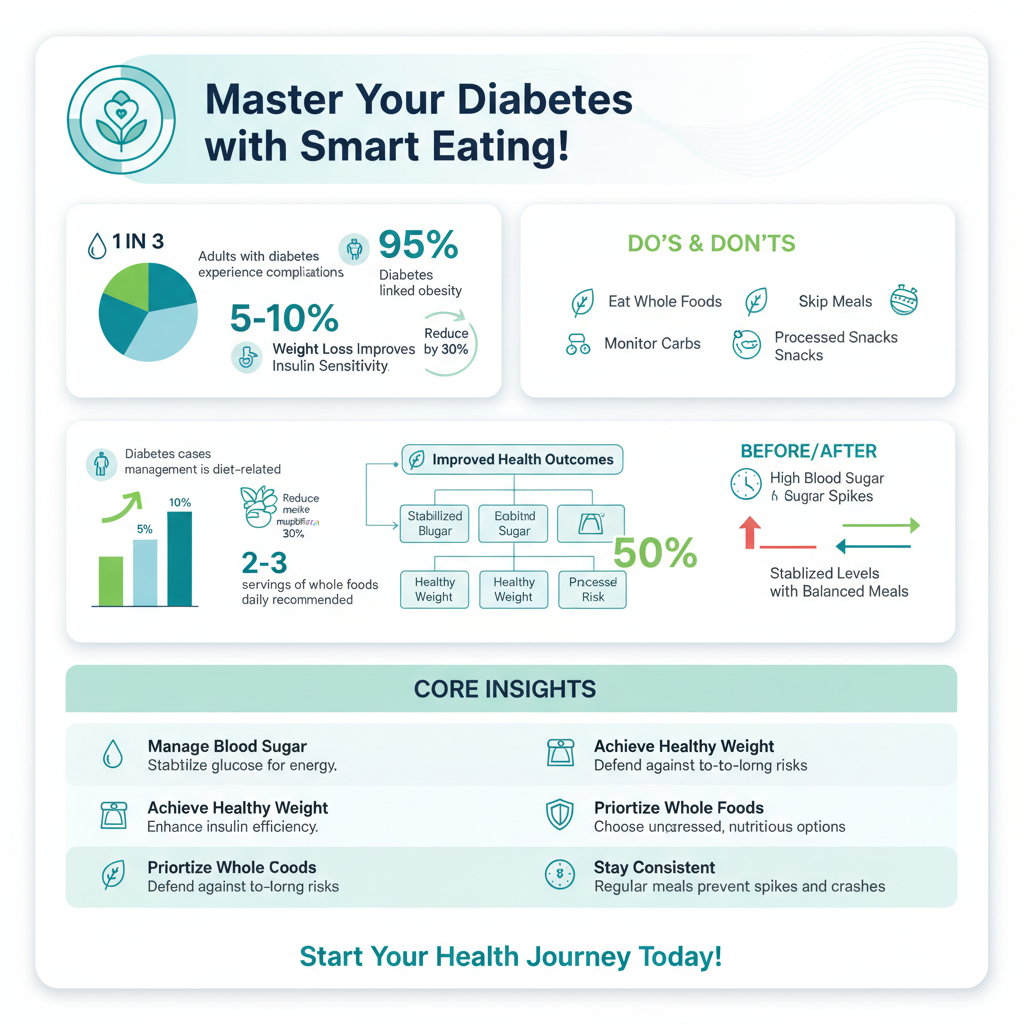

No matter which specific dietary approach you lean towards, certain foundational principles remain universal for managing diabetes effectively. These aren’t just rules; they’re smart strategies for nourishing your body and keeping your blood sugar in check.
Focus on Whole Foods
Prioritizing whole, unprocessed foods is arguably the most crucial principle for anyone managing diabetes. This means opting for foods in their natural state or as close to it as possible. Think vibrant non-starchy vegetables like leafy greens, broccoli, and bell peppers; lean proteins such as fish, chicken breast, and legumes; healthy fats from avocados, nuts, and olive oil; and complex carbohydrates from whole grains like quinoa, oats, and brown rice. These foods are packed with essential vitamins, minerals, and fiber, which play a vital role in slowing down sugar absorption, promoting satiety, and providing sustained energy. They lack the added sugars, unhealthy fats, and artificial ingredients often found in processed foods that can wreak havoc on blood sugar levels and overall health. Making whole foods the star of your plate is a simple yet powerful way to improve your diabetes management.
Strategic Carbohydrate Choices
Carbohydrates have the most direct impact on blood sugar, so making strategic choices here is key. The goal isn’t to eliminate carbs entirely, but rather to choose them wisely. Emphasize high-fiber carbohydrates like fruits (especially berries and apples with their skin), a wide variety of vegetables, and whole grains. Fiber is a game-changer because it slows down digestion, which in turn helps prevent rapid blood sugar spikes. On the flip side, it’s crucial to limit refined sugars found in sugary beverages, candies, and many desserts, as well as processed grains like white bread, white pasta, and white rice. These refined carbs are quickly broken down into glucose, leading to sharp increases in blood sugar. Learning to identify and choose complex, high-fiber carbohydrates is a cornerstone of effective diabetes dietary management.
Adequate Protein and Healthy Fats
Incorporating adequate amounts of lean protein sources and healthy fats into your diet is essential for satiety, blood sugar stability, and overall well-being. Protein, found in foods like fish, poultry, eggs, beans, lentils, and tofu, helps slow down the digestion of carbohydrates, leading to a more gradual rise in blood sugar. It also keeps you feeling fuller for longer, which can be a huge help with weight management. Healthy fats, such as those found in avocados, nuts (almonds, walnuts), seeds (chia, flax), and olive oil, also contribute to satiety and play a crucial role in heart health, which is especially important for individuals with diabetes. These fats don’t significantly impact blood sugar directly, but they are vital for nutrient absorption and providing sustained energy, preventing the need for frequent snacking on less healthy options.
Popular Diabetic Diet Approaches

While the foundational principles remain consistent, several popular eating patterns align beautifully with diabetes management goals. Each offers a slightly different emphasis, allowing you to choose an approach that best fits your preferences and lifestyle.
Mediterranean Diet
Often hailed as one of the healthiest eating patterns globally, the Mediterranean Diet is a fantastic option for diabetes management, especially given its strong focus on heart health. This diet emphasizes plant-based foods, including an abundance of vegetables, fruits, whole grains, legumes, and nuts. Healthy fats are central, with extra virgin olive oil being the primary fat source. Fish and seafood are consumed regularly, while poultry, eggs, and dairy are eaten in moderation. Red meat is limited, and processed foods and refined sugars are rarely seen. The high fiber content from plants, the heart-healthy monounsaturated fats from olive oil, and the lean proteins all work synergistically to stabilize blood sugar, reduce inflammation, support cardiovascular health, and promote a healthy weight. Plus, it’s incredibly delicious and satisfying, making it a sustainable lifestyle choice rather than a restrictive “diet.”
DASH Diet
The DASH (Dietary Approaches to Stop Hypertension) Diet was originally developed to help lower blood pressure, but its principles align remarkably well with diabetes management. It focuses heavily on fruits, vegetables, whole grains, lean proteins (especially fish and poultry), and low-fat dairy, while significantly limiting sodium, added sugars, and unhealthy fats. The emphasis on high-fiber foods helps with blood sugar control, and its reduced sodium content is a huge benefit for those at risk of or living with hypertension, a common comorbidity with diabetes. By providing a rich array of nutrients and promoting heart health, the DASH diet serves as an excellent framework for keeping both blood sugar and blood pressure in healthy ranges. It’s a comprehensive approach that’s easy to follow and incredibly beneficial.
Low-Carbohydrate Diets
Low-carbohydrate diets, which can range from moderately low-carb to very low-carb (ketogenic), have gained popularity for their potential effectiveness in managing blood sugar levels, especially for some individuals with type 2 diabetes. By significantly reducing carbohydrate intake, these diets aim to minimize blood glucose spikes and reduce the need for insulin. They typically emphasize non-starchy vegetables, lean proteins, and healthy fats. While they can lead to impressive short-term improvements in blood sugar control and weight loss, they require careful planning to ensure adequate nutrient intake and can impact medication dosages. It’s crucial to consult with your doctor or a registered dietitian before starting a low-carb diet, as it might not be suitable for everyone, especially those on certain medications or with specific health conditions. Professional guidance helps ensure safety and nutritional adequacy.
Foods to Prioritize and Foods to Limit
Making informed food choices is at the heart of managing diabetes. Understanding which foods to embrace and which to limit can make a significant difference in your blood sugar control and overall health.
Embrace: Your Diabetes-Friendly Allies
Fill your plate with these nutrient powerhouses that support stable blood sugar and provide essential vitamins and minerals:
* Non-starchy vegetables: Think vibrant spinach, kale, broccoli, cauliflower, bell peppers, zucchini, green beans, and asparagus. These are low in calories and carbohydrates, yet high in fiber, vitamins, and antioxidants. They should make up a large portion of your meals.
* Berries: Strawberries, blueberries, raspberries, and blackberries are fantastic choices. They are lower in sugar than many other fruits, packed with fiber and antioxidants, and satisfy a sweet tooth without causing major blood sugar spikes.
* Lean meats and fish: Opt for skinless chicken or turkey breast, lean cuts of beef or pork, and especially fatty fish like salmon, mackerel, and sardines. These provide high-quality protein and, in the case of fatty fish, omega-3 fatty acids that are excellent for heart health.
* Eggs: A versatile and excellent source of protein, eggs have a minimal impact on blood sugar and can keep you feeling full.
* Nuts and seeds: Almonds, walnuts, chia seeds, flax seeds, and pumpkin seeds offer healthy fats, fiber, and protein. Enjoy them in moderation due to their calorie density.
* Legumes: Beans (black, pinto, kidney), lentils, and chickpeas are fiber and protein champions, contributing to stable blood sugar and digestive health.
* Whole grains (in moderation): Oats, quinoa, brown rice, farro, and whole-wheat bread can be included in controlled portions. Their fiber content helps manage blood sugar more effectively than refined grains.
Limit/Avoid: The Foods to Approach with Caution
These foods can quickly derail your blood sugar goals and contribute to other health issues, so it’s best to consume them rarely or avoid them entirely:
* Sugary beverages: Sodas, sweetened teas, fruit juices (even “100% juice”), and energy drinks are loaded with sugar and lead to rapid blood sugar spikes without offering much nutritional value.
* Processed foods: Packaged snacks, fast food, frozen dinners, and processed meats often contain hidden sugars, unhealthy trans and saturated fats, and excessive sodium, all detrimental to diabetes management.
* Refined grains: White bread, white pasta, white rice, and many baked goods lack the fiber of their whole-grain counterparts, leading to quicker blood sugar rises.
* Excessive saturated and trans fats: Found in fried foods, fatty cuts of red meat, full-fat dairy, and many processed snacks, these fats can contribute to heart disease, a major concern for people with diabetes.
* High-sugar desserts: Cakes, cookies, pastries, and ice cream are typically high in sugar and refined carbohydrates. Occasional small portions might be okay for some, but they should not be a regular part of your diet.
Meal Planning and Portion Control Strategies
Even with the best food choices, how you eat and how much you eat are equally vital for managing diabetes. Effective meal planning and portion control are practical tools that can transform your dietary goals into consistent results.
Regular Meal Times
Eating at consistent intervals throughout the day is a simple yet powerful strategy to maintain steady blood sugar levels. Skipping meals or going too long between eating can cause your blood sugar to drop too low (hypoglycemia), leading to overeating later or causing your body to release stored glucose, resulting in a spike. Conversely, eating large, infrequent meals can overwhelm your system. Aim for three balanced meals and perhaps one or two small, healthy snacks if needed, spaced every 3-5 hours. This routine helps your body regulate insulin more effectively and prevents extreme fluctuations, offering a predictable rhythm for your metabolism.
The Plate Method
The Plate Method is an incredibly easy and visual way to manage your portions and ensure you’re getting a balanced meal without needing to count every single calorie or gram. Imagine a standard dinner plate and divide it like this:
* Half (50%): Fill this largest section with non-starchy vegetables (like leafy greens, broccoli, peppers, zucchini). These are rich in fiber and nutrients with minimal impact on blood sugar.
* A Quarter (25%): Dedicate this section to a lean protein source (such as grilled chicken, baked fish, tofu, or beans). Protein helps with satiety and blood sugar stability.
* The Remaining Quarter (25%): This is for your complex carbohydrates (like a small serving of brown rice, quinoa, whole-wheat pasta, or a sweet potato). Control the portion size here, as carbs have the most direct impact on blood sugar.
This method is intuitive, flexible, and doesn’t require special tools, making it perfect for everyday use.
Reading Food Labels
Becoming a savvy food label reader is an empowering skill for anyone managing diabetes. Food labels provide a wealth of information that can help you make informed dietary choices. When you pick up a packaged food item, always look at:
* Serving Size: This is crucial! All the nutritional information listed is typically for *one serving*. Many packages contain multiple servings, so multiply accordingly.
* Total Carbohydrates: This number tells you the total amount of carbs per serving, including sugars and fiber. This is a key figure for blood sugar management.
* Dietary Fiber: Aim for foods with higher fiber content. Fiber subtracts from the “net carbs” that impact blood sugar and is beneficial for digestion and satiety.
* Sugars (Added Sugars): Pay close attention to this. Minimizing added sugars is a top priority.
* Protein and Fats: These offer secondary insights into the balance of the food item.
Understanding these numbers helps you compare products, choose healthier options, and accurately track your intake to keep your blood sugar in your target range.
Personalizing Your Diabetic Eating Plan
While general guidelines are helpful, the true “best” diabetic diet is one that is uniquely tailored to you. Personalization is key to a plan that is effective, enjoyable, and sustainable in the long run.
Consult Professionals
The most crucial step in personalizing your diabetic eating plan is to work closely with healthcare professionals. A registered dietitian (RD) or a certified diabetes educator (CDE) is an invaluable resource. They can assess your individual health status, dietary preferences, lifestyle, and medical history (including any medications you’re taking) to create a customized meal plan. They can help you understand carbohydrate counting, provide practical cooking tips, address any food sensitivities, and guide you through various dietary approaches. Your endocrinologist or primary care physician will also play a vital role, ensuring your diet integrates smoothly with your overall medical treatment plan. Never underestimate the power of expert guidance!
Consider Individual Factors
Your diabetic diet should be as unique as you are. There are many individual factors that need to be accounted for when developing your personalized plan:
* Medication: Certain diabetes medications require specific dietary timings or carbohydrate amounts to work effectively and prevent hypoglycemia.
* Activity Level: If you’re very active, your carbohydrate needs will differ significantly from someone with a more sedentary lifestyle.
* Personal Preferences & Cultural Background: A diet you don’t enjoy or that doesn’t fit your cultural eating habits won’t be sustainable. Your plan should include foods you love and are accustomed to.
* Allergies and Sensitivities: Any food allergies or intolerances (e.g., celiac disease, lactose intolerance) must be incorporated into your dietary strategy.
* Other Health Conditions: If you also have kidney disease, heart conditions, or digestive issues, your diet will need to be adjusted to accommodate these additional needs. A truly personalized plan considers your whole health picture.
Monitor and Adjust
Diabetes management is an ongoing journey, not a fixed destination. Regularly monitoring your blood glucose levels is a powerful way to understand how different foods and portion sizes affect your body. Keep a food diary alongside your blood sugar readings to identify patterns. For example, you might notice that a certain type of whole grain affects your blood sugar differently than another, or that the timing of your meal impacts your post-meal readings. Based on this valuable feedback, you and your healthcare team can make informed adjustments to your diet as needed. This iterative process of monitoring, evaluating, and adjusting ensures your eating plan remains optimized for your evolving health needs and helps you maintain the best possible blood sugar control.
Adopting a diabetic diet is a journey toward better health, centering on balanced, whole foods and mindful eating rather than strict deprivation. The most effective approach is one that is sustainable, enjoyable, and tailored to your unique needs, helping you manage blood sugar and enhance your overall well-being. By understanding the goals of a diabetic diet, embracing foundational principles like whole foods and strategic carbohydrate choices, and exploring popular approaches, you’re already taking significant steps. Remember to prioritize foods that nourish and stabilize, practice smart meal planning and portion control, and—most importantly—always consult with your healthcare team to create a personalized plan that works best for you. Your body will thank you for it!
Frequently Asked Questions
What is the single best diet for managing diabetes?
There isn’t one universally “best diabetic diet,” as effective diabetes management is highly individualized. The most successful approach focuses on balanced nutrition, portion control, and consistent meal timing to stabilize blood sugar levels. Working with a registered dietitian is key to developing a personalized eating plan that fits your lifestyle and specific health needs.
Which types of foods are essential for a healthy diabetic diet?
A healthy diabetic diet emphasizes whole, unprocessed foods that help manage blood sugar and support overall health. Prioritize non-starchy vegetables, lean proteins (fish, chicken, beans), healthy fats (avocado, nuts, olive oil), and whole grains in moderation. These foods provide fiber, nutrients, and help prevent blood sugar spikes, making them central to effective diabetes eating plans.
How does a low-carb or ketogenic diet impact blood sugar for diabetics?
Low-carb and ketogenic diets can significantly reduce blood sugar levels and insulin requirements by severely restricting carbohydrate intake. For individuals with diabetes, this approach can lead to improved glycemic control and even weight loss. However, these diets require careful planning and medical supervision to ensure nutritional adequacy and avoid potential complications, making professional guidance essential for safe diabetes management.
Why is personalized dietary advice crucial when managing diabetes?
Personalized dietary advice is crucial because each individual’s diabetes, metabolism, lifestyle, and food preferences are unique. A registered dietitian can tailor a meal plan that considers your specific medication, activity level, cultural background, and concurrent health conditions. This customized approach ensures sustainable dietary changes that effectively manage blood sugar and improve long-term health outcomes for diabetes patients.
What are some of the best practical tips for sticking to a diabetic-friendly eating plan long-term?
Sticking to a diabetic-friendly eating plan long-term involves practical strategies like meal prepping, understanding food labels, and finding healthy alternatives for favorite foods. Focus on gradual changes, celebrate small victories, and build a support system to maintain motivation. Incorporating regular physical activity alongside your chosen diabetic diet also significantly enhances blood sugar control and overall well-being.
References
- https://diabetes.org/healthy-living/recipes-nutrition/healthy-eating
- Healthy Living with Diabetes – NIDDK
- https://www.cdc.gov/diabetes/managing/healthy-eating.html
- https://www.health.harvard.edu/diseases-and-conditions/the-best-diet-for-diabetes-whats-new
- Diabetes diet: Create your healthy-eating plan – Mayo Clinic
- Diet in diabetes
- Diabetic Diet | MedlinePlus
