
When seeking the best food for a diabetic cat, the immediate answer is to prioritize high-protein, low-carbohydrate wet food options, as these closely mimic a cat’s natural diet and help manage blood sugar levels effectively. This type of diet supports weight management, minimizes glucose spikes, and often reduces the need for insulin, potentially even leading to diabetic remission. Below, we’ll delve into the specifics of what makes a food ideal for diabetic felines and outline key considerations to help you make informed choices for your beloved companion, ensuring they live their happiest, healthiest life despite their diagnosis.
Understanding Feline Diabetes and Dietary Impact

Feline diabetes mellitus, much like in humans, affects our furry friends’ ability to produce or properly respond to insulin, the crucial hormone that regulates blood sugar (glucose) levels. When insulin isn’t doing its job, glucose builds up in the bloodstream, leading to hyperglycemia, which can cause a host of health problems if left unmanaged. It’s a condition that requires careful attention, and for cats, diet plays an incredibly critical role in its management—often as important, if not more so, than insulin therapy itself.
Imagine your cat’s body as a complex engine; the fuel you put in directly impacts its performance. For a diabetic cat, the right food isn’t just sustenance; it’s a powerful tool in regulating blood glucose. By choosing appropriate nutrition, you can help stabilize their sugar levels, maintain a healthy weight (which is paramount for diabetic cats), and in many hopeful cases, even achieve diabetic remission. Remission means your cat might no longer require insulin injections, a truly life-changing outcome for both you and your sweet kitty. This underscores just how vital thoughtful dietary choices are in the journey of managing feline diabetes.
Key Nutritional Pillars for Diabetic Cats
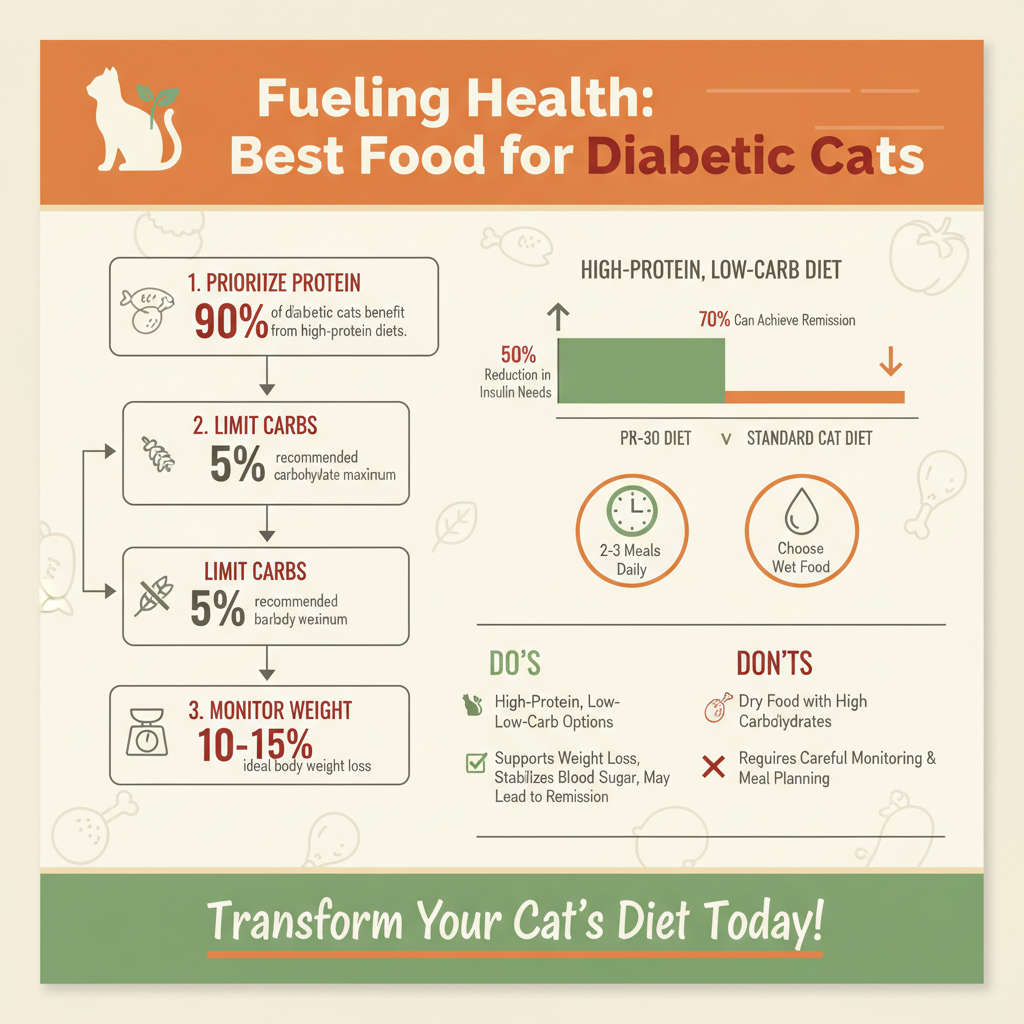

When it comes to feeding a diabetic cat, not all calories are created equal. The goal is to provide a diet that supports their unique metabolic needs, focusing on specific macronutrient ratios that help stabilize blood sugar. Here are the core nutritional pillars to build upon:
* High Protein: Cats are obligate carnivores, meaning their bodies are designed to thrive on a diet rich in animal protein. For diabetic cats, high protein intake is even more essential. It helps maintain lean muscle mass, which is crucial for overall health and metabolism, and prevents muscle wasting that can occur with poorly managed diabetes. Protein also promotes satiety, helping your cat feel full and satisfied, which is a huge bonus for managing weight and preventing overeating. When a cat eats protein, it converts to glucose much slower than carbohydrates, leading to a much gentler impact on blood sugar levels.
* Low Carbohydrate: This is arguably the most critical pillar. Carbohydrates, especially simple ones like sugars and starches found in many commercial pet foods (even “healthy” ones), break down quickly into glucose. This rapid influx of sugar causes sharp spikes in blood glucose, placing immense strain on an already compromised insulin system. Minimizing carbohydrates is paramount for preventing these dangerous spikes, allowing your cat’s body to better manage its glucose levels, and significantly reducing the need for insulin. Look to eliminate grains, potatoes, peas, and corn, which are common high-carb fillers.
* Moderate Fat: Fat is a concentrated source of energy, and while essential for many bodily functions and a healthy coat, moderation is key for diabetic cats. Excessive fat can contribute to weight gain, which significantly complicates diabetes management. Obese cats often have a harder time responding to insulin and managing their blood sugar. The goal is to provide enough healthy fats for energy and nutrient absorption without promoting unhealthy weight gain. Focus on sources of healthy fats like omega-3 fatty acids, which can also provide anti-inflammatory benefits.
* High Moisture Content: Cats naturally obtain a significant portion of their hydration from their prey in the wild. A high-moisture diet, typically found in wet food, is vital for maintaining proper hydration, which supports overall kidney health and urinary tract function. Diabetic cats can be prone to kidney issues and urinary tract infections, so excellent hydration is a preventative measure. Additionally, the higher water content in wet food helps cats feel fuller with fewer calories, aiding in portion control and healthy weight management, which, as we’ve discussed, is a cornerstone of effective diabetes care.
Wet vs. Dry Food: The Essential Choice
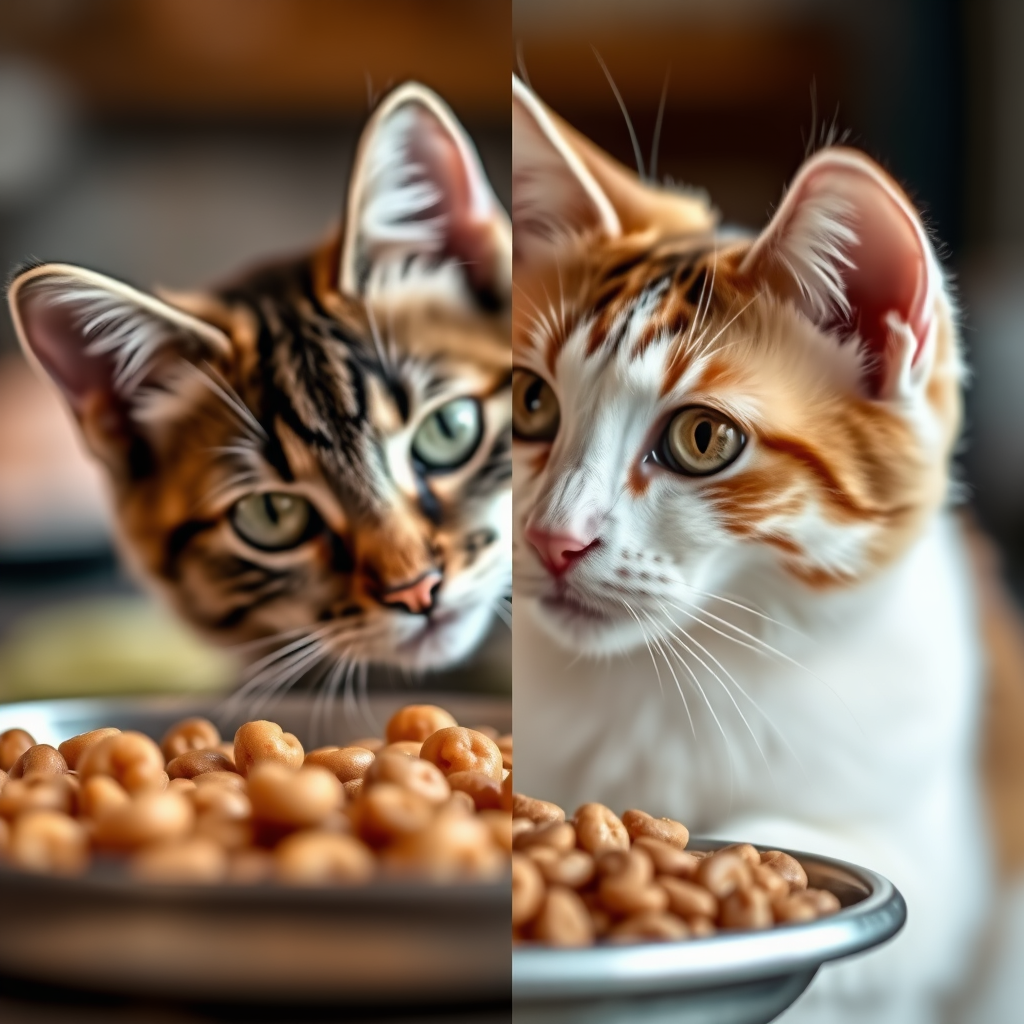
When it comes to feeding a diabetic cat, the debate between wet and dry food isn’t much of a debate at all – wet food overwhelmingly comes out on top as the superior choice. This isn’t just a preference; it’s a medical recommendation for the vast majority of diabetic felines, aligning perfectly with the nutritional pillars we just explored.
Wet Food: Generally considered the gold standard for diabetic cats, wet food offers several significant advantages:
* High Moisture Content: This is perhaps the most immediate benefit. Cats, as descendants of desert dwellers, have a low thirst drive and often don’t drink enough water on their own. Wet food ensures they receive vital hydration, supporting kidney function and urinary tract health, common concerns for diabetic cats. The high moisture also contributes to satiety, helping your cat feel full and satisfied.
* Lower Carbohydrate Levels: Most wet foods, particularly pate-style options or those specifically formulated for weight management or diabetes, naturally contain significantly fewer carbohydrates compared to dry kibble. This is crucial for preventing those blood sugar spikes.
* Higher Protein Content: Wet foods often boast a higher percentage of animal-based protein, which is ideal for maintaining muscle mass and promoting a healthy metabolism in obligate carnivores.
Dry Food: While convenient for many pet owners, dry kibble presents numerous challenges for diabetic cats, making it generally unsuitable:
* Often High in Carbohydrates: To create kibble, a binder is needed, and that usually comes in the form of starches from grains (corn, wheat, rice) or other plant-based sources (potatoes, peas, lentils). These quickly convert to sugar, directly opposing the goal of low-carb feeding for diabetes management.
* Low Moisture Content: Dry food provides very little moisture, potentially leading to chronic dehydration, which can strain the kidneys and contribute to urinary tract issues.
* Can Contribute to Weight Gain: The high carbohydrate content and often lower satiety levels of dry food can lead to overconsumption and weight gain, complicating diabetes control.
* Ingredient Quality: Many dry foods, even “premium” ones, may contain lower quality proteins or a higher percentage of plant-based proteins, which are less digestible and nutritionally appropriate for cats.
The moisture in wet food also helps cats feel fuller, aiding in portion control and weight management. By choosing wet food, you’re not just feeding your cat; you’re actively participating in their diabetes management plan, providing nutrition that works with their body, not against it.
Top Characteristics of Best Diabetic Cat Foods
Now that we understand the “why” behind specific nutrients and the wet food preference, let’s talk about the “how.” How do you actually identify the best foods when standing in the pet store aisle or browsing online? It comes down to carefully reading labels and understanding what to look for.
* Crude Protein Levels: For a diabetic cat, you want foods with crude protein levels typically above 40% on a dry matter basis (DMB). To calculate DMB, take the guaranteed analysis percentage, subtract the moisture percentage from 100%, then divide the nutrient percentage by that number and multiply by 100. For example, if a food is 10% protein and 80% moisture, the DMB protein is (10 / (100-80)) * 100 = (10 / 20) * 100 = 50%. This higher protein content supports muscle maintenance and satiety without spiking blood sugar.
* Carbohydrate Content: This is your primary concern. Aim for carbohydrate content below 10-12% on a dry matter basis. Some veterinarians even recommend going lower, striving for 5-7% DMB carbs, especially in cases where remission is a goal or blood sugar control is particularly challenging. Foods explicitly marketed as “grain-free” are a good starting point, but remember that grain-free doesn’t automatically mean low-carb, as starches like potatoes or tapioca can still be present. You’ll often need to calculate this yourself, as carb content isn’t usually listed on the guaranteed analysis; assume the remainder after protein, fat, fiber, and ash (often 2-3% if not listed) is carbohydrates.
* First Ingredients: The first ingredients on the list should always be animal-based proteins. Look for specific named meats like chicken, turkey, beef, salmon, or tuna, and preferably meat meals (e.g., “chicken meal”) which are concentrated sources of protein. Avoid foods where grains (corn, wheat, rice), plant proteins (pea protein, potato protein), or starchy vegetables (potatoes, sweet potatoes, peas, tapioca) are among the first few ingredients. These indicate a higher carbohydrate content and are less biologically appropriate for your feline carnivore.
* Minimal Fillers and By-Products: While some by-products can be nutritious, consistently good diabetic cat food will prioritize whole, identifiable meat sources. Avoid foods with vague ingredients like “meat by-products” without further specification or excessive fillers that offer little nutritional value beyond cheap calories.
By diligently checking these characteristics, you can make a more informed decision and select foods that truly support your diabetic cat’s health.
Recommended Food Categories & Brands
Navigating the vast array of cat food options can be overwhelming, especially when managing a condition like diabetes. To simplify your search, we can categorize suitable foods and highlight some popular brands, remembering that your veterinarian’s specific guidance is always paramount.
Prescription Diets
These foods are specifically formulated by pet food companies with veterinary diets in mind, designed to meet the precise nutritional needs of cats with certain medical conditions, including diabetes. They often have very tightly controlled macronutrient ratios (high protein, very low carb) and are only available with a veterinarian’s prescription.
* Purina Pro Plan Veterinary Diets DM (Diabetic Management): A highly regarded option, often praised for its palatability and efficacy in blood sugar control. It’s designed to be high in protein and extremely low in carbohydrates.
* Royal Canin Veterinary Diet Glycobalance: Another excellent choice focused on maintaining stable blood glucose levels and supporting a healthy body weight. Like DM, it prioritizes a specific nutrient profile.
* Hill’s Prescription Diet m/d (Multi-Benefit Feline – Glucose/Weight/Urinary): Hill’s m/d is formulated to help manage blood glucose and weight while also supporting urinary tract health, which can be a common secondary concern for diabetic cats.
These prescription diets have undergone rigorous testing and formulation specifically for diabetic management, making them a very safe and often highly effective starting point.
Non-Prescription Options
Many commercial grain-free, high-protein, low-carb wet foods can also be suitable for diabetic cats, but choosing them requires extra diligence and, most importantly, always consulting your veterinarian. These options can be more budget-friendly or offer more variety if your cat is particular.
* Fancy Feast Classic Pate (specific varieties): Believe it or not, many of the Classic Pate varieties (e.g., Chicken Feast Classic Pate, Turkey & Giblets Feast Classic Pate) are surprisingly low in carbohydrates and high in protein. It’s crucial to stick to the “Classic Pate” line as other Fancy Feast varieties may have higher carb content. Always double-check the label for specific numbers.
* Weruva (specific varieties): Many Weruva cat food lines, especially those focused on simple ingredients and high meat content, can be excellent low-carb options. Look for varieties with primarily meat and fish, and minimal fillers.
* Tiki Cat (specific varieties): Tiki Cat is known for its high-quality, human-grade ingredients and high meat content. Many of their varieties are naturally low in carbohydrates, making them a good contender. Again, check individual product labels.
When considering any non-prescription option, it is absolutely essential to always check the guaranteed analysis and ingredient list meticulously. Focus on the crude protein and fat percentages, and, if possible, calculate the dry matter carbohydrate content to ensure it falls within the recommended low-carb range. Then, discuss any non-prescription choice with your veterinarian. They can help you determine if a particular food is appropriate for your cat’s specific health needs and ensure it complements their overall treatment plan.
Transitioning and Monitoring Your Cat’s Diet
Switching your diabetic cat’s food isn’t just about picking a new brand; it’s a careful process that requires patience and close monitoring. Because diet has such a profound impact on blood sugar levels, any change, even for the better, can significantly affect their insulin requirements.
* Introduce New Food Gradually: Abrupt changes can lead to digestive upset, such as vomiting or diarrhea, which is distressing for any cat and particularly problematic for a diabetic one as it can affect their appetite and hydration. The golden rule is to introduce the new food gradually over 7-10 days. Start by mixing a small amount (e.g., 10%) of the new food with their old food, gradually increasing the proportion of the new food while decreasing the old. Observe your cat for any signs of gastrointestinal distress and adjust the pace if needed. Some sensitive cats may even require a slower transition over two to three weeks.
* Monitor Your Cat’s Blood Glucose Levels Closely: This is perhaps the most critical step during a dietary transition for a diabetic cat. As the new, often lower-carb food starts to impact their system, their insulin needs will almost certainly change. A significant reduction in dietary carbohydrates can lead to a drastic drop in blood glucose, potentially causing hypoglycemia (dangerously low blood sugar) if insulin dosage isn’t adjusted. Your veterinarian will likely advise increased home blood glucose monitoring (if you already do it) or more frequent veterinary visits for glucose curves during this period. Be prepared to communicate these readings diligently to your vet.
* Regular Veterinary Check-ups are Crucial: Beyond the initial transition, regular veterinary check-ups remain essential. Your vet will assess your cat’s overall health, weigh them, discuss their energy levels and appetite, and review blood glucose readings. Based on this comprehensive picture, they can adjust insulin dosage as needed, ensuring your cat is receiving the optimal amount. They will also confirm that the new diet is effective for managing diabetes and isn’t inadvertently causing other health issues. Remember, your vet is your most valuable partner in managing your cat’s diabetes, providing tailored advice and support for their unique journey.
Choosing the best diabetic cat food is a cornerstone of managing your feline friend’s health, focusing on high-protein, low-carbohydrate wet options that cater to their natural dietary needs. This significant dietary shift, combined with consistent monitoring of blood glucose levels and regular, proactive veterinary guidance, can dramatically improve their quality of life, stabilize their condition, and even lead to the hopeful outcome of diabetic remission. Always consult with your veterinarian before making any significant changes to your cat’s diet or insulin regimen to ensure the best possible outcome for their unique needs and to keep them purring happily for years to come.
Frequently Asked Questions
What are the key dietary requirements for a diabetic cat?
The cornerstone of a diet for diabetic cats is low carbohydrate and high protein content, closely mimicking a cat’s natural carnivorous diet. This approach helps stabilize blood glucose levels by minimizing the glucose spike that carbs can cause, while adequate protein supports muscle maintenance and overall health. Look for foods with less than 10% carbohydrates on a dry matter basis and robust protein levels to effectively manage feline diabetes.
Is wet food always better than dry kibble for diabetic cats?
Generally, wet cat food is highly recommended for diabetic cats due to its typically lower carbohydrate levels and higher moisture content compared to dry kibble. The increased moisture helps with hydration and kidney health, which can be a concern for diabetic felines, while lower carbs aid in better blood sugar control. While some specialized low-carb dry options exist, wet food often provides superior blood sugar stability and is a preferred choice for managing feline diabetes.
Why is low-carb cat food crucial for managing feline diabetes?
Low-carb cat food is crucial because carbohydrates, especially simple sugars and starches, convert rapidly into glucose in a cat’s digestive system, leading to significant spikes in blood sugar. For diabetic cats, whose bodies struggle to produce or effectively utilize insulin, these glucose spikes are dangerous and make blood sugar management very difficult. A low-carb diet helps maintain more stable blood glucose levels, often reducing insulin dependency and improving overall diabetic control and long-term health.
Which commercial cat food brands are generally recommended for diabetic cats?
Several commercial brands offer excellent diabetic cat food options, focusing on high protein and low carbohydrate formulations. Popular choices often include specific prescription diets from brands like Purina Pro Plan Veterinary Diets (DM), Royal Canin Veterinary Diet (Glycobalance), and Hill’s Prescription Diet (m/d), which are specifically formulated for metabolic support. Beyond prescription options, many high-quality, grain-free, and low-carb over-the-counter wet foods can also be suitable, but always consult your veterinarian for the best recommendation tailored to your cat’s specific needs and health status.
How do I safely transition my diabetic cat to a new diet?
Transitioning your diabetic cat to a new food should be done gradually over 7-10 days to prevent digestive upset and allow their system to adjust. Start by mixing a small amount of the new food (about 10-20%) with their old food, slowly increasing the proportion of the new food each day while decreasing the old. It’s crucial to monitor your cat’s blood glucose levels closely during this period, as dietary changes can significantly impact insulin requirements, and always undertake this transition under veterinary guidance.
References
- https://www.vet.cornell.edu/departments-centers-and-institutes/cornell-feline-health-center/health-information/feline-health-topics/diabetes
- https://vetmed.tufts.edu/news-events/news/feeding-diabetic-cat
- https://en.wikipedia.org/wiki/Feline_diabetes_mellitus
- Veterinary Partner – VIN
- https://vet.osu.edu/vmc/companion/our-services/internal-medicine/feline-diabetes-mellitus
- https://cvm.ncsu.edu/nc-state-vetmed-news/managing-diabetes-in-cats/
