
Finding the best diabetic breakfast recipes means choosing options that stabilize blood sugar, provide lasting energy, and are packed with essential nutrients. The key is to focus on high-fiber whole grains, lean proteins, healthy fats, and plenty of non-starchy vegetables and fruits with a low glycemic index. This guide will provide you with a variety of delicious and easy-to-make breakfast ideas designed to support your health goals every morning.
Understanding Diabetic Breakfast Fundamentals

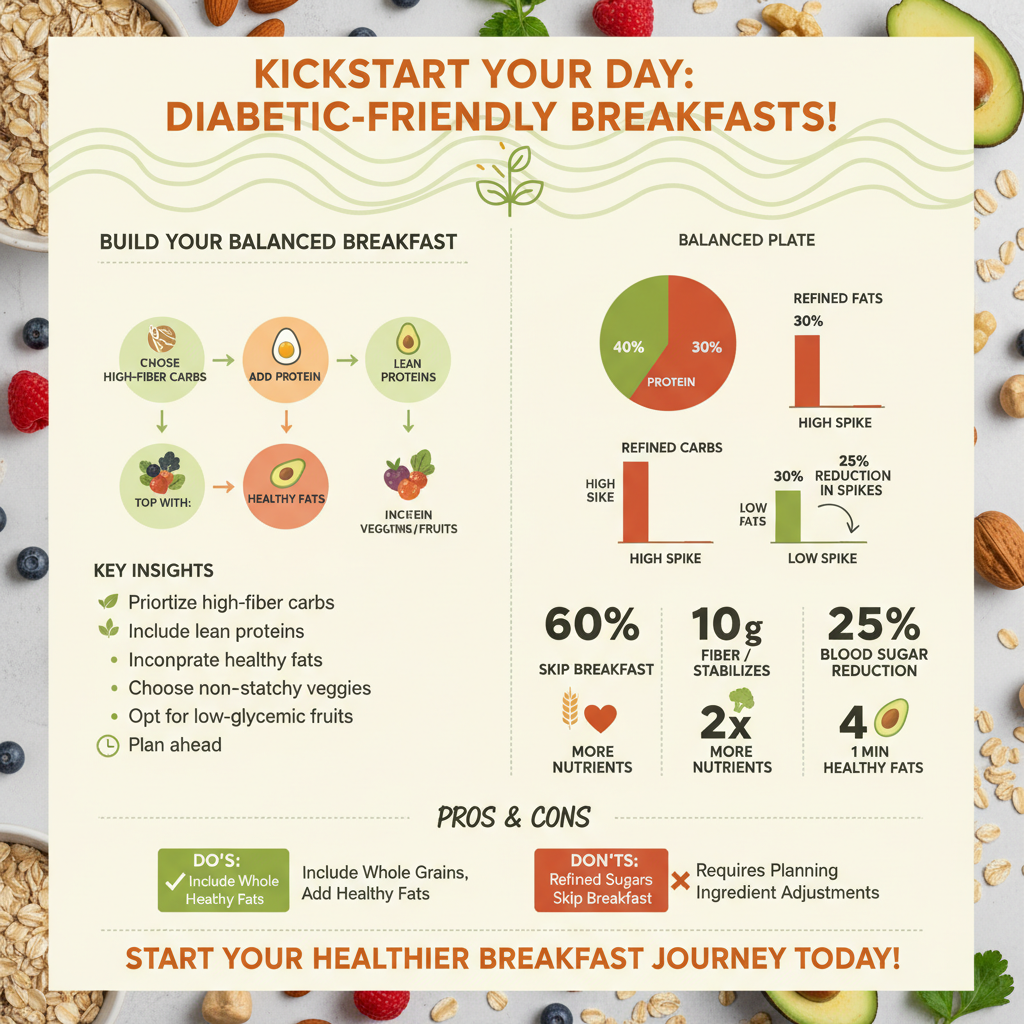
When you’re managing diabetes, your breakfast isn’t just about satisfying hunger; it’s a critical meal that sets the tone for your blood sugar levels throughout the day. Getting it right can help prevent spikes and crashes, keeping you feeling energized and focused. Let’s break down the core components that make a breakfast truly diabetic-friendly.
* Prioritize high-fiber carbohydrates like whole grains, fruits, and non-starchy vegetables to regulate blood sugar. Fiber is your best friend when it comes to carbohydrate intake. Unlike refined carbs, fibrous foods take longer to digest, which means glucose is released into your bloodstream more slowly and steadily. This helps prevent rapid blood sugar surges and keeps you feeling fuller for longer. Think beyond just bread; include oats, quinoa, berries, apples, spinach, and broccoli in your morning meals. These choices not only offer significant fiber but also a wealth of vitamins and minerals crucial for overall health.
* Include lean protein sources such as eggs, Greek yogurt, or lean meats for satiety and muscle maintenance. Protein is essential for building and repairing tissues, and it plays a vital role in keeping you feeling satisfied. When combined with fiber, protein significantly slows down digestion, further contributing to stable blood sugar. Opt for sources that are low in saturated fat, such as eggs (which are incredibly versatile!), plain Greek yogurt, cottage cheese, lean turkey bacon or sausage, or even a handful of nuts. These options provide a sustained energy release without the carbohydrate load that can impact blood sugar.
* Incorporating healthy fats (avocado, nuts, seeds) to improve fullness and nutrient absorption. Healthy fats are not only crucial for heart health and brain function, but they also contribute significantly to satiety. Including a moderate amount of fats in your breakfast helps you feel full and prevents you from reaching for unhealthy snacks later in the morning. Good choices include avocado, a small handful of almonds or walnuts, chia seeds, flax seeds, or a drizzle of olive oil. Just remember that fats are calorie-dense, so portion control is key, even with healthy options.
Quick & Easy Diabetic Breakfast Ideas

Mornings can be hectic, but that doesn’t mean you have to compromise on a healthy, blood-sugar-friendly breakfast. These ideas are designed for speed without sacrificing nutrition or flavor.
* Overnight Oats: Prepare with rolled oats, chia seeds, unsweetened almond milk, and berries for a grab-and-go option. This truly is the ultimate time-saver! The night before, simply combine 1/2 cup rolled oats, 1 tablespoon chia seeds, 1 cup unsweetened almond milk (or other unsweetened plant-based milk), and a handful of mixed berries (like blueberries or raspberries, which are lower in sugar). You can also add a pinch of cinnamon, which is known for its potential blood sugar-lowering properties. Stir well, cover, and refrigerate overnight. In the morning, it’s perfectly creamy and ready to eat, offering a fantastic dose of fiber and healthy fats.
* Scrambled Eggs with Spinach: A protein-packed meal ready in minutes, adding nutrients with fresh greens. Eggs are a powerhouse of protein and healthy fats, with virtually no carbohydrates, making them an excellent choice for blood sugar management. For a quick scramble, whisk 2-3 eggs with a splash of unsweetened milk or water, then cook in a lightly oiled non-stick pan. During the last minute of cooking, toss in a generous handful of fresh spinach. The spinach wilts quickly, adding vitamins A and K, along with some fiber, without significantly altering the taste. Season with salt and pepper, and you have a nutritious meal in under five minutes!
* Greek Yogurt Parfaits: Layer unsweetened Greek yogurt with a handful of berries and a sprinkle of chopped nuts. This is a wonderfully customizable and refreshing breakfast. Start with a base of plain, unsweetened Greek yogurt, which is packed with protein and probiotics. Layer it with about 1/2 cup of fresh berries (strawberries, blueberries, raspberries) for natural sweetness and antioxidants. Finish with a small sprinkle of chopped almonds or walnuts for healthy fats and a satisfying crunch. Be sure to avoid pre-sweetened yogurts, which can contain a lot of added sugar.
Savory & Satisfying Breakfast Recipes

Sometimes you crave something hearty and savory to start your day. These recipes are packed with flavor and designed to keep you feeling full and satisfied without impacting your blood sugar.
* Breakfast Egg Muffins: Bake a batch of egg muffins with diced bell peppers, spinach, and lean turkey sausage for easy portion control. These are a meal prep superstar! Whisk a dozen eggs with a splash of milk, salt, and pepper. Then, stir in your favorite non-starchy vegetables like finely diced bell peppers, onions, mushrooms, and a generous amount of chopped spinach. For an extra protein boost and savory flavor, add crumbled lean turkey sausage or a little ham. Pour the mixture into greased muffin tins and bake at 350°F (175°C) for 15-20 minutes, or until set. You can make a large batch on Sunday and have grab-and-go breakfasts for the entire week! They reheat beautifully in the microwave.
* Avocado Toast on Whole-Grain Bread: Top with a fried egg and a sprinkle of chili flakes for healthy fats and protein. This popular choice can be a fantastic diabetic-friendly option with the right ingredients. The key is to choose 100% whole-grain bread (check the label for high fiber and low added sugar) and keep the portion to one slice. Mash half an avocado onto the toast, which provides heart-healthy monounsaturated fats and fiber. Top it with a perfectly fried or poached egg for a significant protein boost. A sprinkle of red chili flakes or “everything bagel” seasoning adds a lovely kick and extra flavor. This meal keeps you full and offers a balanced nutrient profile.
* Smoked Salmon & Cream Cheese (Light) Bagel: Use a whole-wheat thin bagel with light cream cheese, smoked salmon, and fresh dill. While a traditional bagel can be a carb bomb, smart substitutions make this a delicious and suitable option. Opt for a whole-wheat bagel thin or a low-carb alternative to significantly reduce carbohydrate content. Spread it with a moderate amount of light cream cheese. Then, layer on a few slices of smoked salmon, which is an excellent source of lean protein and omega-3 fatty acids, beneficial for heart health. A garnish of fresh dill and a squeeze of lemon juice elevates the flavor profile perfectly.
Sweet & Healthy Breakfast Options
If you have a sweet tooth in the morning, you don’t have to miss out! These recipes offer natural sweetness and delightful flavors while keeping your blood sugar in mind.
* Berry Smoothie with Protein Powder: Blend mixed berries, spinach, unsweetened almond milk, and a scoop of unflavored protein powder. Smoothies are fantastic for packing a lot of nutrition into one convenient glass, and they can be wonderfully diabetic-friendly. Start with 1 cup of unsweetened almond milk (or water), add 1/2 to 1 cup of mixed frozen berries (berries are generally lower in sugar than other fruits), a handful of fresh spinach (you won’t taste it, promise!), and one scoop of your favorite unflavored or lightly sweetened protein powder (whey, casein, or plant-based). Blend until smooth. This combination provides fiber, protein, healthy fats (if you add chia or flax seeds), and essential vitamins without excessive added sugar.
* Whole-Wheat Pancakes with Sugar-Free Syrup: Make small batches of whole-wheat pancakes and top with fresh fruit and sugar-free syrup. Who says pancakes are off-limits? By swapping white flour for whole-wheat flour, you significantly increase the fiber content, which helps to slow down sugar absorption. Use a diabetic-friendly recipe that might incorporate ingredients like unsweetened applesauce or mashed banana for natural moisture and sweetness without relying heavily on added sugar. Make smaller pancakes to control portions. Instead of traditional syrup, opt for a sugar-free alternative, and load up your stack with fresh berries or sliced peaches for extra fiber and natural sweetness.
* Cottage Cheese with Cinnamon & Apple Slices: A simple, sweet, and protein-rich dish that satisfies cravings without spiking blood sugar. This is a wonderfully easy and satisfying sweet breakfast. Cottage cheese is a fantastic source of casein protein, which is slow-digesting and keeps you full for hours. Choose a plain, low-fat or full-fat variety. Top a half-cup serving with thinly sliced apple (a medium apple provides about 4 grams of fiber), and a generous sprinkle of cinnamon. Cinnamon not only adds a warm, sweet flavor but has also been studied for its potential to improve insulin sensitivity. This combination provides protein, fiber, and natural sweetness without any added sugars.
Diabetic Breakfast Meal Prep Strategies
Meal prepping is a game-changer for anyone managing diabetes. By dedicating a little time upfront, you can ensure healthy, ready-to-eat breakfasts throughout your busy week, making it easier to stick to your dietary goals.
* Batch Cook Grains & Proteins: Prepare a large batch of hard-boiled eggs, quinoa, or roasted vegetables to mix and match throughout the week. Sunday is often the perfect day for some strategic batch cooking. Hard-boiled eggs are a protein-rich snack or breakfast addition that lasts for days in the fridge. Cook a large batch of quinoa or brown rice to use as a base for savory breakfast bowls. Roast a tray of non-starchy vegetables like broccoli, bell peppers, and zucchini; these can be quickly added to scrambles, egg muffins, or served alongside cottage cheese. Having these components ready means you can assemble a balanced breakfast in minutes.
* Pre-Portion Ingredients: Assemble dry ingredients for overnight oats or smoothie packs in advance for quick morning assembly. This strategy is all about reducing morning friction. For overnight oats, measure out rolled oats, chia seeds, and any dry spices (like cinnamon) into individual jars or containers. In the morning, simply add your liquid and berries. For smoothies, pre-portion your frozen fruit, spinach, and protein powder into freezer-safe bags. When you’re ready to blend, just dump the contents into your blender with your chosen liquid, and you’re good to go!
* Freezer-Friendly Breakfast Burritos: Wrap whole-wheat tortillas with scrambled eggs, black beans, and salsa, then freeze for convenient reheating. Breakfast burritos are surprisingly freezer-friendly and incredibly versatile. Scramble some eggs with your favorite low-carb veggies (onions, peppers, spinach) and lean protein (turkey sausage). Lay out whole-wheat tortillas, spoon in a portion of the egg mixture, a tablespoon or two of black beans (for extra fiber and protein), and a dollop of sugar-free salsa. Roll them up tightly, wrap individually in parchment paper and then foil, and freeze. In the morning, simply unwrap, microwave, or warm in a pan for a delicious and balanced start to your day.
Tips for Customizing Your Diabetic Breakfast
Every individual’s diabetes journey is unique, and what works perfectly for one person might need a slight tweak for another. Personalizing your breakfast is key to long-term success and enjoyment.
* Monitor Portion Sizes: Pay attention to carbohydrate counts and adjust serving sizes to fit your individual dietary needs. Even healthy foods contain carbohydrates, and for someone managing diabetes, carbohydrate intake directly impacts blood sugar. Familiarize yourself with portion sizes for the foods you eat regularly. Use measuring cups and spoons, or even a food scale, until you become adept at estimating. Consulting with a registered dietitian can be incredibly helpful in determining your ideal carbohydrate target per meal, ensuring your breakfasts align with your specific management plan.
* Ingredient Swaps: Experiment with different vegetables, lean proteins, and low-glycemic fruits to vary flavors and nutrients. Don’t be afraid to get creative! If you’re tired of spinach in your eggs, try kale, mushrooms, or bell peppers. Swap out turkey sausage for chicken sausage, or Greek yogurt for cottage cheese. Explore different low-glycemic fruits like kiwi, grapefruit, or plums if berries aren’t always available. This variety ensures you’re getting a broad spectrum of nutrients and keeps your meals exciting, preventing meal fatigue.
* Listen to Your Body: Observe how different foods affect your blood sugar levels and energy, adjusting recipes as needed. This is perhaps the most important tip. Use your glucometer to test your blood sugar before and two hours after your meals to see how certain foods impact you personally. Keep a food diary to note down what you ate and your blood sugar readings. You might find that some foods affect you differently than others, even if they’re considered “diabetic-friendly.” Your body is your best guide, and this feedback loop will empower you to fine-tune your breakfasts for optimal blood sugar control and sustained energy.
Crafting the perfect diabetic breakfast doesn’t have to be complicated; it’s about making informed choices that support stable blood sugar and provide sustained energy. By incorporating these healthy, delicious, and easy-to-prepare recipes into your routine, you can confidently start each day on the right foot. Experiment with these ideas and consult with your healthcare provider or a registered dietitian to tailor your meal plan to your specific needs. Remember, consistency and smart choices are your allies in managing diabetes and enjoying vibrant, energetic mornings.
Frequently Asked Questions
What are the key components of the best diabetic breakfast recipes for stable blood sugar?
The best diabetic breakfast recipes prioritize a balance of macronutrients to help maintain stable blood sugar levels. Essential components include lean protein (like eggs, Greek yogurt, or lean meats), high-fiber foods (such as whole grains, vegetables, and certain fruits), and healthy fats (from avocados, nuts, or seeds). These elements work synergistically to promote satiety, slow down glucose absorption, and provide sustained energy throughout the morning.
How can I create quick and easy diabetic breakfast recipes for busy mornings?
To make quick and easy diabetic breakfast recipes, focus on meal prepping, utilizing simple ingredients, and leveraging efficient cooking methods. Prepare components like boiled eggs, chopped vegetables for omelets, or overnight oats the night before to save time. Options like Greek yogurt with berries and nuts, or a quick spinach and feta scramble, are fantastic healthy breakfast choices that require minimal prep.
Which common breakfast ingredients should diabetics limit or avoid to prevent blood sugar spikes?
Diabetics should limit or avoid common breakfast ingredients high in refined carbohydrates and added sugars, which can cause rapid blood sugar spikes. This includes sugary cereals, pastries, white bread, pancakes or waffles made with refined flour, and sweetened fruit juices. Opting for whole, unprocessed foods is key for effective blood sugar management in diabetic breakfast recipes.
Why is incorporating high-fiber and protein-rich foods essential in a diabetic breakfast?
Incorporating high-fiber and protein-rich foods into your diabetic breakfast is essential because they significantly contribute to blood sugar control and overall well-being. Fiber slows down digestion and glucose absorption, preventing sharp blood sugar spikes, while protein increases satiety and helps stabilize blood sugar by minimizing the insulin response. Together, they keep you feeling fuller for longer, reducing the likelihood of overeating and supporting weight management, which is crucial for managing type 2 diabetes.
What are some delicious and satisfying low-carb breakfast recipe ideas suitable for diabetics?
Delicious and satisfying low-carb breakfast recipe ideas for diabetics often center around protein and healthy fats. Consider options like a veggie and cheese omelet or scrambled eggs with avocado, which are excellent sources of protein and healthy fats. Another great choice is chia seed pudding made with unsweetened almond milk and topped with a few berries, or a hearty bowl of full-fat plain Greek yogurt with a sprinkle of nuts. These best diabetic breakfast recipes help keep carbohydrate intake low while providing essential nutrients.
References
- https://diabetes.org/healthy-living/recipes-nutrition/recipes/breakfast-recipes
- https://www.mayoclinic.org/healthy-lifestyle/recipes/recipes-for-diabetes/art-20046609
- https://www.health.harvard.edu/diseases-and-conditions/a-diabetes-friendly-menu
- https://health.clevelandclinic.org/eating-well-with-diabetes-2/
- https://www.bhf.org.uk/informationsupport/heart-matters-magazine/recipe-finder?dietary=diabetes-friendly&meal-type=breakfast
- https://www.nhs.uk/conditions/type-2-diabetes/recipes/
