
While there isn’t one single “best” diabetic bread, the most suitable options are generally those that are high in fiber, low in net carbohydrates, and made from 100% whole or sprouted grains. These types of bread help manage blood sugar levels more effectively than traditional refined white breads. Understanding key nutritional factors and how to read labels will empower you to make informed choices that fit a diabetic-friendly diet.
Understanding Diabetic-Friendly Bread
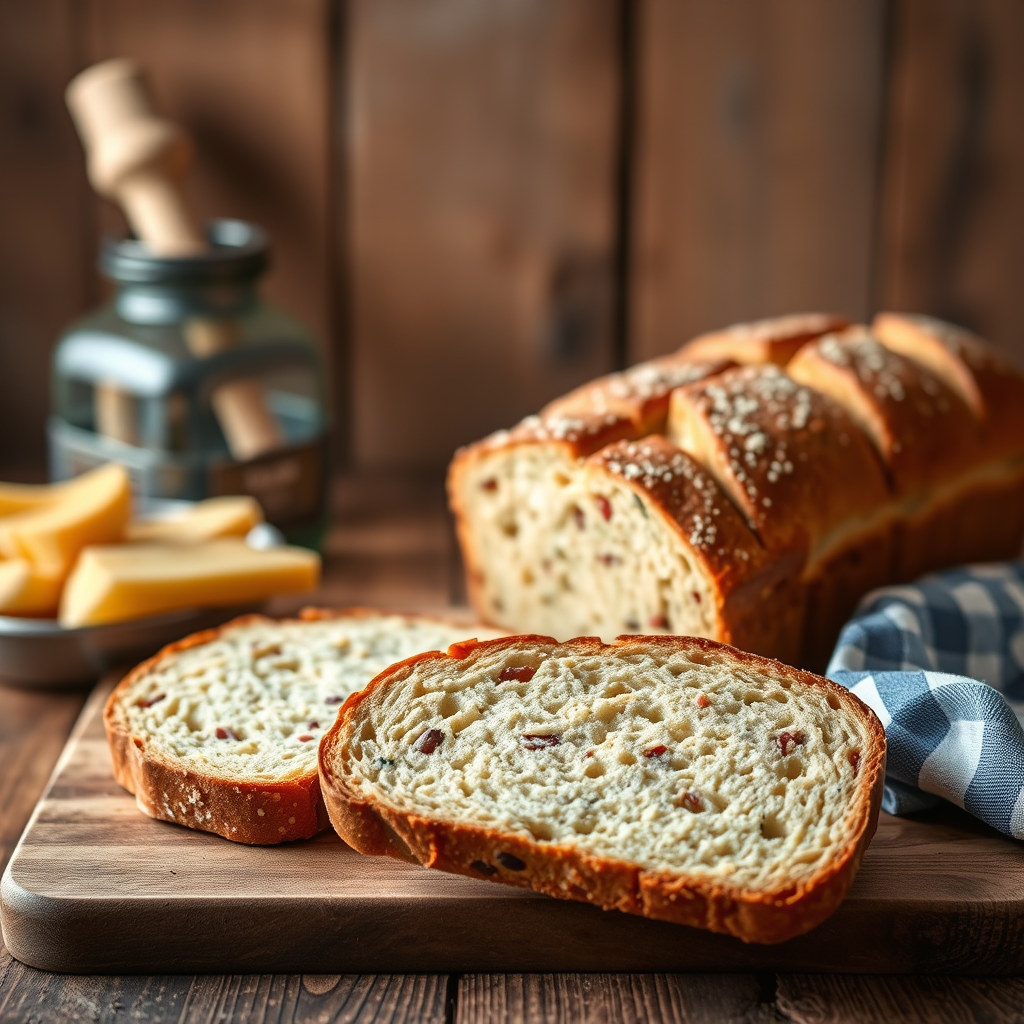
When you’re managing diabetes, choosing the right foods can make a huge difference in your daily well-being. Bread, a beloved staple for many, often gets a bad rap, but it doesn’t have to be off-limits! The key isn’t just about cutting out bread entirely; it’s about making smart, informed choices that support your health goals.
For someone with diabetes, the primary concern with bread isn’t just its calorie count, but its impact on blood sugar levels. Many traditional breads, especially those made with refined white flour, are quickly broken down into glucose, causing a rapid spike in blood sugar. This is precisely what we want to avoid.
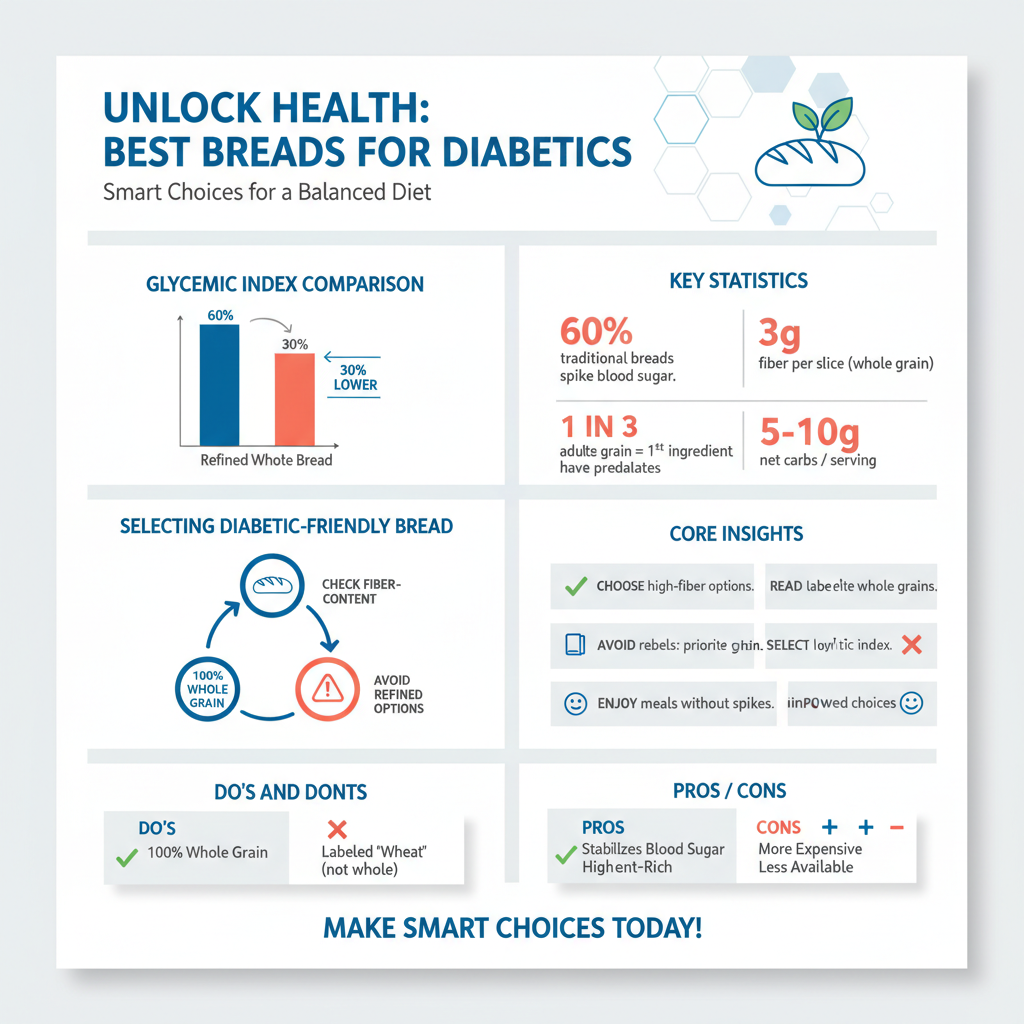
Instead, we want to prioritize options with a lower glycemic index (GI). The glycemic index is a system that ranks carbohydrate-containing foods by how much they raise blood glucose levels after eating. Foods with a lower GI are digested and absorbed more slowly, leading to a more gradual and controlled rise in blood sugar. This helps prevent those sharp, uncomfortable spikes and subsequent crashes that can leave you feeling tired and can be detrimental to long-term diabetes management.
Ultimately, when we talk about “diabetic-friendly” bread, we mean bread that supports stable glucose levels. This translates to choosing breads that are rich in fiber, moderate in carbohydrates (especially net carbs), and packed with wholesome ingredients that contribute to overall health rather than hindering it. It’s about finding bread that nourishes your body without derailing your blood sugar management plan, allowing you to enjoy your meals with confidence.
Top Bread Choices for Diabetics
Navigating the bread aisle can feel overwhelming, but once you know what to look for, you’ll be able to spot the best choices with ease. Here are the top contenders for diabetic-friendly bread:
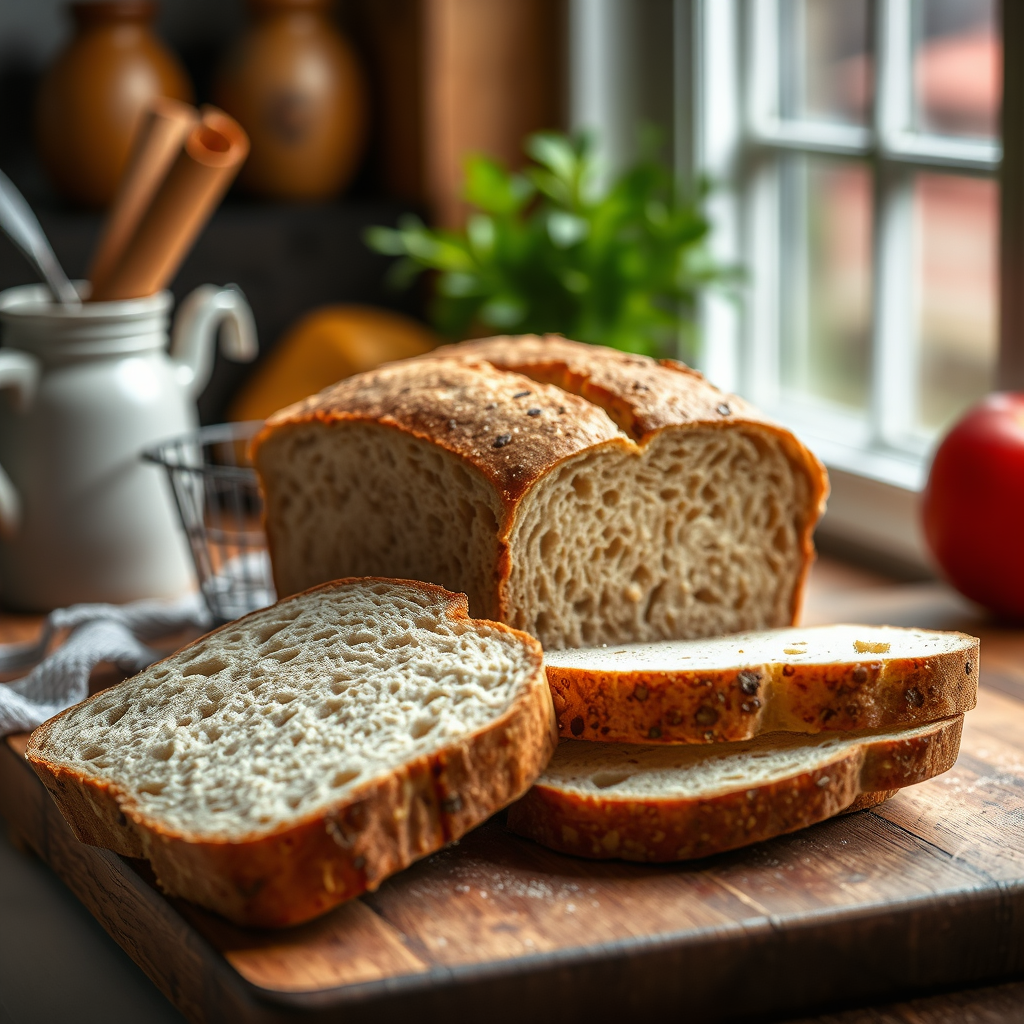
* 100% Whole Wheat/Whole Grain Bread: This is often the go-to recommendation for good reason! The “whole” in whole wheat or whole grain means that the entire grain kernel—the bran, germ, and endosperm—is intact. This is crucial because the bran and germ contain most of the fiber, vitamins, and minerals. Fiber is your best friend when it comes to blood sugar management, as it slows down digestion and the absorption of glucose. When buying, be very careful to look for “100% whole wheat” or “100% whole grain” as the *first ingredient* on the label. Many breads market themselves as “wheat bread” but are actually mostly refined white flour with a little bit of whole wheat added for color. The key is “100% whole” to ensure you’re getting all the benefits without refined flour hidden in the mix.
* Sprouted Grain Breads: If you haven’t tried sprouted grain bread yet, it’s definitely worth exploring! These unique breads are made from grains that have been allowed to begin germinating or “sprouting” before being milled into flour. This sprouting process can have several fantastic benefits for blood sugar control and nutrient absorption. It can lower the glycemic index of the bread, making it even less likely to cause blood sugar spikes compared to regular whole grain bread. Additionally, sprouting can increase the bioavailability of nutrients like B vitamins, folate, and iron, and may also make the bread easier to digest. A popular and widely available example of sprouted grain bread is Ezekiel bread, which often contains a mix of sprouted wheat, barley, beans, lentils, and millet. It’s known for its dense texture and earthy flavor, and it’s a powerhouse of nutrients.
* Low-Carb or Keto Breads: For those who need to significantly reduce their carbohydrate intake, specialized low-carb or keto breads are excellent options. These breads are specifically formulated to have very few net carbohydrates, often achieving this by using alternative flours and ingredients. Instead of traditional wheat, you’ll find ingredients like almond flour, coconut flour, flaxseed meal, or psyllium husk, which are naturally low in carbs and high in fiber and healthy fats. While these breads might have a different texture and flavor profile than traditional bread, they can be a fantastic way to enjoy sandwiches, toast, or other bread-based meals without the carb load. Always check the nutrition label carefully, as carb counts can vary significantly between brands, and some may contain fillers.
Key Nutritional Factors to Prioritize

When you’re choosing bread with diabetes in mind, it’s not just about the type of grain; it’s about the entire nutritional profile. Focusing on these key factors will help you make the smartest choices:
* High Fiber Content: This is arguably the most crucial factor for anyone managing blood sugar. Fiber slows down sugar absorption, preventing those rapid blood glucose spikes that are so detrimental. When you eat fiber-rich foods, they create a gel-like substance in your gut that acts as a natural speed bump for glucose absorption. This leads to a more gradual rise in blood sugar, providing sustained energy and better blood sugar control. Fiber also helps you feel fuller for longer, which can aid in weight management. When checking bread labels, aim for at least 3-5 grams of fiber per serving. The higher, the better! Some excellent sources of fiber in bread include whole grains, seeds (like flax, chia, sunflower), and nuts.
* Low Net Carbs: While total carbohydrates are important, for diabetics, net carbs are often a more useful number because they represent the carbohydrates that actually impact your blood sugar. You calculate net carbs by subtracting fiber (and sometimes sugar alcohols) from total carbohydrates. Since fiber isn’t digested and absorbed in the same way as other carbohydrates, it doesn’t raise blood sugar. Therefore, a bread with 20 grams of total carbs but 8 grams of fiber only has 12 grams of net carbs. Lower net carbs generally lead to better blood sugar control, making it easier to fit bread into your daily carb allowance. Pay close attention to this calculation when comparing different bread options.
* Adequate Protein & Healthy Fats: These unsung heroes in bread can significantly contribute to satiety and blood sugar stability. When you pair carbohydrates with protein and healthy fats, the digestion process slows down even further. This isn’t just about feeling full; it’s about preventing a rapid influx of glucose into your bloodstream. Protein, in particular, has a minimal impact on blood sugar and can help repair and build tissues. Healthy fats, like those found in seeds, nuts, or avocado (if spread on bread), also slow gastric emptying. Look for breads that might include seeds or nuts, or simply remember to pair your bread with sources of protein and healthy fats in your meal (e.g., an egg, lean meat, avocado, or nut butter). This combination creates a more balanced meal that supports stable blood sugar levels.
What to Look for on Nutrition Labels
Becoming a pro at reading nutrition labels is one of the most empowering steps you can take for your diabetic health. It helps you cut through marketing claims and get to the real nutritional facts.
* Serving Size: This is the absolute first thing you should look at on any nutrition label. Always check the serving size, because all the nutritional values listed are based on that specific amount. Many people inadvertently consume two or three times the stated serving size, thinking they’re eating less. For bread, a serving size is typically one slice, but sometimes it might be two. Make sure your portion matches the label for accurate carb counting and blood sugar management.
* Total Carbohydrates vs. Fiber: These are the two most critical numbers for anyone managing diabetes. First, note the Total Carbohydrates. This number tells you the total amount of carbs in one serving. Next, look at the Dietary Fiber. As discussed, fiber doesn’t significantly impact blood sugar. To get a more accurate picture of how a bread will affect your blood sugar, subtract the fiber from the total carbohydrates to find the net carbohydrates. For example, if a slice of bread has 18g total carbs and 5g fiber, its net carb count is 13g. This number gives you a much better estimate of the glucose load.
* Hidden Sugars: Manufacturers often hide added sugars under various names to make their products seem healthier. Be a detective when reading the ingredient list! Be wary of ingredients like high-fructose corn syrup, dextrose, molasses, honey, agave nectar, maltose, sucrose, corn syrup solids, fruit juice concentrate, or even ingredients ending in “-ose” listed early in the ingredient list. The higher up an ingredient appears on the list, the more of it is present in the product. Even in “whole wheat” breads, some brands will add significant amounts of sugar, which can negate the benefits of the whole grains. Aim for breads with minimal or no added sugars.
Breads to Limit or Avoid
Just as there are great options, there are also breads that are best limited or avoided entirely to keep your blood sugar in check. Being aware of these can save you from unexpected spikes and frustrations.
* White Bread & Refined Grains: This is typically the first type of bread dietitians recommend limiting for diabetics, and for good reason. White bread, along with other products made from refined grains (like many bagels, hamburger buns, or standard sandwich bread that doesn’t specify “100% whole”), has had the bran and germ stripped away during processing. This removes most of the fiber, vitamins, and minerals. What’s left is primarily starch, which is quickly digested and converted into glucose. This rapid conversion leads to sharp blood sugar increases, much like eating a spoonful of sugar, and provides little to no sustained energy or satiety. It’s best to steer clear of these options.
* Sweet Breads & Pastries: This category includes delicious but unfortunately very high-sugar items like cinnamon swirl bread, raisin bread, fruit breads, sweet rolls, and most breakfast pastries. These products are not only made with refined flours but are also typically high in added sugars (often listed as various forms of sugar, corn syrup, or fruit concentrates) and often contain unhealthy fats. The combination of refined carbohydrates and high sugar content makes them a recipe for significant blood sugar spikes. While they might be tempting, they offer minimal nutritional value for someone managing diabetes and are best reserved for very rare occasions, if at all.
* Breads with Excessive Additives: When you’re picking out bread, aim for simplicity. Choose options with simple, recognizable ingredients over those with long lists of unpronounceable chemicals. A good bread should primarily contain whole grains, water, yeast, and salt. While some additives are harmless, an excessive number can indicate a highly processed product that may contain artificial flavors, colors, or preservatives that don’t offer any nutritional benefit. These highly processed foods can sometimes contribute to inflammation or other health issues, and their overall nutritional quality is often lower, even if they claim to be “healthy” in other ways. Stick to breads with short, natural ingredient lists.
Smart Strategies for Enjoying Bread Safely
Cutting out bread entirely isn’t necessary or even enjoyable for many people. With a few smart strategies, you can continue to enjoy bread as part of a healthy, diabetic-friendly diet.
* Portion Control: Even the healthiest, most fiber-rich breads still contain carbohydrates. This means portion control is paramount to manage your carb intake effectively. Instead of automatically having two slices for a sandwich, consider using one slice open-faced, or making a smaller half-sandwich. Use measuring cups or a food scale if you’re unsure about typical serving sizes, especially when you’re first getting started. Reading the nutrition label for the correct serving size will guide you, but remember that your individual carb allowance will dictate how much you can comfortably enjoy. Moderation is key, even with the “good” stuff!
* Pair with Protein and Healthy Fats: This strategy is a game-changer for blood sugar management. Eating bread by itself, even a whole grain one, can still cause a blood sugar rise. However, when you eat bread alongside sources of protein and healthy fats, you create a more balanced meal that significantly slows down digestion and the rate at which glucose enters your bloodstream. This leads to a much more stable blood sugar response. Think about turning your toast into a more complete meal: top it with an egg, some sliced avocado, natural peanut butter (without added sugar), or a slice of lean turkey. These pairings not only make your meal more satisfying but also help to blunt the blood sugar impact of the carbohydrates in the bread.
* Consider Homemade Options: If you love bread and want ultimate control over its ingredients, baking your own bread is an excellent strategy. Making bread at home allows you complete control over the flours you use (e.g., whole wheat, almond, coconut, or a blend), the amount of fiber you incorporate (by adding flaxseeds, chia seeds, or psyllium husk), and crucially, the amount of added sugar and unhealthy fats. You can experiment with different diabetic-friendly recipes, ensuring your bread is free from hidden sugars and unwanted additives. Plus, there’s nothing quite like the smell and taste of freshly baked bread, made exactly to your preferences and health needs!
Navigating the world of bread with diabetes doesn’t mean giving it up entirely; it means making smarter, more informed choices. By prioritizing 100% whole or sprouted grains, focusing on fiber and low net carbs, and carefully reading nutrition labels, you can find delicious and healthy bread options that support your blood sugar management goals. Remember that even the best choices still require portion control and mindful pairing to maximize their benefits. Always consult with your doctor or a registered dietitian to tailor dietary advice to your specific health needs and ensure your bread choices align perfectly with your personalized diabetes management plan.
Frequently Asked Questions
What defines “best” diabetic bread, and what nutritional factors are most important?
The “best diabetic bread” is one with a low glycemic index, rich in fiber, and made from 100% whole grains or alternative, low-carb flours. Key nutritional factors include a high fiber content (at least 3-5g per slice) to slow glucose absorption, low net carbohydrates, minimal or no added sugars, and a decent protein count for satiety. Prioritize breads that contribute to stable blood glucose levels rather than sharp spikes.
Which types of bread are generally recommended for people with diabetes, and why?
Generally, 100% whole grain breads, sprouted grain breads, and traditional sourdough are recommended due to their higher fiber content and lower glycemic index compared to refined white bread. Whole grain and sprouted options help slow glucose absorption, while sourdough’s fermentation process can improve digestibility and reduce its glycemic impact. Additionally, specialty low-carb breads made with almond, coconut, or psyllium husk flours are excellent choices for managing blood sugar.
How can I identify truly diabetic-friendly bread in a grocery store, beyond just “whole wheat” labels?
To identify truly diabetic-friendly bread, always check the nutrition label for “100% whole wheat” or “100% whole grain” as the first ingredient, not just “wheat flour.” Prioritize breads with at least 3-5 grams of fiber per serving and less than 3-5 grams of added sugar, while also monitoring sodium levels. Calculate net carbs (total carbohydrates minus fiber) to ensure it fits your dietary plan, as lower net carbs contribute to better blood sugar management.
Why is portion control still crucial even when choosing diabetic-friendly bread?
Even the best diabetic-friendly breads contain carbohydrates, and consuming too much, regardless of quality, can still elevate blood glucose levels. Portion control is crucial because total carbohydrate intake significantly impacts blood sugar management and can negate the benefits of choosing a healthier bread. Sticking to recommended serving sizes, typically one slice, helps ensure that even healthier bread options fit within your daily carbohydrate limits and support stable blood sugar.
Can I make my own diabetic-friendly bread at home, and what ingredients should I use?
Absolutely, making your own diabetic-friendly bread at home allows for complete control over ingredients and can be very beneficial for blood sugar management. Focus on alternative flours like almond flour, coconut flour, vital wheat gluten (for texture), or psyllium husk powder, which are much lower in carbohydrates and higher in fiber. Incorporating seeds such as flax and chia can further boost fiber, healthy fats, and protein, creating a truly blood sugar-friendly loaf.
References
- https://health.clevelandclinic.org/can-diabetics-eat-bread/
- https://diabetes.org/food-nutrition/understanding-carbs/carb-counting
- https://www.cdc.gov/diabetes/managing/eat-well/index.html
- Healthy Living with Diabetes – NIDDK
- https://www.health.harvard.edu/blog/whole-grains-and-type-2-diabetes-is-there-a-link-202302172895
- Diabetes diet: Create your healthy-eating plan – Mayo Clinic
- https://www.nhs.uk/conditions/type-2-diabetes/food-and-diet/
- Diet in diabetes
