
The best diabetes testing kit is ultimately the one that consistently offers high accuracy, is intuitive to use, provides reliable data tracking, and has affordable, readily available supplies. This guide will help you navigate the essential features and top options, empowering you to select a kit that perfectly aligns with your personal health needs and lifestyle, ensuring you can monitor your blood glucose with confidence.
Understanding Your Diabetes Testing Needs

Before diving into specific kits, taking a moment to understand your unique monitoring needs is a crucial first step. Your personal circumstances play a huge role in determining which device will serve you best in the long run.
* Identify your type of diabetes (Type 1, Type 2, Gestational) and monitoring frequency.
The type of diabetes you have significantly impacts how often you’ll need to test your blood glucose. For instance, individuals with Type 1 diabetes often need to monitor several times a day, especially around meals, exercise, and insulin injections, making consistency and quick results paramount. Those with Type 2 diabetes might test less frequently, perhaps daily or a few times a week, depending on their treatment plan, medication, and blood glucose stability. Gestational diabetes requires careful monitoring to ensure the health of both mother and baby, usually involving multiple daily checks. Your doctor or diabetes educator will provide specific guidance on your ideal testing frequency, which will then inform your choice of kit. Understanding these needs helps you find a meter that supports your required testing volume without becoming a burden.
* Consider your lifestyle and mobility – do you need a compact, portable kit?
Your daily routine and activities are vital considerations. If you’re a busy professional, a frequent traveler, or someone who leads an active lifestyle, a compact, discreet, and highly portable kit might be your best friend. Look for meters that are small enough to slip into a pocket or small bag, have a long battery life, and perhaps don’t require too many separate components. On the other hand, if most of your testing occurs at home, you might prioritize a larger display, easier-to-handle strips, or a meter with more advanced features over extreme portability. The goal is to find a kit that seamlessly integrates into your life, rather than feeling like an obstacle.
* Assess your budget for both the initial kit and recurring test strip costs.
While the initial purchase price of a glucometer kit can sometimes be low, or even covered by insurance, the ongoing cost of test strips is where the true financial consideration lies. Test strips are consumable and often brand-specific, meaning you can’t use Brand A strips with Brand B’s meter. These recurring costs can add up significantly over time. It’s wise to research the average price of test strips for any kit you’re considering, check your insurance coverage, and look into programs that might help reduce costs. Some brands offer more affordable strips, or you might find older, but still reliable, models whose strips are less expensive. A budget-friendly option today might become very costly if its strips are exceptionally pricey in the long run.
Key Features of the Best Diabetes Testing Kits
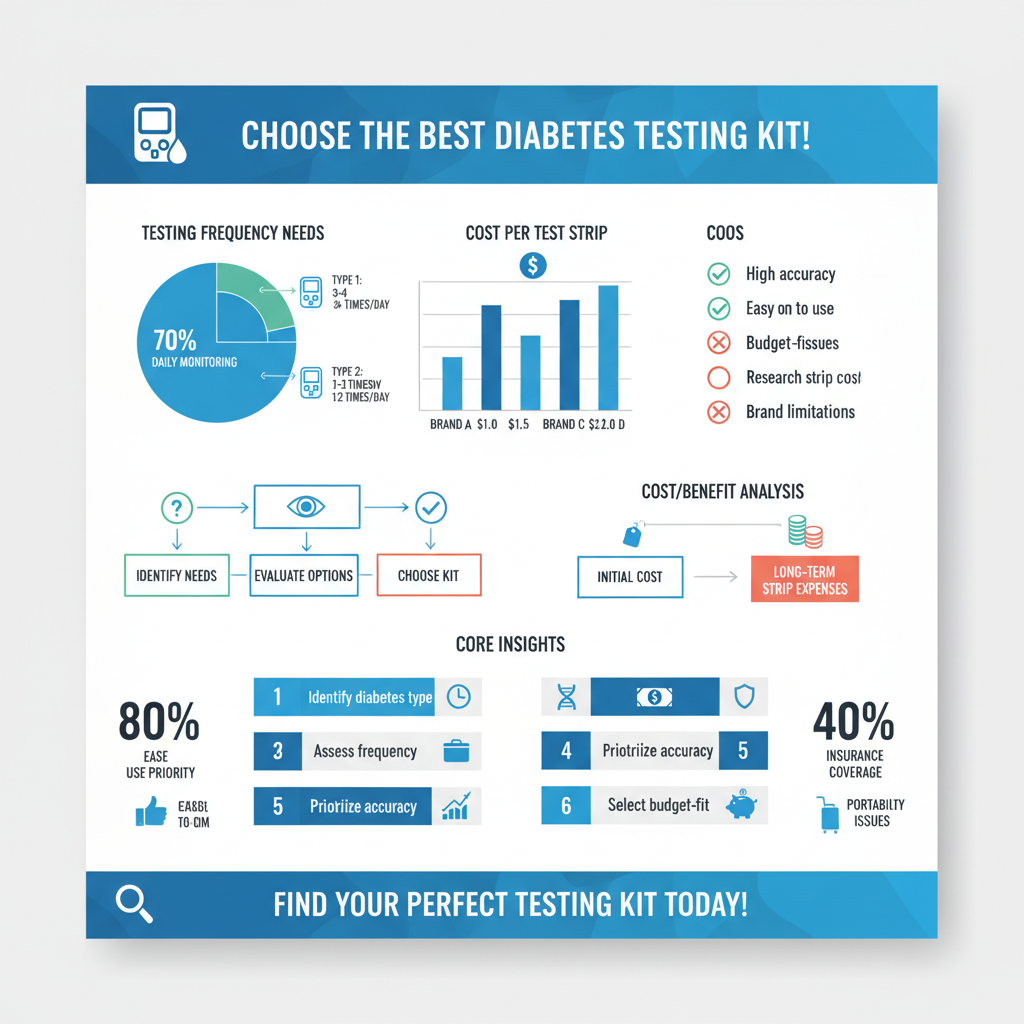
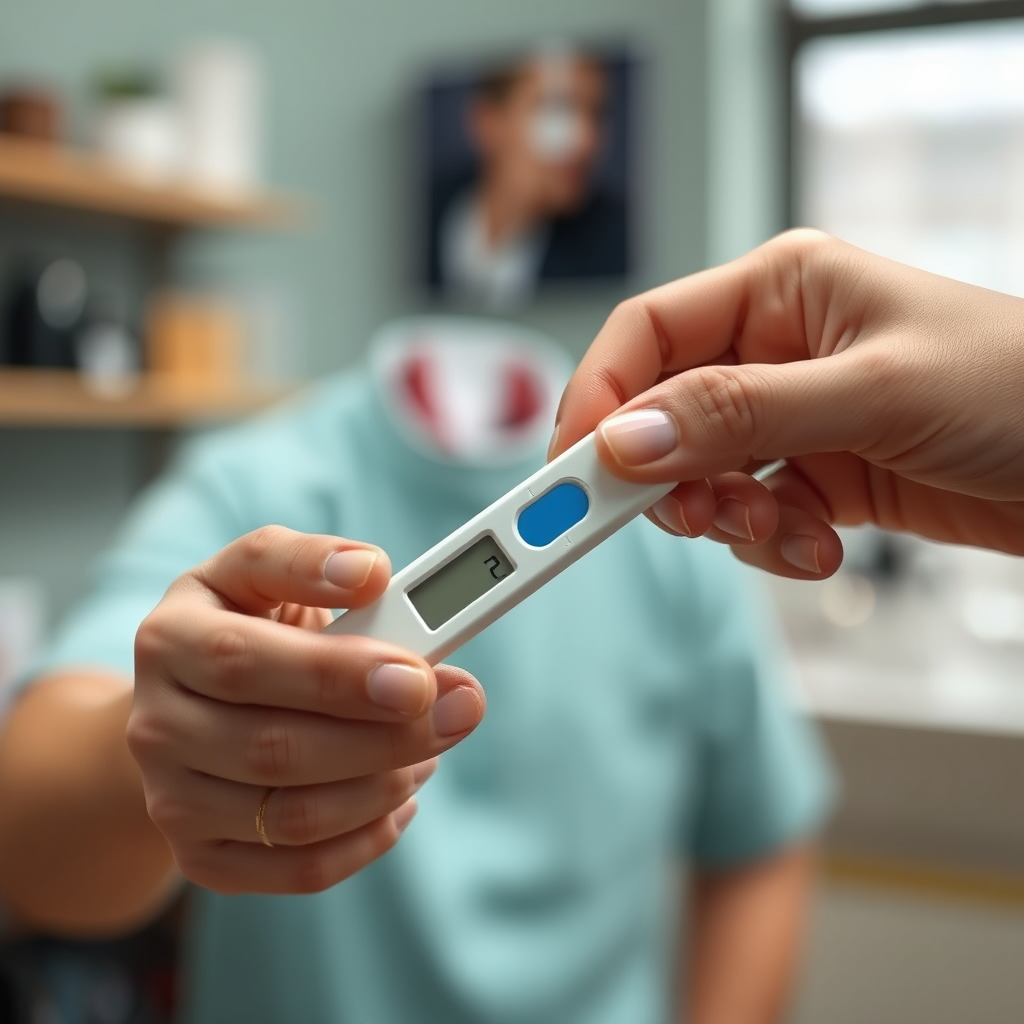
When evaluating different options, a few core features consistently stand out as indicators of a high-quality and user-friendly diabetes testing kit. Prioritizing these aspects will guide you towards a reliable and effective choice.
* Accuracy and Reliability: Look for meters that are FDA-cleared and known for consistent, precise readings.
Accuracy is paramount in blood glucose monitoring. Your treatment decisions – whether to adjust medication, eat a snack, or exercise – depend entirely on the precision of your readings. Always opt for meters that are FDA-cleared, as this indicates they meet basic safety and efficacy standards. Beyond that, many reputable brands adhere to strict international accuracy standards, such as ISO 15197:2013, which specifies that 95% of results must be within ±15% of a lab reference value for glucose concentrations ≥100 mg/dL, and within ±15 mg/dL for glucose concentrations <100 mg/dL. Researching clinical studies and reading user reviews can offer insights into a meter's real-world reliability. A meter that consistently provides precise readings helps you and your healthcare provider make the most informed choices for your health.
* Ease of Use: Prioritize large, clear displays, simple navigation, comfortable lancing devices, and easy-to-handle test strips.
A diabetes testing kit, no matter how advanced, is only effective if you use it regularly and correctly. Ease of use covers several practical aspects that enhance your monitoring experience. A large, backlit display with clear numbers is a godsend, especially for individuals with impaired vision or when testing in low-light conditions. Simple, intuitive navigation through menus prevents frustration. The lancing device, used to prick your finger for a blood sample, should be comfortable, offer adjustable depth settings to minimize pain, and use thin-gauge lancets. Furthermore, test strips that are easy to handle – perhaps larger in size, with a wider dosing area or “sip-in” technology that draws blood automatically – can make a big difference, especially for those with dexterity challenges. The fewer steps and the less fuss involved, the more likely you are to adhere to your testing schedule.
* Data Management & Connectivity: Seek out kits with memory storage, app integration, or computer connectivity for tracking trends and sharing data with your healthcare provider.
Simply getting a reading isn’t enough; understanding the patterns and trends in your blood glucose levels is key to effective diabetes management. Modern glucometers often come equipped with significant memory storage to log hundreds of readings, but the real power lies in their data management capabilities. Many top kits now offer Bluetooth connectivity, allowing them to seamlessly sync readings to a smartphone app. These apps can categorize readings (e.g., pre-meal, post-meal, fasting), track insulin doses, log food intake, and even analyze trends over time, presenting the data in easy-to-understand graphs and charts. Some meters also offer USB connectivity for downloading data to a computer. This digital integration empowers you to identify what influences your blood sugar, and crucially, enables you to share comprehensive, accurate data with your healthcare provider, leading to more personalized and effective treatment adjustments.
Top-Rated Diabetes Testing Kit Options
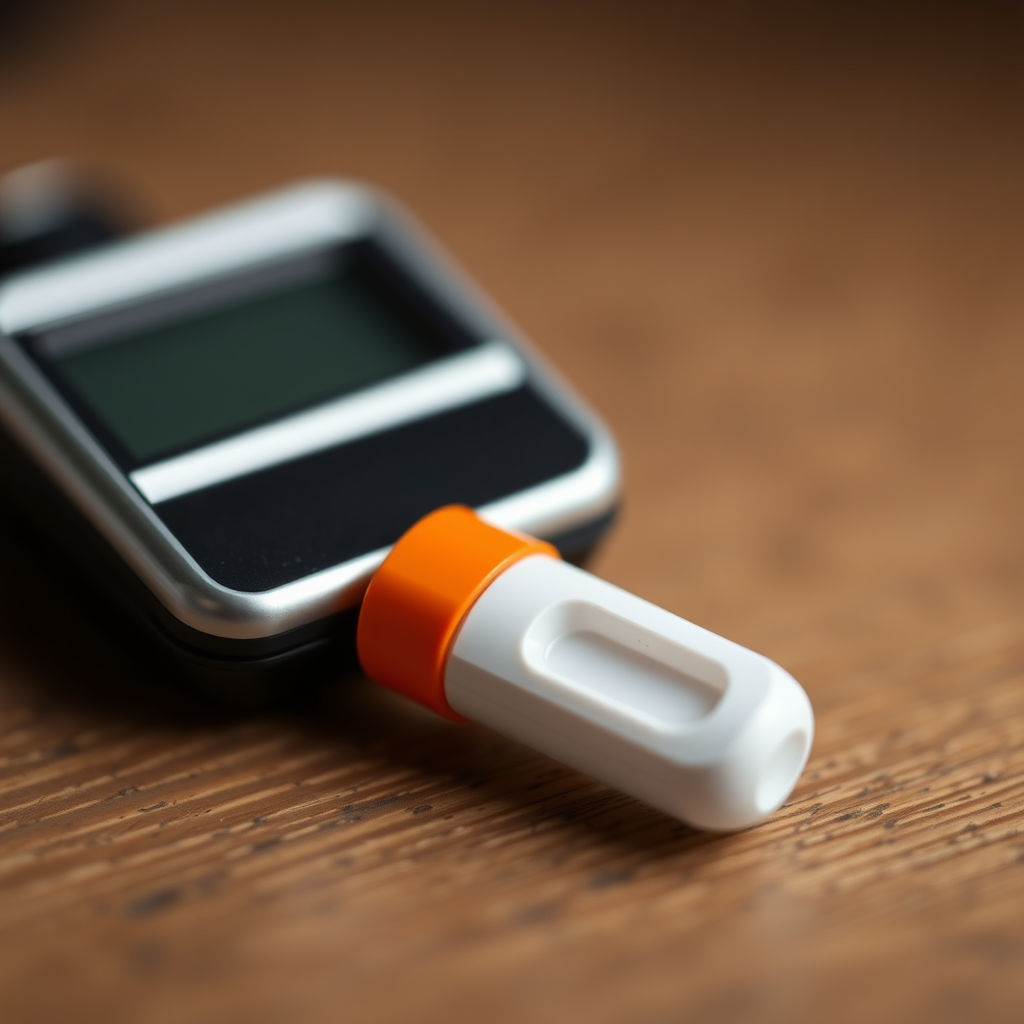
While the “best” kit truly depends on your individual needs, several brands consistently receive high marks for their performance, reliability, and user-friendly features. Here are a few examples of popular and well-regarded options that exemplify excellence in blood glucose monitoring.
* Brand A (e.g., OneTouch Verio Reflect): Known for its ColorSure® technology, instant insights, and seamless app integration.
The OneTouch Verio Reflect is a standout for those who appreciate immediate feedback and smart insights. Its innovative ColorSure® PLUS technology instantly shows you if your blood glucose reading is in, above, or below your target range through clear color indicators, making it easy to understand your results at a glance. Beyond just a number, its “Blood Sugar Mentor” feature provides personalized guidance, insights, and encouragement based on your patterns, helping you interpret results and make informed decisions. The device seamlessly connects via Bluetooth to the OneTouch Reveal® app, which automatically organizes your results, identifies patterns, and allows for easy data sharing with your healthcare team. This kit is ideal for individuals seeking not just readings, but also actionable intelligence to better manage their diabetes.
* Brand B (e.g., Contour Next One): Praised for exceptional accuracy, smartLIGHT feature, and small blood sample requirement.
The Contour Next One consistently earns high praise for its exceptional accuracy, often exceeding the minimum ISO standards. This precision gives users great confidence in their readings, which is fundamental for effective diabetes management. A particularly user-friendly feature is its smartLIGHT® system, which provides instant feedback with a color-coded light – green for in-range, yellow for high, and red for low – making it quick and easy to interpret results. It also boasts a remarkably small blood sample requirement (just 0.6 µL), which can mean less discomfort, and a clever “second-chance sampling” feature that allows you to apply more blood to the same strip if the first sample was insufficient, reducing wasted strips. Connecting to the Contour® Diabetes app, it facilitates pattern detection and sharing. It’s a fantastic choice for those prioritizing top-tier accuracy and convenient features.
* Brand C (e.g., Accu-Chek Guide Me): Offers a wide test strip dosing area, bright strip port light, and Bluetooth connectivity.
The Accu-Chek Guide Me is celebrated for its thoughtful design that focuses on ease of use, especially concerning test strip handling. It features a wide test strip dosing area, making it less fiddly to apply blood, which is a significant advantage for anyone, particularly those with dexterity challenges. The meter also includes a bright strip port light, allowing for easier testing in dim lighting conditions or at night, without fumbling. While being straightforward, it doesn’t skimp on modern connectivity, offering Bluetooth pairing with the Accu-Chek Connect app. This allows for automatic logging, trend analysis, and seamless data sharing. Known for its consistent accuracy and reliability, the Accu-Chek Guide Me is an excellent option for users who value simplicity, comfort, and dependable results from a well-established brand.
Essential Components of a Complete Testing Kit
A truly effective diabetes testing kit is more than just a single device; it’s a collection of complementary tools designed to work together to provide accurate blood glucose readings. Understanding each component ensures you’re using your kit correctly and effectively.
* Glucometer: The device that reads your blood glucose level.
This is the heart of your testing kit. The glucometer is the electronic device responsible for measuring the glucose concentration in your blood sample. It typically features a display screen, buttons for navigation, memory to store readings, and a port where you insert the test strip. Modern glucometers use electrochemical technology, where the blood on the test strip creates a small electrical current proportional to the glucose level, which the meter then translates into a numerical reading. Choosing a glucometer with a clear display, intuitive interface, and sufficient memory capacity is crucial for a smooth monitoring experience.
* Test Strips: Consumable strips that interact with the blood sample.
Test strips are the consumables that directly interact with your blood. Each strip contains a tiny amount of chemicals (enzymes) that react with glucose in your blood sample to produce an electrical current. It’s vital to use only the specific test strips designed for your particular glucometer model, as they are calibrated to work together. Test strips have an expiration date and must be stored correctly (usually in their original, tightly sealed vial) to maintain their accuracy. They are often the most significant recurring cost of diabetes management, so understanding their price and availability for your chosen kit is important.
* Lancets and Lancing Device: Used to obtain a small blood sample from your fingertip.
To get a blood sample, you’ll use a lancing device and a lancet. The lancing device is a spring-loaded tool that holds a sterile lancet – a tiny needle – and allows you to quickly prick your fingertip (or sometimes an alternate site) to obtain a small drop of blood. Most lancing devices offer adjustable depth settings, which is excellent for customizing the prick to minimize discomfort while still getting a sufficient blood sample. Lancets are single-use, sterile needles that should be disposed of properly after each use to maintain hygiene and ensure sharpness, which reduces pain. Using a fresh lancet every time makes a significant difference in comfort.
* Control Solution: A liquid used to verify the accuracy of your meter and test strips.
Control solution is a liquid that contains a known amount of glucose. It’s an essential tool for performing quality control checks on your glucometer and test strips. You use it by applying a drop to a test strip just as you would with a blood sample. The meter then displays a reading, which you compare to the range printed on the control solution bottle or test strip vial. If the reading falls within the specified range, it confirms that your meter and strips are working correctly. You should use control solution whenever you open a new vial of test strips, suspect your meter isn’t working correctly, drop your meter, or when your blood glucose readings don’t match your symptoms.
Tips for Effective & Accurate Glucose Monitoring
Having the best diabetes testing kit is only half the battle; knowing how to use it effectively and accurately is equally important. Following these tips will help ensure your readings are reliable and truly helpful for your diabetes management.
* Follow Instructions Carefully: Always read the user manual for your specific device before use.
It might seem obvious, but taking the time to thoroughly read the user manual for your specific glucometer is incredibly important. Each device has unique features, specific operating procedures, and troubleshooting guidelines. The manual will detail how to properly insert test strips, apply blood, interpret error codes, and perform maintenance. Skipping this step can lead to inaccurate readings, wasted strips, and unnecessary frustration. Think of it as your kit’s personalized guidebook to safe, effective, and accurate monitoring.
* Proper Technique: Wash and dry hands thoroughly before testing to avoid contamination and ensure accurate results.
Before every test, make it a habit to wash your hands with soap and warm water, then dry them thoroughly. Residual food particles, sugar from fruit, lotions, or dirt on your hands can significantly skew your blood glucose readings, leading to falsely high results. Avoid using alcohol wipes right before testing, as the alcohol can dilute the blood sample and give an inaccurate reading; if you use one, ensure your finger is completely dry before lancing. Gently “milk” your finger from the base towards the tip to encourage blood flow, but avoid squeezing too hard, as this can dilute the sample with tissue fluid. Getting a clean, proper blood sample is fundamental to accurate results.
* Regular Calibration & Quality Control: Use control solution as recommended to ensure your kit is functioning correctly.
Beyond following proper testing technique, regularly checking the accuracy of your meter and test strips with control solution is a non-negotiable step for quality control. As mentioned earlier, use control solution when you open a new box of test strips, suspect your readings are off, if you’ve dropped your meter, or just to perform routine checks (e.g., once a week or month). Always verify the expiration dates of both your test strips and your control solution, as expired products can lead to inaccurate readings. This simple step provides peace of mind that your kit is providing reliable information for your health decisions.
Ultimately, the best diabetes testing kit is one that provides accurate results, fits seamlessly into your daily routine, and helps you effectively manage your blood glucose levels. By prioritizing accuracy, ease of use, data tracking, and considering ongoing costs, you can make an informed decision that empowers your health journey. We encourage you to discuss your specific needs and preferences with your healthcare provider to choose the ideal kit for you and begin monitoring with confidence.
Frequently Asked Questions
What key features should I look for when choosing the best diabetes testing kit?
When selecting the best diabetes testing kit, prioritize accuracy, a small blood sample requirement, and fast results to make daily monitoring efficient. Additional valuable features include a large memory for storing readings, a user-friendly interface, backlight displays for low-light conditions, and potentially app connectivity for easy data tracking and sharing with your healthcare provider. These elements contribute to a more effective and convenient blood glucose monitoring experience.
How can I ensure the accuracy of my diabetes testing kit results?
To ensure accurate blood glucose readings from your diabetes testing kit, always check the expiration dates on your test strips and store them correctly according to the manufacturer’s instructions. Regularly use control solutions to verify your meter’s functionality, and always wash and dry your hands thoroughly before testing. Following the specific instructions for your blood glucose meter and lancing device precisely will minimize errors and provide reliable results for effective diabetes management.
Which smart diabetes testing kits offer app connectivity and data tracking features?
Many modern diabetes testing kits, often referred to as smart blood glucose meters, now come equipped with Bluetooth connectivity for seamless integration with smartphone apps. Popular options like Accu-Chek Guide, OneTouch Verio Reflect, and Contour Next One allow users to automatically sync their readings, track trends, and share data with their care team effortlessly. These smart features help individuals gain deeper insights into their glucose patterns and make more informed decisions about their diabetes care.
Why is the cost of diabetes test strips so high, and how can I save money on them?
The high cost of diabetes test strips is often attributed to the significant research, development, and manufacturing precision required to ensure accuracy and reliability. To save money, check with your insurance provider to see which specific brands or generic alternatives are covered under your plan. Additionally, explore patient assistance programs offered by manufacturers, look for discount coupons, or consider purchasing compatible generic test strips if your meter supports them, always verifying their accuracy and safety.
Are there pain-free or less painful options for blood glucose monitoring?
While no blood glucose test is entirely “pain-free,” many modern diabetes testing kits feature lancing devices designed to minimize discomfort with adjustable depth settings and ultra-fine lancets. For those seeking less frequent pricks, Continuous Glucose Monitoring (CGM) systems offer a revolutionary alternative, using a small, disposable sensor inserted under the skin to provide real-time glucose readings for several days or weeks, significantly reducing the need for daily fingersticks.
References
- Glucose meter
- https://www.cdc.gov/diabetes/managing/managing-diabetes.html
- https://www.niddk.nih.gov/health-information/diabetes/overview/managing-diabetes/blood-glucose-monitoring
- https://diabetes.org/health-wellness/blood-glucose-monitoring-why-it-matters
- https://www.mayoclinic.org/diseases-conditions/diabetes/in-depth/blood-glucose-meters/art-20047321
- https://www.health.harvard.edu/diseases-and-conditions/diabetes-basics
- Diabetes Teaching Center
- https://www.bbc.com/news/uk-66380126
- https://www.ncbi.nlm.nih.gov/pmc/articles/PMC6675549/
