
Currently, Tirzepatide (sold as Mounjaro) is statistically considered the most effective diabetes drug for weight loss, demonstrating reductions of up to 15-22% of body weight in clinical trials. Semaglutide (sold as Ozempic) is a close second, offering significant weight management benefits alongside blood sugar control for Type 2 diabetes patients. While these medications are the top performers, the best choice ultimately depends on your specific medical history, insurance coverage, and tolerance to potential side effects. Navigating the world of diabetes medications can feel overwhelming, especially with the recent buzz surrounding their weight loss potential. It’s not just about picking the most popular brand; it’s about finding a sustainable solution that manages your blood sugar while helping you achieve a healthier body weight.
Tirzepatide (Mounjaro): The Current Leader

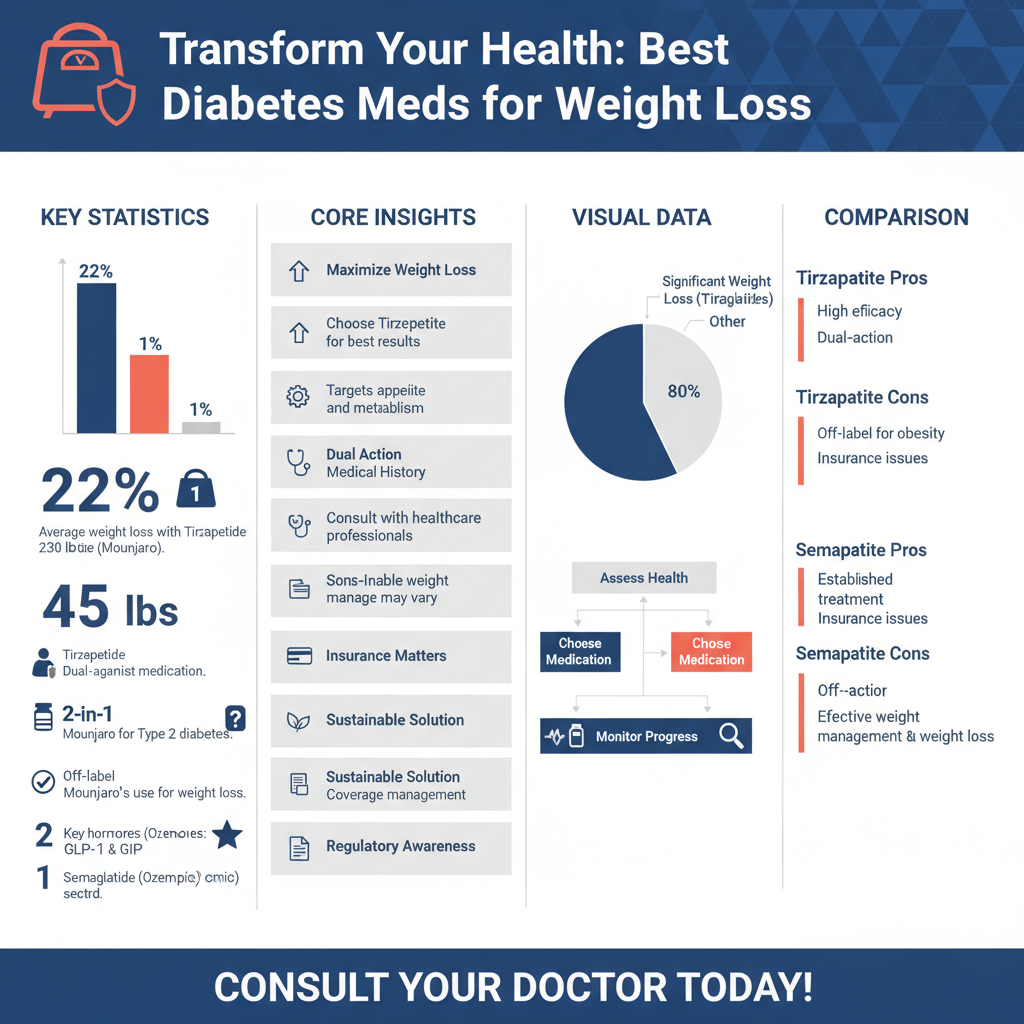
When we look at the clinical data and patient experiences, Tirzepatide—commonly known by the brand name Mounjaro—currently sits at the top of the leaderboard. What makes this medication so distinct is its unique mechanism of action. Unlike earlier drugs that targeted a single hormone, Tirzepatide is a dual-agonist. This means it targets both the GLP-1 (glucagon-like peptide-1) receptors and the GIP (glucose-dependent insulinotropic polypeptide) receptors.
Think of it as attacking the problem from two angles simultaneously. While GLP-1 helps regulate appetite and insulin secretion, GIP works synergistically to enhance those effects and improve how the body breaks down sugar and fat. This “dynamic duo” effect is why Mounjaro has shown superior results compared to single-agonist drugs. It essentially turns down the volume on food cravings while turning up the body’s metabolic efficiency.
The clinical data backing Tirzepatide is compelling. In major studies, such as the SURPASS clinical trials, patients taking the highest dose of Mounjaro experienced an average weight reduction of roughly 20% to 22%. To put that in perspective, a person weighing 230 pounds could potentially lose over 45 pounds. This level of weight loss rivals that of early bariatric surgery results, which is a groundbreaking development for pharmaceutical interventions.
However, it is crucial to understand the regulatory landscape. Mounjaro is FDA-approved primarily for the treatment of Type 2 diabetes. While its weight loss effects are profound, prescribing it solely for obesity is technically considered “off-label” use. (Note: The same active ingredient, Tirzepatide, was recently approved under the brand name Zepbound specifically for weight management, but Mounjaro remains the diabetes-focused formulation). Doctors frequently prescribe it because managing weight is often intrinsic to managing diabetes, but this distinction can sometimes complicate insurance coverage.
Semaglutide (Ozempic): The Gold Standard

Before Mounjaro took the lead, Semaglutide—best known as Ozempic—changed the conversation around diabetes and weight loss entirely. It remains the gold standard for millions of patients and is arguably the most recognized name in this class of drugs. Ozempic is a GLP-1 receptor agonist. It works by mimicking the hormone your gut naturally releases after you eat.
This mimicry accomplishes three main things: it tells your pancreas to release insulin when blood sugar is high, it stops your liver from releasing too much sugar, and—most importantly for weight loss—it slows down gastric emptying. By keeping food in your stomach longer, Ozempic sends a powerful signal of “fullness” to your brain. This helps silence “food noise”—the constant mental chatter about what to eat next—allowing patients to naturally reduce their calorie intake without feeling deprived.
In terms of results, Semaglutide is incredibly effective. On average, studies show that patients using Ozempic can expect to lose between 10% and 15% of their body weight. While this is slightly lower than the averages seen with Tirzepatide, it is still a massive health benefit that can dramatically improve cardiovascular health and mobility. Success with Ozempic relies heavily on dosage titration (slowly increasing the dose over weeks) and is most effective when paired with genuine lifestyle changes.
It is also important to clarify the branding, as this often causes confusion. Ozempic is the brand name approved for Type 2 diabetes. Wegovy is the exact same drug (Semaglutide) but is available in slightly higher doses and is FDA-approved specifically for chronic weight management. If you do not have diabetes, your doctor is more likely to prescribe Wegovy to navigate insurance protocols, even though the mechanism of action is identical to Ozempic.
Liraglutide and Other GLP-1 Options

While Mounjaro and Ozempic dominate the headlines, they aren’t the only options, nor are they the right fit for everyone. Liraglutide, sold under the brand names Victoza (for diabetes) and Saxenda (for weight loss), is a slightly older GLP-1 agonist that has a strong track record of safety and efficacy.
The primary difference with Liraglutide is the administration schedule. While Semaglutide and Tirzepatide are weekly injections, Liraglutide is a daily injection. For some patients, a daily routine is actually easier to remember than a weekly one. Furthermore, because it leaves the system faster, some patients find that if they experience side effects, they resolve more quickly than with the long-acting weekly shots. This makes Liraglutide a solid option for individuals who might be sensitive to medications.
Then there is Dulaglutide, sold as Trulicity. Trulicity is a fantastic medication for blood sugar control and heart health, but statistically, it produces more modest weight loss results compared to Mounjaro or Ozempic. Patients on Trulicity might see weight loss in the range of 5-10 pounds, rather than the dramatic 15-20% body weight drops seen with the newer drugs.
So, who are these older drugs for? They are excellent for patients who:
Cannot tolerate the intensity of Mounjaro or Ozempic.
Have insurance plans that prefer these established formularies.
Are prioritizing A1C maintenance and cardiovascular protection over drastic weight reduction.
Metformin and SGLT2 Inhibitors
It is impossible to discuss diabetes management without mentioning Metformin. For decades, Metformin has been the first-line defense for Type 2 diabetes. It works by lowering glucose production in the liver and improving the body’s sensitivity to insulin. When it comes to weight loss, however, Metformin is generally “weight neutral” or associated with only modest, gradual loss (typically 4 to 6 pounds over a year). It is not a weight-loss drug, but it is a crucial foundation for metabolic health that ensures patients don’t gain weight while treating their diabetes.
Another exciting class of drugs is SGLT2 inhibitors, such as Jardiance (Empagliflozin). These pills work completely differently from GLP-1 injections. Instead of dealing with hormones, SGLT2 inhibitors work on the kidneys. They prevent the kidneys from reabsorbing sugar into the blood, causing the excess sugar—and the calories associated with it—to be expelled through urine.
This process can lead to distinct weight loss, usually related to both calorie loss and fluid loss. While SGLT2 inhibitors generally don’t produce the double-digit weight loss percentages of Mounjaro, they offer a unique benefit: they are pills, not needles. Furthermore, modern diabetes care often involves combination therapy. It is becoming increasingly common for endocrinologists to prescribe an SGLT2 inhibitor alongside a GLP-1 agonist. This “stacking” approach can maximize metabolic health, protecting the heart and kidneys while aggressively targeting blood sugar and weight from two different directions.
Common Side Effects and Safety Considerations
These medications are powerful, and with potency comes the risk of side effects. The most universally reported issues with GLP-1 and dual-agonist drugs are gastrointestinal. Because these drugs slow down digestion, your body has to adjust to holding food longer.
Common side effects include:
* Nausea: This is the #1 complaint, especially when starting or increasing the dose.
* Vomiting and Diarrhea: Occurs less frequently but can happen if a patient overeats or eats high-fat foods.
* Constipation: Slowed gastric emptying can lead to significant backup if hydration and fiber aren’t prioritized.
There are also serious, though rare, safety considerations. Both Semaglutide and Tirzepatide carry warnings regarding the risk of thyroid C-cell tumors (seen in rodent studies), so they are generally not prescribed to those with a personal or family history of Medullary Thyroid Carcinoma (MTC). Additionally, there is a risk of pancreatitis (inflammation of the pancreas) and gallbladder issues (like gallstones), often precipitated by rapid weight loss.
The key to managing these risks and side effects lies in titration and diet. Doctors usually start patients on a very low “initiation dose” for 4 weeks to let the body acclaimate before stepping up to a therapeutic dose. Patients can also mitigate nausea by eating smaller, more frequent meals, avoiding fried or greasy foods, and stopping eating the moment they feel full.
Factors Influencing Your Prescription Choice
Choosing the “best” drug isn’t just a medical decision; unfortunately, it is often a financial and logistical one. The cost of these newer medications—Mounjaro, Ozempic, and Wegovy—can be astronomical without insurance, often ranging from $900 to $1,300 per month out-of-pocket.
Insurance coverage is the biggest hurdle. Most insurers will cover Ozempic and Mounjaro for Type 2 diabetes without much issue. However, obtaining coverage for “off-label” use (using a diabetes drug solely for weight loss) is becoming increasingly difficult. Many insurance plans specifically exclude weight loss medications, or require a strict “Step Therapy” process where you must fail on cheaper drugs (like Metformin) before they approve the expensive injections.
Availability is another major factor. Due to the viral popularity of these drugs on social media, global shortages have been a recurring issue. A diabetic patient might find that the “best” drug for them is simply the one they can actually find in stock at their local pharmacy.
Finally, we must emphasize that these drugs are tools, not magic wands. Sustainable results depend heavily on lifestyle. If you stop taking the medication without having established new dietary habits and exercise routines, the weight is very likely to return. The most successful patients are those who use the “quieting of food noise” provided by the drug to build a new relationship with food, prioritizing protein and strength training to maintain muscle mass as they lose fat.
While Mounjaro and Ozempic currently lead the market as the best diabetes drugs for weight loss, they are potent medications that require medical supervision. The most effective drug is one that balances blood sugar control with sustainable weight reduction while minimizing adverse effects. Consult with your healthcare provider to review your full health profile and insurance options before starting any new treatment regimen for diabetes or weight management. Your journey is unique, and finding the right balance between efficacy, safety, and affordability is the key to long-term success.
Frequently Asked Questions
Which diabetes medication results in the most significant weight loss?
Clinical studies suggest that Mounjaro (tirzepatide) currently offers the most significant weight loss results, with patients losing up to 20% of their body weight in trials. While Ozempic (semaglutide) is highly effective and widely recognized for helping patients lose approximately 15% of body weight, Mounjaro’s dual-action mechanism targets two hormone receptors rather than one, often leading to superior fat-burning outcomes. However, the “best” drug depends on individual health factors, tolerance to side effects, and doctor recommendations.
How does Ozempic compare to Mounjaro for weight loss effectiveness?
The main difference lies in their chemical structure; Ozempic mimics only the GLP-1 hormone, whereas Mounjaro mimics both GLP-1 and GIP hormones, making it a dual agonist that may regulate appetite more aggressively. Head-to-head clinical trials have generally shown that participants taking tirzepatide (Mounjaro) experienced greater weight reductions compared to those on semaglutide (Ozempic). Despite this, both are considered top-tier options for managing Type 2 diabetes and supporting weight management.
How do GLP-1 agonists work to reduce body weight?
GLP-1 receptor agonists work by mimicking a natural hormone in the gut that signals to your brain that you are full, effectively suppressing appetite and reducing food cravings. Additionally, these medications slow down gastric emptying, meaning food stays in your stomach longer, which helps maintain blood sugar levels and prolongs the sensation of satiety after eating. This combination helps patients create a sustainable calorie deficit without the intense hunger usually associated with dieting.
What are the common side effects of using diabetes drugs for weight loss?
Most side effects associated with GLP-1 drugs like Wegovy, Ozempic, and Mounjaro are gastrointestinal, commonly including nausea, vomiting, diarrhea, constipation, and stomach pain. These symptoms are usually most intense when starting the medication or increasing the dosage and tend to subside as the body adjusts to the drug. It is crucial to consult a healthcare provider about these risks, as rare but serious complications like pancreatitis or gallbladder issues can occur.
Will insurance cover diabetes medication if prescribed for weight loss?
Insurance coverage is generally stricter for off-label use; most plans cover these drugs readily for patients with a Type 2 diabetes diagnosis but may deny coverage if prescribed solely for weight loss. However, FDA-approved weight management versions of these drugs (such as Wegovy or Zepbound) may be covered if the patient meets specific BMI criteria or has weight-related conditions like hypertension. Patients should check their specific pharmacy benefits formulary and ask their doctor about prior authorization requirements.
References
- https://www.mayoclinic.org/diseases-conditions/type-2-diabetes/in-depth/diabetes-weight-loss/art-20044310
- https://www.health.harvard.edu/blog/diabetes-drugs-for-weight-loss-what-you-need-to-know-202306282948
- https://www.yalemedicine.org/news/diabetes-drug-weight-loss-ozempic
- https://www.fda.gov/consumers/consumer-updates/medications-contain-semaglutide-marketed-type-2-diabetes-or-weight-loss
- https://health.ucdavis.edu/blog/cultivating-health/ozempic-for-weight-loss-does-it-work-and-is-it-safe/2023/07
- Prescription Medications to Treat Overweight & Obesity – NIDDK
- Semaglutide, also known as Ozempic, for weight loss – what you need to know | UCLA Health
- https://diabetes.org/health-wellness/weight-management/weight-loss-medications
- https://www.houstonmethodist.org/blog/articles/2023/apr/ozempic-weight-loss/
