
Navigating sweet treats with diabetes doesn’t mean giving them up entirely; the best desserts for diabetics are those that are low in added sugars, rich in fiber, and made with whole, unprocessed ingredients. While indulging in something sweet might seem challenging, this guide will reveal how to enjoy delicious and satisfying desserts safely, ensuring they align with a blood-sugar-friendly diet and support overall health.
Understanding Diabetic-Friendly Desserts
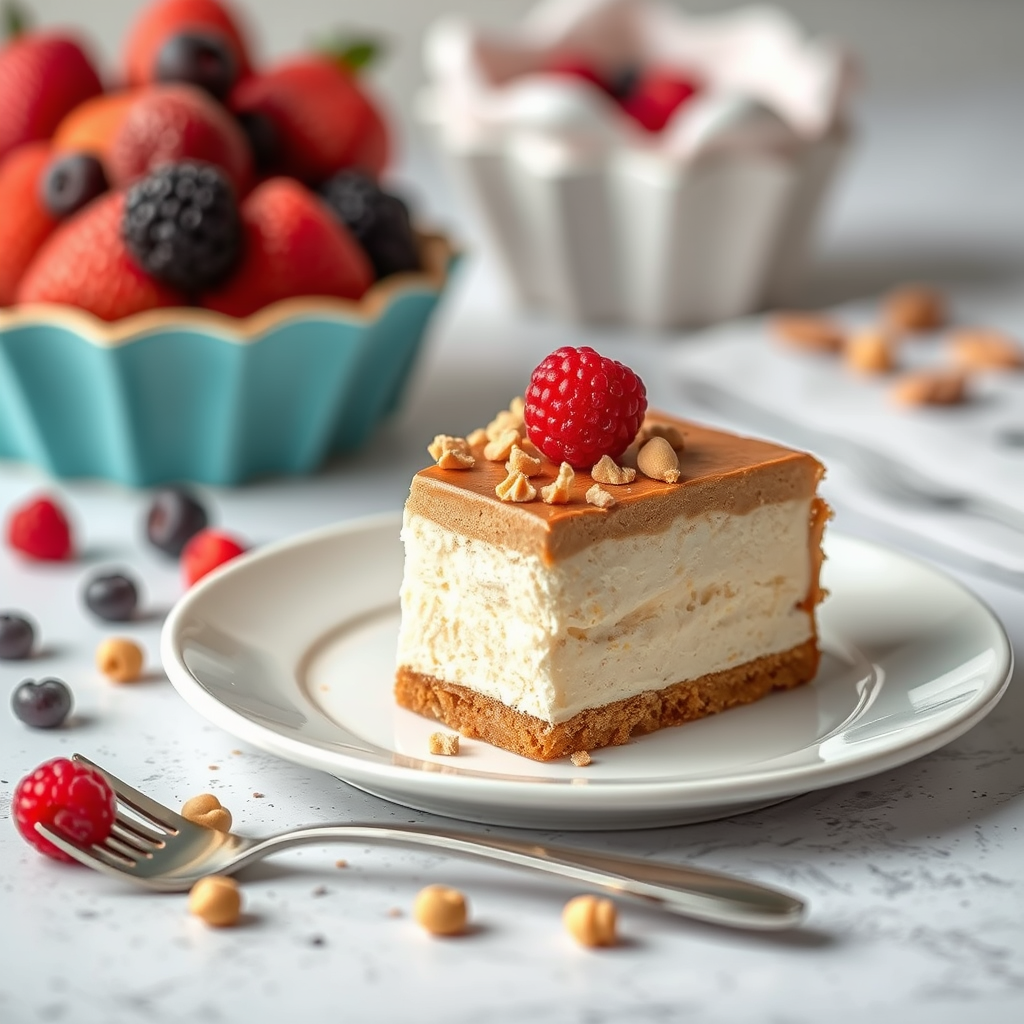
* Focus on ingredients with a low glycemic index (GI) to prevent rapid blood sugar spikes.
The glycemic index (GI) is a numerical scale that ranks carbohydrates based on how quickly they raise blood sugar levels after eating. For individuals managing diabetes, choosing foods with a low GI is crucial as they cause a slower, more gradual rise in blood glucose, making it easier to maintain stable levels. When it comes to desserts, this means opting for ingredients like most berries, nuts, seeds, and certain whole grains over refined flours and sugary components. Ingredients that are minimally processed and retain their natural fiber tend to have a lower GI, helping to prevent those unwanted post-dessert sugar surges. Understanding and applying the GI principle is your first step towards truly diabetic-friendly dessert choices.
* Prioritize natural sugars from whole fruits, fiber-rich components, and healthy fats.
Instead of relying on added sugars that offer little nutritional value, shift your focus to desserts that naturally derive their sweetness from whole fruits. Fruits like berries, apples, and pears come packed with fiber, which is essential for slowing down sugar absorption and promoting satiety. Beyond fruits, incorporating fiber-rich components such as chia seeds, flax seeds, oats, and whole nuts into your desserts adds bulk and contributes to better blood sugar management. Don’t forget healthy fats, either! Ingredients like avocados, nuts, seeds, and unsweetened dairy can add richness and a satisfying texture to your treats while helping to keep you full and stabilize blood sugar by slowing down digestion.
* Emphasize strict portion control as even healthy ingredients can impact blood sugar in large quantities.
It’s a common misconception that if an ingredient is “healthy” or “natural,” you can eat as much of it as you like without consequence. However, even the best diabetic-friendly ingredients, like fruits, nuts, or whole grains, contain carbohydrates and calories that can affect your blood sugar levels and weight if consumed in excess. Portion control is paramount when enjoying any dessert, regardless of how healthy its components are. A small, carefully measured serving of a nutritious dessert can be perfectly fine, while an oversized portion could still lead to unwanted blood sugar spikes. Get into the habit of measuring your servings, using smaller plates, and being mindful of your body’s signals of fullness to truly enjoy your treats responsibly.
Smart Sweeteners and What to Avoid
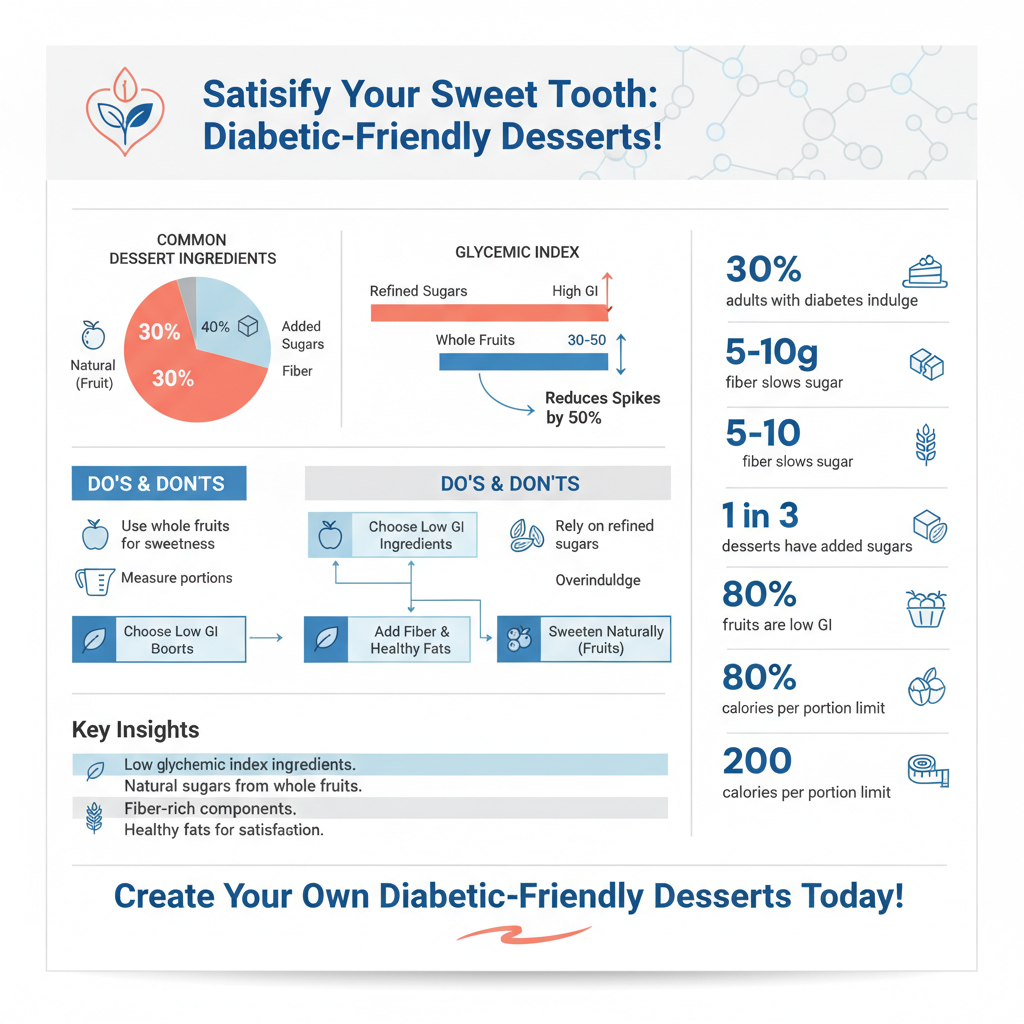

* Approved Sweeteners: Opt for natural, zero-calorie sweeteners like stevia, monk fruit extract, and erythritol.
These natural, zero-calorie sweeteners are fantastic allies in creating delicious diabetic-friendly desserts without the blood sugar impact of traditional sugar. Stevia, derived from the stevia plant, is intensely sweet and widely available in various forms (liquid drops, powder). Monk fruit extract, from the monk fruit, offers a clean, sugar-like taste without the calories or carbs. Erythritol, a sugar alcohol, is unique because it’s largely absorbed by the bloodstream but not metabolized, meaning it doesn’t typically cause the digestive upset sometimes associated with other sugar alcohols. It also has a mild, clean sweetness that bakes well. These sweeteners allow you to enjoy the sweetness you crave in everything from baked goods to puddings, offering a guilt-free way to satisfy your sweet tooth.
* Natural Sugars in Moderation: Utilize small amounts of natural sugars found in fruits, or sparingly use maple syrup/honey with careful portioning.
While the primary goal is to minimize added sugars, it’s okay to incorporate very small amounts of naturally occurring sugars found in whole fruits, and even a tiny drizzle of pure maple syrup or raw honey for flavor, as long as you account for the carbohydrates and practice strict portioning. The key word here is “moderation.” A few berries in your yogurt or a teaspoon of maple syrup over a baked apple can enhance flavor without derailing your blood sugar goals, especially when paired with fiber and healthy fats. Always remember that even these “natural” options are still sources of concentrated sugar and carbohydrates, so treat them as occasional accents rather than primary sweeteners, and always be mindful of their impact.
* Sweeteners to Limit/Avoid: Steer clear of refined sugars, high-fructose corn syrup, and excessive use of artificial sweeteners that may have other health implications.
This category includes the obvious culprits: white sugar, brown sugar, confectioners’ sugar, and the highly prevalent high-fructose corn syrup (HFCS) found in many processed foods. These sweeteners are rapidly absorbed into the bloodstream, causing swift and significant blood sugar spikes, and offer no nutritional benefits. Beyond these, be cautious with excessive consumption of some artificial sweeteners like saccharin or sucralose. While they don’t directly raise blood sugar, some research suggests potential links to changes in gut microbiota, altered glucose metabolism over time, or increased cravings for sweet foods. It’s best to prioritize whole food ingredients and the approved natural sweeteners mentioned above for overall health and better blood sugar control.
Delicious Fruit-Based Indulgences
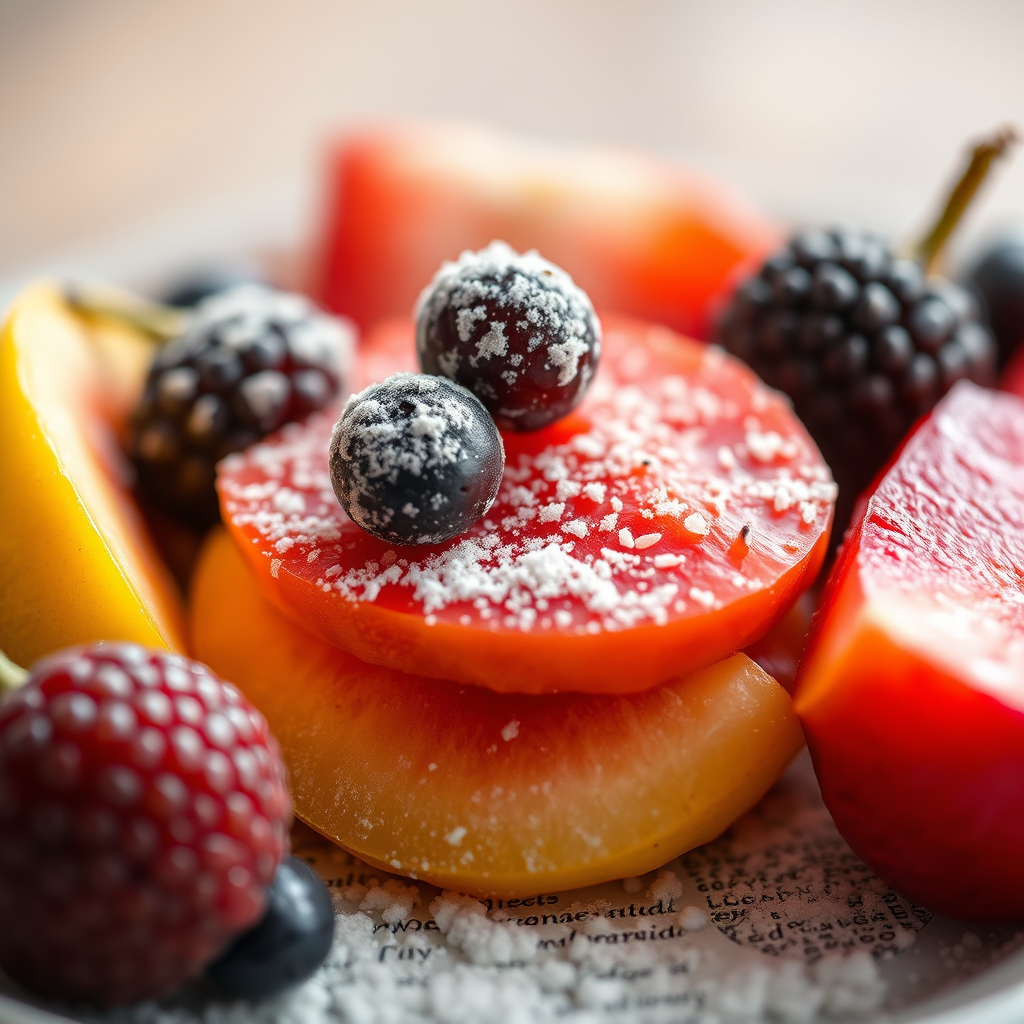
* Fiber-Rich Fruits: Berries (strawberries, blueberries, raspberries), apples, and pears are excellent choices due to their high fiber content and natural sweetness.
When it comes to fruit, berries are truly superstars for diabetics. Strawberries, blueberries, and raspberries are low in sugar, high in fiber, and bursting with antioxidants, making them perfect for sweet treats. The fiber in berries helps to slow down the absorption of their natural sugars, preventing sharp blood sugar spikes. Apples and pears, especially with their skins on, are also fantastic choices. They provide a good amount of soluble fiber which aids in digestion and blood sugar regulation. These fruits offer a naturally sweet base for countless delicious and healthy desserts, giving you that satisfying sweetness without the added sugar guilt.
* Simple Preparations: Enjoy baked apples with cinnamon, fruit salads, or sugar-free fruit sorbets and smoothies.
You don’t need complicated recipes to enjoy fruit-based desserts. A classic baked apple, cored and filled with a sprinkle of cinnamon and perhaps a few chopped pecans, is wonderfully comforting and blood-sugar friendly. Fruit salads made with a vibrant mix of berries, kiwi, and melon can be refreshing and visually appealing. For something cool and creamy, blend frozen berries with a splash of unsweetened almond milk and a touch of monk fruit sweetener to create a delightful sugar-free sorbet or a satisfying smoothie. These simple preparations highlight the natural flavors of the fruit, making them incredibly satisfying and easy to prepare.
* Mindful Portions: While healthy, fruits still contain natural sugars, so consume them in recommended serving sizes.
It bears repeating: even the healthiest fruits contain natural sugars (fructose) and carbohydrates. While superior to added sugars due to their fiber content, consuming large quantities of fruit can still impact your blood sugar levels. It’s crucial to practice mindful portioning, adhering to recommended serving sizes, which are generally about 1/2 to 1 cup for most fruits. Instead of eating a whole large apple, consider pairing half an apple with a handful of nuts or a dollop of unsweetened Greek yogurt. This combination of fiber, healthy fats, and protein helps to further slow down sugar absorption, creating a more balanced and blood-sugar-friendly dessert experience.
Dairy and Protein-Packed Treats
* Greek Yogurt Creations: Unsweetened Greek yogurt parfaits layered with fresh berries and a sprinkle of nuts or seeds provide protein and satisfying creaminess.
Unsweetened Greek yogurt is a fantastic base for diabetic-friendly desserts, boasting a high protein content that helps with satiety and blood sugar stability. Create a delicious parfait by layering it with those fiber-rich fresh berries you love – strawberries, blueberries, or raspberries are perfect. For an extra crunch and healthy fats, sprinkle in some chopped almonds, walnuts, or a mix of chia and flax seeds. A tiny dash of cinnamon or a few drops of vanilla extract can enhance the flavor without adding sugar. This combination provides a powerful punch of protein, fiber, and healthy fats, making it a perfectly balanced and utterly satisfying dessert.
* Cottage Cheese Delights: Mix cottage cheese with a small amount of fruit or a dash of cinnamon for a quick, protein-rich dessert.
Often overlooked in the dessert category, cottage cheese is a versatile and protein-packed option that can be transformed into a delicious sweet treat. Its mild flavor and creamy texture make it an excellent canvas. Simply mix a serving of low-fat, plain cottage cheese with a small amount of your favorite fruit, like a few slices of peach or a handful of berries. A generous dash of cinnamon or nutmeg can add warmth and natural sweetness without any added sugar. For an extra boost, you can even stir in a tiny bit of approved sweetener like erythritol. This simple dessert is incredibly quick to prepare, satisfying, and won’t send your blood sugar soaring.
* Sugar-Free Puddings & Custards: Prepare homemade sugar-free puddings using unsweetened almond milk and approved sweeteners for a classic comfort treat.
Craving a classic comfort food like pudding or custard? You can absolutely enjoy them! Homemade versions are far superior as you have complete control over the ingredients. Start with unsweetened almond milk (or other unsweetened plant-based milk), thicken with a small amount of cornstarch or agar-agar, and sweeten exclusively with approved zero-calorie sweeteners like stevia or monk fruit. You can flavor them with pure vanilla extract, unsweetened cocoa powder for a chocolate treat, or lemon zest for a bright custard. Adding a scoop of protein powder can also boost the nutritional value and make it even more filling. These provide the creamy, smooth texture you love without the sugar load.
Baking for Blood Sugar Control
* Flour Alternatives: Experiment with almond flour, coconut flour, or whole wheat flour to reduce carb content and increase fiber in baked goods.
Traditional white flour is high in refined carbohydrates and low in fiber, leading to quick blood sugar spikes. Thankfully, a variety of fantastic flour alternatives can transform your baked goods into diabetic-friendly delights. Almond flour is a popular choice, low in carbs, high in protein and healthy fats, and lends a delicate texture to cakes and cookies. Coconut flour is highly absorbent and rich in fiber, making it excellent for muffins and dense breads, though it requires more liquid. For a less drastic change, whole wheat flour contains more fiber and nutrients than white flour, making it a better option for a slightly heartier bake. Experimenting with these flours opens up a world of healthier baking possibilities.
* Recipe Modifications: Reduce the sugar called for in recipes and replace it with approved sweeteners; add ingredients like chia seeds or ground flax for extra fiber.
When adapting your favorite baking recipes, the first step is to drastically reduce or eliminate the traditional sugar. Replace it with approved sweeteners like erythritol or a blend of stevia and monk fruit, adjusting to your preferred sweetness level. Many recipes can easily handle a 50-75% reduction in sugar even before substitutions. Beyond sweeteners, boost the nutritional profile by adding fiber. Stir in a tablespoon or two of chia seeds or ground flax seeds into muffin batter, cookie dough, or bread recipes. These additions not only increase fiber and omega-3 fatty acids but can also improve the texture and moisture content of your baked goods, making them more satisfying and blood-sugar friendly.
* Small Batch & Single Servings: Bake in smaller quantities or use muffin tins for portion-controlled treats to avoid overindulgence.
One of the biggest challenges with baked goods is the temptation to overeat. A whole cake or a batch of cookies can be hard to resist. The solution? Bake in smaller quantities or create single-serving portions. Instead of a large cake, try making individual mug cakes in the microwave using a diabetic-friendly recipe. Muffin tins are perfect for baking single-serving brownies, cupcakes, or individual quiches. This strategy helps with portion control right from the start, removing the temptation for second or third servings and ensuring your sweet treats remain a mindful indulgence rather than a blood sugar roller coaster.
Savvy Store-Bought Options
* Label Reading: Look for labels clearly stating “sugar-free,” “no added sugar,” or “diabetic-friendly.”
Navigating the grocery store aisles for diabetic-friendly desserts can be tricky, but your best tool is the nutrition label. Always look for clear statements like “sugar-free,” “no added sugar,” or “diabetic-friendly,” but don’t stop there. These claims are a good starting point, but it’s crucial to dive deeper into the ingredient list and the nutritional facts. Pay close attention to “total carbohydrates” and “added sugars.” Even if a product claims to be “sugar-free,” it might still contain other forms of carbohydrates that can affect your blood sugar. Educating yourself on label reading empowers you to make truly informed choices.
* Ingredient Scrutiny: Be aware of sugar alcohols (like xylitol or maltitol) which can affect some individuals and may still contribute to blood sugar if consumed in large amounts.
Many “sugar-free” products use sugar alcohols as sweeteners. Common ones include erythritol, xylitol, sorbitol, and maltitol. While erythritol is generally well-tolerated and has minimal impact on blood sugar, others like maltitol can affect blood glucose levels more significantly, especially in larger quantities. Additionally, consuming too many sugar alcohols can sometimes lead to digestive discomfort such as bloating, gas, or a laxative effect. Always check the ingredient list for the specific type of sugar alcohol and note its position on the list (the higher it is, the more of it is present). Start with small portions to gauge your individual tolerance and blood sugar response.
* Dark Chocolate: Enjoy small portions of dark chocolate (70% cocoa or higher) for its antioxidant benefits, but always check the sugar content.
Good news for chocolate lovers! Dark chocolate, particularly varieties with 70% cocoa or higher, can be a diabetic-friendly treat in small, controlled portions. It’s rich in antioxidants and contains less sugar than milk chocolate, offering some potential heart health benefits. The higher the cocoa percentage, the lower the sugar content typically is. However, even dark chocolate contains carbs and some sugar, so portion control is non-negotiable. One or two small squares (around 1 oz) paired with a few berries or nuts can be a satisfying and healthy way to enjoy chocolate without significantly impacting your blood sugar. Always read the label to confirm sugar content and choose brands with minimal added sugars.
Enjoying desserts with diabetes is absolutely possible by making informed and mindful choices. By prioritizing natural ingredients, utilizing smart sweeteners, focusing on portion control, and exploring creative recipes, you can savor sweet moments without compromising your health. Don’t hesitate to experiment with new recipes and always consult with a healthcare professional or registered dietitian for personalized dietary advice to ensure your dessert choices align perfectly with your individual health plan.
Frequently Asked Questions
What are some of the best diabetic-friendly dessert options that won’t spike blood sugar?
Some excellent diabetic-friendly dessert options include fresh berries with a dollop of plain Greek yogurt, sugar-free gelatin, or a small portion of dark chocolate (70% cocoa or higher). These choices are naturally lower in added sugars, often high in fiber, and provide satisfying flavors without causing rapid blood sugar spikes, making them ideal for managing glucose levels.
How can I adapt traditional dessert recipes to be healthier for diabetics?
To adapt traditional recipes, substitute refined sugar with artificial sweeteners like stevia, erythritol, or monk fruit, and consider using whole wheat or almond flour instead of white flour to reduce carbohydrate content. Incorporate high-fiber ingredients such as nuts, seeds, or unsweetened cocoa powder, and replace high-fat dairy with low-fat Greek yogurt or unsweetened applesauce where appropriate to enhance nutritional value.
Which types of sweeteners are safe and recommended for diabetic desserts?
Non-nutritive sweeteners like stevia, erythritol, and monk fruit are highly recommended for diabetic desserts as they do not impact blood sugar levels. Sugar alcohols such as xylitol and sorbitol can also be used in moderation, but it’s important to note that large quantities might cause digestive discomfort. Always check product labels for hidden sugars and consider the overall carbohydrate count of the dessert.
Why is portion control crucial when diabetics enjoy even sugar-free desserts?
Portion control remains crucial for diabetics even with sugar-free desserts because these treats can still contain carbohydrates from other ingredients like flour, fruit, or dairy, which can affect blood sugar. Overconsumption, regardless of sugar content, can lead to an excess calorie and carb intake, potentially impacting glycemic management and overall weight control. Enjoying treats in moderation ensures they fit within a healthy meal plan.
What are common ingredients to avoid when choosing store-bought desserts for diabetes management?
When selecting store-bought desserts, it’s essential to avoid products high in added sugars such as high-fructose corn syrup, sucrose, dextrose, and maltose, as these can quickly elevate blood glucose. Additionally, be wary of excessive saturated and trans fats, often found in processed pastries and conventional ice creams, as these can negatively impact cardiovascular health, a significant concern for individuals with diabetes.
References
- https://diabetes.org/food-nutrition/recipes/desserts
- https://www.mayoclinic.org/healthy-lifestyle/recipes/diabetic-diet-meal-plan-recipes/rc-20050720
- https://www.cdc.gov/diabetes/managing/eat-well.html
- https://www.niddk.nih.gov/health-information/diabetes/recipes
- https://www.health.harvard.edu/diseases-and-conditions/understanding-desserts-for-people-with-diabetes
- https://health.clevelandclinic.org/how-to-satisfy-your-sweet-tooth-if-you-have-diabetes/
- Page Not Found | Utah State University
