
Navigating the cereal aisle as a diabetic doesn’t have to be complicated. The best cold cereals for diabetics are those high in fiber, low in added sugars, and primarily made from whole grains. Look for plain varieties of cereals like shredded wheat, original Cheerios, or bran flakes, as these options provide essential nutrients without spiking blood sugar levels. Making informed choices can help manage glucose and contribute to a healthy, balanced breakfast.
Understanding What Makes Cereal Diabetic-Friendly
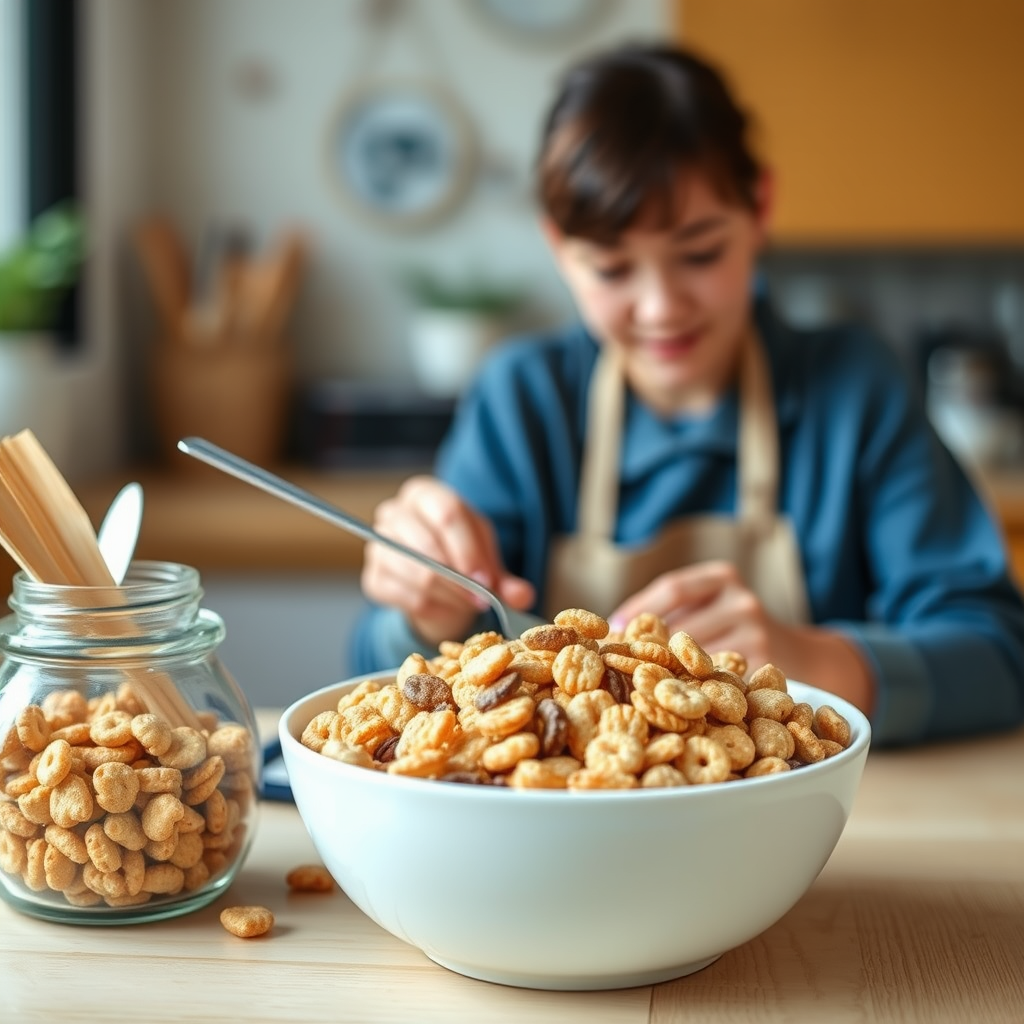
Choosing the right cereal when you’re managing diabetes is all about understanding how different ingredients affect your blood sugar. It’s not just about avoiding sugar, but also about embracing components that support stable glucose levels throughout your morning.
Firstly, a key concept for diabetics is the glycemic index (GI). This index measures how quickly a carbohydrate-containing food raises blood glucose. Foods with a low GI are your friends because they lead to a slower, more gradual rise in blood sugar, preventing those uncomfortable and potentially dangerous spikes. Cereals with a lower GI are typically less processed and higher in fiber, which brings us to our next crucial point.
Secondly, fiber-rich cereals are paramount. Fiber is a superhero nutrient for diabetics. It doesn’t get digested or absorbed like other carbohydrates, meaning it doesn’t raise blood sugar directly. Instead, it acts like a traffic controller in your digestive system, slowing down the absorption of sugars from other foods. This gradual release of glucose into your bloodstream helps maintain more stable blood sugar levels. Beyond blood sugar control, fiber also promotes digestive health, helps you feel fuller for longer (which can aid in weight management), and may even improve insulin sensitivity over time. Both soluble and insoluble fibers play important roles here, found abundantly in whole grains.
Finally, seeking out options with minimal or no added sugars is non-negotiable. Added sugars, whether they’re high-fructose corn syrup, cane sugar, or honey, are quickly broken down into glucose, leading to rapid blood sugar spikes. They also contribute empty calories without offering much in terms of nutrition. While some cereals naturally contain sugars from ingredients like fruit, the focus should always be on limiting *added* sugars to keep your carbohydrate counts in check and avoid unnecessary glucose surges. By prioritizing these three factors – low GI, high fiber, and low added sugar – you’re well on your way to selecting a truly diabetic-friendly cereal.
Essential Nutritional Guidelines for Selection
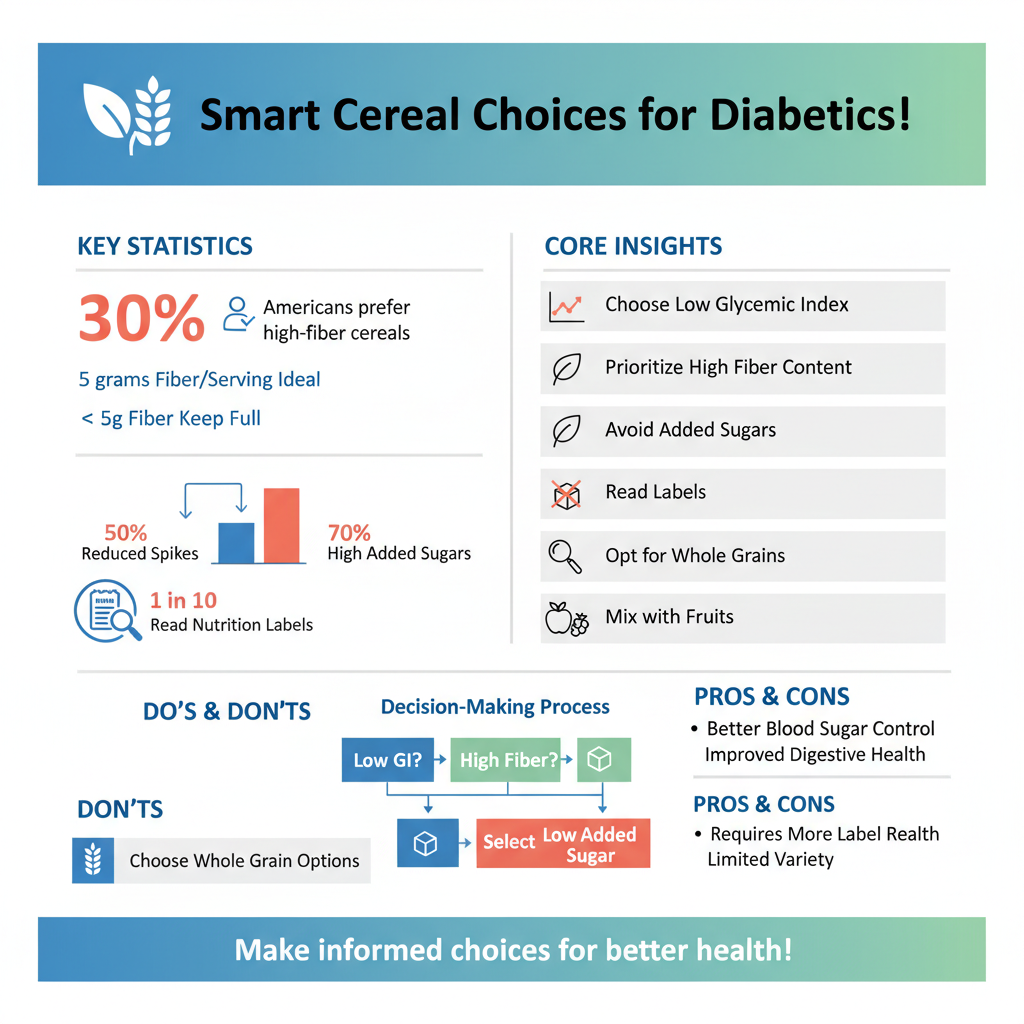

When you’re standing in front of the cereal aisle, armed with the knowledge of what makes a cereal diabetic-friendly, the next step is to translate that into actionable choices. This means becoming a savvy label reader and understanding specific nutritional targets.
**Fiber Content**
Fiber is your secret weapon. For a diabetic-friendly cereal, aim for at least 3-5 grams of fiber per serving. Many health organizations recommend that adults consume between 25-38 grams of fiber per day, and starting your day with a high-fiber cereal can significantly contribute to this goal. Why is this amount important? A minimum of 3 grams often indicates a whole grain product, and reaching 5 grams or more per serving means you’re getting a substantial amount that will truly help slow digestion and promote satiety. This prevents you from feeling hungry again shortly after breakfast, reducing the temptation for unhealthy snacking later on. Look for cereals that list fiber prominently and ensure it comes from natural sources like whole oats, wheat bran, or psyllium.
**Sugar Content**
This is perhaps one of the most critical numbers to check. When selecting cereal, choose options with less than 5 grams of *added* sugar per serving. The emphasis here is on “added” sugar. Some cereals might contain natural sugars from dried fruit, which, while still carbohydrates, come with the added benefit of fiber and nutrients. However, cereals loaded with various forms of refined sugar will quickly send your blood sugar soaring. Be vigilant and check the “Added Sugars” line on the Nutrition Facts panel, which is now clearly separated from total sugars. If the label doesn’t distinguish, then any sugar listed high up in the ingredient list is likely added. Keep your total carbohydrate count in mind too, as even low-sugar cereals can be high in carbs if portion sizes aren’t managed.
**Whole Grains**
Always ensure a whole grain (e.g., whole wheat, oats, barley, quinoa) is listed as the first ingredient on the ingredient list. The term “whole grain” means the grain kernel still contains all three of its parts: the bran (fiber-rich outer layer), the germ (nutrient-packed core), and the endosperm (starchy middle). Refined grains, on the other hand, have had the bran and germ removed, stripping away most of the fiber, vitamins, and minerals. This makes them digest much faster and cause a quicker blood sugar rise. Don’t be fooled by marketing terms like “multigrain” or “made with whole grains” – these don’t necessarily mean it’s primarily whole grain. The first ingredient is key; if it says “whole wheat flour,” “whole rolled oats,” or “brown rice,” you’re on the right track.
Top Cold Cereal Picks for Diabetics
Now that you know what to look for, let’s explore some excellent, readily available cold cereal options that fit the bill for a diabetic-friendly breakfast. These choices are generally low in added sugar, high in fiber, and made from whole grains, offering a great start to your day.
**Plain Shredded Wheat**
This classic cereal is a powerhouse of nutrition and a fantastic choice for diabetics. Plain shredded wheat (like varieties from brands such as Post or Kellogg’s) is typically made with just one ingredient: 100% whole grain wheat. This means it’s incredibly high in fiber, with often 6-9 grams per serving, and has zero added sugar. Its complex carbohydrate structure ensures a slow and steady release of glucose into your bloodstream, preventing those unwanted spikes. The hearty, crispy texture also contributes to a feeling of fullness. While it might taste a bit bland on its own, it’s a perfect canvas for adding your own diabetic-friendly flavor boosters, which we’ll discuss later!
**Original Cheerios**
A household favorite, Original Cheerios is another excellent option. Made primarily from whole grain oats, it offers a moderate amount of fiber (around 3-4 grams per serving) and is notably low in added sugar, usually less than 1 gram per serving. What makes Cheerios particularly special is its content of soluble fiber from oats, which has been shown to help lower LDL (“bad”) cholesterol and support heart health – a crucial benefit for people with diabetes, who often have an increased risk of cardiovascular issues. Its simple, unadulterated oat flavor makes it versatile for mixing with other healthy ingredients.
**Bran Flakes (Plain)**
Plain bran flakes (e.g., All-Bran, Fiber One Bran Cereal, or generic versions) are an excellent source of dietary fiber, particularly insoluble fiber. Insoluble fiber is fantastic for digestive regularity and contributes significantly to satiety. Depending on the brand, you can find varieties boasting anywhere from 5 to a whopping 10 grams of fiber per serving! The crucial caveat here is “plain” – many bran flakes come in frosted or honey-nut versions that are loaded with added sugars. Always scrutinize the nutrition label to ensure you’re picking a low-sugar option, ideally with less than 5 grams of added sugar per serving. When chosen correctly, plain bran flakes are a champion for blood sugar management and gut health.
**Grape-Nuts**
Don’t let the name fool you – Grape-Nuts contain neither grapes nor nuts! This dense, crunchy cereal is made from whole wheat flour and malted barley flour, making it another fantastic whole-grain, high-fiber choice. It boasts an impressive fiber content (often around 7 grams per serving) and has no added sugars, which is a huge win for diabetics. Its unique, very dense texture means a small serving can be incredibly satisfying and contributes to a sustained feeling of fullness. Grape-Nuts are known for their extremely low glycemic index due to their minimal processing and high fiber content, making them a very reliable choice for stable blood sugar.
Smart Label Reading for Diabetics
Becoming a detective in the cereal aisle is perhaps one of the most empowering skills you can develop for managing diabetes. The nutrition label is your most important tool, and knowing how to decipher it quickly and accurately will guide you to the best choices.
**Check Serving Size**
This is often the first pitfall for many. Cereal serving sizes can be deceptively small, often listed as 3/4 cup or 1 cup, but who among us actually measures that out every morning? Pay close attention to the listed serving size, as all nutritional values (carbohydrates, sugars, fiber) are based on this specific amount. If you pour double the serving size, you’re also consuming double the carbohydrates and sugar, which can significantly impact your blood sugar. Get yourself a measuring cup and use it, especially when trying a new cereal, to get an accurate idea of your intake. This simple step can prevent unexpected blood sugar spikes.
**Scan the Ingredient List**
The ingredient list tells the real story beyond the marketing claims on the front of the box. Avoid cereals with high-fructose corn syrup, refined grains (like “white flour,” “enriched flour,” or “degerminated cornmeal”), or multiple types of sugar listed early in the ingredient list. Ingredients are listed in descending order by weight, so if sugar or refined grains are among the first few items, that cereal is likely not a good choice. Look for whole grains like “whole wheat,” “whole oats,” “oatmeal,” “brown rice,” “whole grain corn,” or “barley” as the very first ingredient. Be wary of hidden sugars which go by many names: dextrose, maltose, corn syrup solids, rice syrup, molasses, fruit juice concentrate, and evaporated cane juice are just a few examples. The more types of sugar you see, the more sugar is likely packed into that box.
**Compare Nutrition Facts**
Once you’ve found a few promising candidates, take a moment to compare the Nutrition Facts panels side-by-side. Focus specifically on the fiber, added sugar, and total carbohydrate counts between different brands or varieties. Even within the same cereal type (e.g., “bran flakes”), different brands can have vastly different sugar contents. Look for cereals that maximize fiber (ideally 5g+), minimize added sugar (less than 5g), and have a reasonable total carbohydrate count per serving that fits into your meal plan. Remember that total carbohydrates include fiber and natural sugars, so it’s the combination of these factors that truly matters for blood sugar management. Comparing helps you identify the best bang for your buck, nutritionally speaking.
Making Your Cereal Meal Even Better
While choosing the right cereal is the first step, you can elevate your breakfast further by adding complementary ingredients that boost nutrition, enhance flavor, and provide even better blood sugar control. Think of your cereal bowl as a foundation for a truly wholesome meal.
**Add Fresh Berries**
This is a fantastic way to incorporate natural sweetness, vital nutrients, and extra fiber without a blood sugar crash. Incorporate low-glycemic fruits like blueberries, raspberries, or strawberries into your cereal. A handful of fresh berries provides natural sugars along with a generous dose of antioxidants, vitamins, and additional dietary fiber, which further aids in slowing sugar absorption. The vibrant colors and refreshing taste can transform a plain bowl of cereal into a delightful and satisfying experience. Plus, their low calorie count means you can enjoy them guilt-free!
**Pair with Protein**
Protein is crucial for satiety and helps to blunt the blood sugar response to carbohydrates. Combine your cereal with unsweetened almond milk, skim milk, or a spoonful of plain Greek yogurt for added protein. Dairy or plant-based milks provide liquid without adding a lot of extra carbs (when unsweetened), and Greek yogurt is a protein powerhouse that will keep you feeling fuller for longer. The protein slows down digestion and can significantly stabilize blood sugar levels, preventing those mid-morning energy slumps. For an extra boost, you could even consider adding a scoop of unflavored or vanilla protein powder to your milk, blending it thoroughly before pouring over your cereal.
**Boost with Healthy Fats**
A sprinkle of healthy fats can make your cereal meal even more satisfying and beneficial. Sprinkle in a small amount of nuts or seeds like chia seeds, flax seeds, slivered almonds, or walnuts. Healthy fats, while higher in calories, contribute to satiety and provide sustained energy without impacting blood sugar directly. Nuts and seeds also offer additional fiber, protein, and a host of micronutrients like omega-3 fatty acids, which are beneficial for heart health and reducing inflammation – both important for diabetics. Remember that nuts and seeds are calorie-dense, so portion control is key; a small tablespoon is usually enough to reap the benefits.
Cereal Traps to Avoid
The food industry can be very clever with its marketing, making it challenging to identify truly healthy options. As a diabetic, it’s crucial to be aware of common traps that can derail your efforts to manage blood sugar.
**”Healthy” Marketing Hype**
Don’t be swayed by marketing terms like “multigrain,” “natural,” “light,” or “sugar-free” without checking the nutrition label. “Multigrain” simply means there are multiple types of grains, but these can still be highly refined and stripped of their fiber and nutrients. “Natural” is a largely unregulated term that doesn’t guarantee health benefits. “Light” could mean reduced fat but increased sugar, or vice-versa. And “sugar-free” cereals might contain artificial sweeteners or sugar alcohols, which can have their own set of digestive issues for some people and don’t teach your palate to enjoy less sweet foods. Always flip the box over and consult the Nutrition Facts and ingredient list – that’s where the real truth lies, regardless of what pretty pictures or enticing words are on the front.
**Hidden Sugars**
As mentioned earlier, sugar comes in many disguises. Be wary of cereals that seem healthy but contain high amounts of hidden sugars or artificial sweeteners. Beyond the obvious “sugar,” “cane sugar,” or “corn syrup,” look out for ingredients like dextrose, malt syrup, high-fructose corn syrup, fruit juice concentrate, molasses, honey, agave nectar, and anything ending in “-ose” (like maltose or sucrose). If you see several of these terms listed early in the ingredient list, that cereal is likely a sugar bomb, even if it claims to be “whole grain.” Artificial sweeteners, while not raising blood sugar directly, can sometimes trick the body and potentially lead to cravings for sweet foods, so it’s generally best to limit them and opt for truly unsweetened options.
**Excessive Portion Sizes**
This is a trap even for the “best” diabetic-friendly cereals. Even healthy cereals need to be portioned carefully to manage carbohydrate intake effectively. It’s easy to mindlessly pour a large bowl, but doing so can significantly increase your carb intake, potentially leading to blood sugar spikes. A healthy cereal is only healthy if eaten in the right amount. Get into the habit of using a measuring cup to determine an accurate serving size. Many people are surprised by how small a “single serving” truly is. Once you’re familiar with what a serving looks like, you can eyeball it more accurately, but regular checks with a measuring cup are a good practice to prevent portion creep. Remember, moderation is key, even with the best intentions.
Choosing the right cold cereal can be a convenient and healthy breakfast option for managing diabetes. By focusing on fiber, whole grains, and low sugar content, you can enjoy a satisfying meal that supports your health goals. Remember to always check nutrition labels, practice portion control, and complement your cereal with berries, protein, and healthy fats to create a well-rounded and blood-sugar-friendly breakfast. Your informed choices at the grocery store and in your kitchen are powerful tools in your diabetes management journey, leading to better control and a healthier you. Always consult with your healthcare provider or a registered dietitian for personalized dietary advice.
Frequently Asked Questions
What nutritional factors define the best cold cereals for diabetics?
The best cold cereals for diabetics prioritize high fiber, low added sugar, and controlled carbohydrate counts to help manage blood sugar levels effectively. Look for options with at least 3-5 grams of fiber per serving, less than 5 grams of added sugar, and preferably made from whole grains to ensure a slower, more stable glucose response. Adequate protein content can also enhance satiety and further help regulate post-meal blood sugar.
Which specific cold cereal brands are generally recommended for people managing diabetes?
Several brands offer excellent cold cereal options for diabetics, focusing on whole grains and minimal added sugar. Good choices often include plain shredded wheat (like Frosted Mini-Wheats *original* – check sugar), puffed wheat or puffed rice (unsweetened), and oatmeal-based cereals without added sweeteners. Brands like Kashi GO Original, Fiber One Original, or certain plain Chex varieties (e.g., Rice Chex, Wheat Chex) can also be suitable when paired with healthy additions and portion control.
How can I effectively choose a diabetes-friendly cold cereal when grocery shopping?
To effectively choose a diabetes-friendly cold cereal, prioritize reading the nutrition facts label carefully before purchase. Look for cereals listing whole grains as the first ingredient, aiming for at least 3-5 grams of fiber and under 5 grams of *added* sugar per serving. Also, pay close attention to the total carbohydrate count and the recommended serving size to ensure it aligns with your individualized diabetes meal plan for optimal blood sugar control.
Why is fiber so crucial in cold cereals for managing blood sugar levels in diabetics?
Fiber is crucial in cold cereals for diabetics because it significantly slows down the digestion and absorption of carbohydrates, which helps prevent rapid spikes in blood sugar after eating. High-fiber cereals contribute to better glycemic control, increased satiety, and can also support digestive health and healthy cholesterol levels. This essential nutrient is vital for anyone managing diabetes, making it a key component of a balanced breakfast.
Are “sugar-free” or “diet” cold cereals always the healthiest choice for people with diabetes?
Not necessarily; “sugar-free” or “diet” cold cereals aren’t always the best choice for diabetics, as they can still be high in refined carbohydrates or contain artificial sweeteners that may have their own health considerations. While these options eliminate added sugar, it’s essential to check the total carbohydrate count and the ingredients list for highly processed grains. Prioritize cold cereals rich in natural fiber from whole grains, with minimal added sugars, over just a “sugar-free” label for comprehensive nutritional value and effective blood sugar management.
References
- https://www.diabetes.org/food-nutrition/what-to-eat/breakfast-cereals
- https://www.mayoclinic.org/diseases-conditions/diabetes/expert-answers/diabetes-breakfast/faq-20058223
- https://www.health.harvard.edu/diseases-and-conditions/the-best-breakfast-for-diabetes
- https://www.joslin.org/patient-care/health-library/nutrition-exercise/breakfast-options-type-2-diabetes
- Healthy Living with Diabetes – NIDDK
- https://www.cdc.gov/diabetes/managing/eat-well/index.html
- Diet in diabetes
