
Navigating the world of coffee creamers as a diabetic means prioritizing options that won’t spike your blood sugar. The “best” coffee creamer is typically one that is sugar-free, low in carbohydrates, and made with natural, diabetes-friendly ingredients or sugar substitutes like stevia, erythritol, or monk fruit. Unsweetened nut milks, certain sugar-free dairy-based creamers, and even a splash of heavy cream in moderation are excellent starting points for a delicious, blood sugar-friendly cup.
Understanding Diabetic-Friendly Creamers

When you’re managing diabetes, every food and drink choice matters, and your daily coffee ritual is no exception! Understanding what makes a creamer “diabetic-friendly” goes beyond just looking for a low-calorie label. It’s about how the ingredients impact your blood glucose levels. Let’s break down the core principles.
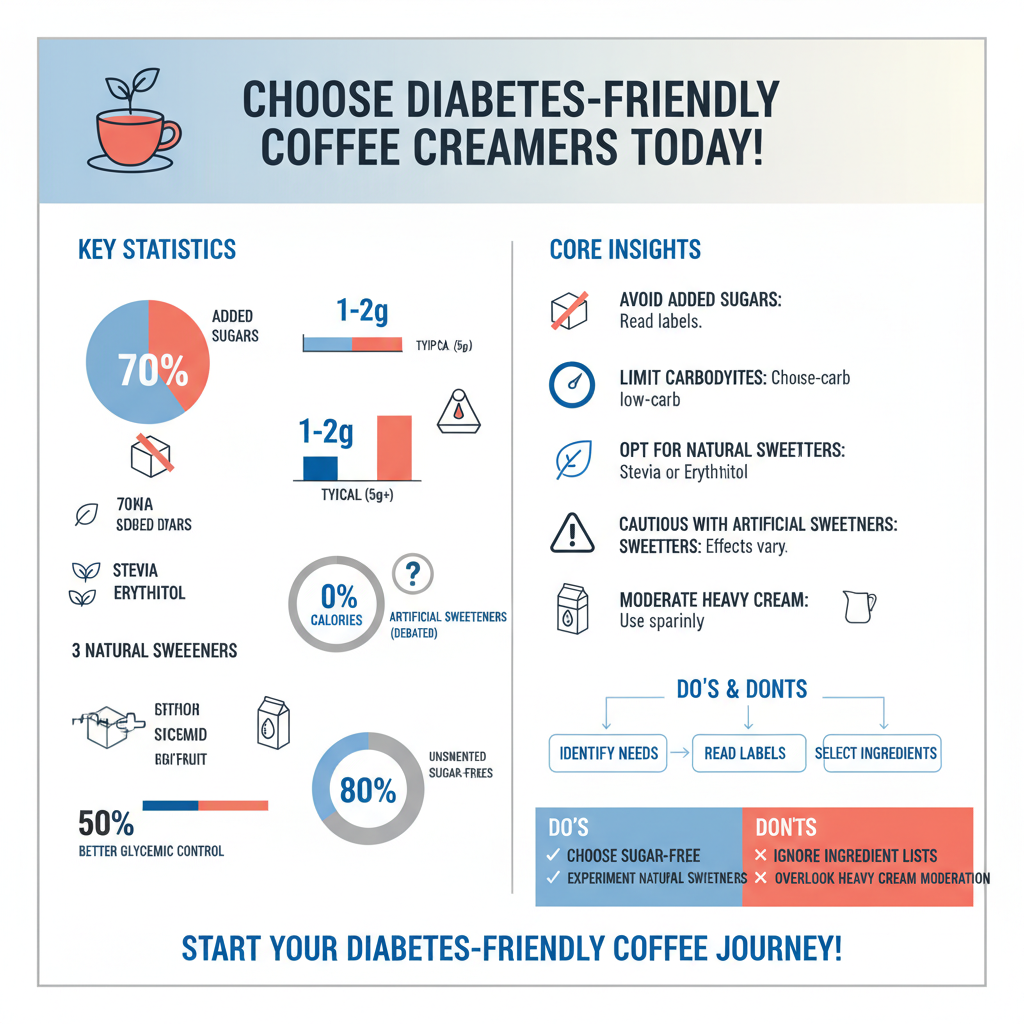
* Focus on Sugar-Free: This is undoubtedly the most critical factor. Added sugars are notorious for causing rapid and significant spikes in blood glucose, making blood sugar management a real challenge. Many conventional creamers are loaded with various forms of sugar, often disguised under different names like high-fructose corn syrup, corn syrup solids, dextrose, sucrose, maltodextrin, and even fruit juice concentrates. When you see “sugar-free” or “no added sugar” on a label, it’s a great start, but still peek at the ingredient list to ensure no sneaky sugars are lurking. Choosing truly sugar-free options helps you keep those glucose levels steady and avoid the energy crashes that often follow a sugar spike.
* Low Carbohydrate Count: Beyond just sugar, total carbohydrates are another major player in how a food affects your blood sugar. All carbohydrates break down into glucose in your body, so minimizing them is key. While some carbohydrates are essential for energy, excessive amounts can make blood sugar control difficult. Look for creamers that boast a very low carbohydrate count per serving – ideally, less than 1-2 grams. This ensures that your creamer isn’t silently contributing to a significant carb load throughout your day, helping you maintain better glycemic control.
* Mindful of Artificial Sweeteners: The world of sweeteners can be a bit of a minefield! While many artificial sweeteners (like sucralose, aspartame, or saccharin) are calorie-free and don’t directly raise blood sugar, their long-term effects are still a subject of ongoing research and debate. Some studies suggest they might impact gut health, alter our perception of sweetness, leading to increased cravings for sweet foods, or, for some individuals, even have a subtle, indirect effect on blood sugar regulation. Because of these potential uncertainties, prioritizing natural, non-caloric alternatives like stevia, erythritol, and monk fruit is often a preferred strategy for those managing diabetes, offering sweetness without the same level of concern.
Key Ingredients to Look For (and Avoid)

Navigating the supermarket aisles can feel like a detective mission when you’re looking for diabetes-friendly options. Knowing which ingredients are your allies and which are best avoided will empower your choices.
* Look For:
* Stevia, Erythritol, Monk Fruit Extract: These three are generally considered the gold standard for natural, zero-calorie sweeteners for diabetics. Stevia, derived from the stevia plant, and monk fruit, from a small melon, provide intense sweetness without impacting blood sugar. Erythritol is a sugar alcohol that is well-tolerated by most people and has a minimal caloric and glycemic impact. They allow you to enjoy a sweet cup of coffee without the worry.
* Unsweetened Almond Milk, Coconut Milk: These plant-based milks, when unsweetened, are fantastic bases for creamers. They offer a creamy texture with very few carbs and calories. Almond milk is light and versatile, while coconut milk provides a richer, slightly tropical note. Always double-check the label for the “unsweetened” designation!
* Heavy Cream or Half-and-Half: For those who enjoy dairy, full-fat options like heavy cream or half-and-half are naturally sugar-free and very low in carbohydrates. Their richness means you often need less to achieve the desired creaminess, providing a satisfying mouthfeel without compromising blood sugar levels.
* Natural Flavors: Generally, natural flavors are acceptable, but it’s worth noting that “natural flavors” can be a broad category. In most reputable diabetic-friendly creamers, they contribute to taste without adding unwanted sugars or problematic additives.
* Avoid:
* High-Fructose Corn Syrup, Corn Syrup Solids, Sucrose, Dextrose, Maltodextrin: These are all different names for added sugars that will rapidly elevate your blood glucose. Maltodextrin, in particular, often appears in “sugar-free” products as a thickener or filler, but it has a surprisingly high glycemic index – even higher than table sugar! Always be vigilant about any form of added sugar in the ingredient list.
* Hydrogenated Oils (Trans Fats): Ingredients like partially hydrogenated soybean oil or corn oil indicate the presence of trans fats. These unhealthy fats are strongly linked to an increased risk of heart disease, a complication diabetics are already at higher risk for. Opt for creamers made with healthier fats, or naturally fat-free options.
* Use with Caution:
* Some Artificial Sweeteners (Sucralose, Aspartame): While they don’t directly add sugar, their long-term effects are still debated. Some individuals report digestive issues, altered taste perception, or concerns about their impact on gut microbiome health. If you choose products with these, use them in moderation and pay attention to how your body responds. Many prefer to stick with natural alternatives like stevia or monk fruit when possible.
Top Categories of Diabetic-Friendly Creamers
Good news! The market for diabetic-friendly creamers has expanded significantly, offering a delightful variety of choices to suit different tastes and dietary preferences. Here are some of the most reliable categories to explore:
* Unsweetened Plant Milks: These are often the simplest and most natural choices.
* Unsweetened Almond Milk: A fantastic all-rounder. It’s low in calories and carbs, has a neutral flavor, and provides a subtle creaminess. Great for daily use.
* Unsweetened Coconut Milk: Offers a richer, more luxurious texture and a hint of coconut flavor, perfect for those who enjoy tropical notes or a thicker consistency.
* Unsweetened Soy Milk: A good source of protein and calcium, offering a slightly more robust flavor than almond milk.
Important Tip: When buying any plant milk, always, always choose the “unsweetened” version. Many flavored or regular versions are packed with added sugars. Brands like Silk, Califia Farms, and Blue Diamond offer excellent unsweetened options.
* Sugar-Free Dairy Creamers: For those who prefer a traditional creamer taste, many popular brands now offer sugar-free versions.
* Brands like Coffee Mate Sugar-Free and International Delight Sugar-Free come in various flavors (vanilla, hazelnut, caramel). These offer convenience and familiarity.
Word of Caution: While they are sugar-free, it’s crucial to scrutinize their ingredient list. They often rely on artificial sweeteners (like sucralose) and may contain unhealthy fats or other additives. Use these in moderation and be aware of the specific ingredients.
* Heavy Cream or Half-and-Half: These are naturally low-carb, sugar-free dairy options that add incredible richness to your coffee.
* Heavy Cream: With virtually no carbs or sugar, a small splash provides significant creaminess and a full-bodied mouthfeel. It’s rich in healthy fats and very satisfying.
* Half-and-Half: A lighter alternative to heavy cream, still low in carbs and sugar, offering a good balance of creaminess without too much richness.
Portion Control: While these are excellent choices, remember they are calorie-dense. A little goes a long way to enhance your coffee without overdoing the calories.
* Specialty Sugar-Free Plant-Based Creamers: This is an exciting category with innovative brands creating delightful diabetic-friendly options.
* Brands like Nutpods offer unsweetened and flavored creamers made from almond and coconut milk, often using natural flavors and no problematic sweeteners. They provide a smooth, dairy-free experience without sugar or artificial ingredients.
* Other brands are exploring bases like pea protein milk (e.g., Ripple) or oat milk (though oat milk tends to be higher in carbs, so choose carefully and check labels). Many of these specialty creamers wisely utilize stevia or monk fruit for sweetness, expanding your flavor horizons while keeping your blood sugar in check.
Reading Nutrition Labels Like a Pro
Understanding how to read a nutrition label is your superpower when managing diabetes. It allows you to make informed decisions and confidently choose products that support your health goals. Don’t just glance; scrutinize!
* Check Serving Size: This is the golden rule! Nutrition labels are calculated based on a specific serving size, which is often smaller than what people typically consume. For example, a creamer might list 0g added sugar for a 1-tablespoon serving. But if you habitually pour in 3 tablespoons, you could be consuming triple the calories, carbs, and any trace amounts of less-desirable ingredients. Always multiply the values by how many servings you actually use to get an accurate picture of your intake. This mindful approach helps you avoid accidental overconsumption.
* Total Carbohydrates and Added Sugars: These are your primary targets.
* Total Carbohydrates: Aim for as low as possible, ideally 0-2 grams per serving for your creamer. This number includes all types of carbohydrates, including sugars and fiber.
* Added Sugars: Thanks to updated labeling laws, “Added Sugars” now has its own line on the nutrition facts panel. This is incredibly helpful! You want this number to be 0 grams. Be wary of products that claim “sugar-free” but then list 0.5g of added sugar, as they can claim “0” if it’s below a certain threshold per serving. These small amounts can accumulate if you use multiple servings daily.
* Ingredient List Order: The ingredient list is a treasure map for hidden truths. Ingredients are always listed in descending order by weight. This means the ingredient that makes up the largest proportion of the product is listed first, and so on. If you see sugar (or any of its aliases) listed among the first few ingredients, even if the “added sugar” on the nutrition panel seems low, it’s a significant component of the product. This rule helps you spot hidden sugars or problematic fats that might not be immediately obvious from just the carb and sugar numbers alone. Prioritize creamers where healthy bases and natural sweeteners appear high on the list, and problematic ingredients are either absent or very low down.
Homemade Diabetic-Friendly Creamer Options
Why buy when you can create? Crafting your own diabetic-friendly creamer at home gives you ultimate control over ingredients, flavor, and sweetness. Plus, it can be a fun and rewarding way to personalize your coffee experience!
* Simple Nut Milk Infusions: This is your basic canvas for creativity.
* Start with a Base: Take 1 cup of unsweetened almond milk, cashew milk, or even a mix of unsweetened coconut milk and almond milk for extra richness.
* Sweeten Naturally: Add a few drops of liquid stevia or monk fruit extract to taste. Liquid forms blend seamlessly and allow for precise sweetness control.
* Flavor It Up: Stir in a splash of pure vanilla extract for a classic touch. Experiment with other extracts like hazelnut, caramel, or peppermint for seasonal flair. You can even add a pinch of cinnamon or cardamom for warmth. Store in an airtight container in the fridge for up to 5-7 days.
* Creamy Spice Blends: Elevate your heavy cream or half-and-half with aromatic spices.
* The Dairy Base: Whisk together ½ cup heavy cream or half-and-half with your chosen spices.
* Spice It Right: Cinnamon, nutmeg, and allspice make for a delightful fall-inspired creamer. A pinch of ground ginger or cardamom can add a unique twist. You can even gently heat the cream with the spices for a few minutes (don’t boil!) to infuse the flavors more deeply, then strain and cool.
Bonus: Cinnamon is not just delicious; some research suggests it may even have beneficial effects on blood sugar levels, making it an excellent addition for diabetics.
* Cocoa or Protein Boost: Turn your coffee into a functional and flavorful treat.
* Unsweetened Cocoa Power: For a guilt-free mocha, whisk a teaspoon of unsweetened cocoa powder into your chosen creamer base (nut milk or dairy) along with your preferred natural sweetener. You’ll get rich chocolate flavor without any added sugar.
* Sugar-Free Protein Powder: To add a nutritional punch and extra satiety, blend in a scoop of unflavored or sugar-free vanilla protein powder. This is especially great if you’re having coffee as part of a low-carb breakfast, helping to keep you full and stabilize blood sugar. Ensure the protein powder is explicitly sugar-free and low-carb. Blending works best here to avoid clumps.
Tips for Enjoying Your Coffee Mindfully
Even with the best intentions and the most diabetes-friendly choices, mindful consumption is paramount. These tips will help you integrate your coffee ritual seamlessly into your overall health management plan.
* Portion Control is Key: It’s easy to get carried away, especially with a delicious creamer. While sugar-free and low-carb options are certainly better than their sugary counterparts, excessive use can still contribute to your overall calorie intake. Some creamers, even “sugar-free” ones, might contain trace amounts of carbs or artificial ingredients that can add up. Practice mindful pouring, using just enough to achieve the desired taste and texture without overdoing it. A measuring spoon can be your best friend in the morning!
* Monitor Your Blood Sugar: This is perhaps the most personalized and crucial tip. What works perfectly for one person with diabetes might have a slightly different effect on another. Pay close attention to how various creamers affect your blood glucose levels. Test your blood sugar before and about two hours after your coffee to see how your body responds. This feedback loop is invaluable; it empowers you to make truly individualized choices based on your unique physiological responses. Keep a log to track which creamers (and even coffee types!) have the least impact on your blood sugar.
* Combine with a Balanced Meal: Enjoying your coffee alongside a balanced, diabetes-friendly breakfast can further support stable blood sugar levels. A meal rich in protein (like eggs, Greek yogurt, or a protein shake) and healthy fats (like avocado or nuts), with complex carbohydrates (like a small portion of whole-grain toast), can help buffer any potential blood sugar fluctuations that might arise from your coffee or creamer. Starting your day with a nutritious meal sets the tone for better glycemic control throughout the day, and your coffee can be a delightful, guilt-free part of that.
Choosing the right coffee creamer as a diabetic empowers you to enjoy your daily ritual without compromising your health goals. By focusing on sugar-free, low-carb ingredients and carefully reading nutrition labels, you can confidently select or even create delicious options. Experiment with different brands and homemade recipes to find your perfect match, and always remember to consult with your healthcare provider or a registered dietitian for personalized dietary advice. Here’s to enjoying every sip, mindfully and deliciously!
Frequently Asked Questions
What are the best sugar-free coffee creamer options for diabetics?
For diabetics seeking the best sugar-free coffee creamer options, prioritize unsweetened almond milk, coconut milk, or half-and-half as natural low-carb choices that won’t spike blood sugar. Many brands also offer specific “sugar-free” dairy or plant-based creamers, often sweetened with erythritol, stevia, or monk fruit, which are typically safe for blood glucose control. Always check nutrition labels carefully to ensure zero or minimal added sugars and carbohydrates to support healthy blood sugar management.
How can diabetics identify healthy coffee creamers and what ingredients should they avoid?
Diabetics should identify healthy coffee creamers by scrutinizing the nutrition label for low sugar content, ideally 0g, and minimal carbohydrates per serving. Key ingredients to avoid include high-fructose corn syrup, corn syrup solids, dextrose, sucrose, and other forms of added sugar which can significantly raise blood glucose. Additionally, be wary of trans fats or hydrogenated oils, as these can negatively impact cardiovascular health, a common concern for individuals with diabetes.
Why are sugar alcohols and artificial sweeteners sometimes used in diabetic-friendly creamers, and are they safe?
Sugar alcohols (like erythritol or xylitol) and artificial sweeteners (such as sucralose, stevia, or monk fruit) are frequently used in diabetic-friendly creamers to provide sweetness without adding carbohydrates or calories that raise blood sugar. Generally recognized as safe by regulatory bodies like the FDA, these alternatives do not typically impact blood glucose levels like traditional sugars. However, some individuals might experience digestive discomfort from sugar alcohols in larger quantities, so it’s wise to consume them in moderation and monitor personal tolerance.
Are there natural or homemade coffee creamer alternatives for diabetics that are truly blood sugar friendly?
Absolutely, several natural and homemade coffee creamer alternatives are excellent for diabetics looking to manage blood sugar effectively. Unsweetened almond milk, coconut milk, or a small amount of full-fat heavy cream or half-and-half provide richness without added sugars. To enhance flavor naturally, consider incorporating spices like cinnamon, vanilla extract, or a tiny dash of monk fruit or stevia drops, ensuring you avoid any store-bought versions with hidden sweeteners. These options offer delicious taste control while remaining truly blood sugar friendly.
Which popular sugar-free creamer brands are generally safe and recommended for diabetics?
Several popular sugar-free creamer brands offer options generally considered safe for diabetics, provided you carefully check the specific product label. Brands like Coffee-mate Sugar-Free, International Delight Zero Sugar, and various unsweetened plant-based creamers from brands like Califia Farms or So Delicious typically use alternative sweeteners that won’t spike blood sugar. Always confirm the “sugar-free” or “zero sugar” claim and review the ingredients list to ensure it aligns with your dietary needs and personal tolerance for sweeteners.
References
- https://www.diabetes.org/food-and-fitness/what-to-eat/making-healthy-food-choices/beverages
- https://www.diabetes.org/food-and-fitness/what-to-eat/making-healthy-food-choices/sugar-substitutes
- Bulging disk vs. herniated disk: What’s the difference? – Mayo Clinic
- https://www.health.harvard.edu/blog/can-you-drink-coffee-if-you-have-diabetes-202302062899
- https://www.health.harvard.edu/blog/artificial-sweeteners-sugar-substitutes-and-your-health-201202244256
- https://www.cdc.gov/diabetes/managing/eat-well.html
- Healthy Living with Diabetes – NIDDK
