
For individuals managing diabetes, the best coffee creamers are those that are unsweetened, low in carbohydrates, and free from added sugars or unhealthy fats. Opting for options like unsweetened almond milk creamers, specific sugar-free dairy creamers, or a controlled splash of unsweetened half-and-half can help you enjoy your coffee without negatively impacting blood sugar levels. This guide will walk you through the essential criteria and top recommendations to make informed choices for your daily cup, empowering you to savor your morning brew while keeping your health goals on track.
Understanding Diabetes-Friendly Creamer Essentials
When you’re navigating the grocery aisles for the perfect coffee companion, understanding the core principles of a diabetes-friendly creamer is your superpower. It’s not just about taste; it’s about how that creamer interacts with your body.
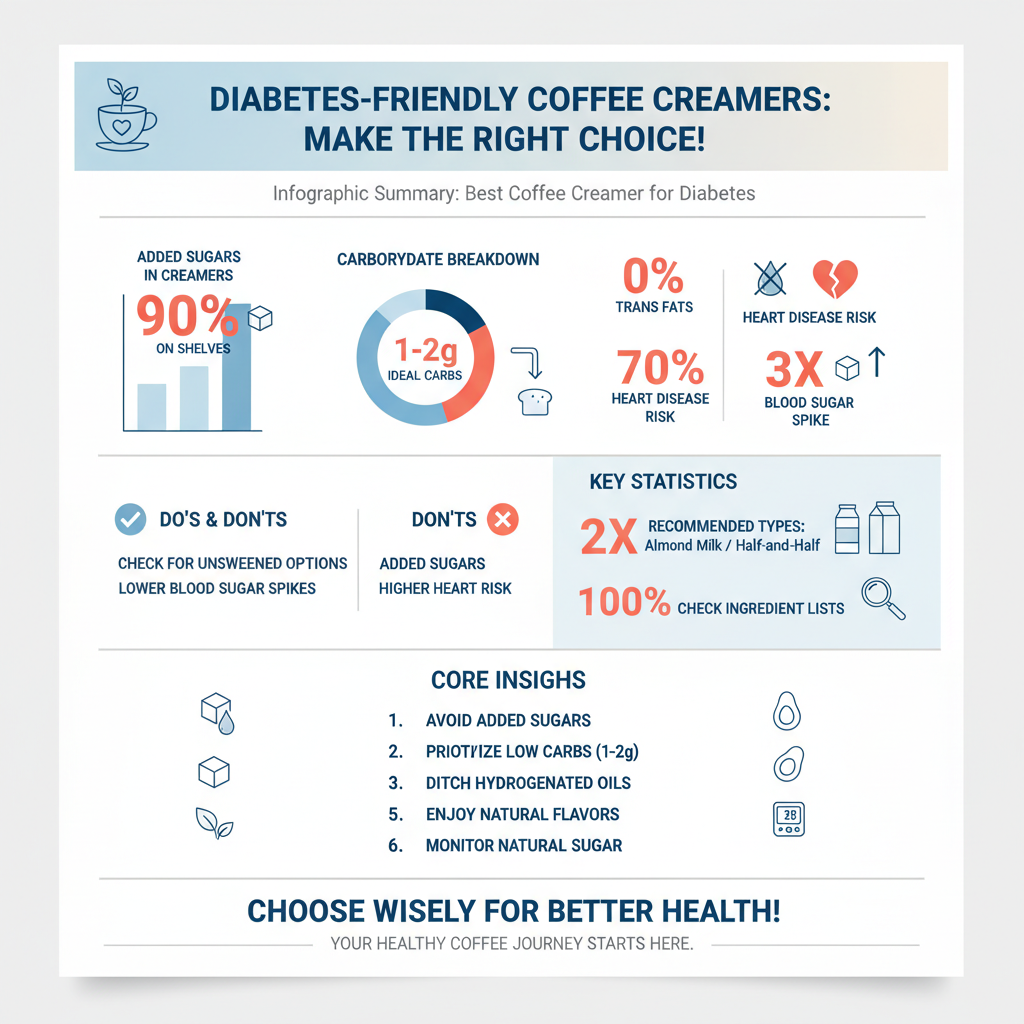
* Prioritize creamers with no added sugars or artificial sweeteners that may affect blood glucose. This is perhaps the most crucial rule of thumb. Added sugars, often disguised as high-fructose corn syrup, sucrose, or even dextrose, can cause rapid spikes in blood sugar levels, making diabetes management more challenging. Even some artificial sweeteners, while calorie-free, can impact gut microbiome health and potentially influence insulin sensitivity in some individuals, so it’s wise to approach them with caution or opt for naturally derived alternatives in moderation. Always check the ingredient list for hidden sugars – they tend to sneak into many processed foods!
* Look for low carbohydrate counts per serving to minimize impact on blood sugar. Carbohydrates are a primary source of glucose in our bodies. While natural dairy products contain some lactose (a natural sugar), many creamers, especially flavored ones, are loaded with additional carbs from added sugars. A truly diabetes-friendly creamer will have a very low carbohydrate count, ideally 1-2 grams or less per serving. This helps keep your total carb intake for the day within your personalized meal plan, preventing unwanted blood sugar fluctuations and supporting stable energy levels throughout your morning.
* Check fat content, favoring healthy fats and avoiding hydrogenated oils. Not all fats are created equal, and choosing the right kind can make a big difference for your cardiovascular health, which is particularly important for individuals with diabetes. Healthy fats, like those found in avocados, nuts, or certain plant-based milks (e.g., unsweetened coconut milk), can contribute to satiety and overall well-being. On the flip side, hydrogenated or partially hydrogenated oils (trans fats) should be avoided at all costs. These unhealthy fats can increase “bad” cholesterol (LDL) and lower “good” cholesterol (HDL), raising the risk of heart disease, a common complication associated with diabetes. Look for creamers with monounsaturated and polyunsaturated fats, or natural saturated fats from dairy or coconut in reasonable amounts.
Dairy-Based Creamer Options for Diabetics

For those who enjoy the rich, familiar taste of dairy in their coffee, there are several diabetes-friendly options that can be incorporated mindfully into your diet. The key here is always moderation and choosing the plain, unsweetened versions.
* Unsweetened half-and-half: A good option in moderation due to its natural dairy content and lack of added sugar. Half-and-half, a blend of whole milk and light cream, offers a lovely creamy texture without the need for added sweeteners. A typical tablespoon contains about 1-2 grams of carbohydrates (primarily from lactose, natural milk sugar) and around 1.5-2 grams of fat. Because it’s dairy, it does contain natural sugars, so portion control is paramount. A small splash can provide that classic coffee shop richness without significantly impacting blood glucose levels. Always choose the plain, unflavored variety, as flavored half-and-half will almost certainly contain added sugars.
* Heavy cream: Can be used sparingly for richness, as it’s low in carbs but high in fat. Heavy cream, also known as heavy whipping cream, is a fantastic low-carb choice for adding luxurious richness to your coffee. It boasts a very low carbohydrate count, often less than 1 gram per tablespoon, making it an excellent option for those closely monitoring their carb intake. However, as the name suggests, it is high in fat (about 5-6 grams per tablespoon). While these are typically natural dairy fats, it’s important to use it sparingly to manage overall calorie and fat intake. It’s perfect for creating a keto-friendly coffee experience without the added sugars found in many commercial creamers.
* Plain milk: Whole or low-fat milk can be a simple, natural creamer, but consider the lactose (natural sugar) content. Using a splash of plain milk – whether whole, 2%, or skim – is a straightforward way to lighten your coffee. Milk provides a good source of calcium and other nutrients. However, it’s essential to remember that milk contains lactose, a natural sugar. A cup of whole milk has about 12 grams of carbohydrates, so even a small serving (e.g., 2-3 tablespoons) will contribute a few grams of carbs to your overall intake. Whole milk offers a richer texture due to its fat content, which can also help slow the absorption of its natural sugars. Low-fat milk contains similar amounts of lactose but with less fat. Always opt for plain, unsweetened milk, as flavored versions are notorious for high sugar content.
Plant-Based Creamers: Healthy Alternatives
Plant-based creamers have become incredibly popular, offering a fantastic array of options for those seeking dairy-free alternatives or simply looking for different flavor profiles. The key to making them diabetes-friendly is, once again, checking for the “unsweetened” label and monitoring carbohydrate content.
* Unsweetened almond milk creamer: A popular low-carb, low-calorie choice; always check for “unsweetened” labels. Unsweetened almond milk creamer is a superstar in the diabetes-friendly creamer world. It’s remarkably low in calories and carbohydrates, often containing less than 1 gram of carbs per serving. This makes it an excellent choice for keeping blood sugar stable. Its neutral flavor blends well with most coffee varieties, and many brands offer a thicker, more “creamer-like” consistency than plain unsweetened almond milk. Just be vigilant about the label; the “original” or “vanilla” versions are almost always sweetened and contain added sugars. Always reach for the carton explicitly marked “unsweetened.”
* Unsweetened coconut milk creamer: Offers a creamy texture and unique flavor, often low in carbs when unsweetened. For those who enjoy a subtle tropical note in their coffee, unsweetened coconut milk creamer is a fantastic option. It delivers a wonderfully rich and creamy texture that can truly elevate your coffee experience. Like almond milk creamer, when purchased unsweetened, it tends to be very low in carbohydrates. Coconut milk contains medium-chain triglycerides (MCTs), a type of fat that some studies suggest may offer health benefits. Be aware that calorie and fat content can vary significantly between brands and types (e.g., canned coconut milk vs. refrigerated creamer), so always check the nutrition facts.
* Unsweetened oat or soy milk creamer: Can be options, but be mindful of higher carb counts in some brands compared to almond or coconut. Unsweetened oat milk and soy milk creamers are also available and can be suitable alternatives, but they require a bit more careful scrutiny of their nutritional labels. Oat milk, in particular, tends to be higher in carbohydrates than almond or coconut milk due to the natural sugars from oats. While unsweetened versions are far better than sweetened, a single serving might still have 3-5 grams of carbs. Soy milk offers a good protein boost, and unsweetened versions are generally lower in carbs than oat milk but still often slightly higher than unsweetened almond or coconut. For both, ensure they are unequivocally “unsweetened” and factor their carb contribution into your daily diabetes management plan.
Key Ingredients to Favor and Avoid
Navigating ingredient lists can feel like deciphering a secret code, but knowing what to look for and what to steer clear of is crucial for making smart creamer choices. This knowledge empowers you to select products that truly support your health.
* Favor: Natural sweeteners like stevia, monk fruit, or erythritol (in moderation), natural flavors, and simple ingredients. When a touch of sweetness is desired, turn to natural, zero-calorie sweeteners. Stevia and monk fruit extracts are derived from plants and generally don’t impact blood sugar levels. Erythritol is a sugar alcohol that is easily digested and also has minimal effect on blood glucose. The key is moderation, as even these can cause digestive upset in large quantities for some individuals. Look for creamers with “natural flavors” from identifiable sources rather than vague chemical-sounding names. Ultimately, the best creamers have simple, recognizable ingredients – fewer ingredients generally mean fewer hidden additives. Think ingredients like “water, almonds, sea salt” rather than a long list of unpronounceable chemicals.
* Avoid: High-fructose corn syrup, sucrose, dextrose, carrageenan, and partially hydrogenated oils. These are the red flags to watch out for. High-fructose corn syrup, sucrose (table sugar), and dextrose are all forms of added sugar that will spike blood glucose. Carrageenan, a common thickener, has been a subject of debate regarding its potential to cause inflammation in the gut, which is a concern for overall health. Partially hydrogenated oils (trans fats) are detrimental to heart health and should be strictly avoided. These ingredients are often used to enhance texture, flavor, or shelf life but come at a significant cost to your metabolic health. Vigilantly scanning labels for these specific terms can save you from unknowingly consuming ingredients that work against your diabetes management goals.
* Pay attention to serving sizes and how ingredients impact the overall nutritional profile. Even a seemingly “healthy” creamer can become problematic if you use too much. A serving size is typically one tablespoon, but many of us pour more than that into our mugs. If a creamer has 1 gram of carbs per tablespoon, but you use three, you’ve just added 3 grams of carbs – and associated calories and fats – to your coffee. Always cross-reference the ingredients list with the nutrition facts panel. A creamer might claim to be “sugar-free,” but if it’s high in unhealthy fats or uses questionable artificial sweeteners, it might not be the best choice. Look at the total picture: low carbs, no added sugar, healthy fats, and simple ingredients.
Top Tips for Choosing and Using Creamers
Making informed choices about your coffee creamer doesn’t have to be a guessing game. With a few smart strategies, you can confidently navigate the options and truly enjoy your daily coffee ritual.
* Always read nutrition labels: This is critical for identifying hidden sugars, carbs, and unhealthy additives. Think of the nutrition label as your personal detective kit. Don’t just glance at the front of the package that might boast “sugar-free” – flip it over and scrutinize the full nutrition panel and ingredient list. Look specifically at the “Sugars” line (and “Added Sugars”), “Total Carbohydrates,” and the “Fats” section. Compare different brands side-by-side. You’ll be surprised at how much variety there is, even among products claiming to be similar. This habit will become second nature and is one of the most powerful tools in managing your diabetes through diet.
* Practice portion control: Even healthy options can contribute to calorie and carb intake if overused. This goes hand-in-hand with reading labels. While an unsweetened almond milk creamer might be very low in carbs per tablespoon, if you’re pouring a quarter cup into your coffee, those small amounts can add up. Use measuring spoons initially to get a visual sense of what a true serving size looks like. You might find that a little goes a long way, especially with richer options like heavy cream. Mindful pouring ensures you get the flavor and creaminess you desire without overdoing it and inadvertently affecting your blood sugar or calorie goals.
* Experiment with brands: Different brands offer varying textures and tastes, so find what suits your preference. The world of coffee creamers, especially plant-based ones, is vast and ever-growing. Don’t be discouraged if the first unsweetened almond creamer you try isn’t quite right. Some brands might be thicker, others thinner; some might have a stronger nutty or coconut flavor, while others are more neutral. Try a few different unsweetened varieties from various brands – you might discover a new favorite that perfectly complements your coffee and satisfies your taste buds without compromising your health goals.
* Consider DIY options: Making your own creamer with unsweetened nut milks and natural extracts gives you full control. For ultimate control over ingredients and to avoid any hidden additives, consider becoming your own creamer barista! You can blend unsweetened almond, cashew, or coconut milk with a tiny dash of vanilla extract, a pinch of cinnamon, or a few drops of a natural sweetener like liquid stevia or monk fruit. This allows you to customize the flavor, sweetness, and consistency exactly to your liking, ensuring every ingredient is diabetes-friendly and aligns with your dietary preferences. Plus, it can be a fun and creative way to personalize your coffee experience.
Choosing the right coffee creamer doesn’t have to be complicated when managing diabetes. By prioritizing unsweetened, low-carb options and carefully reading nutrition labels, you can confidently enjoy your daily coffee ritual. Experiment with different diabetes-friendly brands and types – from a splash of unsweetened half-and-half to creamy unsweetened almond milk creamer – to find your perfect match, always keeping portion control and overall dietary goals in mind for optimal health. Your morning cup of coffee can, and should, remain a delightful and healthy part of your day!
Frequently Asked Questions
What ingredients should I avoid in coffee creamers if I have diabetes?
When choosing a coffee creamer for diabetes, it’s crucial to avoid added sugars like high-fructose corn syrup, cane sugar, corn syrup solids, and dextrose, as these can quickly spike blood sugar. You should also watch out for unhealthy fats, such as hydrogenated or partially hydrogenated oils (trans fats), which can negatively impact cardiovascular health. Opting for options free from these common culprits is key for effective diabetes management.
How can I identify a truly sugar-free and diabetes-friendly coffee creamer?
To identify a truly diabetes-friendly coffee creamer, always scrutinize the nutrition label and ingredient list for “sugar-free” claims and check total carbohydrate content. Look for creamers that use natural, low-glycemic sweeteners like stevia, monk fruit, or erythritol instead of artificial sweeteners or added sugars. A good option will have minimal net carbs per serving and be free from harmful artificial ingredients or trans fats, supporting stable blood glucose levels.
Why is selecting the right coffee creamer crucial for managing blood sugar with diabetes?
Selecting the right coffee creamer is crucial because many popular varieties are loaded with hidden sugars and unhealthy fats that can significantly impact blood glucose levels and overall health. Regular consumption of sugary creamers can lead to persistent blood sugar spikes, making diabetes management challenging and increasing the risk of long-term complications. By choosing a low-sugar, low-carb alternative, individuals with diabetes can enjoy their coffee without compromising their glycemic control or cardiovascular health goals.
Which natural or plant-based coffee creamers are good options for people with diabetes?
For individuals with diabetes, excellent natural and plant-based coffee creamer options include unsweetened almond milk, unsweetened coconut milk, and even unsweetened soy milk or half-and-half in moderation. These choices are typically low in carbohydrates and sugars, providing a creamy texture without the adverse effects on blood sugar. When selecting plant-based creamers, always ensure they are labeled “unsweetened” and check the ingredient list for hidden sugars or artificial additives.
What are the best sugar substitutes to look for in coffee creamers for managing diabetes?
The best sugar substitutes for diabetes-friendly coffee creamers are natural, non-caloric options that don’t raise blood sugar significantly. Look for creamers sweetened with stevia, monk fruit, or erythritol, as these are generally well-tolerated and have a minimal impact on blood glucose levels. Prioritizing these natural alternatives is often recommended for those seeking the healthiest coffee creamer for diabetes management, rather than options with high-calorie or artificial sweeteners.
References
- https://diabetes.org/food-and-fitness/food/what-can-i-eat/sugar-and-sweeteners
- https://www.mayoclinic.org/diseases-conditions/diabetes/expert-answers/artificial-sweeteners/faq-20058028
- https://www.health.harvard.edu/staying-healthy/ask-the-doctor-what-are-the-best-and-worst-sweeteners-for-type-2-diabetes
- https://www.cdc.gov/diabetes/managing/eat-well/index.html
- Diabetes diet: Create your healthy-eating plan – Mayo Clinic
- Sugar substitute
- https://my.clevelandclinic.org/health/diseases/21495-diabetes-diet-foods-to-eat-and-avoid
