
For cats diagnosed with feline diabetes, the ideal diet centers around high-protein, low-carbohydrate formulations, primarily in wet food form. This specific nutritional profile is crucial for helping to regulate blood glucose levels, promote healthy weight, and effectively manage their condition, potentially even leading to remission in some cases. Understanding these dietary principles is the first step in choosing the best food to support your diabetic cat’s health.
Understanding Feline Diabetes and Dietary Needs

Feline diabetes mellitus is a condition where a cat’s body cannot produce enough insulin or effectively use the insulin it produces, leading to high blood sugar. Just like in humans, this means their cells aren’t getting the glucose they need for energy, despite there being plenty in the bloodstream. Over time, untreated high blood sugar can lead to serious health complications, affecting organs like the kidneys, eyes, and nerves. It’s a diagnosis that can feel overwhelming, but with the right approach, it’s very manageable.
Diet plays a critical role in managing the disease, aiming to stabilize blood glucose and reduce insulin requirements. Think of diet as the cornerstone of treatment alongside any prescribed insulin. By feeding a diet that doesn’t cause drastic blood sugar spikes, we can often reduce the amount of insulin needed, make blood glucose levels more predictable, and even achieve diabetic remission in some cases, especially if caught early and managed aggressively with diet. This proactive approach significantly improves your cat’s quality of life and long-term health.
The primary goal of a diabetic diet is to minimize post-meal blood sugar spikes and maintain a healthy body weight. Many cats diagnosed with diabetes are overweight or obese, which exacerbates insulin resistance. A carefully chosen diet not only helps to stabilize blood sugar but also facilitates healthy weight loss, which is often key to improving insulin sensitivity and controlling the disease more effectively. It’s all about mimicking the diet a cat would naturally consume in the wild: high in animal protein and low in carbohydrates.
Key Nutritional Guidelines for Diabetic Cats
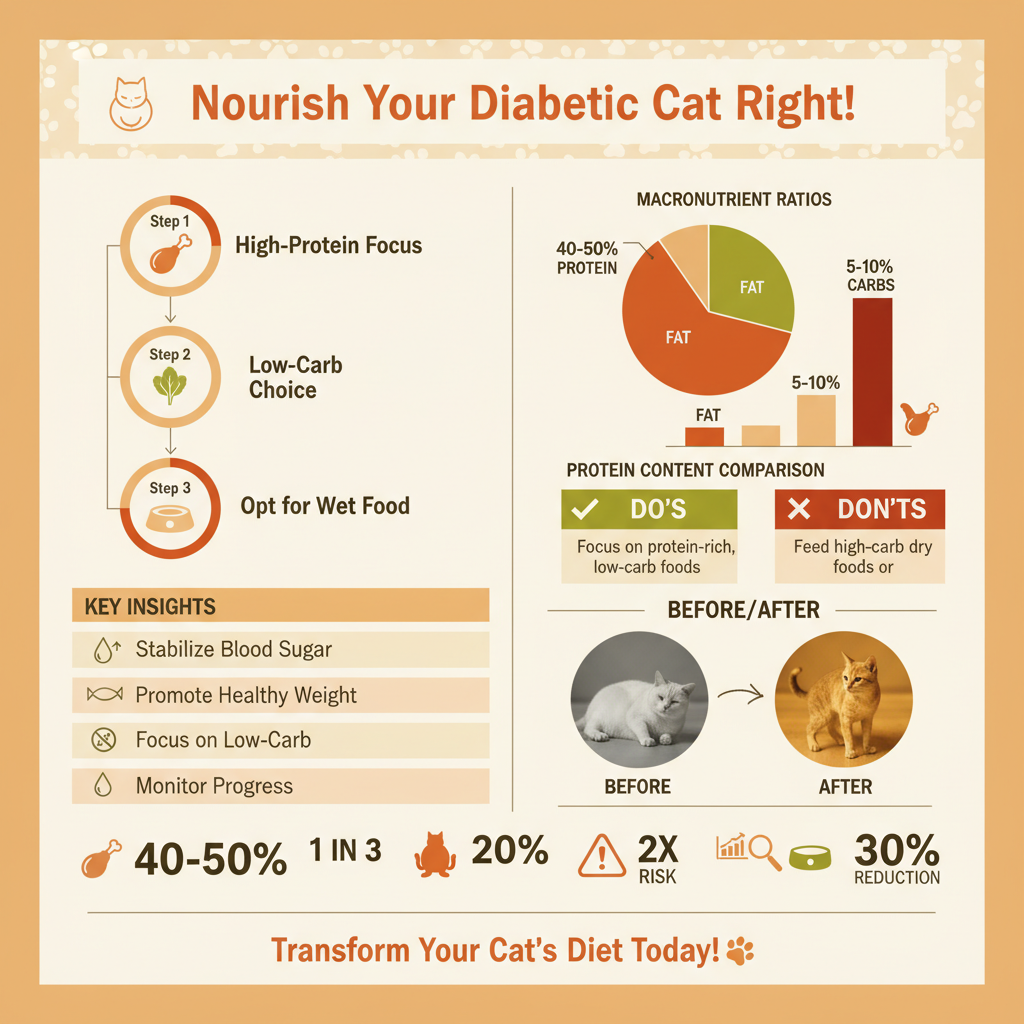
When you’re sifting through the seemingly endless options at the pet store or online, keeping these core nutritional guidelines in mind will be your superpower. They are the bedrock of managing feline diabetes through diet.
High Protein Content: This is essential for maintaining muscle mass and satiety, typically around 40-50% on a dry matter basis. Cats are obligate carnivores, meaning their bodies are designed to derive most of their energy from animal protein. High protein diets help maintain lean muscle mass, which is crucial for overall health and metabolism. Protein also helps your cat feel full and satisfied, reducing the likelihood of overeating and supporting weight management. When protein is digested, it causes a much slower and less significant rise in blood sugar compared to carbohydrates, making it ideal for diabetic felines.
Low Carbohydrate Content: This is crucial for preventing rapid blood sugar increases; carbohydrates should be less than 10% on a dry matter basis. Carbohydrates, especially simple sugars and starches found in many commercial pet foods, are quickly broken down into glucose, leading to sharp spikes in blood sugar. For a diabetic cat, whose body struggles to process this glucose efficiently, a high-carb meal is problematic. By minimizing carbohydrates, you reduce the demand on their compromised insulin system, making blood glucose levels much easier to manage. This is arguably the single most important dietary change for a diabetic cat.
Moderate Fat Content: Provides necessary energy and palatability, but avoid excessively high-fat diets, especially for overweight cats. Fat is an important energy source and makes food taste great to cats, which is helpful for picky eaters. However, too much fat can contribute to weight gain, and in some predisposed cats, extremely high-fat diets can increase the risk of pancreatitis. For overweight diabetic cats, a moderate fat content helps them lose weight safely while still providing sufficient energy and essential fatty acids for skin, coat, and overall health. Aim for a balance that provides energy without being calorie-dense to the point of hindering weight loss.
Wet vs. Dry Food: The Best Choice for Diabetics

This is often one of the first questions pet parents have, and the answer is usually quite clear-cut for diabetic cats.
Wet Food is Generally Preferred: Most wet foods naturally have lower carbohydrate levels and higher moisture content, aiding hydration and kidney health. Canned or pouch wet foods are typically much higher in protein and lower in carbohydrates than dry kibble, simply due to their formulation. The high moisture content is an added bonus, contributing to better hydration, which is vital for kidney function – an important consideration for many senior cats, including those with diabetes. This also helps create a feeling of fullness, further assisting with weight management. Look for pâté-style wet foods, which often have a higher meat content and lower carb count than those with gravies or sauces, which can sometimes contain starches.
Avoid Most Dry Kibble: Dry foods typically contain high carbohydrate levels from starches required for kibble formation, making them unsuitable for diabetic cats. To create kibble, manufacturers need to bind the ingredients together, and starches (from grains, potatoes, peas, etc.) are commonly used for this purpose. This means even “grain-free” dry foods can still be high in carbohydrates due to alternative starchy ingredients. The crunchy texture might be appealing, but the nutritional compromise is too significant for a diabetic cat. Feeding high-carb dry food can make blood sugar control extremely difficult and may even worsen their condition.
Consult your vet if dry food is the only option, as specific low-carb dry formulas exist but require careful consideration. While wet food is almost always the gold standard, we understand that some cats are incredibly particular or certain circumstances might make wet food challenging. In these rare cases, your veterinarian might recommend a specialized low-carb dry prescription diet. However, even these options are generally higher in carbohydrates than most wet foods and should only be used under strict veterinary guidance and monitoring.
Ingredients to Prioritize and Avoid
Navigating pet food labels can feel like deciphering a secret code, but knowing what to look for—and what to steer clear of—makes it much simpler when dealing with feline diabetes.
Prioritize: Meat-based proteins (chicken, turkey, fish, beef) as the first ingredients, alongside animal fats and minimal plant-based fillers. When you read the ingredient list, you want to see named meat sources like “chicken,” “turkey meal,” “salmon,” or “beef” listed prominently, ideally as the first few ingredients. These provide the essential amino acids your cat needs without unnecessary carbohydrates. Animal fats, such as “chicken fat,” are also good as they provide concentrated energy and essential fatty acids. A truly excellent diabetic diet will have a very short ingredient list, focusing predominantly on animal products.
Avoid: Grains (corn, wheat, soy, rice), potatoes, peas, and fruits, as these are high in carbohydrates and can spike blood sugar. These ingredients are common fillers in many commercial pet foods but are detrimental to a diabetic cat’s health. Even small amounts can contribute to blood sugar instability. Be vigilant when reading labels, as these can hide under various names (e.g., “brewer’s rice,” “potato starch,” “pea protein”). The goal is to eliminate these quick-digesting carbohydrates that overburden your cat’s insulin system.
Look for foods with fiber sources like psyllium husk or beet pulp in moderate amounts, which can help regulate digestion. While avoiding high-carb plant ingredients is key, some beneficial fiber can be included in moderation. Ingredients like psyllium husk, beet pulp, or chicory root (a source of inulin) can aid in digestive health, promote satiety, and help regulate the absorption of glucose, leading to more stable blood sugar levels. However, these should not replace meat as primary ingredients and should only be present in reasonable quantities. Always remember the protein and carbohydrate percentages are the ultimate indicators.
Recommended Cat Food Types for Diabetic Felines
With so many options on the market, it’s helpful to categorize the types of foods that are best suited for managing your diabetic cat’s condition.
Prescription Diabetic Diets: Veterinarian-prescribed diets are specifically formulated to meet the strict nutritional needs of diabetic cats. These diets, often labeled “DM” (Diabetes Management) or similar, are rigorously tested and scientifically balanced to be low in carbohydrates and high in protein. Brands like Purina Pro Plan Veterinary Diets DM, Royal Canin Veterinary Diet GlycoBalance, and Hill’s Prescription Diet m/d are examples your vet might recommend. They are designed to work synergistically with insulin therapy to optimize blood glucose control and often contain additional beneficial ingredients like specific fibers or antioxidants. These are often the safest and most effective choice, especially when first diagnosing diabetes or if your cat’s blood sugar is particularly challenging to regulate.
Over-the-Counter Low-Carb Wet Foods: Many commercial brands offer high-protein, low-carb wet food options that can be suitable; always check the guaranteed analysis. If a prescription diet isn’t feasible or desired, many commercial wet foods can fit the bill. The key is to carefully scrutinize the “Guaranteed Analysis” on the label and, if possible, use online carbohydrate calculators (many veterinary websites offer these) to determine the approximate dry matter carbohydrate percentage. Look for pâté-style foods with meat as the primary ingredient. Brands known for lower carbohydrate options often include Weruva, Fancy Feast Classic Pâtés (not the gravies!), Friskies Pâtés (again, avoid gravies), Instinct, Nulo, and some specific varieties from Merrick or Blue Buffalo. It’s crucial to ensure the carbohydrate content remains under 10% on a dry matter basis.
Limited Ingredient Diets (LID): If your cat has sensitivities, LID options that also meet the low-carb criteria can be beneficial. For cats with food allergies or sensitivities that manifest as skin issues or digestive upset, a Limited Ingredient Diet can be a game-changer. These diets typically feature a single source of animal protein and limited other ingredients to minimize potential allergens. The challenge is ensuring that these LID options are *also* low in carbohydrates. Always check the nutritional analysis of any LID food to confirm it meets the diabetic dietary requirements, as some LID foods might still use starchy ingredients like potatoes or peas.
Transitioning Your Cat’s Diet Safely
Changing your cat’s diet, especially when they have a medical condition like diabetes, needs to be done with care and precision. A sudden change can cause digestive upset or, more critically, disrupt their blood glucose stability.
Gradual Introduction: Introduce new food slowly over 7-10 days, mixing small amounts with their old food and gradually increasing the new food. Start by replacing about 10-25% of their old food with the new food for the first few days. If your cat tolerates this well, slowly increase the proportion of the new food every couple of days until they are eating 100% of the new diet. This gradual approach allows your cat’s digestive system to adjust and helps prevent stomach upset like vomiting or diarrhea, making the transition much smoother for everyone involved.
Monitor Blood Glucose: Closely monitor your cat’s blood glucose levels during the transition, as dietary changes can significantly impact insulin needs. Because a low-carb diet is so effective at reducing blood sugar, a cat transitioning to such a diet may require a *lower* dose of insulin. Without proper monitoring, there’s a risk of hypoglycemia ( dangerously low blood sugar), which can be life-threatening. Your vet will likely recommend more frequent blood glucose checks during this period, either at home with a glucometer or through regular vet visits for glucose curves or fructosamine tests.
Observe Behavior: Watch for any changes in appetite, energy levels, or litter box habits, and report concerns to your vet. Pay close attention to how your cat is reacting to the new food. Are they eating it enthusiastically? Are they more or less energetic? Are their bowel movements normal? Any sudden changes in appetite (eating less or refusing to eat), lethargy, vomiting, diarrhea, or changes in urination patterns should be reported to your veterinarian immediately. These could be signs of a negative reaction to the food, an issue with blood glucose regulation, or other health concerns that need prompt attention.
Monitoring and Veterinary Guidance
Managing feline diabetes is a marathon, not a sprint. Consistent monitoring and a strong partnership with your veterinarian are non-negotiable for your cat’s long-term health and well-being.
Regular veterinary check-ups and blood tests are essential to monitor your cat’s diabetes and adjust treatment plans, including diet. After the initial diagnosis and diet change, your vet will want to see your cat frequently for re-checks. These appointments often involve blood tests, like fructosamine levels (which give an average blood glucose over 2-3 weeks) or glucose curves (multiple blood samples over several hours to see how blood sugar fluctuates). These tests provide vital information on how well the diet and insulin are working together and allow your vet to fine-tune the treatment plan, ensuring your cat stays in optimal health.
Never change your cat’s insulin dosage without veterinary consultation, especially when altering their diet. This is a critical safety warning. Because diet has such a profound impact on blood sugar, changing food can drastically alter a cat’s insulin requirements. Decreasing insulin too slowly or increasing it too quickly (or vice versa) without veterinary guidance can lead to dangerous episodes of hyperglycemia (too high blood sugar) or hypoglycemia (too low blood sugar), the latter of which can cause seizures, coma, or even death. Always discuss any planned dietary changes with your vet before making them, so they can advise on appropriate insulin adjustments.
Keep a detailed log of your cat’s food intake, insulin doses, and any observed symptoms to share with your vet. A journal or smartphone app can be an invaluable tool. Note down what your cat eats (type and amount), the time and dosage of insulin given, water intake, urination frequency, and any behavioral changes (lethargy, increased appetite, changes in litter box habits). This detailed information provides your veterinarian with a comprehensive picture of your cat’s daily life and how their diabetes is responding to treatment. It helps them make accurate, informed decisions about adjustments to diet or insulin, leading to better outcomes for your beloved furball.
Choosing the right food for a cat with feline diabetes is a critical component of their overall health management. By prioritizing high-protein, low-carbohydrate wet diets, you can help stabilize blood sugar and improve your cat’s quality of life. This dietary approach, combined with vigilant monitoring and consistent veterinary partnership, creates the best possible foundation for managing diabetes, potentially leading to remission and certainly ensuring a happier, healthier life for your feline companion. Always partner closely with your veterinarian to create and adjust the best dietary plan, ensuring optimal care and monitoring for your beloved feline companion.
Frequently Asked Questions
What is the primary dietary goal for a cat with feline diabetes?
The main dietary goal for a cat with feline diabetes is to stabilize blood glucose levels by minimizing post-meal spikes. This is achieved through a diet that is very low in carbohydrates and high in protein, mimicking a cat’s natural carnivorous diet. Such a diet helps reduce the demand on the pancreas for insulin production and can significantly aid in diabetes management, often leading to a reduction in insulin dosage or even remission.
Which ingredients should I look for, and which should I avoid, when choosing cat food for a diabetic cat?
When selecting the best cat food for feline diabetes, prioritize formulas with high-quality, animal-based protein sources like chicken, turkey, and fish, and ensure they are very low in carbohydrates. Look for ingredients lists where meat is the first and primary component. Absolutely avoid grains such as corn, wheat, and soy, as well as starches like potatoes, peas, and tapioca, and any added sugars or fruits, as these contribute to undesirable blood sugar fluctuations.
Is wet food or dry food better for managing feline diabetes, and why?
Wet cat food is generally superior for managing feline diabetes compared to dry food. Wet food typically has a significantly lower carbohydrate content and higher moisture content, both crucial for diabetic cats. The low carbs help maintain stable blood sugar, while the increased moisture supports kidney health and overall hydration, which is vital for diabetic felines. Most dry kibbles, even “grain-free” options, tend to have high carbohydrate levels due to the starches required for processing.
How does carbohydrate content in cat food impact a diabetic cat’s blood sugar levels?
Carbohydrates in cat food are broken down into glucose during digestion, leading to a rise in blood sugar levels. For a diabetic cat whose body either doesn’t produce enough insulin or can’t effectively use the insulin it produces, high-carbohydrate meals cause significant and potentially dangerous blood glucose spikes. A low-carbohydrate diet minimizes these glucose surges, making it easier for insulin to manage blood sugar and reducing the overall burden on the cat’s metabolic system.
Can a diabetic cat achieve remission through diet alone, and what role does specific cat food play?
Yes, some diabetic cats, particularly those with early diagnosis and prompt management, can achieve diabetic remission through a strict low-carbohydrate diet and appropriate insulin therapy. The specific cat food chosen plays a crucial role as it directly impacts blood glucose control. Feeding a consistent, very low-carb, high-protein wet food diet is fundamental for stabilizing blood sugar, promoting healthy weight loss if needed, and ultimately reducing or even eliminating the need for exogenous insulin in many cases.
References
- https://www.vet.cornell.edu/departments-centers-and-institutes/cornell-feline-health-center/health-information/periodical-articles/feline-health-topics/diabetes-mellitus
- https://www.aaha.org/your-pets/pet-health-library/a-z-pet-health-articles/diabetes-mellitus/
- https://vetmed.tufts.edu/wp-content/uploads/Feline-Diabetes-Handout-Client.pdf
- https://health.ucdavis.edu/vmth/smallanimal/internalmedicine/feline/feline-diabetes.cfm
- https://vet.osu.edu/vmc/companion/our-services/internal-medicine/feline-diabetes
- Diabetes in cats
- Diabetes in cats – PDSA
