
For individuals managing type 2 diabetes, selecting the right bread is crucial for blood sugar control. The best bread choices are generally those that are 100% whole grain, high in fiber, and have a low glycemic index. These options help prevent rapid blood sugar spikes, contribute to satiety, and provide essential nutrients, making them a healthier part of a balanced diet for managing your condition effectively. Navigating the bread aisle can feel overwhelming, but with a little knowledge, you can make choices that support your health goals and allow you to enjoy this staple food without worry. Let’s dive into how different breads impact your body and which ones deserve a spot on your plate.
Why Bread Choices Impact Type 2 Diabetes
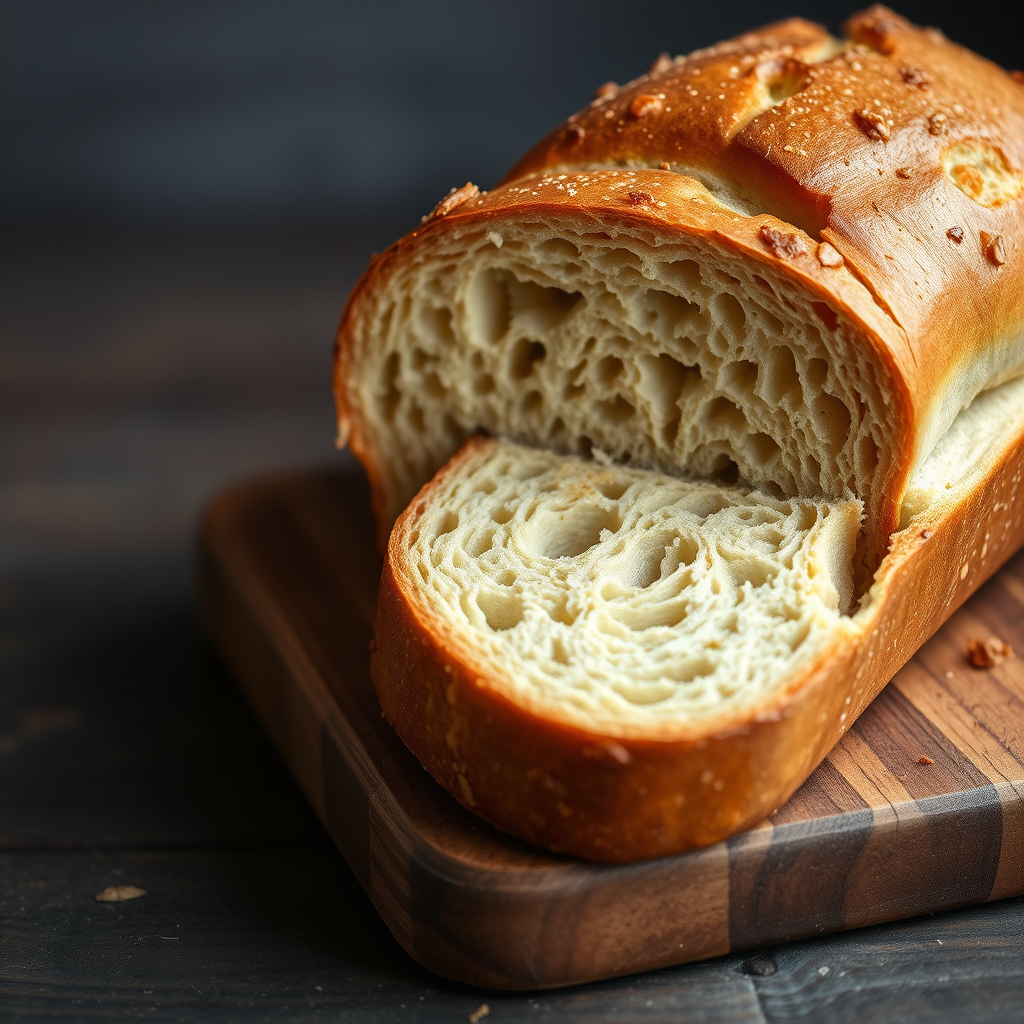
Understanding how bread affects your body is the first step toward making smarter choices, especially when you’re managing type 2 diabetes. It’s not just about avoiding “bad” foods; it’s about empowering yourself with knowledge to choose “good” ones that work for your body, not against it.
Carbohydrates in bread are converted to glucose, directly affecting blood sugar levels.
Every slice of bread contains carbohydrates, which are your body’s primary source of energy. However, once consumed, these carbohydrates are broken down into glucose (a type of sugar) during digestion. This glucose then enters your bloodstream, raising your blood sugar levels. For someone with type 2 diabetes, the body either doesn’t produce enough insulin or doesn’t use insulin effectively to manage this glucose, leading to elevated blood sugar. The type of carbohydrates in your bread—simple versus complex—determines how quickly this conversion happens and how drastically your blood sugar levels will respond. Choosing breads with complex carbohydrates means a slower, more controlled release of glucose.
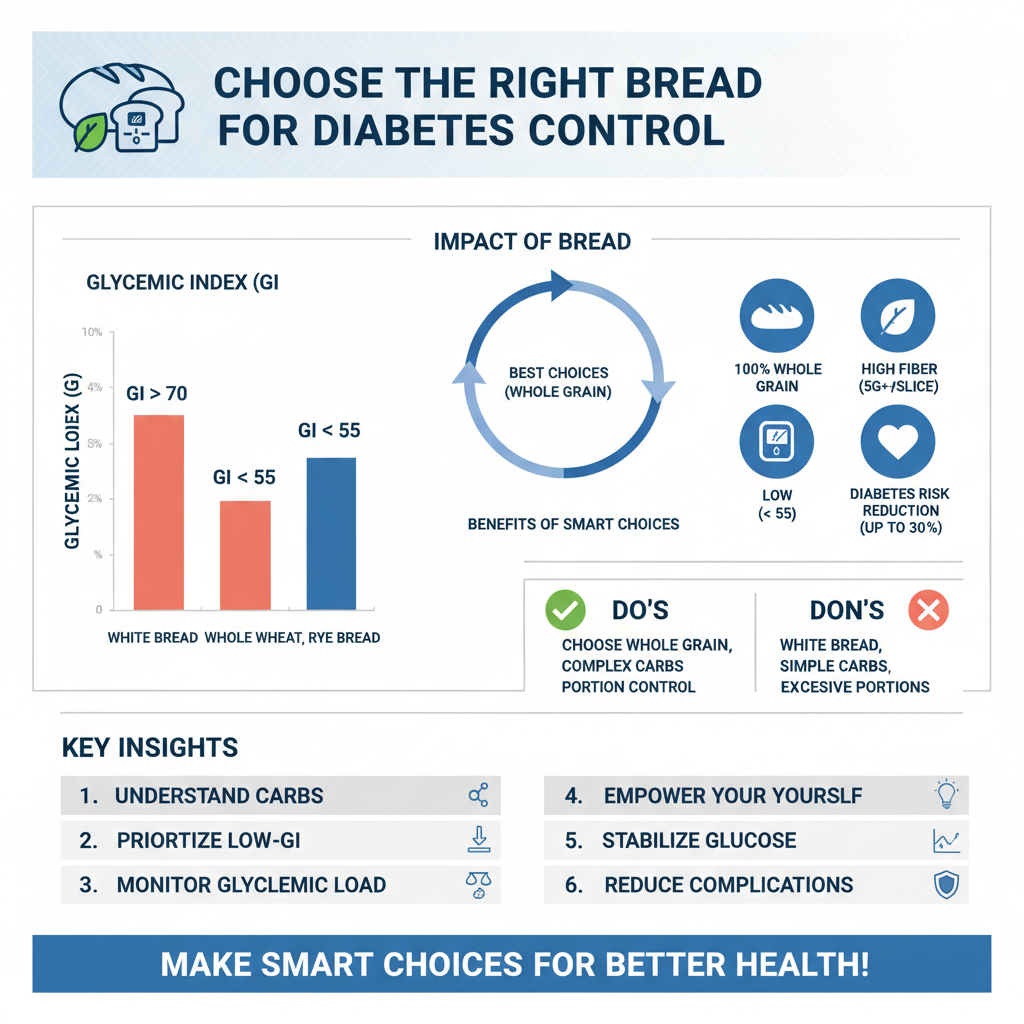
The Glycemic Index (GI) and Glycemic Load (GL) measure how quickly and significantly foods raise blood sugar.
This is where the Glycemic Index (GI) and Glycemic Load (GL) become incredibly useful tools. The GI is a rating system that tells you how quickly a carbohydrate-containing food raises blood glucose. Foods with a high GI (like white bread) cause a rapid spike, while low-GI foods (like whole grain bread) result in a slower, more gradual rise. The Glycemic Load takes this a step further by considering both the GI of the food and the amount of carbohydrate in a typical serving. So, while a food might have a high GI, if you only eat a very small portion, its GL might be low. For managing type 2 diabetes, prioritizing foods with a lower GI and GL helps keep your blood sugar more stable throughout the day, preventing those unwanted highs and lows.
Making informed bread choices can help stabilize glucose levels and reduce the risk of complications.
The cumulative effect of consistently choosing diabetic-friendly breads is significant. By stabilizing your glucose levels, you’re not only feeling better day-to-day (less fatigue, fewer sugar crashes) but also actively working to reduce your risk of long-term diabetes complications, such as heart disease, kidney damage, and nerve issues. These choices are a fundamental part of your overall diabetes management strategy, empowering you to take proactive control over your health. It’s all about making small, consistent decisions that add up to big benefits!
Key Nutritional Factors for Diabetic-Friendly Bread
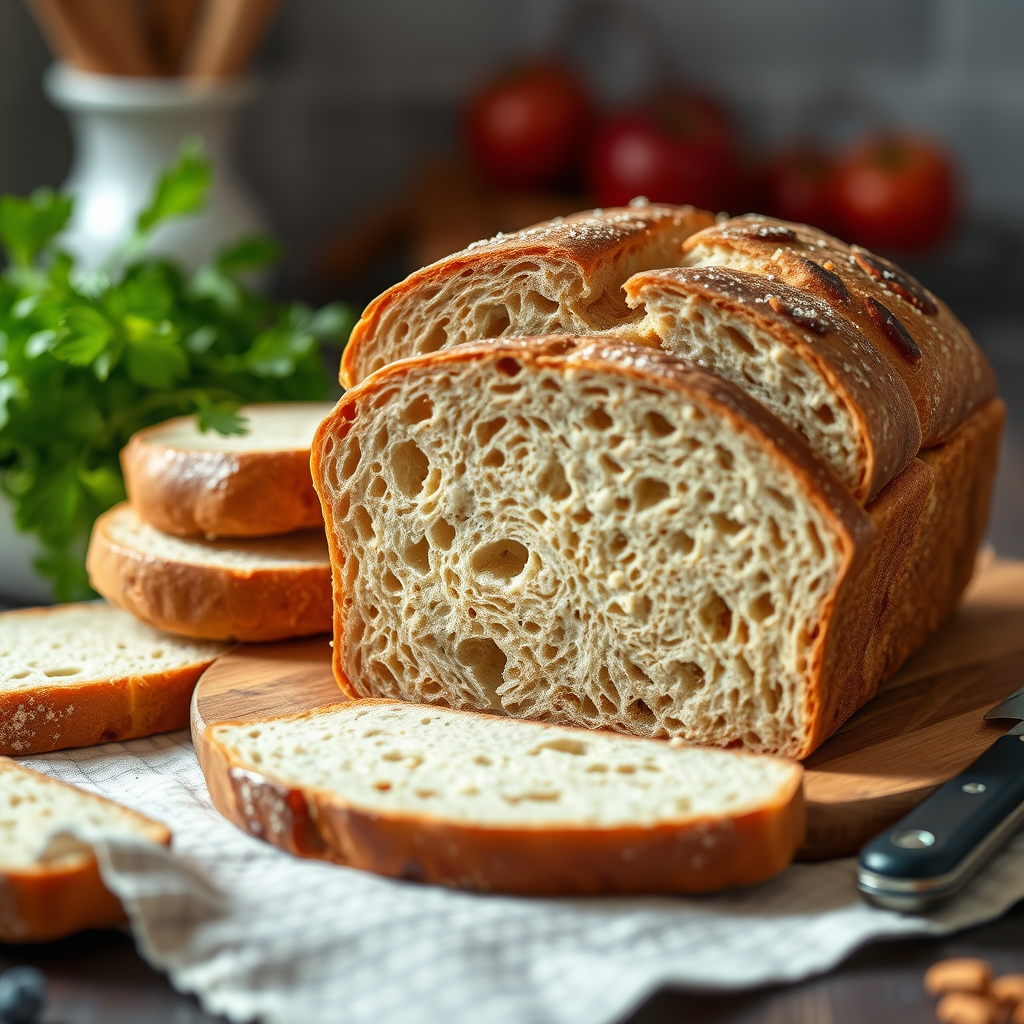
When you’re scanning the bread aisle, it’s easy to get lost in the sea of labels. But once you know what to look for, you’ll feel much more confident in making the right choice for your type 2 diabetes management. These three factors are your golden rules for finding the best bread options.
High Fiber Content: Fiber slows down sugar absorption, aids digestion, and promotes a feeling of fullness.
Fiber is a superstar nutrient, especially for individuals with type 2 diabetes. It’s a type of carbohydrate that your body can’t digest, meaning it doesn’t get broken down into glucose and won’t raise your blood sugar. Instead, fiber creates a gel-like substance in your digestive tract, which slows down the absorption of sugars from other carbohydrates you eat. This leads to a more gradual rise in blood sugar, preventing sharp spikes. Beyond blood sugar control, fiber is fantastic for digestive health, promoting regularity and helping you feel fuller for longer. This satiety can be a huge benefit for weight management, which in turn supports better diabetes control. Look for breads that offer at least 3-5 grams of fiber per serving.
Low Glycemic Index (GI): Prioritize breads that cause a gradual, rather than rapid, rise in blood sugar.
As we discussed, the Glycemic Index is your roadmap for understanding how quickly foods affect your blood sugar. For diabetes management, the goal is to choose breads that have a low GI. Low-GI foods release glucose slowly and steadily into your bloodstream, which is much easier for your body to manage, especially when insulin sensitivity is compromised. This consistent energy release helps avoid the rollercoaster of high and low blood sugars that can leave you feeling sluggish and craving more carbs. While GI isn’t always listed on labels, knowing which types of bread generally have a lower GI (like whole grain or sourdough) can guide your choices effectively.
Whole Grains: Look for “100% whole grain” as the first ingredient to ensure complex carbohydrates and retained nutrients.
This is perhaps the most critical factor! When a grain is “whole,” it means it still contains all three parts: the bran, germ, and endosperm. The bran and germ are where most of the fiber, vitamins, minerals, and antioxidants reside. Refined grains, like white flour, have had these nutritious parts stripped away, leaving only the starchy endosperm. This is why refined breads are quickly digested and cause rapid blood sugar spikes. Always look for the words “100% whole grain” or “100% whole wheat” as the first ingredient on the label. Don’t be fooled by labels that say “wheat bread,” “multigrain,” or “enriched flour” without the “100% whole” distinction, as these often contain a mix of refined and whole grains, or mostly refined grains.
Top Bread Choices for Managing Type 2 Diabetes
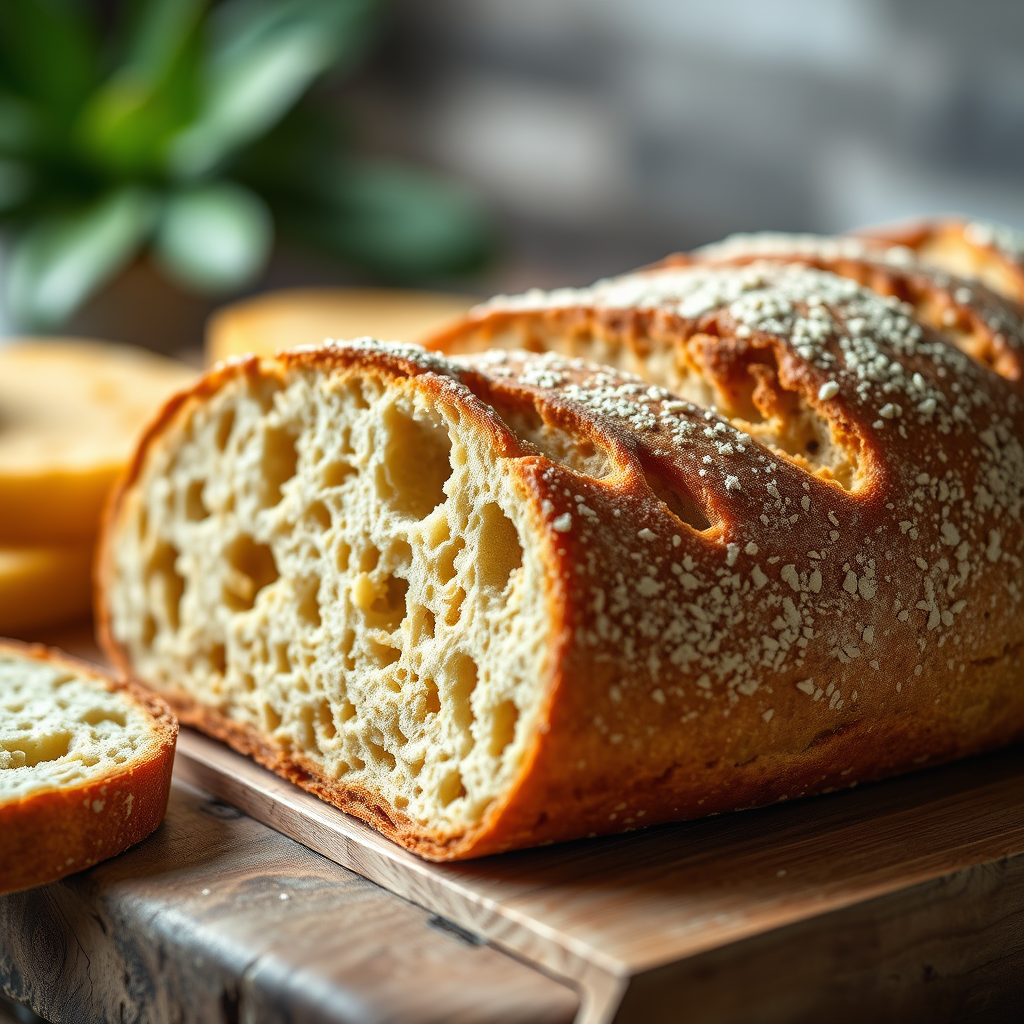
Now that you know what to look for, let’s explore some specific bread types that are generally excellent choices for individuals with type 2 diabetes. These options not only help manage blood sugar but also offer a wealth of other health benefits.
100% Whole Grain Bread: Options like whole wheat, whole rye, or pumpernickel are rich in fiber, vitamins, and minerals.
When you see “100% whole grain” prominently displayed, you’re usually on the right track. This includes varieties like 100% whole wheat bread, which is a common and accessible option. Other fantastic choices include whole rye bread and pumpernickel. These breads retain all the natural goodness of the grain, providing a hefty dose of dietary fiber, which, as we know, is crucial for slowing glucose absorption. They also come packed with B vitamins, iron, magnesium, and other essential nutrients that support overall health and energy levels. Always double-check that “100% whole [grain name]” is listed as the very first ingredient to ensure you’re getting the real deal.
Sprouted Grain Bread: Grains are sprouted before milling, which can lower their glycemic index and increase nutrient bioavailability.
Sprouted grain bread is a fantastic, often overlooked, option. The magic happens before the grains are milled: they are allowed to germinate, or “sprout.” This sprouting process initiates enzymatic activity that breaks down starches, making them easier to digest and potentially lowering the bread’s glycemic index compared to non-sprouted versions. Sprouting also increases the bioavailability of certain vitamins (like B vitamins) and minerals, and can even boost protein content. Brands like Ezekiel 4:9 are popular examples of sprouted grain bread. They often have a denser texture and a slightly nutty flavor, making them a delicious and highly nutritious choice.
Sourdough Bread: The fermentation process in sourdough can lead to a lower GI compared to conventionally leavened breads.
Here’s a delicious secret: traditional sourdough bread can be a surprisingly good option for people with type 2 diabetes! The ancient fermentation process used to make sourdough, involving wild yeast and lactobacilli bacteria, does more than just give it that signature tangy flavor. This natural fermentation helps break down some of the carbohydrates and can alter the starch structure, which often results in a lower glycemic index compared to breads made with commercial yeast. The acetic and lactic acids produced during fermentation are thought to slow down the rate at which glucose enters the bloodstream. When choosing sourdough, opt for genuine, traditionally made sourdough with minimal ingredients, ideally one that includes whole grain flour for an added fiber boost.
Breads to Limit or Avoid with Type 2 Diabetes
Just as there are great choices, there are also breads that can actively work against your efforts to manage type 2 diabetes. Being aware of these will help you navigate grocery store aisles with confidence and keep your blood sugar levels in check.
White Bread and Refined Grains: These are high in GI, stripped of fiber and nutrients, leading to quick blood sugar spikes.
White bread is perhaps the most common culprit when it comes to blood sugar spikes. It’s made from refined white flour, meaning the bran and germ (the fibrous, nutrient-rich parts of the grain) have been removed. What’s left is primarily the starchy endosperm, which your body rapidly breaks down into glucose. This quick conversion leads to a sharp and immediate rise in blood sugar, making it particularly challenging for individuals with type 2 diabetes to manage. Beyond white bread, be wary of anything made primarily with “enriched flour,” “all-purpose flour,” or “degerminated cornmeal,” as these are all forms of refined grains that offer little nutritional benefit and pose a risk to stable blood glucose.
Sweetened Breads: Many breads contain added sugars that contribute to poor glucose control and excess calorie intake.
You might be surprised to learn how many store-bought breads, even those not explicitly labeled as “sweet,” contain added sugars. These can come in various forms like high-fructose corn syrup, honey, molasses, or cane sugar. These added sugars contribute directly to higher blood glucose levels and also add unnecessary calories, which can hinder weight management efforts. Always check the nutrition label for “added sugars” and try to choose breads with 0-1 gram of added sugar per serving. Sweetened items like cinnamon raisin bread, brioche, or many types of dinner rolls should generally be avoided or consumed very sparingly.
Highly Processed Breads: Often contain unhealthy fats, excessive sodium, and artificial ingredients detrimental to overall health.
Beyond refined grains and added sugars, many highly processed breads can contain a host of other ingredients that aren’t beneficial for your health, especially when managing type 2 diabetes. These can include unhealthy trans fats (partially hydrogenated oils), excessive sodium, and various artificial colors, flavors, and preservatives. These ingredients can contribute to inflammation, heart disease risk, and other health issues that complicate diabetes management. Opt for breads with short, recognizable ingredient lists, steering clear of those packed with chemical-sounding additives. A good rule of thumb: if you can’t pronounce it, or don’t know what it is, it’s probably best to avoid it.
Smart Strategies for Enjoying Bread
Choosing the right bread is a fantastic start, but how you eat it also plays a huge role in its impact on your blood sugar. Incorporating these smart strategies will help you enjoy bread as part of a balanced and diabetes-friendly diet.
Practice Portion Control: Stick to recommended serving sizes, typically one slice, to manage carbohydrate intake.
Even the healthiest bread still contains carbohydrates, and portion size is key. While a slice of 100% whole grain bread is a much better choice than white bread, eating three slices will still deliver a significant amount of carbohydrates that need to be managed. Always check the nutrition label for the serving size, which is typically one slice. Stick to this recommended portion to keep your carbohydrate intake within your personal daily goals, which your doctor or dietitian can help you determine. Mindful eating and measuring can make a big difference in preventing unwanted blood sugar spikes.
Pair with Protein and Healthy Fats: Add avocado, nut butter, eggs, or lean meat to your bread to slow glucose absorption.
This is a powerful trick! Eating bread on its own can still lead to a quicker blood sugar rise, even if it’s a healthy option. By pairing your bread with sources of protein and healthy fats, you can significantly slow down the digestion and absorption of carbohydrates. Protein and fats take longer to digest, which means the glucose from the bread enters your bloodstream more gradually. Think about topping your whole grain toast with smashed avocado, a tablespoon of natural almond butter, a hard-boiled egg, or a slice of lean turkey or chicken. This strategy not only helps stabilize blood sugar but also keeps you feeling fuller and more satisfied for longer.
Always Read Nutrition Labels: Check for fiber content, carbohydrate count per serving, and the absence of added sugars.
This cannot be stressed enough: become a savvy label reader! It’s your most reliable tool for making informed choices. When picking out bread, always turn the package over and check these crucial details:
* Ingredients List: Ensure “100% whole grain” is the first ingredient.
* Fiber Content: Aim for at least 3-5 grams of fiber per serving. The higher, the better!
* Total Carbohydrates: Understand how many grams of carbs are in a single serving to align with your dietary plan.
* Added Sugars: Look for 0-1 gram of added sugars per serving.
* Sodium: Be mindful of sodium content, especially if you have high blood pressure.
By consistently checking these factors, you empower yourself to choose breads that genuinely support your diabetes management.
Beyond Bread: A Holistic Approach to Diabetes Management
While making smart bread choices is a crucial piece of the puzzle, managing type 2 diabetes effectively requires a comprehensive approach that extends far beyond your toast. Thinking holistically about your lifestyle will yield the best long-term results.
Diversify Your Diet: Focus on a balanced intake of non-starchy vegetables, lean proteins, and healthy fats across all meals.
Bread is just one component of your diet. For optimal blood sugar control and overall health, it’s vital to build a diet rich in a variety of nutrient-dense foods. Prioritize an abundance of non-starchy vegetables like leafy greens, broccoli, bell peppers, and zucchini, as they are low in carbohydrates and packed with fiber, vitamins, and minerals. Include lean protein sources such as chicken, fish, beans, and tofu in every meal to support satiety and muscle health. Don’t forget healthy fats from avocados, nuts, seeds, and olive oil, which are crucial for hormone function, nutrient absorption, and heart health. A well-rounded diet minimizes reliance on any single food group and provides sustained energy and nutrition.
Regular Physical Activity: Incorporate exercise into your routine, as it plays a crucial role in blood sugar regulation and insulin sensitivity.
Diet and exercise are two sides of the same coin when it comes to diabetes management. Regular physical activity is incredibly effective at lowering blood sugar levels and improving insulin sensitivity, meaning your body uses insulin more effectively. Aim for at least 150 minutes of moderate-intensity aerobic exercise per week (like brisk walking, swimming, or cycling) and incorporate strength training exercises at least twice a week. Even small bouts of activity, like a 10-minute walk after meals, can make a significant difference. Find activities you enjoy to make it a sustainable part of your lifestyle!
Consult a Healthcare Professional: Work with a registered dietitian or doctor for personalized dietary advice tailored to your specific needs and health goals.
While general guidelines are helpful, every individual’s needs are unique, especially when managing a condition like type 2 diabetes. A registered dietitian (RD) can provide personalized meal plans, carbohydrate counting strategies, and practical advice tailored to your preferences, lifestyle, and specific health goals. Your doctor or endocrinologist can also offer guidance on medication management, blood sugar targets, and overall health monitoring. Building a strong support team with healthcare professionals ensures you receive the most accurate, safe, and effective advice for your personal journey toward better health.
Choosing the best bread for type 2 diabetes involves prioritizing whole, unprocessed options rich in fiber and low on the glycemic index. By understanding nutritional labels, practicing portion control, and pairing bread with nutrient-dense foods, you can absolutely enjoy bread as part of a healthy diet without compromising your health goals. Remember, managing type 2 diabetes is a comprehensive effort; always consult with your healthcare provider or a registered dietitian for personalized dietary recommendations tailored to your specific needs. Taking these steps empowers you to enjoy food while effectively managing your blood sugar and living a vibrant, healthy life!
Frequently Asked Questions
What is the best type of bread for individuals with type 2 diabetes?
The best bread for type 2 diabetes is typically whole grain bread with a low glycemic index, such as 100% whole wheat, whole rye, or sourdough made with whole grains. These options are rich in fiber, which helps slow down sugar absorption and promotes stable blood glucose levels. Look for breads with minimal added sugars and high fiber content to support better blood sugar management.
How does the glycemic index (GI) relate to choosing bread for type 2 diabetes?
The glycemic index (GI) is a crucial factor, as it measures how quickly a food raises blood sugar levels. For individuals with type 2 diabetes, choosing breads with a low GI (55 or less) is highly recommended because they lead to a slower, more gradual rise in blood glucose. High-GI breads, like white bread, can cause rapid spikes, making blood sugar control more challenging.
Why are whole grain breads generally better than white breads for managing type 2 diabetes?
Whole grain breads are significantly better for managing type 2 diabetes primarily due to their higher fiber content and lower glycemic index compared to refined white breads. The fiber in whole grains helps slow digestion and the absorption of carbohydrates, preventing rapid blood sugar spikes and contributing to better satiety. In contrast, white breads are stripped of much of their fiber and nutrients, leading to quicker sugar release into the bloodstream.
Which bread ingredients should people with type 2 diabetes look for or avoid on nutrition labels?
Individuals with type 2 diabetes should look for breads listing 100% whole grains (like whole wheat, whole rye, or oats) as the first ingredient and aim for at least 3 grams of fiber per serving. Conversely, avoid breads that list “enriched flour,” “white flour,” or any form of added sugars (e.g., high-fructose corn syrup, dextrose, sucrose) among the first few ingredients. Minimizing sodium and unhealthy fats is also beneficial for overall heart health.
Can gluten-free breads be a good option for someone with type 2 diabetes?
Gluten-free breads can be a suitable option for individuals with type 2 diabetes, especially if they also have celiac disease or gluten sensitivity. However, it’s essential to carefully check the nutrition labels, as many gluten-free breads can be low in fiber and high in refined starches (like potato starch or tapioca starch) and added sugars, which can still significantly impact blood sugar levels. Opt for gluten-free varieties made with whole, naturally gluten-free grains like brown rice, quinoa, or sorghum flour, and ensure they provide adequate fiber.
References
- https://diabetes.org/food-nutrition/understanding-carbs/glycemic-index-and-diabetes
- Diabetes diet: Create your healthy-eating plan – Mayo Clinic
- https://www.niddk.nih.gov/health-information/diabetes/overview/diet-eating-physical-activity
- https://www.health.harvard.edu/diseases-and-conditions/the-best-carbs-for-managing-type-2-diabetes
- https://my.clevelandclinic.org/health/articles/11175-glycemic-index
- https://www.nhs.uk/conditions/type-2-diabetes/diet-lifestyle/
- https://www.diabetes.org.uk/guide-to-diabetes/managing-your-diabetes/eating-well
