
The best bread for diabetics is one that is rich in fiber, made from 100% whole grains, and has a low glycemic index (GI) to prevent rapid blood sugar spikes. Sprouted grain bread (like Ezekiel bread), traditional sourdough, and dense pumpernickel are generally the superior choices over refined white breads. By focusing on breads with at least 3 grams of fiber per slice and minimal added sugars, you can enjoy sandwiches and toast without compromising your glucose control. Managing diabetes does not necessarily require the complete elimination of carbohydrates, but it does demand a strategic and informed approach to food selection. Bread is a staple in many cultural diets, yet it is often the first item eliminated due to fears of hyperglycemia. However, with the nutritional landscape shifting towards functional foods, there are numerous options available that offer nutritional density without the severe metabolic impact associated with highly processed white flour loaves.
Understanding What Makes Bread Diabetes-Friendly

To navigate the bakery aisle effectively, one must understand the interaction between carbohydrates, fiber, and blood glucose levels. For individuals managing diabetes, the primary metric to consider is “net carbohydrates.” Net carbs are calculated by subtracting the grams of fiber from the total grams of carbohydrates. This distinction is critical because fiber is a type of carbohydrate that the body cannot digest; therefore, it passes through the system without causing a rise in blood sugar. High-fiber breads slow the absorption of sugar into the bloodstream, preventing the dangerous spikes and subsequent crashes that can disrupt insulin regulation.
Furthermore, the Glycemic Index (GI) serves as an essential tool for evaluating bread. The GI is a ranking system that measures how much a specific food raises blood sugar levels compared to pure glucose. Foods are ranked on a scale of 0 to 100, with lower numbers indicating a slower, more gradual rise in blood sugar. Standard white bread typically has a high GI (often over 70), meaning it is digested rapidly. In contrast, diabetes-friendly breads fall into the low (55 or less) or medium (56-69) GI categories. Selecting low-GI options ensures that energy is released steadily, providing a consistent fuel source without overwhelming the body’s insulin response.
Sprouted Grain Bread

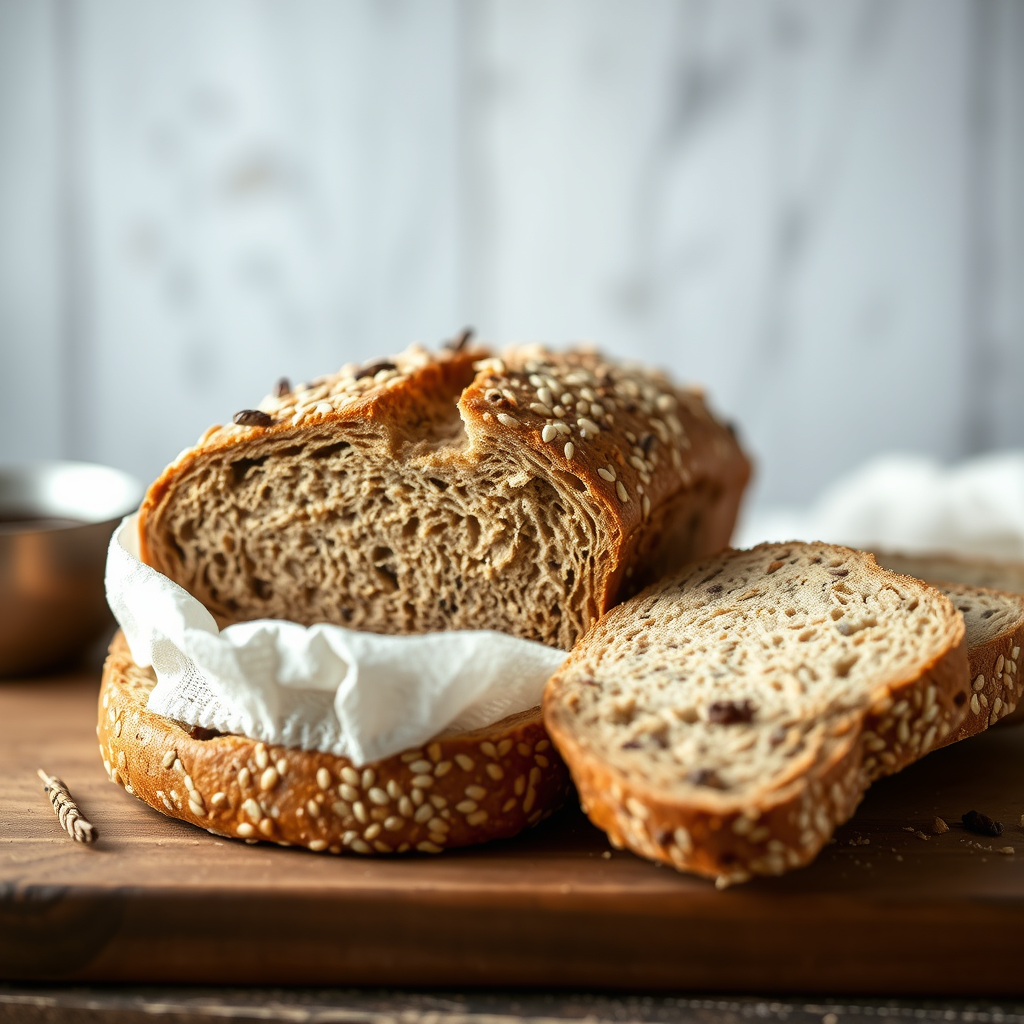
Sprouted grain bread represents one of the most significant advancements in diabetes-friendly nutrition. Unlike traditional breads made from ground flour, these loaves are created from whole grains that have been allowed to germinate, or “sprout,” before being processed. This sprouting process fundamentally changes the nutrient profile of the grain. During germination, enzymes are activated that begin to break down the starch within the grain. This results in a bread that has a naturally lower carbohydrate content and a lower glycemic index compared to its non-sprouted counterparts.
Moreover, sprouting increases the bioavailability of nutrients. It breaks down anti-nutrients like phytic acid, which can inhibit the absorption of minerals such as zinc and iron. A prime example of this category is Ezekiel bread, a flourless product typically found in the freezer section of grocery stores. Because it contains no preservatives and utilizes living grains, legumes, and seeds, it offers a complete protein profile—a rarity for bread. For a diabetic diet, the combination of high protein and high fiber found in sprouted grain breads works synergistically to blunt the insulin response, making it a top-tier choice for blood sugar management.
Traditional Sourdough Bread
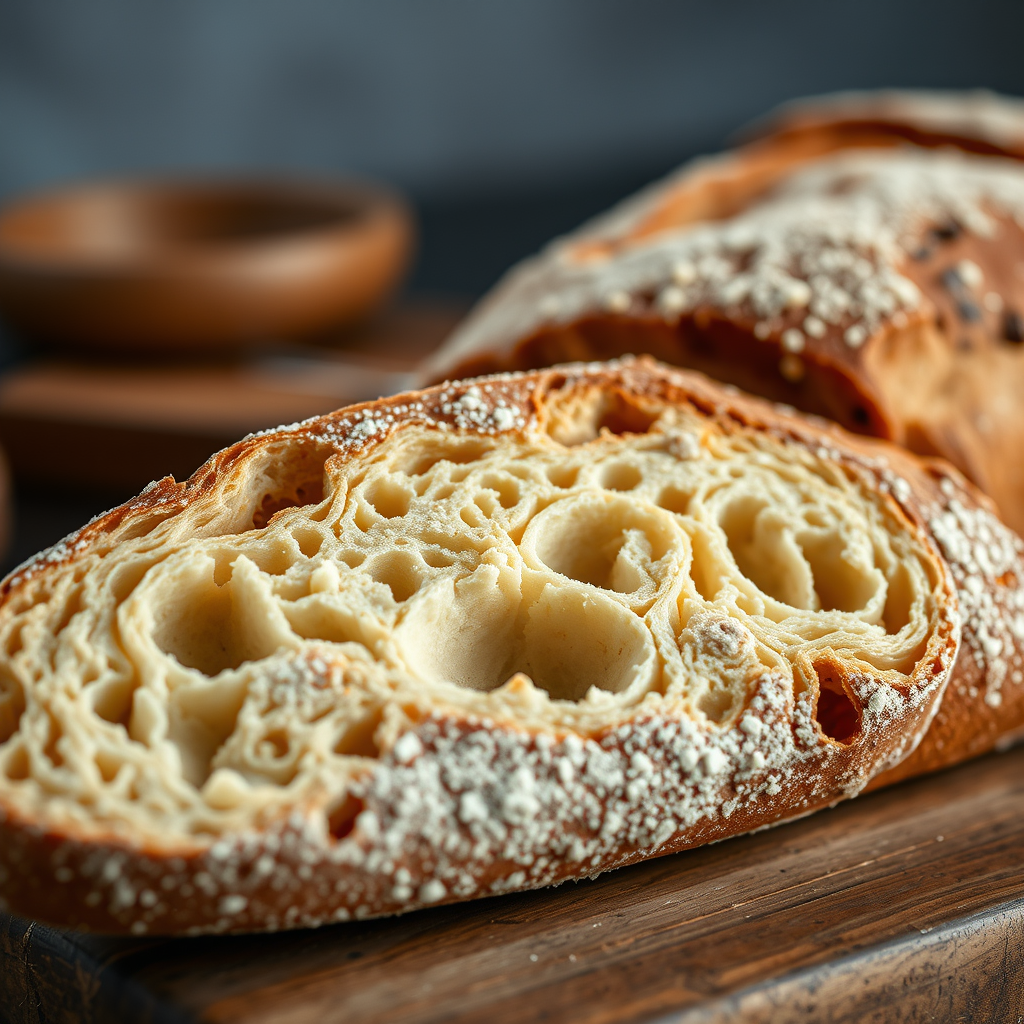
Sourdough bread is often misunderstood, but true, traditional sourdough offers unique benefits for blood sugar control that modern yeast breads cannot match. The magic of sourdough lies in its fermentation process. Unlike commercial breads leavened with baker’s yeast, traditional sourdough relies on a “starter”—a colony of wild yeast and lactic acid bacteria. During the long fermentation period, these bacteria consume the sugars and starches in the flour and produce lactic acid.
This presence of organic acids is crucial for diabetics. Research indicates that the lactic acid in sourdough inhibits the activity of amylase, the enzyme responsible for breaking down starch into sugar during digestion. Consequently, the rate at which glucose enters the bloodstream is significantly reduced. However, consumers must be vigilant. Not all breads labeled “sourdough” are created equal. Many commercial supermarkets sell “sour-flavored” bread, which is simply white bread with added vinegar or flavoring agents. These imitation products do not undergo the long fermentation process and possess the same high glycemic index as standard white bread. To reap the health benefits, one must seek out authentic sourdough, often found at artisan bakeries, where the ingredients are simply flour, water, salt, and starter.
100% Whole Wheat and Pumpernickel
When selecting wheat-based breads, the terminology on the package can be deceptive. For a bread to be diabetes-friendly, it is imperative to look for the phrase “100% whole wheat” or “100% whole grain.” If the label simply says “wheat bread,” “multigrain,” or “seven-grain,” it is highly likely that the primary ingredient is enriched wheat flour—a refined product stripped of its bran and germ. The bran and germ contain the vast majority of the grain’s fiber, vitamins, and minerals. Without them, the bread digests almost as quickly as sugar.
Pumpernickel bread, specifically the authentic German variety, is another powerhouse for diabetic nutrition. True pumpernickel is made from coarse, whole rye berries that are cracked rather than ground into a fine flour, and then baked at a low temperature for a long period. This results in a dense, heavy loaf with a very low glycemic index. Rye naturally contains high levels of soluble fiber, which forms a gel-like substance in the gut, further slowing digestion. However, similar to sourdough, caution is required. Many American “pumpernickel” breads are merely refined wheat breads colored dark with molasses or caramel color, which can actually spike blood sugar higher than white bread. Always check that “whole rye” or “whole rye berries” is the first ingredient listed.
Low-Carb and Grain-Free Alternatives
The rise of the Keto and Paleo diets has spurred innovation in grain-free baking, providing excellent alternatives for those who need to strictly limit their carbohydrate intake. These breads typically replace wheat flour entirely with almond flour, coconut flour, or flaxseed meal. Because these ingredients are derived from nuts and seeds rather than grains, they are naturally high in healthy fats and fiber while being exceptionally low in carbohydrates.
For a diabetic, these alternatives can be a game-changer. Breads made primarily from almond flour or flaxseeds often contain as little as 1 to 2 grams of net carbs per slice, rendering their impact on blood sugar negligible. Furthermore, the high fat content in these breads (stemming from healthy sources like omega-3 fatty acids in flax) increases satiety, helping to curb cravings and prevent overeating. While the texture is often denser and the caloric density higher than wheat bread due to the fat content, the metabolic advantage of consuming a near-zero glycemic food makes them a valuable tool for tight glucose management.
How to Read Bread Labels Correctly
Mastering the art of reading a nutrition label is the most powerful skill a diabetic can possess when grocery shopping. The front of the package is often reserved for marketing claims that can be misleading; the truth lies in the Nutrition Facts panel and the ingredient list. The first step is to verify the serving size. Manufacturers may list nutrition facts for one slice, while the typical sandwich requires two, effectively doubling the carb count.
Next, calculate the net carbs by finding the “Total Carbohydrate” line and subtracting the “Dietary Fiber.” A good rule of thumb for a diabetes-friendly slice of bread is a net carb count of 15 grams or less and a fiber content of at least 3 grams. Finally, scrutinize the ingredient list for hidden sugars. Bread does not need added sugar to be delicious, yet high fructose corn syrup, honey, molasses, and cane sugar are frequently added to aid yeast fermentation and browning. If any form of sugar appears in the top three ingredients, that bread is likely to cause an unnecessary spike in blood glucose and should be avoided.
Finding the right bread involves looking past the marketing claims and checking the nutrition label for high fiber and whole ingredients. While you should still monitor your portion sizes, switching to sprouted grains, sourdough, or 100% whole wheat options allows you to include bread in a balanced diabetic diet. Next time you are at the grocery store, compare the labels of your favorite brands and choose the one with the lowest net carbs and simplest ingredient list. By making these informed swaps, you can maintain dietary satisfaction and long-term health simultaneously.
Frequently Asked Questions
What is the best type of bread for people with diabetes to prevent blood sugar spikes?
The best bread for diabetics is typically 100% whole grain or sprouted grain bread, such as Ezekiel bread, because these varieties are high in fiber and have a lower glycemic index (GI). High-fiber breads take longer for the body to digest, which results in a slower, more manageable release of glucose into the bloodstream compared to refined white breads. Additionally, breads made with almond flour or flaxseed are excellent low-carb alternatives that minimize blood sugar impact.
How do I choose a diabetes-friendly bread based on the nutrition label?
When reading the nutrition label, look for bread that contains at least 3 grams of fiber and less than 15 grams of carbohydrates per slice. It is crucial to check that “whole wheat” or “whole grain” is the very first ingredient listed, rather than “enriched flour” or “wheat flour,” which are refined. Also, ensure the bread has little to no added sugars (less than 2 grams), as hidden sugars in commercial bread can quickly raise glucose levels.
Is sourdough bread a good option for diabetics?
Yes, traditional sourdough bread is often a better option than standard white or whole wheat bread due to its unique fermentation process. The lactic acid bacteria produced during fermentation lowers the bread’s glycemic index and slows down digestion, leading to a reduced spike in blood sugar and insulin levels after eating. However, it is still important to monitor portion sizes and opt for whole grain sourdough when available for maximum nutritional benefit.
Why are sprouted grain breads often recommended over whole wheat for diabetes management?
Sprouted grain breads are often recommended because the sprouting process breaks down starches, resulting in a product with lower carbohydrate content and a lower glycemic load than traditional whole wheat bread. This process also increases the bioavailability of nutrients and protein, which helps stabilize blood sugar by slowing digestion. Because they are often flourless, sprouted breads generally cause a much milder glucose response.
Are pumpernickel and rye breads safe for a diabetic diet?
Authentic pumpernickel and rye breads are excellent choices for diabetics, provided they are made from whole rye kernels or stone-ground whole grain flour rather than refined wheat flour with caramel coloring. These dense breads have a naturally low glycemic index and are rich in fiber, which helps improve insulin sensitivity and keeps you feeling full longer. Always verify the ingredients to ensure you are buying genuine rye or pumpernickel rather than a processed wheat imitation.
References
- https://health.clevelandclinic.org/best-bread-for-diabetics
- https://www.diabetes.org.uk/guide-to-diabetes/enjoy-food/eating-with-diabetes/food-groups/starchy-carbs
- Whole Grains • The Nutrition Source
- Healthy Living with Diabetes – NIDDK
- Diabetes diet: Create your healthy-eating plan – Mayo Clinic
- Page Not Found | Utah State University
- https://www.umassmed.edu/nutrition/blog/blog-posts/2018/3/10-tips-for-choosing-a-healthy-bread/
