
For individuals managing diabetes, choosing the right beer involves selecting options that are low in carbohydrates and calories, and consumed in strict moderation. While no beer is truly “diabetes-friendly,” light lagers, low-carb specific brews, and certain non-alcoholic varieties are generally better choices when enjoyed responsibly and with careful blood sugar monitoring. This guide will help you understand what to look for and how to enjoy beer safely within your diabetes management plan.
The Basics: Beer, Carbs, and Blood Sugar
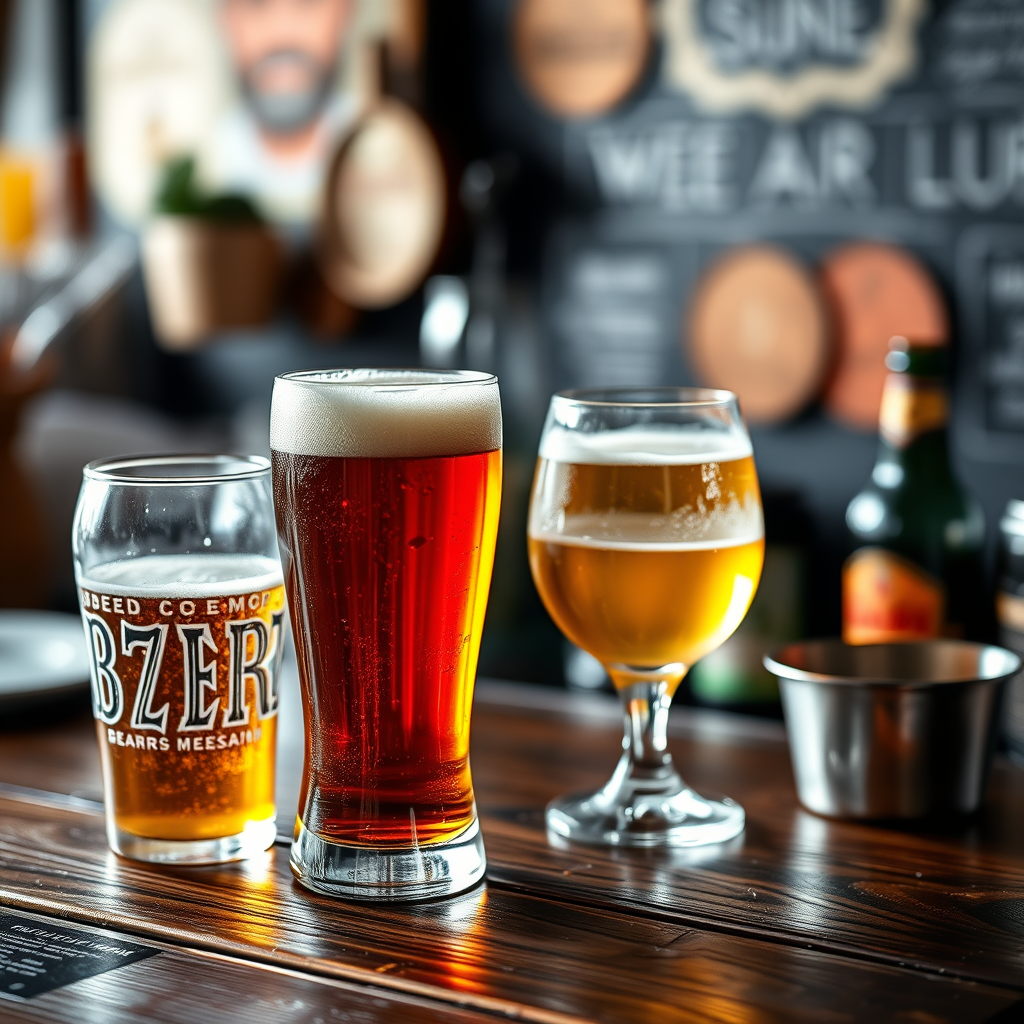
Navigating the world of beer when you have diabetes means understanding how what you drink impacts your body. It’s not just about the carbs; alcohol itself plays a significant role in your blood glucose management.
* Beer contains carbohydrates and alcohol, both of which can impact blood glucose levels. When you sip on a beer, you’re consuming carbohydrates, which directly get broken down into glucose and raise your blood sugar, much like any other carb-containing food or drink. The amount of carbs can vary wildly between different beer types, from just a couple of grams in a light beer to over 30 grams in a richer, darker brew. Beyond the carbs, alcohol affects your liver, which is responsible for producing glucose and releasing it into your bloodstream, especially when you haven’t eaten. When alcohol is present, your liver prioritizes detoxifying the alcohol, temporarily slowing down its glucose production. This dual impact makes beer a unique challenge for blood sugar regulation.
* Alcohol can initially cause blood sugar to drop (hypoglycemia) but may lead to a rise later, especially if consumed with high-carb mixers or without food. This is a critical point for anyone with diabetes. Because your liver is busy processing alcohol, it may not release enough glucose, leading to an initial drop in blood sugar—a potentially dangerous condition called hypoglycemia. This effect can be particularly pronounced for those taking insulin or certain oral diabetes medications. However, the story doesn’t always end there. If your beer is high in carbohydrates, or if you’re pairing it with sugary snacks, that initial dip can be followed by a sharp rebound and a rise in blood sugar once the alcohol’s immediate effects wear off. It’s a complex interplay that requires careful attention and proactive monitoring.
* Understanding the nutritional label, particularly carb content, is crucial for making informed choices. Think of the nutritional label as your secret weapon in selecting a diabetes-friendlier beer. While not all beers (especially craft brews or those on tap) always display full nutritional information, major brands usually do. Make it a habit to check the carb count per serving. This number gives you the most direct insight into how a particular beer might affect your blood glucose. Don’t be afraid to do a quick search on your phone or ask brewery staff if you can’t find the information. Being informed empowers you to make smarter choices that align with your diabetes management goals.
Key Nutritional Factors to Consider
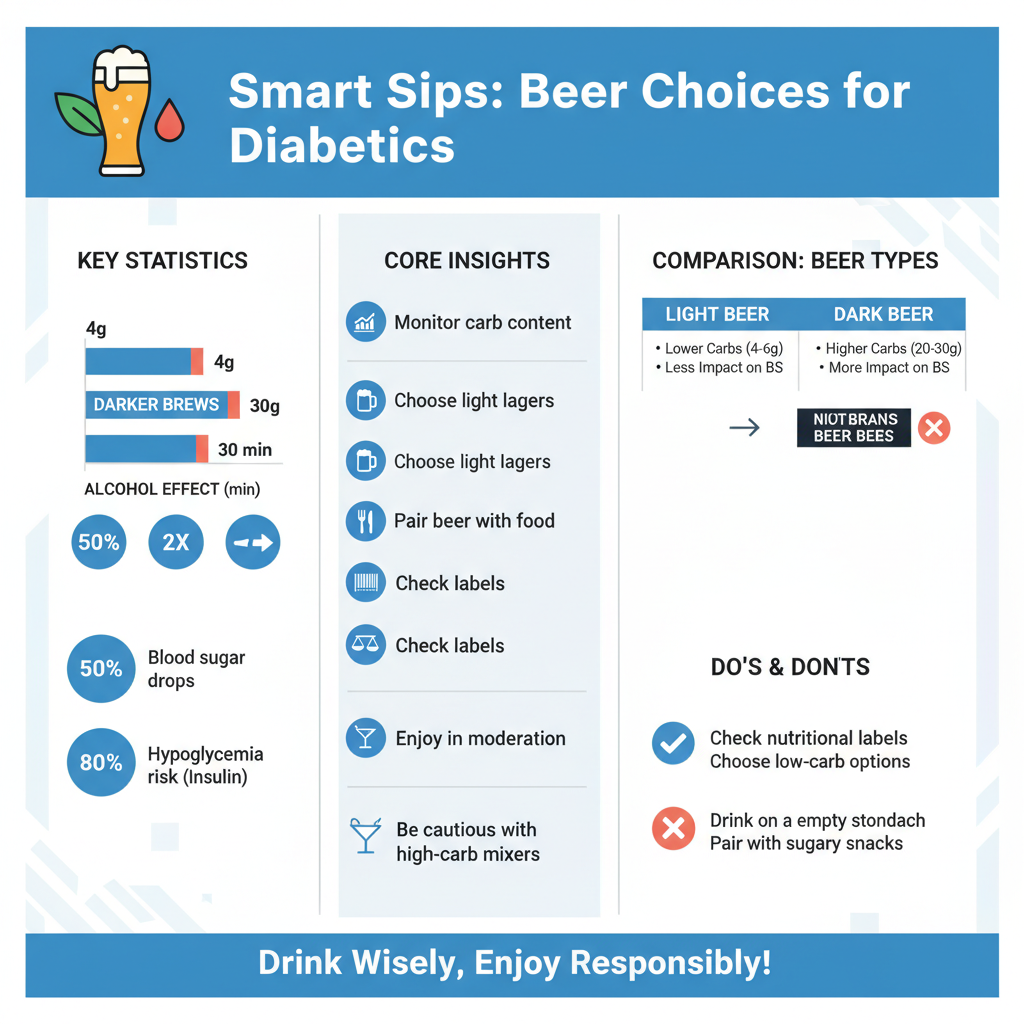
When you’re perusing the beer aisle or looking at a menu, these are the top three nutritional factors that should guide your decision-making process. Keeping them in mind will help you pick options that are less likely to cause blood sugar spikes or other complications.
* Carbohydrates: This is the most significant factor; aim for beers with the lowest carb count per serving. For individuals managing diabetes, carbohydrates are the primary macronutrient that directly converts into glucose, thereby raising blood sugar levels. Therefore, your number one priority when selecting a beer should be its carbohydrate content. Look for beers that offer under 5 grams of carbs per 12-ounce serving, and ideally, even lower. Many light lagers and specific low-carb brews are expertly crafted to minimize residual sugars, often achieving carb counts as low as 2-3 grams. Understanding that different brewing processes, such as longer fermentation periods, can break down more sugars and result in a lower carb product is helpful. Don’t be fooled by a beer’s color; dark beers aren’t necessarily higher in carbs, but many *are* due to the types of malts used and the fermentation process.
* Calories: Lower calorie beers often correlate with lower carb content, aiding in weight management. While carbs directly impact blood sugar, calories are crucial for overall weight management, which is a cornerstone of effective diabetes control. Alcohol itself is calorie-dense (about 7 calories per gram, nearly as much as fat), so a higher alcohol content will naturally mean more calories. Fortunately, beers designed to be lower in carbohydrates usually also feature a lower calorie count. Opting for these lighter options can help you maintain a healthy weight, which in turn improves insulin sensitivity and makes blood sugar management easier. Always remember, every calorie counts towards your daily intake goals, and mindful consumption extends to your beverage choices.
* Alcohol By Volume (ABV): Higher ABV beers typically have more calories and can have a greater impact on blood sugar and medication efficacy. The Alcohol By Volume (ABV) percentage tells you how much alcohol is in your beer. Beers with a higher ABV mean more alcohol per serving, which translates to more calories and a greater potential impact on your liver’s ability to regulate glucose. High-ABV beers also place a greater metabolic load on your system, intensifying the risk of delayed hypoglycemia. Moreover, alcohol can interfere with the effectiveness of certain diabetes medications, such as Metformin (increasing the risk of lactic acidosis) or sulfonylureas and insulin (potentiating their blood-sugar-lowering effects). Sticking to beers with a lower ABV (generally below 5%) is a safer bet, helping to mitigate these risks and making it easier to manage your blood sugar levels.
Best Beer Styles for Diabetics
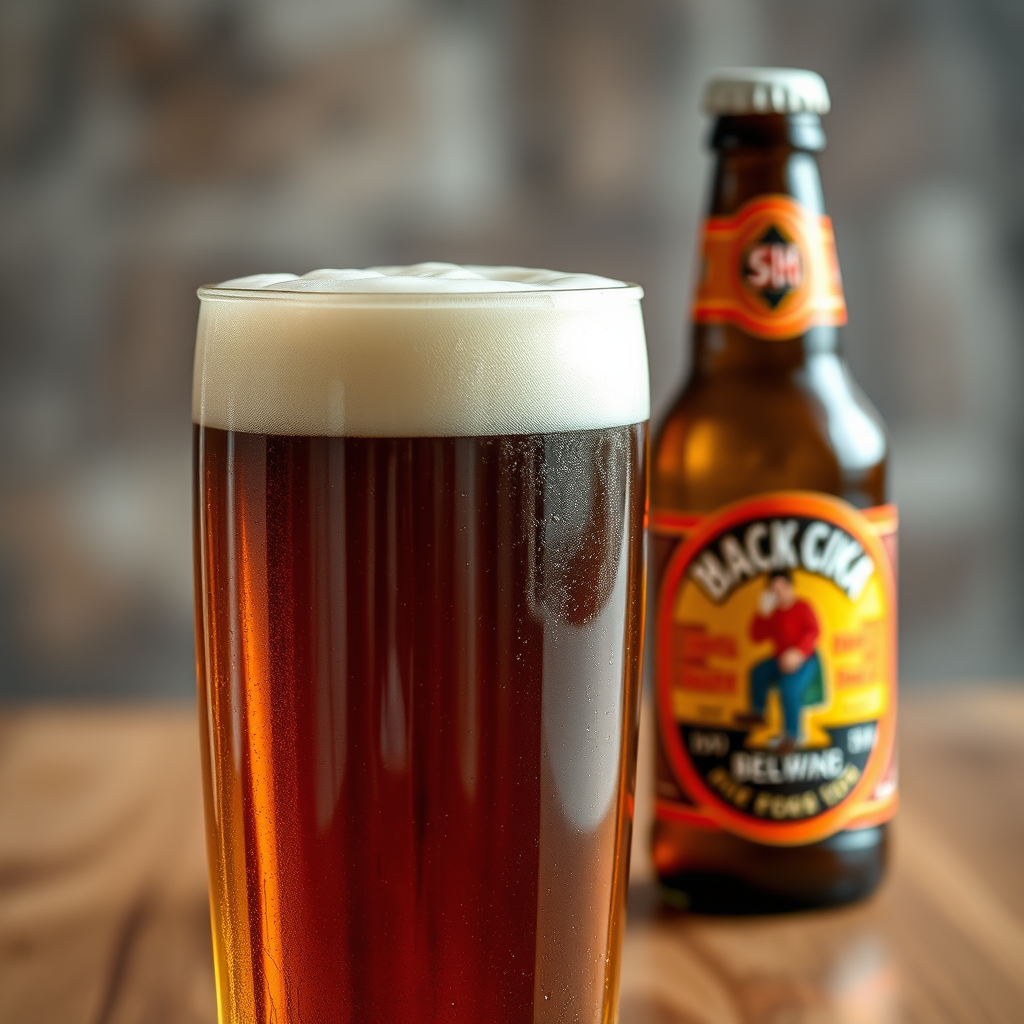
When you’re looking to enjoy a beer without derailing your diabetes management, certain styles stand out as better choices due to their typically lower carb and calorie profiles.
* Light Lagers/Pilsners: Often specifically brewed to be lower in calories and carbohydrates than standard beers. These crisp, refreshing brews are frequently your safest bet in the beer world. Brands like Michelob Ultra, Bud Light, Miller Lite, and Coors Light are prime examples, often boasting carb counts of 2-5 grams and calorie counts under 100 per 12-ounce serving. Their brewing process often involves longer fermentation or specific enzyme treatments to convert more sugars into alcohol, leaving fewer residual carbohydrates. They are designed for easy drinking and mass appeal, making them widely available and a convenient choice when you’re out and about. Their clean flavor profile also means fewer complex sugars that could impact your blood glucose.
* Low-Carb Beers: Many brands offer “carb-conscious” or “low-carb” versions, explicitly designed for this purpose. Beyond the standard “light” category, some breweries actively market beers as “low-carb” or “carb-conscious,” making it even easier to identify suitable options. These beers are specifically formulated to meet the needs of those monitoring their carbohydrate intake. Examples include Omission Ultimate Light, Amstel Light, and even some craft breweries are starting to produce their own low-carb IPAs or ales. Always double-check the label, as the definition of “low-carb” can vary slightly between brands, but these options are generally a reliable starting point for those actively managing their carbohydrate intake.
* Non-Alcoholic Beers: These can be excellent alternatives, but always check labels as carb and calorie content can still vary. For those who enjoy the taste and social aspect of beer but want to completely avoid the alcohol’s impact on blood sugar and medication, non-alcoholic (NA) beers are a fantastic alternative. Modern NA beers have vastly improved in flavor and variety, with options like Heineken 0.0, Athletic Brewing Co. offerings, and Sam Adams Just the Haze providing a satisfying experience. The key benefit here is eliminating the alcohol-related risks of hypoglycemia and medication interaction. However, it’s paramount to still check the nutritional label. Some NA beers can still contain a surprising amount of carbohydrates and calories, depending on how they are brewed and the residual sugars. Always verify to ensure your chosen NA brew aligns with your dietary needs.
Beers to Approach with Caution (or Avoid)
While there are some good options, many popular beer styles can pose significant challenges for diabetics due to their high carbohydrate and calorie content. It’s wise to approach these with extreme caution or avoid them altogether.
* Stouts and Porters: These dark, rich beers often contain high amounts of residual sugars and carbs. Known for their deep, roasted flavors, notes of chocolate or coffee, and often a creamy texture, stouts and porters can be incredibly delicious but are typically quite carb-heavy. Many contain unfermented sugars, lactose (in milk stouts), or added flavorings that significantly boost their carbohydrate content, sometimes reaching 20-30 grams or more per serving. While a very dry stout like certain traditional Irish stouts *might* be on the lower end for the style (e.g., Guinness Draught is surprisingly lower in carbs than many assume, but still higher than a light lager), it’s generally safer to steer clear of the style unless you have verified nutritional information. Imperial stouts, dessert stouts, or those aged in bourbon barrels are almost always high in both carbs and alcohol.
* IPAs and Craft Beers: While popular, many IPAs and specialty craft brews can be very high in carbohydrates and alcohol. The vibrant world of craft beer, with its innovative flavors and diverse styles, often comes with a hidden cost for diabetics. Many India Pale Ales (IPAs), especially New England IPAs (NEIPAs) with their hazy appearance and juicy fruit notes, are loaded with residual sugars and often boast higher ABV percentages. Double IPAs and Imperial IPAs are even more potent, frequently exceeding 8% ABV and containing very high carb counts. Craft breweries often prioritize complex flavors, body, and mouthfeel over low carb content. Unless a specific craft beer is explicitly marketed as low-carb and provides verified nutritional data, it’s safer to assume it’s high in both carbohydrates and calories and therefore a less suitable choice.
* Sweet Fruit Beers & Malt Liquors: These types generally have elevated sugar content, making them less suitable for diabetics. Sweet fruit beers, which incorporate fruit purées, syrups, or artificial flavorings, often contain significant amounts of added sugars, skyrocketing their carb count. While refreshing, many of these are more akin to sugary beverages than traditional beers from a diabetic management perspective. Similarly, malt liquors, often recognized for their higher alcohol content at a lower price point, can also be quite high in residual sugars and calories. These are generally produced with less emphasis on careful fermentation for carb reduction and should be largely avoided by individuals managing diabetes due to their potential to cause significant blood sugar spikes.
Safe Drinking Practices for Diabetics
Enjoying beer safely when you have diabetes means adopting smart habits and being proactive about your health. These practices are essential for minimizing risks and ensuring you can partake responsibly.
* Portion Control & Moderation: Adhere to recommended daily limits (e.g., one drink for women, two for men) and choose smaller serving sizes. This is perhaps the most crucial piece of advice. The American Diabetes Association (ADA) recommends that if you choose to drink alcohol, women should limit themselves to one drink per day, and men to two drinks per day. A “standard drink” for beer is typically defined as 12 ounces of regular beer (around 5% ABV). For higher ABV beers, your serving size should be even smaller. Practicing moderation means resisting the urge to have “just one more” and consciously choosing smaller pours or splitting a larger bottle. Over-consumption not only affects your blood sugar but also places undue strain on your liver and can lead to impaired judgment, making it harder to manage your diabetes effectively.
* Never Drink on an Empty Stomach: Always pair alcohol with a balanced meal to slow sugar absorption and prevent hypoglycemia. Drinking alcohol on an empty stomach is one of the quickest ways to induce hypoglycemia, as your liver focuses on processing the alcohol instead of releasing glucose. Before you even think about having a beer, make sure you’ve eaten a balanced meal that includes complex carbohydrates, protein, and healthy fats. This food will help stabilize your blood sugar, slow down the absorption of alcohol, and provide a buffer against potential drops. A meal will also help prevent you from overeating later, which can happen when alcohol lowers inhibitions.
* Monitor Blood Sugar Closely: Check your blood glucose levels before, during, and several hours after consuming beer. Proactive and frequent blood sugar monitoring is non-negotiable when consuming alcohol. Check your blood glucose before you start drinking, periodically while you’re drinking (if feasible), and especially several hours afterward, before bed, and upon waking the next day. The effects of alcohol on blood sugar can be delayed, sometimes causing hypoglycemia hours after your last drink, particularly overnight. Be aware of the symptoms of hypoglycemia (dizziness, shakiness, confusion) and ensure you have fast-acting carbohydrates (like glucose tablets or juice) readily available in case your blood sugar drops too low. Informing a friend or family member that you have diabetes and what to do in case of an emergency is also a smart precaution.
Consulting Your Healthcare Professional
While guides like this offer general advice, your individual health situation is unique. Therefore, the most important step in enjoying beer safely is to engage with your healthcare team.
* Discuss your alcohol consumption habits and specific beer choices with your doctor or a registered dietitian. Your healthcare provider knows your medical history, your current diabetes management plan, and any other health conditions you may have. Be open and honest about your desire to consume alcohol and the types of beer you prefer. They can offer personalized guidance that considers your specific needs, whether you’re type 1 or type 2, and any co-existing conditions. A registered dietitian can also help you integrate beer into your meal plan in a way that minimizes blood sugar impact. Never hesitate to bring up these conversations; it’s about living a full life while managing your health.
* Understand any potential interactions between alcohol and your diabetes medications. This is a critical discussion point. Alcohol can have significant interactions with various diabetes medications. For example, it can enhance the blood-sugar-lowering effects of insulin and sulfonylureas, increasing the risk of hypoglycemia. For those on Metformin, alcohol can raise the risk of a rare but serious condition called lactic acidosis. Your doctor will be able to explain any specific risks associated with your prescribed medications and can advise on adjustments or precautions you might need to take. Never alter your medication regimen based on generalized advice; always consult your physician.
* Seek personalized advice based on your individual health status, diabetes type, and management plan. Diabetes is a highly individualized condition. Factors such as your age, weight, liver function, kidney health, duration of diabetes, and how well your blood sugar is typically controlled all play a role in how your body processes alcohol. What might be safe for one person with diabetes might not be safe for another. Your healthcare provider can help you create a personalized plan that balances enjoyment with effective diabetes management, ensuring that any beer consumption fits safely within your overall health goals. Remember, this blog post offers general information, not medical advice, and should always be followed up with a consultation with your trusted healthcare professional.
Choosing the right beer as a diabetic involves prioritizing low-carb, low-calorie options like light lagers, specific low-carb brews, or non-alcoholic alternatives. Remember, moderation is key, and always consume beer with food while closely monitoring your blood sugar. For personalized guidance and to ensure safe consumption, always consult with your healthcare provider.
Frequently Asked Questions
What are the best types of beer for diabetics to choose?
Diabetics should prioritize light beers, low-carb options, and certain non-alcoholic varieties when selecting beer. These types typically contain significantly fewer carbohydrates and calories, which are crucial for managing blood sugar levels effectively. Opting for beers explicitly labeled as “light,” “low-carb,” or examining their nutritional information for minimal carb content is key to making an informed choice.
How can diabetics identify low-carb and low-sugar beers when shopping?
To identify suitable beers, diabetics should always check the nutritional label for carbohydrate and sugar content per serving. Focus on beers with 3-5 grams of total carbohydrates or less per 12-ounce serving, and minimal to no added sugars. Many breweries are increasingly providing this detailed information, making it easier to compare and select appropriate low-carb beers that support blood sugar management.
Why are high-carb and high-alcohol beers generally not recommended for people with diabetes?
High-carb beers can rapidly spike blood sugar levels due to their quick absorption of sugars and starches. High-alcohol beers, conversely, pose a different risk by potentially leading to delayed hypoglycemia, as the liver prioritizes metabolizing alcohol over producing glucose. This interference with glucose production can dangerously lower blood sugar, especially when consumed on an empty stomach, making both high-carb and high-alcohol options risky for diabetics.
Which specific low-carb beer brands are often recommended for diabetics?
Several well-known brands offer excellent low-carb beer options that are often recommended for diabetics, including Michelob Ultra, Miller Lite, Budweiser Select 55, and Coors Light. Additionally, many craft breweries are now producing “light” or “keto-friendly” lagers and IPAs designed with significantly reduced carbohydrate counts. Always verify the most current nutritional information for these specific low-carb beer brands, as formulations can occasionally change.
Are non-alcoholic beers a safe option for diabetics, and what else should they consider?
Non-alcoholic (NA) beers can be a safer alternative for diabetics as they eliminate the immediate alcohol-related risks of hypoglycemia and impaired judgment. However, it is absolutely crucial to still check their carbohydrate and sugar content, as some NA beers can be surprisingly high in carbs, which can impact blood sugar. Diabetics should always consult their healthcare provider or a registered dietitian about alcohol consumption, and consistently monitor their blood sugar when trying any new beverage, including NA beers.
References
- Alcohol and Diabetes | ADA
- Coffee calories: Sabotaging your weight loss? – Mayo Clinic
- https://www.health.harvard.edu/diseases-and-conditions/when-you-have-diabetes-is-any-alcohol-ok
- https://www.cdc.gov/diabetes/managing/eat-well/alcohol.html
- https://health.clevelandclinic.org/does-drinking-alcohol-affect-your-blood-sugar
- https://www.diabetes.co.uk/food-and-information/alcohol-and-diabetes.html
- https://en.wikipedia.org/wiki/Alcohol_and_diabetes_mellitus
