
For diabetics, choosing the right bedtime snack is crucial for managing blood sugar levels and preventing uncomfortable overnight lows or morning highs. The best options are typically those rich in protein, healthy fats, and fiber, as these nutrients help stabilize glucose levels by slowing digestion and providing sustained energy. Prioritizing foods with a low glycemic index will ensure you wake up feeling balanced and refreshed, without unnecessary spikes or drops. Making informed snack choices can significantly impact your overnight blood sugar stability and contribute to overall better diabetes management, helping you achieve more consistent glucose readings and improved well-being throughout the day.
Why Bedtime Snacks Matter for Diabetics

Strategic snacking before bed isn’t just about satisfying late-night cravings; it’s a powerful tool in your diabetes management arsenal. For individuals living with diabetes, what you eat (or don’t eat) before hitting the hay can have a profound impact on your health until morning.
* Preventing Overnight Blood Sugar Fluctuations: Imagine your blood sugar as a roller coaster. Without a sensible bedtime snack, that ride can get pretty wild overnight. A carefully chosen snack helps to “smooth out” the track. This is crucial for avoiding nocturnal hypoglycemia, where your blood sugar drops dangerously low while you sleep, potentially causing restless sleep, nightmares, or even more serious complications. It also helps counteract the “dawn phenomenon,” a natural physiological process where your body releases hormones in the early morning hours, causing blood sugar levels to rise even without eating. A balanced snack provides a steady release of glucose, helping to keep levels within a healthy range, preventing both the dips and the unexpected climbs.
* Aiding Satiety and Restful Sleep: Going to bed hungry is a recipe for a restless night. Hunger pangs can disrupt your sleep cycle, leading to fragmented rest and waking up feeling tired and irritable. A small, balanced snack, rich in protein and fiber, helps you feel full and satisfied without being overly heavy. This sustained satiety can promote deeper, more restful sleep, which is incredibly important for overall health, stress management, and even insulin sensitivity. When you sleep well, your body is better equipped to manage glucose effectively.
* Supporting Glucose Management Goals: Thinking of a bedtime snack as an integral part of your daily eating plan transforms it from an afterthought into a proactive strategy. It’s an opportunity to provide your body with a steady supply of nutrients when it might otherwise go without fuel for many hours. This consistent nourishment helps prevent your liver from releasing stored glucose in an attempt to compensate for a lack of fuel, which can lead to high morning blood sugars. By being strategic, you’re not just reacting to hunger; you’re actively working towards more stable blood sugar levels and better long-term diabetes control.
Characteristics of Ideal Diabetic Bedtime Snacks
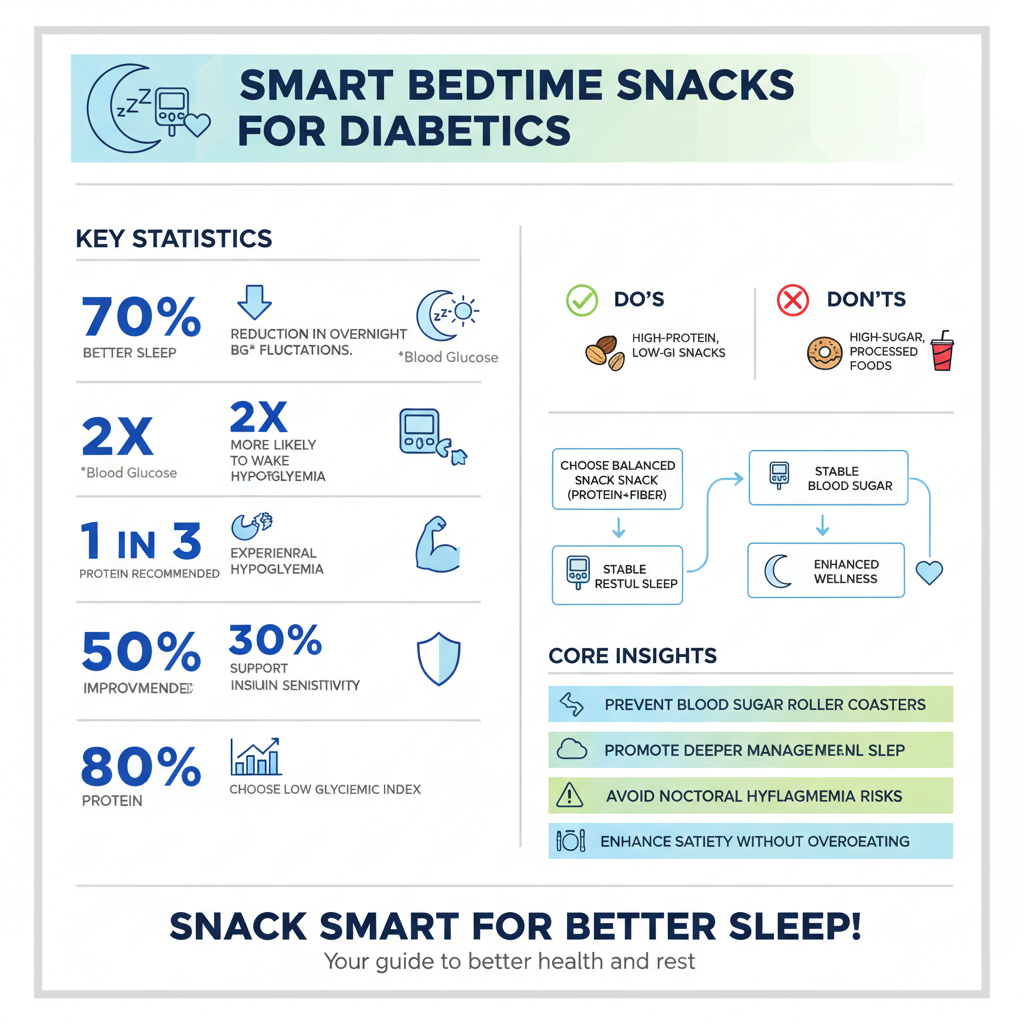
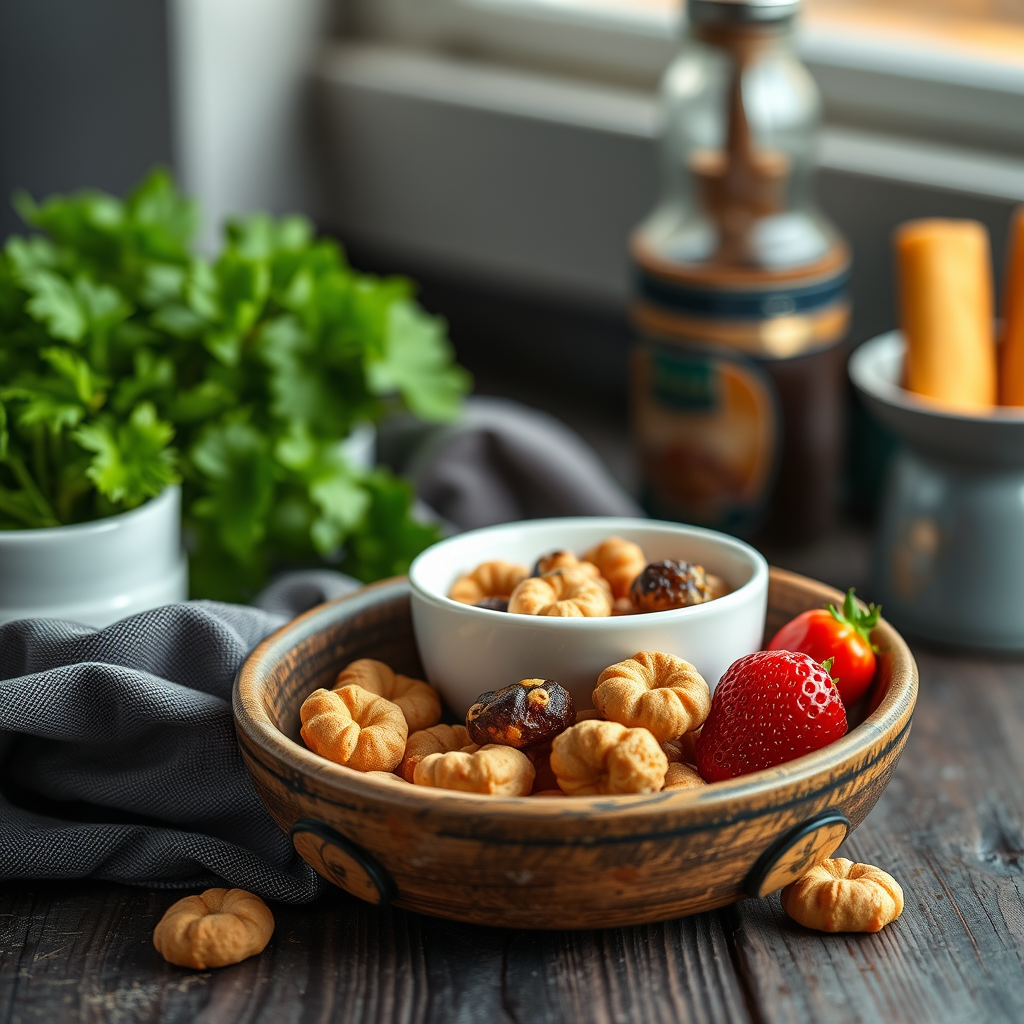
When you’re choosing a bedtime snack, it’s not just about what tastes good; it’s about selecting foods that actively support your blood sugar goals. The best snacks share a few key characteristics that make them particularly beneficial for diabetics.
* High in Protein and Healthy Fats: These two macronutrients are your best friends when it comes to stabilizing blood sugar. Protein digests slowly, which means it releases energy gradually into your bloodstream, preventing those sudden spikes. Healthy fats, like those found in nuts or avocados, also slow down the digestive process, further contributing to a steady release of glucose. Together, protein and healthy fats provide sustained energy throughout the night, helping you feel full and preventing drops in blood sugar. Think sources like lean meats, dairy, eggs, nuts, and seeds.
* Rich in Fiber: Fiber is another superstar nutrient for blood sugar management. It works in several ways: soluble fiber helps to slow down the absorption of sugar, while insoluble fiber adds bulk and promotes digestive regularity. Both types contribute to a feeling of fullness and help to “blunt” the blood sugar response to food. By slowing down digestion and the absorption of glucose, fiber helps keep your blood sugar levels more stable. Load up on vegetables, fruits, whole grains, nuts, and seeds to boost your fiber intake.
* Low Glycemic Index (GI): The glycemic index is a system that ranks carbohydrate-containing foods by how much they raise blood sugar levels. Choosing foods with a low GI means opting for those that cause a gradual and steady rise in blood sugar, rather than a rapid spike followed by a crash. This helps your body maintain more stable glucose levels overnight. To achieve this, it’s essential to avoid ingredients with added sugars, refined carbohydrates (like white bread or sugary cereals), and highly processed foods that typically have a high GI. Focus instead on whole, unprocessed foods.
Top Bedtime Snack Recommendations
Now that we know why certain characteristics are important, let’s dive into some delicious and effective snack ideas that fit the bill perfectly. These options are designed to keep your blood sugar steady and your stomach happy.
* Plain Greek Yogurt with Berries: This is a fantastic choice! Plain Greek yogurt is packed with protein – often double that of regular yogurt – which helps with satiety and blood sugar stability. It also contains probiotics beneficial for gut health. Pair it with a small handful of fresh or frozen berries (like blueberries, raspberries, or strawberries). Berries are low in sugar, high in fiber, and bursting with antioxidants, making them a nutritious and delicious addition without causing a significant blood sugar spike. Just be sure to choose plain, unsweetened yogurt to avoid hidden sugars.
* A Small Handful of Nuts: Almonds, walnuts, pecans, and pistachios are excellent choices. They are rich in healthy fats, fiber, and protein, all working together to promote satiety and provide a slow, steady release of energy. Walnuts, for example, are a great source of omega-3 fatty acids, which have anti-inflammatory benefits. Just remember that nuts are calorie-dense, so portion control is key – aim for about 1/4 cup or a small handful.
* Cheese Sticks or Slices: Cheese is a wonderful source of protein and healthy fats, and it’s naturally low in carbohydrates, meaning it won’t significantly impact your blood sugar. A single serving of cheese can be incredibly satisfying. You can enjoy a cheese stick on its own or pair a slice of your favorite low-fat cheese with a few whole-wheat crackers for added fiber, or even better, with some crisp vegetable sticks like celery or bell peppers for extra crunch and nutrients.
* Hard-Boiled Egg(s): Talk about a power snack! Hard-boiled eggs are incredibly convenient, portable, and an excellent source of high-quality protein with virtually no carbohydrates. One or two hard-boiled eggs can provide a substantial amount of protein to keep you full and your blood sugar stable throughout the night. They are easy to prepare in advance and store in the fridge for a quick, grab-and-go option.
* Celery or Cucumber Sticks with Hummus: This combination offers a fantastic blend of fiber, healthy fats, and plant-based protein. Celery and cucumber are low in calories and high in water content, providing satisfying crunch and fiber. Hummus, made from chickpeas, is rich in fiber and healthy fats, along with a good dose of plant protein. Just be mindful of your hummus portion size, as it can be calorie-dense. A couple of tablespoons are usually sufficient.
Portion Control and Timing for Success
Even the healthiest snacks need to be managed carefully. The benefits of your bedtime snack can be maximized (or negated) by how much you eat and when you eat it.
* Understand Appropriate Serving Sizes: This is a game-changer. While the snacks listed above are fantastic options, eating too much of anything – even “healthy” foods – can still impact your blood sugar. For instance, a small handful of nuts is beneficial, but an entire bag could lead to an unwanted glucose spike due to higher calorie and carbohydrate intake. Always check nutrition labels for serving sizes and carbohydrate counts. If you’re unsure, a registered dietitian can help you tailor serving sizes to your individual carbohydrate goals and energy needs. Remember, consistency in portioning leads to consistent blood sugar results.
* Aim for 1-2 Hours Before Bed: Timing is everything. Eating your snack too close to bedtime might mean your blood sugar is peaking just as you’re falling asleep, potentially leading to morning highs. Conversely, eating it too early might mean its benefits wear off before morning. The sweet spot of 1 to 2 hours before you plan to go to sleep allows your body some time to begin digesting the food, providing a steady release of nutrients throughout the night without creating an immediate spike right before bed. This timing helps maximize the snack’s ability to prevent both overnight lows and morning highs.
* Listen to Your Body’s Cues: Not everyone needs a bedtime snack every night. Sometimes, your dinner might have been substantial enough, or your blood sugar levels are already stable. Learn to differentiate between genuine hunger and simply eating out of habit, boredom, or stress. Before reaching for a snack, take a moment to assess if you are truly hungry or if your doctor has specifically recommended a bedtime snack to manage your blood sugar based on your medication regimen or blood sugar patterns. This mindful approach empowers you to make smarter, more intuitive choices.
Snacks to Avoid Before Bed
Just as there are smart choices, there are also snacks that can actively work against your blood sugar management goals, especially right before bed. Knowing what to steer clear of is just as important as knowing what to embrace.
* Sugary Drinks, Candy, and Desserts: This might seem obvious, but it bears repeating: these items are a definite no-go before bed. Sugary drinks (like soda or sweetened tea), candy, cakes, cookies, and other desserts are loaded with refined sugars that cause a rapid and significant spike in blood sugar levels. This can lead to overnight hyperglycemia, making it difficult for your body to recover and potentially resulting in high morning blood sugar readings. Moreover, these foods offer little to no nutritional value, providing empty calories that contribute nothing to satiety or sustained energy.
* High-Carb Processed Foods: Think chips, pretzels, large bowls of sugary cereal, pastries, white bread, or snack crackers made from refined flour. These foods are typically high in refined carbohydrates and low in fiber, meaning they break down quickly in your digestive system, leading to rapid blood sugar spikes. They offer minimal protein or healthy fats to slow absorption, leaving your blood sugar on a roller coaster ride overnight. Opting for whole, unprocessed foods is always a better choice.
* Large, Fatty Meals: While healthy fats are beneficial, consuming a large, heavy, or greasy meal right before bed can cause digestive discomfort, such as indigestion or heartburn, which can disrupt your sleep. Even though fat slows digestion, an excessive amount can still impact your morning blood sugar readings by delaying glucose absorption and potentially interfering with insulin sensitivity. It’s best to keep your bedtime snacks light and balanced, rather than turning them into another mini-meal.
Personalizing Your Bedtime Snack Strategy
Diabetes management is highly individual. What works perfectly for one person might need adjustments for another. Personalizing your bedtime snack strategy is crucial for achieving optimal results.
* Monitor Your Blood Sugar: This is perhaps the most powerful tool you have. Regularly checking your glucose levels before and after your bedtime snack (e.g., before the snack, then again when you wake up, or even at specific intervals overnight if recommended by your doctor) provides invaluable data. This “test and learn” approach allows you to see the direct impact of specific snacks on *your* body. Keep a log of what you ate, when you ate it, and your corresponding blood sugar readings. Over time, you’ll identify which snacks keep your levels most stable and which ones might need to be adjusted or avoided. This continuous feedback loop empowers you to become an expert in your own diabetes care.
* Consult with a Healthcare Professional: While these guidelines offer a great starting point, they are not a substitute for professional medical advice. Your doctor, a certified diabetes educator (CDE), or a registered dietitian (RD) can provide personalized recommendations based on your unique health profile, medication regimen, activity levels, and specific blood sugar patterns. They can help you determine if a bedtime snack is necessary for you, suggest appropriate carbohydrate targets, and work with you to troubleshoot any issues you might encounter. They are your partners in optimizing your diabetes management plan.
* Read Food Labels Carefully: Becoming a food label detective is a skill every diabetic should master. Before choosing any packaged snack, take a moment to scrutinize the nutrition facts. Pay close attention to serving sizes (and adjust accordingly!), total carbohydrates, fiber content, and added sugars. Look for products with minimal added sugars and a good fiber-to-carb ratio. Understanding these numbers will empower you to make informed decisions that align with your blood sugar goals and overall health. Don’t be fooled by front-of-package claims; always flip it over and read the details.
Choosing the right bedtime snack is a powerful tool in your diabetes management toolkit, helping to maintain stable blood sugar and improve overall well-being. By focusing on protein, fiber, and healthy fats while being mindful of portion sizes and timing, you can confidently make choices that support your health. These strategic picks not only help prevent uncomfortable overnight blood sugar fluctuations but also contribute to better sleep and sustained energy, setting you up for a more balanced day. Always remember to monitor your blood sugar and consult with your healthcare team to personalize your snack strategy for the best possible outcomes, ensuring your choices align perfectly with your individual needs and lifestyle.
Frequently Asked Questions
What are the best bedtime snacks for diabetics to stabilize blood sugar overnight?
The best bedtime snacks for diabetics typically combine protein, healthy fats, and fiber to promote stable blood sugar levels. Options like a handful of almonds, Greek yogurt with a few berries, or cheese with whole-grain crackers provide a slow release of energy, preventing sharp blood sugar spikes or drops. These nutrient-dense choices help maintain glucose balance throughout the night, crucial for effective diabetes management.
Why is a bedtime snack important for people with diabetes?
A strategic bedtime snack can be crucial for diabetics as it helps prevent nocturnal hypoglycemia (low blood sugar) and manages the “dawn phenomenon,” where blood sugar rises in the early morning. By providing a steady supply of nutrients, it can stabilize glucose levels, ensuring you wake up feeling better and with more controlled blood sugar. This proactive approach supports overall glycemic control and reduces potential complications.
How do I choose a healthy bedtime snack that won’t spike my blood sugar?
To choose a healthy bedtime snack that won’t spike your blood sugar, focus on options with a low glycemic index and a good balance of macronutrients. Prioritize snacks rich in protein and fiber, such as a hard-boiled egg or a small serving of cottage cheese, which slow down glucose absorption. Avoid sugary foods, refined carbohydrates, and excessively large portions to ensure your blood sugar remains stable until morning.
Which types of snacks should diabetics avoid before bed?
Diabetics should generally avoid snacks high in refined carbohydrates, added sugars, and saturated fats before bed. This includes sugary cereals, cookies, cakes, candy, and large portions of fruit juice, as these can cause rapid blood sugar spikes. Opting for nutrient-dense alternatives rather than processed, sugary items is essential for maintaining healthy blood glucose levels throughout the night and supporting long-term diabetes management.
Can a bedtime snack help prevent morning blood sugar spikes (dawn phenomenon) in diabetics?
Yes, a carefully chosen bedtime snack can indeed help prevent morning blood sugar spikes, often associated with the dawn phenomenon. A small, balanced snack containing protein and complex carbohydrates, like a small apple with a tablespoon of peanut butter, can help bridge the gap between dinner and breakfast. This can stabilize overnight glucose levels, counteracting the liver’s natural release of glucose and leading to more controlled morning blood sugar readings.
References
- https://www.diabetes.org/food-nutrition/eating-well-with-diabetes/what-to-eat/snack-ideas
- https://www.diabetes.org/food-nutrition/eating-well-with-diabetes/what-to-eat/prevent-hypoglycemia
- Low Blood Glucose (Hypoglycemia) – NIDDK
- https://health.clevelandclinic.org/what-are-the-best-bedtime-snacks-for-people-with-diabetes/
- Missing Page Error – Our Apologies – UChicago Medicine
- https://www.hopkinsmedicine.org/health/conditions-and-diseases/diabetes/eating-well-with-diabetes
- https://www.ucdmc.ucdavis.edu/medicalcenter/healthtips/managing_diabetes/snacks.html
