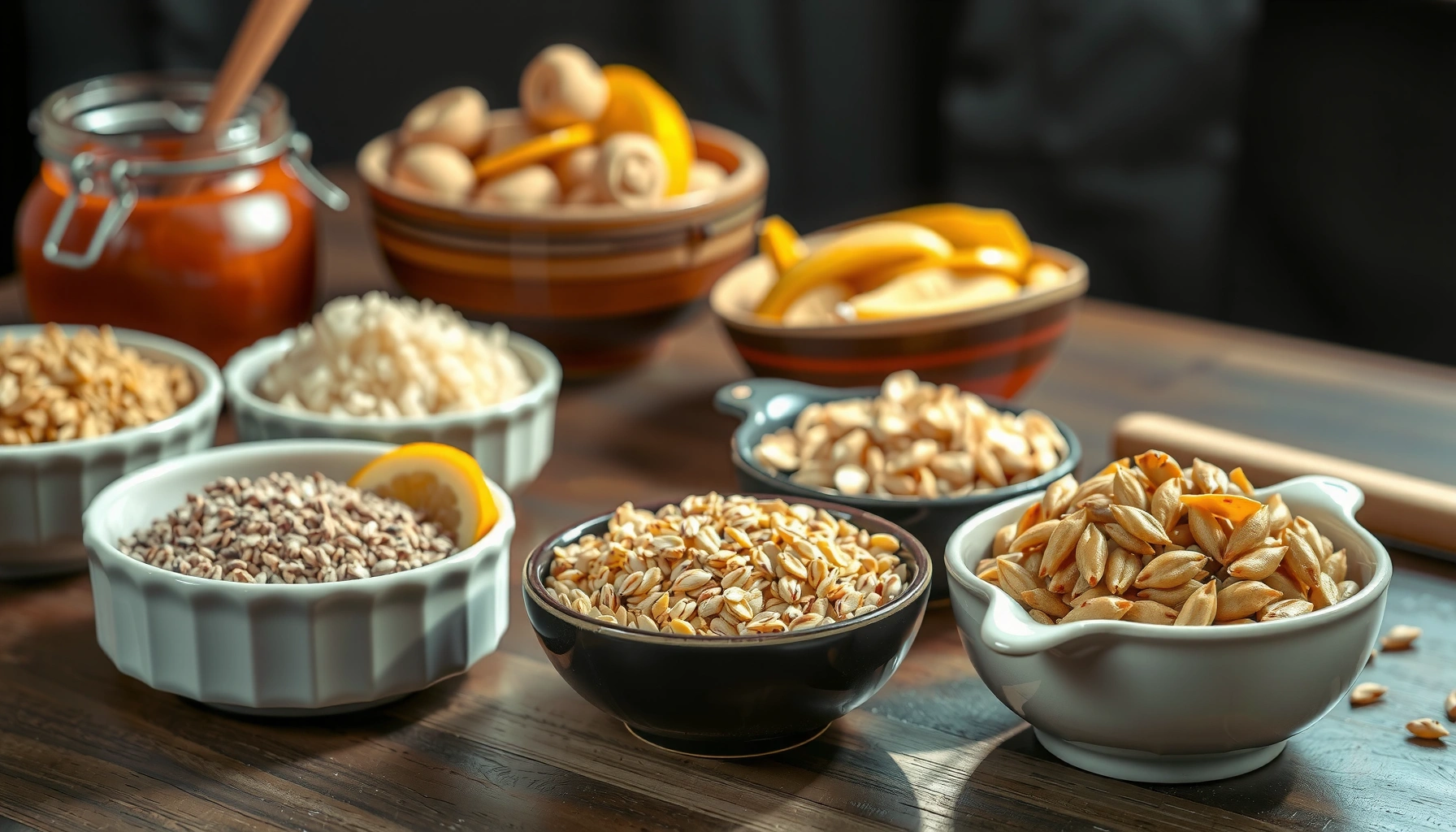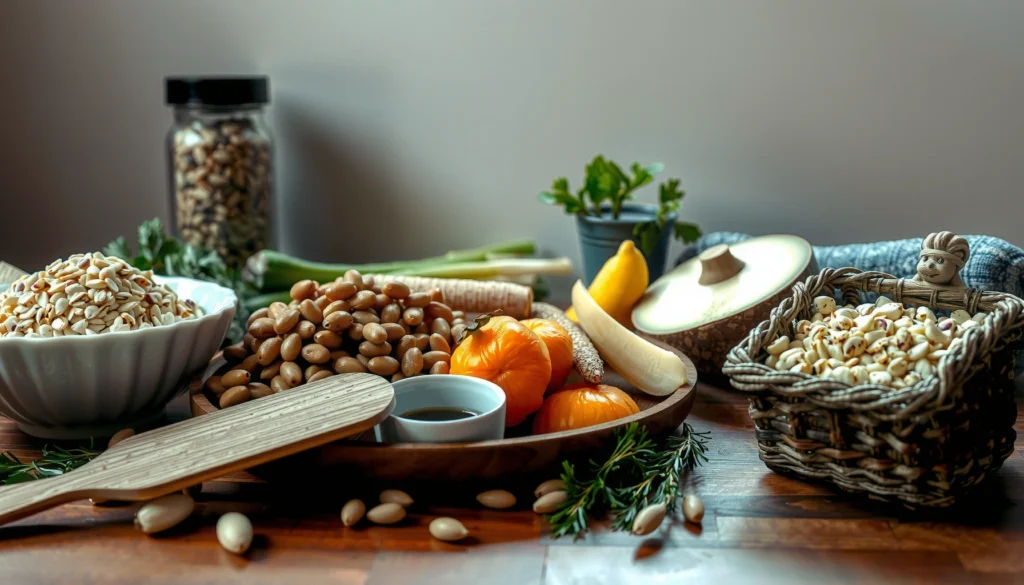

For individuals managing diabetes, the best carbohydrates are those rich in fiber, minimally processed, and typically have a lower glycemic index, as these choices help stabilize blood sugar levels. Prioritizing complex carbohydrates over simple sugars is key to effective diabetes management, providing sustained energy without rapid glucose spikes. This guide will walk you through making informed decisions about which carbohydrates to include in your diet for better health outcomes, empowering you to take control of your blood sugar and boost your overall well-being with delicious, healthy food choices.




Understanding “Good” Carbs for Diabetics

It’s easy to think of all carbohydrates as one category, but when you’re managing diabetes, understanding their differences is absolutely essential. Not all carbohydrates are created equal; their impact on your blood sugar levels can vary significantly. Simple carbohydrates, often found in sugary drinks, white bread, and candies, are quickly broken down into glucose, causing rapid and often dramatic spikes in blood sugar. Complex carbohydrates, on the other hand, take longer for your body to digest, leading to a more gradual and stable release of glucose into the bloodstream.
“Good” carbs are typically high in fiber, which is your best friend in diabetes management. Fiber, a type of carbohydrate that your body can’t digest, plays a crucial role in slowing down the absorption of glucose. This means fewer sharp blood sugar spikes and a more controlled rise, making it easier to manage your condition. Beyond blood sugar control, fiber also promotes digestive health, helps you feel fuller for longer (which can aid in weight management), and can even help lower cholesterol levels. Think of fiber as a natural buffer that smooths out the impact of carbohydrates.
To really get smart about your carb choices, it’s helpful to familiarize yourself with the Glycemic Index (GI) and Glycemic Load (GL). The Glycemic Index is a ranking system for carbohydrate-containing foods based on how quickly they raise blood sugar levels after eating. Foods with a low GI (55 or less) cause a slower, more gradual rise in blood sugar, while high GI foods (70 or more) cause a rapid spike. The Glycemic Load takes this a step further by considering both the GI of a food and the amount of carbohydrate in a typical serving. So, while a watermelon might have a relatively high GI, its GL might be low because a standard serving doesn’t contain a huge amount of carbs. Using GI and GL as guides, rather than strict rules, can help you identify carb choices that have a milder and more predictable effect on your blood sugar, making it easier to plan your meals with confidence.
Whole Grains and Legumes: Your Fiber Powerhouses
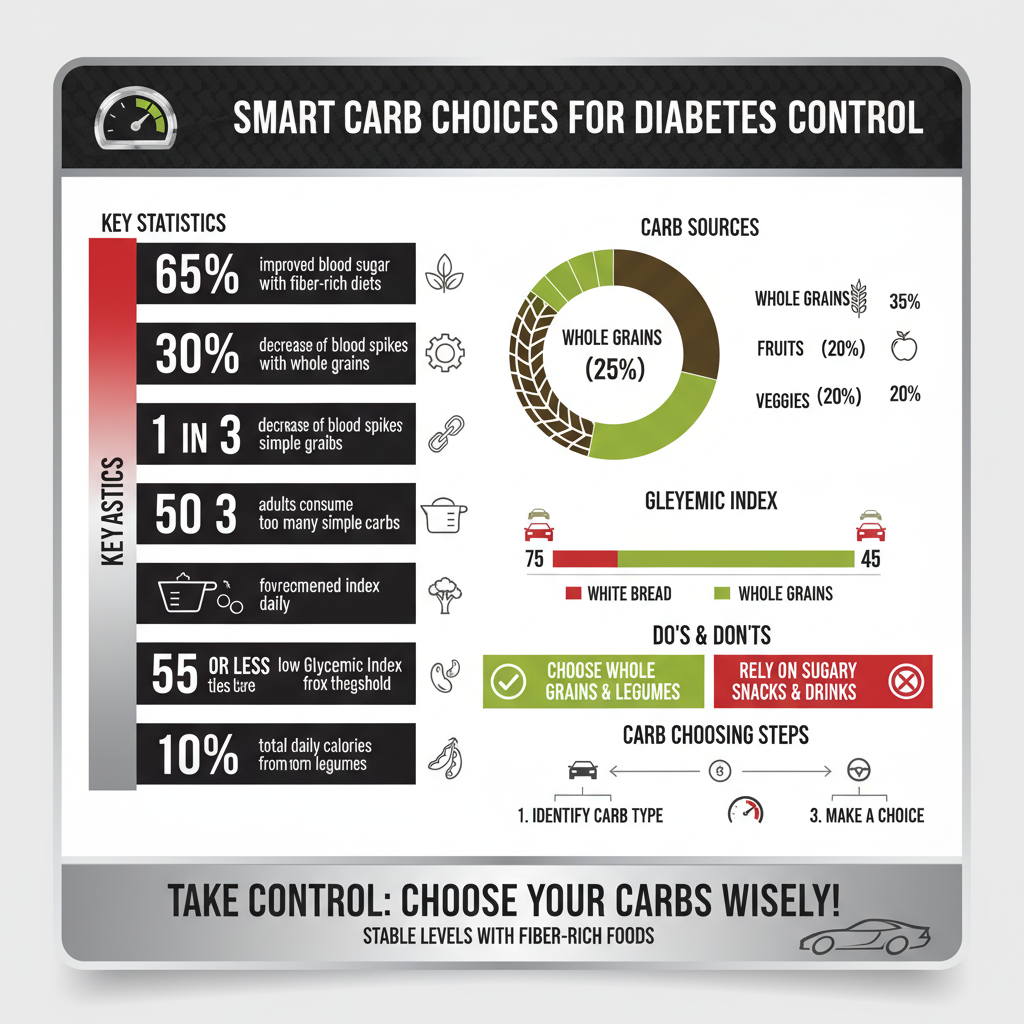
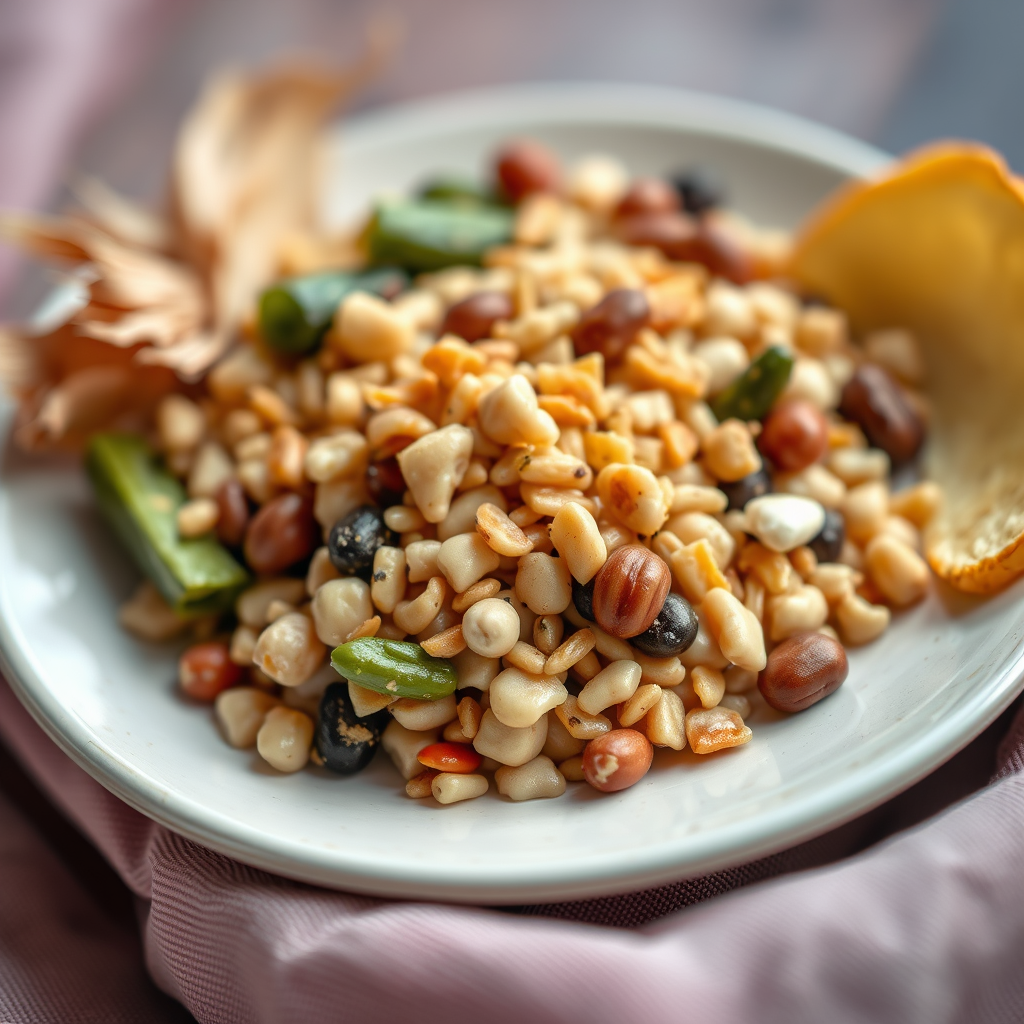
When it comes to building a diabetes-friendly diet, whole grains and legumes are superstars. They are packed with fiber, essential nutrients, and provide a steady release of energy without causing sudden blood sugar surges.
Whole Grains: Make these a staple in your diet. Opt for foods like steel-cut oats, quinoa, brown rice, whole-wheat bread, and barley. Unlike their refined counterparts, whole grains retain all parts of the grain – the bran, germ, and endosperm – which means they’re loaded with fiber, B vitamins, magnesium, iron, and other vital nutrients. Steel-cut oats for breakfast, for example, offer sustained energy and keep you feeling full until lunch. Quinoa is a complete protein, making it an excellent choice for balancing your meals, and it’s incredibly versatile for salads or as a side dish. Swapping white rice for brown rice or a mixed grain blend can dramatically improve your meal’s glycemic impact, while choosing 100% whole-wheat bread for sandwiches ensures you’re getting that crucial fiber boost. Even incorporating barley into soups or stews can add a delightful texture and a significant fiber punch. These options don’t just help with blood sugar; they support overall metabolic health.
Legumes: Lentils, black beans, chickpeas, and kidney beans are true nutritional powerhouses. They are excellent sources of both fiber and plant-based protein, a combination that is incredibly effective for managing blood sugar. The protein helps slow down digestion even further, contributing to greater fullness and satiety, which can prevent overeating and help with weight management. Imagine a hearty lentil soup, a vibrant black bean salad, or a delicious hummus made from chickpeas – these are all fantastic ways to incorporate legumes into your diet. Kidney beans work wonderfully in chili or as a side dish. Their unique blend of complex carbohydrates, fiber, and protein means they offer a gentle, sustained energy release, making them perfect for maintaining stable glucose levels throughout the day. Beyond diabetes management, these humble legumes also help improve digestion, can contribute to lowering cholesterol, and provide a wealth of micronutrients.
Fruits and Vegetables: Nature’s Sweet & Savory Carbs
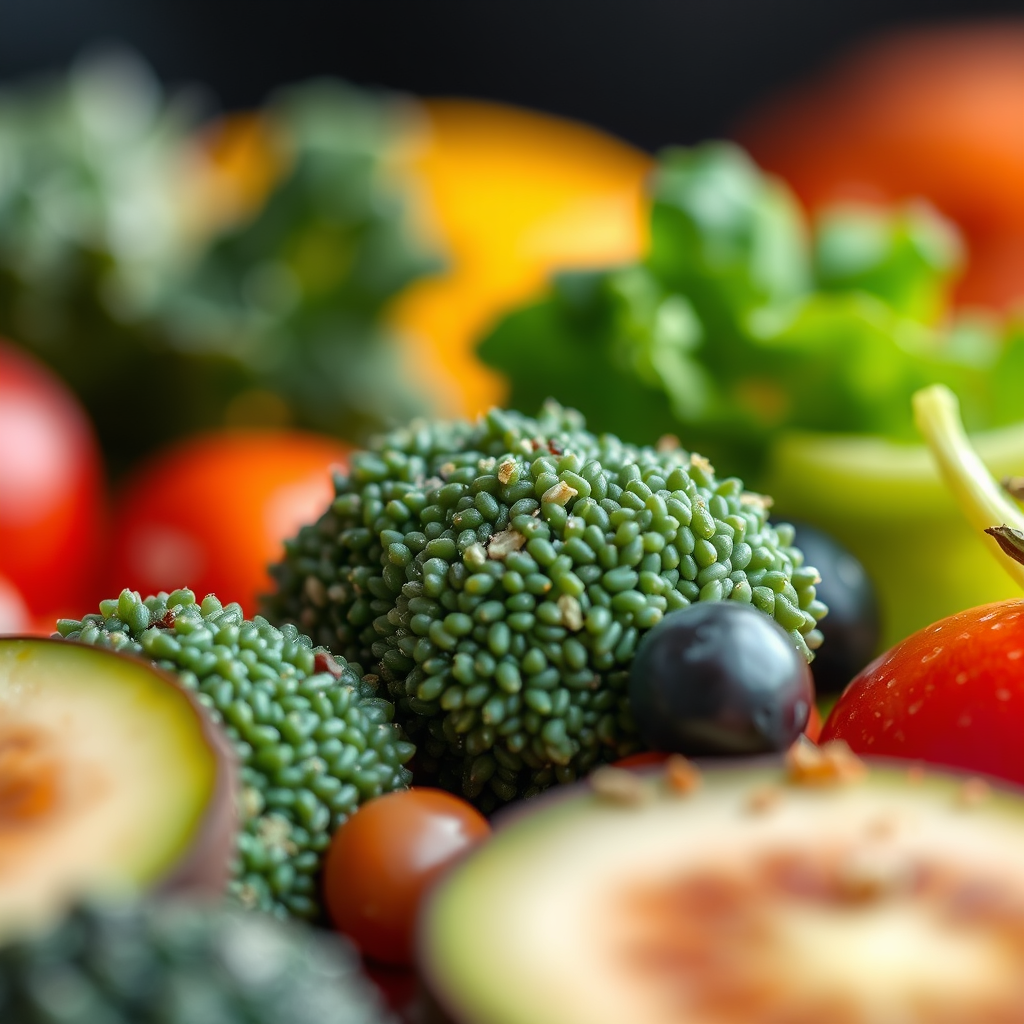
Nature provides a bounty of carbohydrate-rich foods that are incredibly beneficial for diabetes management: fruits and vegetables. They are packed with vitamins, minerals, fiber, and antioxidants, all while being generally low in calories.
Non-Starchy Vegetables: These are truly your best friends! Load up on broccoli, spinach, bell peppers, asparagus, kale, cauliflower, cucumbers, and leafy greens. They are incredibly low in carbohydrates, meaning they have a minimal impact on blood sugar, and are exceptionally high in fiber. This makes them perfect for filling your plate and adding volume to meals without adding many calories or carbs. Beyond fiber, these vegetables are powerhouses of vitamins and minerals, from Vitamin C in bell peppers to Vitamin K in kale and folate in spinach. They provide crucial nutrients for overall health, support your immune system, and are fantastic for weight management. Get creative: add spinach to your eggs, snack on bell pepper strips with hummus, roast some broccoli or asparagus, or enjoy a large salad with every meal. The more non-starchy vegetables you eat, the better!
Fiber-Rich Fruits: While fruits contain natural sugars, their fiber content helps mitigate the impact of these sugars on your blood glucose. Choose fruits like berries (strawberries, blueberries, raspberries), apples, pears, and oranges. Berries, for instance, are not only delicious but also brimming with antioxidants that combat inflammation and support cellular health. An apple with its skin contains pectin, a soluble fiber that aids in digestion and helps stabilize blood sugar. Pears and oranges also offer substantial fiber, which slows sugar absorption. The key here is moderation and consuming whole fruits rather than juices, which strip away the beneficial fiber. A small apple or a handful of berries makes for a perfect, satisfying snack that delivers natural sweetness along with vital nutrients without causing a major blood sugar spike. These plant-based foods provide crucial antioxidants and phytochemicals that support overall health and disease prevention, offering benefits far beyond just managing blood sugar.
Healthy Dairy and Other Smart Carb Sources
Beyond the staple whole grains, legumes, fruits, and vegetables, there are other excellent sources of carbohydrates that can fit wonderfully into a diabetes-friendly diet, especially when chosen wisely.
Unsweetened Dairy: Plain Greek yogurt and milk can provide carbohydrates along with essential protein and calcium. The protein in Greek yogurt is particularly beneficial, as it helps slow down the digestion of carbohydrates, leading to a more stable blood sugar response. It’s also an excellent source of probiotics, which support gut health. The crucial factor here is always to opt for unsweetened varieties. Many flavored yogurts and dairy drinks are loaded with added sugars, which can quickly undo any health benefits. If you prefer a sweeter taste, try adding a few berries, a sprinkle of cinnamon, or a tiny amount of a natural, sugar-free sweetener to your plain yogurt. Milk provides calcium and vitamin D, both important for bone health, but again, ensure it’s plain and unsweetened. These dairy options contribute valuable nutrients that complement your main carb choices and help create well-rounded, satisfying meals and snacks.
Nuts and Seeds: While primarily known for their healthy fats, nuts (like almonds, walnuts, pecans) and seeds (chia, flax, pumpkin) contain some carbohydrates along with significant amounts of fiber and protein. This powerful combination makes them incredibly effective for promoting satiety and helping to stabilize blood sugar levels. The healthy fats and fiber slow digestion, preventing rapid glucose spikes. Almonds are great for heart health, walnuts provide omega-3 fatty acids, and chia seeds are little powerhouses of fiber and protein. Sprinkle a tablespoon of chia seeds into your yogurt or oatmeal, add a handful of almonds to your snack routine, or use flax seeds in smoothies. They’re fantastic for a quick, nutrient-dense snack or as an addition to meals, helping you feel fuller longer and keeping your blood sugar on an even keel. These sources contribute to a balanced diet, offering nutrients that support energy, heart health, and overall well-being.
Navigating Carbs: What to Limit and Why
Just as important as knowing which carbohydrates to embrace is understanding which ones to limit or avoid entirely. These “bad” carbs can sabotage your efforts to manage blood sugar and contribute to other health issues.
Refined Grains: These are carbs that have been stripped of their valuable fiber, bran, and germ during processing, leaving mostly the starchy endosperm. This means they are low in fiber, minerals, and vitamins, and can cause rapid spikes in blood glucose. Examples include white bread, white rice, regular pasta, many sugary breakfast cereals, and baked goods made with white flour. When you eat these, your body quickly converts them to sugar, leading to a surge that can be challenging for someone with diabetes to manage. Consistent consumption of refined grains can make blood sugar control very difficult and increase the risk of complications over time. Instead of white bread, choose 100% whole-wheat or whole-grain varieties. Swap white rice for brown rice, wild rice, or quinoa. Opt for whole-wheat pasta or alternatives made from legumes.
Sugary Drinks and Processed Foods: This category is perhaps the most critical to limit. Steer clear of sodas, fruit juices with added sugar (even 100% fruit juice should be consumed in very small portions due to its concentrated sugar and lack of fiber), sweetened teas, candies, pastries, cookies, and highly processed snacks like chips and crackers made with refined flours. These items are often loaded with added sugars, unhealthy fats, and artificial ingredients, offering little to no nutritional value. They cause immediate and significant rises in blood sugar, making them particularly detrimental for diabetes management. The lack of fiber means the sugars hit your bloodstream very quickly. Regularly consuming these foods contributes to weight gain, increased insulin resistance, and a higher risk of diabetic complications. Learning to read food labels carefully to identify hidden sugars (corn syrup, dextrose, sucrose, maltose, etc.) is a crucial skill. Opt for water, unsweetened tea, or coffee, and choose whole, unprocessed snacks like nuts, seeds, or vegetables. Limiting these “bad” carbs is crucial for preventing complications and maintaining long-term blood sugar stability, giving your body a much better chance at achieving optimal health.
Portion Control and Personalization: Key to Success
Even with the best carbohydrate choices, quantity matters. Understanding portion control and tailoring your diet to your individual needs are truly the cornerstones of successful diabetes management.
Portion Awareness: Even “good” carbs need to be consumed in appropriate portions, as excessive amounts can still impact blood sugar levels significantly. A single serving of brown rice, while healthy, consumed in triple the portion size will likely still cause a substantial blood sugar rise. This is where tools like the plate method or carb counting become invaluable. The plate method is a simple visual guide: fill half your plate with non-starchy vegetables, a quarter with lean protein, and the remaining quarter with complex carbohydrates. For carb counting, you learn to track the grams of carbohydrates in your meals, allowing for more precise management, especially if you’re on insulin. Learning to recognize standard serving sizes – for example, a serving of pasta is about the size of a cupped hand, and a serving of fruit is roughly the size of a tennis ball – can make a huge difference in controlling your glucose levels.
Balanced Meals: Combining your carbohydrate sources with protein and healthy fats at each meal is a powerful strategy to further slow digestion and absorption of glucose. When you eat carbohydrates alone, they tend to be digested quickly. However, adding protein (like chicken, fish, beans, or tofu) and healthy fats (like avocado, olive oil, or nuts) to your meal creates a more complex digestive process. This longer digestion time means glucose enters your bloodstream more gradually, leading to a gentler and more stable blood sugar response. For example, instead of just an apple, pair it with a handful of almonds or a spoonful of peanut butter. Instead of plain pasta, add lean ground turkey and a sauce made with olive oil and vegetables. This approach not only helps manage blood sugar but also keeps you feeling fuller and more satisfied for longer, preventing unnecessary snacking and cravings.
Professional Guidance: While general guidelines are helpful, diabetes management is highly individual. Working with a registered dietitian (RD) or a certified diabetes educator (CDE) can provide a personalized meal plan tailored specifically to your unique needs, preferences, activity level, and blood sugar goals. They can help you understand how different foods affect *your* body, teach you advanced carb counting techniques, address any dietary challenges or misconceptions, and help you create sustainable eating habits. They can also offer support and adjustments as your needs change over time, ensuring your dietary approach remains effective and enjoyable. This personalized professional guidance is truly key to long-term success, offering you the best chance to manage your diabetes effectively and live a full, healthy life.
Choosing the right carbohydrates is a cornerstone of effective diabetes management, leading to better blood sugar control, increased energy, and improved overall health. By prioritizing fiber-rich, minimally processed whole foods like whole grains, legumes, and plenty of non-starchy vegetables, and being mindful of portion sizes, you can significantly empower yourself in managing your diabetes. Remember to combine your carbs with protein and healthy fats to stabilize blood sugar even further and always choose unsweetened options when it comes to dairy. Limiting refined grains, sugary drinks, and highly processed foods is equally vital for preventing spikes and maintaining long-term health. Ultimately, consistent healthy choices and personalized professional advice are your strongest allies in navigating your dietary journey and achieving optimal well-being.
Frequently Asked Questions
What are the best types of carbohydrates for individuals with diabetes?
The best carbohydrates for diabetics are primarily complex carbs, rich in fiber and nutrients, that cause a slower and more gradual rise in blood sugar levels. These include whole grains like oats, quinoa, and brown rice, along with legumes such as lentils and beans. Prioritizing these sources helps in better glucose management and provides sustained energy.
Why should diabetics prioritize complex carbohydrates over refined ones?
Diabetics should prioritize complex carbohydrates because their higher fiber content slows down sugar absorption, preventing rapid blood glucose spikes often seen with refined carbs. Refined carbohydrates, like white bread or sugary snacks, are quickly broken down into glucose, leading to sharp increases in blood sugar and making diabetes management more challenging. Choosing complex carbs supports stable blood sugar and overall health.
How can a person with diabetes effectively incorporate healthy carbohydrates into their daily diet?
To effectively incorporate healthy carbohydrates, diabetics should focus on portion control and pair carbs with protein and healthy fats to further slow glucose absorption. Practical strategies include swapping white rice for brown rice, choosing whole-grain bread instead of white, and adding legumes to meals or salads. Consulting a registered dietitian can provide personalized guidance on appropriate carb intake and meal planning for better diabetes control.
Which specific food examples represent the best carbohydrate choices for blood sugar management?
Excellent carbohydrate choices for managing blood sugar include non-starchy vegetables like broccoli, spinach, and bell peppers, along with whole fruits such as berries, apples, and pears (consumed in moderation). Other top picks are steel-cut oats, quinoa, lentils, chickpeas, and sweet potatoes, all of which offer valuable fiber and nutrients. These foods contribute to stable glucose levels and provide essential vitamins and minerals.
What role does the Glycemic Index (GI) play in choosing carbohydrates for diabetics, and how should it be used?
The Glycemic Index (GI) helps diabetics choose carbohydrates by ranking foods based on how quickly they raise blood sugar. Foods with a low GI (e.g., most non-starchy vegetables, legumes, whole grains) are generally preferred as they lead to a slower, more controlled rise in glucose. While a useful tool, the GI should be used in conjunction with portion control and overall nutritional balance, as individual responses to foods can vary.
References
- https://www.diabetes.org/healthy-living/foods-nutrition/what-can-i-eat/understanding-carbohydrates/carbohydrates-blood-sugar
- https://www.cdc.gov/diabetes/managing/eat-right.html
- Healthy Living with Diabetes – NIDDK
- Diabetes diet: Create your healthy-eating plan – Mayo Clinic
- Carbohydrates and Blood Sugar • The Nutrition Source
- https://en.wikipedia.org/wiki/Diabetic_diet
- https://my.clevelandclinic.org/health/articles/11175-carbohydrates–diabetes-healthy-choices
- https://www.diabetes.org.uk/guide-to-diabetes/managing-your-diabetes/food-and-recipes/eating-with-diabetes/carbs-and-diabetes