

While there isn’t a single “best” bread for everyone with diabetes, the top choices consistently include 100% whole grain, sprouted grain, and traditional sourdough breads, which are rich in fiber and have a lower impact on blood sugar levels. These options help manage glucose spikes by providing complex carbohydrates that digest slowly, making them excellent staples for a balanced diet aimed at diabetes management.



Understanding Bread’s Impact on Blood Sugar
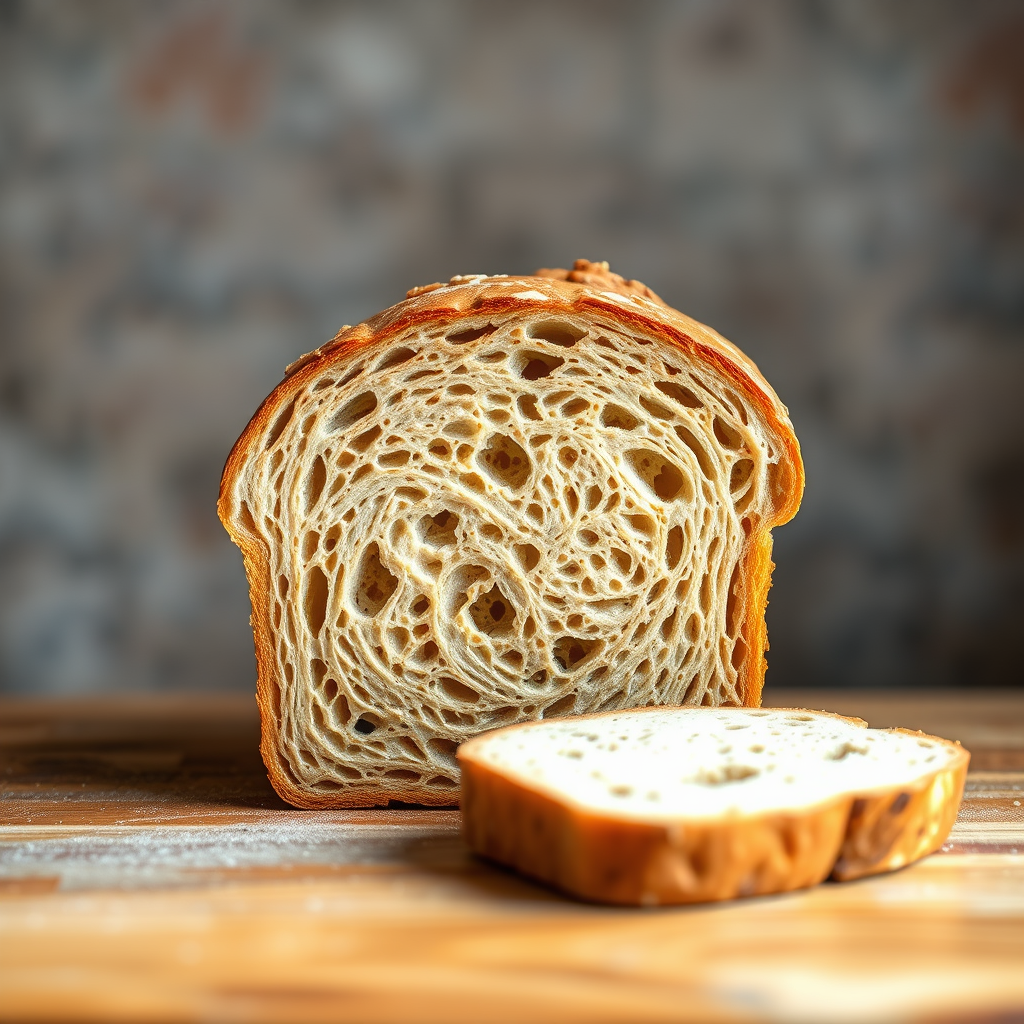
Navigating the bread aisle can feel like a minefield when you’re managing diabetes. To make informed choices, it’s essential to understand how different types of bread affect your body, particularly your blood sugar levels. Let’s break down the science in a friendly, easy-to-understand way.
How Carbohydrates and Glycemic Index (GI) Affect Blood Glucose Levels
At their core, breads are primarily carbohydrate-based foods. When you eat carbohydrates, your digestive system breaks them down into glucose (sugar), which then enters your bloodstream to be used as energy. For individuals with diabetes, the goal is to manage how quickly and how much this glucose enters the blood to prevent sharp spikes, which can be detrimental over time.
This is where the Glycemic Index (GI) comes in handy. The GI is a rating system from 0-100 that indicates how quickly a carbohydrate-containing food raises blood glucose. Foods with a high GI (like white bread) are rapidly digested and absorbed, causing a quick and significant rise in blood sugar. On the other hand, foods with a low GI are digested more slowly, leading to a more gradual and controlled increase in blood sugar. Choosing lower GI options is a key strategy in diabetes management.
The Critical Difference Between Refined vs. Whole Grain Carbohydrates
Not all carbohydrates are created equal, especially when comparing refined grains to whole grains. This distinction is crucial for blood sugar management.
* Refined Carbohydrates: These are grains that have been processed to remove the bran and germ — the most nutrient-rich and fibrous parts of the grain. Think of white flour, white rice, and many common breakfast cereals. While this process gives them a finer texture and longer shelf life, it also strips away vital fiber, vitamins, and minerals. Without the fiber, refined carbohydrates are digested very quickly, leading to rapid blood sugar spikes.
* Whole Grain Carbohydrates: In contrast, whole grains contain all three parts of the grain kernel: the bran, germ, and endosperm. This means they retain all their natural fiber, vitamins, and minerals. Because of their intact fiber content, whole grains are digested much more slowly. This translates to a more gradual release of glucose into your bloodstream, helping to maintain more stable blood sugar levels and providing sustained energy.
The Vital Role of Fiber in Slowing Sugar Absorption and Promoting Satiety
Fiber is a superstar nutrient, especially for diabetes management. It’s the indigestible part of plant foods, and it plays several critical roles:
* Slowing Sugar Absorption: Both soluble and insoluble fiber work wonders in your digestive system. Soluble fiber forms a gel-like substance that slows down the emptying of food from your stomach and the absorption of glucose into your bloodstream. Insoluble fiber adds bulk, which also helps regulate digestion. This combined effect means that carbohydrates are broken down and absorbed more gradually, preventing those undesirable blood sugar spikes.
* Promoting Satiety: Fiber adds bulk to your meals, making you feel fuller for longer. This natural feeling of fullness (satiety) can help reduce overall calorie intake, prevent overeating, and support healthy weight management, which is incredibly beneficial for managing diabetes. Furthermore, a high-fiber diet also supports a healthy gut microbiome, contributing to overall well-being.
The Best Bread Choices for Diabetes Management
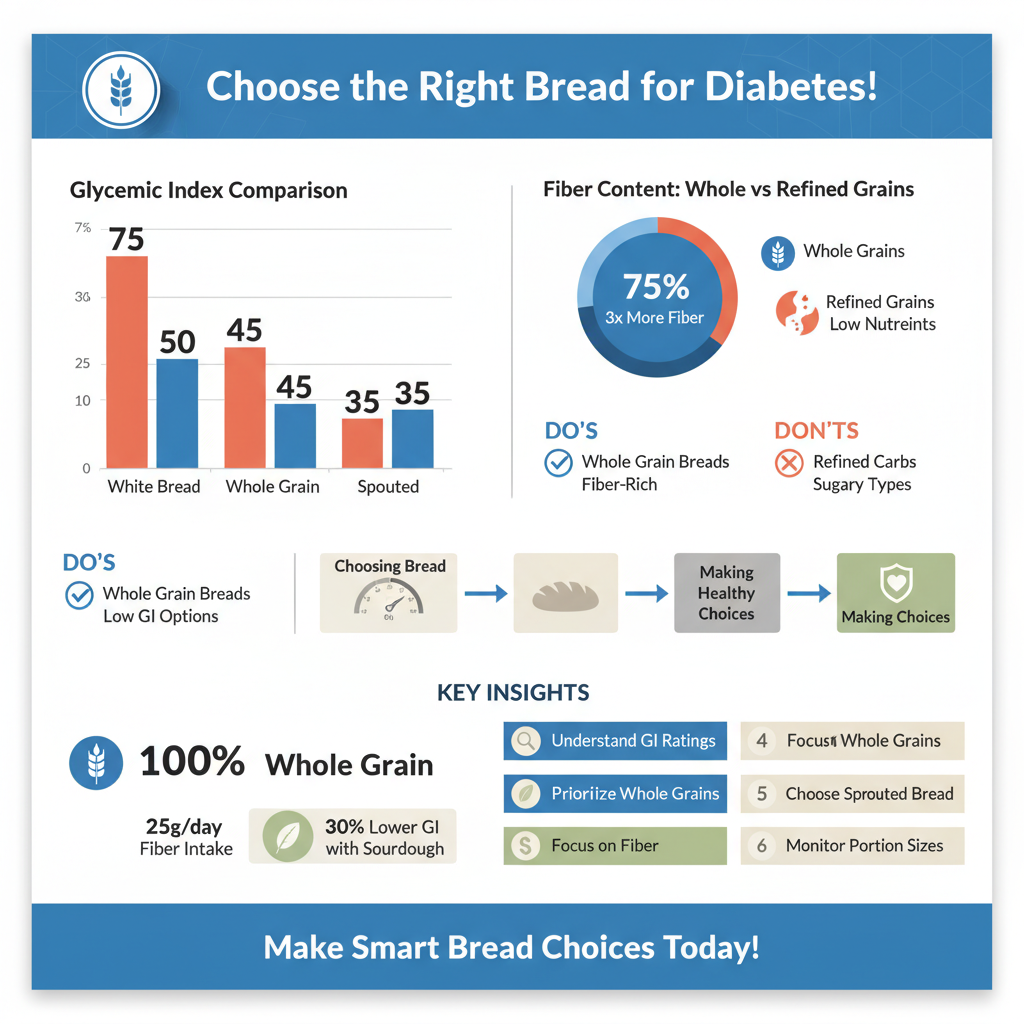
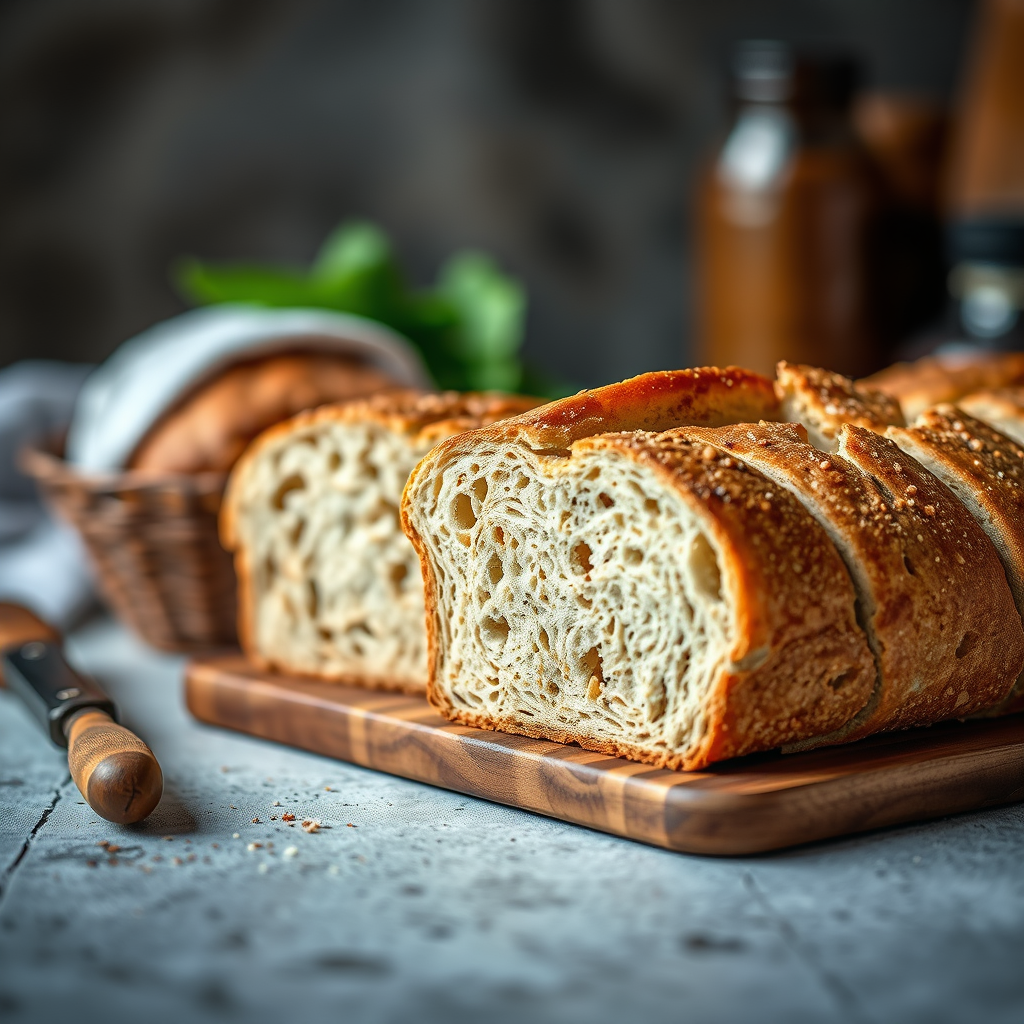
Now that we understand the science, let’s explore the bread varieties that truly shine for individuals managing diabetes. These options stand out because of their fiber content, nutrient profile, and positive impact on blood sugar.
100% Whole Grain Bread
This is often considered the gold standard for healthy bread choices. The key here is the “100% whole grain” label. Don’t be fooled by “wheat bread” or simply “multigrain” (more on that later). When bread is made with 100% whole grains, it means the entire grain kernel – the bran, germ, and endosperm – is used.
* Why it’s great: The bran provides a significant amount of dietary fiber, which, as we discussed, slows down sugar absorption. The germ is packed with healthy fats, B vitamins, and essential minerals like iron, zinc, and magnesium. This complete package ensures a slower, more sustained energy release, helping to stabilize blood glucose levels.
* What to look for: Always check the ingredient list. The very first ingredient should explicitly state “100% whole wheat flour,” “100% whole grain flour,” or a specific whole grain like “whole rye flour.” If it just says “wheat flour,” it’s likely refined. Brands like Dave’s Killer Bread or certain Pepperidge Farm 100% whole wheat options are popular choices that meet this criteria.
Sprouted Grain Bread
Sprouted grain breads take the benefits of whole grains a step further. This type of bread is made from grains (like wheat, barley, spelt, millet, and lentils) that have been allowed to germinate, or sprout, before being milled and baked.
* Why it’s great: The sprouting process initiates enzymatic activity that breaks down starches into simpler sugars, making them easier to digest. It also typically reduces the glycemic index of the bread, leading to an even gentler impact on blood sugar compared to non-sprouted whole grains. Furthermore, sprouting can increase the bioavailability of nutrients like B vitamins, vitamin C, folate, and essential amino acids, while also reducing anti-nutrients that can hinder mineral absorption.
* What to look for: Look for brands like Ezekiel 4:9, which prominently feature “sprouted whole grains” on their packaging. These breads are often found in the freezer section to maintain freshness due to their minimal processing and lack of preservatives.
Traditional Sourdough Bread
Traditional sourdough isn’t just a delicious choice; it can be a smart one for diabetes management too, thanks to its unique fermentation process. True sourdough is made using a “starter” – a live culture of wild yeasts and lactic acid bacteria – rather than commercial yeast.
* Why it’s great: During the long fermentation process, the lactic acid bacteria in the starter consume some of the carbohydrates and gluten in the flour. This process produces lactic and acetic acids, which not only give sourdough its characteristic tangy flavor but also alter the bread’s carbohydrate structure. This alteration can significantly lower the glycemic index of the bread compared to conventionally made breads, leading to a slower and more controlled rise in blood sugar. It can also improve the digestibility of the bread and enhance nutrient absorption.
* What to look for: Opt for authentic, long-fermented sourdough from artisanal bakeries or brands that emphasize traditional methods. Be wary of “sourdough flavored” breads, which often use commercial yeast and added acids to mimic the taste without the beneficial fermentation process. Check for a short ingredient list – typically just flour, water, salt, and a starter culture.
What to Look For on Nutrition Labels
Being a smart bread shopper means becoming a detective when it comes to nutrition labels. These labels hold the key to understanding exactly what you’re putting into your body and how it might affect your blood sugar.
High Fiber Content
Fiber is your best friend when managing blood sugar. It slows down digestion and the absorption of glucose, helping to prevent sharp spikes.
* Actionable Tip: Aim for at least 3-5 grams of fiber per slice of bread. Compare this to standard white bread, which often has less than 1 gram per slice. The higher the fiber content, the better it is for stabilizing your blood sugar and keeping you feeling full. Check the “Dietary Fiber” line under the “Total Carbohydrates” section on the nutrition facts panel.
Low Added Sugar
Many breads, even those marketed as “healthy,” can hide surprising amounts of added sugars, which can quickly derail your blood sugar goals.
* Actionable Tip: Scrutinize the ingredient list for hidden sugars. Common names for added sugars include high-fructose corn syrup, sucrose, dextrose, maltose, molasses, honey, agave nectar, brown rice syrup, and even fruit juice concentrate. Ideally, look for breads with 0-1 gram of added sugar per serving. The “Added Sugars” line on the nutrition label is also a crucial place to check. Remember, while natural sugars exist in grains, added sugars are the ones to watch out for.
Serving Size and Carbohydrate Count
Even the best breads contain carbohydrates, and for diabetes management, carbohydrate counting is often a cornerstone of your meal plan.
* Actionable Tip: Always pay close attention to the serving size listed on the label, as all other nutritional information is based on it. Some “slices” can be quite thick or large, containing more carbs than you might expect. Then, look at the “Total Carbohydrate” count per serving. This number is critical for fitting the bread into your daily carbohydrate allowance. For some individuals, calculating “net carbs” (total carbs minus fiber) might be relevant, but always discuss this strategy with your healthcare provider or dietitian. Understanding the carb count per slice allows you to make informed decisions about portion control.
Ingredients and Types of Bread to Limit or Avoid
Just as there are great choices, there are also breads that can make managing your blood sugar much more challenging. Knowing what to limit or avoid is just as important as knowing what to choose.
Refined White Bread
This is perhaps the most obvious culprit to avoid. White bread is made from refined wheat flour, which means the bran and germ have been removed during processing.
* Why it’s problematic: This process strips away nearly all the fiber, leaving behind mostly starch. Without fiber to slow down digestion, white bread is rapidly converted into glucose in your bloodstream, leading to quick and significant blood sugar spikes. It offers very little nutritional value beyond simple carbohydrates and can leave you feeling hungry again soon after eating. Even if it says “enriched,” it simply means some nutrients were added back after being stripped, but the crucial fiber is still missing.
Sweetened Breads & Pastries
This category includes a wide range of tempting treats that are particularly detrimental to blood sugar control.
* Why they’re problematic: Think about options like sweet Hawaiian rolls, cinnamon raisin bread, many breakfast pastries, croissants, donuts, and most commercial cakes. These items are typically loaded with large amounts of added sugars, unhealthy fats (often saturated or trans fats), and refined flours. This combination creates a perfect storm for immediate and drastic blood sugar spikes, provides minimal nutritional benefit, and can contribute to weight gain and increased insulin resistance over time. They are best reserved for very occasional treats, if at all.
“Wheat Bread” vs. “Whole Wheat”: Understand the Difference
This is a common labeling trick that can easily mislead consumers. Many people assume “wheat bread” is a healthy choice, but this isn’t always true.
* The crucial distinction: “Wheat bread” simply means the bread is made from wheat flour – which can be refined white flour. Often, manufacturers add caramel coloring or molasses to give it a darker appearance, making it *look* like whole wheat. Unless the label explicitly states “100% whole wheat” or “100% whole grain” as the first ingredient, you’re likely consuming a product with the same rapid blood sugar impact as white bread, despite its color. Always be a label sleuth and prioritize the “100% whole” descriptor.
Portion Control and Pairing for Optimal Blood Sugar
Even when you’ve chosen the best bread for diabetes management, how you eat it and what you eat it with can make a significant difference in its impact on your blood sugar. Portion control and strategic pairing are key tools in your diabetes management toolkit.
Mindful Serving Sizes
It’s easy to get carried away, especially with a delicious, healthy bread. However, even the most fiber-rich, low-GI breads contain carbohydrates, and those carbs still impact your blood sugar.
* Actionable Tip: Always be mindful of your serving size. If your meal plan recommends a certain amount of carbohydrates per meal, ensure your bread portion fits within that allowance. A common serving size for bread is one slice, but artisan or bakery loaves often have much larger, denser slices that can count as multiple servings. Start with one slice and observe how your blood sugar responds. It’s better to slightly under-do it and see how your body reacts than to over-consume.
Pair with Protein and Healthy Fats
One of the most effective strategies for further stabilizing blood sugar when eating carbohydrates is to combine them with protein and healthy fats. These macronutrients slow down the digestion and absorption of carbohydrates, leading to a more gradual rise in glucose.
* Actionable Tip: Don’t just eat your bread plain!
For breakfast: Try pairing a slice of 100% whole grain or sprouted bread with eggs, a smear of natural nut butter (peanut, almond), or a slice of avocado.
For lunch: Create an open-faced sandwich with lean turkey or chicken breast, hummus, or a slice of cheese.
Consider toppings like mashed avocado, a boiled egg, or a dollop of cottage cheese. The protein and fat act as speed bumps for glucose absorption, enhancing satiety and providing sustained energy.
Monitor Your Blood Glucose
Ultimately, the most personalized and accurate way to understand how any bread affects your body is to monitor your blood glucose levels. Everyone’s metabolism is unique, and what works well for one person might have a slightly different effect on another.
* Actionable Tip: When you try a new type of bread, check your blood sugar before eating and then again 1-2 hours after your meal. Keep a food diary to note the type of bread, portion size, what you paired it with, and your blood sugar readings. This direct feedback will empower you to make the best possible choices for your individual diabetes management plan, allowing you to enjoy bread without unnecessary worry.
Choosing the right bread is a crucial step in managing diabetes effectively. Prioritize 100% whole grain, sprouted grain, and traditional sourdough varieties that are high in fiber and low in added sugars to support stable blood glucose. Always read nutrition labels carefully, practice portion control, and observe how different breads impact your blood sugar. For personalized guidance, consider consulting with a healthcare provider or a registered dietitian to tailor your bread choices to your individual health plan.
Frequently Asked Questions
What is the best type of bread for people with diabetes?
The best bread for diabetes is typically 100% whole grain or sprouted grain bread, as these options are rich in fiber and complex carbohydrates. Look for breads where the first ingredient lists “100% whole wheat,” “100% whole grain,” or “sprouted whole grains,” which help slow down glucose absorption and prevent blood sugar spikes. These choices contribute to better blood sugar management and offer sustained energy throughout the day compared to refined grains.
How can I identify a truly diabetes-friendly bread when shopping?
When shopping, focus on the nutrition label and ingredient list to find truly diabetes-friendly bread. Prioritize breads with at least 3-5 grams of fiber per slice and a low sugar content, ideally under 2-3 grams per serving. Crucially, ensure the first ingredient listed is a “whole” grain, such as 100% whole wheat or whole oats, rather than enriched flour, to ensure you’re getting complex carbohydrates that support stable blood sugar.
Why is fiber so important in bread for managing blood sugar levels?
Fiber plays a crucial role in managing blood sugar levels because it slows down the digestion and absorption of carbohydrates, leading to a more gradual and controlled rise in blood glucose. This helps prevent sharp spikes after meals, which is vital for individuals with diabetes. High-fiber bread also contributes to increased satiety, helping to control appetite and manage weight, both beneficial for overall diabetes care.
Are specific types of bread like sourdough or rye beneficial for individuals with diabetes?
Yes, certain specific types of bread can be beneficial for individuals with diabetes due to their unique properties. Traditional sourdough bread, made with a long fermentation process, can have a lower glycemic index compared to conventional white bread, meaning it causes a slower rise in blood sugar. Dense, 100% whole grain rye bread is also often high in fiber, making it another good option, but always verify the ingredient list to ensure it’s truly whole grain and low in added sugars for optimal diabetes management.
What kind of bread should people with diabetes generally avoid?
People with diabetes should generally avoid highly processed white bread, “wheat” bread (unless specified as 100% whole wheat), and breads with significant amounts of added sugars like honey or high-fructose corn syrup. These types often contain refined grains that are low in fiber and can cause rapid and unhealthy spikes in blood sugar levels due to their quick digestion. Opting out of these refined carbohydrate choices is key for effective diabetes management and maintaining stable glucose.
References
- https://diabetes.org/food-nutrition/eating-well/grain-foods-and-diabetes
- https://www.mayoclinic.org/diseases-conditions/type-2-diabetes/in-depth/diabetes-diet/art-20044295
- https://www.health.harvard.edu/diabetes/whats-the-best-bread-for-people-with-diabetes
- https://www.cdc.gov/diabetes/basics/type2-diet.html
- Healthy Living with Diabetes – NIDDK
- https://www.bhf.org.uk/informationsupport/heart-matters-magazine/nutrition/ask-the-expert/diabetes-and-bread
- https://www.diabetes.co.uk/food-and-diabetes/bread.html