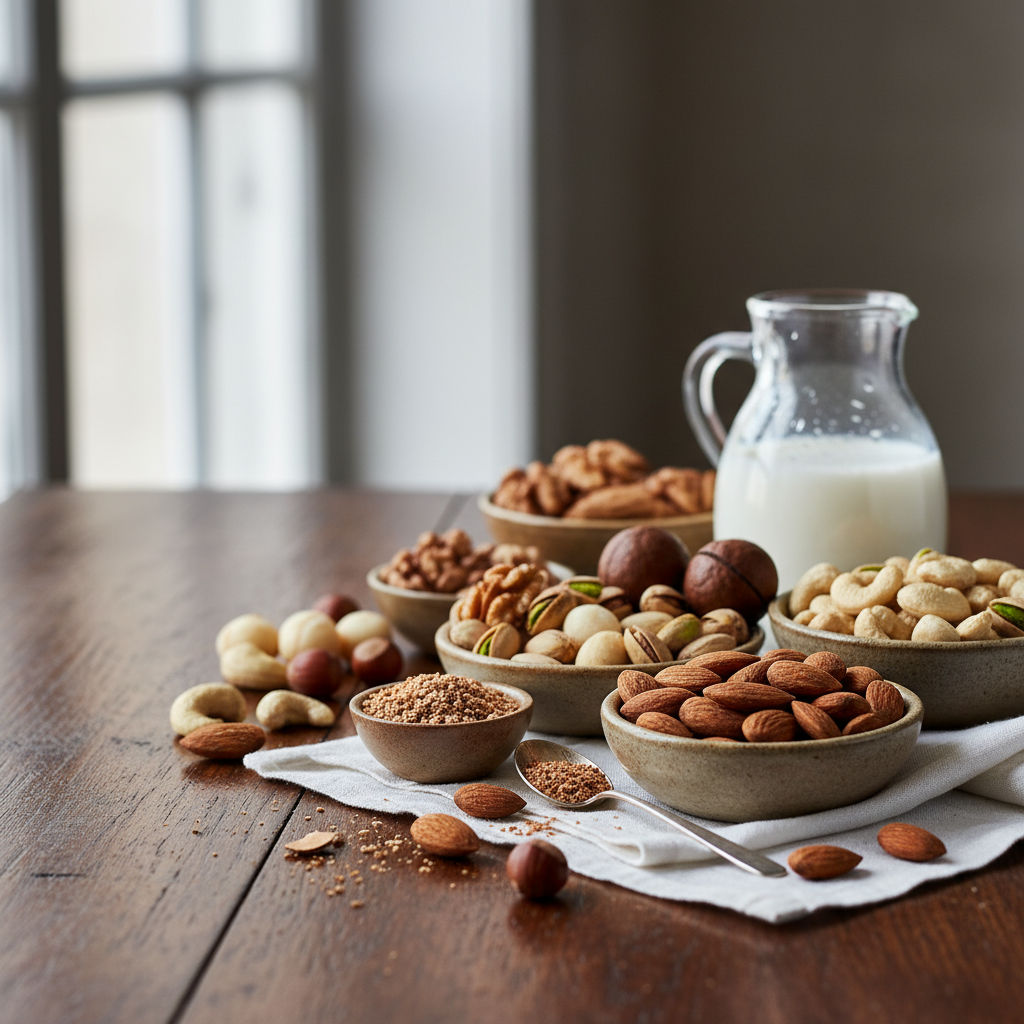

For individuals managing diabetes, nuts can be a highly beneficial dietary addition, with almonds, walnuts, pistachios, pecans, and peanuts standing out as excellent choices due to their rich fiber, healthy fats, and protein content, which collectively help stabilize blood sugar levels and promote satiety. Understanding which nuts offer the most advantages and how to incorporate them mindfully can significantly support your diabetes management goals, providing a delicious and nutritious way to enhance your overall health.




The Nutritional Power of Nuts for Diabetes Management

Nuts aren’t just tasty; they’re nutritional powerhouses, especially when it comes to supporting diabetes management. Their unique composition offers a trifecta of benefits that can make a real difference in how you feel and how well your body handles glucose.
* Blood Sugar Stabilization: One of the most significant advantages of nuts for diabetics is their ability to help stabilize blood sugar levels. They are naturally low in carbohydrates, which means they won’t cause the rapid spikes in blood glucose that sugary or refined carb foods do. What they *do* have in abundance is fiber, protein, and healthy fats. This powerful combination works synergistically: the fiber slows down the digestion and absorption of sugars, preventing a rapid influx of glucose into the bloodstream. Protein further contributes to this slow release, while healthy fats help reduce the glycemic load of a meal, ensuring a steadier and more sustained energy release rather than a sharp peak and crash. This steady blood sugar helps reduce insulin resistance over time and lessens the burden on your pancreas.
* Heart Health Benefits: Individuals with diabetes are at a significantly higher risk for cardiovascular diseases. This makes heart-protective foods particularly important. Nuts are champions in this regard, packed with monounsaturated and polyunsaturated fats – often called “good fats.” These fats, including omega-3 and omega-6 fatty acids, play a crucial role in lowering levels of low-density lipoprotein (LDL) cholesterol (the “bad” cholesterol) while potentially increasing high-density lipoprotein (HDL) cholesterol (the “good” cholesterol). Beyond fats, nuts also provide plant sterols, L-arginine, and antioxidants like vitamin E, all of which support healthy blood vessel function, reduce inflammation, and protect against oxidative stress, contributing to a healthier heart and reducing the overall risk of heart disease for diabetics.
* Weight Management Support: Maintaining a healthy weight is paramount for managing diabetes, particularly type 2 diabetes. Nuts can be an invaluable ally in weight management thanks to their high fiber and protein content. Fiber adds bulk to your diet without adding calories, promoting a feeling of fullness and satiety, which can prevent overeating and reduce overall calorie intake. Protein also contributes significantly to satiety, helping to curb hunger pangs and keep you feeling satisfied for longer periods between meals. This effect can help regulate appetite, reduce cravings for less healthy snacks, and support sustainable weight loss or maintenance, which directly improves insulin sensitivity and blood sugar control.
Top Nuts for Diabetics: A Detailed Look


While many nuts offer benefits, some stand out for their specific nutritional profiles that are particularly advantageous for those managing diabetes. Let’s dive into these power-packed choices.
* Almonds: These crunchy, satisfying nuts are a superstar for diabetics. They are an excellent source of magnesium, a mineral vital for over 300 biochemical reactions in the body, including glucose metabolism and insulin sensitivity. Studies suggest that adequate magnesium intake can improve insulin resistance, helping the body use insulin more effectively. Furthermore, almonds are rich in fiber (about 3.5g per ounce), which, as we discussed, slows sugar absorption. They also provide healthy monounsaturated fats and vitamin E, an antioxidant that helps protect cells from damage. Snacking on almonds can contribute to a lower glycemic impact of subsequent meals, making them a smart choice for blood sugar management.
* Walnuts: Known for their distinctive brain-like shape, walnuts are celebrated for being an outstanding source of omega-3 fatty acids, specifically alpha-linolenic acid (ALA). These plant-based omega-3s are crucial for reducing inflammation throughout the body, a common issue in diabetes that can contribute to insulin resistance and cardiovascular complications. Walnuts also boast a high antioxidant capacity, even more so than many other nuts, which helps combat oxidative stress and protects cells from damage. Regular consumption of walnuts has been linked to improved endothelial function (the inner lining of blood vessels) and better blood lipid profiles, all vital for heart health in individuals with diabetes.
* Pistachios: These vibrant green nuts offer a fantastic balance of protein, fiber, and healthy fats, making them an ideal snack for stabilizing blood sugar. What’s more, pistachios have a slightly lower calorie count per serving compared to some other nuts, making portion control a bit easier. Emerging research suggests that pistachios may help reduce blood sugar and insulin levels after meals, possibly due to their unique composition of fats, fiber, and antioxidants. They are also rich in potassium, a mineral important for blood pressure regulation, and vitamin B6, which supports metabolism. The act of shelling pistachios can also slow down eating, promoting mindful consumption and further aiding satiety.
* Peanuts (Technically a Legume): While botanically a legume, peanuts are nutritionally similar to nuts and often treated as such in dietary recommendations. They are incredibly high in protein, making them exceptionally filling and effective at regulating blood sugar levels. The healthy monounsaturated and polyunsaturated fats in peanuts contribute to heart health, similar to tree nuts. Peanuts also contain resveratrol, an antioxidant famously found in red wine, which has been associated with improved cardiovascular health. Their combination of protein, fiber, and healthy fats provides sustained energy, preventing energy crashes and making them a convenient and affordable snack option for anyone managing diabetes.
* Pecans: These buttery nuts are rich in heart-healthy monounsaturated fats, particularly oleic acid, which is also found in olive oil. Pecans are packed with antioxidants, including ellagic acid, which has anti-inflammatory properties. Studies have indicated that pecans can help improve insulin sensitivity, meaning your body’s cells respond better to insulin, leading to more efficient glucose uptake. They also contribute to lowering total and LDL cholesterol levels, further bolstering cardiovascular health, which is a significant concern for individuals living with diabetes. Their delicious flavor makes them a versatile addition to both sweet and savory dishes.
Smart Choices: What to Prioritize and What to Avoid
Making the right choices when it comes to nuts isn’t just about selecting the type of nut; it’s also about how they’re processed. The way nuts are prepared can significantly impact their health benefits for diabetics.
* Opt for Raw or Dry-Roasted and Unsalted: This is the golden rule for healthy nut consumption. Raw nuts retain their natural enzymes and maximum nutrient content without any additives. Dry-roasted nuts are a great alternative as they toast the nuts without adding unhealthy oils, preserving their beneficial fats. Most importantly, choose unsalted varieties. Excessive sodium intake can contribute to high blood pressure, a common comorbidity with diabetes, and can counteract the heart-healthy benefits of the nuts themselves. These choices ensure you’re getting pure, unadulterated goodness, maximizing their fiber, healthy fats, and protein without any hidden nasties.
* Avoid Candied, Flavored, or Chocolate-Covered Nuts: While tempting and delicious, these varieties are generally a no-go for diabetes management. Candied nuts are coated in sugar, leading to rapid blood sugar spikes. Flavored nuts (e.g., honey-roasted, chili-lime) often contain added sugars, artificial sweeteners, and sometimes unhealthy oils or excessive sodium. Chocolate-covered nuts, while offering some antioxidants from the chocolate, typically come with a hefty dose of added sugar and unhealthy fats, turning a healthy snack into a dessert that can derail your blood sugar control. The aim is to leverage nuts’ natural benefits, not to introduce ingredients that counteract them.
* Check Ingredients Carefully: Don’t just assume a bag of nuts is healthy. Always make it a habit to read the nutrition labels and ingredient lists, even on seemingly plain options. Look out for hidden sugars (often listed as corn syrup, dextrose, maltodextrin, cane sugar), unhealthy hydrogenated or partially hydrogenated oils (which contain trans fats), and excessive sodium. Many “lightly salted” or “roasted” nuts can still contain these undesirable additives. Being a vigilant label reader empowers you to make truly informed choices that support your diabetes management goals and overall health.
Mastering Portion Sizes for Blood Sugar Control
Nuts are incredibly healthy, but they are also quite dense in calories. For individuals managing diabetes, understanding and mastering portion control is just as important as choosing the right type of nut.
* Calorie Density Awareness: While packed with beneficial nutrients, healthy fats, and protein, nuts are calorie-dense. This means a small amount can provide a significant number of calories. Over-consuming nuts, even healthy ones, can lead to unintended weight gain. For diabetics, excess weight can worsen insulin resistance and make blood sugar control more challenging. The goal is to reap the nutritional benefits without overdoing the caloric intake, so mindful portioning is absolutely essential to maintain a healthy weight and support stable blood sugar levels.
* Recommended Serving Size: A typical serving size for most nuts is approximately a quarter-cup or a small handful. This usually translates to about 1 ounce (28 grams). For specific nuts, this might mean around 20-24 almonds, 14 walnut halves, 49 pistachios, 28 peanuts, or 15-20 pecan halves. This portion generally delivers roughly 160-200 calories, along with a good dose of fiber, protein, and healthy fats. It’s helpful to measure out your serving, especially initially, to get a visual sense of what a proper portion looks like, rather than mindlessly snacking directly from a large bag.
* Listen to Your Body: Everyone’s body responds differently to foods. While general guidelines are helpful, it’s crucial to pay attention to how different types and quantities of nuts affect your personal blood sugar levels. If you monitor your glucose regularly, observe your readings after incorporating nuts into your diet. This personalized approach allows you to fine-tune your serving sizes and choose the nuts that work best for your unique physiological responses. Incorporate nuts as part of a balanced diet, consulting with your healthcare provider or a registered dietitian who can offer tailored advice based on your specific health needs and goals.
Delicious Ways to Include Nuts in Your Diabetic Diet
Nuts are incredibly versatile and can be easily incorporated into your daily diet in numerous delicious ways, adding flavor, texture, and a powerful nutritional boost to your meals and snacks.
* Healthy Snacking: This is perhaps the most straightforward way to enjoy nuts. Keep a small bag of raw or dry-roasted, unsalted almonds, walnuts, or pistachios handy for a quick and satisfying snack between meals. A small handful can effectively curb hunger, prevent overeating at your next meal, and help stabilize blood sugar levels, making it a much healthier choice than processed snacks. They provide sustained energy and keep you feeling full, which is key for managing diabetes.
* Salad Toppings: Elevate your salads from good to great by sprinkling a tablespoon or two of chopped nuts over them. Toasted walnuts add a delightful crunch and earthy flavor to a spinach and berry salad, while slivered almonds can complement a chicken and kale salad beautifully. Not only do nuts enhance the texture and taste, but they also boost the fiber, protein, and healthy fat content of your salad, making it a more balanced and filling meal that supports blood sugar stability.
* Yogurt or Oatmeal Mix-ins: Start your day right by adding a dose of nutty goodness to your breakfast. Stir a tablespoon of chopped pecans, walnuts, or almonds into your morning Greek yogurt or oatmeal. This simple addition significantly increases the protein and fiber content, helping to keep you satiated longer and prevent mid-morning blood sugar dips and subsequent cravings. It also adds a wonderful texture and richness, making your healthy breakfast even more enjoyable.
* Baking and Cooking: Don’t limit nuts to just snacking! They can be fantastic ingredients in your healthy homemade recipes. Use finely ground almonds or pecans as a low-carb alternative to breadcrumbs for coating chicken or fish. Add chopped walnuts or pecans to whole-grain muffins (made with reduced sugar) or energy balls for an extra nutritional punch. Nuts can also provide a wonderful crunch and healthy fats in savory dishes, such as stir-fries, roasted vegetables, or even sprinkled over a healthy curry. Get creative in the kitchen to explore the endless possibilities nuts offer for enhancing your diabetic-friendly meals.
Incorporating the right nuts into your diet can be a simple yet powerful strategy for managing diabetes, offering significant nutritional benefits that support blood sugar control and overall health. Remember to choose raw or dry-roasted, unsalted varieties and practice mindful portion control to reap their full benefits. By making smart choices and integrating them creatively into your meals and snacks, you can enjoy these delicious powerhouses while staying on track with your health goals. Always consult with your healthcare provider or a registered dietitian to tailor dietary advice to your specific health needs and ensure the best outcomes for your diabetes management journey.
Frequently Asked Questions
What are the top nuts recommended for diabetics to include in their diet?
Almonds, walnuts, pistachios, and pecans are highly recommended for diabetics due to their excellent nutritional profiles. These nuts are rich in fiber, healthy fats, and protein, all of which contribute to stabilizing blood sugar levels and improving insulin sensitivity. They are also naturally low in carbohydrates, making them ideal for managing glycemic control without causing sudden spikes.
How do nuts specifically help in managing blood sugar levels for individuals with diabetes?
Nuts significantly aid blood sugar management by slowing down glucose absorption into the bloodstream, largely due to their high fiber content. The healthy fats and protein found in nuts also contribute to a lower glycemic response, meaning they don’t cause rapid blood sugar spikes after consumption. This sustained release of energy helps maintain stable blood sugar levels and promotes satiety, reducing the likelihood of overeating or unhealthy snacking.
Are there any specific types of nuts that diabetics should limit or avoid due to sugar content or processing?
Yes, diabetics should definitely limit or avoid nuts that are candied, honey-roasted, glazed, or heavily salted. These varieties often contain significant amounts of added sugars, syrups, and excessive sodium, which can negatively impact blood sugar control and contribute to elevated blood pressure. Always opt for raw, unsalted, or dry-roasted nuts to ensure you’re benefiting from their natural nutritional value without unwanted additives that can hinder diabetes management.
What is an appropriate portion size for nuts when incorporating them into a diabetic meal plan?
A healthy portion size for nuts for individuals with diabetes is typically a small handful, equivalent to about 1 ounce or approximately 1/4 cup. This generally translates to around 20-24 almonds, 14 walnut halves, or 49 pistachios. Adhering to these serving sizes is crucial for managing calorie intake and ensuring you reap the blood sugar benefits without overconsumption, which is important for overall weight management in diabetes.
Which nuts offer the best cardiovascular benefits for diabetics, considering their increased risk of heart disease?
Walnuts are particularly excellent for cardiovascular health among diabetics due to their high content of omega-3 fatty acids, specifically alpha-linolenic acid (ALA), which helps reduce inflammation and improve blood vessel function. Almonds also provide significant benefits with their monounsaturated fats, fiber, and vitamin E, contributing to lower LDL (“bad”) cholesterol levels. Regularly incorporating these specific nuts can offer crucial protection against heart disease complications often associated with diabetes.
References
- https://www.mayoclinic.org/diseases-conditions/diabetes/expert-answers/nuts-and-diabetes/faq-20058252
- https://diabetes.org/healthy-living/recipes-nutrition/healthy-food-choices/fats
- Nuts for the Heart • The Nutrition Source
- https://health.clevelandclinic.org/best-nuts-for-diabetes/
- https://www.ncbi.nlm.nih.gov/pmc/articles/PMC8914614/
- https://www.ucsfhealth.org/education/eating-for-a-healthy-heart-and-blood-sugar
- Diet in diabetes
- https://www.cdc.gov/diabetes/managing/eat-well/index.html