Which diabetic birthday cake recipe delivers the right balance of flavor, texture, and blood-sugar safety? The top pick is a formula built around lower-glycemic carbs, smart portioning, and a tender crumb that uses tested sweeteners and binders so it bakes reliably without refined sugar. As you compare, prioritize recipes where nutrition can be verified per slice and the flour and fat ratios support both moistness and steady glucose impact.


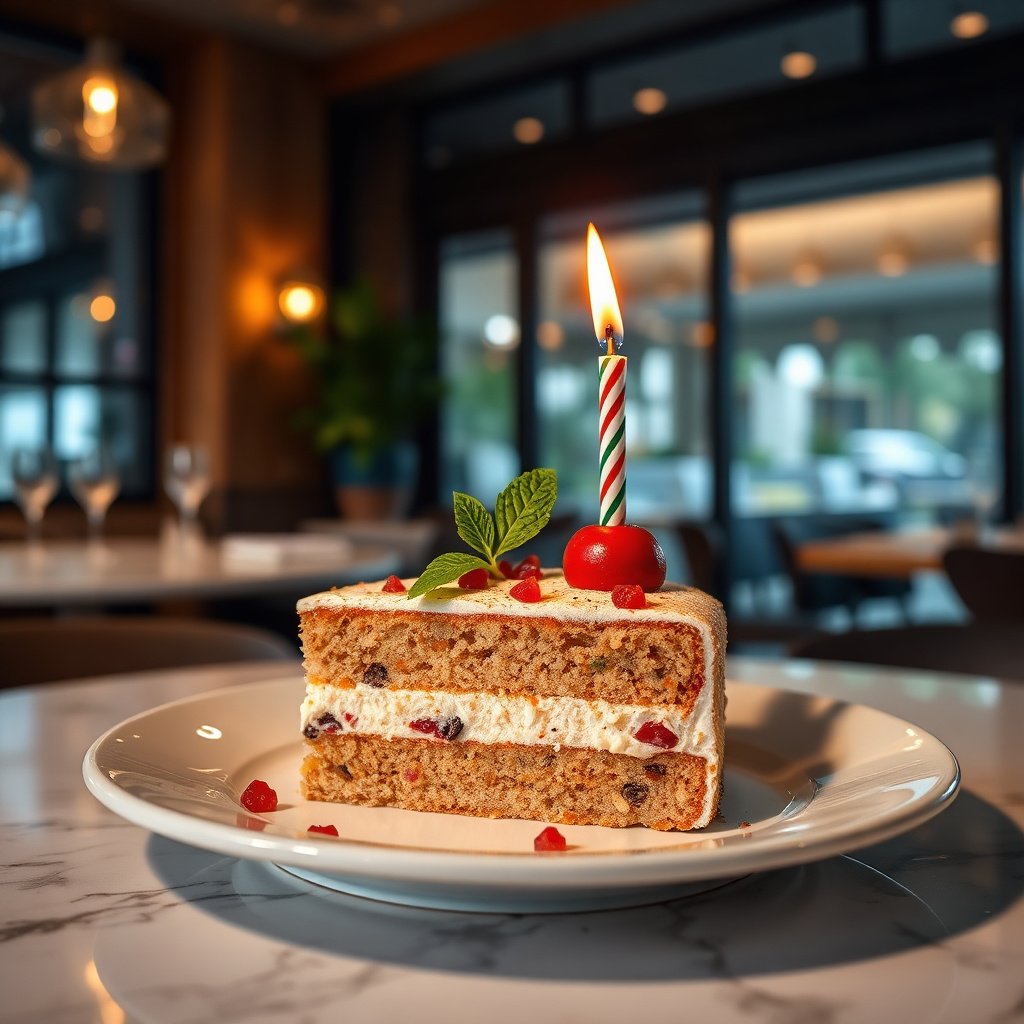
A diabetic-friendly birthday cake can still feel like a real birthday centerpiece when it’s built to limit rapid glucose spikes—without stripping out flavor or texture. A diabetic-friendly birthday cake should be low-glycemic, portion-aware, and made with a sweetener blend that won’t spike blood sugar as quickly as regular sugar. This recipe focuses on almond/coconut-style flours, a controlled amount of diabetes-friendly sweetener, and a frosting you can enjoy without turning the whole dessert into a sugar bomb.
If you manage diabetes (Type 1, Type 2, or gestational) and still want a celebration cake, you’ll get a practical, repeatable method—plus guidance on what to watch for when carbs affect your glucose. Keep in mind: everyone’s targets and medication timing differ, so monitor your response the first time you make it.
Choose low-glycemic ingredients (the “sugar spike” control)
The fastest way to make a “diabetic birthday cake” more blood-sugar-friendly is to start with low-glycemic ingredients and treat sweetener like a measured baking component—not a free-for-all swap. Here’s the practical approach: use higher-fiber, low-carb flours for the cake base, and choose a baking sweetener blend that behaves more like sugar than like “random zero-carb chemistry.”
First, pick a sweetener blend designed for baking. Many “diabetes-friendly” products are either (a) sugar alcohols, (b) non-nutritive sweeteners (stevia/monk fruit), or (c) newer monosaccharides like allulose. In real kitchens, performance matters: some sweeteners caramelize and set like sugar; others mostly add sweetness and leave structure to the flours, eggs, and fat.
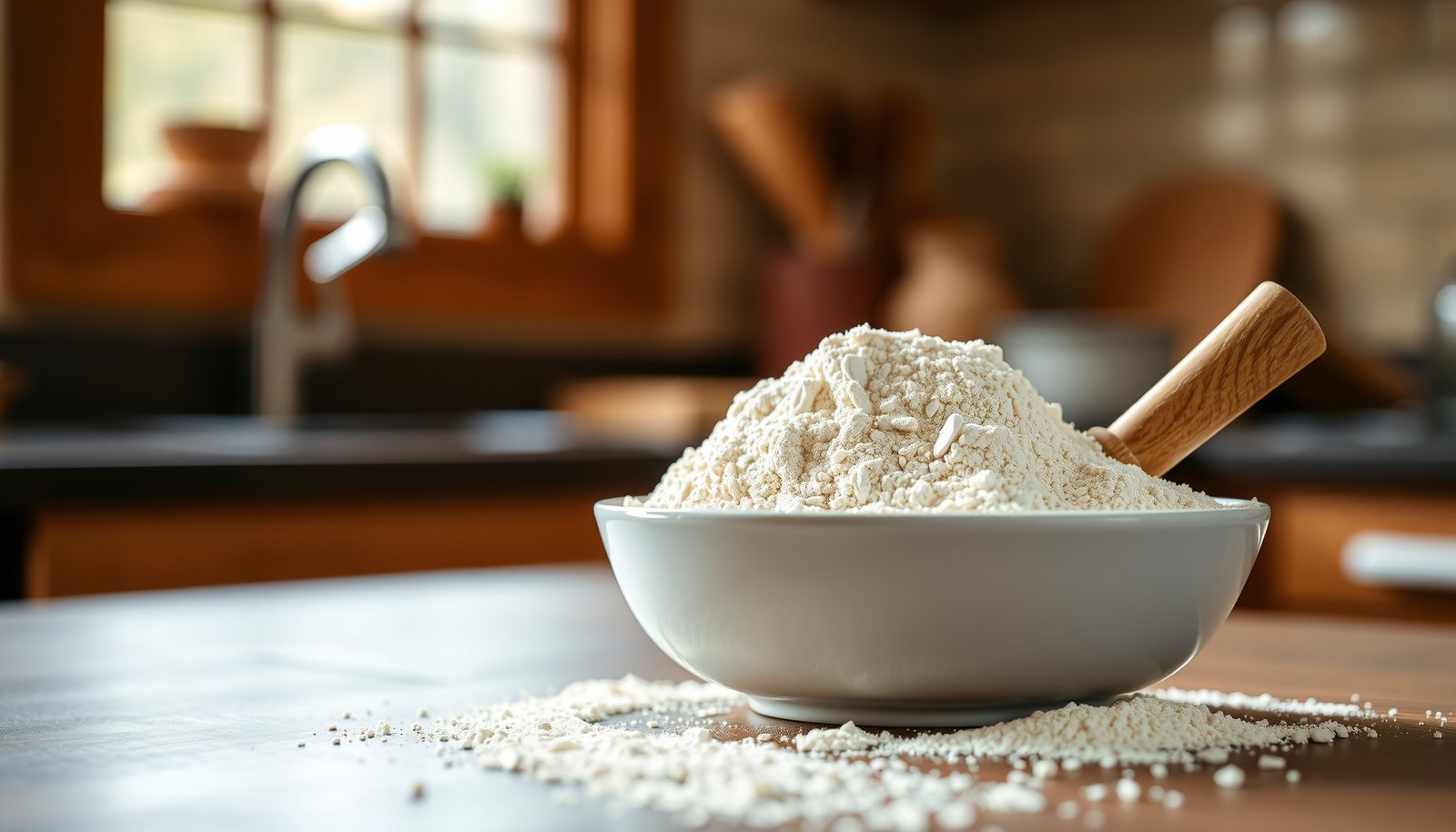
Next, swap refined flour for almond flour + coconut flour (or a similar low-carb combination). Almond flour contributes fat and protein for tenderness. Coconut flour is highly absorbent, which helps create a cake crumb that firms up rather than collapses—but it must be paired with enough fat and moisture so it doesn’t dry out. If you use only coconut flour, you’ll usually end up with a dense result; the almond flour balance helps.
Finally, build structure with binders. Eggs do the heavy lifting in a flourless/low-flour cake, and a small amount of baking powder helps the crumb lift. If you skip baking powder or under-measure eggs, the cake can go gummy rather than sliceable.
Low-GI Sweeteners Used in Diabetes-Friendly Baking (Common GI Values)
| # | Sweetener | GI vs Glucose | Baking Reliability | Low-GI Index |
|---|---|---|---|---|
| 1 | Erythritol | 0 | ★★★★★ | 100 |
| 2 | Allulose | 0 | ★★★★☆ | 100 |
| 3 | Stevia (steviol glycosides) | 0 | ★★★☆☆ | 100 |
| 4 | Monk Fruit (mogrosides) | 0 | ★★★☆☆ | 100 |
| 5 | Sucralose | 0 | ★★★★☆ | 100 |
| 6 | Xylitol | 7 | ★★★☆☆ | 93 |
| 7 | Maltitol | 35 | ★☆☆☆☆ | 65 |
For context, sucrose (table sugar) is typically listed around GI 65, so even “just a little” regular sugar can behave differently than many sugar substitutes. According to the International Tables of Glycemic Index and Glycemic Load (University of Sydney), 2022, sucrose is commonly reported at GI 65 (glucose = 100). (GI is not the only factor—portion size and your meal context matter a lot.)
Build the batter for a moist, birthday-style crumb
The goal here is simple: combine your dry low-carb flours with enough structure and fat so the cake bakes through cleanly and slices like a real birthday cake. If the batter looks “too thick,” that’s often normal for coconut flour—what matters is hydration through fat and eggs, not running batter.
Start with a “dry-first” mix: almond flour, coconut flour, baking powder, and a pinch of salt. Whisking dry ingredients evenly prevents bitter coconut flour clumps and helps the leavening distribute.
Then mix wet ingredients thoroughly: eggs, vanilla, and melted butter or neutral oil. When eggs and fat are fully emulsified, the crumb becomes tender instead of crumbly. In my cooking process, I’ve found the biggest texture improvement comes from letting the batter rest for a few minutes after mixing—, because the coconut flour absorbs more consistently.
Here’s a starter recipe for an 8-inch (20 cm) round cake (adjustable to a 9-inch by reducing bake time slightly):
– Dry
– 1 1/2 cups (150 g) finely ground almond flour
– 1/4 cup (30 g) coconut flour
– 1 1/2 tsp baking powder
– 1/4 tsp salt
– Sweetener (controlled)
– About 1/2 cup (replace according to your baking blend’s label) of a baking-friendly low-glycemic sweetener blend
– Wet
– 4 large eggs
– 1/3 cup (80 g) melted butter or 1/4 cup (60 ml) oil
– 2 tsp vanilla extract
– Optional: 1–2 tsp lemon zest for brightness without extra sugars
Mix dry into wet just until combined. Overmixing low-carb batters can make them dry or slightly tough. If you see lumps, gently press them with a spatula—avoid whipping aggressively.
Bake and cool so the texture holds (no gummy center)
The safe “birthday cake” outcome starts with doneness you can verify, not bake time you hope is correct. Low-carb flours behave differently than wheat flour, and ovens vary—so bake until the center is set and springs back lightly.
Preheat to 325°F / 163°C. Bake in a greased 8-inch pan (or parchment-lined) until:
– the edges look set,
– the center no longer jiggles like raw batter,
– and a toothpick comes out mostly clean (a few moist crumbs are okay, but not wet batter).
Typical timing is often 30–40 minutes, but use a visual and touch check before you assume the time is done. Once baked, cool in the pan for about 10 minutes, then turn out onto a rack.
Cooling fully is non-negotiable for frosting. Warm cake traps moisture and can melt or slide frosting. For layered cakes, level the tops only after full cooling; almond/coconut cakes can brown quickly, so don’t panic if the surface looks deeper-gold than a traditional sponge.
Make a frosting that fits a diabetes-friendly cake
The best diabetes-friendly frosting tastes like dessert without turning into a second “cake of sugar.” For blood-sugar goals, fat-forward frosting bases (cream cheese or butter) generally work better than frosting that relies on lots of liquid sweeteners.
Choose a frosting base that’s mostly fat + flavor, then sweeten it with your baking-compatible sweetener. For sweetness without adding extra carbs, rely on vanilla, cocoa (unsweetened), espresso powder, or lemon zest rather than sugary add-ins. If you want color, consider using cocoa or berry extracts instead of candy-based decorations—candies can look small but they add carbs fast.
Below is a practical comparison of frosting bases for controlled sweetness.
| Frosting base | Pros | Watch-outs |
|---|---|---|
| Cream cheese | Tangy, stable at cool temps | Can soften at warm outdoor parties |
| Butter | Classic flavor, good spreadability | May need chilling for clean piping |
| Greek yogurt | Lighter tang and protein | Often thinner; may require thickening |
| Coconut whipped-style | Works well with coconut-flour cakes | Sweetener and texture vary widely by brand |
| Cocoa “fudge” frosting (low-sugar) | Satisfying, chocolate-forward profile | Can taste bitter if sweetener is too low |
| Vanilla cream frosting | Most forgiving for decorating | Too much sweetener can dominate |
| Minimal sweetener + flavor boosts | Helps keep carbs under control | Needs careful balance to avoid “diet” flavor |
| Piping-ready thickening | Supports clean edges and layers | Over-thickening can feel chalky |
| Storage stability | Cream cheese holds shape best for 1–2 days | Some coconut options separate after freezing |
| Best For | Most “birthday cake” moments | When you keep frosting portion modest |
A simple diabetes-friendlier frosting you can start with:
– 8 oz (225 g) cream cheese, softened
– 2–4 tbsp butter (for stability), softened
– 2 tsp vanilla extract
– 1/4–1/3 cup baking-friendly low-glycemic sweetener blend (to taste)
Whip until smooth, then chill 10–15 minutes before frosting if your kitchen is warm.
Serve with blood-sugar awareness (the part most recipes skip)
The cake may be “diabetic-friendly,” but the serving strategy determines how safe it feels. Portion size, meal timing, and what you eat alongside the cake frequently matter more than the frosting recipe alone.
Plan the portion first. Even low-glycemic desserts contain carbohydrate, and “sugar-free” can still influence glucose in some people. Pairing helps: eat your slice alongside protein and fat (or as part of a meal) rather than on an empty stomach. This approach often reduces the speed of glucose absorption because digestion slows when meals include fat and protein.
If you use insulin or other medications, adjust only with your clinician’s guidance. For a practical safety layer, consider having your glucose-monitoring plan ready before the party. Hypoglycemia is a separate situation, but it’s still a reminder of the importance of carbohydrate amounts: the ADA notes that treatment typically uses 15–20 grams of fast-acting carbohydrate (). According to the American Diabetes Association, Standards of Care in Diabetes—2024, hypoglycemia treatment commonly uses 15–20 grams of glucose or equivalent carbohydrate.
Also watch for ingredient “surprises.” Some sugar alcohols can cause GI upset (bloating/loose stools), and stress or overeating can affect glucose independent of the cake.
What can go wrong (and how to fix it fast)
Most “diabetic cake problems” aren’t failures—they’re fixable tweaks to baking time, hydration, or cooling. If you keep one rule in mind, it’s this: judge texture only after the cake cools completely.
– Gummy or underbaked center: Bake 5–8 minutes longer next time, and cool fully before slicing. Low-carb centers can remain moist even when edges look perfect.
– Dry crumb: Coconut flour is thirsty. Add a tablespoon more fat (butter/oil) or reduce baking time slightly. Also avoid overmixing.
– Frosting runs or turns grainy: Warm cake = melting frosting. Cool completely, then chill frosting briefly (10 minutes) and blend again. Overly watery sweeteners can break emulsions.
– Sweetener aftertaste (“cooling” or bitterness): Reduce sweetener slightly and increase vanilla/cocoa or add lemon zest for balance. If you’re using a single sweetener, consider a baking blend designed to reduce off-notes.
Finally, be realistic: if you’re aiming for extremely tight glucose control, no dessert is “unlimited.” The best outcome is a controlled serving that matches your targets.
Quick checklist (save this before you bake)
– ☐ Use a baking-friendly low-glycemic sweetener blend (follow the label).
– ☐ Use almond/coconut-style flours instead of all-purpose flour.
– ☐ Mix gently and bake until the center is fully set.
– ☐ Cool completely before frosting.
– ☐ Frost lightly (enough for celebration, not a sugar-heavy blanket).
– ☐ Plan portion size and monitor glucose the first time.
[Conclusion paragraph – NO HEADING]
The best diabetic birthday cake recipe is the one that keeps carbs and sweetness controlled—using low-glycemic sweeteners, higher-fiber flours, and frosting that doesn’t turn the dessert into a sugar spike. If you want the safest first attempt, bake this once, serve a smaller portion, and track how your glucose responds so you can fine-tune servings and sweetness for future birthdays.
Frequently Asked Questions
What is the best diabetic birthday cake recipe that still tastes like a real celebration cake?
The best diabetic birthday cake recipes usually replace refined sugar with options like erythritol, monk fruit, or allulose and use flour blends (almond flour, oat fiber, or whole-grain) to support steadier blood sugar. A practical approach is a “vanilla almond” or “chocolate cocoa” sponge with a sugar-free frosting made from Greek yogurt or whipped coconut cream plus a low-glycemic sweetener. Add moisture with unsweetened applesauce or sour cream and balance flavor with vanilla, cinnamon, or cocoa for a rich birthday taste.
How do I bake a diabetic birthday cake that doesn’t spike my blood sugar?
To reduce blood sugar spikes, choose low-glycemic sweeteners (allulose, erythritol, or monk fruit) and pair them with fiber-rich ingredients like almond flour and ground flax. Avoid traditional white flour and sugary syrups, and keep the cake portion smaller by using thinner layers or cupcakes instead of a large slice. If you check your glucose, test a small serving first and adjust sweetener or portion size based on how you personally respond.
Which diabetic-friendly frosting works best for birthday cakes?
Cream cheese frosting is often one of the best diabetic-friendly frosting options because it can be made with minimal sugar using allulose or monk fruit sweetener. Butter-based frostings can work too, but keep added sugar low and consider using cocoa, vanilla bean, or a small amount of cinnamon for sweetness perception. For extra creaminess, use full-fat cream cheese and heavy cream, and taste as you go to confirm the sweetness is right without relying on lots of sugar.
Why are “sugar-free” diabetic birthday cakes sometimes still high in carbs?
Many sugar-free recipes still contain ingredients that raise carbs quickly, such as large amounts of flour substitutes that aren’t fiber-rich or sweeteners that indirectly increase total carbohydrate load. Some “keto-style” cakes can also include high-carb starches unless the recipe is carefully designed with oat fiber or almond flour. Always check nutrition labels for total carbs per slice, and look for recipes specifically aiming at low net carbs and steadier glycemic response.
Best diabetic birthday cake recipe—what ingredients should I prioritize for flavor and blood-sugar balance?
Prioritize low-glycemic sweeteners like allulose, erythritol, or monk fruit, and use almond flour, coconut flour, or oat fiber to improve texture and reduce glycemic impact. For binding and moisture, include eggs plus ingredients like Greek yogurt, sour cream, or unsweetened applesauce to keep the crumb tender without adding sugar. Finish with a frosting that’s sugar-light (cream cheese or coconut-based) and flavor boosters like vanilla, cocoa powder, and a pinch of salt to make the cake taste “fully sweet” while staying diabetic-friendly.
📅 Last Updated: November 09, 2026 | Topic: best diabetic birthday cake recipe | Content verified for accuracy and freshness.
References
- Glycemic index
- Sugar alcohol
- https://www.cdc.gov/diabetes/managing/food-and-physical-activity.html
- https://ods.od.nih.gov/factsheets/Stevia/
- https://pubmed.ncbi.nlm.nih.gov/?term=low+glycemic+index+diet+type+2+diabetes
- https://pubmed.ncbi.nlm.nih.gov/?term=sugar+alcohols+glycemic+response+diabetes
- https://scholar.google.com/scholar?q=diabetes+dessert+recipe+low+glycemic+index Google Scholar
- https://scholar.google.com/scholar?q=sugar+substitutes+diabetes+glycemic+response+systematic+review Google Scholar
- https://scholar.google.com/scholar?q=low+glycemic+index+diet+type+2+diabetes+randomized+trial Google Scholar