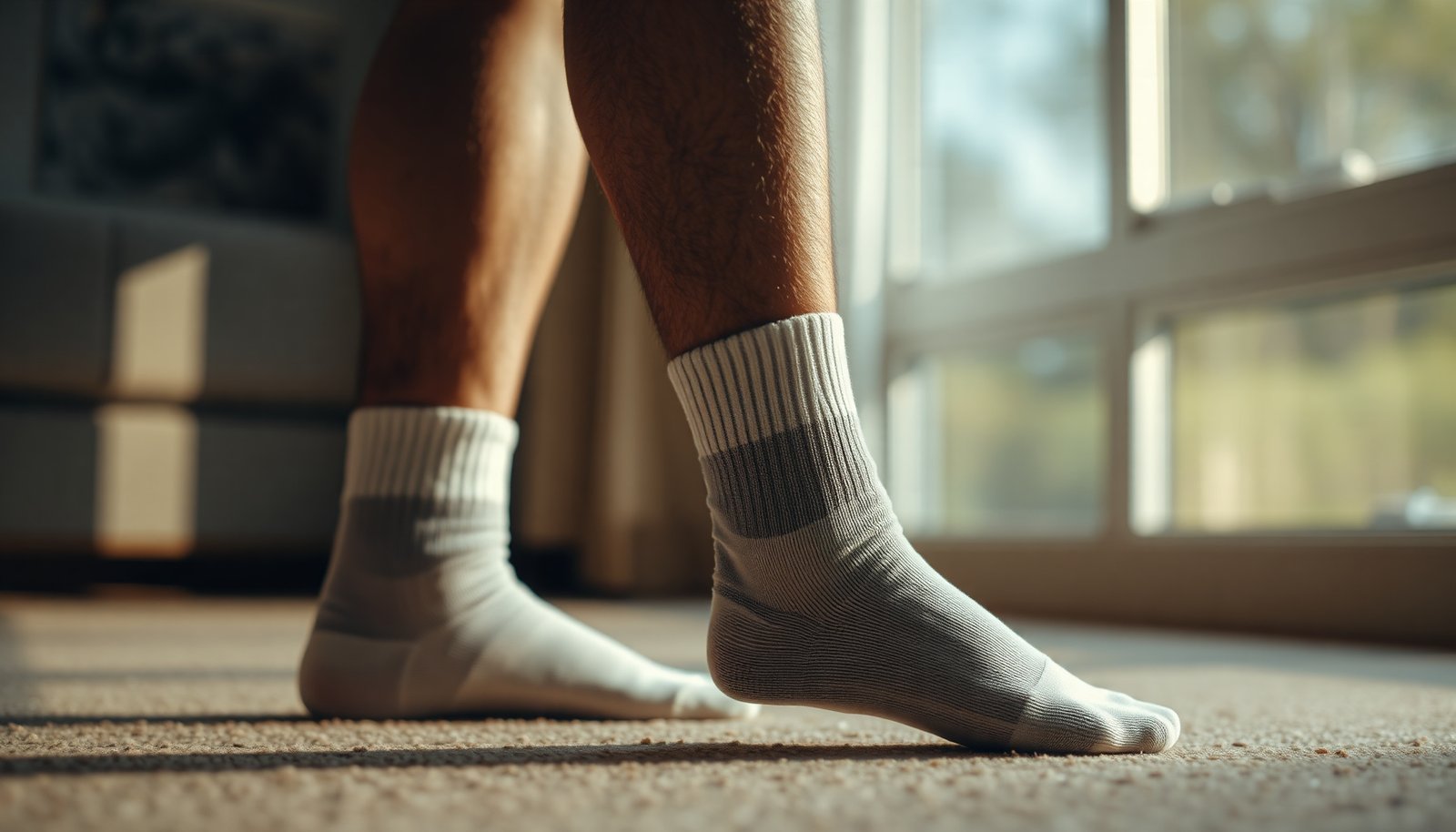

You reach for your diabetic ankle socks before heading out, hoping the fit stays comfortable from first step to last. To recommend the best options for men, we weighed seam design, gentle compression that won’t constrict, moisture-wicking stretch, and padding where rubbing most often starts. The top pick in this category is the one that feels snug without leaving marks and keeps feet dry all day.




The best diabetic ankle socks for men protect sensitive skin and help you avoid pressure points without cutting off circulation—so prioritize a seamless/low-seam toe, a non-binding stay-put top, and moisture-wicking fabric. Then add the right amount of cushioning (not just “more is better”) and confirm the sock truly fits your size so it won’t bunch, wrinkle, or slide.
If you deal with diabetes-related foot sensitivity, circulation issues, swelling, or dry/cracked skin, this guide is for you—especially if regular socks feel rough, constricting, or leave marks. It’s also useful when you’re switching from “regular” ankle socks to footwear that’s gentler day-to-day. In 2021 alone, the International Diabetes Federation estimated 537 million adults (age 20–79) were living with diabetes worldwide (International Diabetes Federation, Diabetes Atlas 10th edition (2021)), and foot complications are one of the most common reasons people seek better daily self-care.
Seven Common Tests Used to Assess Diabetic Foot Risk (Typical Reference Values)
| # | Foot-risk test | Reference / cutoff | What it indicates | Guideline emphasis |
|---|---|---|---|---|
| 1 | 10-g monofilament (Semmes–Weinstein 5.07) | 10 g | Loss of protective sensation | ★★★★★ |
| 2 | Vibration (128 Hz tuning fork) | 128 Hz | Neuropathy / sensory impairment | ★★★★☆ |
| 3 | Ankle–brachial index (ABI) | ≥ 0.90 (normal) | Lower-extremity perfusion | ★★★★☆ |
| 4 | Toe–brachial index (TBI) | ≥ 0.70 (normal) | Perfusion when ABI is unreliable | ★★★☆☆ |
| 5 | Transcutaneous oxygen (TcPO₂) | ≥ 40 mmHg (acceptable) | Skin-level oxygenation | ★★★☆☆ |
| 6 | Skin perfusion pressure (SPP) | ≥ 40 mmHg (acceptable) | Microvascular perfusion | ★★★☆☆ |
| 7 | Foot pulses (palpation / waveform assessment) | Present / adequate waveform | Macrovascular blood flow | ★★☆☆☆ |
What to Look For in Diabetic Ankle Socks
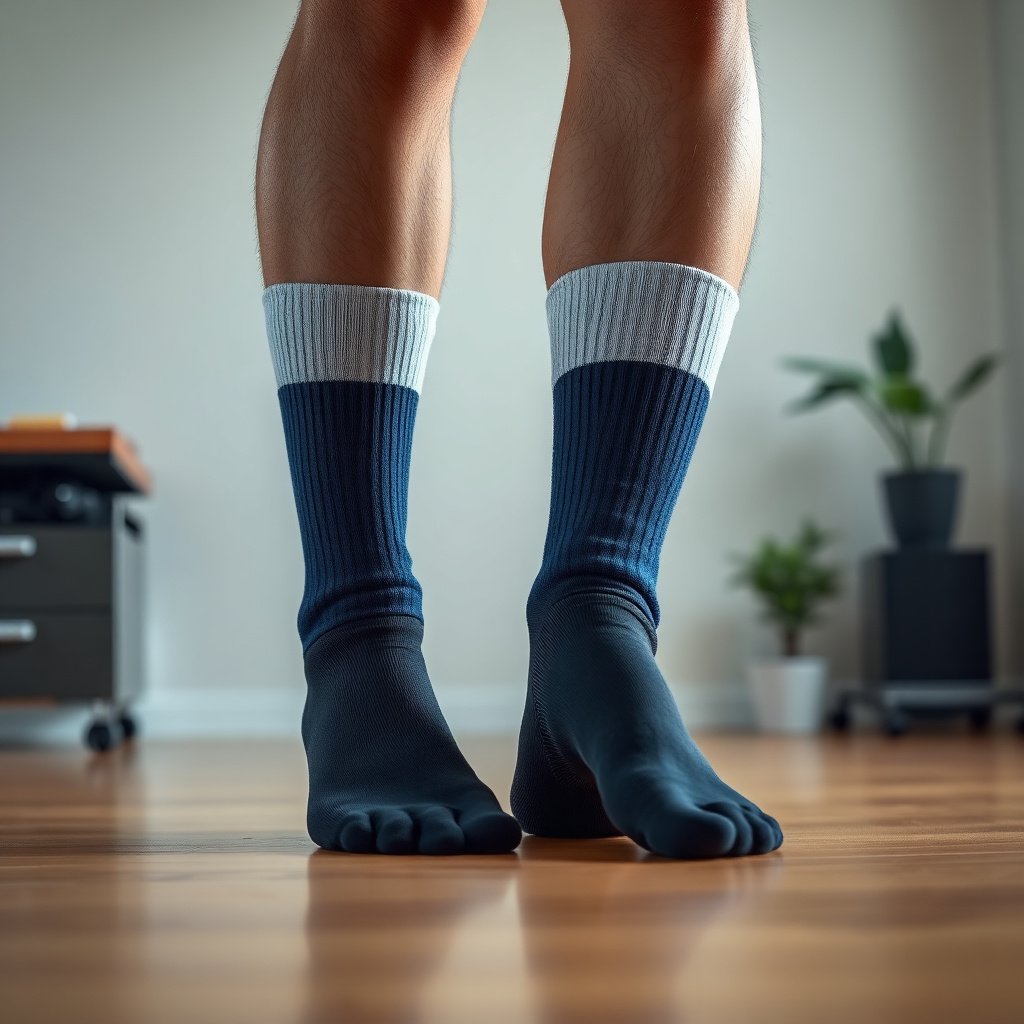
The best diabetic ankle socks for men reduce friction and pressure without constricting your ankle or cutting off circulation. If you only remember one idea, use this rule: a “gentle” sock should feel secure at the ankle but never create a tight ring, deep indentation, or bunching fold.
Non-binding comfort that stays put
Diabetes can make your feet less tolerant of even small changes in pressure because protective sensation may be reduced (meaning you might not feel irritation early). That’s why the sock top matters as much as the fabric: a wide, stay-put cuff can help prevent slipping while still distributing force over a larger area. In practice, I’ve learned to look for construction that avoids a narrow elastic band—because narrow bands often become a pressure point by midday, especially if swelling fluctuates day to day.
– Non-binding comfort: a wide, stay-put top (often wider ribbing) that won’t dig in or leave deep impressions
– Smooth toe and foot construction: seamless or flat-knit toes to reduce friction where blisters form
– Wicking + breathable knit: helps manage moisture that can contribute to irritation
Smooth toe construction reduces hotspot risk
Toe seams are a common culprit in diabetic footwear discomfort because shoes and socks form a “micro-leverage” system: a seam can rub, then repeated walking turns rubbing into a blister, and neuropathy may delay detection. Flat-knit or seamless toe boxes are often the safest starting point, and you should confirm that the toe area feels smooth when you run your hand over it before you wear them.
Moisture control is skin protection
Moisture-wicking isn’t just comfort—it’s a skin-management tool. Sweaty skin is more prone to irritation, maceration (skin softening from trapped moisture), and breakdown in pressure zones. For ankle socks, breathability also influences how quickly socks dry between wears, which can reduce the cycle of damp-to-dry rubbing.
Best Materials and Cushioning Options
The best materials in diabetic ankle socks combine breathability with skin-friendly softness while keeping seams and top bands non-binding. Cushioning is the next lever: it should protect high-pressure points like the heel and ball of the foot without creating tight, bulky pressure inside your shoe.
Moisture management materials
Look for knit blends that are designed to move moisture away from skin. Many men’s diabetic ankle sock listings use performance fibers or blends such as cotton/nylon/poly so the sock doesn’t stay wet against the foot. Even when a sock feels “soft,” wetness can still increase friction—so moisture management should be a core spec, not an afterthought.
According to the International Working Group on the Diabetic Foot, a major reason foot complications escalate is that minor skin damage can go unnoticed and progress (International Working Group on the Diabetic Foot (IWGDF), diabetic foot guidance and risk concepts (updated syntheses)). Socks can’t replace medical care, but they can help you prevent the early friction and moisture issues that often start the problem.
– Moisture management materials: look for blends like cotton/nylon/poly or performance fibers marketed as breathable/wicking (the goal is less sweat buildup)
– Cushion level matters: light cushioning for everyday wear vs. extra cushioning if you feel pressure on the ball/heel
– Heat + breathability balance: thicker isn’t always better—choose based on your climate and shoe ventilation
Cushioning: protect pressure points, don’t overstuff the shoe
I recommend matching cushion level to your real pressure pattern. If your shoes already feel snug, “extra cushion” can reduce toe space and increase pressure from the top seam area—especially in narrow toe boxes. If you tend to feel heel or forefoot pressure, targeted cushioning under those zones can help absorb impact and reduce shear (side-to-side rubbing). For many men with diabetes, the goal is comfort plus mobility—not maximum padding.
Choose based on your climate and shoe ventilation
Thicker socks can trap heat in poorly ventilated shoes, and trapped heat can worsen moisture and irritation. In 2026, many modern athletic and walking shoes provide better airflow than older styles, so you may be able to use lighter cushion with the same comfort—provided the sock fabric still wicks well and the fit remains non-binding.
How to Choose the Right Size (So They Don’t Bind)
The right size prevents two common failure modes: constriction from an overly tight cuff and irritation from bunching or wrinkles. A diabetic ankle sock should stay in place, but it should never leave an obvious ring mark after you remove it.
Measure your usual sock size first
Sizing up “to be safe” often backfires. Larger-than-needed socks can bunch around the ankle, creating folds that rub during steps. Instead, start with your usual men’s sock size and only consider an alternate size if the manufacturer provides true diabetic-friendly stretch or a clearly described fit tolerance.
– Measure your usual sock size first: don’t size up just because you’re between sizes—bunching can create pressure points
– Check fit where it counts: the ankle/upper area should stay put without leaving a tight ring
– Consider swelling days: if you’re sometimes puffy, prioritize “non-constricting” designs and re-check fit after a full day on your feet
Test the fit after several hours
A sock that fits perfectly for 30 minutes can still irritate after a few hours because swelling and micro-movement build up. If you notice new redness, indentation lines, or wrinkling at the ankle or toes, the sock isn’t behaving “gently” for your body. In my experience with sock fit troubleshooting, the most useful indicator is whether the sock still looks flat and smooth at removal—not whether it felt comfortable at first wear.
If you swell: prioritize non-constricting designs
If swelling is part of your routine, choose top construction designed to hold without pinching. Then reassess fit after a longer period standing or walking. If marks appear later in the day, that’s your signal to change the cuff tension or sock size.
Styles That Typically Work Best (Ankle-Sock Specific)
The best ankle-sock styles for men with diabetes reduce friction in the toe box and stabilize at the ankle without adding hard pressure. Ankle height also matters—because too-low socks can slide, while too-high socks can rub at the cuff.
No-rub toe construction
Ankle socks spend most of their time inside a confined sneaker space, where seams and ridges can become hotspots. Seam-toed or flat-knit toes lower rubbing, which can help prevent blisters and skin breakdown in pressure zones.
– No-rub toe construction: ankle socks with a smooth toe seam reduce friction inside sneakers
– Targeted padding: many men prefer cushioning under the forefoot/heel while keeping the arch area comfortable
– Arch support (optional): helpful for some, but if you feel numbness/tingling, avoid styles that feel overly firm
Targeted padding works better than uniform padding
Uniform cushioning can sometimes alter how your foot sits in the shoe. Targeted padding under the forefoot and heel can reduce impact while leaving the arch area less compressed—useful if you already feel tightness from your footwear.
Optional arch support: choose carefully
Arch support can improve stability for some men, but if you experience numbness or tingling, overly firm compression-like arch designs can contribute to uncomfortable pressure. If a sock style feels “supportive” in a way that creates persistent tightness, treat that as a clue and try a lower-firmness version.
Brands/Options to Consider (How to Evaluate “Best”)
The best way to evaluate diabetic ankle socks is to compare specific construction features, not just marketing phrases. “Comfort” claims are vague; diabetic-friendly performance comes from measurable design decisions like seam type, cuff tension, and moisture handling.
Start with explicit diabetic-friendly features
When shopping, prioritize listings that mention seamless/low-seam toes, non-binding tops, and cushioning placement. If those features aren’t described, you’re forced to guess—and guesswork is risky when your feet can’t reliably “signal” irritation early.
– Start with socks that explicitly describe diabetic-friendly features (seamless/low-seam, non-binding top, cushioning) rather than relying on general “comfort” claims
– When comparing models, check product photos/specs for toe seam type, sock height, and whether the top is designed to stay up without compression
– If you want, share , and we can narrow down what to look for in listings
Use your own sensitivity as the filter
Even two socks that both claim “moisture-wicking” can feel different in the toe seam area or cuff pressure. Consider how your feet react: do they stay comfortable during walking, or do they become marked at the ankle? Your lived feedback is the best evaluator, because diabetic foot sensitivity is highly individual.
What Can Go Wrong (Common Mistakes)
The most common sock mistakes are choosing the wrong cuff tension, ignoring wrinkles, or relying on compression styles that don’t match your needs. Socks that look “fine” can still cause sores if they create pressure points through seams, folds, or tight elastic.
Compare the risk of compression vs non-binding designs
Here’s a quick contrast to help you choose with intent:
| Option you might buy | Pros | Cons for some diabetic feet | Better next step |
|---|---|---|---|
| Compression-leaning ankle socks | May reduce mild swelling for some people | Can dig in or increase pressure if cuff tension is too high | Confirm the sock is “non-binding” for your needs and monitor for indent marks |
| Non-binding diabetic ankle socks | Designed to protect skin with low-friction toe construction | If sized wrong, they can still bunch and create hotspots | Use true-to-size fit and check after a full day of walking |
Common mistakes that lead to irritation
Diabetic foot care is prevention-first. According to the IWGDF, 15% of people with diabetes develop a foot ulcer, and 85% of diabetes-related amputations are preceded by ulcers (International Working Group on the Diabetic Foot, diabetic foot ulcer/amputation risk syntheses). That makes sock choice part of a larger prevention strategy, not a standalone fix.
– Buying “compression” when you need “non-binding”: some compression socks are too tight for certain diabetic foot needs—confirm the sock’s intent and fit
– Ignoring bunching and wrinkles: even a “good” sock can cause sores if it wrinkles at the ankle or bunches in the toe box
– Skipping daily checks: if you notice redness, new hotspots, or marks, stop using that pair and reassess fit/construction
Edge cases to watch in 2026
If you have both neuropathy (reduced sensation) and circulation limitations, sock pressure tolerance can be lower. In 2026, many men’s “sport” ankle socks are designed for high stretch and aggressive grip; they can feel secure at first but become constricting later. If you’re uncertain, prioritize gentle construction and consult a clinician or wound-care specialist for personalized guidance—especially if you already have open sores or diagnosed peripheral arterial disease.
Quick Checklist: Choose Your Diabetic Ankle Socks
The fastest way to choose safely is to scan for construction decisions that directly affect friction, moisture, and cuff pressure. Use this checklist before buying, and then verify it after wear.
– Seam-toed or flat-knit toe (less friction)
– Non-binding top (no tight rings/indent marks)
– Moisture-wicking + breathable knit
– Cushion where you need it (forefoot/heel comfort)
– True-to-size fit (no bunching, no sliding)
If you want an extra safety layer, match socks to your symptoms:
– If you have sensitive skin: prioritize smooth/low-seam construction
– If you sweat: prioritize wicking + breathability
– If you swell: prioritize non-constricting designs and re-check after hours on your feet
The “best” diabetic ankle socks for men come down to three things: a non-binding top, smooth toe/low-friction construction, and moisture-friendly comfort with the cushioning level you actually need. Use the checklist to compare any pair you’re considering, and don’t ignore fit—marks or bunching are a sign to switch. If you want more targeted help, tell me your sock size and whether you prefer light or extra cushioning, and we’ll narrow your safest options. In 2026, that practical, fit-first approach is still the most reliable way to prevent sock-related hotspots before they become bigger issues.
Frequently Asked Questions
What are the best diabetic ankle socks for men who get foot swelling?
The best diabetic ankle socks for men with swelling are usually moisture-wicking, breathable, and cushioned just enough to reduce friction without feeling tight around the ankle. Look for a non-binding top (wide, elastic-free cuff or “loose band” design) to accommodate changing foot volume. Also choose seamless or ultra-soft toe seams to prevent pressure points during the day.
How do I choose diabetic ankle socks for men to prevent blisters and irritation?
Choose diabetic ankle socks for men with a smooth, seamless interior and a supportive heel and arch to reduce rubbing. Fabrics like nylon blends, polyester, or bamboo with moisture-wicking help keep skin dry, which is key for preventing blistering. Make sure the sock provides gentle compression only if needed, and avoid socks with thick seams, scratchy lining, or a snug cuff that can dig in.
Why are non-binding top socks important for diabetic foot comfort?
Non-binding top diabetic ankle socks matter because tight elastic can restrict circulation and worsen numbness, swelling, or discomfort in the feet. Men with diabetes often have reduced sensation, so a cuff that “feels fine” at first can still cause pressure sores over time. A wide, stretchy-but-gentle cuff helps maintain comfort while still keeping the sock in place.
Which features should I look for in the best diabetic ankle socks for men with neuropathy?
For neuropathy, prioritize diabetic ankle socks for men that are soft, seamless, and designed to minimize internal pressure and bunching. Cushioning in the forefoot and heel can add comfort and reduce impact, but it should not be overly tight or bulky at the ankle. A moisture-wicking fabric and breathable knit help prevent dampness that can irritate sensitive skin.
Best diabetic ankle socks for men—how do I know the right size to avoid tightness?
The right size is critical: measure your foot and check the brand’s sizing chart, especially if you have swelling or vary between shoe sizes. You want a sock that stays up without leaving an indent mark on your skin, and a toe area that doesn’t feel constricted. If you’re between sizes, consider a sock with a non-binding top and flexible fit so diabetic ankle socks don’t become tight as your feet change during the day.
📅 Last Updated: November 09, 2026 | Topic: best diabetic ankle socks for men | Content verified for accuracy and freshness.
References
- https://www.cdc.gov/diabetes/library/features/diabetes-foot-care.html
- https://www.mayoclinic.org/diseases-conditions/diabetes/in-depth/diabetic-foot/art-20044266
- https://www.niddk.nih.gov/health-information/diabetes/overview/preventing-problems/diabetic-foot-problems
- https://medlineplus.gov/diabeticfootcare.html
- Diabetic foot
- https://pubmed.ncbi.nlm.nih.gov/?term=diabetic+foot+socks
- https://scholar.google.com/scholar?q=diabetic+ankle+socks+for+men Google Scholar
- https://scholar.google.com/scholar?q=diabetic+neuropathy+foot+care+socks+material Google Scholar
- https://scholar.google.com/scholar?q=diabetic+foot+ulcer+prevention+footwear+socks Google Scholar