

For individuals managing diabetes, the “best” brand of yogurt isn’t a single definitive answer, but rather a category of yogurts that meet specific nutritional criteria. The key insight is to prioritize plain, unsweetened Greek yogurt with high protein and very low sugar content, as these choices significantly help manage blood glucose levels and promote satiety. While popular brands like Chobani Zero Sugar and Oikos Triple Zero are often excellent choices, the most crucial step is always reading the nutrition label to ensure it aligns with your dietary needs and supports your overall health goals. Understanding what to look for can transform your yogurt choice from a challenge into a powerful tool for blood sugar management.




The Foundation: Plain, Unsweetened Yogurt

When you’re navigating the dairy aisle with diabetes in mind, the word “plain” should become your best friend. This is the absolute starting point for making smart yogurt choices. Opting for plain, unsweetened varieties gives you complete control over what goes into your bowl, allowing you to enjoy all the creamy goodness without unwanted sugar spikes.
– Why No Added Sugar Matters: The primary reason to steer clear of added sugars in yogurt is their direct and rapid impact on blood glucose levels. When you consume foods high in refined sugars, your body quickly converts them into glucose, leading to a swift rise in blood sugar that can be challenging for those with diabetes to manage. Many seemingly “healthy” flavored yogurts can contain as much sugar as a dessert, sometimes exceeding a day’s worth of recommended added sugar in a single serving. By choosing unsweetened yogurt, you eliminate this significant source of blood sugar disruption, ensuring your snack or meal supports stable glucose levels rather than undermining them. Always check the nutrition label and aim for yogurts with 0-5 grams of *added sugar* per serving.
– Natural Sugars vs. Added Sugars: It’s important to understand the difference between natural sugars and added sugars. Plain yogurt naturally contains lactose, a milk sugar. While lactose does contribute to the “Total Sugars” count on a nutrition label, its impact on blood glucose is generally less dramatic compared to added sugars like high-fructose corn syrup, sucrose, or fruit juice concentrates. The lactose in plain yogurt is often accompanied by protein and fat, which help slow down its absorption and minimize rapid spikes. Your focus should be squarely on minimizing the “Added Sugars” line on the label. This distinction is vital for making informed choices that provide nutritional benefits without compromising your blood sugar management.
– The True Definition of “Plain”: Don’t let clever marketing terms mislead you in the dairy aisle. A yogurt labeled “plain with fruit” or “vanilla” is rarely truly plain and almost always contains added sugars, often in substantial amounts. The term “plain” should genuinely mean just yogurt and milk cultures, with no other flavorings or sweeteners. Always turn the container around and scrutinize the ingredient list. Look for a short list of ingredients that primarily includes milk and live active cultures. If you see sugar, cane sugar, fructose, corn syrup, or fruit purees listed early in the ingredients, put that container back on the shelf and continue your search for a genuinely unsweetened option.
Why Greek Yogurt Often Leads the Pack for Diabetics
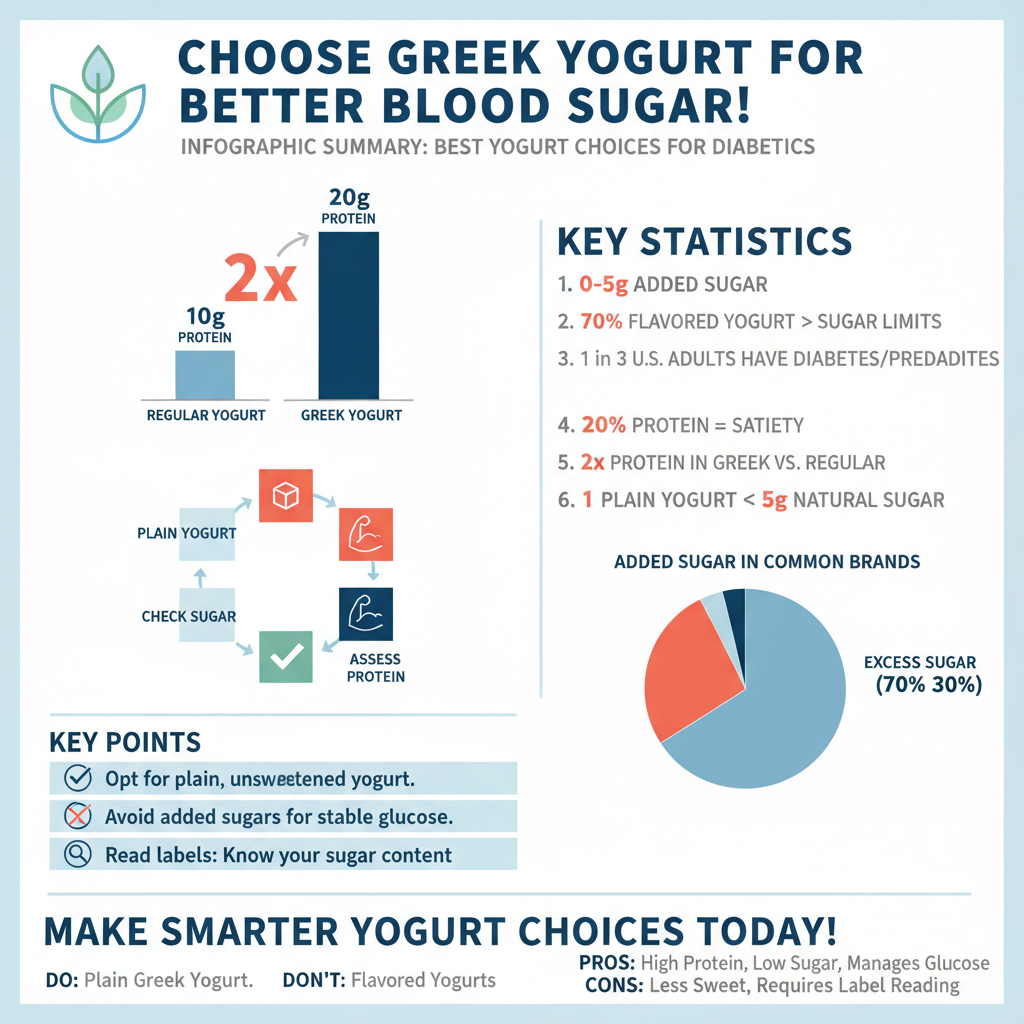

While all plain, unsweetened yogurts are a good start, Greek yogurt frequently comes out on top for individuals managing diabetes. Its unique production process gives it several distinct advantages that make it a powerhouse for blood sugar control and overall well-being.
– Superior Protein Content: Greek yogurt undergoes a straining process that removes much of the whey, resulting in a thicker, creamier texture and a significantly higher protein concentration compared to traditional yogurt. This superior protein content is a huge benefit for diabetics. Protein helps to slow down digestion, which means the carbohydrates you consume alongside it (or the natural lactose in the yogurt itself) are absorbed more gradually. This slower absorption translates to a more stable and moderated rise in blood glucose levels, preventing the sharp peaks and valleys that can be problematic. A high-protein diet also plays a crucial role in promoting satiety, helping you feel fuller for longer and reducing the likelihood of overeating or snacking on less healthy options.
– Lower Carbohydrate Count: Beyond its impressive protein profile, many plain Greek yogurt varieties naturally boast a lower carbohydrate count than their traditional counterparts. This is another direct benefit of the straining process. With fewer carbs per serving, Greek yogurt can fit more easily into a carb-controlled meal plan, which is fundamental for managing diabetes. While some natural milk sugar (lactose) will still be present, the overall carb load is often more manageable, giving you more flexibility in your daily carbohydrate allowance without sacrificing flavor or nutritional value. Always double-check the “Total Carbohydrates” on the label, but you’ll often find Greek yogurt to be a much more favorable choice.
– Satiety and Weight Management: The substantial protein content in Greek yogurt isn’t just good for blood sugar stabilization; it’s also incredibly effective for promoting satiety, or the feeling of fullness. When you feel satisfied after a meal or snack, you’re less likely to experience cravings or reach for unhealthy options later. This prolonged feeling of fullness can be a critical ally in weight management, which is a key component of effective diabetes care. Maintaining a healthy weight or achieving modest weight loss can significantly improve insulin sensitivity and make blood sugar control much easier. By incorporating high-protein Greek yogurt into your diet, you’re not just choosing a healthy food, you’re employing a strategic tool for better overall metabolic health.
Key Nutritional Factors to Scrutinize on Labels

Becoming a label-reading expert is one of the most empowering steps you can take for diabetes management. When it comes to yogurt, a few specific numbers and ingredients should jump out at you. Don’t just glance; scrutinize every detail to ensure your choice aligns with your health goals.
– Added Sugars (Crucial): This is perhaps the single most important metric for individuals with diabetes. The “Added Sugars” line on the nutrition facts panel tells you exactly how much sugar has been put into the product beyond what occurs naturally. As discussed, added sugars can wreak havoc on blood glucose. Your goal should be to find yogurts with 0-5 grams of added sugar per serving. Many plain Greek yogurts will have 0 grams of added sugar, which is ideal. Be vigilant, as even some “plain” or “natural” yogurts can surprisingly contain added sweeteners. Always look for “Total Sugars” and then specifically the “Added Sugars” sub-category. If the label doesn’t specify “Added Sugars” (which is rare now in many regions, but good to be aware of older labels), assume that much of the “Total Sugars” are added if the yogurt is flavored.
– Protein Content: After added sugars, protein content is your next best friend. For Greek yogurt, aim for at least 15 grams of protein per serving, though many excellent options offer 18-20 grams or even more. This high protein content is what helps slow digestion, promotes lasting fullness, and contributes to better blood sugar control. It also makes yogurt a very satisfying and nutritious component of any meal or snack, helping you stay energized and preventing dips that might lead to unhealthy food choices. Prioritizing protein ensures that your yogurt isn’t just a vehicle for probiotics but also a significant contributor to your daily nutrient needs.
– Total Carbohydrates: While protein and added sugars are paramount, monitoring “Total Carbohydrates” is also important. Even plain, unsweetened yogurt contains natural carbohydrates from lactose. For those carefully tracking their carb intake, aiming for lower total carbohydrate counts (e.g., under 10-15 grams per serving for Greek yogurt) can be beneficial. If a yogurt contains fiber (though less common in dairy), you might consider “net carbs” (Total Carbs – Fiber), as fiber doesn’t raise blood sugar in the same way digestible carbs do. However, for most yogurts, fiber content is minimal, so focus on the “Total Carbohydrates” number and how it fits into your daily carbohydrate budget.
– Probiotics: Beyond the macronutrients, don’t overlook the benefit of live and active cultures, commonly known as probiotics. These beneficial bacteria are excellent for gut health, which is increasingly recognized for its indirect support of overall metabolic health and potentially even blood sugar regulation. While not a direct factor in blood sugar spikes, a healthy gut microbiome can influence everything from nutrient absorption to inflammation. Look for labels that explicitly state “contains live and active cultures.” This ensures you’re getting the gut-friendly benefits that yogurt is famous for, adding another layer of health to your wise food choice.
Top Brands & Product Examples for Diabetics
Thankfully, as awareness about healthy eating and diabetes management grows, so do the options in the dairy aisle. Several brands have become champions for producing yogurts that perfectly align with the dietary needs of individuals with diabetes. These examples offer excellent choices without compromising on flavor or texture.
– Chobani Zero Sugar: This brand has truly revolutionized the diabetic-friendly yogurt market. Chobani Zero Sugar offers a fantastic range of flavors, from mixed berry to vanilla and coffee, all with 0 grams of sugar and 0 grams of artificial sweeteners. Instead, they use natural, non-caloric sweeteners like monk fruit and stevia to achieve their taste. Each serving also boasts an impressive protein content (often 11-12 grams in a 5.3 oz cup), making it a delicious and satisfying choice that won’t cause blood sugar spikes. It’s an excellent option for those who crave flavor without the sugar, providing variety that can prevent palate fatigue.
– Oikos Triple Zero: Another leading contender, Oikos Triple Zero, offers a very similar profile to Chobani Zero Sugar, making it a go-to for many. The “Triple Zero” refers to 0 grams of sugar, 0 grams of artificial sweeteners, and 0 grams of fat. Like Chobani, Oikos Triple Zero uses stevia leaf extract for sweetness. With substantial protein (typically 15 grams per 5.3 oz cup), it’s incredibly filling and excellent for managing hunger and supporting stable blood sugar. It comes in a wide array of flavors, allowing for plenty of choice while sticking to your dietary guidelines. Both Chobani Zero Sugar and Oikos Triple Zero are fantastic examples of how brands are innovating to meet the needs of health-conscious consumers.
– Fage Total 0% Milkfat Plain Greek Yogurt: For those who prefer a truly blank canvas, Fage Total 0% Milkfat Plain Greek Yogurt is a classic, highly respected choice. It contains no added sugars, no artificial sweeteners, and is very low in carbohydrates (often around 5 grams per 5.3 oz serving), while delivering a robust protein punch (around 18 grams per 5.3 oz serving). This is the ultimate versatile option, allowing you to control all the flavorings yourself. You can add a small handful of fresh berries, a sprinkle of nuts, or a dash of cinnamon without worrying about hidden sugars. Its thick, creamy texture is also perfect for savory applications like dips or as a sour cream substitute.
– Stonyfield Organic Greek 0% Fat Plain Yogurt: Stonyfield offers another strong, reliable option for plain, unsweetened Greek yogurt. Their Organic Greek 0% Fat Plain Yogurt is also an excellent choice for diabetics, providing a clean label with no added sugars and a good amount of protein (around 15-17 grams per 5.3 oz serving). As an organic option, it appeals to those who prioritize organic ingredients. Like Fage, it serves as a superb base for healthy, homemade additions, allowing you to customize your yogurt experience while maintaining strict control over sugar and carb intake. It’s a testament to the fact that high-quality, diabetic-friendly options are readily available across various brands.
Yogurts to Avoid When Managing Diabetes
Just as important as knowing what to choose is understanding what to avoid. The yogurt aisle can be a minefield of sugar traps, and being able to quickly identify these products will save you from unnecessary blood sugar spikes and dietary setbacks.
– Fruit-on-the-Bottom/Sweetened Fruit Yogurts: These are perhaps the most common culprits. While they may seem innocuous or even healthy due to the presence of fruit, the reality is that the “fruit” component is almost always a sugary fruit preparation, often more akin to jam or syrup. These yogurts are typically loaded with added sugars, often containing 20-30 grams or even more in a single serving. This amount of sugar can easily exceed a day’s recommended limit for added sugars for many individuals, and it will cause a rapid and significant spike in blood glucose. Always check the ingredients list for added fruit purees or sugar added to the fruit, and compare the total sugar content to plain varieties to see the stark difference.
– Low-Fat Yogurts with High Sugar: Beware of the “health halo” effect that can accompany “low-fat” or “fat-free” labels. While reducing saturated fat might seem like a good idea, manufacturers often compensate for the removal of fat (which contributes to flavor and texture) by adding excessive amounts of sugar for palatability. So, you might pick up a “low-fat vanilla yogurt” thinking it’s a healthy choice, only to find it has just as much, if not more, added sugar than a full-fat, sweetened option. Always read beyond the front-of-package claims and scrutinize the “Added Sugars” line on the nutrition label, regardless of the fat content, to ensure you’re not trading one dietary concern for another.
– Yogurt Drinks: The convenience of a grab-and-go yogurt drink can be appealing, but for individuals managing diabetes, these are almost universally a poor choice. Many pre-packaged yogurt drinks are essentially sugar-sweetened beverages with minimal protein and very high carbohydrate counts. They are designed to be palatable and easy to consume quickly, which means they often lack the fiber and protein that would slow sugar absorption. Drinking your calories, especially sugary ones, is far less satiating than eating them, and the liquid form often leads to quicker blood sugar spikes. Unless specifically labeled as “zero sugar” and verified by the nutrition label, it’s best to bypass these altogether and opt for a plain Greek yogurt you can customize.
Smart Ways to Incorporate Yogurt into Your Diabetic Diet
Choosing the right yogurt is just the first step; knowing how to incorporate it wisely into your daily diet maximizes its benefits. With a little creativity, plain, unsweetened yogurt can become a versatile and delicious staple that supports your blood sugar management and overall health.
– Portion Control: Even the healthiest yogurts contribute to your daily calorie and carbohydrate intake. While plain Greek yogurt is excellent, it’s not a free-for-all. Pay attention to the serving size listed on the nutrition label (often 5.3 oz or 6 oz) and stick to it. Overeating, even healthy foods, can still impact blood glucose and weight management. If you’re using plain yogurt as a base for a meal, factor in the carbohydrates from the yogurt itself, as well as any toppings, into your daily carb count. Mindful eating and portion awareness are key to ensuring yogurt remains a beneficial part of your diabetes management plan.
– Healthy Toppings: This is where plain yogurt truly shines! By starting with an unsweetened base, you gain complete control over adding flavor without piling on sugar.
* Fresh Berries: A small handful of fresh berries (strawberries, blueberries, raspberries) provides natural sweetness, fiber, and antioxidants with a lower glycemic impact than other fruits. Use them in moderation to avoid excess carbs.
* Nuts and Seeds: A sprinkle of almonds, walnuts, pecans, chia seeds, or flax seeds adds healthy fats, fiber, and extra protein, further enhancing satiety and slowing digestion.
* Cinnamon: A dash of cinnamon not only adds a warm, inviting flavor but also may have beneficial effects on blood sugar control.
* Sugar-Free Extracts: A drop of vanilla, almond, or peppermint extract can add delightful flavor without any carbohydrates or calories.
* Unsweetened Coconut Flakes: For a tropical twist, a small amount of unsweetened shredded coconut can add flavor and healthy fats.
– Meal and Snack Ideas: Yogurt is incredibly versatile and can be enjoyed far beyond a simple breakfast.
* Quick Breakfast: Combine plain Greek yogurt with some of the healthy toppings mentioned above for a satisfying start to your day.
* Filling Snack: A small serving of plain Greek yogurt can be an ideal mid-morning or afternoon snack to stave off hunger and stabilize blood sugar between meals.
* Savory Dips and Sauces: Replace sour cream or mayonnaise in recipes with plain Greek yogurt for a protein boost and fewer calories. It makes an excellent base for tzatziki, ranch dips, or creamy dressings.
* Smoothie Base: Blend plain Greek yogurt with protein powder, spinach, and a few berries for a nutritious, low-sugar smoothie.
* Marinades: Use plain yogurt as a tenderizing and flavorful marinade for chicken or fish.
Navigating the yogurt aisle with diabetes requires a discerning eye, but by focusing on plain, unsweetened Greek yogurt high in protein and diligently checking nutrition labels for added sugars, you can make excellent choices. While specific brands like Chobani Zero Sugar or Oikos Triple Zero are often recommended for their favorable nutritional profiles and convenient flavors, remember that the best yogurt for you is one that fits your personal dietary plan and preferences while effectively managing your blood sugar. Empower yourself by becoming a label-reading pro and experimenting with healthy toppings to make plain yogurt a delicious and beneficial part of your diet. Always consult with your doctor or a registered dietitian to tailor these recommendations to your individual health needs and ensure they align with your overall diabetes management strategy.
Frequently Asked Questions
Which types of yogurt are generally best for diabetics to manage blood sugar?
For diabetics, the best types of yogurt are typically plain, unsweetened varieties, especially Greek yogurt. These options minimize added sugars that can spike blood glucose levels and are usually higher in protein, which helps with satiety and blood sugar control. Look for yogurts with minimal carbohydrates and no artificial sweeteners, preferring natural whole ingredients.
How can diabetics identify a low-sugar, diabetes-friendly yogurt at the grocery store?
Diabetics should meticulously check the nutrition facts label, prioritizing yogurts with 5 grams or less of total carbohydrates per serving, and ideally 0-2 grams of added sugars. Examine the ingredients list to avoid hidden sugars like high-fructose corn syrup, cane sugar, or fruit juice concentrate. Opt for plain varieties and add your own low-glycemic fruits or nuts for flavor.
Why is plain, unsweetened Greek yogurt often recommended for individuals with diabetes?
Plain, unsweetened Greek yogurt is highly recommended for individuals with diabetes due to its significantly higher protein content compared to regular yogurt. This protein helps slow down glucose absorption, promoting better blood sugar stability and increased satiety, which can aid in weight management. Furthermore, its lower carbohydrate and sugar content, when unsweetened, makes it an excellent choice for a diabetes-friendly diet.
What specific yogurt ingredients or brands should diabetics avoid due to high sugar?
Diabetics should actively avoid yogurts labeled as “fruit-on-the-bottom,” “flavored,” or “dessert” yogurts, as these often contain excessive added sugars that can rapidly elevate blood glucose. Steer clear of brands with long ingredient lists featuring multiple sugar forms (e.g., sucrose, corn syrup, evaporated cane juice) or artificial sweeteners if you prefer natural options. Always check for low carbohydrate and minimal added sugar content regardless of brand.
Beyond plain Greek, what other diabetes-friendly yogurt brands offer good nutrition without added sugars?
Beyond plain Greek yogurt, several brands offer excellent diabetes-friendly options without added sugars. Look for plain, unsweetened varieties from brands like Siggi’s (Icelandic skyr, high protein), Fage Total 0% or 2% Plain, Chobani Plain, and Wallaby Organic Aussie Greek Plain. Additionally, some brands offer unsweetened plant-based yogurts (e.g., Kite Hill, So Delicious) if you have dietary restrictions, just ensure they are also low in carbs and sugar.
References
- https://diabetes.org/healthy-living/recipes-nutrition/eating-well/healthy-food-choices/dairy
- https://www.mayoclinic.org/healthy-lifestyle/nutrition-and-healthy-eating/in-depth/best-yogurt-for-weight-loss/art-20468925
- Yogurt • The Nutrition Source
- https://health.clevelandclinic.org/is-yogurt-good-for-diabetics/
- https://www.webmd.com/diabetes/best-yogurt-for-diabetics
- https://www.hopkinsmedicine.org/health/conditions-and-diseases/diabetes/foods-to-eat-and-avoid-with-diabetes