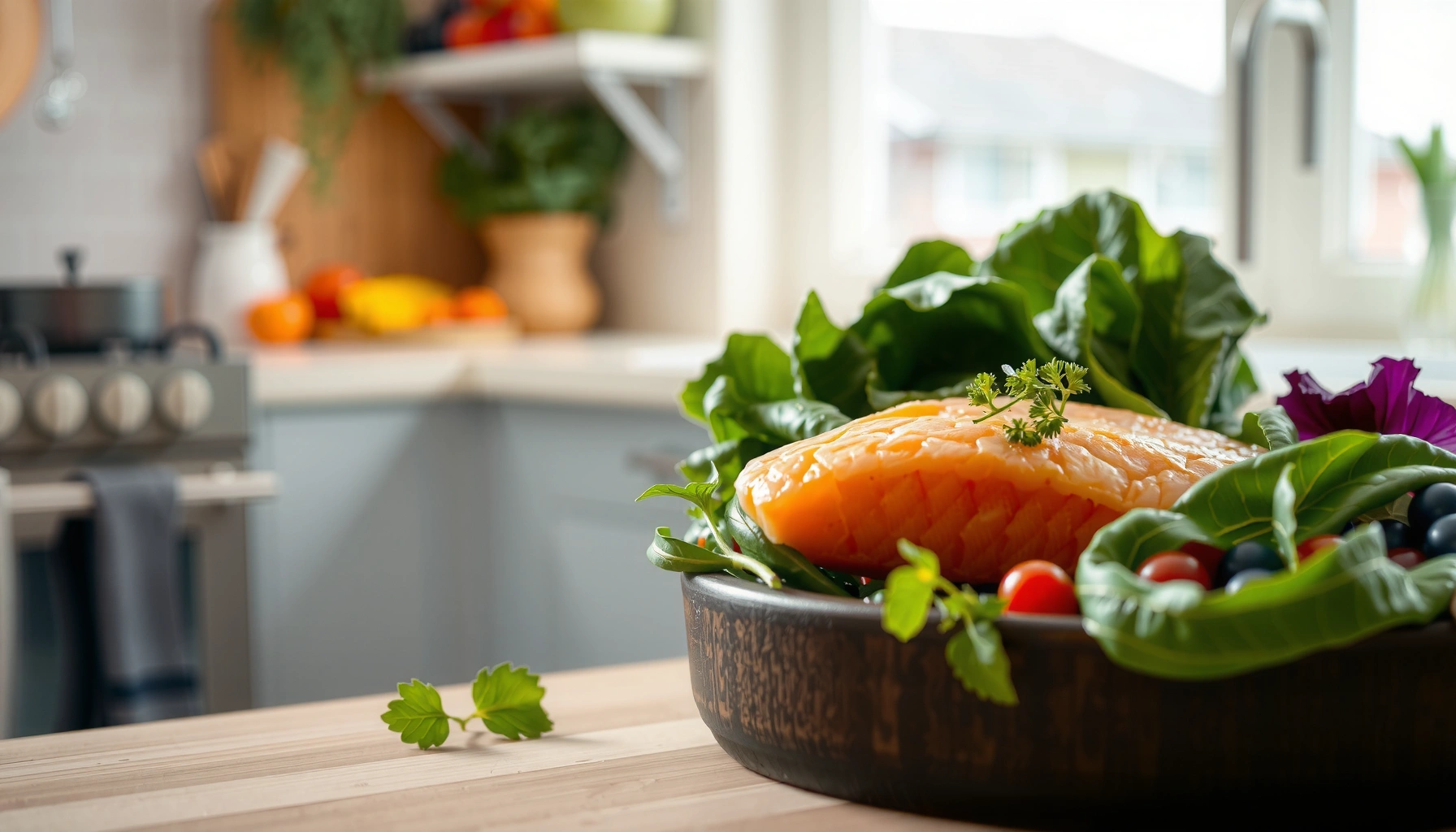

The best food for diabetes control prioritizes low-glycemic options such as non-starchy vegetables, leafy greens, fatty fish, and fiber-rich berries. These foods help stabilize blood glucose levels by slowing digestion and reducing insulin spikes compared to refined carbohydrates. Effective diabetes management relies heavily on dietary choices that moderate postprandial blood sugar responses while providing high nutrient density. This article breaks down the most effective nutrient-dense foods to incorporate into your daily diet for better management, focusing on ingredients that support insulin sensitivity and mitigate long-term health complications associated with the condition.




Non-Starchy Vegetables
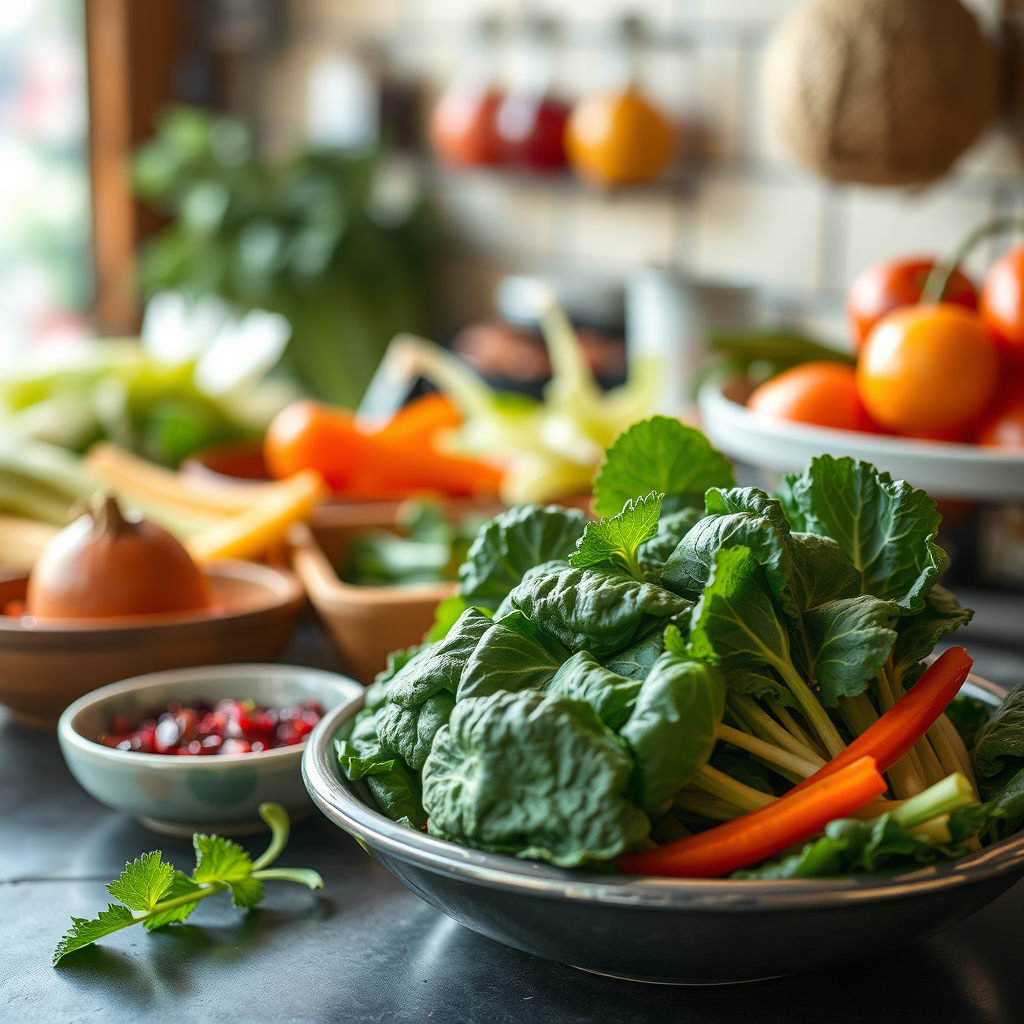
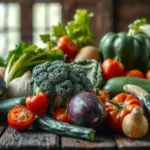
Non-starchy vegetables are the cornerstone of a diabetes-friendly diet, offering high nutritional value with minimal impact on blood glucose. Because these vegetables have a low glycemic index (GI), they are digested and absorbed slowly, preventing the rapid blood sugar spikes often caused by starchy counterparts like potatoes or corn.
– Focus on vegetables like broccoli, cauliflower, and bell peppers that provide essential vitamins with very few carbohydrates.
Cruciferous vegetables such as broccoli and cauliflower are particularly potent. They contain sulforaphane, a compound that has been shown to reduce oxidative stress and potentially improve insulin sensitivity. Bell peppers add not only flavor and crunch but also significant amounts of antioxidants like capsanthin, which supports metabolic health. When planning meals, these vegetables should occupy half of the plate. Their versatility allows them to be roasted, steamed, or eaten raw, making them easy to integrate into any culinary style.
– Eat these in abundance to feel full without impacting your blood sugar levels significantly.
One of the challenges in dietary management for diabetes is maintaining satiety without overconsuming calories or carbohydrates. Non-starchy vegetables are voluminous and high in water content, allowing for larger portion sizes that trigger satiety signals in the brain without carrying a high glycemic load. This concept, often referred to as “volume eating,” is an effective strategy for weight management—a critical factor in managing Type 2 diabetes. By filling the stomach with fiber-dense, low-calorie foods, individuals can naturally reduce their intake of more calorie-dense, processed options.
Leafy Green Vegetables
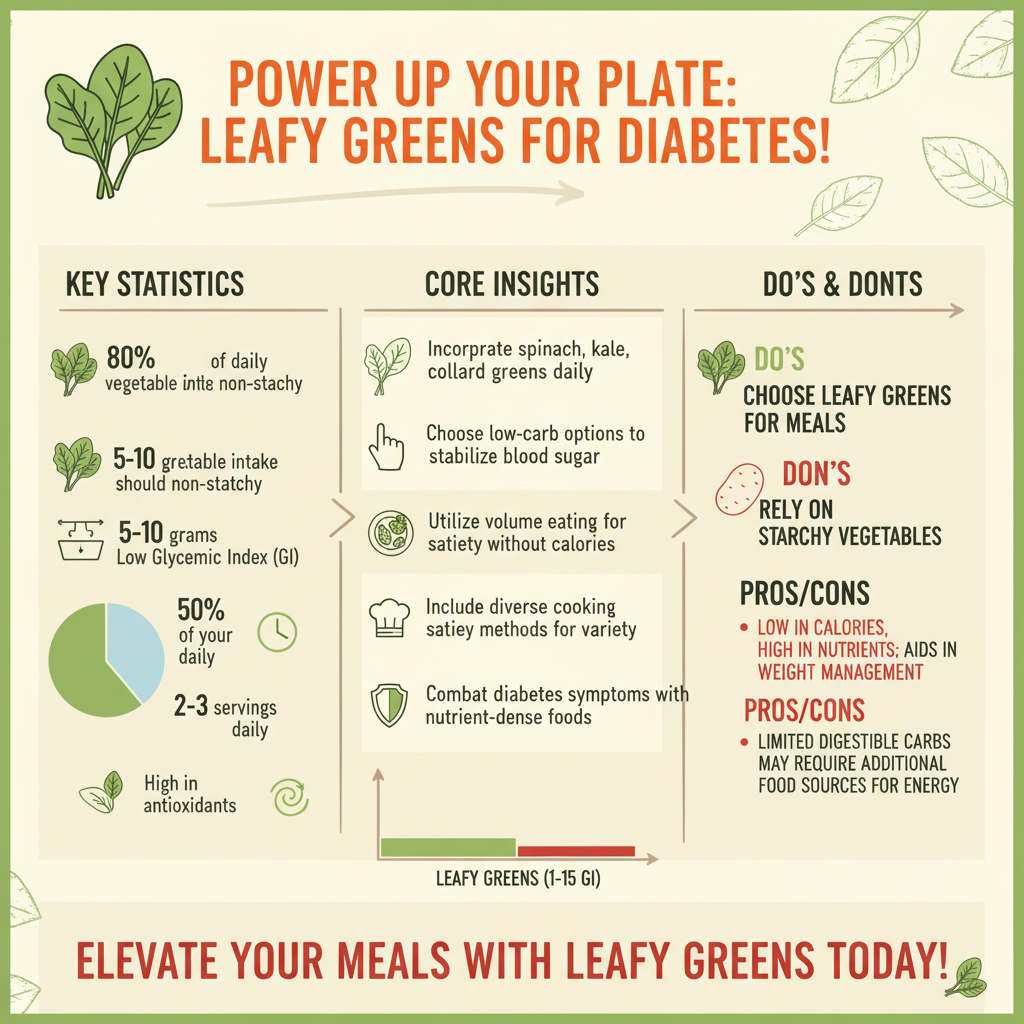

Leafy green vegetables are widely considered some of the most nutrient-dense foods available. For individuals managing diabetes, they offer a unique combination of low digestibility (meaning they have little impact on blood sugar) and high micronutrient content that combats the physiological side effects of diabetes.
– Incorporate spinach, kale, and collard greens which are extremely low in digestible carbs and calories.
These greens provide a substantial volume of food with negligible impact on daily carbohydrate limits. Spinach and kale are rich in magnesium, a mineral that plays a pivotal role in insulin regulation. Studies suggest that magnesium deficiencies are common in people with Type 2 diabetes and that correcting these levels can improve insulin-mediated glucose uptake. Furthermore, the fiber found in these greens aids in slowing the absorption of other carbohydrates consumed in the same meal.
– Benefit from high levels of Vitamin C and antioxidants that help reduce inflammation and markers of high blood sugar.
Chronic inflammation is a significant underlying factor in insulin resistance and the progression of diabetes-related complications. Leafy greens are packed with Vitamin C and potent antioxidants like lutein and zeaxanthin. These antioxidants are particularly beneficial for eye health, protecting against macular degeneration and cataracts—common complications for those with long-term diabetes. Additionally, Vitamin C acts as a powerful reducing agent, lowering inflammatory markers such as C-reactive protein (CRP) and reducing cellular damage caused by high blood sugar levels.
Fatty Fish
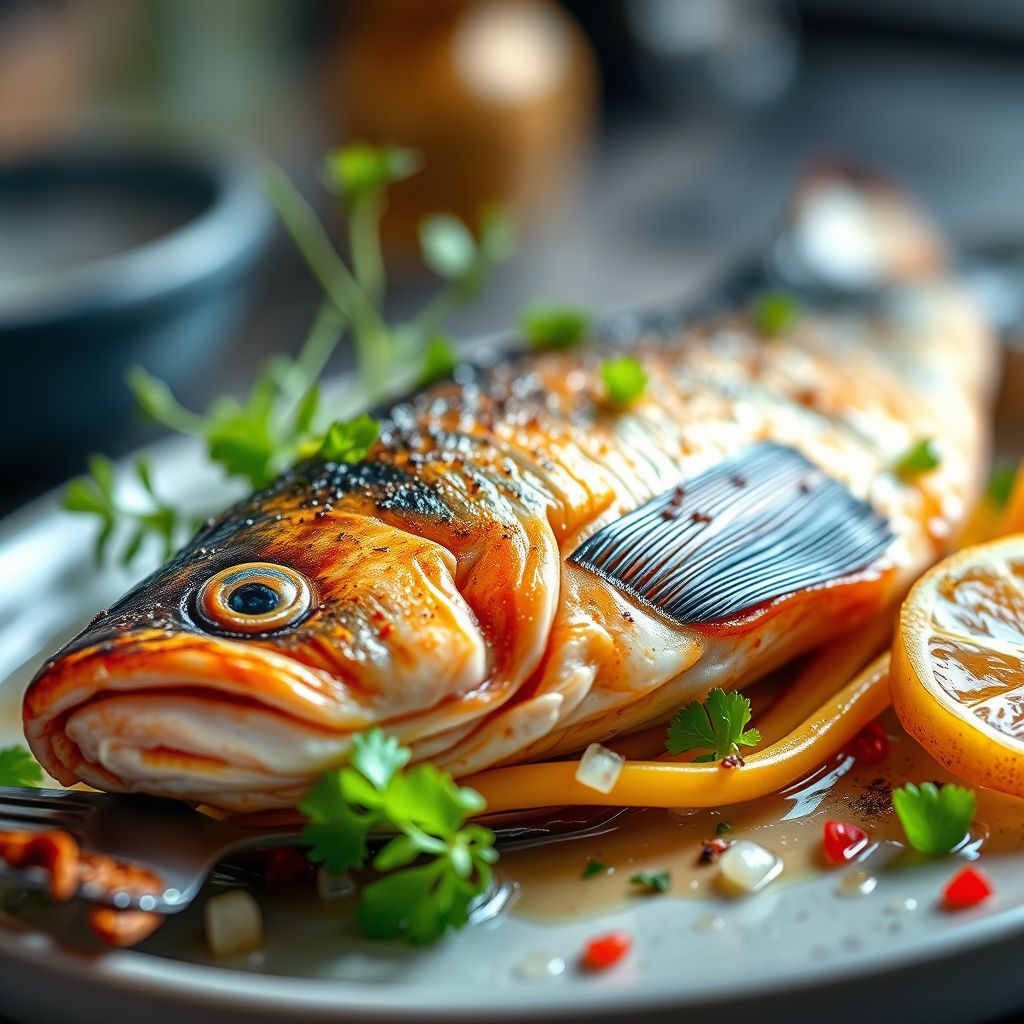
Fatty fish represents one of the healthiest protein sources for diabetics. Unlike red meats, which can contain higher levels of saturated fats that may exacerbate insulin resistance, fatty fish provide essential fats that support cardiovascular and metabolic health.
– Consume salmon, sardines, or mackerel at least twice a week for their high Omega-3 fatty acid content.
The primary benefit of these fish varieties lies in their rich concentrations of eicosapentaenoic acid (EPA) and docosahexaenoic acid (DHA). These specific Omega-3 fatty acids are critical for reducing systemic inflammation. While plant-based sources of Omega-3s (ALA) exist, the conversion rate to EPA and DHA in the human body is inefficient, making direct consumption through fatty fish highly advantageous. Regular consumption aids in improving the function of the arteries and may assist in regulating blood sugar levels indirectly by improving cell membrane health.
– Protect your heart health and reduce inflammation, which is crucial as diabetics have a higher risk of heart disease and stroke.
There is a well-documented correlation between diabetes and cardiovascular disease; individuals with diabetes are twice as likely to experience heart disease or stroke compared to those without. The polyunsaturated fats found in fatty fish help lower triglycerides, reduce blood pressure, and prevent the formation of arterial plaque. By prioritizing these proteins, patients can address the dual challenge of glycemic control and cardiovascular protection simultaneously.
Beans and Legumes
Beans and legumes act as a “superfood” category for diabetes due to their unique carbohydrate composition. While they do contain carbohydrates, the structure of these carbs, combined with high fiber and protein content, results in a very different metabolic response compared to refined grains.
– Utilize beans, lentils, and chickpeas as excellent sources of plant-based protein and high fiber.
Legumes are rich in soluble fiber, which forms a gel-like substance in the gut. This slows down the emptying of the stomach and the digestion of starches, preventing sharp rises in blood glucose after eating. Additionally, they serve as a high-quality plant protein, allowing individuals to reduce their reliance on animal proteins if desired. Lentils and chickpeas also contain resistant starch, a type of carbohydrate that functions like fiber, feeding healthy gut bacteria and improving insulin sensitivity.
– Rely on the complex carbohydrates in legumes to ensure a slow, steady rise in blood sugar rather than a rapid spike.
This phenomenon is often referred to as the “second meal effect.” Research indicates that consuming low-glycemic foods like lentils at one meal can actually improve blood sugar regulation at the subsequent meal. This sustained release of energy prevents the hypoglycemia (low blood sugar) that can occur after a rapid spike and subsequent crash, making legumes a stabilizing force in a diabetic meal plan.
Berries and Citrus Fruits
Many individuals with diabetes fear fruit due to its natural sugar (fructose) content. However, not all fruits are created equal. Berries and citrus fruits offer a way to satisfy cravings for sweetness while providing nutritional benefits that outweigh the glycemic impact.
– Choose strawberries, blueberries, and oranges for a sweet treat that is loaded with fiber and antioxidants.
Blueberries and strawberries are rich in anthocyanins, the pigments that give them their red and blue colors. Anthocyanins have been shown to inhibit certain digestive enzymes, effectively slowing down carbohydrate digestion and blunting blood sugar spikes. Oranges, when eaten whole (not juiced), provide pectin, a soluble fiber that moderates glucose absorption. The key is the fiber matrix; eating the whole fruit ensures the sugar is released slowly into the bloodstream.
– Enjoy these fruits as a lower-glycemic alternative to high-sugar fruits like bananas or melons.
Tropical fruits and melons often have higher glycemic loads, leading to faster glucose absorption. In contrast, berries have some of the lowest sugar contents of all fruits. By swapping a banana for a cup of raspberries, a diabetic patient can significantly reduce the carbohydrate load of a meal while increasing fiber intake. This swap allows for dietary enjoyment without compromising glycemic control.
Nuts, Seeds, and Healthy Fats
Healthy fats are essential for a diabetic diet because fat has no immediate impact on blood sugar and can help dampen the glycemic response of other foods eaten at the same time. Nuts and seeds are nutritional powerhouses that combine healthy fats with fiber and magnesium.
– Add walnuts, flaxseeds, or avocados to meals to help slow down the digestion of carbohydrates.
When carbohydrates are consumed alongside healthy fats, gastric emptying is delayed. For example, adding avocado to toast or sprinkling flaxseeds on oatmeal changes the metabolic trajectory of the meal, resulting in a flatter glucose curve. Flaxseeds are also the best plant-based source of lignans and ALA Omega-3s, further contributing to inflammation reduction. Walnuts are unique among nuts for their high polyunsaturated fat content, which has been linked to improved endothelial function.
– Improve blood sugar management and insulin sensitivity by replacing saturated fats with these heart-healthy unsaturated options.
Substituting saturated fats (found in butter, high-fat dairy, and fatty meats) with monounsaturated and polyunsaturated fats (found in olive oil, nuts, and avocados) improves insulin sensitivity. This means the body’s cells become more responsive to insulin, allowing for more efficient glucose uptake from the bloodstream. This dietary shift is fundamental for long-term management of Type 2 diabetes and the prevention of metabolic syndrome.
Incorporating these best foods for diabetes control into your meal planning can significantly improve your blood sugar stability and overall well-being. By focusing on creating a balanced plate filled with fiber, protein, and healthy fats while minimizing processed foods, you create a physiological environment where insulin works more effectively. These dietary adjustments not only assist in immediate glucose management but also protect against the long-term vascular and neurological complications associated with the disease. Start making small changes today, such as swapping a starchy side for green vegetables, and consult your doctor or dietitian for a personalized plan that addresses your specific metabolic needs.
Frequently Asked Questions
Which foods help lower blood sugar levels naturally?
The best foods for lowering blood sugar include non-starchy vegetables like leafy greens, broccoli, and peppers, which are packed with essential vitamins but low in carbohydrates. Whole grains such as quinoa and oats, along with legumes like beans and lentils, provide complex carbohydrates and fiber that prevent sharp insulin spikes. Additionally, incorporating healthy fats from avocados, nuts, and olive oil helps improve insulin sensitivity and slows down the absorption of sugar into the bloodstream.
What are the best low-sugar fruits for people with diabetes?
Berries, including strawberries, blueberries, and raspberries, are top choices because they have a low glycemic index (GI) and are rich in antioxidants and fiber. Citrus fruits like oranges and grapefruits provide a steady release of energy without causing rapid blood sugar elevation due to their fiber content. However, it is crucial to consume these fruits in their whole form rather than as juice to maximize fiber intake and maintain stable glucose levels.
Why is a high-fiber diet important for blood sugar control?
Soluble fiber is essential for diabetes management because it dissolves in water to form a gel-like substance, which slows down the digestion and absorption of carbohydrates. This process prevents sudden spikes in blood glucose levels after meals and improves overall glycemic control. Furthermore, a high-fiber diet promotes satiety, helping manage weight, which is a key factor in controlling Type 2 diabetes.
What are some healthy, diabetic-friendly breakfast ideas?
A blood-sugar-friendly breakfast should balance protein, healthy fats, and fiber; excellent options include Greek yogurt with berries and nuts or eggs paired with sautéed spinach and avocado. Steel-cut oats topped with flaxseeds or chia seeds offer a better alternative to instant oatmeal, as they digest more slowly and keep energy levels stable. Avoiding sugary cereals and refined pastries is critical to preventing morning hyperglycemia.
Which foods should be avoided or limited to manage diabetes effectively?
Individuals with diabetes should minimize or avoid refined carbohydrates such as white bread, white rice, and pasta, as these strip away fiber and cause rapid blood sugar spikes. Foods high in added sugars, including sodas, energy drinks, and candies, offer empty calories and can lead to severe glucose fluctuations. Additionally, processed meats and foods containing trans fats should be limited to reduce the risk of heart disease, which is a common complication of diabetes.
References
- Healthy Living with Diabetes – NIDDK
- https://www.mayoclinic.org/diseases-conditions/diabetes/in-depth/diabetes-diet/art-20044295
- Healthy Eating | Diabetes | CDC
- Nutrition and Diabetes | ADA
- Simple Steps to Preventing Diabetes • The Nutrition Source
- Diabetes diet: a healthy, balanced diet for diabetes | Diabetes UK
- https://health.clevelandclinic.org/diabetes-diet-what-to-eat-and-what-to-avoid
- https://www.hopkinsmedicine.org/health/conditions-and-diseases/diabetes/diabetes-diet-science
- https://www.ucsfhealth.org/education/diabetes-nutrition-guidelines





Pingback: Best Electrolyte Drinks for Diabetics - Best For Diabetics
Pingback: The Best Yogurt for Diabetics: Top Healthy Choices - Best For Diabetics
Pingback: Best Rice for Diabetics: Top Healthy Options - Best For Diabetics
Pingback: Best Carb Calculator for Diabetics: Top Picks - Best For Diabetics
Pingback: Best Sourdough Bread for Diabetics: What to Know - Best For Diabetics
Pingback: Best Vegetables for Diabetics: Smart Choices - Best For Diabetics
Pingback: Best Tortillas for Diabetics: Healthy Choices - Best For Diabetics
Pingback: The Best Veggies for Diabetics to Manage Blood Sugar - Best For Diabetics
Pingback: What is the Best Fruit for Diabetics to Eat? - Best For Diabetics
Pingback: Which Fruits Are Best for Diabetics? - Best For Diabetics
Pingback: The Best Snacks for Diabetics to Manage Blood Sugar - Best For Diabetics
Pingback: The Best Fruit for Diabetics: A Low-Glycemic Guide - Best For Diabetics
Pingback: Best Popcorn for Diabetics: Top Choices and Healthy Tips - Best For Diabetics
Pingback: Best Type 2 Diabetes Diet: Key Foods & Principles - Best For Diabetics