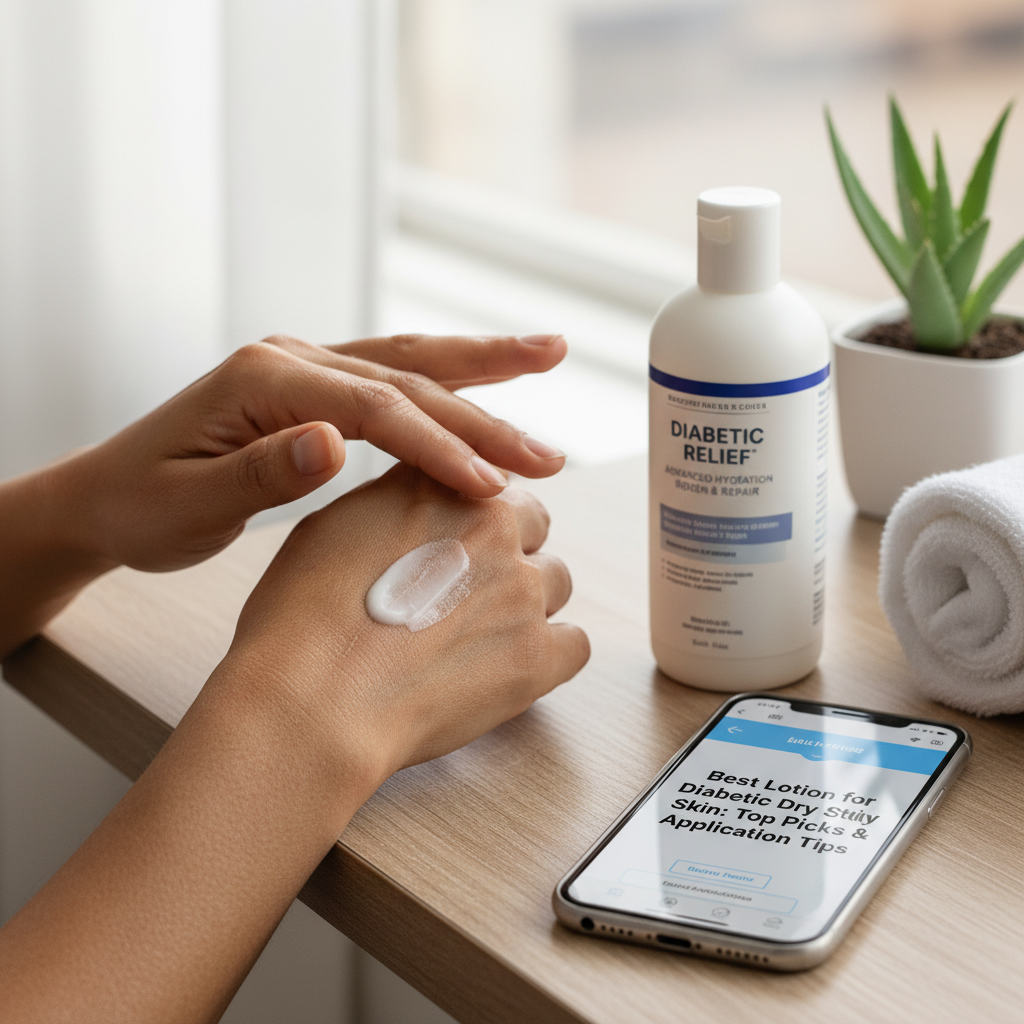

For those managing diabetic dry skin, finding the right lotion isn’t just about comfort—it’s crucial for skin health. The best lotions for diabetic dry skin are typically fragrance-free, hypoallergenic formulas rich in humectants like hyaluronic acid and urea, emollients such as dimethicone, and barrier-repairing ceramides. Consistent application of these specialized products can significantly improve skin hydration, prevent cracking, and reduce the risk of complications. This guide will help you identify the most effective lotions and integrate them into your daily skincare routine.




Understanding Diabetic Dry Skin

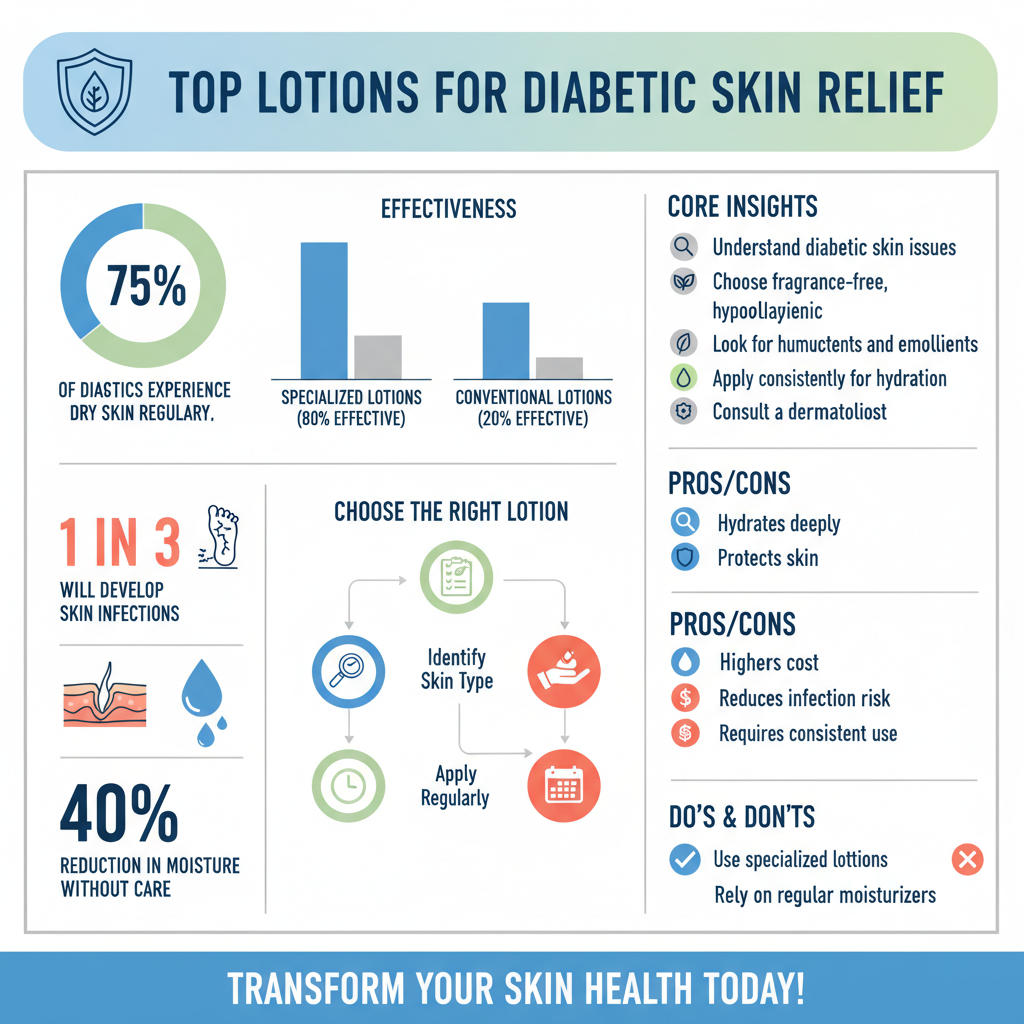
Diabetic dry skin is a common and often challenging condition that requires more than just a regular moisturizer. Its unique characteristics stem from the systemic effects of diabetes on the body, particularly the skin. Understanding these underlying issues is the first step toward effective management.
* Impact of Diabetes: High blood sugar levels can damage nerves and blood vessels, a condition known as diabetic neuropathy and angiopathy. This damage directly impacts skin health in several ways. Neuropathy can impair the function of sweat and oil glands, which are essential for natural skin lubrication, leading to significantly reduced moisture and nutrients delivered to the skin. This results in chronic dryness, which often manifests as itching, flaking, and a rough texture. Furthermore, impaired blood flow (angiopathy) means the skin receives fewer vital nutrients and oxygen, hindering its ability to repair itself and maintain its natural barrier, leading to impaired healing. This reduced resilience makes the skin more fragile and susceptible to damage.
* Increased Vulnerability: Due to chronic dryness and impaired healing, diabetic skin is inherently more prone to cracking, especially in areas subjected to pressure or movement like the feet, heels, and elbows. These cracks create easy entry points for bacteria and fungi, significantly increasing the risk of infections. Even minor abrasions or irritations can escalate quickly due to the compromised immune response and slower healing processes associated with diabetes. Therefore, maintaining a strong, intact skin barrier is not just about comfort; it’s an essential defense mechanism against potentially serious complications.
* Why Regular Lotions Aren’t Enough: Many standard lotions are designed for general hydration but often lack the specific moisturizing and barrier-repairing ingredients required to adequately address the unique, complex needs of diabetic skin. They might provide superficial relief but fail to deeply hydrate, repair a compromised skin barrier, or protect against the specific vulnerabilities of diabetic skin. Moreover, many conventional lotions contain fragrances, dyes, or harsh chemicals that can be irritating to already sensitive diabetic skin, potentially exacerbating dryness, itching, and the risk of allergic reactions. Specialized formulas are necessary to deliver targeted relief and protection.
Key Ingredients Your Lotion Needs
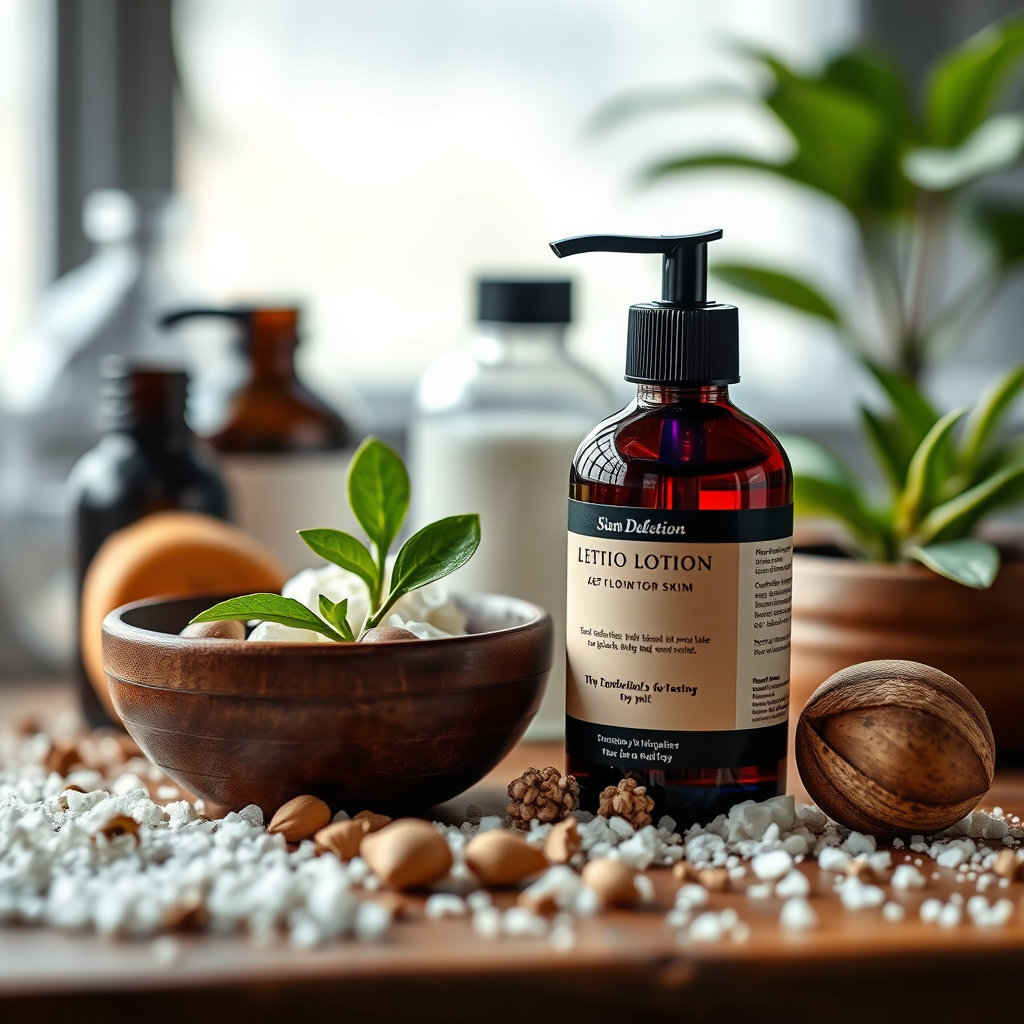
When choosing a lotion for diabetic dry skin, understanding the role of key ingredients is paramount. These compounds work synergistically to attract, lock in, and retain moisture while also repairing and strengthening the skin’s natural protective barrier.
* Humectants: These ingredients are moisture magnets, drawing water from the deeper layers of the skin and the surrounding air to the skin’s surface. They are crucial for improving overall skin hydration.
* Hyaluronic Acid: A powerful humectant capable of holding up to 1,000 times its weight in water, providing intense and lasting hydration to the skin.
* Urea: Not only a potent humectant that helps the skin absorb and retain moisture, but also a keratolytic agent at higher concentrations, meaning it can gently exfoliate dead skin cells, which is particularly beneficial for thickened, calloused diabetic skin.
* Glycerin: A common and highly effective humectant that is gentle and helps to attract and retain moisture.
* Lactic Acid: A mild alpha hydroxy acid (AHA) that acts as both a humectant and a gentle exfoliant, promoting smoother skin texture.
* Emollients: Emollients work by filling the gaps between skin cells (corneocytes), which are often rough and flaky in dry skin. This creates a smoother, softer surface and reduces friction.
* Dimethicone: A silicone-based emollient that forms a breathable, protective layer on the skin’s surface, smoothing its texture and providing a silky feel without being greasy.
* Shea Butter: A rich, natural emollient packed with vitamins and fatty acids, known for its deep moisturizing and skin-softening properties.
* Isopropyl Palmitate: A lightweight emollient that helps to spread the lotion smoothly and leaves a soft feel on the skin.
* Occlusives & Barrier Repair: These ingredients form a physical barrier on the skin’s surface, preventing transepidermal water loss (TEWL) and protecting the skin from environmental irritants. Barrier-repairing ingredients also help to reinforce the skin’s natural structure.
* Petrolatum (Petroleum Jelly): One of the most effective occlusive agents, it forms a highly protective barrier on the skin, significantly reducing moisture evaporation.
* Mineral Oil: A gentle, non-comedogenic occlusive that helps to lock in moisture and create a smooth feel.
* Ceramides: These are essential lipids that make up a significant portion of the skin’s natural barrier. They act as the “mortar” between skin cells, helping to maintain skin integrity, prevent moisture loss, and protect against irritants. Replenishing ceramides is crucial for strengthening a compromised diabetic skin barrier.
Ingredients to Avoid for Sensitive Diabetic Skin
Just as important as knowing what to look for is knowing what to avoid. Certain ingredients can irritate sensitive diabetic skin, exacerbate dryness, and even increase the risk of complications.
* Fragrances and Dyes: These are among the most common culprits for skin irritation and allergic reactions, especially in sensitive skin types. While a pleasant scent might seem appealing, synthetic fragrances can contain a cocktail of chemicals that trigger contact dermatitis, redness, itching, and dryness. Even “natural” fragrances can be problematic. Dyes are artificial coloring agents that serve no beneficial purpose for the skin and can also cause irritation. Always opt for products explicitly labeled “fragrance-free” rather than just “unscented,” as “unscented” products might still contain masking fragrances.
* Alcohol (Ethanol/Isopropyl Alcohol): It’s crucial to distinguish between beneficial fatty alcohols (like cetyl or stearyl alcohol, which are emollients) and drying alcohols. Ethanol, isopropyl alcohol, and alcohol denat are common drying alcohols used in many skincare products for their quick-drying or astringent properties. However, they can severely strip the skin of its natural protective oils, disrupt the skin barrier, and lead to increased dryness, irritation, and inflammation. For diabetic skin, which already struggles with moisture retention, these alcohols can significantly worsen the condition and increase vulnerability.
* Harsh Chemicals: While regulations vary, it’s generally advisable for individuals with sensitive diabetic skin to be mindful of certain harsh chemicals that can contribute to irritation or have other health concerns.
* Parabens: These are preservatives often used to prevent microbial growth. While deemed safe in small amounts by many regulatory bodies, some people prefer to avoid them due to potential endocrine-disrupting properties, and they can occasionally cause irritation in highly sensitive individuals.
* Phthalates: Often found in fragrances (another reason to avoid them) and some plastics, phthalates are also subject to scrutiny for potential health impacts and are best avoided in skincare products.
* Sulfates (e.g., Sodium Lauryl Sulfate, Sodium Laureth Sulfate): These are strong detergents and foaming agents commonly found in soaps and cleansers. While less common in lotions, if you’re using a cleansing product that contains them, they can be highly stripping and drying to the skin, undermining any moisturizing efforts. Always check labels and opt for “sulfate-free” cleansers.
Types of Lotions for Diabetic Dry Skin
Different areas of the body and varying degrees of dryness call for different product consistencies and formulations. Understanding the types of lotions available can help you tailor your skincare regimen for maximum effectiveness.
* Thick Creams for Intense Hydration: These are typically found in tubs or jars and have a much higher oil-to-water ratio compared to lighter lotions. Their rich, emollient-dense texture provides maximum moisture retention, creating a robust occlusive barrier that is ideal for severely dry, cracked, or calloused areas. Think of problem spots like cracked heels, elbows, knees, or particularly rough patches. These creams often contain higher concentrations of occlusives like petrolatum or ceramides, offering long-lasting protection and intensive repair. Many brands specifically formulate these “diabetic skin creams” with targeted ingredients to address the unique needs of compromised skin. They are excellent for overnight treatment, allowing the product to deeply penetrate and work its magic while you sleep.
* Daily Maintenance Lotions: These are generally lighter formulas, often packaged in pump bottles, designed for everyday use across larger body areas. Their consistency allows for easier spreading and quicker absorption, providing consistent hydration without leaving a greasy residue that might be uncomfortable during the day. While not as intensely occlusive as thick creams, they still contain a balanced blend of humectants, emollients, and light occlusives to maintain the skin’s moisture barrier and prevent dryness from escalating. They are perfect for maintaining overall skin health and softness, forming the backbone of a consistent daily moisturizing routine for the entire body.
* Foot-Specific Creams: Diabetic feet are particularly vulnerable due to neuropathy, poor circulation, and the potential for increased pressure and friction. Foot-specific creams are specially formulated to penetrate the thicker skin on the feet and address common issues like calluses, deep cracks, and extreme dryness. These products often contain higher concentrations of powerful humectants like urea (which also helps with gentle exfoliation of thickened skin) or alpha hydroxy acids (AHAs) such as lactic acid, alongside potent emollients and occlusives. They are designed to soften tough skin, promote healing of fissures, and provide intense hydration to keep the feet supple and less prone to cracking, which is crucial for preventing infection in diabetic individuals.
Optimal Application Techniques for Best Results
Applying lotion correctly is just as important as choosing the right product. Following optimal application techniques ensures maximum absorption and effectiveness, helping your skin reap the full benefits of your chosen moisturizer.
* Timing is Key: The golden rule for moisturizing is to apply lotion immediately after showering or bathing, while your skin is still slightly damp. The warm water from your shower opens your pores and prepares your skin to absorb ingredients more effectively. By applying lotion within minutes of stepping out of the shower, you “lock in” the residual moisture on your skin’s surface, creating an occlusive barrier that prevents evaporation and enhances hydration. This technique is far more effective than applying lotion to completely dry skin, which struggles to absorb and retain moisture as efficiently. Similarly, apply hand lotion after washing your hands.
* Gentle Massage: When applying lotion, use gentle, circular motions. Avoid harsh rubbing, especially on sensitive or irritated areas, as this can cause friction, further irritate the skin, and potentially disrupt the delicate skin barrier. A gentle massage not only helps the lotion penetrate more effectively but also promotes blood circulation to the skin, which can be beneficial for diabetic skin with compromised blood flow. Pay particular attention to very dry areas like your feet (especially heels and soles), elbows, knees, and hands, ensuring thorough coverage and gentle working of the product into the skin.
* Consistency Matters: For optimal results, moisturization must be a consistent and regular part of your daily routine. Applying lotion just once in a while won’t provide lasting benefits. For diabetic dry skin, it’s recommended to apply lotion at least once, but preferably twice daily (morning and evening). This sustained approach ensures that your skin’s moisture barrier is continuously supported and replenished, preventing severe dryness from recurring, reducing itching, and maintaining skin elasticity. Make it a habit, just like brushing your teeth – your skin will thank you for the diligent care.
Beyond Lotion: Holistic Skin Care for Diabetics
While the right lotion is a cornerstone of managing diabetic dry skin, it’s part of a larger, holistic approach to skin health. Addressing other factors that influence skin condition can significantly enhance the effectiveness of your moisturizing routine and prevent complications.
* Lukewarm Water Baths: Hot water can be incredibly drying for the skin. It strips away the natural oils that form your skin’s protective barrier, leading to increased dryness, irritation, and itching. Instead, opt for lukewarm water when showering or bathing. Keep bath times short, ideally 5-10 minutes, to minimize exposure to water and prevent excessive moisture loss. Using a gentle, fragrance-free, moisturizing cleanser specifically designed for sensitive or dry skin, rather than harsh soaps, can also help preserve your skin’s natural oils. Gently pat your skin dry with a soft towel afterward, rather than rubbing vigorously.
* Hydration from Within: Skin health isn’t just about what you put on it; it’s also about what you put into your body. Staying adequately hydrated by drinking plenty of water throughout the day is fundamental for overall skin health and plays a crucial role in maintaining skin turgor and moisture levels. When you’re dehydrated, your skin can appear duller and feel less elastic. Aim for consistent water intake to support all bodily functions, including healthy, hydrated skin cells from the inside out. Herbal teas or water infused with fruit can also contribute to your daily fluid intake.
* Blood Sugar Management: This is perhaps the most critical component of holistic skin care for individuals with diabetes. Consistently high blood glucose levels are the root cause of many diabetic complications, including those affecting the skin. Poorly controlled blood sugar can damage nerves (leading to reduced sweating and dry skin), impair blood circulation (reducing nutrient delivery to the skin), weaken the immune system (increasing infection risk), and slow down the healing process. By diligently managing your blood glucose levels through diet, exercise, and medication as prescribed by your doctor, you can significantly reduce the severity of diabetic dry skin and prevent more serious skin complications from developing. It’s the ultimate preventative measure.
* Regular Skin Checks: Due to potential neuropathy (nerve damage) which can reduce sensation, especially in the feet, daily skin checks are absolutely essential for people with diabetes. Inspect your entire body, paying particular attention to your feet, between your toes, and any areas prone to pressure or friction. Look for any cuts, sores, blisters, redness, swelling, unusual warmth, or changes in skin texture or color. Early detection of any issues can prevent them from escalating into serious infections or non-healing ulcers, which can have severe consequences. If you notice anything unusual or concerning, report it to your doctor or podiatrist immediately, even if it seems minor.
Choosing the right lotion and applying it consistently is a cornerstone of managing diabetic dry skin effectively. By prioritizing fragrance-free formulas rich in humectants and barrier-repairing ingredients, you can significantly improve skin health and comfort. Remember to integrate these products into a holistic skincare routine that includes good hygiene practices like lukewarm water baths, adequate hydration from within, and diligent blood sugar management. Regular self-skin checks are also crucial for early detection of potential issues. If you experience persistent dryness, irritation, non-healing sores, or any other concerning skin changes, consult your healthcare provider or a dermatologist for personalized advice and treatment. Your proactive care can make a world of difference for your skin health and overall well-being.
Frequently Asked Questions
Why is dry skin a common and serious concern for individuals with diabetes?
Diabetic dry skin is prevalent because high blood sugar can damage nerves (neuropathy) and impair circulation, reducing the skin’s ability to retain moisture and heal effectively. This compromised skin barrier makes individuals more susceptible to dryness, itching, cracking, and infections. Untreated, severe dry skin, especially on the feet, can lead to serious complications like ulcers and slow-healing wounds, posing significant health risks.
What key ingredients should I look for in the best lotion for diabetic dry skin?
When choosing the best lotion for diabetic dry skin, prioritize ingredients that deeply hydrate and repair the skin barrier. Look for humectants like urea, hyaluronic acid, and glycerin, which attract moisture, along with emollients such as ceramides, dimethicone, or shea butter to smooth and soften. Occlusive agents like petrolatum or mineral oil are also beneficial for locking in moisture, while ingredients like lactic acid can gently exfoliate rough patches.
How often should someone with diabetes apply lotion to effectively manage dry skin?
To effectively manage diabetic dry skin, it’s generally recommended to apply lotion at least twice daily. The ideal time is immediately after showering or bathing, while the skin is still slightly damp, to maximize moisture absorption and retention. For areas experiencing severe dryness or cracking, more frequent application throughout the day can provide continuous hydration and protection, making consistent application key for maintaining skin health.
Which types of lotion are most effective for extremely dry or cracked diabetic skin?
For extremely dry or cracked diabetic skin, thicker creams or ointments are often more effective than lighter lotions due to their higher oil content and ability to create a stronger protective barrier. Products containing a higher concentration of urea, lactic acid, ceramides, or petroleum jelly are excellent choices for intensive hydration and repair. These formulations help seal in moisture, promote healing, and protect vulnerable skin from further damage and potential infections.
Are there any specific ingredients to avoid when choosing a lotion for sensitive diabetic skin?
Yes, when selecting a lotion for sensitive diabetic skin, it’s crucial to avoid potential irritants that can worsen dryness or trigger adverse reactions. Steer clear of lotions containing fragrances, dyes, and strong alcohols (like ethanol or isopropyl alcohol), which can strip natural oils and cause irritation. Opt for “fragrance-free,” “dye-free,” and “hypoallergenic” formulas, and be cautious with parabens if you have extreme sensitivities, to ensure gentle and safe skin care.
References
- Diabetes and Skin Complications | ADA
- Fructose intolerance: Which foods to avoid? – Mayo Clinic
- Dermatologist-recommended skin care for people with diabetes
- https://www.niddk.nih.gov/health-information/diabetes/overview/preventing-problems/diabetic-skin-problems
- https://www.cdc.gov/diabetes/library/features/diabetes-skin.html
- Missing Page Error – Our Apologies – UChicago Medicine
- Complications of diabetes



Pingback: Best Moisturizing Creams for Diabetics: Top Choices - Best For Diabetics