

The best diet for a diabetic dog is primarily focused on stabilizing blood glucose levels through a consistent routine, high-fiber content, complex carbohydrates, and moderate fat. Achieving this balance is crucial for managing the disease effectively, but it requires careful planning and, most importantly, close collaboration with your veterinarian to tailor a diet specific to your dog’s unique needs and health status. Understanding how nutrition impacts canine diabetes is the first step toward helping your beloved companion live a happy, healthy life.



Understanding Canine Diabetes & Dietary Impact

Canine diabetes is a condition where your dog’s body can’t properly regulate blood sugar (glucose) levels. This most commonly results from insufficient insulin production by the pancreas (Type I, insulin-dependent diabetes), or less commonly, from the body’s cells becoming resistant to the effects of insulin (Type II). Insulin is a vital hormone responsible for transporting glucose from the bloodstream into cells for energy. Without enough effective insulin, glucose accumulates in the blood, leading to hyperglycemia (high blood sugar), which can cause a cascade of health problems including excessive thirst and urination, weight loss despite a good appetite, and potential damage to organs like kidneys, eyes, and nerves over time.
It’s fascinating how directly your dog’s diet impacts glucose absorption, making it an absolute cornerstone of diabetes management. Every morsel your dog eats influences their blood sugar levels. Carbohydrates, for instance, are broken down into glucose relatively quickly, causing blood sugar to rise. Proteins and fats have a slower, less dramatic effect. By carefully controlling the type, amount, and timing of food, we can create a predictable pattern of glucose release, allowing insulin to work more effectively and minimize dangerous spikes or drops in blood sugar.
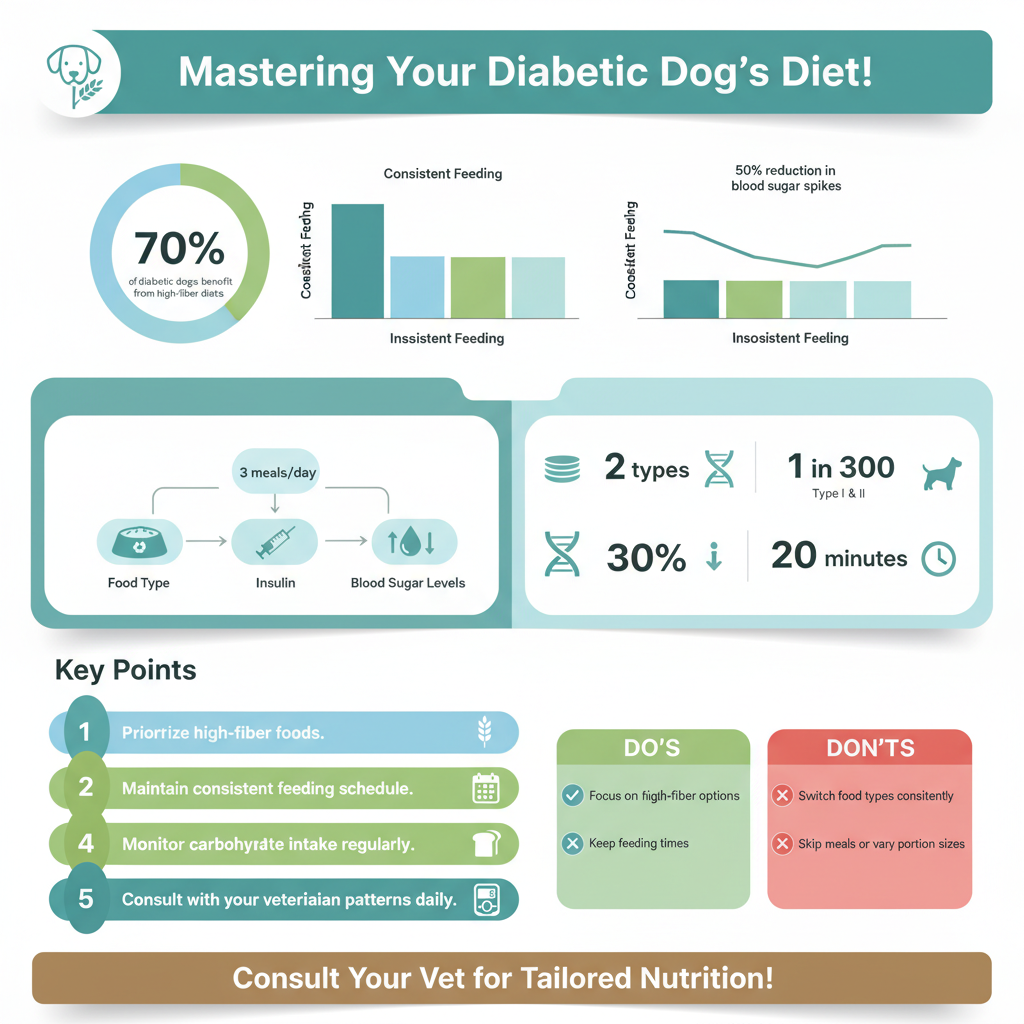
This brings us to a crucial point: consistency in food type, amount, and feeding times is paramount for stable blood sugar. Imagine trying to hit a moving target – that’s what managing diabetes is like without consistency. If the amount or type of food changes daily, it becomes nearly impossible for your vet to accurately determine the correct insulin dosage, leading to erratic blood glucose control. A predictable routine provides stability, making it much easier to regulate your dog’s blood sugar and ensure their well-being. Think of it as a rhythmic dance between food and insulin, where consistency sets the tempo.
Key Nutritional Components for Diabetic Canines

When it comes to feeding a diabetic dog, not all nutrients are created equal. Focusing on specific components can make a huge difference in managing their condition.
* High Fiber: Fiber is a superstar for diabetic dogs! It’s indigestible plant material that plays a critical role in slowing down the absorption of sugar into the bloodstream. Both soluble and insoluble fibers are beneficial. Soluble fiber (found in foods like oats, peas, and some fruits) forms a gel-like substance in the digestive tract, which helps to slow gastric emptying and nutrient absorption, thus preventing rapid post-meal glucose spikes. Insoluble fiber (found in green beans, carrots, and whole grains) adds bulk to the stool, promoting gut health and regularity. Together, they create a more gradual and sustained release of glucose, providing stable energy levels. Plus, fiber helps your dog feel full, which is a great bonus for weight management – a common concern for diabetic pups.
* Complex Carbohydrates: Unlike simple carbohydrates that quickly convert to sugar and cause rapid blood glucose surges, complex carbohydrates are your dog’s best friend. These are broken down slowly by the body, releasing glucose gradually and steadily into the bloodstream. This slow and sustained energy release helps to avoid those dangerous peaks and valleys in blood sugar. Look for ingredients like whole grains (e.g., brown rice, barley, oats) and certain vegetables (like lentils or sweet potatoes) in their diet. These provide necessary energy without overwhelming their system with a sudden influx of sugar.
* Moderate Protein: Protein is essential for maintaining muscle mass, supporting tissue repair, and providing overall good health for your dog. For diabetic dogs, a moderate amount of high-quality protein is generally recommended. Lean protein sources like chicken breast, turkey, and lean cuts of beef or fish are excellent choices. While protein does influence blood sugar, its effect is much slower and less pronounced than carbohydrates. It’s important to note that if your dog also has kidney issues, protein levels might need specific adjustment, so always follow your vet’s advice on this. The goal is to provide enough protein to support their body without overtaxing their kidneys.
* Low Fat: Fat is calorie-dense, and while some fat is necessary for good health, excessive amounts can be problematic for diabetic dogs. High-fat diets can contribute to weight gain, making insulin resistance worse, and are a known trigger for pancreatitis – a painful and potentially life-threatening inflammation of the pancreas, which is already a vulnerable organ in diabetic dogs. Reducing fat content helps manage your dog’s weight and significantly lowers the risk of pancreatitis. Aim for lean protein sources and avoid rich, fatty foods to keep your dog healthy and comfortable.
Commercial vs. Home-Prepared Diabetic Diets

Choosing the right type of food for your diabetic dog is a big decision, and you essentially have two main paths: commercial prescription diets or carefully home-prepared meals. Both have their merits and challenges.
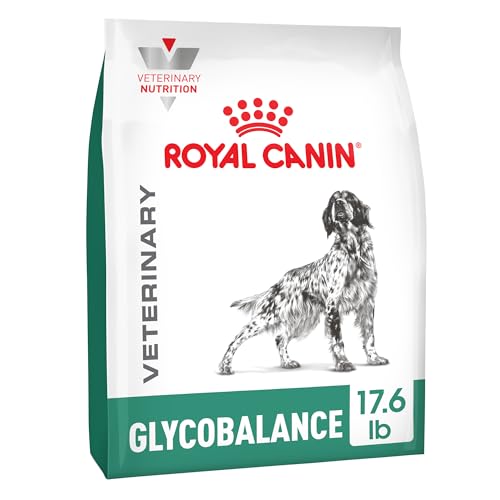
* Commercial Prescription Diets: These are a fantastic option for many dog owners because they are specifically formulated to meet the unique nutritional needs of diabetic canines. Brands like Hill’s Prescription Diet w/d, Purina Pro Plan Veterinary Diets DM, and Royal Canin Veterinary Diet Glycobalance are meticulously crafted by veterinary nutritionists. They offer precise balances of fiber, complex carbohydrates, protein, and fat, often with a consistent nutrient profile batch after batch. This consistency is incredibly helpful for stabilizing blood glucose and simplifying insulin management. The convenience is also a huge plus – no guesswork, just measure and serve. While they might be a bit more expensive than regular dog food, the peace of mind knowing your dog is getting balanced, diabetes-appropriate nutrition is often well worth it.
* Homemade Diets: For owners who prefer to have complete control over ingredients, a home-prepared diet can be appealing. It allows for fresh, whole ingredients and can be customized for dogs with allergies or particular palatability preferences. However, this path comes with a significant caveat: homemade diets for diabetic dogs *must* be precisely formulated by a board-certified veterinary nutritionist. Random recipes found online, no matter how well-intentioned, are highly unlikely to provide the complete and balanced nutrition your diabetic dog needs. A nutritionist will ensure the diet contains all necessary vitamins, minerals, and macronutrients in the correct ratios for a diabetic dog, taking into account their individual health status and caloric needs. Without this expert guidance, homemade diets can lead to serious nutrient deficiencies or imbalances that could worsen their diabetes or cause other health problems.
* Never switch diets without veterinary approval, as it can drastically impact blood glucose. This point cannot be stressed enough. Even a seemingly small change in food brand, formulation, or even going from kibble to canned food (or vice-versa) can alter how quickly nutrients are absorbed and thus affect your dog’s blood sugar levels. Such changes often necessitate an adjustment in their insulin dosage. Switching without vet guidance could lead to dangerous hypoglycemia (low blood sugar) or hyperglycemia (high blood sugar), both of which are emergencies. Always consult your veterinarian before making any dietary modifications.
Establishing a Consistent Feeding Schedule
Consistency isn’t just a suggestion; it’s a cornerstone of successful diabetes management. Your dog’s feeding schedule is just as important as the food itself.
* Meals should be given at fixed times, ideally synchronized with insulin injections, to maintain stable blood sugar. Most diabetic dogs are fed twice a day, roughly 12 hours apart. The timing of their meals should coincide with their insulin injections – typically, food is offered immediately before or shortly after the insulin shot. This synchronicity is vital because it allows the food’s glucose to enter the bloodstream as the insulin begins to take effect, helping to prevent both too-high and too-low blood sugar levels. Imagine the insulin as a ferry and the food as the passengers; you want them to arrive at the same time to ensure a smooth journey. Establishing and sticking to this routine religiously will provide your dog with the stability their body needs.
* Avoid free-feeding, which makes blood glucose control nearly impossible and can lead to weight gain. While free-feeding (leaving food out all day for your dog to graze) might be convenient for some owners, it’s absolutely detrimental for a diabetic dog. When food intake is unpredictable, so are blood sugar levels. This makes it impossible to accurately dose insulin or anticipate your dog’s metabolic needs. Furthermore, free-feeding often leads to overeating and weight gain, which exacerbates insulin resistance and makes diabetes management significantly harder. Portion control and scheduled meals are non-negotiable for a diabetic pup.
* Choose diabetic-friendly treats that are low in sugar, high in fiber, and given in moderation. Of course, we all love to give our pups treats! For diabetic dogs, however, treats need to be chosen wisely. Avoid anything high in sugar, simple carbohydrates, or excessive fat. Opt for low-calorie, high-fiber options like small pieces of green beans, carrots, cucumber, or lean, plain cooked chicken or turkey breast. Always ensure treats are given in very small quantities and that their calorie content is accounted for in your dog’s overall daily caloric intake to prevent overfeeding and blood sugar fluctuations. Think of treats as very occasional rewards, not regular snacks.
Monitoring, Adjusting, and Veterinary Partnership
Managing canine diabetes is a dynamic process, and it requires ongoing attention, observation, and expert guidance. You are your dog’s most important advocate in this journey.
* Regular blood glucose monitoring is essential to assess the diet’s effectiveness and guide adjustments. Your veterinarian will likely recommend regular blood glucose checks. This could involve periodic “glucose curves” at the vet clinic, where blood samples are taken every couple of hours over a 12-24 hour period to see how blood sugar fluctuates throughout the day with food and insulin. Many owners also learn to monitor blood glucose at home using a pet-specific glucometer or even continuous glucose monitors (CGMs). These readings provide invaluable data, showing how well your current diet and insulin dosage are working together and if any adjustments are needed. It’s the most direct way to see the impact of your efforts.
* Track your dog’s weight, body condition, and appetite, reporting any changes to your vet. Beyond blood sugar, your dog’s overall physical condition tells a story. Keep a close eye on their weight; unexplained weight loss or gain can indicate that their diabetes isn’t well-controlled or that their diet needs adjustment. Their body condition score (whether they are too thin, too fat, or just right) is also critical. A healthy weight is paramount for managing diabetes. Pay attention to their appetite – a sudden decrease or increase, or any changes in their eating habits, could signal other underlying health issues or problems with their diabetes management. Keeping a daily log of these observations, along with food intake and insulin doses, can be incredibly helpful for your vet.
* Ongoing veterinary collaboration is critical for fine-tuning the diet and insulin dosage as your dog’s needs evolve. Canine diabetes is not a “set it and forget it” condition. Your dog’s needs can change over time due to age, activity level, development of other health conditions, or even seasonal variations. Your veterinarian is your most valuable partner in this entire process. They will interpret all the monitoring data, recommend necessary adjustments to both diet and insulin dosage, and address any complications that may arise. Regular check-ups and open communication with your vet are non-negotiable for ensuring your diabetic dog receives the best possible care and enjoys a good quality of life.
Foods and Ingredients to Avoid
Just as there are foods that help manage diabetes, there are others that can actively harm your diabetic dog. Knowing what to steer clear of is just as important as knowing what to feed.
* High-Sugar Foods: This is perhaps the most obvious category to avoid. Any food high in natural or added sugars can cause dangerous and rapid blood sugar spikes, making diabetes control incredibly difficult and potentially leading to serious complications like diabetic ketoacidosis (DKA). This includes candies, chocolates (which are also toxic!), pastries, cookies, sugary cereals, and even certain fruits that are very high in natural sugars, like grapes and raisins (grapes and raisins are also highly toxic to dogs and should *never* be given). Even seemingly innocent human desserts or sweetened yogurts are a big no-no. Stick to the approved diabetic diet and treats.
* Simple Carbohydrates: These carbohydrates are quickly digested and absorbed, leading to a rapid influx of glucose into the bloodstream. Think of items like white bread, white rice (unless specifically recommended by your vet for very short-term illness), sugary pasta, and many processed snack foods. While complex carbohydrates are beneficial due to their slow release, simple carbs do the opposite – they overwhelm the system and make it very challenging for insulin to keep up, leading to unpredictable and often high blood sugar levels.
* Excessive Fats: We’ve touched on this before, but it bears repeating: excessive fats are dangerous for diabetic dogs. High-fat foods are calorie-dense, contributing to unwanted weight gain, which can worsen insulin resistance. More critically, fatty foods are a primary trigger for pancreatitis, a severe and painful inflammation of the pancreas. Since the pancreas is already compromised in diabetic dogs, avoiding anything that could inflame it is paramount. This means steering clear of fatty meats, bacon, sausage, fried foods, rich gravies, butter, and most human “junk food” or table scraps. Stick to lean protein sources and healthy, low-fat options.
Managing canine diabetes through diet is a continuous journey that demands diligence, consistency, and a proactive approach. By prioritizing a high-fiber, low-fat, complex carbohydrate diet given on a strict schedule, you can significantly contribute to your dog’s well-being and longevity. This dedicated feeding strategy helps stabilize their blood glucose, minimize complications, and empower them to live a fuller, happier life. Always remember that your veterinarian is your most valuable partner in this process; schedule an appointment today to develop a precise, personalized diet and management plan for your diabetic canine companion.
Frequently Asked Questions
What is the best type of commercial dog food for a diabetic dog?
The best commercial dog food for a diabetic dog typically features a high-fiber, moderate-protein, and low-fat formula with complex carbohydrates. Many veterinarians recommend prescription diabetic diets, specifically designed to help regulate blood glucose levels and prevent rapid spikes. These specialized foods are formulated to provide consistent nutrition that supports stable blood sugar throughout the day.
Which key nutritional components are essential for a diabetic dog’s diet?
Essential nutritional components for a diabetic dog’s diet include high-quality protein to maintain muscle mass, complex carbohydrates for slow and steady glucose release, and increased dietary fiber to aid digestion and blood sugar control. While healthy fats are important, their content should be moderate to avoid issues like pancreatitis, a common concern in diabetic dogs. Balancing these elements is crucial for effective diabetes management.
How does a specialized diet help manage blood sugar levels in diabetic dogs?
A specialized diet helps manage blood sugar levels in diabetic dogs by providing carbohydrates that digest slowly, preventing sharp post-meal glucose spikes. High fiber content further slows sugar absorption and can improve the body’s sensitivity to insulin. This controlled nutritional intake, combined with consistent feeding schedules, works synergistically with insulin injections to maintain a more stable blood glucose curve and reduce fluctuations.
Can I prepare a homemade diet for my diabetic dog, and what are the potential risks or benefits?
Yes, a homemade diet for a diabetic dog is possible and can offer the benefit of precise ingredient control and customization to your dog’s unique needs. However, it carries significant risks of nutritional deficiencies or imbalances if not formulated correctly, which could worsen diabetes or lead to other health problems. It is absolutely crucial to work closely with a veterinary nutritionist to ensure the homemade meal plan is complete, balanced, and safely supports your dog’s diabetic condition.
Why is consistent feeding crucial for dogs with diabetes?
Consistent feeding is paramount for dogs with diabetes because their insulin doses are carefully timed and adjusted in relation to their food intake. Feeding at the same times each day, with consistent portion sizes and food type, helps create a predictable blood sugar response. This predictability allows for more accurate insulin dosing, minimizing the risk of dangerous blood sugar fluctuations (hypoglycemia or hyperglycemia) and promoting overall metabolic stability.
References
- https://www.vet.cornell.edu/departments-centers-and-institutes/cornell-university-hospital-animals/pets/dogs/canine-diabetes-mellitus
- https://healthtopics.vetmed.ucdavis.edu/health-topics/diabetes-mellitus-dogs
- https://vet.osu.edu/vmc/companion/our-services/internal-medicine/diabetes-mellitus
- Veterinary Partner – VIN
- https://pubmed.ncbi.nlm.nih.gov/30398687/
- https://www.akc.org/expert-advice/health/diabetes-in-dogs-symptoms-causes-treatment-and-prevention/
- https://en.wikipedia.org/wiki/Diabetes_mellitus_in_animals