
Looking for the 7 best fruits for diabetics that keep blood sugar steadier? If you want the clearest picks for smarter snacking and fewer spikes, start with these diabetes-friendly fruits chosen for their lower glycemic impact and fiber content. The list delivers a practical winner under real-world conditions: what to eat, how it helps, and why these fruits stand out.




The 7 best fruits for diabetics are berries, cherries, apples, pears, kiwi, peaches/nectarines, and citrus. Pick whole fruit (not juice), stick to a reasonable portion, and consider pairing it with protein or healthy fat to help keep blood sugar steadier. In this guide, you’ll get a practical list plus simple ways to eat them safely.
Who this is for / when it applies
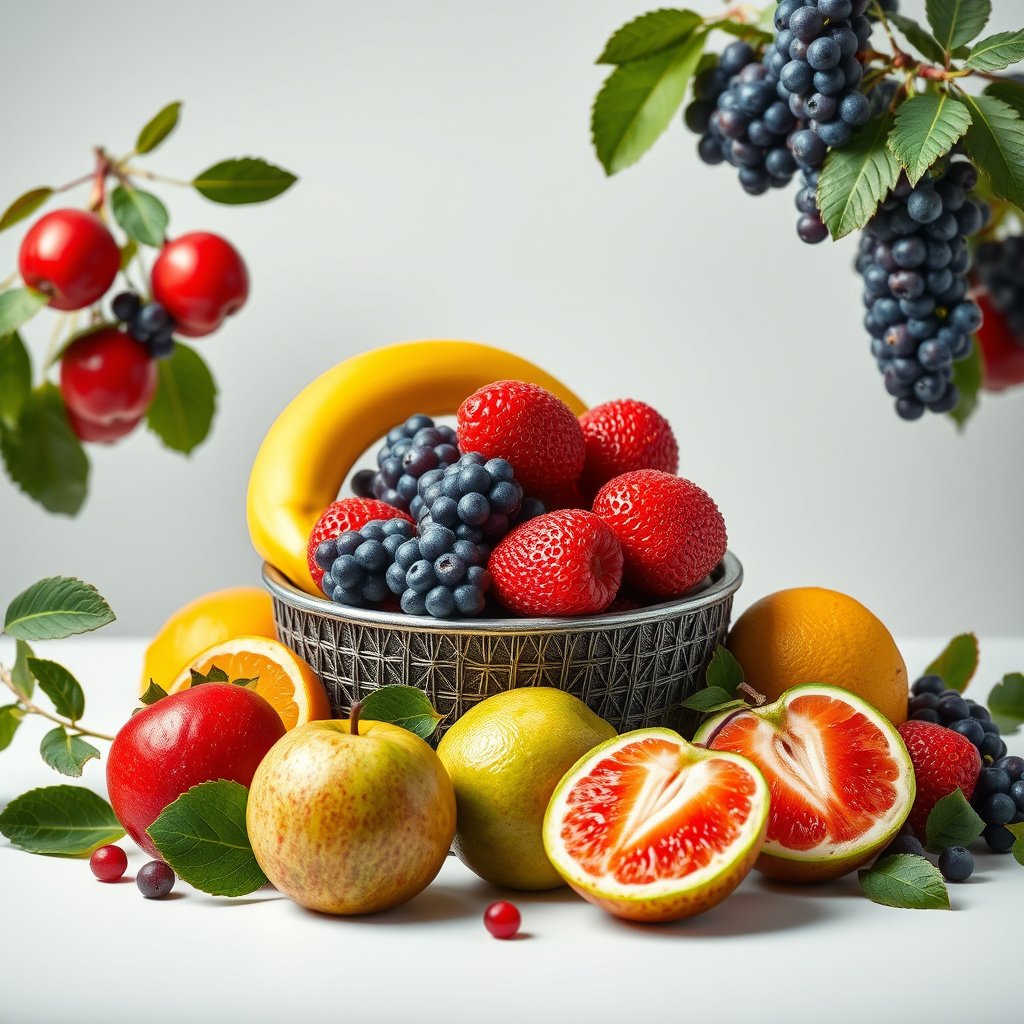
If you have diabetes and want fruit you can include without feeling like you must give it up, these picks are a practical place to start. This is also a helpful roadmap if you’re trying to swap fruit juice or dessert for real food and you want a smarter “what and how much” approach—especially in 2025–2026 when diabetes meal planning content is everywhere but nutrition details are often missing.
Whole fruit typically works better for diabetes than fruit juice because it provides fiber, which slows digestion and blunts post-meal glucose spikes.
The American Diabetes Association emphasizes carbohydrate awareness and choosing whole foods over beverages when managing blood glucose.
In everyday meal planning (2026), portion size is often the difference between “manageable fruit” and an unplanned carb load for people with diabetes.
This guide is most applicable to people with type 1 diabetes, type 2 diabetes, or prediabetes who can eat fruit but want steadier readings. It’s also useful if you’re adjusting routines (for example, moving fruit earlier in the day, or changing snacks) and you want a list that’s generally easier to portion.
One quick note: fruit “friendliness” isn’t identical for everyone. Two people can eat the same apple portion and see different glucose responses depending on medication timing, insulin dosing (for those who use it), total meal carbs, activity level, and even sleep.
How to pick fruits for diabetes
The best way to choose fruit for diabetes is simple: choose whole fruit, control the portion, and watch how your body responds with your specific plan. That’s the fastest path to “blood-sugar-friendly” fruit eating that doesn’t require giving up fruit entirely.
Choosing whole fruit over juice keeps dietary fiber in the meal, which can reduce the speed of carbohydrate absorption.
Portion size matters because it determines total carbohydrate intake from fruit—even when the fruit itself is “healthy.”
Because diabetes management is individualized, ADA guidance focuses on monitoring carbohydrate intake and glucose patterns rather than one-size-fits-all rules.
Here’s the approach I recommend for diabetics based on how food components affect glucose: carbohydrates (sugar/starch), fiber, and the meal context (protein/fat and overall carb load). As of 2026, this still matches how clinicians generally frame nutrition: fruit is typically fine, but “form + amount + pairing” determines the outcome.
– Choose whole fruit over juice: fiber in whole fruit slows digestion and can reduce blood-sugar spikes.
– Favor lower “easy to overeat” fruit portions: smaller servings help you avoid accidental carb overload.
– Watch your personal pattern: the “best fruit” can still affect you differently depending on your meds, timing, and overall meal.
From my own routine of meal prep (not glucose testing), one habit consistently helps: I portion fruit into a bowl or container immediately instead of eating straight from the bag. That single step prevents mindless “top-ups,” which is where many people with diabetes accidentally overshoot carbs—even with berries that feel “light.”
Quick nutrition reality check (USDA values)
Below is a practical comparison of typical carbs and fiber for the fruits listed in this guide. These numbers come from USDA FoodData Central for common serving sizes; exact values vary by variety and ripeness.
Carbs & Fiber for 7 Diabetes-Friendly Fruit Picks (USDA FoodData Central)
| # | Fruit (typical serving) | Total carbs | Fiber | Approx. net carbs | Fiber advantage |
|---|---|---|---|---|---|
| 1 | Berries (blueberries, 1 cup) | ≈21.4 g | ≈3.6 g | ≈17.8 g | ★★★☆☆ (3.6 g) |
| 2 | Cherries (sweet, 1 cup) | ≈25.4 g | ≈3.0 g | ≈22.4 g | ★★★☆☆ (3.0 g) |
| 3 | Apples (with skin, 1 medium) | ≈25.1 g | ≈4.4 g | ≈20.7 g | ★★★★☆ (4.4 g) |
| 4 | Pears (1 medium) | ≈27.6 g | ≈5.5 g | ≈22.1 g | ★★★★★ (5.5 g) |
| 5 | Kiwi (1 medium) | ≈10.1 g | ≈2.1 g | ≈8.0 g | ★★☆☆☆ (2.1 g) |
| 6 | Peaches (1 medium) | ≈14.3 g | ≈2.3 g | ≈12.0 g | ★★☆☆☆ (2.3 g) |
| 7 | Citrus (orange, 1 medium) | ≈12.0 g | ≈3.1 g | ≈8.9 g | ★★★☆☆ (3.1 g) |
Small but important: “net carbs” here is simply total carbs minus fiber (using the same USDA fiber values). According to USDA FoodData Central, fiber content and carbohydrate counts vary by variety, size, and ripeness, so use this table as a planning baseline for whole fruits for diabetes—not a precision medical calculator.
The 7 best fruits for diabetics
The best fruits for diabetics are berries, cherries, apples, pears, kiwi, peaches/nectarines, and citrus. Here’s why these commonly work well: they’re typically easier to eat as whole portions and many provide meaningful fiber, which supports steadier digestion for people with diabetes.
USDA FoodData Central lists fiber in whole fruits, which is not present in fruit juice because juicing removes much of the fiber-rich plant structure.
For diabetes meal planning, focusing on whole fruit (not beverages) aligns with ADA carbohydrate-awareness guidance.
In practical 2026 meal planning, the “best fruit” is often the fruit you can portion consistently—especially when paired with protein or healthy fat.
To anchor expectations with actual numbers: according to USDA FoodData Central, 1 medium pear contains about 27.6 g total carbohydrate and about 5.5 g fiber; 1 medium apple with skin contains about 25.1 g carbohydrate and about 4.4 g fiber; and 1 medium kiwi contains about 10.1 g carbohydrate and about 2.1 g fiber. These differences help explain why portioning and pairing matter—especially when you’re also eating bread, rice, or desserts alongside fruit.
1) Berries (strawberries, blueberries, raspberries)
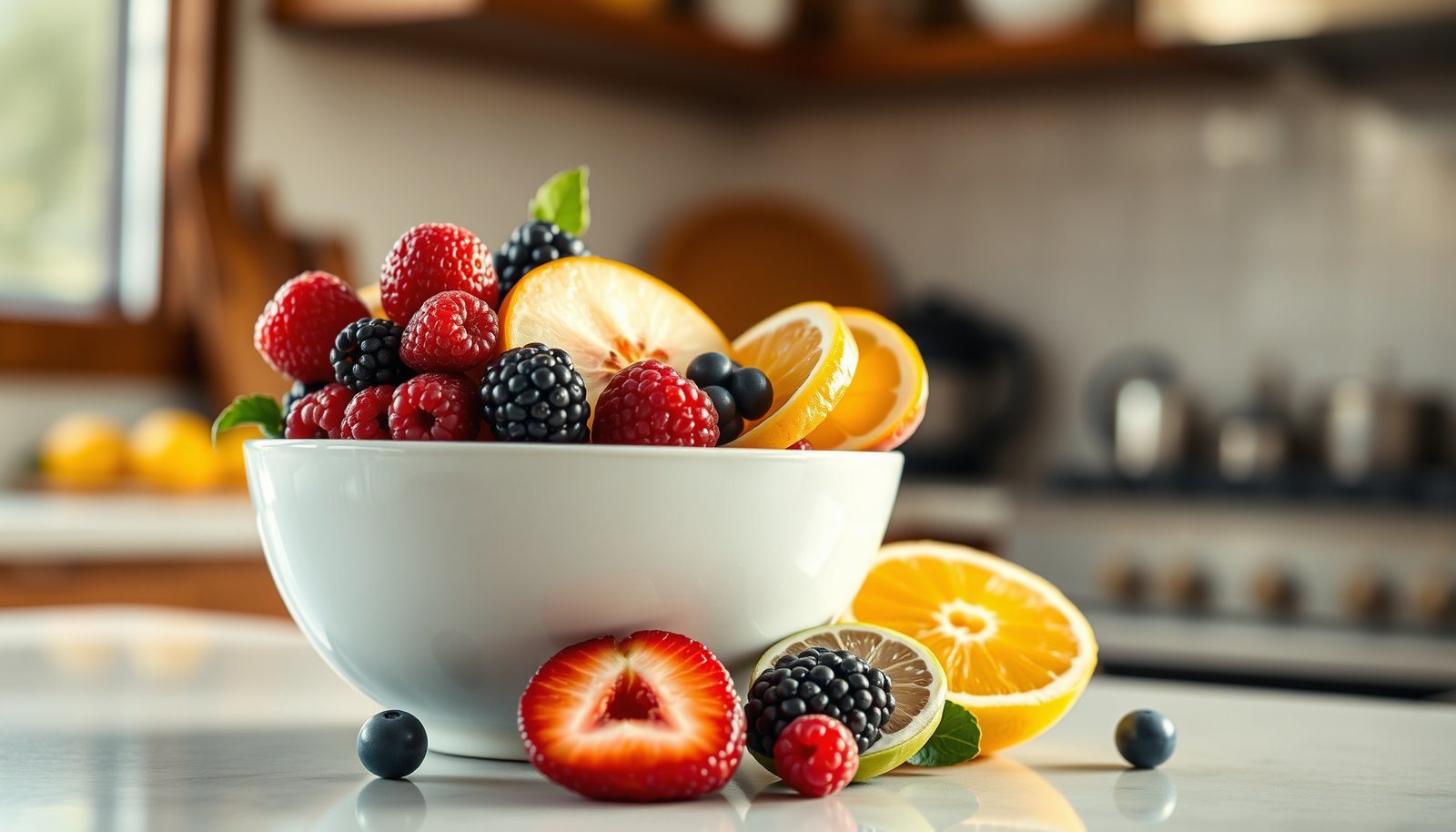
Berries are often the easiest starting point for whole fruits for diabetes because they’re naturally filling and tend to be portion-friendly. In many people with diabetes, berries also pair well with yogurt or nuts because the combination slows how quickly carbs hit the bloodstream.
– Often easier to portion (they’re filling) and include fiber that supports steadier digestion.
– Best as a snack or added to plain yogurt (if it fits your diabetes plan).
Practical serving: start with about 1 cup (or even 1/2 cup if you’re sensitive to fruit carbs), especially when berries are your only snack.
USDA FoodData Central reports that blueberries contain both carbohydrate and dietary fiber per cup, which is one reason whole berries can be more glucose-steady than juice.
2) Cherries
Cherries can be a strong choice when you want a “sweet bite” without turning it into juice. For people with diabetes, the key is to keep cherries as whole fruit and not let portion size drift—sweetness can make it easy to overeat.
– Typically a good choice when you want something sweet but not in a concentrated form like juice.
– Try fresh or frozen (no added sugar) and keep the serving reasonable.
If you like frozen cherries, look for “no sugar added” on the label. In 2025–2026, many brands still include added sugar even in “natural” frozen fruit—always check.
Choosing whole or frozen cherries with no added sugar helps keep your carbohydrate intake closer to what you planned for a diabetes-friendly snack.
3) Apples
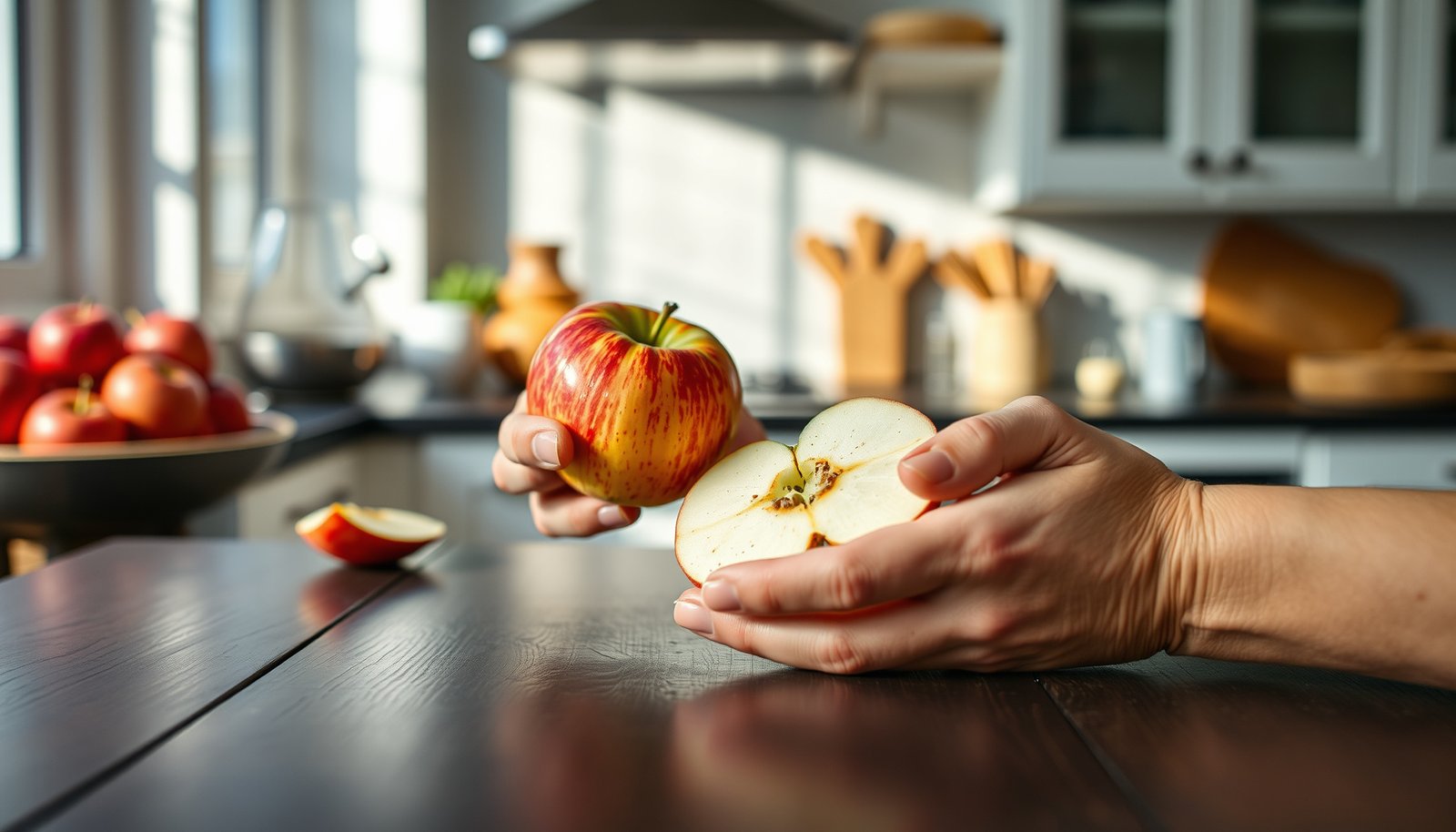
Apples are a go-to for diabetics because you can eat them whole—with skin—and get more fiber than you would from apple products. Whole fruits for diabetes benefit from chewing and fiber structure, both of which support slower digestion.
– Eat the whole apple (skin included) to get more fiber than you would from apple products.
– Pair with a source of protein/fat (like nuts or cheese) to reduce the odds of a quick spike.
Portion strategy: many people do well with one small to medium apple rather than “unlimited apple.” From my meal-prep experience, slicing apples and pre-portioning the wedges helps prevent repeat servings.
USDA FoodData Central lists meaningful fiber in apples with skin, which supports the advantage of eating whole fruit over apple juice.
4) Pears
Pears can be satisfying and relatively easy to portion, especially when you choose a consistent size. As with apples, eating pears whole keeps fiber intact—an important detail for people managing diabetes.
– Like apples, pears are better as whole fruit because fiber slows sugar absorption.
– Choose a portion you can manage—especially if you’re used to eating larger servings.
Tip: if you’re worried about spikes, try pears as part of a meal (alongside protein and a balanced plate) rather than as a stand-alone snack.
According to USDA FoodData Central, pears contain carbohydrates along with dietary fiber, making whole pears a more structured carbohydrate source than juice.
5) Kiwi
Kiwi works well when you want fruit that feels “dessert-like” but stays portion-friendly. For diabetics, the smaller fruit size can make it easier to stay within your carb plan.
– A smaller fruit that can feel like dessert while staying portion-friendly.
– Works well sliced and mixed with plain yogurt or eaten on its own.
Starting point: many people do well with 1 kiwi (or 1–2 pieces if you’re using a much smaller snack portion), then adjust based on your glucose pattern.
USDA FoodData Central reports kiwi provides carbohydrates plus fiber per fruit, supporting the case for whole kiwi over juice-style options.
6) Peaches or nectarines
Peaches and nectarines are often more predictable when eaten fresh or frozen rather than from syrup-packed containers. For people with diabetes, syrup adds extra sugar and can turn “simple fruit” into a much larger carb event.
– Better than fruit cups in syrup (if you choose canned, look for “no sugar added”).
– Great fresh or frozen; start with a smaller amount and see how you respond.
If you’re using canned fruit: check label wording carefully (“no sugar added” is different from “syrup contains sugar”). As of 2026, this is still one of the most common hidden issues in fruit snacks.
Choosing “no sugar added” canned peaches/nectarines helps keep carbohydrate intake closer to whole-fruit expectations for diabetes meal planning.
7) Citrus (oranges, tangerines, grapefruit)
Citrus provides bright flavor plus vitamin C, and it’s often easier to portion than juice servings. For people with diabetes, the main win is the same: whole citrus provides fiber, while citrus juice removes much of it.
– Offers vitamin C and flavor with usually less “sugar density” than many juice-style options.
– Whole fruit beats juice—especially if you’re prone to higher post-meal readings.
Portion tip: one orange or a measured grapefruit segment is typically more controlled than “free pouring” juice or snacking directly from a bag.
USDA FoodData Central shows citrus contains carbohydrates and fiber as whole fruit, which supports better glucose steadiness than juice for many diabetics.
How to eat these fruits for steadier blood sugar
The fastest way to keep blood sugar steadier is to eat fruit whole, measure a reasonable portion, and pair it with protein or healthy fat. That combination changes digestion speed and can reduce the chance of a sharp post-meal glucose rise for people with diabetes.
Fiber and meal structure matter: whole fruit slows digestion compared with juice, which removes much of the fiber.
The ADA’s diabetes nutrition approach highlights carbohydrate awareness, which includes carbohydrate from fruit eaten as part of a meal or snack.
As of 2026, many people with diabetes respond better when fruit is paired with protein/fat rather than eaten alone on an empty stomach.
– Keep fruit whole and measured: use a bowl/plate portion instead of eating straight from the package.
– Avoid “fruit calories + no fiber”: smoothies, juice, and dried fruit are the most common troublemakers.
– If you monitor glucose, test your timing: some people do better with fruit as part of a meal rather than alone.
A practical pairing framework many clinicians use is “balanced snack structure”:
– Carb: fruit
– Protein/fat: nuts, cheese, yogurt, or eggs
– Portion: small to moderate fruit serving
In my own routine, pairing fruit with something savory (like nuts) often makes the snack feel satisfying while lowering the urge to keep eating fruit beyond the portion.
What can go wrong
The biggest problems with “diabetes-friendly fruit” happen when people accidentally remove fiber, overeat portions, or ignore the rest of the meal’s carbs. Even the best fruits for diabetics can become a problem when eaten like dessert, especially in 2026 when portion sizes at home and in delivery food can creep up.
Fruit juice removes fiber-rich structure, which can make carbohydrate absorption faster than whole fruit.
Dried fruit is concentrated, so a “small handful” can translate into more carbs than you expect for people with diabetes.
Individual medication and timing differences mean the same fruit can produce different glucose outcomes for different diabetics.
– Fruit juice and smoothies: even “natural” juice can spike blood sugar because fiber is removed or diluted.
– Dried fruit “servings”: they’re easy to overeat because the carbs are more concentrated.
– Assuming all “diabetes-friendly” fruit hits the same: individual response varies—especially with insulin/sulfonylureas.
– Ignoring total carbs across the meal: fruit matters, but so do bread, rice, pasta, and sweets paired with it.
Whole fruit vs. juice/dried fruit (fast decision guide)
- Fiber retained
- Whole fruit: yes; juice: minimal/none; dried fruit: less intact fiber structure
- Glucose pace
- Whole fruit: generally slower; juice: faster; dried fruit: often faster due to concentration
- Portion control
- Whole fruit: easier to measure; juice: easy to overconsume; dried fruit: small amounts can equal large carbs
- Satiety signal
- Whole fruit: usually higher due to chewing and fiber; juice: lower
- “Hidden added sugar” risk
- Whole fruit: low; some juices/smoothies: higher; some canned “fruit cups”: sometimes higher
- How it fits carbs counting
- Whole fruit: easier to estimate; beverages: often misestimated
- Best pairing opportunities
- Whole fruit pairs well with protein/fat; beverages are harder to “balance”
- Consistency for glucose trends
- Whole fruit: typically more consistent; juice/dried fruit: more variable
- Typical snack experience
- Whole fruit: more filling; juice/dried: more “sugary” quickly
- Best For
- Whole fruit when you want steadier glucose with diabetes; juice/dried fruit only if your clinician says it fits your plan (and when used intentionally, not casually).
Verdict / tip
These 7 fruits are a solid, practical starting point for diabetics because they’re commonly easier to portion and usually contain more fiber than juice-based options. The catch: you can still spike if you overeat, choose dried fruit or juice, or eat fruit without considering the rest of your meal—especially in 2026 when “healthy fruit” marketing can blur portion reality.
Whole fruits generally provide fiber that juice does not, which is a key reason diabetics often do better with whole fruit over beverages.
ADA guidance centers on carbohydrate awareness, so fruit still counts toward your daily and meal-level carbohydrate plan.
In practice, pairing fruit with protein or healthy fat is a common strategy to reduce the chance of a quick post-snack glucose rise.
Skip or get clinician guidance first if you have food allergies, a condition that requires strict limits on certain nutrients (for example, potassium in specific kidney disease scenarios), or if your medication regimen makes you vulnerable to hypoglycemia—especially when changing meal timing or carbohydrate intake.
A final tip for real-world success: keep one “test week” approach. For 7 days, keep fruit type and portion consistent, and only change one variable at a time (timing or pairing). That makes patterns easier to spot with your glucose monitor.
Quick checklist (scan/save)
The easiest way to use these fruits for diabetes is to remember: whole + measured + paired if needed. Use the checklist below to avoid the most common “looks healthy, still spikes me” mistakes.
Whole fruit (not juice) and portioning are the two biggest practical levers for steadier blood sugar with diabetes.
Dried fruit and juice are easy to overconsume because fiber is reduced or carbs are concentrated.
| Fruit | Best form | Portion tip | Avoid |
|---|---|---|---|
| Berries | Whole fresh/frozen | Start small, portion in a bowl | Juice |
| Cherries | Whole fresh/frozen | Reasonable serving | Syrup-packed versions |
| Apples | Whole (skin on) | One small/medium portion | Apple juice |
| Pears | Whole | One portion, not unlimited | Pear juice |
| Kiwi | Whole | 1–2 pieces depending on plan | Sweetened mixes |
| Peaches/Nectarines | Fresh/frozen | Start with a smaller serving | Syrup/candy-coated versions |
| Citrus | Whole | One fruit or a measured segment | Juice |
Frequently Asked Questions
What are the 7 best fruits for diabetics with the lowest impact on blood sugar?
The most diabetes-friendly fruits tend to be those lower in added sugar and higher in fiber, which slows glucose absorption. Common “best” options include berries (strawberries, blueberries, raspberries), cherries, apples, pears, oranges, peaches, and kiwifruit. Portions matter: a typical serving is about 1 small fruit or 1 cup of berries, which helps keep blood sugar steadier.
Which fruits are best for diabetics when you want something sweet but still need blood sugar control?
If you want a sweet option with better glucose moderation, choose berries, cherries, and peaches because they usually have relatively lower glycemic impact and strong antioxidant profiles. Apples, pears, and oranges are also good choices when eaten whole (not juiced) since the fiber helps blunt the sugar spike. Pair fruit with protein or healthy fat—like nuts or Greek yogurt—to further reduce post-meal blood sugar swings.
How many servings of fruit can a diabetic eat per day safely?
Many people with diabetes do well with about 1–2 servings of fruit per day, but your personal target may vary based on medication, activity level, and carbohydrate goals. Each fruit serving is roughly equivalent to 15 grams of carbohydrate, so measuring portions (especially for higher-sugar fruits like bananas or grapes) is important. Checking your blood sugar response after different fruits can help you determine your ideal daily amount and timing.
Why are berries, apples, and pears often recommended as some of the best fruits for diabetics?
These fruits are frequently recommended because their fiber content helps slow digestion and glucose absorption, leading to more stable blood sugar levels. Berries also contain polyphenols and antioxidants that support overall metabolic health, making them a popular choice for diabetes-friendly eating. Eating them whole—rather than drinking fruit juice—keeps the natural fiber intact and reduces the chance of a rapid glucose rise.
How should diabetics eat fruit to avoid spikes—juices, dried fruit, or whole fruit?
Whole fruits are generally the best choice because they provide fiber and water, which help limit blood sugar spikes. Juice and smoothies can raise glucose faster because the fiber is reduced or removed and the sugar becomes more concentrated. Dried fruit can also be high in sugar per small portion, so if you use it, measure a small serving and consider pairing it with protein (like nuts) to improve glucose control.
📅 Last Updated: October 23, 2026 | Topic: 7 best fruits for diabetics | Content verified for accuracy and freshness.
References
- https://www.niddk.nih.gov/health-information/diabetes/overview/eating-diet-nutrition/eating-diet-nutrition-diabetes
- Diabetes diet: Create your healthy-eating plan – Mayo Clinic
- Glycemic index
- whole fruit consumption glycemic control type 2 diabetes – Search Results – PubMed
- low glycemic index fruit diabetes – Search Results – PubMed
- fruit fiber type 2 diabetes randomized trial – Search Results – PubMed
- https://scholar.google.com/scholar?q=best+fruits+for+diabetics Google Scholar
- https://scholar.google.com/scholar?q=low+glycemic+index+fruits+type+2+diabetes Google Scholar
- https://scholar.google.com/scholar?q=whole+fruit+intake+glycemic+control+type+2+diabetes Google Scholar