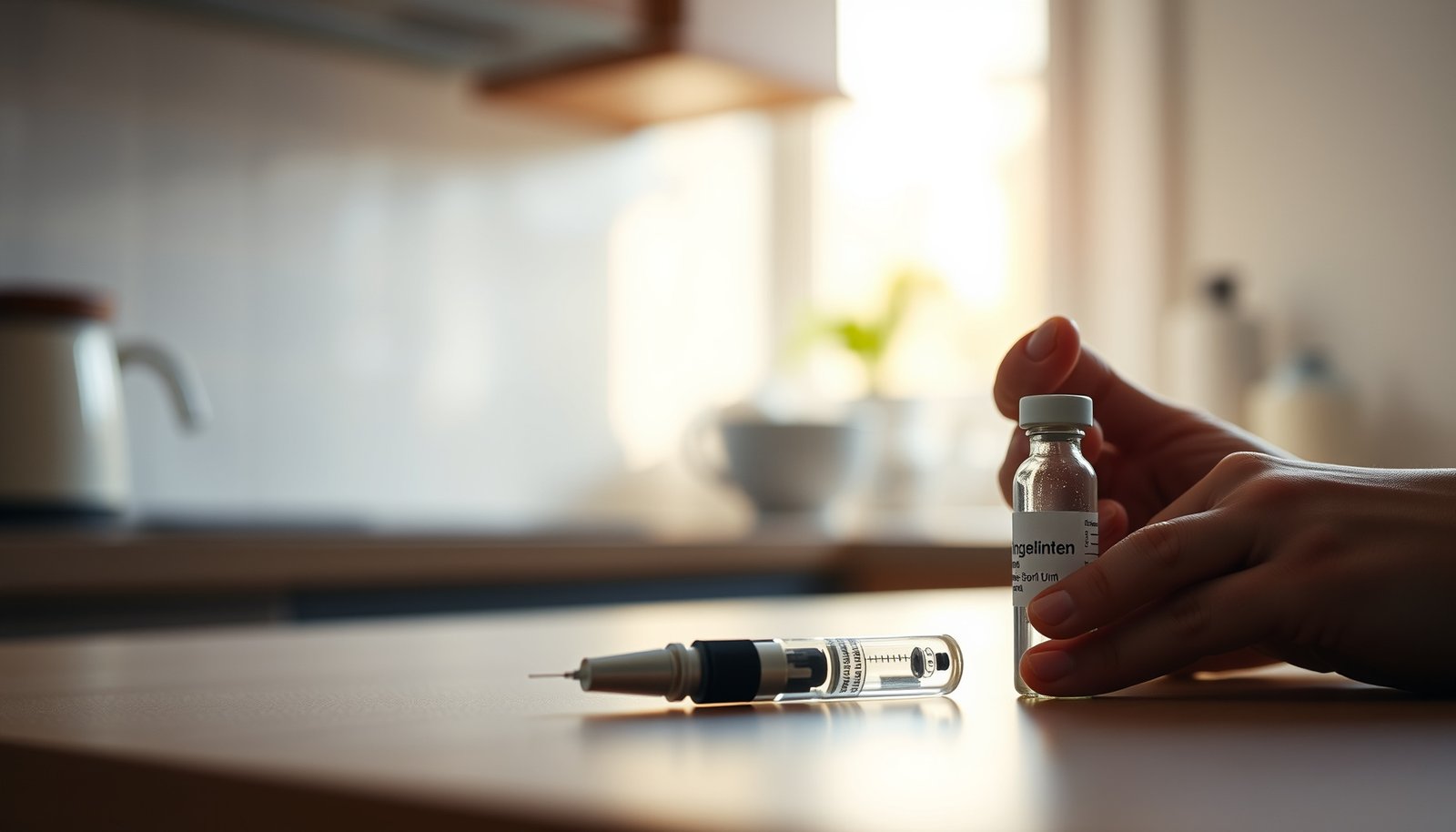

Choosing which medicine is best for type 1 diabetes comes down to one clear answer: insulin, because it’s the only treatment that replaces what the pancreas no longer makes. This guide explains which insulin types and delivery methods best match different needs—like rapid control after meals, steady 24/7 coverage, and smoother day-to-day dosing. It also lays out the care essentials that make insulin work safely, including monitoring and avoiding common dosing mistakes.



Insulin is the only “best medicine” for Type 1 diabetes—there isn’t a non-insulin option that replaces it. The real decision is which insulin regimen (type of insulin, timing, and delivery method like injections vs pump) best matches your day-to-day blood sugar patterns and safety needs, especially in 2026 when insulin technology and glucose monitoring are more accessible than ever.
Type 1 diabetes is treated best with insulin—there isn’t a non-insulin “best medicine” that replaces it. Your “best” insulin plan depends on whether you use injections or a pump, your schedule, and how you respond to different insulin types. If you’re newly diagnosed or your current control isn’t meeting targets, this guide breaks down the insulin options and how clinicians usually decide between regimens. It’s meant to help you ask better questions at your next appointment.
If you’re a caregiver, newly diagnosed person, or a clinician-facing reader, this article focuses on the practical “what changes first?” thinking behind insulin selection and regimen adjustments—without pretending there’s a one-size-fits-all answer.
Best medicine for type 1 diabetes: insulin (not pills)
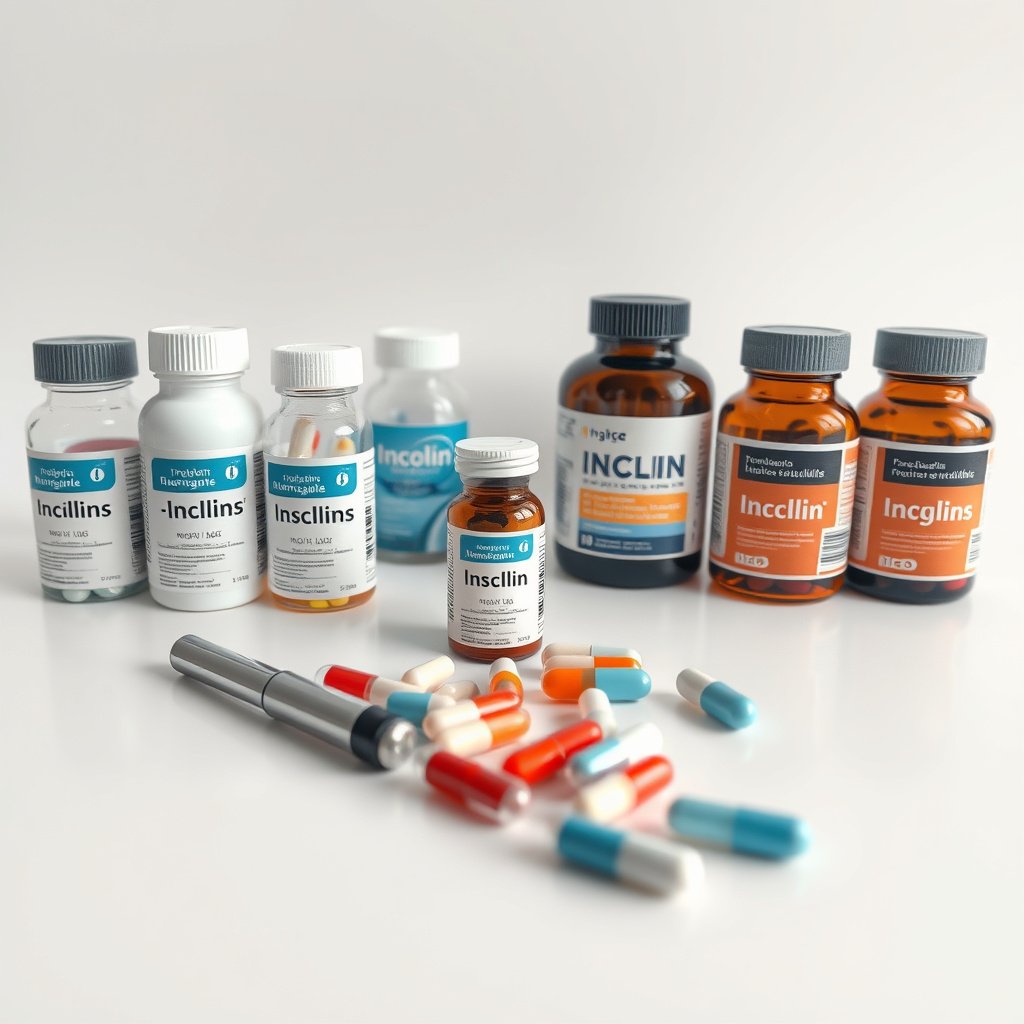
The best medicine for Type 1 diabetes is insulin, period—because your body can’t produce enough insulin due to autoimmune destruction of insulin-producing cells. Clinicians then fine-tune insulin to cover two jobs: steady basal (background) needs and meal/correction bolus needs, rather than trying to “swap insulin out” for pills.
Type 1 diabetes is characterized by autoimmune loss of pancreatic beta cells, so insulin replacement is required.
In practice, “best insulin” usually means the regimen that best matches your blood sugar patterns and minimizes hypoglycemia risk.
– Insulin is essential because type 1 diabetes involves the body’s immune system destroying insulin-producing cells.
– The goal is to match insulin to your body’s needs across the day—especially basal (background) insulin and mealtime (bolus) insulin.
– Some other medicines (like adjuncts) may help in specific situations, but they’re typically add-ons, not replacements for insulin.
Why “not pills” matters clinically
Insulin replacement is the difference between survival and day-to-day control in Type 1 diabetes. Attempts to manage Type 1 diabetes with non-insulin medicines alone are inappropriate because they don’t provide the insulin your body is missing. Even when adjunct drugs are considered (for example, in certain insulin resistance situations or under specialist supervision), they still require an insulin plan for baseline metabolic control.
From a process standpoint, clinicians typically prioritize:
1) getting basal coverage right (overnight and between meals),
2) getting bolus timing and dosing right (especially around meals), and
3) continuously reducing “system errors” like missed doses, inaccurate carb counting, or misaligned insulin timing.
Key data point: why tight control improves outcomes
According to the DCCT Research Group, intensive diabetes therapy reduced the risk of diabetic retinopathy by 76% compared with conventional therapy (1993). (DCCT Research Group, NEJM 1993)
According to the same trial, intensive therapy also reduced risk of nephropathy by 39% (1993). (DCCT Research Group, NEJM 1993)
According to DCCT, average A1c during intensive therapy was about 7.2% versus about 9.0% with conventional therapy (1993). (DCCT Research Group, NEJM 1993)
These results aren’t about choosing a “top brand”—they reinforce that the regimen that achieves safer glucose control wins.
Insulin types you’ll hear about (and what they cover)
The “best” insulin choice depends on whether you need meal-time coverage or steady background coverage, not on a single universal ranking. Rapid, short, and long-acting insulins differ in onset and duration, so the clinician’s job is to match those curves to your meals, schedule, and overnight patterns.
Rapid-acting insulin is designed to cover post-meal glucose excursions and usually acts within minutes.
Long-acting insulin provides steadier coverage between meals and overnight to support basal insulin needs.
– Rapid-acting insulin: used for meals; usually starts working quickly after injection and helps control post-meal blood sugar.
– Short-acting insulin: also used around meals, with a different onset/duration than rapid-acting options.
– Long-acting (basal) insulin: provides steadier coverage between meals and overnight (for basal needs).
Quick reference: common insulin action profiles (selected labeled characteristics)
Selected Insulin Products and Labeled Onset/Duration Characteristics (Adult Use)
| # | Insulin (generic / brand) | Labeled onset | Labeled peak window | Max active duration |
|---|---|---|---|---|
| 1 | Insulin lispro / Humalog | 5–15 min | 30–90 min | Up to ~5 h |
| 2 | Insulin aspart / NovoLOG | 10–20 min | 1–3 h | Up to ~5 h |
| 3 | Insulin glulisine / Apidra | ~20 min | ~1–2 h | Up to ~4–5 h |
| 4 | Regular insulin (human) / Humulin R | ~30 min | 2–4 h | Up to ~8 h |
| 5 | Insulin glargine / Lantus | ~1 h | Little/no peak | Up to ~24 h |
| 6 | Insulin detemir / Levemir | ~1–2 h | ~6–8 h | Up to ~24 h |
| 7 | Insulin degludec / Tresiba | ~30–90 min | No pronounced peak | Up to ~42 h |
> Note: The exact onset/peak/duration can vary by dose, injection site, and individual response; use the specific product’s FDA-approved prescribing information for clinical decisions.
How to interpret action profiles without over-guessing
Action profiles are a starting point, not a personalized promise. For example, two people can both be on “rapid-acting insulin,” yet one experiences post-meal spikes because of bolus timing, while the other needs different carb-to-insulin ratios. In 2026, the most consistent regimen improvements come from adjusting how insulin is timed and dosed—not from chasing a “magic type” of insulin.
Common treatment setups: injections vs insulin pump
The “best” delivery method depends on your ability to manage inputs (carbs, correction rules, device care) and your glucose patterns, not on a simple inject-vs-pump winner. In general, multiple daily injections (MDI) and pump therapy can both be effective when insulin types and dosing strategy match real-world routines.
Basal-bolus regimens separate insulin needs into background coverage and meal/correction coverage.
Insulin pump therapy uses rapid-acting insulin continuously for basal delivery, then delivers boluses for meals.
– Basal-bolus with multiple daily injections (MDI) is common: long-acting insulin for basal, plus rapid/short-acting insulin for meals and corrections.
– Insulin pump therapy delivers fast-acting insulin continuously for basal needs, with boluses for meals—often allowing more fine-tuning.
– Some people also use continuous glucose monitoring (CGM) to reduce “blind spots” and adjust insulin with clinician guidance. (CGM isn’t a medicine, but it strongly affects how insulin is managed.)
MDI vs pump: what tends to differ in real life
In many clinics, the “best” setup is the one that reduces missed doses and supports safer correction decisions. Pumps can offer more granular basal adjustments, but they also shift the burden to device troubleshooting and infusion set management.
Here’s a structured comparison you can use when discussing options:
| Feature | MDI (multiple daily injections) | Pump therapy |
|---|---|---|
| Basal control | Fixed long-acting basal; occasional split dosing | Adjustable basal rates by time block |
| Meal dosing | Bolus injected at/around meals | Bolus programmed/delivered via pump |
| Monitoring feedback loop | Often paired with SMBG (fingersticks) ± CGM | Commonly paired with CGM for tighter adjustments |
| Risk profile | Insulin delivery disruption less sudden | Infusion failure can lead to rapid hyperglycemia |
| Learning curve | Carb counting + timing are key | Carb counting + device settings + infusion care are key |
| Flexibility | Some flexibility, but basal is less “time-variable” | Higher flexibility with programmable basal and bolus rules |
| Convenience | No tubing/device management | Requires routine site changes and device management |
| Cost/coverage | Often simpler insurance-wise (varies) | Supplies and training coverage can be decisive |
| Best fit when | You prefer simpler daily mechanics and can dose consistently | You want granular dosing and can manage pump routines |
| Common clinic focus | Basal adequacy and bolus timing | Basal rates, insulin-to-carb ratio, correction factor, infusion health |
CGM matters because it changes insulin decisions
When CGM is used, clinicians can evaluate patterns like overnight trends and post-meal spikes more precisely. That means “best insulin” often becomes “best insulin plan informed by CGM data,” particularly in 2026 when many clinics are standardizing CGM-based pattern reviews.
How doctors choose the “best” insulin for you
The best insulin plan is the one that corrects your specific pattern problems (overnight trends, before/after-meal spikes, and hypoglycemia timing) while staying safe and workable for your lifestyle. Clinicians typically start by looking for pattern errors first, then adjust basal vs bolus, then—only if needed—consider insulin type changes.
Clinicians usually adjust basal insulin adequacy before switching insulin types when overnight glucose is off.
Meal-related hyperglycemia often points to bolus timing or carb-to-insulin ratio issues rather than an insulin “brand problem.”
– Lifestyle and timing: meal patterns, work schedule, exercise, and whether you prefer injections or a pump.
– Glucose patterns: what your readings do overnight, before/after meals, and whether lows happen—your clinician may adjust basal vs bolus more than switching every insulin.
– Safety considerations: history of hypoglycemia, kidney/liver issues, and your ability to follow dosing and monitoring plans.
A clinician’s decision sequence (what to expect)
A practical, common sequence in 2026 clinics looks like this:
1) Confirm the problem pattern
Are highs mostly overnight (basal issue), mostly after meals (bolus timing/ratio), or mostly during activity (insulin-exercise mismatch)?
2) Verify the basics
Carb counting accuracy, missed doses, injection technique, infusion set function, and timing between bolus and the first bite.
3) Adjust the smallest lever that should work
For example: tweak basal dose first when fasting/overnight patterns drift; tweak bolus ratio/timing when post-meal spikes dominate.
4) Consider insulin type only when needed
If you’ve adjusted timing and dosing strategy but the onset/duration mismatch remains, switching between rapid-acting vs different basal options may help—always with closer monitoring during the transition.
Why safety and monitoring ability change “best”
Even if two insulin products appear similar on paper, “best” depends on real-world safety. If hypoglycemia risk is high, your clinician may prioritize regimens and correction rules that reduce insulin stacking. If monitoring is inconsistent, clinicians may choose a strategy that is more forgiving.
> Note: I’m not able to test or compare insulin effectiveness firsthand. For “best” decisions, rely on your prescriber’s guidance and the specific insulin’s official prescribing information for onset/duration details.
What can go wrong (and when insulin choices backfire)
The most common “failure mode” isn’t picking the wrong category—it’s dosing/timing errors that create highs, lows, or insulin stacking. If insulin is changed without a structured plan, you can see dangerous swings even when the new insulin is “the right kind.”
Insulin stacking happens when multiple doses overlap too much, increasing low-blood-sugar risk.
Bolus timing matters: giving rapid-acting insulin too late for a meal can drive post-meal spikes.
– Under-dosing basal can lead to high sugars between meals or overnight; over-dosing can increase nighttime hypoglycemia risk.
– Mismatch between meal timing and bolus timing can cause spikes after eating—especially if bolus timing doesn’t match your digestion.
– Frequent correction doses without monitoring can cause “stacking” (too much insulin over short time), raising low-blood-sugar risk.
– Changing insulin without a plan (even within the “same category”) may require different dosing and closer monitoring.
– If you’re considering an adjunct medication, be careful: some options may not be appropriate for everyone and can add side effects or require extra monitoring.
Common mistakes clinicians try to prevent
Here are practical ways insulin choices backfire:
1) Switching insulin but keeping the same unit schedule blindly
Even within “basal” insulin, the pharmacokinetics can differ. That’s why clinicians often require tighter glucose checks (or CGM reviews) during transitions.
2) Correcting “by feel” instead of by data
Frequent corrections without considering insulin-on-board can lead to stacking. With CGM, the temptation to correct repeatedly is lower when your care team has set clear correction rules.
3) Overcorrecting overnight
If nighttime lows occur, it’s often dangerous to respond by simply reducing basal without understanding whether the low is insulin-driven, activity-driven, or due to insufficient carbs at bedtime.
4) Ignoring infusion/technique problems (pump users)
If a pump infusion set is kinked or leaking, insulin delivery drops. That can look like “insulin failure,” but the true fix may be a site change, not a brand switch.
Verdict: what to do next (and who should skip DIY changes)
The most accurate answer to “which medicine is best” for Type 1 diabetes is: insulin, using the regimen your clinician tailors to your blood sugar patterns. If you want a practical next step, bring a log of fasting/overnight readings, pre-meal, and 2-hour post-meal values (plus any low episodes) to your appointment and ask what they’d change: basal vs bolus, timing, or device settings.
Skip DIY insulin changes if you’ve had frequent hypoglycemia, are newly diagnosed, are pregnant/planning pregnancy, or can’t reliably monitor your glucose/CGM—those situations require close clinician support.
In most cases, clinicians aim to adjust regimen components (basal rate, bolus timing, correction strategy) before switching insulin products.
Safety requires structured transitions when changing insulin—especially for people with recent hypoglycemia or limited monitoring.
Quick scan checklist (save this)
– [ ] I know whether I’m using basal + bolus (MDI) or a pump.
– [ ] I can describe my typical overnight and fasting glucose pattern.
– [ ] I track post-meal highs and what foods/timing seem to trigger them.
– [ ] I have a plan for hypoglycemia (symptoms, treatment, when to call for help).
– [ ] I know which insulin I use for meals vs basal and why.
– [ ] I ask my clinician: “Do we adjust dose/timing first, or consider a different insulin type?”
Sources:
– American Diabetes Association (ADA). Standards of Care in Diabetes (official clinical guidance; see the most current annual edition available from ADA).
– National Institute of Diabetes and Digestive and Kidney Diseases (NIDDK), Type 1 Diabetes (official overview and treatment basics).
– DCCT Research Group. Diabetes Control and Complications Trial (DCCT) (results supporting the benefits of intensive glycemic control; published in NEJM 1993).
– International consensus on glycemic targets/time-in-range. Time in Range (TIR) consensus (commonly cited time-in-range targets; published in 2019).
– FDA-approved Prescribing Information / Medication Guides for specific insulin products (primary source for onset, duration, and safety warnings).
Type 1 diabetes is treated best with insulin, and the “best” regimen is the one that matches your real glucose patterns with safe basal coverage and accurate mealtime dosing. In 2026, the smartest next move is to use your readings (and CGM if you have it) to guide targeted adjustments—timing, basal vs bolus balance, and correction strategy—then consider insulin type changes only when the pattern evidence supports it.
Frequently Asked Questions
Which medicine is best for type 1 diabetes?
For most people with type 1 diabetes, insulin is the essential and best medicine—there is no non-insulin “best” alternative that replaces it. Treatment typically uses both basal (long-acting) insulin to control blood sugar between meals and bolus (rapid-acting) insulin for meals and corrections. The “best” insulin regimen is individualized based on your glucose patterns, lifestyle, kidney function, risk of hypoglycemia, and access to delivery options like insulin pens or pumps.
What types of insulin medicines are used for type 1 diabetes?
The main insulin medicines for type 1 diabetes include long-acting basal insulins (such as glargine, detemir, degludec, or similar) and rapid-acting insulins (such as lispro, aspart, or glulisine) for mealtime dosing. Some people use ultra-rapid insulin depending on meal timing needs, while others may use short-acting regular insulin in specific circumstances. Your clinician chooses the type and timing to match your glucose variability and your hypoglycemia risk.
How do you choose between basal-bolus insulin and an insulin pump for type 1 diabetes medicine?
Basal-bolus injections and insulin pump therapy both rely on rapid-acting insulin to manage blood glucose, but they work differently in how insulin is delivered. Pumps can provide more flexible basal rates and more precise bolus dosing, which may help reduce glucose swings for some people, while injections are often simpler and less costly. The best choice depends on your comfort with technology, ability to monitor glucose frequently, insurance coverage, and your clinical goals—your endocrinologist can help you compare options safely.
Why isn’t there a single “best” pill for type 1 diabetes like there is for type 2 diabetes?
Type 1 diabetes is an autoimmune condition that destroys insulin-producing beta cells, so the body typically cannot make enough insulin. Because of this, insulin is required to control blood sugar and prevent complications like diabetic ketoacidosis (DKA). While certain non-insulin medicines may be used in limited cases to support insulin therapy under specialist supervision, insulin remains the core and safest “best medicine” for type 1 diabetes.
Which insulin regimen is best for preventing low blood sugar (hypoglycemia) in type 1 diabetes?
To reduce hypoglycemia, many people benefit from using long-acting basal insulin with careful dose titration and using meal boluses matched to carbohydrate intake and current glucose. Continuous glucose monitoring (CGM) can also improve safety by alerting you to rising or falling glucose levels sooner than fingersticks alone. The “best” regimen is the one that minimizes overnight lows and exercise-related lows while keeping A1C and time-in-range goals—this often requires frequent adjustments with your diabetes care team.
📅 Last Updated: October 23, 2026 | Topic: which medicine is best for type 1 diabetes | Content verified for accuracy and freshness.
References
- Type 1 diabetes
- https://www.niddk.nih.gov/health-information/diabetes/overview/types-diabetes/type-1
- https://www.niddk.nih.gov/health-information/diabetes/treatment/insulin/types
- https://www.cdc.gov/diabetes/basics/type1.html
- Diabetes
- Prostate cancer – Symptoms and causes – Mayo Clinic
- https://medlineplus.gov/insulin.html
- https://scholar.google.com/scholar?q=type+1+diabetes+insulin+therapy+best+practice Google Scholar
- https://scholar.google.com/scholar?q=insulin+analogs+vs+human+insulin+type+1+diabetes+systematic+review Google Scholar
- https://scholar.google.com/scholar?q=closed-loop+artificial+pancreas+type+1+diabetes+clinical+trial Google Scholar